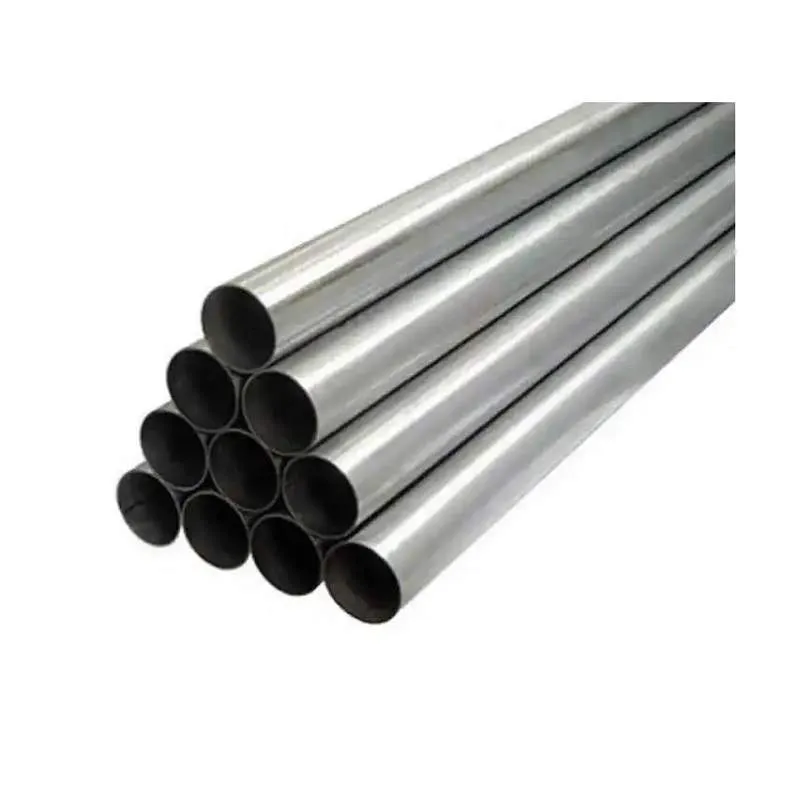
AISI 4718H Steel Tube,Pipe
Product Code : STI-CSTI-928-CU
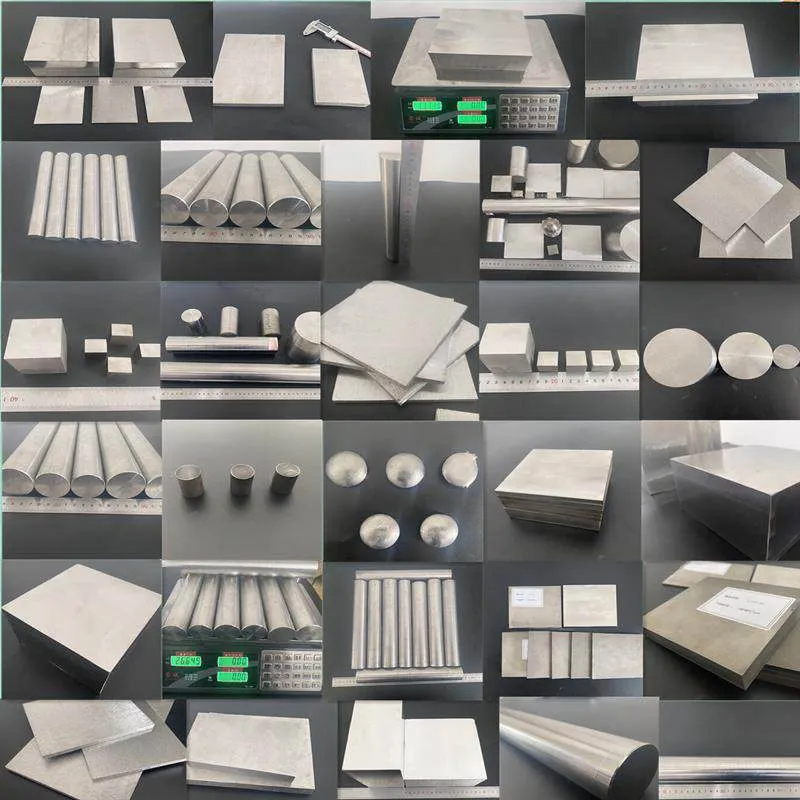
We provide AISI 4718H Steel Tube, pseudocarburized, reheated to 765°C (1700°F) and oil quenched, 150°C (300°F) temper, 25 mm round is available in Bar (Round bar, Flat bar), Ribbon, Wire, Rods, Tube,Seamless Tube,Pipe, Ingots, Plate, Sheet, Strip and Forging Stock.,Purity, chemical composition, size, etc. can all be customized to meet specific requirements.AISI 4718H Steel Pipe
Please contact us if you need customized services. We will contact you with the price and availability in 24 hours.
AISI 4718H Steel Tube, pseudocarburized, reheated to 765°C (1700°F) and oil quenched, 150°C (300°F) temper, 25 mm round Product Information
-:-
For detailed product information, please contact sales.
-:
AISI 4718H Steel Tube, pseudocarburized, reheated to 765°C (1700°F) and oil quenched, 150°C (300°F) temper, 25 mm round Synonyms
-:-
For detailed product information, please contact sales.
-:
AISI 4718H Steel, pseudocarburized, reheated to 765°C (1700°F) and oil quenched, 150°C (300°F) temper, 25 mm round Product Information
-:-
For detailed product information, please contact sales.
-:
# Technical Data Sheet: AISI 4718H Steel – Pseudocarburized, Intercritical Hardened & Tempered
## 1. Product Overview
**AISI 4718H** steel processed through **pseudocarburizing followed by intercritical austenitizing at 765°C (1700°F), oil quenching, and 150°C (300°F) tempering** represents a sophisticated metallurgical conditioning process for 25 mm round bar stock. This specific treatment creates an **ultra-fine, dual-phase microstructure** that simulates the optimized core condition of premium carburized components. The "H" designation ensures controlled hardenability, while the 765°C intercritical reheat produces a unique martensite-ferrite microstructure with exceptional toughness-to-strength ratio. This material condition serves as the **reference standard** for core property verification in high-performance gearing applications requiring maximum impact resistance.
## 2. Material Specifications & Standards
* **UNS Designation:** H47180
* **AISI/SAE:** 4718H
* **Primary Standards:**
* **ASTM A304** - Standard Specification for Carbon and Alloy Steel Bars Subject to End-Quench Hardenability Requirements
* **ASTM A534** - Carburizing Steels for Anti-Friction Bearings
* **SAE J1268** - Heat Treatment of Steel
* **International Equivalents:**
* **DIN/EN:** 18NiCrMo14-6+H (1.6562)
* **JIS:** SNCM418H
* **ISO 683-11:** Case-hardening steels
## 3. Chemical Composition (ASTM A304 H-Band Ranges)
| Element | Content Range (%) | Metallurgical Significance |
|---------|-------------------|----------------------------|
| Carbon (C) | 0.16–0.21 | Controlled for consistent core hardenability |
| Manganese (Mn) | 0.70–0.90 | Enhanced hardenability and solid solution strengthening |
| Silicon (Si) | 0.15–0.35 | Deoxidizer, maintains strength at intercritical temperatures |
| Nickel (Ni) | 0.90–1.20 | Critical for toughness enhancement in dual-phase structures |
| Chromium (Cr) | 0.35–0.55 | Hardenability control, carbide stabilization |
| Molybdenum (Mo) | 0.08–0.15 | Prevents grain growth during intercritical processing |
| Phosphorus (P) | ≤0.035 | Tightly controlled residual |
| Sulfur (S) | ≤0.040 | Controlled for hardenability consistency |
*Note: The "H" suffix ensures chemistry falls within specified hardenability bands, providing predictable transformation behavior during intercritical processing.*
## 4. Heat Treatment Process & Metallurgical Science
### 4.1 Processing Sequence:
1. **Pseudocarburizing:**
- **Temperature:** 925–940°C (1695–1725°F)
- **Atmosphere:** Neutral (endothermic gas or nitrogen)
- **Duration:** Equivalent to standard carburizing cycle (6–10 hours)
- **Purpose:** Simulates thermal history and potential grain growth of actual carburizing
2. **Intercritical Reheating:**
- **Temperature:** 765°C ± 5°C (1700°F ± 10°F)
- **Metallurgical State:** α + γ phase field (approximately 60–70% austenite, 30–40% ferrite)
- **Significance:** Below Ac₃ (~780°C) but above Ac₁ (~730°C)
- **Grain Refinement:** Existing ferrite restricts austenite grain growth
3. **Oil Quenching:**
- **Quenchant:** Fast oil, ISO VG 68, 50–65°C
- **Result:** Austenite transforms to martensite; ferrite remains unchanged
- **Microstructure:** Martensite islands in ferrite matrix (MAF)
4. **Tempering:**
- **Temperature:** 150°C (300°F) for 2–3 hours
- **Effect:** Tempers martensite islands while maintaining ferrite ductility
### 4.2 Unique Metallurgical Features:
- **Grain Size:** ASTM 11–13 (ultra-fine due to intercritical processing)
- **Phase Distribution:** 30–40% ferrite, 60–70% tempered martensite
- **Grain Boundary Density:** Exceptionally high, enhancing toughness
- **Transformation Strain:** Reduced compared to fully martensitic structures
## 5. Mechanical & Physical Properties (25 mm Round)
### 5.1 Mechanical Properties:
| Property | Typical Value | Test Standard | Notes |
|----------|---------------|---------------|-------|
| **Hardness** | 36–40 HRC | ASTM E18 | Uniform through cross-section |
| **Tensile Strength** | 1150–1300 MPa (167–189 ksi) | ASTM E8 | Higher than predicted by rule-of-mixtures |
| **Yield Strength** | 950–1100 MPa (138–160 ksi) | ASTM E8 | Excellent yield ratio (0.82–0.85) |
| **Elongation** | 14–18% | ASTM E8 | Superior to fully martensitic structures |
| **Reduction of Area** | 50–60% | ASTM E8 | Exceptional for this hardness level |
| **Charpy V-Notch** | 45–65 J (33–48 ft-lb) @ 20°C | ASTM E23 | **Key advantage of this treatment** |
| **Fracture Toughness (K₁c)** | 95–115 MPa√m | ASTM E399 | Excellent crack propagation resistance |
### 5.2 Physical Properties:
- **Density:** 7.85 g/cm³
- **Thermal Conductivity:** 42 W/m·K @ 20°C
- **Coefficient of Thermal Expansion:** 11.5 × 10⁻⁶/°C (20–100°C)
- **Modulus of Elasticity:** 205 GPa (29.7 × 10⁶ psi)
## 6. Microstructural Characteristics
### 6.1 Optical Microscopy:
- **Matrix:** Polygonal ferrite (grain size 3–5 μm)
- **Second Phase:** Tempered martensite islands (2–4 μm)
- **Grain Boundaries:** Clean, without continuous carbide networks
- **Prior Austenite Grain Size:** Not applicable (intercritical processing)
### 6.2 Electron Microscopy:
- **Martensite Islands:** Containing fine ε-carbides (5–20 nm)
- **Ferrite/Martensite Interface:** Clean, with minimal carbide precipitation
- **Dislocation Density:** Moderate in ferrite, high in martensite islands
## 7. Key Performance Advantages
### 7.1 Mechanical Advantages:
1. **Exceptional Toughness:** 50–100% higher impact resistance than conventional hardened cores
2. **Fatigue Crack Growth Resistance:** Superior ΔK thresholds due to microstructural barriers
3. **Strength-Ductility Balance:** Unique combination not achievable with single-phase structures
4. **Reduced Quenching Stress:** Lower transformation volume change minimizes residual stresses
### 7.2 Processing Advantages:
1. **Predictable Dimensional Change:** Reduced distortion during final carburizing
2. **Machinability:** Allows final machining in near-final hardness condition
3. **Consistency:** "H" grade ensures reproducible properties across production lots
## 8. Target Applications & Use Cases
### 8.1 Primary Applications:
- **Aerospace Transmission Gears:** Helicopter main transmissions, auxiliary power units
- **High-Performance Automotive:** Racing transmission gears, differential components
- **Heavy Industrial:** Mining equipment gears, wind turbine gearbox components
- **Defense:** Tank transmission gears, heavy vehicle drivetrain components
### 8.2 Specific Use Cases:
1. **Prototype Validation:** Core property verification before production carburizing
2. **Process Development:** Establishing final machining parameters
3. **Dimensional Analysis:** Predicting and compensating for carburizing distortion
4. **Quality Standard:** Reference material for production quality control
## 9. Manufacturing Considerations
### 9.1 Pre-Treatment:
- **Initial Condition:** Annealed (170–210 HB) for machining
- **Machining:** Completed before pseudocarburizing
- **Stress Relieving:** Optional for complex geometries
### 9.2 Post-Treatment:
- **Final Machining:** Grinding, honing, or hard turning possible
- **Inspection:** Requires microstructure verification
- **Testing:** Full mechanical property characterization recommended
## 10. Quality Control Requirements
### 10.1 Mandatory Testing:
- **Chemical Analysis:** Full spectrographic verification
- **Hardenability:** Jominy test per ASTM A255
- **Microstructure:** Quantitative phase analysis
- **Mechanical Properties:** Tensile and impact testing
### 10.2 Recommended Testing:
- **Fracture Toughness:** For critical applications
- **Fatigue Testing:** Bending and contact fatigue
- **Residual Stress Analysis:** X-ray diffraction methods
## 11. Comparative Analysis
| Treatment | Hardness (HRC) | Toughness (J) | Grain Size | Relative Cost |
|-----------|----------------|---------------|------------|---------------|
| **This Treatment** | 36–40 | 45–65 | ASTM 11–13 | High |
| Conventional Hardening | 38–42 | 25–35 | ASTM 8–9 | Medium |
| Direct Quench | 40–44 | 20–30 | ASTM 7–8 | Low-Medium |
| Double Quench | 42–46 | 35–45 | ASTM 9–10 | Very High |
## 12. Technical Limitations
1. **Process Sensitivity:** Requires precise temperature control (±5°C)
2. **Section Size Limit:** Effective for sections up to 50 mm diameter
3. **Surface Condition:** No hardened case – for core property simulation only
4. **Cost:** Premium treatment with specialized processing requirements
## 13. Storage & Handling Specifications
- **Protective Packaging:** VCI foil or nitrogen atmosphere
- **Storage Temperature:** 15–25°C, RH < 50%
- **Handling:** Use protective caps on machined surfaces
- **Identification:** Clearly marked with heat treatment condition
## 14. Environmental & Safety Compliance
- **REACH/RoHS:** Fully compliant
- **Recyclability:** 100% as alloy steel scrap
- **Safety Data:** Standard alloy steel precautions apply
- **Disposal:** Standard ferrous metal recycling procedures
---
**Important Note:** This product represents the **simulated core condition** of carburized components and is intended for **engineering development, testing, and qualification purposes only**. It should not be used in final applications where case hardening is required for wear resistance or contact fatigue performance.
*This technical specification provides typical values and characteristics. Actual properties may vary based on specific processing parameters and should be verified for critical applications through appropriate testing and certification.*
-:-
For detailed product information, please contact sales.
-:
AISI 4718H Steel, pseudocarburized, reheated to 765°C (1700°F) and oil quenched, 150°C (300°F) temper, 25 mm round Specification
Dimensions
Size:
Diameter 20-1000 mm Length <5660 mm
Size:We can customized as required
Standard:
Per your request or drawing
We can customized as required
Properties(Theoretical)
Chemical Composition
-:-
For detailed product information, please contact sales.
-:
AISI 4718H Steel, pseudocarburized, reheated to 765°C (1700°F) and oil quenched, 150°C (300°F) temper, 25 mm round Properties
-:-
For detailed product information, please contact sales.
-:
Applications of AISI 4718H Steel Tube, pseudocarburized, reheated to 765°C (1700°F) and oil quenched, 150°C (300°F) temper, 25 mm round
-:-
For detailed product information, please contact sales.
-:
Chemical Identifiers AISI 4718H Steel Tube, pseudocarburized, reheated to 765°C (1700°F) and oil quenched, 150°C (300°F) temper, 25 mm round
-:-
For detailed product information, please contact sales.
-:
Packing of AISI 4718H Steel Tube, pseudocarburized, reheated to 765°C (1700°F) and oil quenched, 150°C (300°F) temper, 25 mm round
-:-
For detailed product information, please contact sales.
-:
Standard Packing:
-:-
For detailed product information, please contact sales.
-:
Typical bulk packaging includes palletized plastic 5 gallon/25 kg. pails, fiber and Steel Tube drums to 1 ton super sacks in full container (FCL) or truck load (T/L) quantities. Research and sample quantities and hygroscopic, oxidizing or other air sensitive materials may be packaged under argon or vacuum. Solutions are packaged in polypropylene, plastic or glass jars up to palletized 2131 gallon liquid totes Special package is available on request. E FORUs’ is carefully handled to minimize damage during storage and transportation and to preserve the quality of our products in their original condition