AISI 4820H Steel, annealed
Product Code : STI-CSTI-957-CU
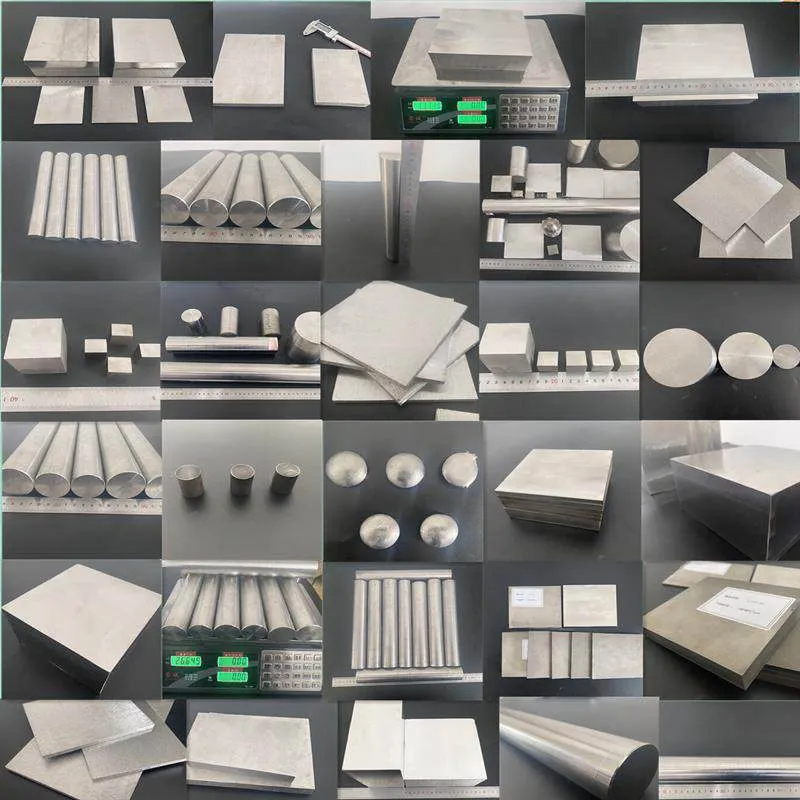
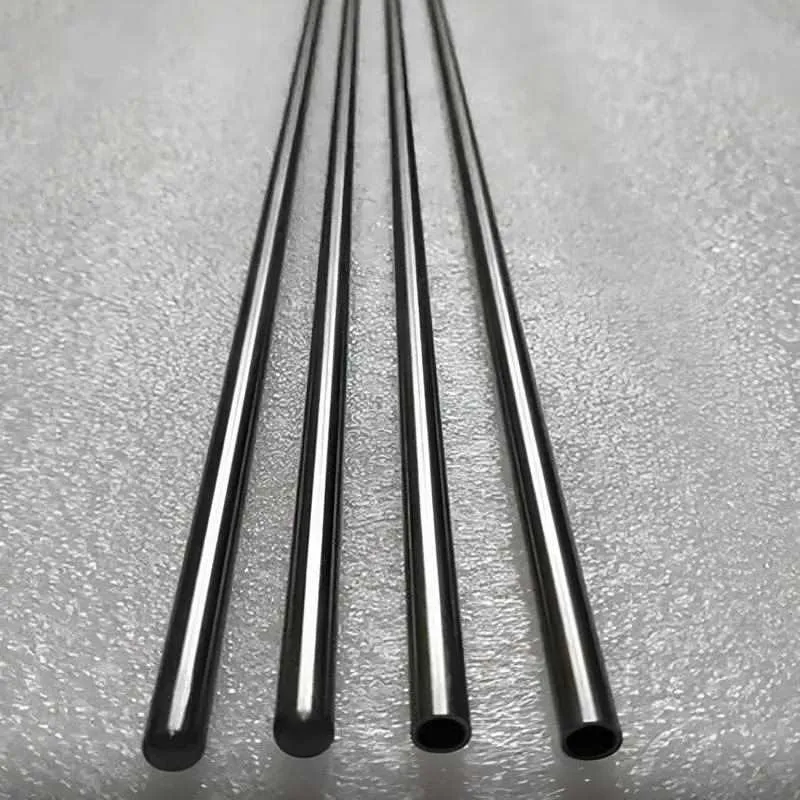
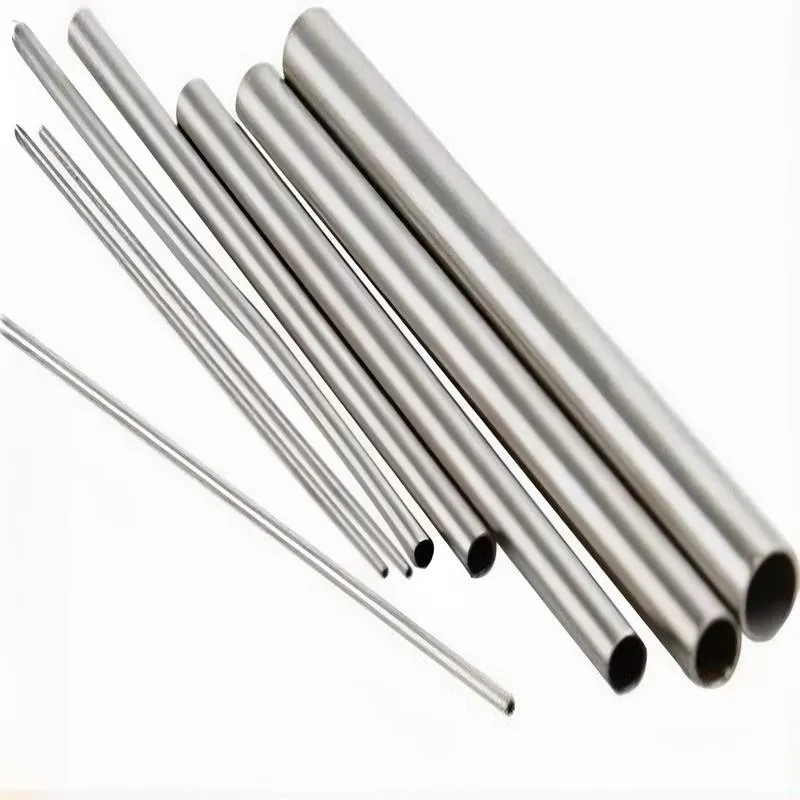
We provide AISI 4820H Steel, annealed 815°C (1500°F) is available in Bar (Round bar, Flat bar), Ribbon, Wire, Rods, Tube,Seamless Tube,Pipe, Ingots, Plate, Sheet, Strip and Forging Stock.,Purity, chemical composition, size, etc. can all be customized to meet specific requirements.
Please contact us if you need customized services. We will contact you with the price and availability in 24 hours.
AISI 4820H Steel, annealed 815°C (1500°F) Product Information
-:-
For detailed product information, please contact sales.
-:
AISI 4820H Steel, annealed 815°C (1500°F) Synonyms
-:-
For detailed product information, please contact sales.
-:
AISI 4820H Steel, annealed 815°C (1500°F) Product Information
-:-
For detailed product information, please contact sales.
-:
# Technical Data Sheet: AISI 4820H Steel – Annealed at 815°C (1500°F) Condition
## 1. Product Overview
**AISI 4820H** steel in the **annealed at 815°C (1500°F) condition** is a high-nickel alloy steel supplied in a soft, uniform state optimized for machining and subsequent heat treatment preparation. The **"H" designation** indicates that this steel meets specific hardenability band requirements per **ASTM A304**, ensuring predictable and uniform response to final heat treatment across production lots. The 815°C annealing treatment produces a refined microstructure of ferrite and coarse pearlite with minimized residual stresses, providing **excellent machinability, formability, and dimensional stability**. This condition serves as the ideal starting material for manufacturing high-performance carburized components requiring exceptional core toughness and wear resistance after final heat treatment.
## 2. Material Specifications & Standards
* **UNS Designation:** H48200
* **AISI/SAE:** 4820H
* **Governing Standard:** **ASTM A304** - *Standard Specification for Carbon and Alloy Steel Bars Subject to End-Quench Hardenability Requirements*
* **Primary Material Standards:**
* **SAE J404:** Chemical Compositions of SAE Alloy Steels
* **ASTM A322:** Standard Specification for Steel Bars, Alloy, Standard Grades
* **ASTM A534:** Standard Specification for Carburizing Steels for Anti-Friction Bearings
* **Annealing Process Standards:**
* **SAE J1268:** Heat Treatment of Steel
* **AMS 2759/1:** Heat Treatment of Steel Parts, General Requirements
* **International Equivalents:**
* **EN/DIN:** 20NiCrMo2-2+H / 1.6523+H
* **JIS:** SNCM220H
* **GB:** 20NiCrMoH (China)
## 3. Chemical Composition (ASTM A304 H-Band Ranges)
| Element | Content Range (%) | Metallurgical Function |
|---------|-------------------|------------------------|
| **Carbon (C)** | 0.18–0.23 | **Tightly controlled for hardenability consistency.** Provides base core strength while ensuring excellent core toughness after carburizing. |
| **Manganese (Mn)** | 0.50–0.70 | Enhances hardenability; controlled range ensures consistent response to annealing and subsequent heat treatment. |
| **Phosphorus (P)** | ≤0.035 | Tightly controlled residual element. |
| **Sulfur (S)** | ≤0.040 | Tightly controlled residual element; may be specified with controlled additions for improved machinability (free-machining variants). |
| **Silicon (Si)** | 0.15–0.35 | Deoxidizer; provides solid solution strengthening. |
| **Nickel (Ni)** | 3.25–3.75 | **Primary alloying element.** Provides exceptional core toughness, impact resistance, and hardenability; tightly controlled for predictable properties. |
| **Molybdenum (Mo)** | 0.20–0.30 | **Critical addition.** Refines grain structure, improves hardenability in heavy sections, reduces temper embrittlement susceptibility. |
**Key "H"-Grade Requirement:** The steel producer must certify that each heat meets specified hardenability band requirements through Jominy end-quench testing per ASTM A304, in addition to standard chemical composition certification.
## 4. Annealing Process & Metallurgical Effects
### 4.1 815°C (1500°F) Annealing Cycle:
- **Process Type:** Full Annealing (Subcritical Annealing)
- **Soaking Temperature:** 815°C ± 10°C (1500°F ± 20°F)
- **Soaking Time:** 1–2 hours per inch of cross-section (minimum 2 hours)
- **Cooling Method:** Controlled furnace cooling at 10–30°C/hour (20–50°F/hour) to approximately 550°C (1000°F), followed by air cooling
- **Atmosphere:** Protective (endothermic gas or neutral) to prevent oxidation and decarburization
- **Decarburization Control:** Typically limited to <0.125 mm (0.005 in.) depth
### 4.2 Resulting Microstructure:
- **Primary Structure:** Coarse lamellar pearlite in a ferrite matrix
- **Grain Size:** ASTM 5–7 (relatively coarse due to full annealing)
- **Carbide Distribution:** Spheroidized or partially spheroidized carbides
- **Hardness:** Uniform throughout cross-section
- **Residual Stresses:** Minimized to near-zero levels
## 5. Mechanical & Physical Properties (After 815°C Annealing)
### 5.1 Mechanical Properties:
| Property | Typical Value | Test Standard | Notes |
|----------|---------------|---------------|-------|
| **Hardness** | 149–179 HB (85–90 HRB) | ASTM E10/E18 | Optimized for machining operations |
| **Tensile Strength** | 500–620 MPa (73–90 ksi) | ASTM E8 | Consistent throughout material |
| **Yield Strength (0.2%)** | 275–380 MPa (40–55 ksi) | ASTM E8 | Low yield strength facilitates forming |
| **Elongation** | 28–33% in 50 mm | ASTM E8 | Excellent ductility |
| **Reduction of Area** | 55–65% | ASTM E8 | Indicates good formability |
| **Modulus of Elasticity** | 200–205 GPa (29–30 × 10⁶ psi) | ASTM E111 | Typical for alloy steels |
### 5.2 Physical Properties:
- **Density:** 7.85 g/cm³ (0.284 lb/in³)
- **Thermal Conductivity:** 42.6 W/m·K at 100°C
- **Specific Heat:** 460 J/kg·K at 100°C
- **Coefficient of Thermal Expansion:** 11.5 × 10⁻⁶/°C (20–100°C)
- **Magnetic Properties:** Ferromagnetic
## 6. Machinability & Formability
### 6.1 Machinability Characteristics:
- **Machinability Rating:** 60–65% of 1212 steel standard
- **Recommended Cutting Speeds:** 30–45 m/min (100–150 ft/min) for turning operations
- **Tool Materials:** High-speed steel or carbide tools with positive rake angles
- **Chip Formation:** Produces discontinuous chips with proper tool geometry
- **Surface Finish:** Can achieve 0.8–1.6 μm (32–63 μin) Ra with proper techniques
- **Coolant Use:** Recommended for extended tool life and improved surface finish
### 6.2 Forming Characteristics:
- **Cold Formability:** Good for moderate deformation operations
- **Bend Radius:** Minimum bend radius approximately 1 × thickness for 90° bends
- **Punchability:** Suitable for punching and blanking operations
- **Recommendation:** Stress relief annealing may be required after severe cold working
## 7. Key Characteristics & Advantages
1. **Guaranteed Hardenability Consistency:** "H" grade ensures predictable response to final heat treatment across all production lots
2. **Optimal Machining Condition:** The 815°C anneal produces the softest, most uniform structure for precision machining operations
3. **Dimensional Stability:** Minimized residual stresses reduce distortion during and after machining
4. **Consistent Material Behavior:** Uniform microstructure ensures predictable tool wear and consistent cutting forces
5. **Excellent Surface Finish:** Capable of producing fine surface finishes required for precision components
6. **Preparation for Premium Heat Treatment:** Provides ideal starting condition for subsequent carburizing and hardening processes
7. **Material Traceability:** Full certification including hardenability testing ensures compliance with quality standards
## 8. Subsequent Heat Treatment Response
### 8.1 Carburizing Response:
- **Recommended Pre-cleaning:** Essential to remove cutting oils and contaminants
- **Carburizing Temperature:** 900–925°C (1650–1700°F)
- **Case Depth Capability:** Can develop 0.5–2.5 mm effective case depth
- **Surface Hardness Potential:** 58–63 HRC after proper heat treatment
- **Core Hardness Potential:** 35–42 HRC after quenching and tempering
- **Hardenability Advantage:** "H" grade ensures consistent core hardness in specified section sizes
### 8.2 Hardening Characteristics:
- **Austenitizing Temperature:** 800–830°C (1470–1525°F) for core hardening
- **Quenching Medium:** Oil preferred for most applications
- **Tempering Range:** 150–230°C (300–450°F) for optimal properties
- **Distortion Characteristics:** Predictable and manageable with proper fixturing
## 9. Typical Applications (After Final Heat Treatment)
### 9.1 Primary Industries:
- **Aerospace Components:**
- Aircraft landing gear parts
- Helicopter transmission gears
- Engine accessory drive components
- **Heavy Equipment:**
- Large gears for mining equipment
- Heavy-duty axle shafts
- Track system components
- **Industrial Machinery:**
- High-load gears and pinions
- Critical bearing components
- Large machinery shafts
- **Automotive:**
- High-performance transmission gears
- Heavy-duty differential components
- Specialty fasteners and studs
### 9.2 Manufacturing Sequence:
1. Receive material in 815°C annealed condition with "H" grade certification
2. Perform all rough and finish machining operations
3. Clean and prepare for heat treatment
4. Carburize and harden to final specifications
5. Perform final grinding/honing if required
6. Inspect and assemble
## 10. Quality Control & Testing
### 10.1 Standard Testing for Annealed Condition:
- **Hardness Testing:** Multiple points to ensure uniformity
- **Microstructure Examination:** Verification of proper annealing structure
- **Dimensional Verification:** Compliance with size tolerances
- **Surface Inspection:** Freedom from decarburization and defects
### 10.2 Certification Requirements:
- **Mill Test Certificate:** Chemical composition and mechanical properties
- **Hardenability Certificate:** Jominy test results per ASTM A304 for specified H-band
- **Heat Treatment Certificate:** Verification of annealing cycle parameters
- **Traceability:** Heat number and processing history
## 11. Storage & Handling
- **Storage Conditions:** Dry, temperature-controlled environment
- **Protection:** VCI paper or protective coatings to prevent rust
- **Handling:** Use appropriate lifting equipment to prevent damage
- **Shelf Life:** Unlimited with proper corrosion protection
- **Identification:** Clearly marked with grade, condition, and heat number
## 12. Technical Limitations & Considerations
1. **Not for Final Service:** This condition is for machining only, not for end use
2. **Decarburization Risk:** Prolonged exposure to high temperatures without protection can cause surface decarburization
3. **Size Limitations:** Properties may vary in very large cross-sections
4. **Subsequent Processing:** All machining must be completed before final heat treatment
5. **Cost Factor:** Higher material cost compared to standard 4820 due to "H" grade certification
## 13. Environmental & Safety
- **Compliance:** RoHS and REACH compliant
- **Recyclability:** 100% recyclable as alloy steel scrap
- **Safety Precautions:** Standard steel handling procedures apply
- **Disposal:** Should be recycled through authorized steel recyclers
---
**Important Note:** This AISI 4820H material in the 815°C annealed condition is supplied specifically for **machining and manufacturing operations prior to final heat treatment**. The "H" designation ensures consistent hardenability response during subsequent carburizing and quenching. The properties listed represent the material in its annealed state only. Final service properties are achieved only after proper carburizing, hardening, and tempering processes. For critical applications, the specific H-band must be specified on the purchase order to ensure proper material selection.
*All values provided are typical and may vary based on specific manufacturing processes, section size, and annealing furnace characteristics. Actual properties should be verified through appropriate testing for critical applications.*
-:-
For detailed product information, please contact sales.
-:
AISI 4820H Steel, annealed 815°C (1500°F) Specification
Dimensions
Size:
Diameter 20-1000 mm Length <5689 mm
Size:We can customized as required
Standard:
Per your request or drawing
We can customized as required
Properties(Theoretical)
Chemical Composition
-:-
For detailed product information, please contact sales.
-:
AISI 4820H Steel, annealed 815°C (1500°F) Properties
-:-
For detailed product information, please contact sales.
-:
Applications of AISI 4820H Steel, annealed 815°C (1500°F)
-:-
For detailed product information, please contact sales.
-:
Chemical Identifiers AISI 4820H Steel, annealed 815°C (1500°F)
-:-
For detailed product information, please contact sales.
-:
Packing of AISI 4820H Steel, annealed 815°C (1500°F)
-:-
For detailed product information, please contact sales.
-:
Standard Packing:
-:-
For detailed product information, please contact sales.
-:
Typical bulk packaging includes palletized plastic 5 gallon/25 kg. pails, fiber and steel drums to 1 ton super sacks in full container (FCL) or truck load (T/L) quantities. Research and sample quantities and hygroscopic, oxidizing or other air sensitive materials may be packaged under argon or vacuum. Solutions are packaged in polypropylene, plastic or glass jars up to palletized 2160 gallon liquid totes Special package is available on request. E FORUs’ is carefully handled to minimize damage during storage and transportation and to preserve the quality of our products in their original condition