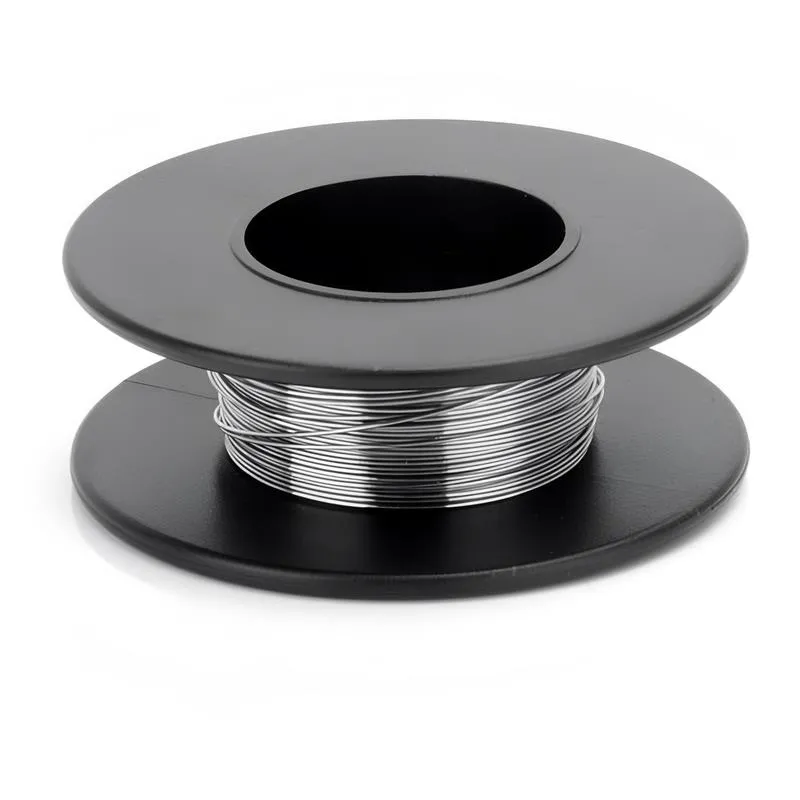
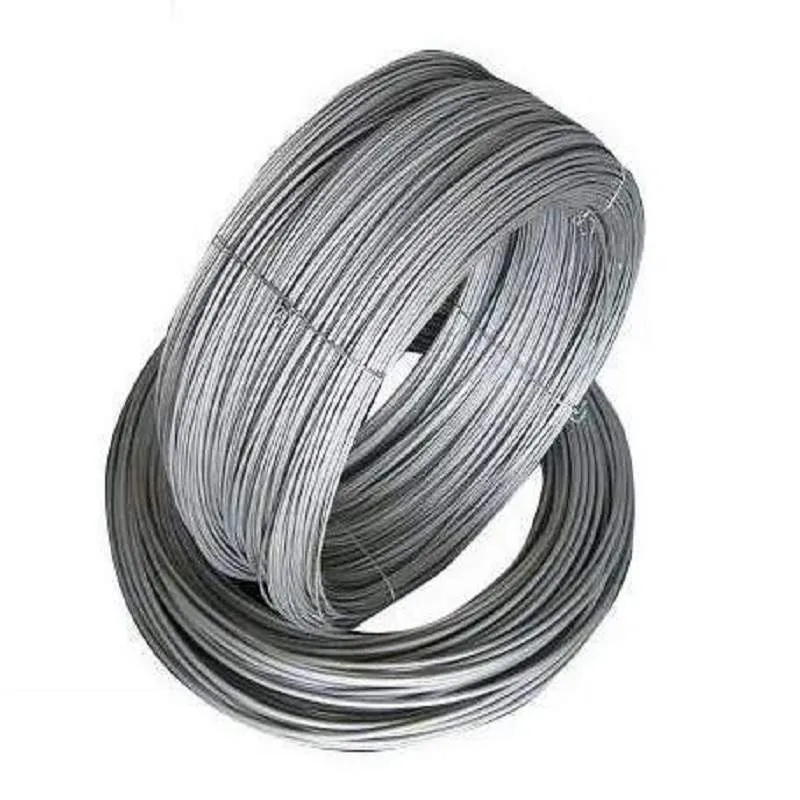
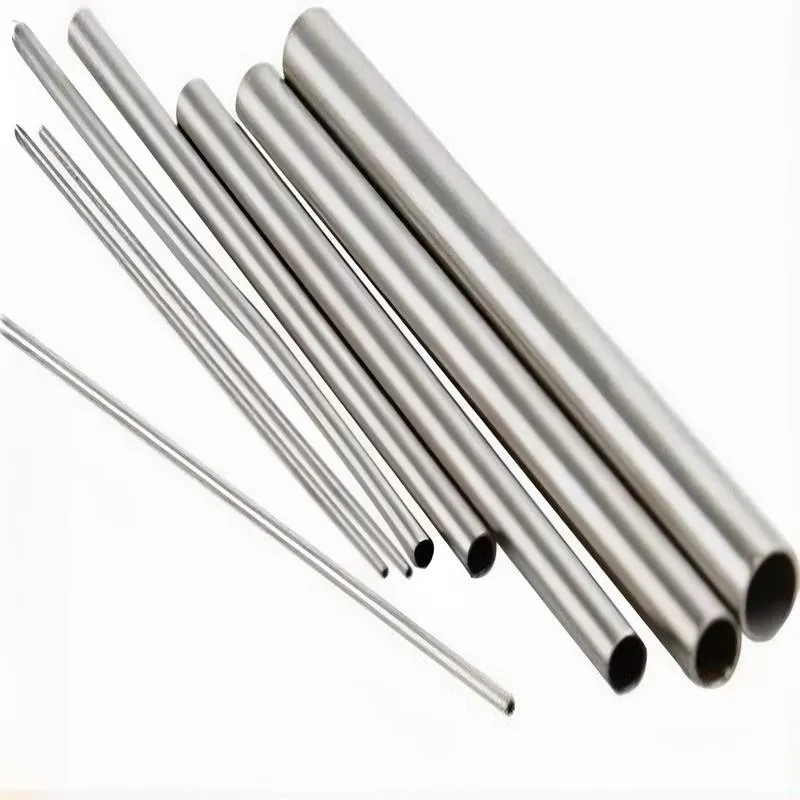
AISI 5046 Steel Wire
Product Code : STI-CSTI-1540-CU
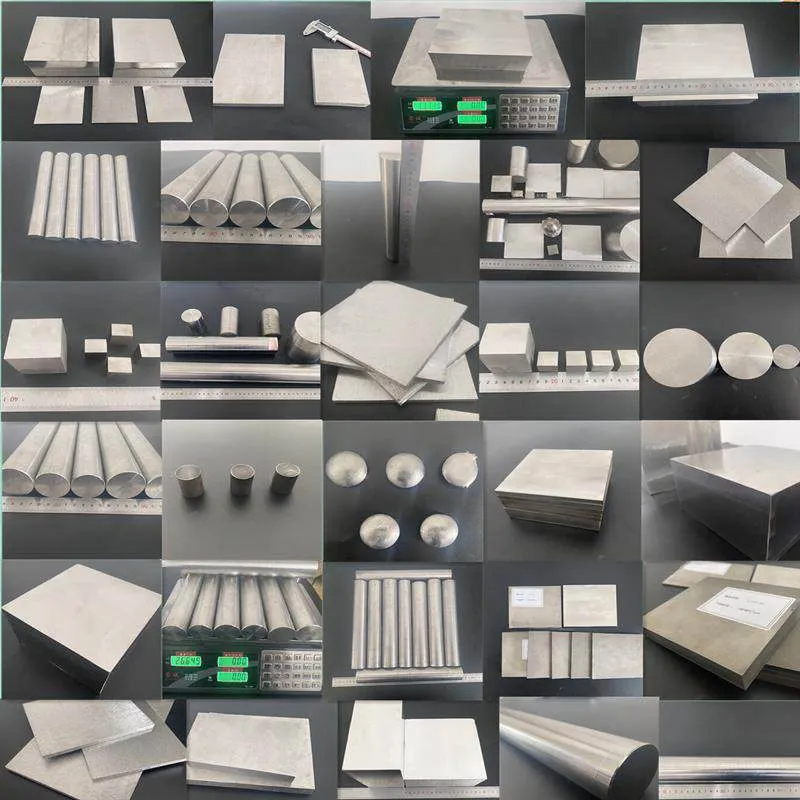
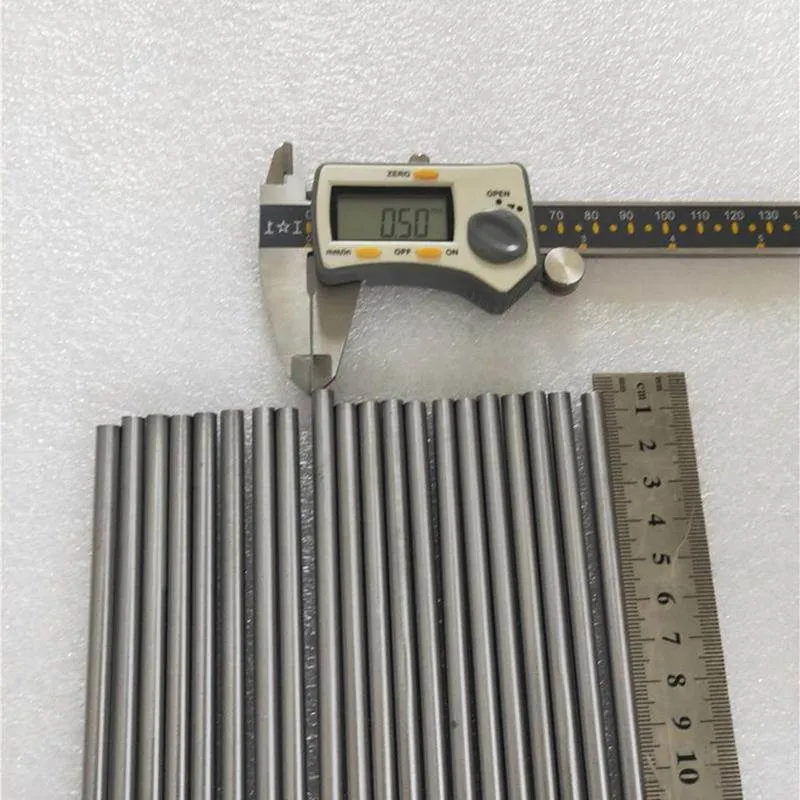
We provide AISI 5046 Steel Wire is available in Bar (Round bar, Flat bar), Ribbon, Wire, Rods, Tube,Seamless Tube,Pipe, Ingots, Plate, Sheet, Strip and Forging Stock.,Purity, chemical composition, size, etc. can all be customized to meet specific requirements.
Please contact us if you need customized services. We will contact you with the price and availability in 24 hours.
AISI 5046 Steel Wire Product Information
-:-
For detailed product information, please contact sales.
-:
AISI 5046 Steel Wire Synonyms
-:-
For detailed product information, please contact sales.
-:
AISI 5046 Steel Product Information
-:-
For detailed product information, please contact sales.
-:
## **Technical Specification: AISI 5046 (UNS G50460) Steel - Medium Carbon Chromium Steel**
### **1. Product Overview**
**AISI 5046** is a **medium-carbon chromium alloy steel** characterized by a balanced composition that provides good hardenability, strength, and wear resistance at a moderate cost. The designation follows the SAE/AISI system where "50" indicates a nominal carbon content of approximately 0.48%, and "46" specifies the chromium content range (approximately 0.20-0.35% Cr). This steel is part of the **50xx series of chromium steels** and serves as a reliable, cost-effective material for a wide range of medium-duty applications requiring better performance than plain carbon steels but without the expense of more highly alloyed grades like 4140 or 4340.
**Key Characteristics:**
- **Good Hardenability:** Chromium content provides moderate through-hardening capability
- **Cost-Effective Strength:** Delivers good mechanical properties with minimal alloy content
- **Versatile Processability:** Responds well to common heat treatments and machining operations
- **Balanced Properties:** Offers a practical combination of strength, toughness, and wear resistance
- **Weldability:** Can be welded with proper precautions despite medium carbon content
---
### **2. Standard Chemical Composition (Weight %)**
| Element | Content Range (%) | Metallurgical Function |
| :--- | :--- | :--- |
| **Iron (Fe)** | Balance | Base Element |
| **Carbon (C)** | **0.44 - 0.49** | Primary strengthening element; determines hardness potential |
| **Manganese (Mn)** | 0.70 - 0.90 | Increases hardenability and strength; deoxidizer |
| **Silicon (Si)** | 0.15 - 0.35 | Deoxidizer; strengthens ferrite matrix |
| **Chromium (Cr)** | **0.20 - 0.35** | Enhances hardenability, wear resistance, and corrosion resistance |
| **Sulfur (S)** | ≤ 0.040 (Typically 0.020-0.035) | Improves machinability when controlled |
| **Phosphorus (P)** | ≤ 0.035 | Residual; kept low for ductility |
| **Other Elements** | - | Typically no nickel, molybdenum, or boron additions |
**Note:** Some producers may offer modified versions with slight variations in manganese or chromium to optimize specific properties.
---
### **3. Typical Mechanical & Physical Properties**
*Properties in heat treated condition (oil quenched from 845°C/1550°F and tempered):*
| Property / Condition | Low Temperature Temper (205°C/400°F) | Medium Temperature Temper (425°C/800°F) | High Temperature Temper (540°C/1000°F) |
| :--- | :--- | :--- | :--- |
| **Hardness** | 52-56 HRC | 40-45 HRC | 30-35 HRC |
| **Tensile Strength** | 1650-1850 MPa (239-268 ksi) | 1250-1450 MPa (181-210 ksi) | 900-1100 MPa (131-160 ksi) |
| **Yield Strength (0.2%)** | 1450-1650 MPa (210-239 ksi) | 1100-1300 MPa (160-189 ksi) | 750-950 MPa (109-138 ksi) |
| **Elongation** | 10-14% | 12-16% | 16-22% |
| **Reduction of Area** | 30-40% | 40-50% | 50-60% |
| **Charpy V-Notch Impact** | 20-30 J (15-22 ft-lb) | 30-45 J (22-33 ft-lb) | 45-65 J (33-48 ft-lb) |
| **Annealed Hardness** | 170-210 HB | - | - |
**As-Rolled/Normalized Properties:**
- Hardness: 220-270 HB
- Tensile Strength: 700-850 MPa (102-123 ksi)
- Yield Strength: 450-600 MPa (65-87 ksi)
**Physical Properties:**
- Density: 7.85 g/cm³ (0.284 lb/in³)
- Modulus of Elasticity: 205 GPa (29.7 × 10⁶ psi)
- Thermal Conductivity: 48 W/m·K at 100°C
- Specific Heat: 460 J/kg·K
**Hardenability (Jominy Test Typical):**
- J₁ (1/16"): 50-55 HRC
- J₁₀ (10/16"): 35-40 HRC
- Effective hardenability depth: ~25mm (1") with oil quench
---
### **4. Heat Treatment Response**
**Annealing:** Heat to 790-815°C (1450-1500°F), slow furnace cool to produce spheroidized structure (170-210 HB) for optimal machinability.
**Normalizing:** 870-900°C (1600-1650°F), air cool. Refines grain structure after hot working.
**Austenitizing for Hardening:** 830-855°C (1525-1575°F). Soak time: 30-60 minutes per inch of thickness.
**Quenching:** **Oil quench** recommended for most applications. Water quench possible for simple shapes but increases cracking risk.
**Tempering:** Must be performed immediately after quenching. Recommended ranges:
- **Maximum hardness/wear:** 150-260°C (300-500°F) for 1-2 hours per inch
- **General purpose:** 370-480°C (700-900°F) for 1-2 hours per inch
- **High toughness:** 540-650°C (1000-1200°F) for 1-2 hours per inch
**Stress Relieving:** 550-600°C (1025-1110°F) for 1 hour per inch, slow cool.
---
### **5. Primary Applications**
**AISI 5046 is widely used in general manufacturing and industrial applications:**
| Industry | Specific Applications | Reason for Selection |
| :--- | :--- | :--- |
| **Automotive** | Axle shafts, steering components, transmission shafts, gears, sprockets | Good hardenability for medium sections at reasonable cost |
| **Agriculture** | Implement parts, tractor components, tillage tools, harrow discs | Adequate wear resistance with good toughness |
| **Construction** | Bucket pins, hinge pins, structural connectors, fasteners | Reliable performance in abrasive environments |
| **General Manufacturing** | Machine tool components, shafts, rollers, bushings, couplings | Versatile material for diverse mechanical parts |
| **Railroad** | Non-critical rail components, freight car parts, repair components | Meets many AAR specifications at lower cost than premium grades |
| **Material Handling** | Conveyor components, lifting equipment parts, warehouse machinery | Good strength-to-weight ratio for moving parts |
| **Forgings** | General purpose forgings requiring better properties than 1045 | Improved hardenability over plain carbon steels |
**Typical Component Sizes:** 12-50mm (0.5-2") diameter/ thickness
**Production Volumes:** Medium to high volume applications
**Service Conditions:** Moderate stress, wear, and impact environments
---
### **6. International Standards & Equivalents**
| Standard System | Designation | Equivalent / Notes |
| :--- | :--- | :--- |
| **USA (Primary)** | **AISI 5046** / **SAE J404** | **UNS G50460** |
| **USA (Product)** | **ASTM A29/A29M** | Grade 5046 |
| **ISO** | **ISO 683-1** | **1.7016** (Similar composition) |
| **Europe** | **EN 10083-3** | **46Cr2** (Similar characteristics) |
| **Germany** | **DIN 17200** | **46Cr2** (1.7006) |
| **Japan** | **JIS G4104** | **SCr440** (Slightly different composition) |
| **China** | **GB/T 3077** | **40Cr** (Similar but lower carbon) |
| **India** | **IS 5517** | **40Cr2** (Similar grade) |
**Note on "H" Variant:** While 5046H exists as a hardenability-guaranteed version, the standard 5046 is more commonly used for general applications where tight hardenability control is not critical.
---
### **7. Comparison with Similar Steels**
| Property | 5046 | 1045 | 4140 | 5140 |
| :--- | :--- | :--- | :--- | :--- |
| **Carbon Content** | 0.44-0.49% | 0.43-0.50% | 0.38-0.43% | 0.38-0.43% |
| **Primary Alloying** | Cr (0.20-0.35%) | None | Cr, Mo | Cr |
| **Hardenability** | **Medium** | Low | High | Medium-High |
| **Max Hardness (as-quenched)** | 55-58 HRC | 52-55 HRC | 55-58 HRC | 55-58 HRC |
| **Cost Factor** | **1.0 (Baseline)** | 0.7-0.8 | 1.3-1.4 | 1.1-1.2 |
| **Key Advantage** | Balanced cost/performance | Low cost | Superior properties | Better than 1045, cheaper than 4140 |
**Advantages of 5046:**
1. **Better hardenability** than 1045 without significant cost premium
2. **Good machinability** in annealed condition
3. **Wider processing window** than higher alloy steels
4. **Adequate properties** for majority of medium-duty applications
**Limitations:**
1. **Lower hardenability** than 4140/4340
2. **Limited section size** for through-hardening (~25mm max with oil quench)
3. **Lower toughness** than nickel-containing grades
4. **Not suitable** for extreme wear or impact applications
---
### **8. Manufacturing & Processing Guidelines**
**Machining (Annealed Condition: 170-210 HB):**
- **Cutting Tools:** Carbide or HSS with positive rake angles
- **Turning:** 70-110 m/min, feed 0.2-0.4 mm/rev
- **Drilling:** 20-35 m/min with peck drilling for holes >3× diameter
- **Milling:** 60-90 m/min, moderate feeds
- **Chip Control:** Good with optimized tool geometry
**Forging:**
- **Temperature Range:** 1150-1200°C (2100-2200°F) start, finish above 850°C (1560°F)
- **Reduction:** Minimum 3:1 reduction recommended
- **Cooling:** Air cool for simple shapes; slow cool for complex shapes to prevent cracking
**Welding:**
- **Preheat:** 150-200°C (300-400°F) for sections >12mm
- **Electrodes:** Low-hydrogen type (AWS E7018 or equivalent)
- **Post-Weld Heat Treatment:** Stress relieve at 595-650°C (1100-1200°F) for 1 hour per inch
- **Restrictions:** Not recommended for highly restrained joints or critical applications
**Heat Treatment Best Practices:**
1. **Protect from decarburization** during austenitizing
2. **Minimize quench delay** (<10 seconds from furnace to quench)
3. **Temper immediately** after quenching (within 2 hours)
4. **Consider normalizing** before hardening for complex shapes to refine grain structure
---
### **9. Quality Specifications & Procurement**
**Standard Purchase Requirements:**
```
MATERIAL: AISI 5046 per ASTM A29
CONDITION: Hot rolled, annealed
CHEMISTRY: To AISI 5046 ranges
HARDNESS: 170-210 HB (annealed)
SIZE: [Specify dimensions and tolerances]
CERTIFICATION: Mill test report required
```
**Enhanced Requirements (for critical applications):**
- **Hardenability test:** Jominy test if consistent hardening is critical
- **Grain size:** ASTM 5 or finer per ASTM E112
- **Microcleanliness:** Inclusion rating per ASTM E45
- **Decarburization:** Maximum depth specified (e.g., 0.4mm max total)
- **NDT:** Ultrasonic testing for internal discontinuities in critical applications
**Economic Considerations:**
5046 typically offers **15-25% cost savings** over 4140 while providing **adequate properties** for many applications. It is particularly cost-effective for:
- Components where 1045 lacks sufficient hardenability
- Applications that don't require the full capabilities of 4140
- High-volume production where material cost significantly impacts overall product cost
- Replacement of imported alloys with domestically available equivalents
---
### **10. Failure Analysis & Prevention**
| Common Issue | Root Causes | Preventive Measures |
| :--- | :--- | :--- |
| **Insufficient hardness** | Under-austenitizing, slow quench, decarburization | Verify temperature, improve quench agitation, protect surfaces |
| **Quench cracking** | Rapid quench, sharp corners, delayed tempering | Use oil quench, increase fillet radii, temper within 1 hour |
| **Excessive distortion** | Non-uniform heating/cooling, residual stresses | Use fixtures, normalize before hardening, stress relieve |
| **Poor machinability** | Incorrect annealing, excessive hardness | Verify annealing cycle, maintain hardness <210 HB |
| **Early fatigue failure** | Surface defects, insufficient tempering, stress concentrations | Improve surface finish, adequate tempering, redesign stress raisers |
**Service Life Optimization:**
- **Surface hardening:** Consider induction hardening for wear surfaces
- **Shot peening:** Improve fatigue life by 30-50%
- **Protective coatings:** Phosphate, oxide, or plating for corrosion resistance
- **Regular maintenance:** Lubrication and inspection schedules
**Design Recommendations:**
1. **Section size:** Limit to ≤25mm for through-hardening with oil quench
2. **Fillet radii:** Minimum 3mm (0.125") on hardened parts
3. **Surface finish:** 1.6μm Ra or better for fatigue-critical applications
4. **Tolerances:** Allow for dimensional changes during heat treatment
---
### **11. Environmental & Sustainability Considerations**
**Recyclability:** 5046 is 100% recyclable through standard steel recycling processes
**Energy Content:** Approximately 20-25 MJ/kg (typical for alloy steels)
**Production Impact:** Lower than higher alloy steels due to reduced chromium content
**Life Cycle:** Good durability reduces replacement frequency in properly designed applications
**Industry Trends:**
1. **Increasing use** as a 4140 alternative for cost reduction
2. **Improved processing** through controlled rolling and cooling
3. **Quality enhancements** through better inclusion control
4. **Standardization** in global supply chains
---
### **Summary**
**AISI 5046** represents a **practical, economical choice** in the alloy steel spectrum, offering a **balanced combination** of properties that meet the requirements of numerous industrial applications. Its **moderate chromium content** provides meaningful improvements over plain carbon steels in hardenability and wear resistance, while maintaining **cost competitiveness** through limited alloy content.
This steel is particularly well-suited for **medium-duty components** where the superior properties of premium alloys like 4140 are unnecessary but where plain carbon steels lack sufficient hardenability. Its **versatile processability** makes it attractive to manufacturers seeking to optimize both performance and cost across a range of products.
When properly specified and processed, 5046 delivers **reliable performance** in applications ranging from automotive components to general machinery parts. Its position in the materials selection matrix makes it a **strategic choice** for engineers balancing technical requirements with economic constraints in competitive manufacturing environments.
-:-
For detailed product information, please contact sales.
-:
AISI 5046 Steel Specification
Dimensions
Size:
Diameter 20-1000 mm Length <6272 mm
Size:We can customized as required
Standard:
Per your request or drawing
We can customized as required
Properties(Theoretical)
Chemical Composition
-:-
For detailed product information, please contact sales.
-:
AISI 5046 Steel Properties
-:-
For detailed product information, please contact sales.
-:
Applications of AISI 5046 Steel Wire
-:-
For detailed product information, please contact sales.
-:
Chemical Identifiers AISI 5046 Steel Wire
-:-
For detailed product information, please contact sales.
-:
Packing of AISI 5046 Steel Wire
-:-
For detailed product information, please contact sales.
-:
Standard Packing:
-:-
For detailed product information, please contact sales.
-:
Typical bulk packaging includes palletized plastic 5 gallon/25 kg. pails, fiber and Steel Wire drums to 1 ton super sacks in full container (FCL) or truck load (T/L) quantities. Research and sample quantities and hygroscopic, oxidizing or other air sensitive materials may be packaged under argon or vacuum. Solutions are packaged in polypropylene, plastic or glass jars up to palletized 2743 gallon liquid totes Special package is available on request. E FORUs’ is carefully handled to minimize damage during storage and transportation and to preserve the quality of our products in their original condition