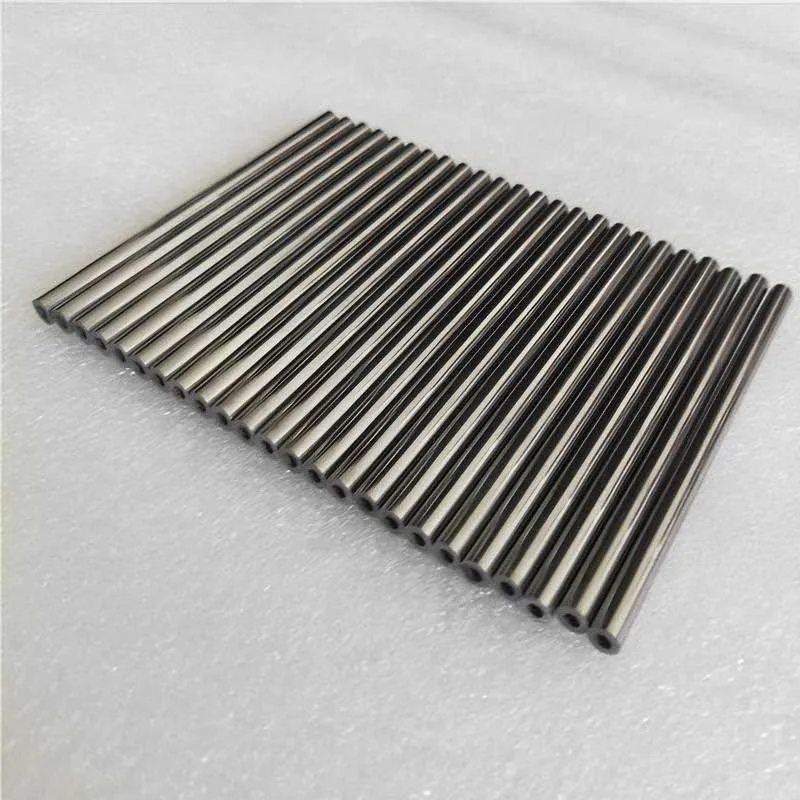
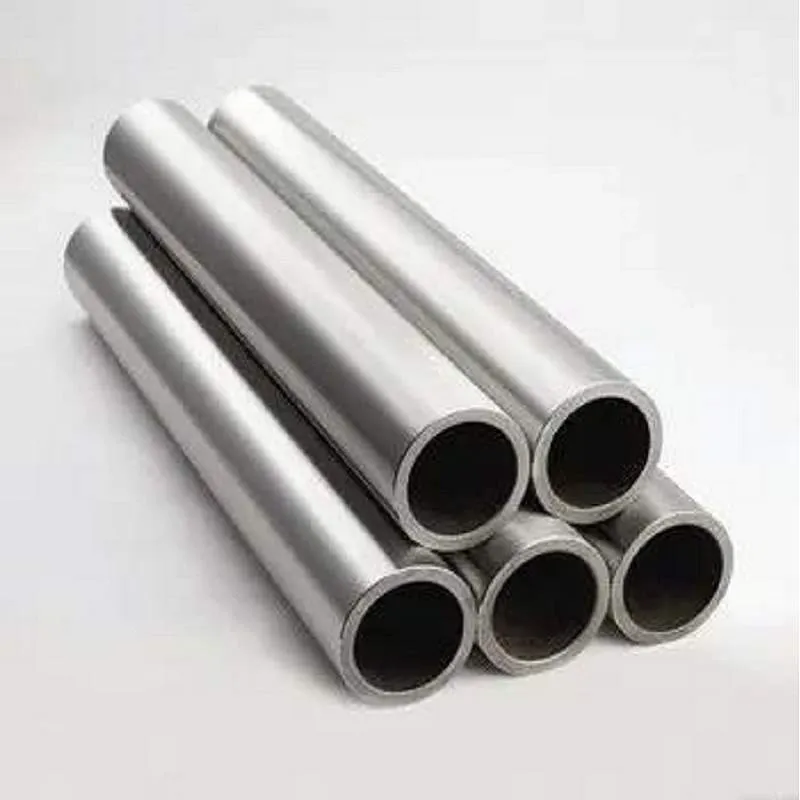
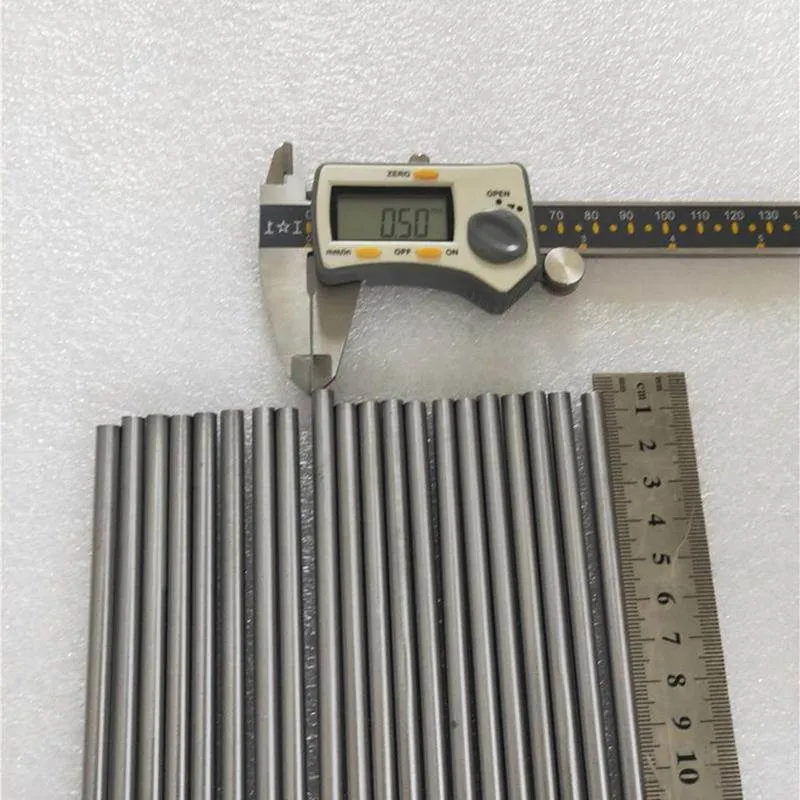
AISI 50B44H Steel Tube,Pipe
Product Code : STI-CSTI-1539-CU
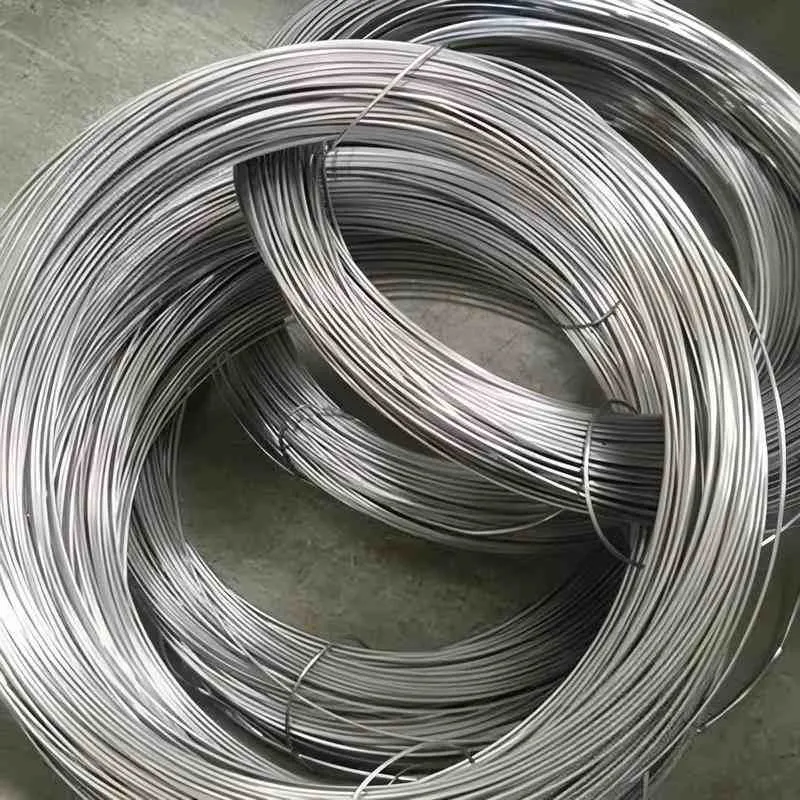
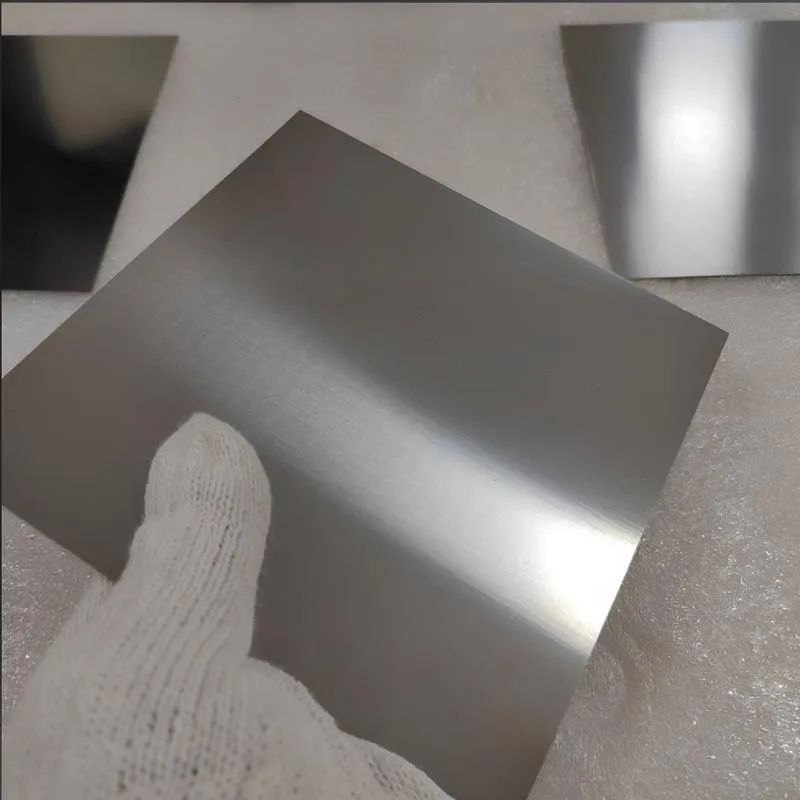
We provide AISI 50B44H Steel Tube is available in Bar (Round bar, Flat bar), Ribbon, Wire, Rods, Tube,Seamless Tube,Pipe, Ingots, Plate, Sheet, Strip and Forging Stock.,Purity, chemical composition, size, etc. can all be customized to meet specific requirements.AISI 50B44H Steel Pipe
Please contact us if you need customized services. We will contact you with the price and availability in 24 hours.
AISI 50B44H Steel Tube Product Information
-:-
For detailed product information, please contact sales.
-:
AISI 50B44H Steel Tube Synonyms
-:-
For detailed product information, please contact sales.
-:
AISI 50B44H Steel Product Information
-:-
For detailed product information, please contact sales.
-:
## **Technical Specification: AISI 50B44H (UNS H50441) Steel - Hardenability-Guaranteed High Carbon Boron Steel**
### **1. Product Overview**
**AISI 50B44H** is a **hardenability-guaranteed, high-carbon boron-treated alloy steel** that represents the premium tier of cost-effective engineering steels. The designation combines several key characteristics: **"50"** indicates a nominal carbon content of 0.48-0.53%, **"B"** signifies intentional boron addition for hardenability enhancement, **"44"** specifies the chromium content range, and the critical **"H" suffix** guarantees that the material meets specific hardenability bands as defined by end-quench (Jominy) testing standards. This steel is engineered to provide **predictable, batch-to-batch consistency in through-hardening characteristics** while maintaining the economic advantages of boron-based alloying. It is specifically designed for applications requiring **high surface hardness, good wear resistance, and reliable heat treatment response** in medium to large cross-sections.
**Core Value Propositions:**
- **Guaranteed Hardenability Consistency:** Each heat lot is certified to fall within SAE J1268 hardenability bands, ensuring uniform depth of hardening across production batches.
- **Cost-Effective Performance:** Delivers mechanical properties comparable to more expensive alloy steels (like 5140H or 8640H) at significantly lower material cost.
- **Premium Machinability Control:** The "H" grade certification allows manufacturers to optimize machining parameters with confidence in material consistency.
- **Reduced Heat Treatment Risk:** Predictable transformation behavior minimizes distortion, cracking, and property variation in heat-treated components.
---
### **2. Chemical Composition (Weight %)**
The composition for 50B44H is controlled within broader ranges than standard 50B44 to achieve specific hardenability bands rather than fixed chemical limits.
| Element | AISI 50B44H Range (%) | Metallurgical Function & Hardenability Impact |
| :--- | :--- | :--- |
| **Iron (Fe)** | Balance | Base Element |
| **Carbon (C)** | 0.48 - 0.53 | **Primary strength determinant;** controlled to center the hardenability band while maximizing wear resistance. |
| **Manganese (Mn)** | 0.75 - 1.00 | **Primary hardenability adjuster;** range actively managed to fine-tune the Jominy curve position within the H-band. |
| **Silicon (Si)** | 0.15 - 0.35 | Deoxidizer; provides solid solution strengthening. |
| **Boron (B)** | 0.0005 - 0.003 | **Critical Hardenability Multiplier:** Provides disproportionate hardening depth increase; effectiveness verified through Jominy testing. |
| **Chromium (Cr)** | 0.40 - 0.60 | Enhances hardenability, wear resistance, and mild corrosion resistance. |
| **Sulfur (S)** | 0.020 - 0.035 (Typical) | Optimized for machinability while maintaining transverse properties. |
| **Phosphorus (P)** | ≤ 0.025 (Premium) | Kept exceptionally low to ensure good impact toughness in hardened condition. |
| **Boron Protectors** | Ti: 0.02-0.05% or Al: 0.02-0.06% | **Essential:** Added to protect active boron by forming stable nitrides, preventing ineffective BN formation. |
**Hardenability Certification:** The defining characteristic is compliance with **SAE J1268** H-band specifications. The steel producer actively adjusts the melt chemistry (particularly Mn and Cr) to ensure each heat's Jominy curve falls between the minimum and maximum limits established for 50B44H.
---
### **3. Typical Mechanical & Physical Properties**
*Properties after oil quenching from 830°C (1525°F) and tempering, based on 25mm (1") diameter bar:*
| Property | As-Quenched & Low-Temp Tempered (205°C/400°F) | Medium-Temperature Tempered (425°C/800°F) | High-Temperature Tempered (540°C/1000°F) |
| :--- | :--- | :--- | :--- |
| **Hardness** | 52-56 HRC | 44-48 HRC | 34-38 HRC |
| **Tensile Strength** | 1750-1950 MPa (254-283 ksi) | 1450-1650 MPa (210-239 ksi) | 1100-1250 MPa (160-181 ksi) |
| **Yield Strength (0.2%)** | 1550-1750 MPa (225-254 ksi) | 1300-1500 MPa (189-218 ksi) | 950-1100 MPa (138-160 ksi) |
| **Elongation** | 8-12% | 10-14% | 14-18% |
| **Reduction of Area** | 25-35% | 35-45% | 45-55% |
| **Charpy V-Notch Impact** | 15-25 J (11-18 ft-lb) | 25-40 J (18-30 ft-lb) | 40-60 J (30-44 ft-lb) |
| **Annealed Hardness** | **187-229 HB** (Machining condition, per ASTM A304) | | |
**Guaranteed Hardenability (SAE J1268 Typical Band):**
- Distance from quenched end for 50 HRC: **J₉-J₁₅** (9/16" to 15/16")
- Distance from quenched end for 40 HRC: **J₁₈-J₂₈** (18/16" to 28/16")
- Ideal hardenability for sections up to: **65mm (2.5") diameter** with oil quench
**Physical Properties:**
- Density: 7.85 g/cm³ (0.284 lb/in³)
- Modulus of Elasticity: 205 GPa (29.7 × 10⁶ psi)
- Thermal Conductivity: 46 W/m·K at 100°C
- Critical Transformation Temperatures: Ac₁ ≈ 725°C, Ac₃ ≈ 790°C
---
### **4. Heat Treatment Characteristics**
**Normalizing (Pre-machining):** 870-900°C (1600-1650°F), air cool. Produces uniform fine-grained structure.
**Annealing (Optimal machinability):** 790-815°C (1450-1500°F), furnace cool to 480°C at ≤20°C/hr, then air cool. Target hardness: 187-229 HB.
**Austenitizing for Hardening:** **815-845°C (1500-1550°F)**. **Critical constraint:** Temperatures above 870°C can precipitate boron as borocarbides, reducing effectiveness.
**Quenching:** **Agitated oil quench** recommended for sections >12mm. Water quench only for simple shapes with caution due to cracking risk.
**Tempering:** **Must begin within 2 hours** of quenching. Recommended ranges:
- **Maximum wear resistance:** 150-260°C (300-500°F) for 1-2 hrs/inch
- **Optimal strength-toughness:** 425-540°C (800-1000°F) for 1-2 hrs/inch
- **High toughness emphasis:** 540-650°C (1000-1200°F) for 2+ hrs/inch
**Post-Tempering Cooling:** Air cool acceptable; rapid cooling not required as Mo content in 50B44H is minimal.
---
### **5. Target Applications**
**50B44H is specified for high-volume, quality-critical components where predictable hardening is essential:**
| Industry | Specific Applications | Rationale for 50B44H Selection |
| :--- | :--- | :--- |
| **Automotive (Mass Production)** | **Heavy-duty torsion bars**, **stabilizer bars**, **suspension bushings**, **high-strength fasteners** | Consistent hardenability ensures uniform fatigue performance across production runs |
| **Agricultural Equipment** | **Combine harvester shafts**, **planter tool bars**, **tillage implement pins**, **PTO drive components** | Cost-effective wear resistance with guaranteed through-hardening in varying sections |
| **Construction Machinery** | **Excavator bucket pins**, **loader linkage components**, **grader blade supports**, **roller bearings** | Predictable hardening depth in large-diameter components subject to abrasion |
| **Material Handling** | **Conveyor drive shafts**, **forklift mast components**, **crane sheave pins**, **heavy-duty rollers** | Reliable performance in repetitive loading applications |
| **Railroad Components** | **Freight car suspension elements**, **brake system components**, **coupler wear parts** | Consistent properties meet AAR specifications at lower cost than premium alloys |
| **Industrial Machinery** | **Hydraulic cylinder rods** (moderate pressure), **machine tool arbors**, **gear blanks for secondary operations** | Reduced heat treatment variability improves manufacturing yield |
**Economic Application Sweet Spot:** Components with **25-65mm cross-sections** requiring **45-55 HRC** surface hardness where **annual volumes exceed 10,000 pieces** and **consistent heat treatment response** directly impacts production efficiency and warranty costs.
---
### **6. International Standards & Equivalents**
| Standard System | Designation | Equivalent / Notes |
| :--- | :--- | :--- |
| **USA (Primary)** | **AISI 50B44H** / **SAE J404** | **UNS H50441** |
| **USA (Product Standard)** | **ASTM A304** | Standard Specification for Carbon and Alloy Steel Bars Subject to End-Quench Hardenability Requirements |
| **USA (Testing Standard)** | **SAE J1268** | Hardenability Bands for Boron Steels |
| **ISO** | **ISO 683-1** | **1.5532** with specified hardenability requirements |
| **Europe** | **EN 10083-3** | **50B2 + H** (Similar concept with different chemistry) |
| **Germany** | **DIN 17200** | **50B3 + H** (50MnB3 with hardenability guarantee) |
| **Japan** | **JIS G4106** | **S48CB-H** or **S53CB-H** (Hardenability-guaranteed boron steels) |
| **China** | **GB/T 5216** | **50BH** (Boron steel with hardenability guarantee) |
| **India** | **IS 5517** | **50B4H** (Hardenability-guaranteed version) |
**Procurement Specification Example:**
```
MATERIAL: AISI 50B44H per ASTM A304
CONDITION: Hot rolled, annealed
HARDENABILITY: To meet SAE J1268 H-band for 50B44H
CERTIFICATION: Mill test report with Jominy hardenability curve required
SIZE: 50mm diameter round, +0/-0.3mm tolerance
```
---
### **7. Quality Assurance & Testing Requirements**
**Mandatory Certification (per ASTM A304):**
1. **Chemical Analysis Report** - Full spectrographic analysis including boron and protective elements
2. **Jominy Hardenability Certificate** - Actual test data showing compliance with SAE J1268 band
3. **Mechanical Test Report** - From a representative sample in the supplied condition
**Enhanced Quality Requirements (for critical applications):**
- **Grain Size Analysis:** ASTM E112, minimum ASTM No. 5 (typically 5-7)
- **Microcleanliness:** ASTM E45 inclusion rating, typically A≤B1, C≤1, D≤1
- **Macroetch Test:** ASTM E381 to check for segregation, pipe, or unsoundness
- **Decarburization Check:** Maximum depth specified (e.g., 0.25mm max total decarb)
- **Non-Destructive Testing:** Ultrasonic testing per ASTM A388 for internal discontinuities
**Hardenability Band Verification:** The Jominy certificate must show:
- Actual hardness values at J₁, J₃, J₅, J₇, J₉, J₁₁, J₁₃, J₁₅, J₂₀, J₂₅, J₃₀
- Graphical plot overlaying SAE minimum and maximum curves
- Heat number and test date correlation
---
### **8. Manufacturing Guidelines**
**Machining (Annealed Condition: 187-229 HB):**
- **Turning:** Carbide inserts, 80-120 m/min, 0.2-0.4 mm/rev
- **Drilling:** HSS drills, 20-30 m/min, peck drilling recommended
- **Threading:** Use premium coated taps, reduce speed by 30% vs. free-machining steels
- **Chip Control:** Excellent with optimized sulfur content (0.025-0.035%)
**Forging:**
- **Temperature Range:** 1150-1200°C (2100-2200°F) start, finish above 850°C (1560°F)
- **Reduction Ratio:** Minimum 4:1 recommended for homogenization
- **Post-forging Cooling:** Slow furnace cool or bury in insulating material to prevent flakes
**Welding (Generally Discouraged):**
- If unavoidable: Preheat 200-260°C (400-500°F)
- Use AWS E10018-D2 or equivalent low-hydrogen electrodes
- Immediate post-weld temper at 595-650°C (1100-1200°F) for 1 hr/inch
- 100% NDT (MT or PT) of welded areas
**Grinding (After Heat Treatment):**
- Use aluminum oxide wheels, hardness J-K
- Maintain wheel sharpness to prevent burning
- Use soluble oil coolant at 8-10% concentration
- Consider CBN wheels for production grinding
---
### **9. Comparative Analysis**
| Grade Comparison | 50B44H | 50B44 (Standard) | 5140H | 4140H |
| :--- | :--- | :--- | :--- | :--- |
| **Cost Index** | **1.00** | 0.95 | 1.25 | 1.35 |
| **Hardenability Depth (50 HRC)** | J₉-J₁₅ | Variable | J₁₂-J₂₀ | J₁₅-J₂₅ |
| **Max Achievable Hardness** | **58-60 HRC** | 58-60 HRC | 55-58 HRC | 55-58 HRC |
| **Toughness (Charpy @ 425°C temper)** | 25-40 J | 25-40 J | 40-60 J | 45-65 J |
| **Primary Advantage** | **Cost + Consistency** | Lowest Cost | Better Toughness | Best All-Around |
| **Typical Premium** | 5-8% over 50B44 | - | 20-30% over 50B44H | 30-40% over 50B44H |
**Technical Justification for 50B44H:**
1. **When consistent case depth** is more critical than absolute maximum toughness
2. **For high-volume components** where heat treatment uniformity affects assembly
3. **When replacing 5140/4140** in non-critical applications to reduce material cost by 20-30%
4. **For wear applications** where higher carbon content (vs. 4140H) provides longer service life
**Limitations & Considerations:**
- **Not suitable** for applications requiring Charpy impact >60 J
- **Avoid** for highly stressed dynamic components in aerospace or critical automotive safety systems
- **Not recommended** for temperatures above 300°C (570°F) continuous service
- **Requires careful processing** to maintain boron effectiveness throughout manufacturing chain
---
### **10. Failure Prevention & Troubleshooting**
| Common Production Issue | Root Cause | Corrective Action |
| :--- | :--- | :--- |
| **Inconsistent hardness in production run** | Boron effectiveness variation between heats | Require Jominy certification for each heat; implement statistical process control |
| **Quench cracking in complex shapes** | High carbon content + stress concentrations | Redesign with generous radii; use slower quench (hot oil); temper within 1 hour |
| **Poor machinability despite correct hardness** | Over-annealed structure (excessive spheroidization) | Specify normalized condition for machining; control annealing cycle precisely |
| **Low impact toughness at specification hardness** | Insufficient tempering; grain growth | Increase tempering time/temperature; specify grain size requirement (ASTM 5+) |
| **Decarburization affecting surface properties** | Unprotected atmosphere during heat treatment | Specify maximum decarb depth; use protective atmosphere or allowance for removal |
**Service Life Optimization:**
- **For abrasive wear:** Apply surface treatments (nitriding, hard chrome) to 50B44H substrate
- **For bending fatigue:** Implement shot peening (0.008-0.012"A intensity)
- **For corrosion environments:** Specify phosphate coating or electroless nickel plating
- **For impact applications:** Design with compressive pre-stressing or use inserts in high-stress areas
---
### **11. Economic Analysis & Value Proposition**
**Cost Breakdown (Typical):**
- Base steel cost: 100% (relative to 50B44H as baseline)
- 50B44 (standard): 95%
- 5140H: 125%
- 4140H: 135%
- 4340H: 200%
**Total Cost of Ownership Advantages:**
1. **Reduced heat treatment scrap:** Consistent hardenability lowers rejection rates by 2-5%
2. **Longer tool life:** Predictable machinability reduces tooling costs by 10-15%
3. **Improved assembly:** Uniform dimensional change during heat treatment improves fit-up
4. **Extended service life:** Consistent properties reduce premature field failures
**Return on Investment Calculation:**
```
Typical scenario: Replacement of 5140H with 50B44H
Material cost savings: 25%
Additional quality control: 2%
Net savings: 23%
Production volume: 50,000 parts/year
Material cost/part: $8.00 (5140H)
Annual savings: 50,000 × $8.00 × 23% = $92,000
```
**Implementation Strategy:**
1. **Pilot batch:** 500-1,000 pieces with full testing
2. **Process validation:** Verify machining, heat treatment, and performance
3. **Quality monitoring:** Track key metrics (scrap rate, tool life, field returns)
4. **Full implementation:** Phase in over 2-3 production cycles
---
### **Summary**
**AISI 50B44H** represents a **strategically optimized engineering material** that bridges the gap between cost-driven commodity steels and premium alloy grades. Its **guaranteed hardenability** provides manufacturers with the predictability needed for **high-volume, quality-critical production**, while its **boron-enhanced chemistry** maintains a **significant cost advantage** over traditional alloy steels. The higher carbon content delivers **excellent wear resistance** suitable for demanding industrial applications, making it particularly valuable in the **agricultural, construction, and heavy vehicle sectors**.
When properly specified with the **required certifications and quality controls**, 50B44H offers **exceptional value through reduced material costs, improved manufacturing consistency, and reliable service performance**. It is most effectively deployed in **volume production environments** where the economic benefits of consistent hardenability can be fully realized across thousands or millions of components. For engineers and procurement specialists, 50B44H provides a **verifiable, cost-effective alternative** to more expensive guaranteed-hardenability steels without compromising the reliability that modern manufacturing systems demand.
-:-
For detailed product information, please contact sales.
-:
AISI 50B44H Steel Specification
Dimensions
Size:
Diameter 20-1000 mm Length <6271 mm
Size:We can customized as required
Standard:
Per your request or drawing
We can customized as required
Properties(Theoretical)
Chemical Composition
-:-
For detailed product information, please contact sales.
-:
AISI 50B44H Steel Properties
-:-
For detailed product information, please contact sales.
-:
Applications of AISI 50B44H Steel Tube
-:-
For detailed product information, please contact sales.
-:
Chemical Identifiers AISI 50B44H Steel Tube
-:-
For detailed product information, please contact sales.
-:
Packing of AISI 50B44H Steel Tube
-:-
For detailed product information, please contact sales.
-:
Standard Packing:
-:-
For detailed product information, please contact sales.
-:
Typical bulk packaging includes palletized plastic 5 gallon/25 kg. pails, fiber and Steel Tube drums to 1 ton super sacks in full container (FCL) or truck load (T/L) quantities. Research and sample quantities and hygroscopic, oxidizing or other air sensitive materials may be packaged under argon or vacuum. Solutions are packaged in polypropylene, plastic or glass jars up to palletized 2742 gallon liquid totes Special package is available on request. E FORUs’ is carefully handled to minimize damage during storage and transportation and to preserve the quality of our products in their original condition