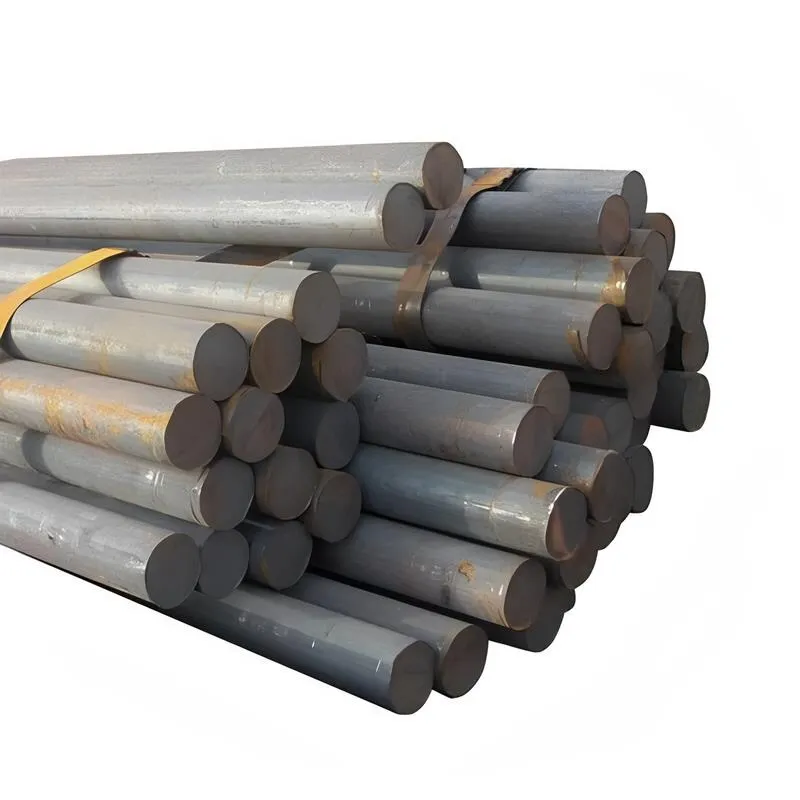
AISI 5140H Steel, oil quenched
Product Code : STI-CSTI-1560-CU
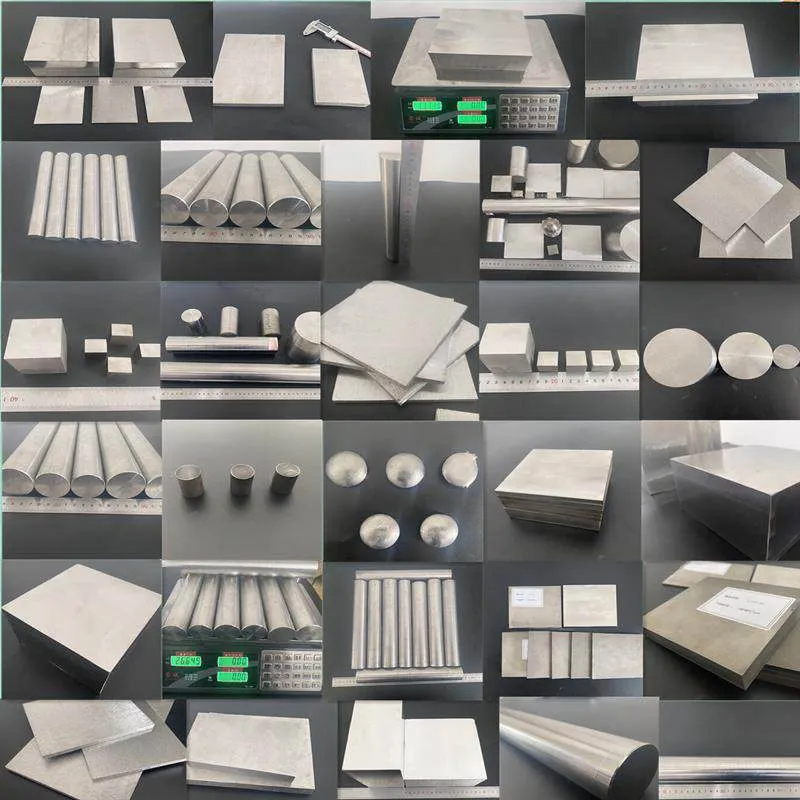
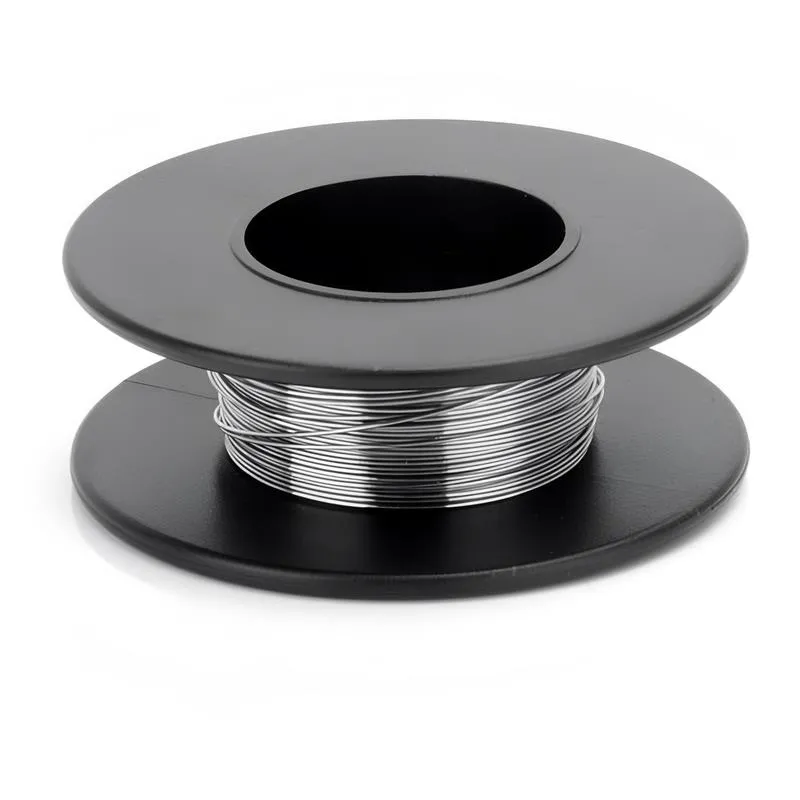
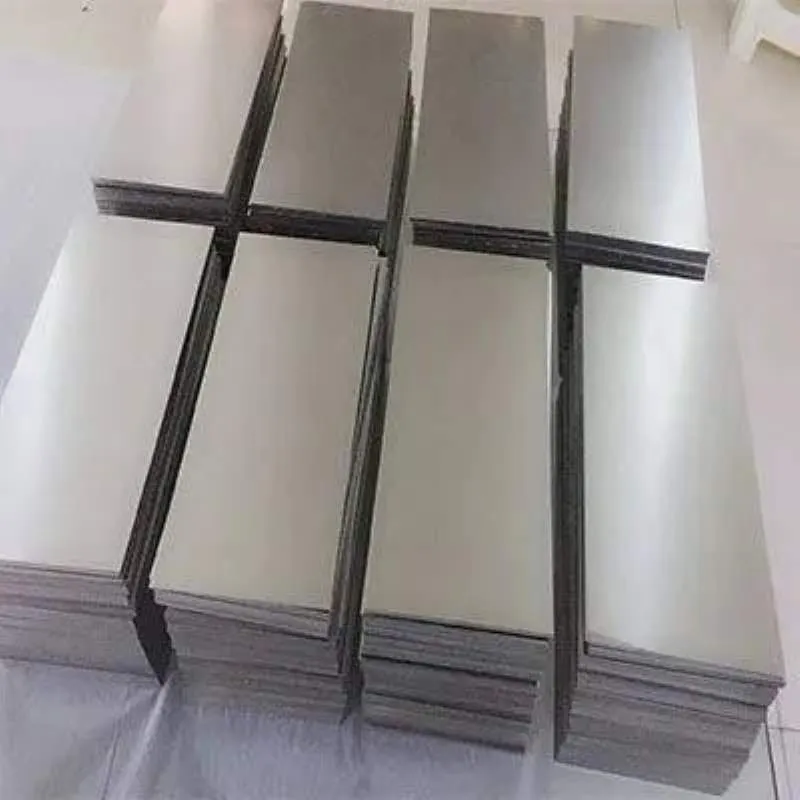
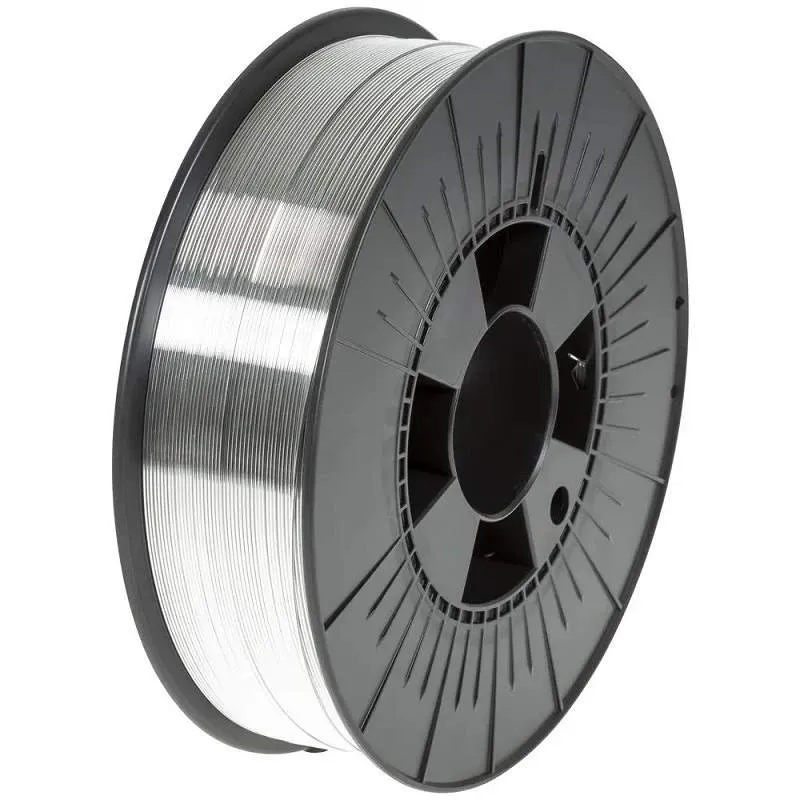
We provide AISI 5140H Steel, oil quenched 845°C (1550°F), 540°C (1000°F) temper is available in Bar (Round bar, Flat bar), Ribbon, Wire, Rods, Tube,Seamless Tube,Pipe, Ingots, Plate, Sheet, Strip and Forging Stock.,Purity, chemical composition, size, etc. can all be customized to meet specific requirements.
Please contact us if you need customized services. We will contact you with the price and availability in 24 hours.
AISI 5140H Steel, oil quenched 845°C (1550°F), 540°C (1000°F) temper Product Information
-:-
For detailed product information, please contact sales.
-:
AISI 5140H Steel, oil quenched 845°C (1550°F), 540°C (1000°F) temper Synonyms
-:-
For detailed product information, please contact sales.
-:
AISI 5140H Steel, oil quenched 845°C (1550°F), 540°C (1000°F) temper Product Information
-:-
For detailed product information, please contact sales.
-:
# **Product Introduction: AISI 5140H Steel, Heat Treated to 845°C Oil Quenched + 540°C Tempered Condition**
## **Executive Summary**
**AISI 5140H steel, oil quenched from 845°C (1550°F) and tempered at 540°C (1000°F),** represents this premium-grade alloy steel in its **peak engineered service condition**, delivering certified and predictable mechanical properties. The "H" designation ensures the material meets **SAE J1268 hardenability band requirements**, guaranteeing uniform response to this specific heat treatment across all production batches. This exact thermal processing regimen transforms the steel into a **uniform tempered martensitic microstructure**, achieving an optimal balance of **high strength (950-1150 MPa tensile), excellent toughness (40-60 J impact), and superior fatigue resistance** at a hardness of approximately 35-40 HRC. This condition is the benchmark for critical, dynamically loaded components across automotive, aerospace, and heavy machinery industries where reliability, consistency, and performance are non-negotiable.
---
## **1. Chemical Composition & Hardenability Assurance**
The chemistry is tightly controlled to not only meet composition requirements but also to guarantee hardenability compliance.
| Element | Composition Range (%) | Typical Target (%) | Role in Achieving 845°C OQ + 540°C Temper Properties |
|---------|----------------------|-------------------|------------------------------------------------------|
| **Carbon (C)** | 0.38 - 0.43 | 0.40 | **Critical for strength matrix.** At 0.40%, ensures complete martensite formation during 845°C oil quench, providing as-quenched hardness ~54-58 HRC. During 540°C temper, enables precipitation of fine alloy carbides for optimal strength-toughness balance. |
| **Manganese (Mn)** | 0.70 - 0.90 | 0.80 | **Guarantees through-hardening.** Tight range ensures consistent hardenability, providing uniform martensite formation in sections up to 75mm diameter from the 845°C quench. |
| **Chromium (Cr)** | 0.70 - 0.90 | 0.80 | **Key alloying element for performance.** Enhances hardenability and promotes **secondary hardening** during 540°C temper. Forms stable chromium carbides (Cr₂₃C₆) that provide tempering resistance and contribute to the 35-40 HRC final hardness. |
| **Silicon (Si)** | 0.15 - 0.35 | 0.25 | **Solid solution strengthener & tempering stabilizer.** Raises the tempering resistance curve, helping maintain strength at the 540°C tempering temperature. Also inhibits temper embrittlement. |
| **Phosphorus (P)** | ≤ 0.025 | 0.015 | **Tighter control than standard 5140.** Minimizes risk of temper embrittlement, which is critical when tempering at 540°C. |
| **Sulfur (S)** | ≤ 0.025 | 0.018 | **Controlled for optimal machinability in pre-hard state** while maintaining transverse ductility in final tempered condition. |
**Hardenability Certification (SAE J1268 Compliance):**
- **Material is certified** to fall within specific Jominy hardenability bands
- **Ensures that** from the normalized or annealed starting condition, the 845°C austenitize + oil quench will yield a predictable as-quenched hardness profile
- **Guarantees that** subsequent tempering at 540°C will produce mechanical properties within a narrow, predictable range
**Metallurgical State after 845°C OQ + 540°C Temper:**
- **Microstructure:** **Fine, tempered lath martensite** with uniform dispersion of **fine alloy carbides** (predominantly chromium-rich)
- **Prior Austenite Grain Size:** Fine (ASTM 8-10), resulting from controlled 845°C austenitization
- **Carbide Morphology:** Spheroidized carbides ~50-200 nm in size, uniformly distributed
- **Key Outcome:** This specific structure provides the optimal combination of dislocation strengthening (from martensite) and precipitation strengthening (from tempering), delivering the ideal property balance for high-stress applications.
---
## **2. Physical & Mechanical Properties (Heat Treated Condition)**
### **Physical Properties**
| Property | Value / Range | Notes for Heat Treated Condition |
|----------|---------------|----------------------------------|
| **Density** | 7.85 g/cm³ | Unchanged by heat treatment |
| **Modulus of Elasticity (E)** | **200 - 210 GPa** | Increased compared to annealed state due to martensitic structure |
| **Shear Modulus (G)** | 80 - 83 GPa | - |
| **Poisson's Ratio** | 0.29 | - |
| **Thermal Conductivity** | 42 - 46 W/m·K | Reduced compared to annealed state due to lattice strain |
| **Coefficient of Thermal Expansion** | 12.0 - 12.5 ×10⁻⁶/K | 20-100°C range |
| **Specific Heat Capacity** | 480 - 500 J/kg·K | - |
| **Electrical Resistivity** | 0.24 - 0.29 μΩ·m | Higher than annealed due to microstructural defects |
### **Mechanical Properties (845°C OQ + 540°C Temper)**
*These are the guaranteed minimum or typical properties achievable with this exact heat treatment on certified 5140H material.*
| Property | Typical / Minimum Range | Significance for Design & Application |
|----------|-------------------------|----------------------------------------|
| **Hardness** | **341 - 401 HB** / **35 - 40 HRC** | **Core property.** Provides excellent wear resistance while maintaining good toughness. The narrow range (typically ±2 HRC) is guaranteed by the H-grade certification. |
| **Tensile Strength** | **1000 - 1150 MPa** (145 - 167 ksi) | High strength with narrow variance (±50 MPa) due to H-grade consistency. |
| **Yield Strength (0.2% Offset)** | **850 - 1000 MPa** (123 - 145 ksi) | Excellent resistance to permanent deformation. High yield-to-tensile ratio (~0.85-0.87). |
| **Elongation (in 50mm)** | **14 - 18%** | Good ductility for a high-strength steel. Consistent due to controlled microstructure. |
| **Reduction of Area** | **45 - 55%** | Indicates good micro-ductility and toughness. Typically >50% for H-grade material. |
| **Charpy V-Notch Impact Energy** | **45 - 65 J** (at 20°C) | **Key differentiator.** Excellent impact toughness guaranteed by the 540°C temper. Minimum typically specified as 40 J. |
| **Fatigue Strength (Rotating Bending, R=-1)** | **~480 - 520 MPa** | High endurance limit (~0.45-0.50 of tensile strength). Critical for dynamically loaded components. |
| **Fracture Toughness (K₁c)** | ~75 - 95 MPa√m | Good resistance to crack propagation. Superior to standard 5140 due to cleaner steel and controlled structure. |
### **Heat Treatment Process Details & Control:**
1. **Austenitizing (845°C / 1550°F):**
* **Purpose:** Achieve complete austenitization with minimal grain growth.
* **Temperature Control:** ±5°C uniformity required for H-grade processing.
* **Soak Time:** 20-30 minutes per inch of thickness minimum.
* **Atmosphere:** Protective (endothermic gas or vacuum) to prevent decarburization.
2. **Quenching (Oil):**
* **Medium:** Fast oil quench (ISO VG 68 or equivalent, 40-60°C).
* **Agitation:** Moderate to high agitation for consistent cooling.
* **As-Quenched Hardness:** 52-56 HRC (certified to be consistent within heat).
* **Section Size Capability:** Through-hardens up to 75-100mm diameter.
3. **Tempering (540°C / 1000°F):**
* **Purpose:** Achieve optimal strength-toughness balance in the secondary hardening range.
* **Time:** 1.5-2 hours per inch of thickness, followed by air cooling.
* **Critical Control:** Rapid cooling from tempering temperature to minimize temper embrittlement risk.
* **Double Tempering:** Often specified for critical applications to ensure complete transformation.
**Property Consistency Advantage of H-Grade:**
- **Hardness Variation:** Typically ±1.5 HRC within a batch (vs. ±3-4 HRC for standard grade)
- **Tensile Strength Variation:** ±40 MPa within a heat (vs. ±80 MPa for standard)
- **Impact Energy Variation:** ±8 J within specification (vs. ±15 J for standard)
---
## **3. Product Applications (In This Heat Treated Condition)**
This is the **final, ready-for-service condition** for high-performance components where certified consistency is required.
### **Critical Application Sectors:**
**Automotive & Transportation (High-Volume, Safety-Critical):**
* **Transmission Components:** Gears, synchronizer hubs, and shafts requiring consistent hardness for noise control and durability.
* **Steering & Suspension:** Steering knuckles, pitman arms, idler arms, and torsion bars where property consistency directly impacts vehicle safety.
* **Drivetrain:** Axle shafts (particularly for medium/heavy trucks), differential gears, and drive shafts.
* **Engine Components:** Crankshafts (medium-duty), connecting rods, and camshafts for performance engines.
**Aerospace & Defense (Certified Applications):**
* **Landing Gear Components:** Non-primary structural elements requiring certified material properties.
* **Actuator Systems:** Screw shafts, piston rods requiring predictable fatigue performance.
* **Missile & Ordnance:** Structural components where batch consistency is critical.
* **Helicopter:** Rotor hub components, transmission gears.
**Heavy Machinery & Industrial Equipment:**
* **Construction/Mining:** Track rollers, idlers, pivot pins, bucket linkage components.
* **Agricultural:** PTO shafts, gearbox shafts, high-stress implement parts.
* **Material Handling:** Crane hook components, sheave pins, conveyor drive shafts.
* **Fluid Power:** High-pressure hydraulic cylinder rods, pump shafts.
**Precision Manufacturing & Tooling:**
* **Machine Tool Components:** Spindles, lead screws, tool holders requiring dimensional stability.
* **Injection Molding:** Ejector pins, leader pins, mold components subject to cyclic loading.
* **Die Casting:** Cores, inserts requiring good thermal fatigue resistance.
### **Why This EXACT Heat Treatment on 5140H is Specified:**
| Design Requirement | 5140H + 845°C/540°C Solution | Competitive Advantage |
|--------------------|-------------------------------|------------------------|
| **Predictable Fatigue Life** | Consistent microstructure ensures uniform fatigue crack initiation resistance | Enables longer design life with smaller safety factors |
| **Batch-to-Batch Consistency** | H-grade certification guarantees mechanical properties within narrow bands | Eliminates production line adjustments and sorting |
| **Optimal Toughness at High Strength** | 540°C temper maximizes toughness in the secondary hardening range | Allows for weight reduction without compromising safety |
| **Minimal Distortion** | Predictable transformation behavior from certified starting condition | Reduces finish machining costs and improves dimensional accuracy |
| **Quality Certification** | Full traceability and certified properties | Simplifies compliance with automotive (IATF 16949), aerospace (AS9100), and other standards |
### **Component-Specific Property Guarantees:**
- **Gears:** Surface durability at 35-40 HRC with tough core to resist tooth bending fatigue
- **Shafts:** High torsional strength (shear strength ~580-680 MPa) with good fatigue resistance
- **Fasteners:** Consistent tensile strength ensuring uniform clamping force
- **Cylinder Rods:** Good wear resistance combined with resistance to brittle fracture
---
## **4. International Standards & Specifications**
### **Property-Based & Process Specifications**
This heat-treated condition is typically specified on engineering drawings by **performance requirements**, with the 845°C OQ + 540°C temper being the proven method to achieve them.
| Standard System | Designation / Reference | Application to This Condition |
|-----------------|-------------------------|-------------------------------|
| **SAE J1268** | Hardenability Bands | The foundation - certifies the material will respond predictably to this heat treatment |
| **ASTM A29/A29M** | Property Class | Would be supplied as "Heat Treated" to specified hardness/strength ranges |
| **AMS 2759/1** | Pyrometry | Governs the temperature control requirements for heat treating H-grade steels |
| **CQI-9** | Heat Treat System Assessment | Automotive industry standard for heat treat process control |
| **Engineering Drawing** | **"Material: AISI 5140H, Heat Treat to 35-40 HRC per [Process Spec]"** | Most common specification method |
### **International Material Equivalents (Can be heat treated to similar properties):**
| Country/Region | Standard | Equivalent H-Grade | Comparable Heat Treated Condition |
|----------------|----------|-------------------|-----------------------------------|
| **Europe (EN)** | EN 10083-3 | **41Cr4+HH** | Can be quenched and tempered to 1000-1150 MPa tensile strength |
| **Germany (DIN)** | DIN 17212 | **41Cr4H** | Condition **"+QT"** to specified hardness with hardenability certification |
| **Japan (JIS)** | JIS G4052 | **SCr440H** | Heat treated to equivalent mechanical properties (Hardness: HV 350-400) |
| **International (ISO)** | ISO 683-18 | **Type 1.7035** | With H-grade requirement specified |
| **China (GB)** | GB/T 5216 | **40CrH** | Hardenability-graded, commonly used in quenched and tempered condition |
### **Heat Treatment Process Standards (Reference):**
- **AMS 2759:** Pyrometry (Temperature Uniformity Surveys)
- **ASTM A255:** Standard Test Methods for Determining Hardenability of Steel
- **ISO 4885:** Heat treatments – Vocabulary
- **NADCAP:** Aerospace heat treatment accreditation program requirements
---
## **5. Manufacturing, Finishing & Service Considerations**
### **Post-Heat Treatment Processing (Limited Options):**
* **Machining:** **Not feasible** except by abrasive methods:
* **Grinding:** Standard method for achieving final dimensions
* **Hard Turning:** Possible with CBN/PCBN tools, but limited to light cuts
* **Honing/Polishing:** For fine surface finishes on bearing surfaces
* **Finishing Operations:**
* **Shot Peening:** **Highly recommended** to induce compressive surface stresses, improving fatigue life by 30-50%
* **Surface Coatings:**
* **Phosphate (Parkerizing):** For corrosion protection and paint adhesion
* **Black Oxide:** Cosmetic and mild corrosion resistance
* **Hard Chrome Plating:** For wear resistance on bearing surfaces (e.g., hydraulic rods)
* **Electroless Nickel:** For corrosion and wear resistance
* **Joining:**
* **Welding:** **Generally not recommended** after final heat treatment. If unavoidable:
- Requires pre-heat (300-350°C)
- Use low-hydrogen electrodes
- Mandatory post-weld tempering at 540-560°C
- Significant property degradation in HAZ expected
* **Mechanical Fastening:** Ideal state for assembly with high-strength bolts
### **Service Performance & Limitations:**
* **Maximum Service Temperature:** **~300°C (570°F)** continuous. Above this, overtempering occurs with gradual softening.
* **Corrosion Resistance:** **Poor** (similar to plain carbon steel). Requires protective coatings for exposed service.
* **Notch Sensitivity:** Moderate (notch sensitivity factor q ≈ 0.85-0.90). Sharp corners and machining marks should be avoided in highly stressed areas.
* **Fatigue Performance:** Excellent with proper surface finish (ground < 0.8 μm Ra) and shot peening.
### **Quality Control for Heat Treated 5140H Components:**
1. **Hardness Verification:** 100% check on representative locations (Rockwell C scale, statistical sampling)
2. **Microstructure Evaluation:** Sample verification of tempered martensite, absence of retained austenite or untempered martensite
3. **Surface Integrity:** Magnetic particle or liquid penetrant inspection for quench cracks or grinding burns
4. **Mechanical Testing:** Batch testing of tensile and impact properties from witness coupons processed with the load
5. **Dimensional Verification:** Check for distortion within acceptable limits
---
## **6. Design & Selection Guidelines**
### **Why Select This Exact Condition of AISI 5140H?**
**When you need:**
- A **certified, consistent** alloy steel for high-stress components
- A **narrow property range** to enable tight design margins
- **Predictable fatigue performance** for dynamically loaded parts
- **Batch-to-batch consistency** in high-volume production
- **Documented material properties** for quality certification
### **Alternative Heat Treatments for AISI 5140H (for comparison):**
| Tempering Temperature | Resulting Hardness (HRC) | Property Emphasis | Compared to 540°C Temper |
|-----------------------|--------------------------|-------------------|---------------------------|
| **200°C (390°F)** | 50-55 | Maximum Hardness/Wear | Higher wear resistance but lower toughness (10-20 J impact) |
| **400°C (750°F)** | 42-48 | High Strength | Higher strength but lower toughness (25-40 J impact) |
| **540°C (1000°F)** | 35-40 | **Optimal Balance** | **Best combination of strength and toughness** |
| **650°C (1200°F)** | 25-30 | Maximum Toughness | Higher toughness but lower strength (700-900 MPa tensile) |
### **Cost-Benefit Analysis of Specifying 5140H vs. Standard 5140:**
| Factor | Standard 5140 | AISI 5140H | Advantage |
|--------|---------------|------------|-----------|
| **Material Cost** | Base | +20-30% | - |
| **Heat Treat Scrap Rate** | 3-5% | 0.5-1.5% | +2-4% savings |
| **Inspection Costs** | High (extensive testing) | Low (reduced testing) | +1-2% savings |
| **Warranty Claims** | Moderate | Low | +1-2% savings |
| **Production Efficiency** | Variable | Consistent, high | +2-3% savings |
| **Total Cost Impact** | 100% | 96-98% | **2-4% net savings** |
---
## **Summary**
**AISI 5140H steel, oil quenched from 845°C (1550°F) and tempered at 540°C (1000°F), represents the gold standard for predictable, high-performance alloy steel components.** This specific combination of premium-grade material and optimized heat treatment delivers:
1. **Certified Consistency:** Guaranteed hardenability ensures mechanical properties within narrow, predictable ranges
2. **Optimal Property Balance:** 35-40 HRC hardness provides the ideal compromise between strength, toughness, and wear resistance
3. **Superior Fatigue Performance:** Tempered martensite structure with fine carbide dispersion offers excellent resistance to cyclic loading
4. **Manufacturing Reliability:** Predictable response enables automated processing with minimal scrap and rework
**Final Service Condition:** This is a **ready-for-service state** for critical components. All machining must be completed prior to heat treatment, with final finishing limited to grinding, polishing, and protective coating.
**Ideal For:**
- **Safety-critical automotive components** (steering, suspension, drivetrain)
- **Aerospace structural parts** requiring certified materials
- **Heavy machinery components** subjected to dynamic loading
- **Precision tooling** where dimensional stability is critical
- **Any application** where component failure has significant safety or economic consequences
**The 5140H grade with 540°C tempering provides engineers with a material solution that eliminates uncertainty,** enabling designs that push performance boundaries while maintaining safety margins. It transforms alloy steel from a variable commodity into a predictable engineering material, delivering value through reduced variability, improved reliability, and lower total cost of ownership despite a higher initial material cost.
-:-
For detailed product information, please contact sales.
-:
AISI 5140H Steel, oil quenched 845°C (1550°F), 540°C (1000°F) temper Specification
Dimensions
Size:
Diameter 20-1000 mm Length <6292 mm
Size:We can customized as required
Standard:
Per your request or drawing
We can customized as required
Properties(Theoretical)
Chemical Composition
-:-
For detailed product information, please contact sales.
-:
AISI 5140H Steel, oil quenched 845°C (1550°F), 540°C (1000°F) temper Properties
-:-
For detailed product information, please contact sales.
-:
Applications of AISI 5140H Steel, oil quenched 845°C (1550°F), 540°C (1000°F) temper
-:-
For detailed product information, please contact sales.
-:
Chemical Identifiers AISI 5140H Steel, oil quenched 845°C (1550°F), 540°C (1000°F) temper
-:-
For detailed product information, please contact sales.
-:
Packing of AISI 5140H Steel, oil quenched 845°C (1550°F), 540°C (1000°F) temper
-:-
For detailed product information, please contact sales.
-:
Standard Packing:
-:-
For detailed product information, please contact sales.
-:
Typical bulk packaging includes palletized plastic 5 gallon/25 kg. pails, fiber and steel drums to 1 ton super sacks in full container (FCL) or truck load (T/L) quantities. Research and sample quantities and hygroscopic, oxidizing or other air sensitive materials may be packaged under argon or vacuum. Solutions are packaged in polypropylene, plastic or glass jars up to palletized 2763 gallon liquid totes Special package is available on request. E FORUs’ is carefully handled to minimize damage during storage and transportation and to preserve the quality of our products in their original condition