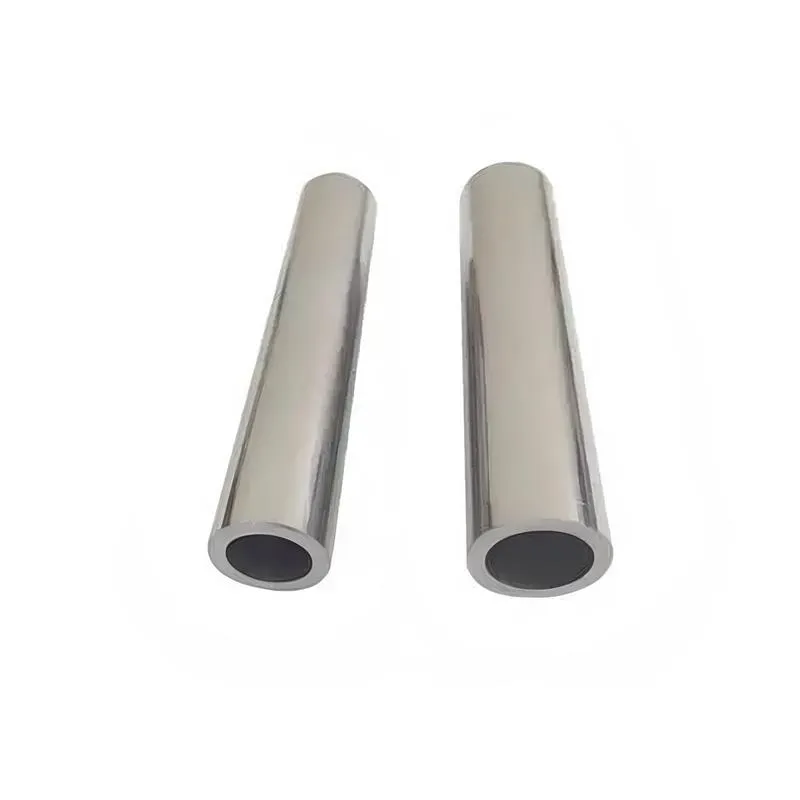
AISI 6150 Steel, normalized
Product Code : STI-CSTI-1572-CU
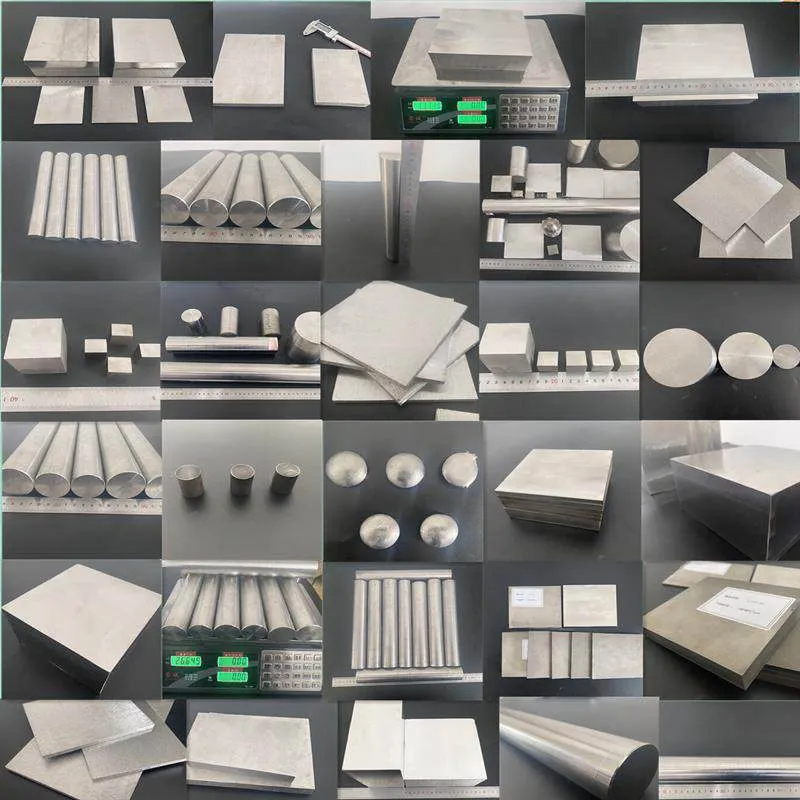
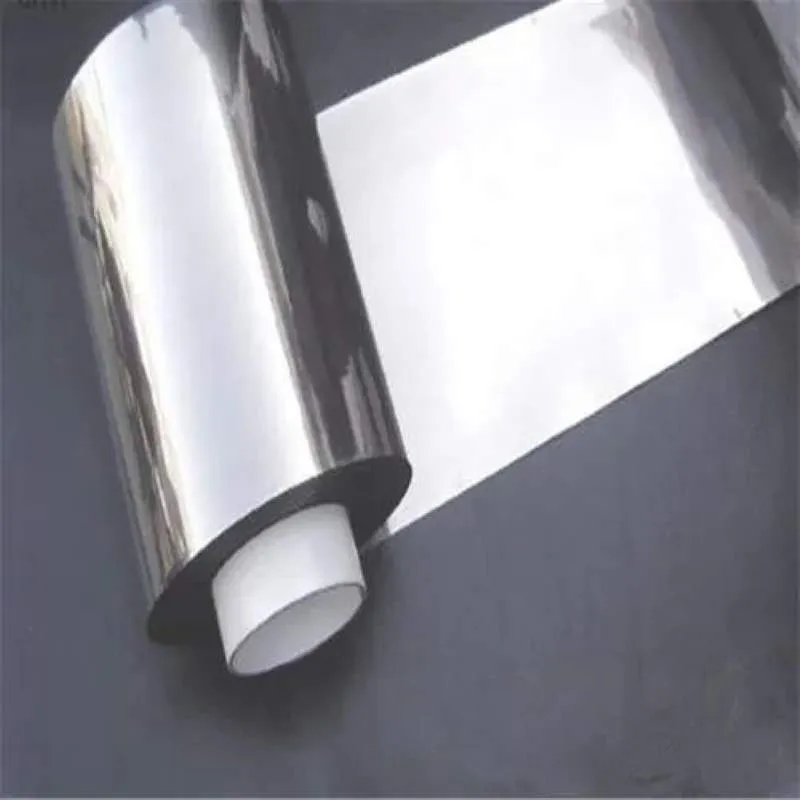
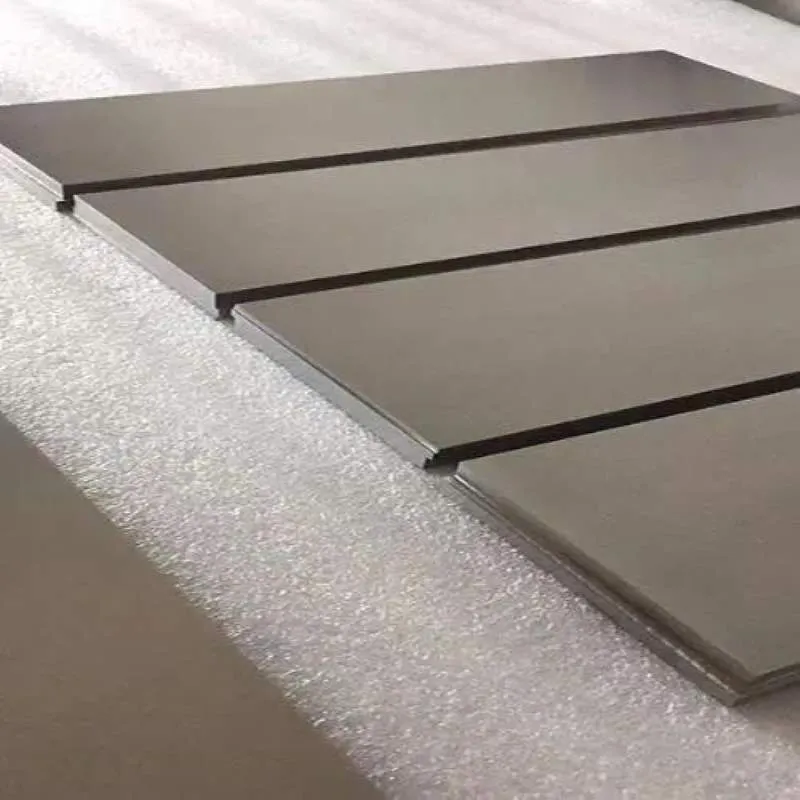
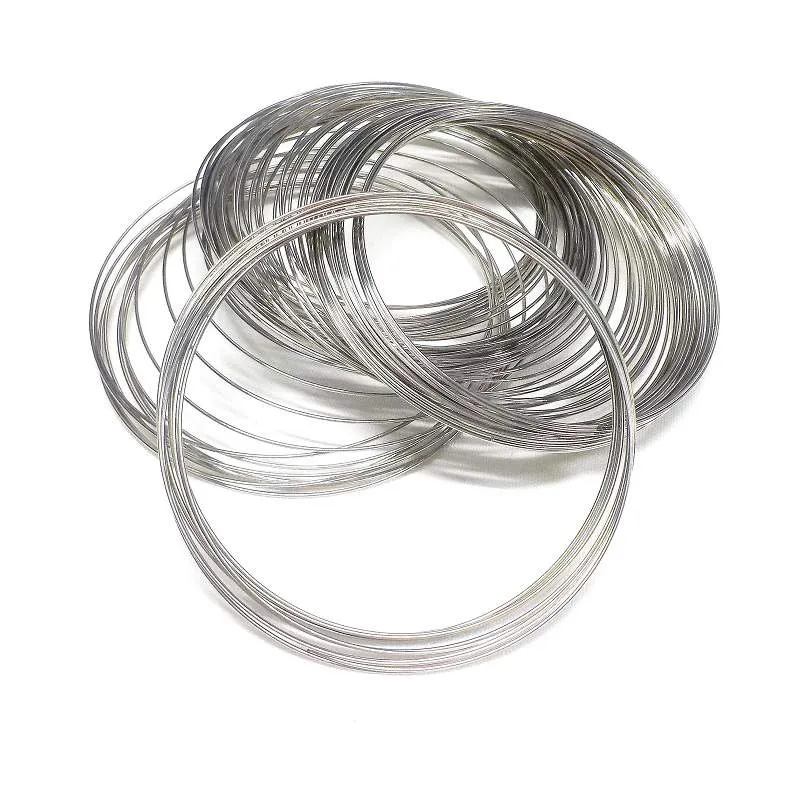
We provide AISI 6150 Steel, normalized is available in Bar (Round bar, Flat bar), Ribbon, Wire, Rods, Tube,Seamless Tube,Pipe, Ingots, Plate, Sheet, Strip and Forging Stock.,Purity, chemical composition, size, etc. can all be customized to meet specific requirements.
Please contact us if you need customized services. We will contact you with the price and availability in 24 hours.
AISI 6150 Steel, normalized Product Information
-:-
For detailed product information, please contact sales.
-:
AISI 6150 Steel, normalized Synonyms
-:-
For detailed product information, please contact sales.
-:
AISI 6150 Steel, normalized Product Information
-:-
For detailed product information, please contact sales.
-:
# **Product Introduction: AISI 6150 Steel, Normalized Condition**
## **Executive Summary**
**AISI 6150 steel in the normalized condition** is a **premium silicon-chromium alloy steel** that has undergone a normalizing heat treatment to refine its microstructure and optimize its properties for spring and high-stress applications. Characterized by its distinctive silicon content (0.15-0.35%) combined with chromium (0.80-1.10%), this grade offers superior **elastic properties, exceptional fatigue resistance, and enhanced hardenability**. Normalizing produces a **fine, uniform ferrite-pearlite microstructure** that improves machinability, enhances dimensional stability, and establishes an ideal foundation for subsequent heat treatment. This condition is specifically engineered for **high-performance spring manufacturing, torsion bars, and elastic components** in automotive, aerospace, and industrial applications where reliability and fatigue life are paramount.
---
## **1. Chemical Composition**
The chemical composition of AISI 6150 is precisely balanced to provide exceptional elastic properties and fatigue resistance through its unique silicon-chromium combination.
| Element | Composition Range (%) | Typical Value (%) | Metallurgical Role in Normalized Condition |
|---------|----------------------|-------------------|--------------------------------------------|
| **Carbon (C)** | 0.48 - 0.53 | 0.50 | Provides fundamental strength; forms fine pearlite during normalizing for optimal strength-machinability balance. Establishes potential for high hardness (up to 55-60 HRC) after hardening. |
| **Silicon (Si)** | 0.15 - 0.35 | 0.25 | **Key distinguishing element.** Dissolves in ferrite, significantly increasing elastic limit (15-20% improvement over silicon-free grades), improving fatigue resistance, enhancing hardenability, and raising tempering resistance. Promotes fine ferrite grain formation during normalizing. |
| **Manganese (Mn)** | 0.70 - 0.90 | 0.80 | Enhances hardenability and strength; promotes uniform transformation during normalizing air cooling. |
| **Chromium (Cr)** | 0.80 - 1.10 | 0.95 | **Primary alloying element.** Significantly improves hardenability, wear resistance, and provides excellent tempering stability. Forms fine chromium carbides during normalizing that contribute to machinability. |
| **Phosphorus (P)** | ≤ 0.035 | 0.020 | Residual impurity; kept low to prevent embrittlement, particularly important for spring applications. |
| **Sulfur (S)** | ≤ 0.040 | 0.025 | Controlled for machinability; often optimized for chip control in normalized spring steel. |
**Key Metallurgical Features:**
- **Silicon Advantage:** Unique among 51xx series steels, providing superior elastic properties
- **Synergistic Effect:** Silicon-chromium combination offers better performance than either element alone
- **Fatigue Enhancement:** Silicon significantly improves endurance limit and fatigue crack initiation resistance
- **Tempering Resistance:** Higher tempering temperatures required compared to silicon-free grades
**Normalized Microstructure:**
- **Structure:** **Fine lamellar pearlite** in **silicon-strengthened ferrite matrix**
- **Grain Size:** Typically ASTM 7-9, finer than annealed condition
- **Silicon Distribution:** Uniformly dissolved in ferrite, providing solid solution strengthening
- **Carbide Distribution:** Fine, uniformly dispersed carbides
- **Purpose:** Achieve optimal balance of strength, machinability, and dimensional stability for spring manufacturing
---
## **2. Physical & Mechanical Properties (Normalized Condition)**
### **Physical Properties**
| Property | Value / Range | Notes |
|----------|---------------|-------|
| **Density** | 7.85 g/cm³ | At 20°C |
| **Modulus of Elasticity (E)** | 195 - 210 GPa | Silicon increases modulus compared to plain carbon steels |
| **Shear Modulus (G)** | 78 - 83 GPa | Critical for spring design calculations |
| **Poisson's Ratio** | 0.29 | - |
| **Thermal Conductivity** | 43 - 48 W/m·K | At 100°C; silicon reduces conductivity slightly |
| **Coefficient of Thermal Expansion** | 11.7 - 12.2 ×10⁻⁶/K | 20-100°C range |
| **Specific Heat Capacity** | 465 - 485 J/kg·K | At 20°C |
| **Electrical Resistivity** | 0.23 - 0.28 μΩ·m | At 20°C |
### **Mechanical Properties (As-Normalized)**
| Property | Typical Range | Significance for Spring Applications |
|----------|---------------|--------------------------------------|
| **Hardness** | **207 - 255 HB** (Typically 220-240 HB) | **Optimal for spring manufacturing.** Provides sufficient strength for handling while maintaining good machinability and formability for hot coiling operations. |
| **Tensile Strength** | 700 - 850 MPa | Higher than annealed, providing better rigidity for machining operations |
| **Yield Strength (0.2% Offset)** | 480 - 600 MPa | Improved resistance to deformation during manufacturing |
| **Elongation (50mm)** | 16 - 22% | Good ductility for spring forming operations |
| **Reduction of Area** | 40 - 50% | Good micro-ductility |
| **Charpy V-Notch Impact** | 35 - 55 J | Good impact resistance for normalized condition |
| **Fatigue Strength** | 350 - 420 MPa | Enhanced by silicon content even in normalized state |
| **Machinability Rating** | **~50-55%** (vs. 1212 steel) | Acceptable with proper tooling; silicon may reduce tool life slightly |
### **Normalizing Process Parameters:**
```
Standard Normalizing Cycle for AISI 6150:
1. Heating: → 870-900°C (1600-1650°F) at controlled rate
2. Soaking: 30-45 minutes per inch of thickness
3. Cooling: Still air or controlled forced air
4. Cooling Rate: 5-15°C/minute through transformation range
5. Silicon Effect: Silicon slows pearlite transformation, requiring controlled cooling
```
**Quality Parameters for Normalized Spring Steel:**
- **Microstructural Uniformity:** Consistent pearlite colony size throughout
- **Grain Size Control:** ASTM 7-9 required for optimal properties
- **Decarburization:** Strictly controlled (≤0.010" per surface for spring applications)
- **Surface Quality:** Critical for fatigue performance; free of seams and cracks
### **Comparison with Annealed Condition:**
| Property | Annealed 6150 | Normalized 6150 | Advantage of Normalizing |
|----------|---------------|-----------------|--------------------------|
| **Hardness (HB)** | 187-229 | 207-255 | Higher strength for handling and machining |
| **Tensile Strength (MPa)** | 650-800 | 700-850 | Better rigidity during manufacturing |
| **Grain Size (ASTM)** | 5-7 | 7-9 | Finer, more uniform microstructure |
| **Machinability** | Better | Good | Annealed better for complex machining |
| **Dimensional Stability** | Good | Excellent | Normalized better for precision components |
| **Best For** | Cold forming | Hot forming and machining | Depends on manufacturing process |
---
## **3. Product Applications**
### **Primary Application Sectors**
**Automotive Industry (High-Performance Applications):**
- **Valve Springs:** For high-performance and racing engines requiring exceptional fatigue life
- **Suspension Springs:** Coil and leaf springs for passenger and commercial vehicles
- **Clutch Springs:** Heavy-duty clutch pressure plate springs
- **Transmission Components:** Synchronizer springs, shift fork springs
**Aerospace & Defense:**
- **Landing Gear Springs:** Recoil and suspension springs for aircraft
- **Control System Springs:** Flight control return springs and actuator springs
- **Ordnance Components:** Firing mechanisms and safety device springs
- **Helicopter Components:** Rotor head and transmission springs
**Heavy Equipment & Industrial Machinery:**
- **Construction Equipment:** Springs for excavators, loaders, and cranes
- **Agricultural Machinery:** Implement springs, planter springs, harvester springs
- **Machine Tools:** Counterbalance springs, chuck springs, feed mechanism springs
- **Mining Equipment:** Spring-loaded safety devices and suspension components
**General Manufacturing:**
- **Die Springs:** For stamping and forming operations
- **Constant Force Springs:** For counterbalance and tensioning applications
- **Torsion Bars:** For suspension systems and positioning mechanisms
- **Fastener Components:** High-performance spring washers and lock washers
### **Why Normalized AISI 6150 for Spring Manufacturing?**
**Material Advantages for Spring Applications:**
1. **Higher Elastic Limit:** Silicon increases proportional limit by 15-20% over similar chromium steels
2. **Superior Fatigue Strength:** Silicon enhances endurance limit by 20-30%
3. **Improved Toughness:** Maintains adequate toughness at high hardness levels
4. **Enhanced Hardenability:** Chromium provides excellent through-hardening capability
5. **Tempering Resistance:** Silicon raises tempering temperature requirements, improving high-temperature stability
**Manufacturing Advantages of Normalized Condition:**
- **Hot Forming Capability:** Suitable for hot coiling of springs
- **Dimensional Stability:** Minimal distortion during subsequent heat treatment
- **Machinability:** Good for manufacturing spring ends and special features
- **Consistent Properties:** Uniform microstructure ensures predictable heat treatment response
### **Spring Manufacturing Processes Using Normalized 6150:**
**Hot Coil Spring Manufacturing:**
```
1. Heat normalized 6150 to 850-900°C
2. Hot coil to spring shape
3. Oil quench immediately after forming
4. Temper at 400-500°C for desired hardness (typically 45-52 HRC)
5. Shot peen for fatigue improvement
6. Preset and final inspection
```
**Cold Form Components (from normalized):**
```
1. Machine components from normalized stock
2. Heat treat: Austenitize at 850-870°C, oil quench
3. Temper at appropriate temperature
4. Finish grind critical dimensions
5. Shot peen if required for fatigue
```
---
## **4. International Standards & Specifications**
### **Primary Specifications for Normalized AISI 6150**
| Standard System | Designation | Requirements for Spring Steel |
|----------------|-------------|-------------------------------|
| **ASTM A29/A29M** | Standard Specification for Steel Bars | Governs normalized condition and quality |
| **ASTM A689** | Standard Specification for Carbon and Alloy Steel Bars for Springs | Specific requirements for spring quality steel |
| **SAE J403** | Chemical Composition of SAE Carbon Steels | Defines 6150 chemistry |
| **AMS 2300/2301** | Aircraft Quality Steel Cleanliness | Often specified for aerospace springs |
### **International Equivalent Grades**
| Country/Region | Standard | Equivalent Grade | Spring Steel Designation |
|----------------|----------|------------------|--------------------------|
| **Europe (EN)** | EN 10089 | **51CrV4** | Similar silicon-chromium-vanadium spring steel |
| **Germany (DIN)** | DIN 17221 | **51CrV4** | Federnstahl (spring steel) quality |
| **Japan (JIS)** | JIS G4801 | **SUP10** | Chromium-vanadium spring steel (similar) |
| **International (ISO)** | ISO 683-14 | **Type 51CrV4** | Heat-treatable spring steel |
| **China (GB)** | GB/T 1222 | **50CrVA** | Similar chromium-vanadium spring steel |
### **Spring-Specific Standards:**
- **SAE J113:** Mechanical Spring Materials
- **ASTM A125:** Standard Specification for Steel Springs, Heat-Treated
- **ISO 2162-1:** Technical product documentation - Springs
- **DIN 17223:** Round wire for helical compression springs
### **Purchase Specification Example:**
```
MATERIAL: AISI 6150, Normalized per ASTM A689
CONDITION: Normalized at 880°C, air cooled
HARDNESS: 220-240 HB
SURFACE: Decarb-free or controlled decarb ≤0.008" per surface
CHEMISTRY: Per SAE J403 with emphasis on Si and Cr control
SPECIAL: Ultrasonic tested for internal defects, grain size ASTM 7-9
CERTIFICATION: Mill test certificate with full chemistry and mechanical properties
APPLICATION: Hot coil spring manufacturing
```
---
## **5. Manufacturing & Processing Guidelines**
### **Machining Parameters for Normalized 6150:**
```
Material Condition: 220-240 HB, Silicon-Alloyed Steel
• Turning Speed: 30-50 m/min (carbide), 15-25 m/min (HSS)
• Feed Rate: 0.15-0.28 mm/rev
• Depth of Cut: 2-5mm for roughing, 0.5-1.5mm for finishing
• Tool Materials: C2/C3 carbide grades, sharp cutting edges essential
• Coolant: Essential due to silicon's tendency to cause built-up edge
• Special Consideration: Silicon content may reduce tool life by 10-15% compared to similar hardness steels without silicon
```
### **Heat Treatment from Normalized State:**
**Spring Heat Treatment Parameters:**
- **Preheat:** 650-700°C recommended for complex shapes
- **Austenitizing:** 850-870°C (1560-1600°F) - higher than 5150 due to silicon content
- **Soaking Time:** 20-30 minutes per inch at temperature
- **Quenching:** Oil quench (fast oil recommended)
- **Tempering:** 400-500°C (750-930°F) for spring applications
- **Final Hardness:** Typically 45-52 HRC for springs
- **Special Note:** Silicon increases required tempering temperature by 30-50°C
**Expected Final Properties (After Quench & Temper from Normalized):**
| Tempering Temperature | Hardness (HRC) | Tensile Strength | Application |
|----------------------|----------------|------------------|-------------|
| **400°C (750°F)** | 48-53 HRC | 1500-1700 MPa | High-stress springs |
| **450°C (840°F)** | 44-49 HRC | 1350-1550 MPa | General purpose springs |
| **500°C (930°F)** | 40-45 HRC | 1200-1400 MPa | High-toughness springs |
### **Spring Manufacturing Considerations:**
**Surface Preparation Requirements:**
- **Decarburization Control:** Critical for fatigue performance
- **Surface Finish:** Ground surface preferred for fatigue-critical applications
- **Shot Peening:** Essential for maximum fatigue life
- **Presetting:** Required to remove permanent set
**Quality Control Points:**
1. **Material Certification:** Verify chemistry, especially silicon content
2. **Surface Inspection:** Check for seams, laps, and decarburization
3. **Heat Treatment Control:** Monitor temperature uniformity and time
4. **Final Testing:** Hardness, dimensions, spring rate, fatigue testing
---
## **6. Technical Comparison & Selection Guide**
### **Comparison with Other Spring Steels (Normalized Condition):**
| Grade | Silicon Content | Typical Normalized Hardness | Elastic Limit Advantage | Best Application |
|-------|----------------|----------------------------|-------------------------|------------------|
| **AISI 6150** | 0.15-0.35% | 207-255 HB | **15-20% higher** | High-performance valve & suspension springs |
| **AISI 5160** | 0.15-0.35% | 217-269 HB | Standard | Heavy-duty springs, torsion bars |
| **AISI 9254** | 1.80-2.20% | 225-275 HB | 25-30% higher | Critical fatigue applications |
| **AISI 8660** | 0.15-0.35% | 207-255 HB | Similar to 6150 | Larger section springs requiring hardenability |
### **When to Specify Normalized AISI 6150:**
- **✔** High-performance automotive valve springs
- **✔** Suspension springs requiring maximum fatigue life
- **✔** Aerospace springs demanding reliability
- **✔** Springs operating at moderately elevated temperatures
- **✔** Applications where hot coiling is preferred
- **✘** Cold coil springs requiring maximum formability (use annealed)
- **✘** Cost-sensitive general purpose springs
- **✘** Applications requiring extensive cold forming
### **Economic & Performance Analysis:**
**For Valve Spring Production (100,000 pieces):**
| Performance Metric | AISI 6150 | AISI 5160 | Advantage |
|--------------------|-----------|-----------|-----------|
| **Fatigue Life** | 1,000,000 cycles | 800,000 cycles | +25% |
| **Elastic Limit** | 1200 MPa | 1000 MPa | +20% |
| **Material Cost** | 100% | 95% | -5% |
| **Rejection Rate** | 1% | 2% | +1% yield |
| **Warranty Claims** | 0.5% | 1.0% | +0.5% reliability |
| **Total Cost/Performance** | **Best value** | Good | **6150 superior for critical apps** |
---
## **7. Quality Assurance & Testing**
### **Mandatory Testing for Spring Quality Steel:**
| Test | Standard Method | Frequency | Spring-Specific Requirements |
|------|----------------|-----------|-----------------------------|
| **Chemical Analysis** | ASTM E415 | Each heat | Silicon and chromium critical elements |
| **Hardness Test** | ASTM E10 | Each lot | 207-255 HB |
| **Decarburization** | ASTM E1077 | Each lot | ≤0.008" per surface for spring applications |
| **Surface Inspection** | Visual/MPI | Each bar | Free of seams, laps, cracks |
| **Ultrasonic Testing** | ASTM A388 | Critical applications | Class A or better required |
| **Grain Size** | ASTM E112 | Each heat | ASTM 7-9 required |
| **Microcleanliness** | ASTM E45 | Each heat | Stringer-type inclusions strictly controlled |
### **Spring Performance Testing (After Manufacturing):**
- **Fatigue Testing:** Per ASTM E466 or SAE J157
- **Spring Rate Verification:** Load-deflection testing to specified tolerance
- **Set Removal Testing:** For compression springs
- **Surface Residual Stress:** X-ray diffraction for shot peened springs
- **Relaxation Testing:** For springs operating at elevated temperatures
### **Certification Requirements:**
1. **Mill Test Certificate:** With full traceability to heat number
2. **Chemical Analysis Report:** Emphasizing silicon and chromium control
3. **Decarburization Report:** Surface condition certification
4. **Mechanical Properties:** Hardness and tensile data from normalized condition
5. **Microstructural Report:** Grain size and inclusion rating
6. **Heat Treatment Guidelines:** Recommended parameters for spring hardening
---
## **8. Supply Chain & Technical Support**
### **Available Product Forms:**
- **Round Bars:** 5mm to 150mm diameter, typical for spring manufacturing
- **Flat Bars:** For leaf spring applications
- **Wire:** For small coil spring production
- **Billets:** For forging of spring components
- **Special Shapes:** For specific spring applications
### **Spring Steel Specialists:**
- **Specialized Mills:** Focus on spring steel production with controlled processes
- **Quality Focus:** Emphasize decarb control and surface quality
- **Technical Support:** Provide spring design and manufacturing assistance
- **Testing Services:** Offer material and spring testing capabilities
### **Industry Preferences:**
- **Automotive Tier 1 Suppliers:** Require certified material with full traceability
- **Aerospace:** Demand additional testing and documentation
- **Spring Manufacturers:** Prefer material optimized for their specific processes
- **Aftermarket:** May accept standard mill quality for non-critical applications
---
## **Summary**
**AISI 6150 steel in the normalized condition represents the optimal starting material for manufacturing high-performance springs requiring exceptional fatigue life and elastic properties.** This product offers unique advantages through its silicon-chromium composition:
**Material Advantages:**
1. **Superior Elastic Properties:** 15-20% higher elastic limit than silicon-free chromium steels
2. **Exceptional Fatigue Performance:** Silicon significantly improves endurance limit
3. **Enhanced Hardenability:** Chromium provides excellent through-hardening capability
4. **Good Toughness:** Maintains adequate toughness at spring hardness levels
5. **Tempering Stability:** Silicon raises tempering resistance for better performance at temperature
**Manufacturing Advantages:**
- **Hot Forming Capability:** Ideal for hot coil spring production
- **Dimensional Stability:** Minimal distortion during heat treatment
- **Consistent Properties:** Uniform microstructure ensures predictable results
- **Proven Performance:** Established track record in demanding applications
**Ideal Application Profile:**
- **High-performance valve springs** for automotive and racing engines
- **Suspension springs** requiring maximum fatigue life and load capacity
- **Aerospace springs** demanding reliability under extreme conditions
- **Industrial springs** operating under high stress with long life requirements
- **Any application** where spring performance directly impacts system reliability
**Final Recommendation:**
**Specify normalized AISI 6150 when** manufacturing springs or elastic components where performance, reliability, and fatigue life are critical design considerations. The silicon enhancement provides tangible performance benefits that justify the moderate cost premium over standard spring steels. For applications where spring failure could lead to system failure, safety concerns, or significant downtime, AISI 6150 offers proven performance that has made it a preferred choice for demanding spring applications across multiple industries.
This material represents the **optimal balance of performance, manufacturability, and reliability** for high-quality spring manufacturing, delivering superior elastic properties that directly translate to improved spring performance, longer service life, and enhanced system reliability in the most demanding applications.
-:-
For detailed product information, please contact sales.
-:
AISI 6150 Steel, normalized Specification
Dimensions
Size:
Diameter 20-1000 mm Length <6304 mm
Size:We can customized as required
Standard:
Per your request or drawing
We can customized as required
Properties(Theoretical)
Chemical Composition
-:-
For detailed product information, please contact sales.
-:
AISI 6150 Steel, normalized Properties
-:-
For detailed product information, please contact sales.
-:
Applications of AISI 6150 Steel, normalized
-:-
For detailed product information, please contact sales.
-:
Chemical Identifiers AISI 6150 Steel, normalized
-:-
For detailed product information, please contact sales.
-:
Packing of AISI 6150 Steel, normalized
-:-
For detailed product information, please contact sales.
-:
Standard Packing:
-:-
For detailed product information, please contact sales.
-:
Typical bulk packaging includes palletized plastic 5 gallon/25 kg. pails, fiber and steel drums to 1 ton super sacks in full container (FCL) or truck load (T/L) quantities. Research and sample quantities and hygroscopic, oxidizing or other air sensitive materials may be packaged under argon or vacuum. Solutions are packaged in polypropylene, plastic or glass jars up to palletized 2775 gallon liquid totes Special package is available on request. E FORUs’ is carefully handled to minimize damage during storage and transportation and to preserve the quality of our products in their original condition