AISI 8617 Steel, double quenched
Product Code : STI-CSTI-973-CU
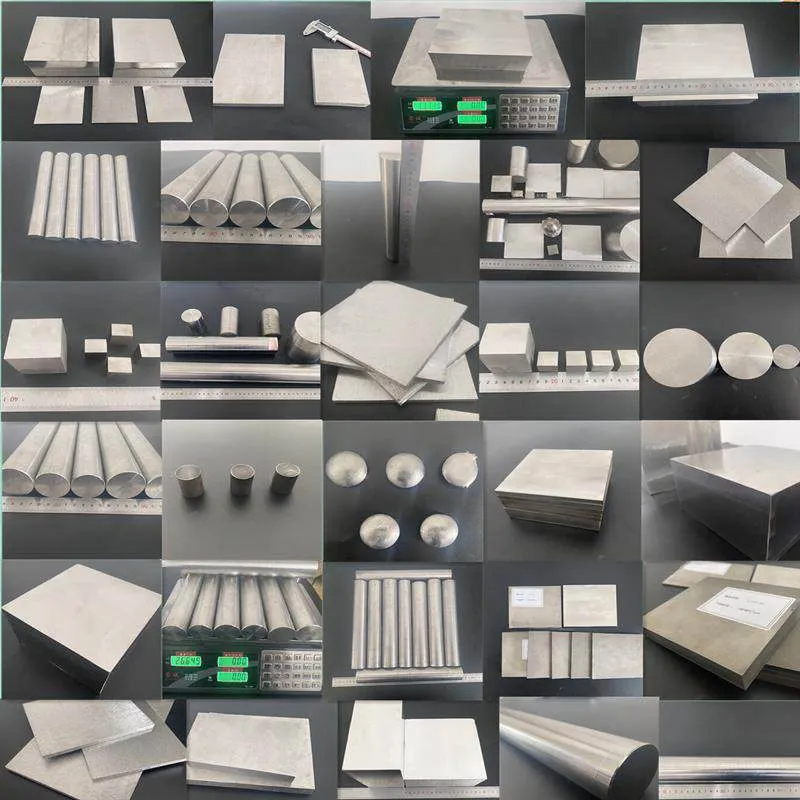
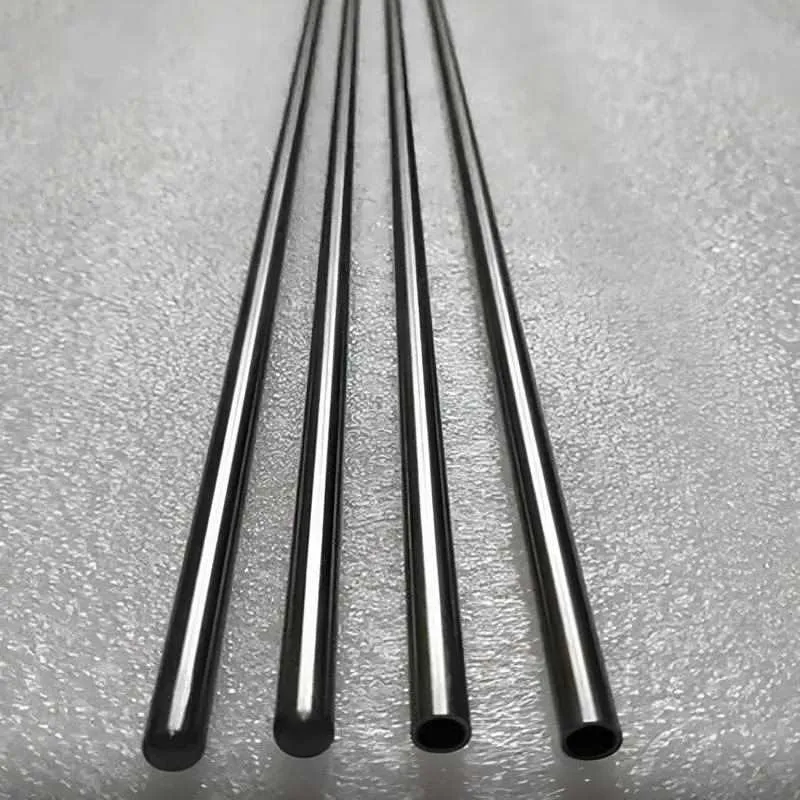
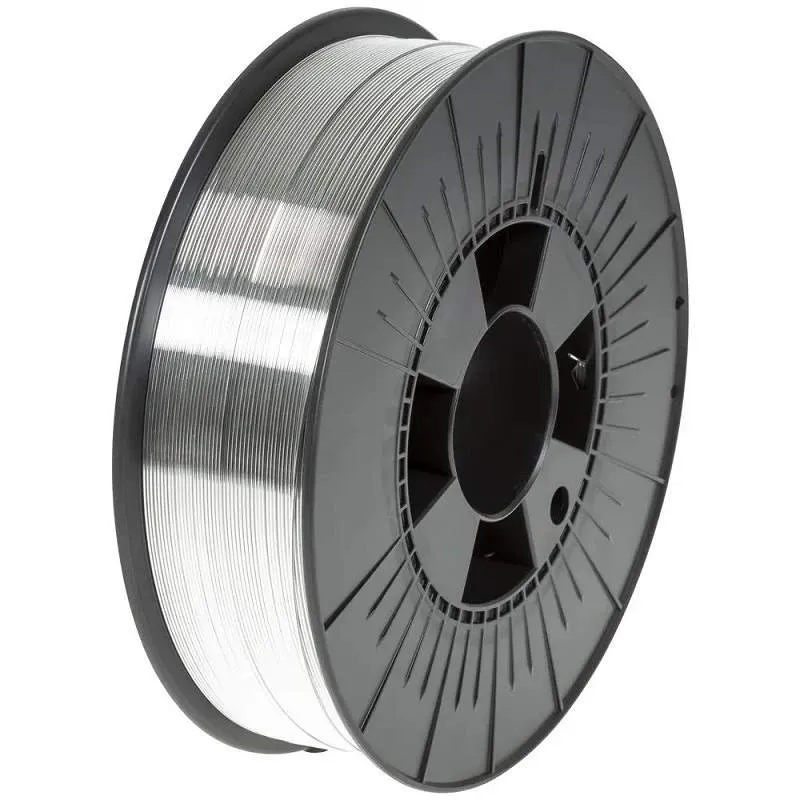
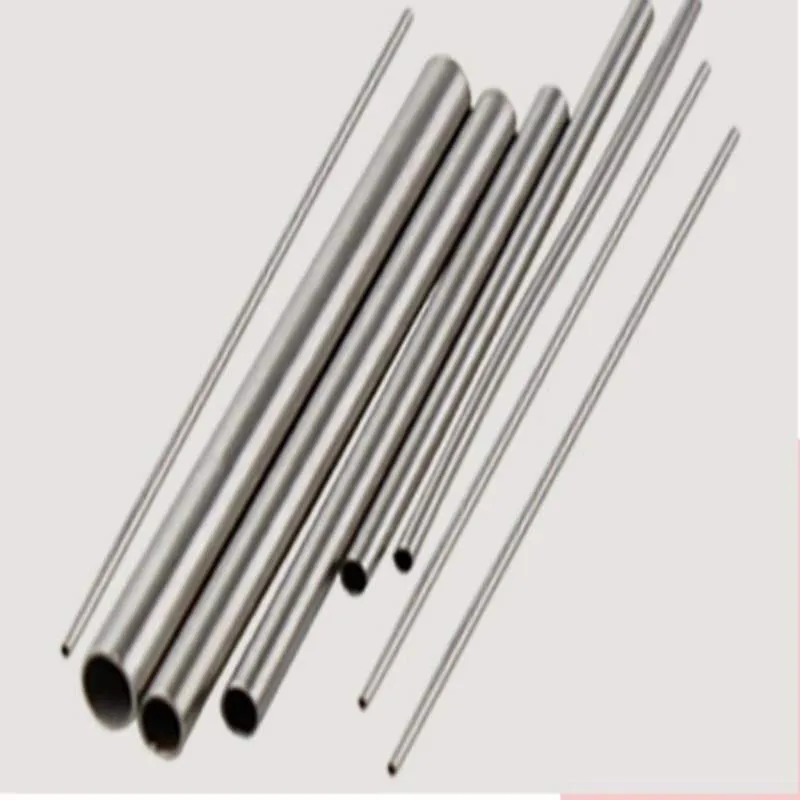
We provide AISI 8617 Steel, double quenched, 150°C (300°F) temper is available in Bar (Round bar, Flat bar), Ribbon, Wire, Rods, Tube,Seamless Tube,Pipe, Ingots, Plate, Sheet, Strip and Forging Stock.,Purity, chemical composition, size, etc. can all be customized to meet specific requirements.
Please contact us if you need customized services. We will contact you with the price and availability in 24 hours.
AISI 8617 Steel, double quenched, 150°C (300°F) temper Product Information
-:-
For detailed product information, please contact sales.
-:
AISI 8617 Steel, double quenched, 150°C (300°F) temper Synonyms
-:-
For detailed product information, please contact sales.
-:
AISI 8617 Steel, double quenched, 150°C (300°F) temper Product Information
-:-
For detailed product information, please contact sales.
-:
# **Product Introduction: AISI 8617 Steel, Double Quenched & 150°C (300°F) Tempered**
## **1. Overview**
**AISI 8617** is a low-carbon, nickel-chromium-molybdenum **through-hardening alloy steel**, specifically engineered to deliver superior mechanical properties when subjected to precise heat treatment. The **"Double Quenched, 150°C (300°F) Temper"** process refers to an advanced thermal cycling regimen designed to maximize strength, toughness, and fatigue resistance. This treatment involves **two sequential austenitizing and quenching operations** followed by a **low-temperature temper**, producing a refined martensitic microstructure with exceptional mechanical properties. This steel is renowned for its excellent **hardenability, core strength, and impact resistance**, making it ideal for high-stress, safety-critical components.
## **2. International Standards & Designations**
AISI 8617 is covered by multiple international standards with equivalent designations:
| Region/Standard | Designation |
|----------------|-------------|
| **United States** | AISI 8617, SAE J404 (Chemical Composition), AMS 6260 (Aircraft Quality) |
| **ASTM** | A322 (Standard Specification for Steel Bars, Alloy) |
| **UNS** | G86170 |
| **Europe (EN)** | 1.6562 (18NiCrMo5-4) |
| **Germany (DIN)** | 18NiCrMo5 |
| **Japan (JIS)** | SNCM420 |
**Heat Treatment Standards:**
- **Double Quenching & Tempering:** Typically performed per internal aerospace/military specifications (e.g., **AMS 2759/1** for heat treatment atmospheres)
- **Tempering:** Governed by **ASTM A29/A29M** (Steel Bars, Carbon and Alloy)
## **3. Chemical Composition**
The alloy composition is balanced for deep hardenability and response to quenching. Nickel enhances core toughness, chromium increases hardenability and wear resistance, while molybdenum improves temper resistance and reduces susceptibility to temper embrittlement.
**Standard Composition Range (Weight %):**
| Element | Content Range | Typical Mean |
|---------|---------------|--------------|
| **Carbon (C)** | 0.15 - 0.20 | 0.17 |
| **Manganese (Mn)** | 0.70 - 0.90 | 0.80 |
| **Phosphorus (P)** | ≤ 0.035 | 0.020 |
| **Sulfur (S)** | ≤ 0.040 | 0.025 |
| **Silicon (Si)** | 0.15 - 0.35 | 0.25 |
| **Nickel (Ni)** | 0.40 - 0.70 | 0.55 |
| **Chromium (Cr)** | 0.40 - 0.60 | 0.50 |
| **Molybdenum (Mo)** | 0.15 - 0.25 | 0.20 |
| **Iron (Fe)** | Balance | Balance |
**Key Metallurgical Features:**
- **Carbon Equivalent (CE):** ~0.50-0.55 (IIW formula)
- **Hardenability Band:** Jominy curve positions it as a medium-to-deep hardening steel
- **Grain Size:** Typically ASTM 6-8 (fine-grained)
## **4. Mechanical Properties After Double Quench & 150°C Temper**
The **double quenching** process refines the prior austenite grain size and ensures complete transformation to martensite, while the **low-temperature temper** (150°C/300°F) relieves quenching stresses while preserving high hardness and strength.
### **Typical Mechanical Properties:**
*(Based on standard round bar specimens, oil quenched)*
| Property | Value Range | Typical |
|----------|-------------|---------|
| **Surface Hardness** | 50 - 54 HRC | 52 HRC |
| **Core Hardness** (½ radius) | 48 - 52 HRC | 50 HRC |
| **Ultimate Tensile Strength (UTS)** | 1650 - 1850 MPa | 1750 MPa |
| **Yield Strength (0.2% Offset)** | 1400 - 1600 MPa | 1500 MPa |
| **Elongation at Break** | 10 - 14% | 12% |
| **Reduction of Area** | 45 - 55% | 50% |
| **Impact Toughness (Charpy V-notch, 20°C)** | 40 - 60 J | 50 J |
| **Impact Toughness (Charpy V-notch, -40°C)** | 25 - 40 J | 35 J |
| **Fatigue Strength (Rotating Bending, R=-1)** | 650 - 750 MPa | 700 MPa |
| **Fracture Toughness (K₁C)** | 60 - 80 MPa√m | 70 MPa√m |
### **Physical Properties:**
| Property | Value |
|----------|-------|
| **Density** | 7.85 g/cm³ (0.284 lb/in³) |
| **Modulus of Elasticity** | 205 GPa (29,700 ksi) |
| **Shear Modulus** | 80 GPa (11,600 ksi) |
| **Poisson's Ratio** | 0.29 |
| **Thermal Conductivity** (20°C) | 42.6 W/m·K |
| **Specific Heat Capacity** | 460 J/kg·K |
| **Thermal Expansion Coefficient** (20-100°C) | 12.2 × 10⁻⁶/°C |
### **Heat Treatment Process Details:**
1. **First Quench:** Austenitize at 845-870°C (1550-1600°F), oil quench
2. **Second Quench:** Re-austenitize at 815-845°C (1500-1550°F), oil quench
3. **Temper:** Immediately at 150°C (300°F) for 2-4 hours
4. **Cooling:** Air cool to room temperature
*This refined microstructure yields superior mechanical properties compared to single-quench treatments.*
## **5. Product Applications**
AISI 8617 in this high-performance heat-treated condition is specified for the most demanding applications where **exceptional strength-to-weight ratio, fatigue resistance, and reliability** are critical:
### **Primary Applications:**
- **Aerospace Components:** Aircraft landing gear components, actuator shafts, high-stress fasteners, helicopter rotor pins
- **Automotive Racing:** Performance transmission gears, high-stress driveshafts, connecting rods for high-output engines
- **Heavy Machinery:** Mining equipment pins, hydraulic cylinder rods for excavators, crusher shafting
- **Defense/Military:** Firearm bolts and receivers, track components for armored vehicles, missile components
- **Power Transmission:** High-torque couplings, heavy-duty spindles, turbine shafts
- **Tooling Applications:** Dies for cold forming, precision gauges, fixture components
## **6. Key Characteristics & Advantages**
### **Metallurgical Advantages:**
- **Refined Grain Structure:** Double quenching produces exceptionally fine prior austenite grain size (ASTM 8+), enhancing both strength and toughness
- **Minimized Retained Austenite:** Second quench ensures near-complete transformation to martensite
- **Optimal Strength-Toughness Balance:** Low-temperature temper maintains high hardness while providing adequate ductility
- **Superior Fatigue Performance:** Fine microstructure with compressive surface stresses enhances fatigue life
### **Performance Benefits:**
- **Exceptional Hardenability:** Achieves uniform hardness in sections up to 75mm (3 inches) diameter
- **Good Machinability (Pre-HT):** In annealed condition (HB 180-220), machinability rating of 70% (compared to 1% carbon steel as 100%)
- **Weldability:** Fair with precautions (preheat to 150-200°C, post-weld tempering required)
- **Dimensional Stability:** Minimal distortion during heat treatment due to controlled quenching
- **Cost-Effectiveness:** Provides performance approaching more expensive alloys like 4340 at lower material cost
### **Comparative Advantages:**
- **vs. 8620:** Higher core strength and hardenability due to increased carbon and alloy content
- **vs. 4340:** Better case hardenability when carburized, more economical for case-hardened applications
- **vs. 4140:** Superior toughness and impact resistance at similar hardness levels
## **7. Quality Control & Testing**
Components in this condition typically require:
- **100% Hardness Testing** (Rockwell C scale)
- **Microstructural Examination** per ASTM E112 (grain size) and E45 (inclusion rating)
- **Non-Destructive Testing** (MPI or FPI per ASTM E1444/E1417)
- **Mechanical Testing** (tensile, impact) per ASTM A370
- **Hardenability Verification** via end-quench test (Jominy) per ASTM A255
## **Conclusion**
**AISI 8617 Steel in the Double Quenched & 150°C (300°F) Tempered condition** represents an optimized high-performance material solution for critical engineering applications. The sophisticated heat treatment regimen produces a **refined martensitic microstructure** that delivers an exceptional balance of:
- **Ultra-high strength** (1750 MPa UTS typical)
- **Maintained toughness** (50 J Charpy impact at room temperature)
- **Superior fatigue resistance**
This combination makes it particularly valuable for **weight-sensitive, high-stress applications** in aerospace, defense, and premium automotive sectors where component failure is not an option. The steel offers **cost-effective performance** compared to more exotic alloys while providing reliable service under extreme operating conditions. Proper application requires careful attention to **design for heat treatment, machining allowances, and quality verification**, but when implemented correctly, it delivers outstanding reliability and longevity in demanding service environments.
-:-
For detailed product information, please contact sales.
-:
AISI 8617 Steel, double quenched, 150°C (300°F) temper Specification
Dimensions
Size:
Diameter 20-1000 mm Length <5705 mm
Size:We can customized as required
Standard:
Per your request or drawing
We can customized as required
Properties(Theoretical)
Chemical Composition
-:-
For detailed product information, please contact sales.
-:
AISI 8617 Steel, double quenched, 150°C (300°F) temper Properties
-:-
For detailed product information, please contact sales.
-:
Applications of AISI 8617 Steel, double quenched, 150°C (300°F) temper
-:-
For detailed product information, please contact sales.
-:
Chemical Identifiers AISI 8617 Steel, double quenched, 150°C (300°F) temper
-:-
For detailed product information, please contact sales.
-:
Packing of AISI 8617 Steel, double quenched, 150°C (300°F) temper
-:-
For detailed product information, please contact sales.
-:
Standard Packing:
-:-
For detailed product information, please contact sales.
-:
Typical bulk packaging includes palletized plastic 5 gallon/25 kg. pails, fiber and steel drums to 1 ton super sacks in full container (FCL) or truck load (T/L) quantities. Research and sample quantities and hygroscopic, oxidizing or other air sensitive materials may be packaged under argon or vacuum. Solutions are packaged in polypropylene, plastic or glass jars up to palletized 2176 gallon liquid totes Special package is available on request. E FORUs’ is carefully handled to minimize damage during storage and transportation and to preserve the quality of our products in their original condition