AISI 8620 Steel, direct quenched from pot
Product Code : STI-CSTI-982-CU
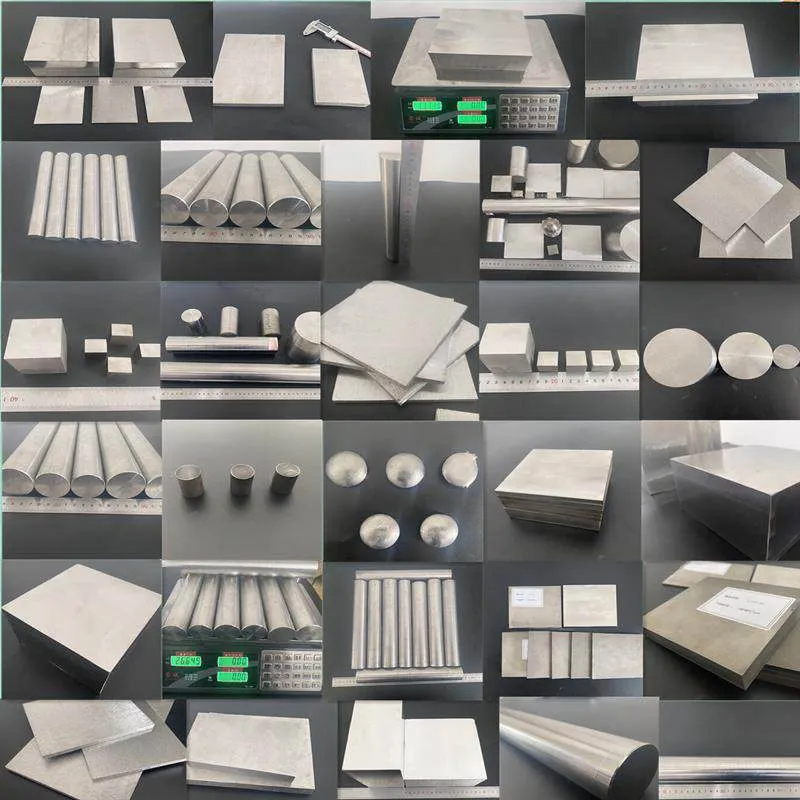
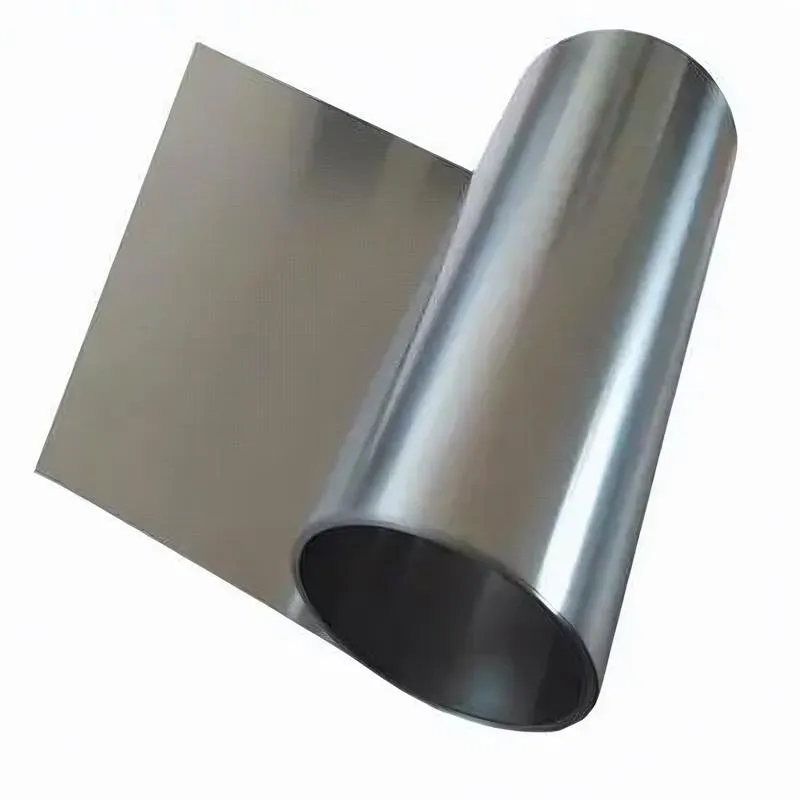
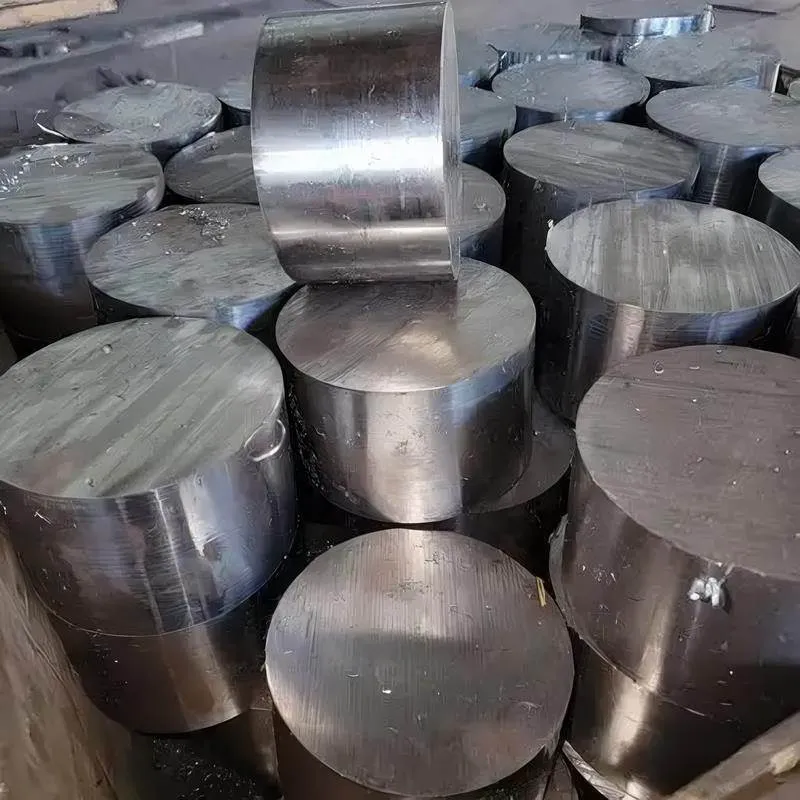
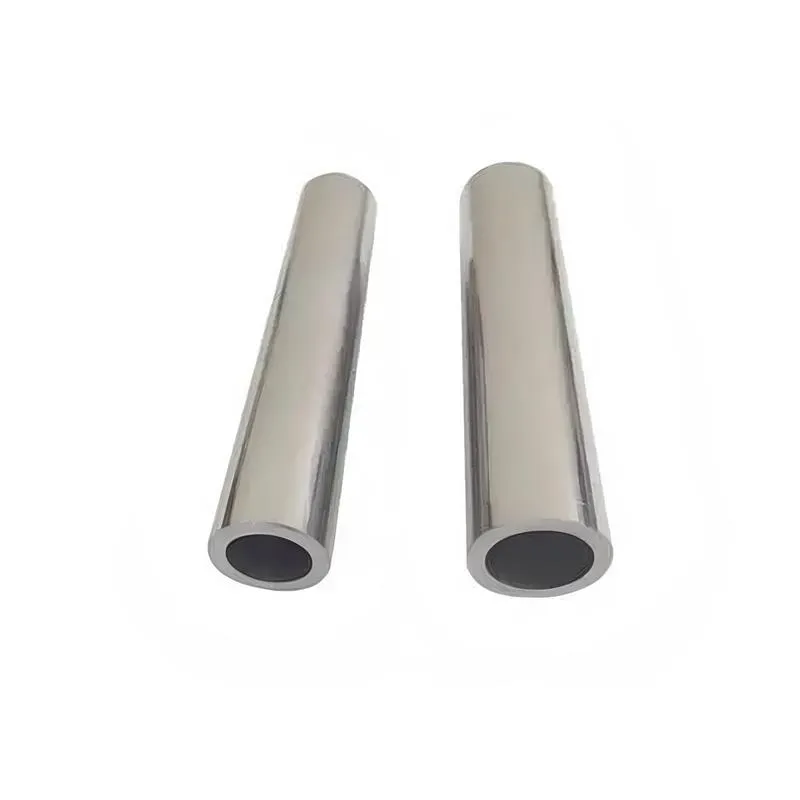
We provide AISI 8620 Steel, direct quenched from pot, 150°C (300°F) temper, carburized is available in Bar (Round bar, Flat bar), Ribbon, Wire, Rods, Tube,Seamless Tube,Pipe, Ingots, Plate, Sheet, Strip and Forging Stock.,Purity, chemical composition, size, etc. can all be customized to meet specific requirements.
Please contact us if you need customized services. We will contact you with the price and availability in 24 hours.
AISI 8620 Steel, direct quenched from pot, 150°C (300°F) temper, carburized Product Information
-:-
For detailed product information, please contact sales.
-:
AISI 8620 Steel, direct quenched from pot, 150°C (300°F) temper, carburized Synonyms
-:-
For detailed product information, please contact sales.
-:
AISI 8620 Steel, direct quenched from pot, 150°C (300°F) temper, carburized Product Information
-:-
For detailed product information, please contact sales.
-:
### **Product Introduction: AISI 8620 Steel, Direct Quenched from Pot, 150°C (300°F) Temper, Carburized**
#### **1. Overview**
This specification defines the final state of AISI 8620 alloy steel processed through a specialized **integrated carburizing and quenching method**, known as **direct pot quenching** or **integral quenching**. The complete sequence involves:
1. **Carburizing:** The component is heated in a carbon-rich atmosphere (typically at 900-930°C / 1650-1710°F) to achieve the desired surface carbon enrichment and case depth.
2. **Direct Quenching from the Pot:** Without intermediate cooling, the part is **transferred directly from the carburizing atmosphere to a quench bath (oil)** contained within the same sealed furnace system ("pot").
3. **Low-Temperature Tempering:** Immediately after quenching, the component is tempered at **150°C (300°F)** to relieve internal stresses, stabilize the microstructure, and achieve the final balance of hardness and toughness.
This process is a high-efficiency method for producing components with a **hard, wear-resistant case** and a **strong, fatigue-resistant core**, optimized for high-volume production where consistency and cost-effectiveness are critical.
#### **2. International Standards & Designations**
This material state conforms to international standards for both the base alloy and the specific heat treatment process.
| Region/System | Standard Designation | Title / Purpose |
| :--- | :--- | :--- |
| **Material Standard** | **AISI 8620, SAE J404** | Standard Chemical Composition |
| **Material Specification** | **ASTM A322** | Steel Bars, Alloy, Standard Grades |
| **UNS Number** | **G86200** | Unified Numbering System |
| **Heat Treatment Process** | **AMS 2759/3** | Carburizing and Carbonitriding of Steel |
| **Case Depth Measurement** | **SAE J423 / ISO 2639** | Methods for Measuring Case Depth |
| **Heat Treatment Ref.** | **SAE AMS-H-6875** | Heat Treatment of Steel, General Requirements |
| **Europe (EN)** | **1.6523 (20NiCrMo2-2)** | Equivalent Material Designation |
#### **3. Chemical Composition (Core) & Resulting Case Chemistry**
The core retains the standard AISI 8620 chemistry, while the carburizing process creates a high-carbon surface layer.
**Core Composition (% by Weight, AISI 8620):**
| Element | Content Range |
| :--- | :--- |
| Carbon (C) | 0.18 - 0.23 |
| Manganese (Mn) | 0.70 - 0.90 |
| Phosphorus (P) | ≤ 0.035 |
| Sulfur (S) | ≤ 0.040 |
| Silicon (Si) | 0.15 - 0.35 |
| Nickel (Ni) | 0.40 - 0.70 |
| Chromium (Cr) | 0.40 - 0.60 |
| Molybdenum (Mo) | 0.15 - 0.25 |
**Resulting Case Profile (After Direct Quench):**
* **Surface Carbon Content:** 0.70% - 0.90%
* **Effective Case Depth (ECD):** Typically 0.25 - 1.5 mm (0.010" - 0.060"), defined as the depth to 50 HRC (550 HV).
* **Carbon Gradient:** Steeper than in slow-cool & reheat processes due to the single thermal cycle.
* **Microstructure:** High-carbon martensite at the surface, potentially with some fine carbides and a controlled amount of retained austenite (typically <20%).
#### **4. Mechanical & Physical Properties (Final Condition)**
The direct quench from carburizing temperature followed by low tempering produces a specific set of final properties.
**Final Component Properties:**
* **Surface (Case) Properties:**
* **Hardness:** **58 - 62 HRC** (after 150°C temper). The slightly lower maximum hardness compared to reheat processes is due to the higher retained austenite and specific tempering response.
* **Residual Stress:** High surface compressive stress, beneficial for fatigue resistance.
* **Wear Resistance:** Excellent, suitable for most industrial applications.
* **Core Properties:**
* **Hardness:** **35 - 45 HRC**. The core is fully hardened due to quenching from the austenitizing temperature, resulting in higher core strength than box-cooled methods.
* **Ultimate Tensile Strength:** ~1000 - 1300 MPa (145 - 189 ksi)
* **Yield Strength:** ~800 - 1100 MPa (116 - 160 ksi)
* **Impact Toughness:** Good, but generally lower than in processes with a reheating step due to a slightly coarser prior austenite grain size from the high carburizing temperature.
**Key Physical Property (Core):**
* Density: ~7.85 g/cm³
#### **5. Product Applications**
This process is ideal for high-volume components where an excellent cost-to-performance ratio is required, and where some distortion can be managed or is acceptable.
* **Automotive Components:** High-volume transmission gears, synchronizer rings, pinions, CV joint components, and camshaft lobes.
* **Industrial Gearing:** Gears for agricultural machinery, conveyor systems, and general industrial gearboxes.
* **Bearings & Bearing Races:** General-purpose bearing components requiring good wear resistance and core strength.
* **Hydraulic Components:** Pump gears, motor rotors, and valve parts.
* **Fasteners & Pins:** High-strength, wear-resistant pins, bushings, and special fasteners.
#### **6. Key Characteristics & Process Advantages**
* **High Process Efficiency & Lower Cost:** Eliminates the need for a separate reheating furnace and handling step, significantly reducing energy consumption, processing time, and labor costs. Ideal for high-volume production.
* **Good Case-Hardness Profile:** Produces a hard, durable case suitable for a wide range of wear applications.
* **Consistency:** The integrated, automated nature of pot quenching ensures highly repeatable results from batch to batch.
* **Reduced Surface Oxidation:** The direct transfer from carburizing atmosphere to quench oil minimizes exposure to air, reducing the risk of surface oxidation and decarburization.
**Important Considerations & Limitations:**
* **Higher Distortion Potential:** Quenching directly from the high carburizing temperature creates greater thermal gradients and stresses compared to reheating from a lower temperature, leading to potentially greater part distortion. This must be accounted for in component design and fixturing.
* **Grain Growth Risk:** Prolonged exposure at the high carburizing temperature can lead to austenite grain coarsening, which may slightly reduce core toughness. Modern controlled atmosphere furnaces with grain-refining additives mitigate this.
* **Less Microstructural Control:** Compared to the reheating process, there is less opportunity to refine the grain size or adjust the core properties independently of the case.
* **Tempering is Critical:** The **150°C (300°F) temper is essential** to transform any unstable austenite, relieve quenching stresses, and prevent premature brittle failure.
**Conclusion:**
**AISI 8620 processed via "Direct Quench from Pot" with a 150°C temper represents the most production-oriented and cost-effective route for case-hardening.** It delivers a robust combination of a **hard, wear-resistant case and a strong core** suitable for the vast majority of industrial applications. While it may not achieve the **ultimate dimensional precision or microstructural refinement** of the more complex "box cool and reheat" process, its advantages in **speed, cost, and consistency** make it the dominant choice for high-volume manufacturing in the automotive and general machinery sectors. Success depends on careful control of the carburizing cycle, quench oil properties, and part fixturing to manage distortion.
-:-
For detailed product information, please contact sales.
-:
AISI 8620 Steel, direct quenched from pot, 150°C (300°F) temper, carburized Specification
Dimensions
Size:
Diameter 20-1000 mm Length <5714 mm
Size:We can customized as required
Standard:
Per your request or drawing
We can customized as required
Properties(Theoretical)
Chemical Composition
-:-
For detailed product information, please contact sales.
-:
AISI 8620 Steel, direct quenched from pot, 150°C (300°F) temper, carburized Properties
-:-
For detailed product information, please contact sales.
-:
Applications of AISI 8620 Steel, direct quenched from pot, 150°C (300°F) temper, carburized
-:-
For detailed product information, please contact sales.
-:
Chemical Identifiers AISI 8620 Steel, direct quenched from pot, 150°C (300°F) temper, carburized
-:-
For detailed product information, please contact sales.
-:
Packing of AISI 8620 Steel, direct quenched from pot, 150°C (300°F) temper, carburized
-:-
For detailed product information, please contact sales.
-:
Standard Packing:
-:-
For detailed product information, please contact sales.
-:
Typical bulk packaging includes palletized plastic 5 gallon/25 kg. pails, fiber and steel drums to 1 ton super sacks in full container (FCL) or truck load (T/L) quantities. Research and sample quantities and hygroscopic, oxidizing or other air sensitive materials may be packaged under argon or vacuum. Solutions are packaged in polypropylene, plastic or glass jars up to palletized 2185 gallon liquid totes Special package is available on request. E FORUs’ is carefully handled to minimize damage during storage and transportation and to preserve the quality of our products in their original condition