AISI 8630H Steel, quenched
Product Code : STI-CSTI-1598-CU
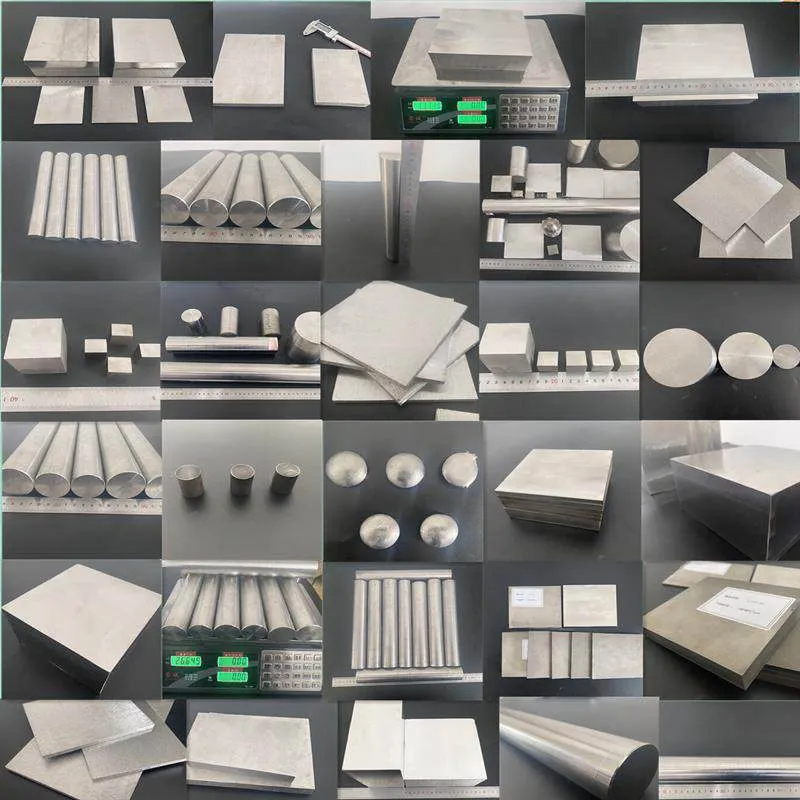
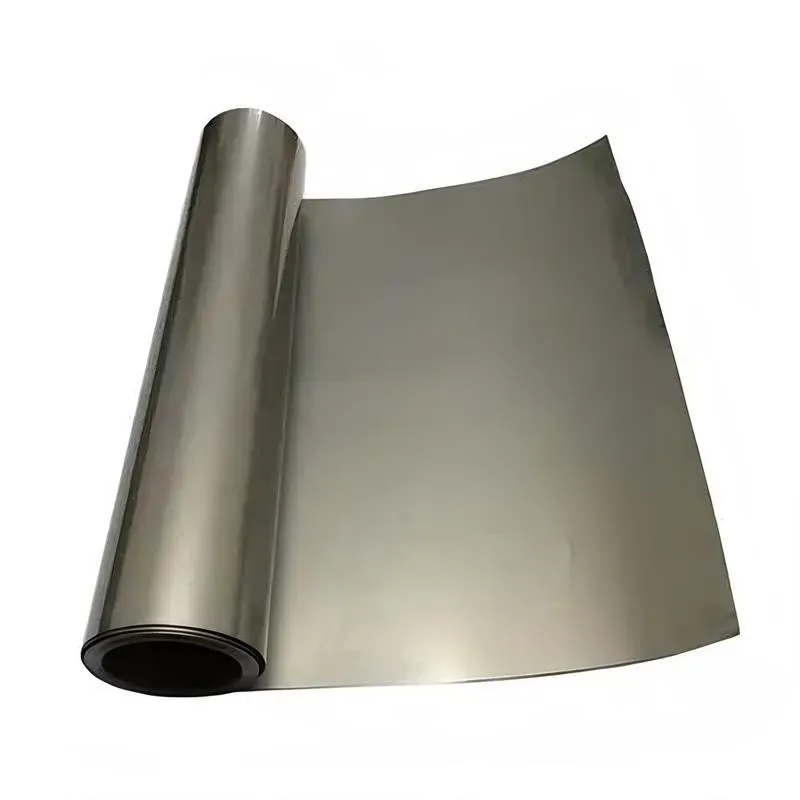
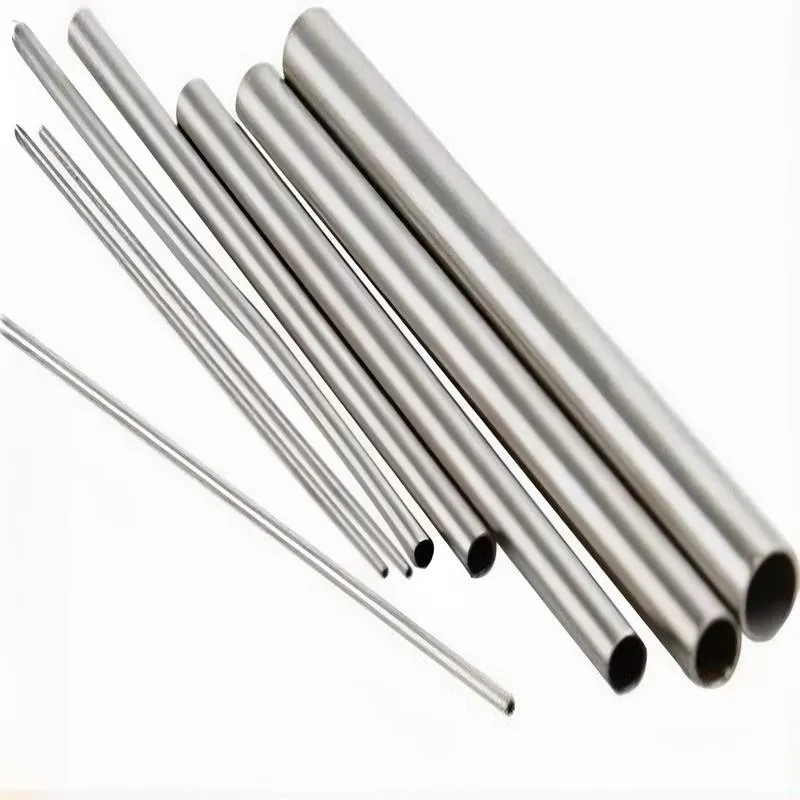
We provide AISI 8630H Steel, quenched 855°C (1570°F), 650°C (1200°F) temper is available in Bar (Round bar, Flat bar), Ribbon, Wire, Rods, Tube,Seamless Tube,Pipe, Ingots, Plate, Sheet, Strip and Forging Stock.,Purity, chemical composition, size, etc. can all be customized to meet specific requirements.
Please contact us if you need customized services. We will contact you with the price and availability in 24 hours.
AISI 8630H Steel, quenched 855°C (1570°F), 650°C (1200°F) temper Product Information
-:-
For detailed product information, please contact sales.
-:
AISI 8630H Steel, quenched 855°C (1570°F), 650°C (1200°F) temper Synonyms
-:-
For detailed product information, please contact sales.
-:
AISI 8630H Steel, quenched 855°C (1570°F), 650°C (1200°F) temper Product Information
-:-
For detailed product information, please contact sales.
-:
## AISI 8630H Steel, Quenched & Tempered (855°C / 650°C)
### Product Overview
AISI 8630H is a hardenability-controlled nickel-chromium-molybdenum alloy steel, with the "H" designation guaranteeing consistent end-quench hardenability characteristics across production batches. When subjected to the specific heat treatment of quenching from 855°C (1570°F) followed by a high-temperature temper at 650°C (1200°F), this material achieves an exceptional balance of **high toughness, excellent ductility, and substantial strength**. This condition represents the most ductile and stable state within the quenched-and-tempered spectrum, optimized for applications where impact resistance, dimensional stability, and damage tolerance are prioritized over maximum hardness.
---
### 1. Chemical Composition (Typical Weight %, AISI/SAE Standard)
The composition is controlled to meet specific hardenability band requirements, with permissible variations to ensure consistent performance.
| Element | Content Range | Function |
|---------|---------------|----------|
| Carbon (C) | 0.28 - 0.33 | Provides base strength and hardenability |
| Manganese (Mn) | 0.70 - 0.90 | Enhances hardenability and strength |
| Phosphorus (P) | ≤ 0.035 | Residual element (minimized) |
| Sulfur (S) | ≤ 0.040 | Residual element (minimized) |
| Silicon (Si) | 0.20 - 0.35 | Deoxidizer, strengthens ferrite |
| Nickel (Ni) | 0.40 - 0.70 | Improves toughness and hardenability |
| Chromium (Cr) | 0.40 - 0.60 | Enhances hardenability and corrosion resistance |
| Molybdenum (Mo) | 0.15 - 0.25 | Increases hardenability and tempering resistance |
**Key Feature:** The "H" classification ensures that despite permissible chemical variations, all material meets standardized hardenability bands (per SAE J1268), guaranteeing predictable heat treatment response.
---
### 2. Physical & Mechanical Properties (Quenched & Tempered @ 650°C)
*Note: Properties assume oil quenching. Water quenching would yield higher initial hardness but is rarely used for this high-tempering application.*
#### Mechanical Properties
- **Hardness:** **217 - 269 HBW** (Approx. 18-26 HRC)
- **Tensile Strength:** **700 - 860 MPa** (102 - 125 ksi)
- **Yield Strength (0.2% Offset):** **550 - 690 MPa** (80 - 100 ksi)
- **Elongation (in 50 mm):** **22 - 28%**
- **Reduction of Area:** **60 - 70%**
- **Impact Toughness (Charpy V-Notch):** **95 - 135+ J** (70 - 100+ ft-lb) at room temperature
- **Fatigue Strength (Rotating Beam):** **~350 - 415 MPa** (51 - 60 ksi)
- **Fracture Toughness (K₁C):** **90 - 110 MPa√m** (typical)
#### Physical Properties
- **Density:** **7.85 g/cm³** (0.284 lb/in³)
- **Modulus of Elasticity:** **205 GPa** (29,700 ksi)
- **Poisson's Ratio:** 0.29
- **Thermal Conductivity:** 42.7 W/m·K (at 100°C)
- **Thermal Expansion Coefficient:** 11.5 µm/m·°C (20-100°C)
- **Specific Heat Capacity:** 460 J/kg·K
---
### 3. Key Features & Performance Characteristics
#### **Exceptional Toughness & Ductility**
- The 650°C temper maximizes the alloy's inherent toughness, providing outstanding resistance to impact and shock loading
- Maintains high ductility even at sub-zero temperatures (down to -40°C)
#### **Superior Dimensional Stability**
- High tempering temperature effectively eliminates >95% of quenching stresses
- Minimal distortion during and after machining operations
- Excellent long-term dimensional stability under load
#### **Enhanced Fatigue Crack Resistance**
- High toughness provides exceptional resistance to crack propagation
- Damage-tolerant design capability for critical applications
#### **Optimized Machinability in Hardened State**
- Best machinability among all quenched conditions for 8630H
- Allows for precision finishing operations after heat treatment
#### **Guaranteed Hardenability Consistency**
- "H" designation ensures predictable through-hardening in thick sections
- Consistent core properties regardless of production batch variations
#### **Temperature Resistance**
- Maintains mechanical properties up to approximately 400°C (750°F)
- Resists tempering effects during elevated temperature service
---
### 4. Primary Applications
#### **Heavy Machinery & Mining Equipment**
- **Large excavator pins and bushings** (75-150mm diameter)
- **Crusher and mill components** subject to severe impact loading
- **Heavy-duty connecting rods** for large engines and compressors
#### **Oil & Gas Industry**
- **High-pressure wellhead components** requiring maximum reliability
- **Subsea connector systems** with strict dimensional stability requirements
- **Large valve bodies** for critical service applications
#### **Power Generation**
- **Turbine and generator shafts** with high torque requirements
- **Nuclear power plant components** where fracture resistance is critical
- **Large hydraulic cylinder rods** for dam and gate systems
#### **Marine & Shipbuilding**
- **Propeller shafts and stern tubes** (>150mm diameter)
- **Rudder stocks and steering gear components**
- **Offshore platform structural connections**
#### **Aerospace & Defense**
- **Large airframe structural fittings**
- **Missile launch system components**
- **Armored vehicle suspension parts** requiring impact absorption
#### **Specialized Tooling**
- **Large die casting molds** requiring thermal fatigue resistance
- **Plastic injection molds** for large automotive components
- **Fixtures and jigs** for aerospace manufacturing
---
### 5. Relevant International Standards & Specifications
#### **North American Standards**
- **ASTM A304**: Standard Specification for Steel Bars Subject to End-Quench Hardenability Requirements
- **SAE J1268**: Hardenability Bands for H-Steels
- **ASTM A434**: Standard for Quenched and Tempered Alloy Steel Bars (Class BB)
- **AMS 6320**: Steel Bars, 0.30C-0.60Cr-0.55Ni-0.25Mo (8630H)
- **UNS Designation**: **G86300H**
#### **European Equivalents**
- **DIN EN 10083-3**: 34CrNiMo6 (1.6582) - Note: European grades have different hardenability control systems
- **NF A 35-552**: 35NCD6 (French equivalent)
#### **International Standards**
- **ISO 683-18**: Heat-treatable steels, alloy steels and free-cutting steels
- **JIS G 4103**: SNCM630 (Japanese equivalent)
- **GB/T 3077**: 30CrNi2Mo (Chinese standard)
#### **Industry-Specific Specifications**
- **API 6A/17D**: For oilfield equipment components
- **ABS Rules**: For marine and offshore applications
- **ASME Boiler and Pressure Vessel Code**: Section II, Part A
---
### 6. Heat Treatment Process Details
#### **Complete Thermal Cycle**
1. **Preheating**: 650-700°C (1200-1290°F) for sections >50mm thickness
2. **Austenitizing**: 855°C ± 10°C (1570°F ± 20°F) for 30-45 minutes/inch
3. **Quenching**: Agitated oil (preferred) or polymer quenchant
4. **First Temper**: 650°C ± 10°C (1200°F ± 20°F) for 2-3 hours/inch
5. **Second Temper**: Same temperature for 1-2 hours/inch (optional but recommended)
6. **Final Cooling**: Air cool to room temperature
#### **Critical Process Considerations**
- **Quenchant Selection**: Fast oil recommended for sections <100mm, polymer for >100mm
- **Atmosphere Control**: Protective atmosphere required to prevent decarburization
- **Tempering Time**: Extended times beneficial for maximum stress relief
- **Cooling Rate After Tempering**: Air cooling preferred to avoid temper embrittlement range
---
### 7. Microstructural Characteristics
#### **As-Quenched Structure**
- Fully martensitic with minimal retained austenite (<5%)
- Fine prior austenite grain size (ASTM 6-8)
- Uniform carbide distribution in solution
#### **After Tempering at 650°C**
- Highly tempered martensite/sorbitic structure
- Well-spheroidized carbide particles
- Complete elimination of acicular martensite morphology
- Recrystallized ferrite matrix with dispersed carbides
#### **Grain Characteristics**
- ASTM grain size: 6-8 (fine grain structure)
- Prior austenite grain boundaries clearly defined
- No evidence of grain boundary carbide networks
---
### 8. Quality Control & Testing Requirements
#### **Mandatory Testing**
1. **Hardenability Verification**: Jominy end-quench test per ASTM A255
2. **Mechanical Testing**: Tensile, yield, elongation per ASTM A370
3. **Impact Testing**: Charpy V-notch at room and low temperature
4. **Hardness Testing**: Brinell or Rockwell at multiple locations
#### **Recommended Additional Testing**
- **Microstructural Analysis**: Per ASTM E112 and E45
- **Non-Destructive Testing**: UT, MPI, or dye penetrant
- **Residual Stress Measurement**: X-ray diffraction methods
- **Fracture Toughness Testing**: For critical applications
#### **Acceptance Criteria**
- All mechanical properties must meet specified minima
- Microstructure must be free of detrimental phases
- Hardness uniformity within ±15 HBW throughout section
- Impact energy minimum: 70 J at room temperature
---
### 9. Comparison with Other Tempers of 8630H
| Property | 425°C Temper | 540°C Temper | 650°C Temper |
|----------|--------------|--------------|--------------|
| **Hardness (HRC)** | 40-47 | 30-36 | 18-26 |
| **Yield Strength** | 1240-1520 MPa | 930-1100 MPa | 550-690 MPa |
| **Elongation** | 10-14% | 16-20% | 22-28% |
| **Impact Toughness** | 20-34 J | 47-81 J | 95-135+ J |
| **Fatigue Strength** | 620-720 MPa | 550-620 MPa | 350-415 MPa |
| **Primary Application** | High strength | Balanced properties | Maximum toughness |
---
### 10. Design & Manufacturing Considerations
#### **Machining Recommendations**
- **Turning**: Carbide inserts with positive rake geometry
- **Milling**: Climb milling with sharp cutters
- **Drilling**: HSS or carbide drills with adequate coolant
- **Tapping**: Oversize tap drill recommended (80% thread max)
#### **Welding Procedures**
- **Preheat**: 200-250°C (400-480°F)
- **Filler Metal**: Matching composition or undermatching for toughness
- **Post-Weld Heat Treatment**: Required - re-temper at 620-650°C
- **Welding Process**: GTAW or SMAW preferred
#### **Design Guidelines**
- Minimum fillet radius: 3mm (0.125in)
- Avoid sharp corners and notches
- Consider stress concentration factors >2.0
- Design for inspectability of critical areas
---
### Technical Conclusion
**AISI 8630H steel, quenched from 855°C and tempered at 650°C, represents the ultimate toughness-optimized condition for this hardenability-controlled alloy.** It provides engineers with a material solution that prioritizes:
1. **Maximum Damage Tolerance**: Exceptional resistance to brittle fracture and crack propagation
2. **Superior Dimensional Stability**: Minimal distortion and excellent long-term reliability
3. **Predictable Performance**: Guaranteed hardenability ensures consistent properties in thick sections
This condition is particularly valuable for:
- **Large structural components** where failure from impact or overload must be prevented
- **Safety-critical applications** in energy, transportation, and heavy industry
- **Components requiring extensive machining** after heat treatment
- **Applications operating at moderately elevated temperatures**
The 855°C austenitizing temperature ensures complete solution of alloying elements for maximum hardenability, while the 650°C temper develops the optimal microstructure for toughness and stability. When properly processed with appropriate quality controls, this material provides an unparalleled combination of mechanical properties for the most demanding engineering applications where "bend, don't break" is the governing design philosophy.
-:-
For detailed product information, please contact sales.
-:
AISI 8630H Steel, quenched 855°C (1570°F), 650°C (1200°F) temper Specification
Dimensions
Size:
Diameter 20-1000 mm Length <6330 mm
Size:We can customized as required
Standard:
Per your request or drawing
We can customized as required
Properties(Theoretical)
Chemical Composition
-:-
For detailed product information, please contact sales.
-:
AISI 8630H Steel, quenched 855°C (1570°F), 650°C (1200°F) temper Properties
-:-
For detailed product information, please contact sales.
-:
Applications of AISI 8630H Steel, quenched 855°C (1570°F), 650°C (1200°F) temper
-:-
For detailed product information, please contact sales.
-:
Chemical Identifiers AISI 8630H Steel, quenched 855°C (1570°F), 650°C (1200°F) temper
-:-
For detailed product information, please contact sales.
-:
Packing of AISI 8630H Steel, quenched 855°C (1570°F), 650°C (1200°F) temper
-:-
For detailed product information, please contact sales.
-:
Standard Packing:
-:-
For detailed product information, please contact sales.
-:
Typical bulk packaging includes palletized plastic 5 gallon/25 kg. pails, fiber and steel drums to 1 ton super sacks in full container (FCL) or truck load (T/L) quantities. Research and sample quantities and hygroscopic, oxidizing or other air sensitive materials may be packaged under argon or vacuum. Solutions are packaged in polypropylene, plastic or glass jars up to palletized 2801 gallon liquid totes Special package is available on request. E FORUs’ is carefully handled to minimize damage during storage and transportation and to preserve the quality of our products in their original condition