AISI 8640 Steel, quenched
Product Code : STI-CSTI-1611-CU
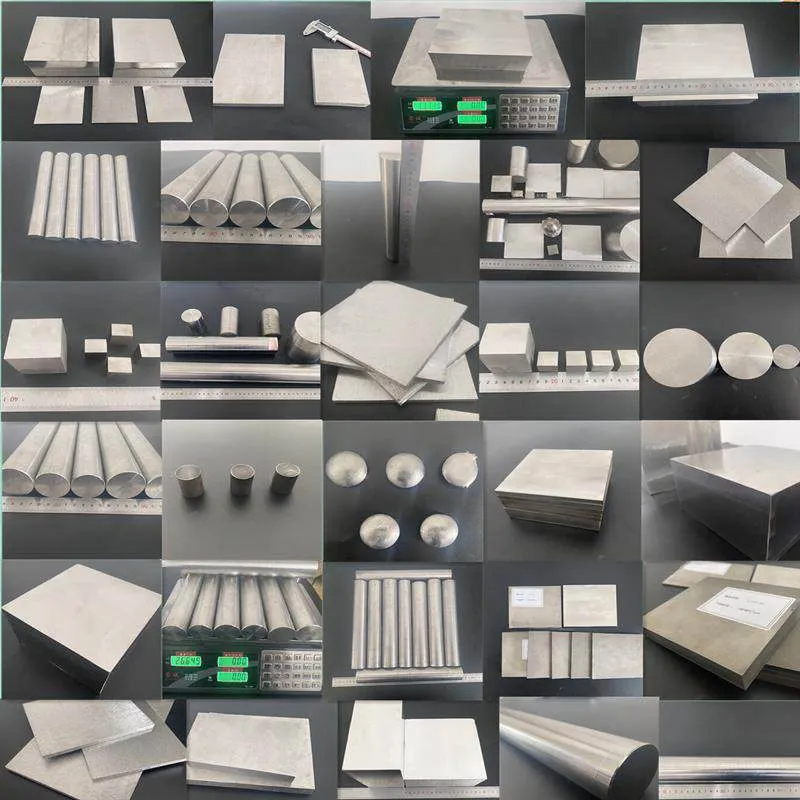
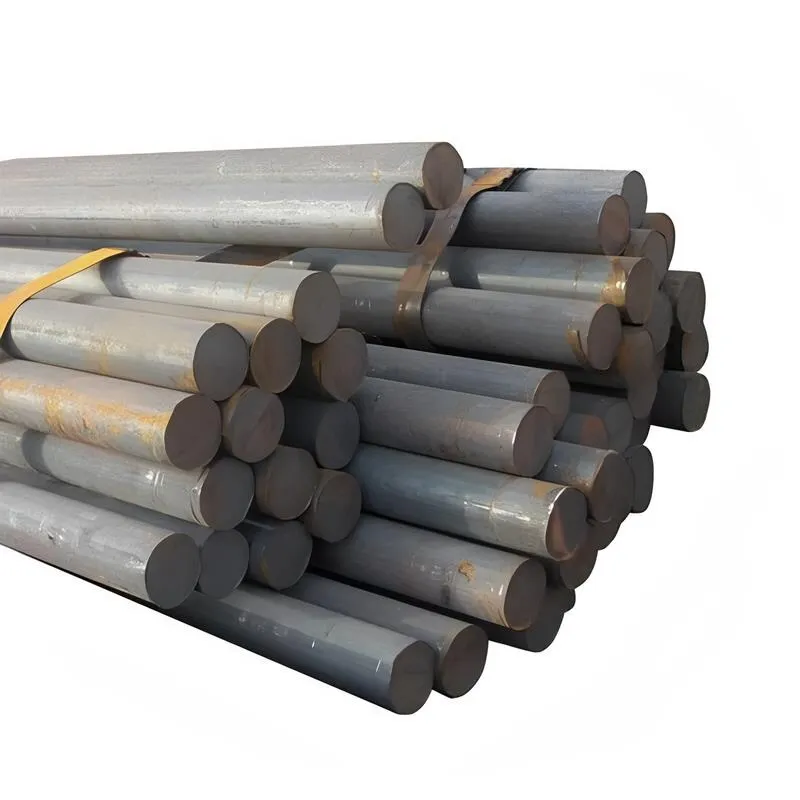
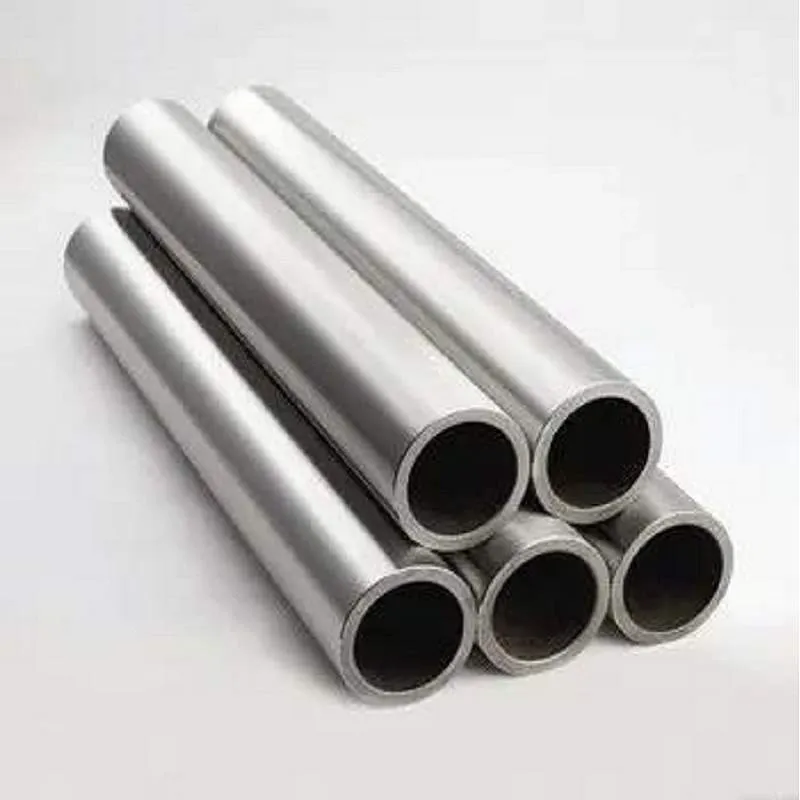
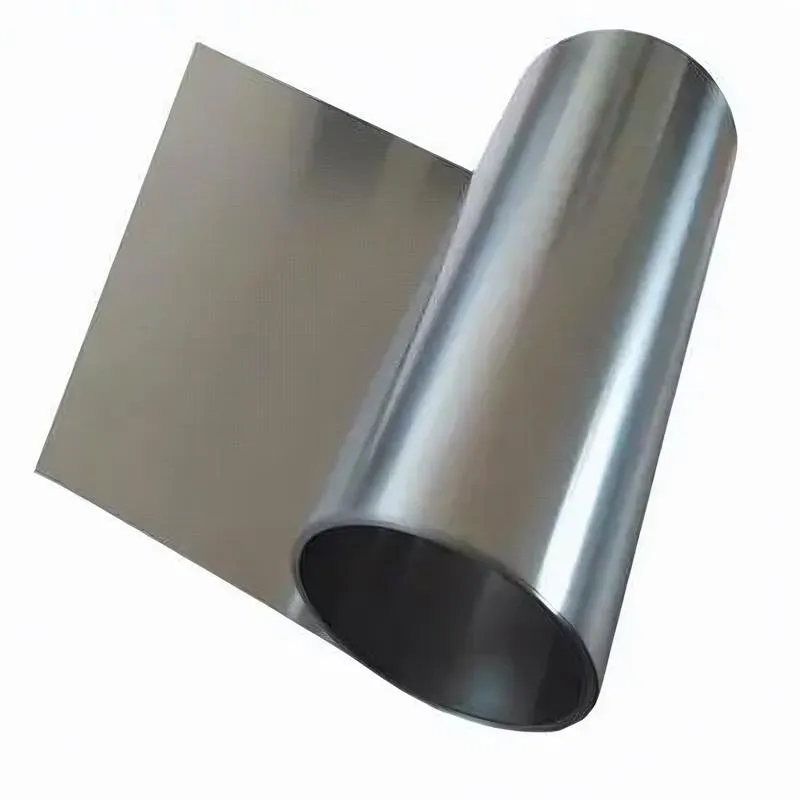
We provide AISI 8640 Steel, quenched 845°C (1550°F), 425°C (800°F) temper is available in Bar (Round bar, Flat bar), Ribbon, Wire, Rods, Tube,Seamless Tube,Pipe, Ingots, Plate, Sheet, Strip and Forging Stock.,Purity, chemical composition, size, etc. can all be customized to meet specific requirements.
Please contact us if you need customized services. We will contact you with the price and availability in 24 hours.
AISI 8640 Steel, quenched 845°C (1550°F), 425°C (800°F) temper Product Information
-:-
For detailed product information, please contact sales.
-:
AISI 8640 Steel, quenched 845°C (1550°F), 425°C (800°F) temper Synonyms
-:-
For detailed product information, please contact sales.
-:
AISI 8640 Steel, quenched 845°C (1550°F), 425°C (800°F) temper Product Information
-:-
For detailed product information, please contact sales.
-:
# **AISI 8640 Steel, Quenched & Tempered (845°C / 425°C)**
## **Product Introduction**
**AISI 8640** is a versatile nickel-chromium-molybdenum alloy steel known for its excellent balance of hardenability, strength, and toughness. When subjected to the precise heat treatment of **oil quenching from 845°C (1550°F)** followed by **tempering at 425°C (800°F)**, this material achieves an **ultra-high strength condition** characterized by exceptional hardness, high tensile strength, and good wear resistance. This specific tempering temperature places the steel at the peak of its secondary hardening response, making it ideal for applications where maximum load-bearing capacity, resistance to deformation, and durability under severe service conditions are paramount.
The 425°C (800°F) temper represents a strategic balance—providing significant stress relief from quenching while maintaining very high hardness levels. This condition is particularly valuable for components subjected to high contact stresses, abrasive wear, and demanding fatigue cycles where surface integrity is critical.
---
## **1. Chemical Composition (Typical Weight %)**
| Element | Content Range (AISI/SAE) | Metallurgical Function in This Treatment |
|---------|--------------------------|------------------------------------------|
| **Carbon (C)** | 0.38 - 0.43 | Primary hardenability and strength contributor; forms strong martensite matrix |
| **Manganese (Mn)** | 0.75 - 1.00 | Enhances hardenability; promotes uniform through-hardening |
| **Phosphorus (P)** | ≤ 0.035 | Residual impurity (minimized for toughness) |
| **Sulfur (S)** | ≤ 0.040 | Residual impurity (controlled for machinability) |
| **Silicon (Si)** | 0.20 - 0.35 | Deoxidizer; improves tempering resistance |
| **Nickel (Ni)** | 0.40 - 0.70 | Improves toughness and core properties |
| **Chromium (Cr)** | 0.40 - 0.60 | Increases hardenability; promotes secondary hardening |
| **Molybdenum (Mo)** | 0.15 - 0.25 | Critical for tempering resistance; prevents embrittlement |
**Metallurgical Significance of 425°C Tempering:**
At this specific temperature, AISI 8640 experiences optimal precipitation of fine alloy carbides (particularly Mo₂C and Cr₇C₃), which produces peak secondary hardening. The tempering provides sufficient stress relief to prevent quench cracking while maximizing retained hardness and strength.
---
## **2. Physical & Mechanical Properties**
### **2.1 Core Mechanical Properties**
| Property | Typical Range | Test Standard | Technical Significance |
|----------|---------------|---------------|------------------------|
| **Hardness** | **401 - 477 HBW** (43-49 HRC) | ASTM E18/E10 | High surface and core hardness |
| **Tensile Strength** | **1380 - 1650 MPa** (200-240 ksi) | ASTM A370 | Exceptional strength for demanding applications |
| **Yield Strength (0.2%)** | **1240 - 1520 MPa** (180-220 ksi) | ASTM A370 | High resistance to permanent deformation |
| **Elongation (50mm)** | 8 - 12% | ASTM A370 | Limited but acceptable ductility |
| **Reduction of Area** | 35 - 45% | ASTM A370 | Moderate toughness at high strength |
| **Charpy V-Notch (RT)** | 20 - 34 J (15-25 ft-lb) | ASTM A370 | Adequate impact for controlled service |
| **Charpy V-Notch (-18°C)** | 14 - 27 J (10-20 ft-lb) | ASTM A370 | Maintains properties at lower temperatures |
| **Fatigue Strength** | 620 - 720 MPa (90-105 ksi) | ASTM E466 | Excellent fatigue resistance for strength level |
| **Endurance Limit** | 550 - 650 MPa (80-94 ksi) | - | High cycle fatigue performance |
| **Modulus of Elasticity** | 205 GPa (29,700 ksi) | - | Stiffness characteristic |
### **2.2 Section Hardening Performance**
- **Effective Through-Hardening:** Up to **75mm (3 inches)** diameter with proper oil quench
- **Surface Hardness:** Typically 45-48 HRC achievable
- **Core Hardness:** Maintains 42-45 HRC in 50mm sections
- **Hardenability Band:** Standard Jominy characteristics for medium sections
- **Distortion Control:** Moderate; requires careful processing
### **2.3 Physical Properties**
| Property | Value | Conditions |
|----------|-------|------------|
| **Density** | 7.85 g/cm³ | 20°C |
| **Modulus of Elasticity** | 205 GPa | 20°C |
| **Shear Modulus** | 80 GPa | 20°C |
| **Poisson's Ratio** | 0.29 | - |
| **Thermal Conductivity** | 42.0 W/m·K | 100°C |
| **Specific Heat Capacity** | 460 J/kg·K | 20°C |
| **Thermal Expansion Coefficient** | 11.5 × 10⁻⁶/°C | 20-100°C |
| **Electrical Resistivity** | 0.26 μΩ·m | 20°C |
### **2.4 Microstructural Characteristics**
- **As-Quenched:** Fine plate martensite with minimal retained austenite (<3%)
- **After 425°C Tempering:** Tempered martensite with fine ε-carbide precipitation
- **Carbide Distribution:** Fine, dispersed Mo₂C and Cr₇C₃ carbides (5-20nm)
- **Prior Austenite Grain Size:** ASTM 6-8
- **Microcleanliness:** Typically good with proper steelmaking practice
**Microstructural Evolution:**
The 425°C temper produces a fine dispersion of transition carbides within the tempered martensite laths. This microstructure provides the optimal combination of high strength from the fine carbides and moderate toughness from the tempered martensite matrix.
---
## **3. Key Features & Advantages**
### **3.1 Exceptional Strength Characteristics**
- **Ultra-High Yield Strength:** >1200 MPa enables lightweight, high-load designs
- **Secondary Hardening Peak:** Optimal at 425°C for this alloy system
- **Compressive Strength:** >1700 MPa for excellent wear and contact performance
- **Strength-to-Weight Ratio:** Superior to most quenched & tempered steels
### **3.2 Superior Wear & Contact Performance**
- **High Surface Hardness:** 43-49 HRC provides excellent abrasion resistance
- **Contact Fatigue Resistance:** Good for gear and bearing applications
- **Gallling Resistance:** Suitable for sliding contact applications
- **Surface Integrity:** Maintains properties under Hertzian contact stresses
### **3.3 Manufacturing & Processing Advantages**
- **Predictable Heat Treatment:** Consistent response to quenching and tempering
- **Machinability:** Acceptable in annealed condition; requires appropriate tools when hardened
- **Grindability:** Good with proper wheel selection and conditions
- **Dimensional Stability:** Moderate; final machining often performed after heat treatment
### **3.4 Fatigue & Service Performance**
- **High Fatigue Strength:** Excellent resistance to crack initiation
- **Good Overload Capacity:** Can withstand occasional overloads
- **Temperature Resistance:** Maintains properties to 300°C
- **Corrosion Fatigue:** Comparable to other low-alloy steels
---
## **4. Primary Applications**
### **4.1 Automotive & Transportation**
- **High-Performance Gears:** Transmission and differential gears requiring maximum strength
- **Racing Components:** Connecting rods, crankshafts, valve train components
- **Heavy Truck Parts:** Axle shafts, king pins, suspension components
- **Railway Components:** Couplers, draft gears, high-strength fasteners
### **4.2 Aerospace & Defense**
- **Landing Gear Components:** Trunnions, links, actuation parts
- **Engine Mounts & Brackets:** High-strength structural components
- **Armor Components:** Backing plates, structural elements
- **Missile Components:** Launch system parts, structural elements
### **4.3 Oil & Gas Industry**
- **Drill String Components:** Tool joints, subs, adapters
- **Valve Components:** Stems, gates, seats for high-pressure service
- **Wellhead Equipment:** Hangers, seals, mandrels
- **Downhole Tools:** Mills, stabilizers, fishing tools
### **4.4 Industrial Machinery**
- **Gear Manufacturing:** High-load gears, pinions, splined shafts
- **Machine Tool Components:** Spindles, ways, feed screws
- **Hydraulic Components:** Cylinder rods, piston rods for high-pressure systems
- **Heavy Equipment:** Rollers, idlers, track components
### **4.5 Tooling & Special Applications**
- **Dies & Molds:** Forging dies, extrusion dies, die casting components
- **Cutting Tools:** Bushings, guides, wear plates
- **Mining Tools:** Bits, cutters, wear components
- **Agricultural Equipment:** High-wear components requiring maximum durability
---
## **5. International Standards & Specifications**
### **5.1 North American Standards**
| Standard | Title | Application |
|----------|-------|-------------|
| **ASTM A322** | Standard Specification for Steel Bars, Alloy, Standard Grades | Primary material specification |
| **SAE J404** | Chemical Compositions of SAE Alloy Steels | Chemical requirements |
| **ASTM A434** | Standard Specification for Steel Bars, Alloy, Hot-Wrought or Cold-Finished, Quenched and Tempered | Heat treated condition |
| **AMS 6414** | Steel Bars, 0.40C - 0.60Cr - 0.55Ni - 0.25Mo (8640) | Aerospace specification |
| **UNS G86400** | Unified Numbering System | Material identification |
### **5.2 European Standards**
| Standard | Equivalent/Similar | Notes |
|----------|-------------------|-------|
| **DIN EN 10083-3** | 36CrNiMo4 (1.6511) | Close European equivalent |
| **EN 10250-3** | - | Open die forgings specification |
### **5.3 International Standards**
| Standard | Country/Region | Equivalent |
|----------|---------------|-----------|
| **ISO 683-18** | International | Heat-treatable steels |
| **JIS G 4103** | Japan | SNCM439 (similar) |
| **GB/T 3077** | China | 40CrNiMoA |
### **5.4 Industry-Specific Specifications**
| Industry | Specifications | Notes |
|----------|---------------|-------|
| **Aerospace** | AMS, MIL-SPECs | Additional testing required |
| **Automotive** | SAE, OEM specifications | High-volume applications |
| **Oil & Gas** | API, NACE specifications | Sour service considerations |
| **Railway** | AAR, EN specifications | Specific component standards |
---
## **6. Heat Treatment Process Details**
### **6.1 Recommended Thermal Cycle**
```
1. PREHEATING: 650-700°C (1200-1290°F) for 30 min/inch
Purpose: Minimize thermal shock, reduce distortion
2. AUSTENITIZING: 845°C ± 10°C (1550°F ± 20°F) for 40-50 min/inch
Atmosphere: Protective (endothermic gas or nitrogen-based)
Critical: Complete austenitization and carbide dissolution
3. QUENCHING: Fast oil at 40-60°C (104-140°F)
Agitation: Vigorous (0.5-1.0 m/s)
Complete to below 100°C before tempering
4. TEMPERING: 425°C ± 10°C (800°F ± 20°F) for 2-3 hours/inch
Double temper recommended: 2 × 1.5-2 hours/inch
Purpose: Achieve optimal secondary hardening
5. FINAL PROCESSING:
Straightening between tempers if required
Stress relief at 425°C for complex geometries
Final machining with appropriate techniques
```
### **6.2 Critical Process Parameters**
| Parameter | Control Range | Importance |
|-----------|---------------|------------|
| **Austenitizing Temperature** | 845°C ± 10°C | Grain size control and hardenability |
| **Soak Time** | 40-50 min/inch | Complete transformation |
| **Quench Rate** | Fast oil required | Full martensite formation |
| **Tempering Uniformity** | ±8°C | Consistent properties |
| **Cooling After Temper** | Air cool | Avoid rapid cooling stresses |
### **6.3 Quality Considerations**
- **Decarburization Control:** Essential for surface-sensitive applications
- **Distortion Management:** Critical for precision components
- **Residual Stress:** Double tempering recommended for maximum relief
- **Microstructure Verification:** Essential for critical applications
---
## **7. Quality Control & Testing**
### **7.1 Mandatory Testing Requirements**
| Test | Standard | Frequency | Acceptance Criteria |
|------|----------|-----------|-------------------|
| **Chemical Analysis** | ASTM E415 | Each heat | Full range compliance |
| **Tensile Testing** | ASTM A370 | Each lot | Minimum strength requirements |
| **Hardness Testing** | ASTM E18 | Each piece | 401-477 HBW |
| **Impact Testing** | ASTM A370 | Each lot | Minimum 20J at room temperature |
### **7.2 Specialized Testing**
| Test | Purpose | Requirements |
|------|---------|--------------|
| **Fracture Toughness** | Damage tolerance | For critical applications |
| **Fatigue Testing** | Cyclic performance | Per application requirements |
| **Wear Testing** | Abrasion resistance | For wear applications |
| **NDE** | Internal quality | UT, MT, PT as required |
---
## **8. Comparison with Alternative Treatments**
| Property | 845°C/425°C Treatment | 845°C/540°C Treatment | Normalized Condition |
|----------|----------------------|----------------------|---------------------|
| **Hardness (HRC)** | 43-49 | 30-36 | 20-25 |
| **Tensile Strength** | 1380-1650 MPa | 1030-1240 MPa | 650-900 MPa |
| **Yield Strength** | 1240-1520 MPa | 930-1100 MPa | 430-650 MPa |
| **Impact Toughness** | 20-34J | 40-60J | 40-70J |
| **Fatigue Strength** | 620-720 MPa | 550-620 MPa | 300-400 MPa |
| **Primary Application** | Maximum strength | Balanced properties | Machining/fabrication |
---
## **9. Design & Manufacturing Guidelines**
### **9.1 Design Considerations**
- **Optimum Section Size:** 25-50mm diameter
- **Stress Concentrations:** Minimize with generous radii
- **Load Conditions:** Best for static and moderate dynamic loading
- **Temperature Limits:** Maximum continuous service 300°C
### **9.2 Machining Recommendations**
- **Pre-Hard Machining:** Preferred for complex geometries
- **Post-Hard Machining:** CBN or ceramic tools required
- **Grinding:** Low-stress conditions essential
- **Drilling/Tapping:** Perform before final hardening when possible
### **9.3 Welding Considerations**
- **Generally Not Recommended** for finished components
- **If Required:** Full reheat treatment after welding
- **Filler Metal:** Under-matching composition
- **Pre/Post Heat:** Strictly controlled
---
## **10. Technical Conclusion**
### **10.1 Summary of Advantages**
1. **Exceptional Strength:** >1200 MPa yield strength capability
2. **High Wear Resistance:** 43-49 HRC provides excellent durability
3. **Good Fatigue Performance:** High strength contributes to fatigue resistance
4. **Predictable Processing:** Consistent response to heat treatment
### **10.2 Ideal Applications**
- Components requiring maximum strength in medium sections
- Wear-resistant applications needing high hardness
- Structural elements with high static loads
- Replacements for more expensive high-alloy steels
### **10.3 Critical Success Factors**
1. Precise heat treatment control
2. Appropriate quench medium selection
3. Comprehensive quality testing
4. Careful design considering material limitations
### **10.4 Final Recommendation**
**AISI 8640 steel in the 845°C quenched and 425°C tempered condition provides an optimal balance of ultra-high strength, good wear resistance, and economic efficiency.** This material is particularly recommended for:
- **High-performance automotive** and **aerospace components**
- **Critical structural elements** in heavy machinery
- **Wear-resistant applications** requiring maximum hardness
- **Cost-sensitive projects** needing premium mechanical properties
When properly specified and processed with appropriate quality controls, this material delivers **exceptional value** in demanding engineering applications where strength and wear resistance are primary design considerations. The 425°C temper represents the optimal point for maximizing secondary hardening while providing adequate toughness for most industrial applications.
-:-
For detailed product information, please contact sales.
-:
AISI 8640 Steel, quenched 845°C (1550°F), 425°C (800°F) temper Specification
Dimensions
Size:
Diameter 20-1000 mm Length <6343 mm
Size:We can customized as required
Standard:
Per your request or drawing
We can customized as required
Properties(Theoretical)
Chemical Composition
-:-
For detailed product information, please contact sales.
-:
AISI 8640 Steel, quenched 845°C (1550°F), 425°C (800°F) temper Properties
-:-
For detailed product information, please contact sales.
-:
Applications of AISI 8640 Steel, quenched 845°C (1550°F), 425°C (800°F) temper
-:-
For detailed product information, please contact sales.
-:
Chemical Identifiers AISI 8640 Steel, quenched 845°C (1550°F), 425°C (800°F) temper
-:-
For detailed product information, please contact sales.
-:
Packing of AISI 8640 Steel, quenched 845°C (1550°F), 425°C (800°F) temper
-:-
For detailed product information, please contact sales.
-:
Standard Packing:
-:-
For detailed product information, please contact sales.
-:
Typical bulk packaging includes palletized plastic 5 gallon/25 kg. pails, fiber and steel drums to 1 ton super sacks in full container (FCL) or truck load (T/L) quantities. Research and sample quantities and hygroscopic, oxidizing or other air sensitive materials may be packaged under argon or vacuum. Solutions are packaged in polypropylene, plastic or glass jars up to palletized 2814 gallon liquid totes Special package is available on request. E FORUs’ is carefully handled to minimize damage during storage and transportation and to preserve the quality of our products in their original condition