AISI 8650 Steel, annealed
Product Code : STI-CSTI-1632-CU
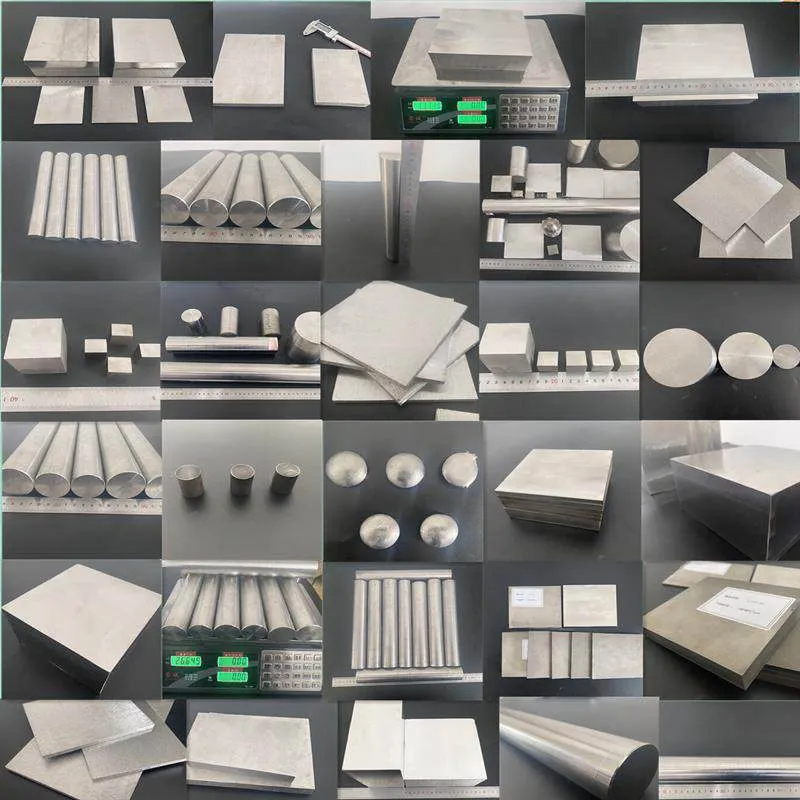
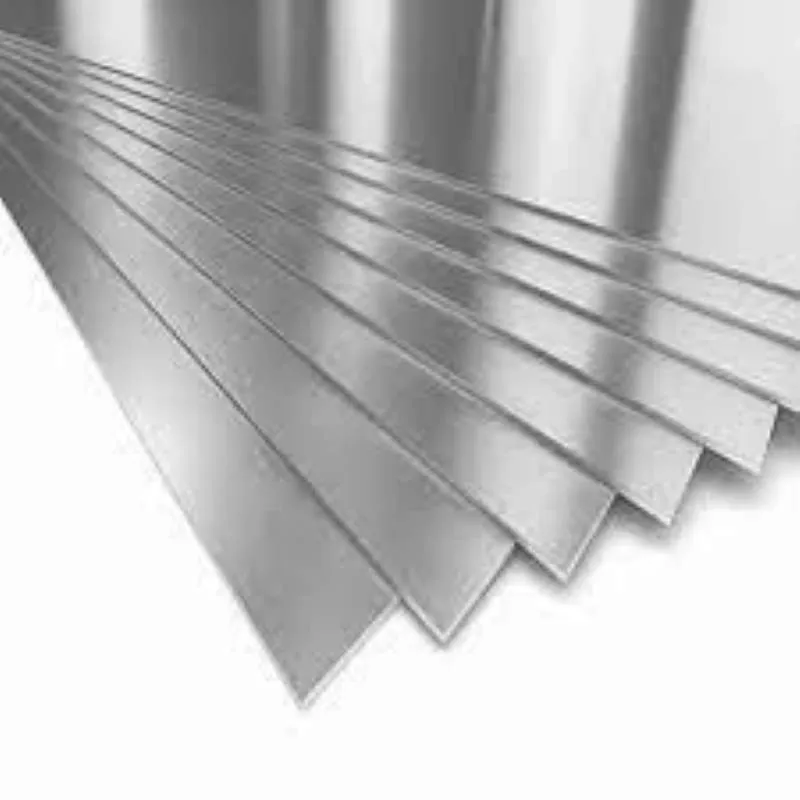
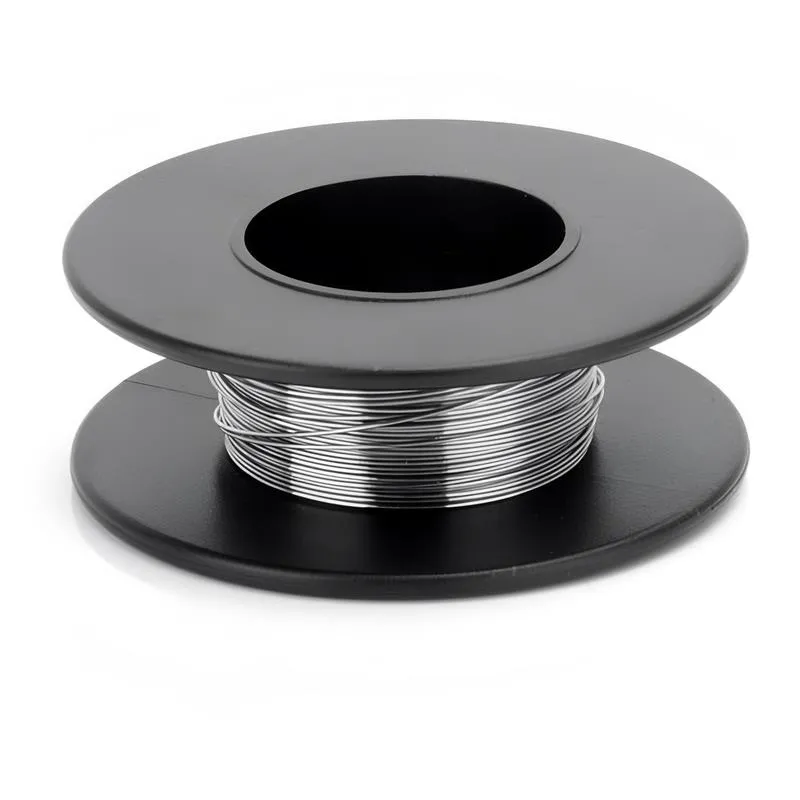
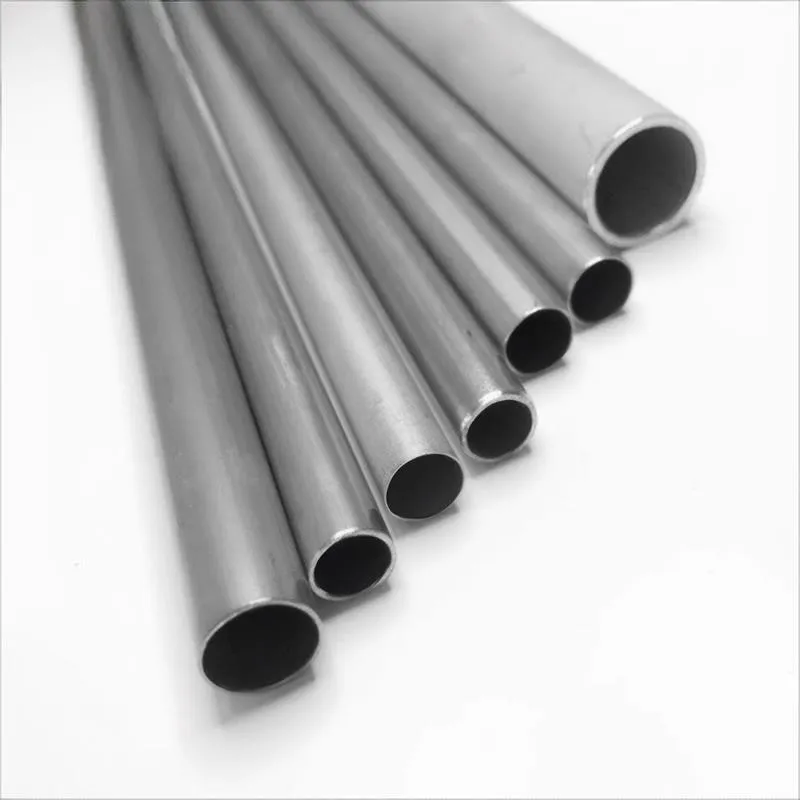
We provide AISI 8650 Steel, annealed is available in Bar (Round bar, Flat bar), Ribbon, Wire, Rods, Tube,Seamless Tube,Pipe, Ingots, Plate, Sheet, Strip and Forging Stock.,Purity, chemical composition, size, etc. can all be customized to meet specific requirements.
Please contact us if you need customized services. We will contact you with the price and availability in 24 hours.
AISI 8650 Steel, annealed Product Information
-:-
For detailed product information, please contact sales.
-:
AISI 8650 Steel, annealed Synonyms
-:-
For detailed product information, please contact sales.
-:
AISI 8650 Steel, annealed Product Information
-:-
For detailed product information, please contact sales.
-:
# Technical Data Sheet: AISI 8650 Alloy Steel
## Annealed Condition
---
### 1. Material Overview
**Designation:** AISI 8650 / UNS G86500
**Condition:** Annealed
**Material Classification:** Nickel-Chromium-Molybdenum Medium-High Carbon Alloy Steel
**Key Characteristics:** AISI 8650 in the annealed condition is a soft, ductile, and machinable form of this versatile alloy steel. With a carbon content of 0.48-0.53%, it represents the highest carbon variant in the 86xx series, providing excellent potential for high strength and wear resistance after subsequent heat treatment. The annealed state is specifically produced to optimize machinability, dimensional stability, and formability for manufacturing operations prior to final heat treatment. This material is typically supplied as raw stock for machining, forging, or other manufacturing processes that will be followed by quenching and tempering to achieve final mechanical properties.
---
### 2. International Standards Compliance
**Primary Specifications:**
- **UNS:** G86500
- **ASTM Standards:**
- **A29/A29M:** Steel Bars, Carbon and Alloy, Hot-Wrought and Cold-Finished
- **A322:** Standard Specification for Steel Bars, Alloy, Standard Grades
- **A519:** Seamless Carbon and Alloy Steel Mechanical Tubing
- **SAE/AISI Standards:**
- **SAE J404:** Chemical Compositions of SAE Alloy Steels
- **SAE J412:** Alloy Steel Bars
- **ISO Standards:**
- **ISO 683-11:** Heat-treatable steels, alloy steels and free-cutting steels
- **European Standards:**
- **EN 10083-3:** Steels for quenching and tempering
- Similar to 1.6546 (34CrNiMo6) with higher carbon range
- **Japanese Standards:**
- **JIS G4105:** Chromium molybdenum steels (SCM440 similar with higher carbon)
- **German Standards:**
- **DIN 17200:** Heat-treatable steels
**Annealing Specifications:**
- Typically supplied to ASTM A29 "annealed" condition requirements
- Hardness typically controlled to 187-229 HB (Brinell)
- Full anneal or process anneal depending on manufacturer and requirements
---
### 3. Chemical Composition
**Standard Composition Ranges (Weight %):**
| Element | Standard Range | Typical Value | Metallurgical Function in Annealed State |
|---------|---------------|---------------|------------------------------------------|
| **Carbon (C)** | 0.48 - 0.53% | 0.50% | Highest in 86xx series; provides maximum strength potential after heat treatment |
| **Manganese (Mn)** | 0.75 - 1.00% | 0.85% | Enhances hardenability; contributes to solid solution strengthening |
| **Silicon (Si)** | 0.15 - 0.30% | 0.25% | Deoxidizer; improves strength; affects annealing response |
| **Nickel (Ni)** | 0.40 - 0.70% | 0.55% | Improves toughness; enhances hardenability |
| **Chromium (Cr)** | 0.40 - 0.60% | 0.50% | Increases hardenability; improves wear resistance potential |
| **Molybdenum (Mo)** | 0.15 - 0.25% | 0.20% | Enhances hardenability; reduces temper embrittlement susceptibility |
| **Phosphorus (P)** | ≤ 0.035% | 0.020% | Residual element (minimized) |
| **Sulfur (S)** | ≤ 0.040% | 0.025% | Residual element; may be increased for improved machinability variants |
| **Iron (Fe)** | Balance | Balance | Matrix element |
**Composition Notes for Annealed Condition:**
- Higher carbon content requires careful annealing to prevent excessive hardness
- Alloying elements affect the annealing temperature and cooling rate requirements
- Composition optimized for both machinability in annealed state and hardenability after heat treatment
- May be supplied with slightly increased sulfur (resulfurized) for improved machinability
**Comparison with Other 86xx Grades in Annealed State:**
- **vs. 8640:** Higher carbon provides greater strength potential but slightly lower machinability
- **vs. 8645:** Slightly higher carbon, similar processing characteristics
- **vs. 8630:** Significantly higher carbon, different machining parameters required
---
### 4. Annealing Process & Microstructure
**Typical Annealing Cycles:**
**Full Annealing (Most Common for Supply Condition):**
- Heating: 830-855°C (1525-1575°F)
- Soaking: 1-2 hours per inch of thickness
- Cooling: Furnace cool at 10-30°C/hour (18-54°F/hour) to 595°C (1100°F), then air cool
- Resulting microstructure: Coarse lamellar pearlite with ferrite
- Hardness: 187-229 HB (typically 197-207 HB)
**Process Annealing (Alternative):**
- Temperature: 650-705°C (1200-1300°F)
- Time: 1-4 hours depending on section size
- Cooling: Air cool
- Result: Softer condition, easier machining
- Application: Between cold working operations
**Spheroidize Annealing (Special Application):**
- Temperature: 650-705°C (1200-1300°F) for extended time
- Cycle: May involve cycling above and below Ac1
- Result: Spheroidized carbides in ferrite matrix
- Hardness: 170-200 HB (softest condition)
- Benefit: Optimal machinability, best for severe forming
**Microstructural Characteristics in Annealed State:**
- **Primary Structure:** Pearlite (lamellar or spheroidized) in ferrite matrix
- **Carbide Morphology:** Depends on annealing cycle (lamellar or spheroidal)
- **Grain Size:** ASTM 5-7 typically
- **Band Structure:** Minimal to moderate depending on processing history
- **Inclusion Content:** Typical for alloy steels (ASTM E45 ratings)
---
### 5. Mechanical Properties (Annealed Condition)
**Typical Properties in As-Annealed State:**
| Property | Typical Range | Test Standard | Notes |
|----------|---------------|---------------|-------|
| **Hardness** | 187-229 HB | ASTM E10 | Most common: 197-207 HB |
| | 89-97 HRB | ASTM E18 | Rockwell B scale |
| | 10-20 HRC | ASTM E18 | Rockwell C scale (for reference) |
| **Tensile Strength** | 620-760 MPa | ASTM A370 | 90-110 ksi |
| **Yield Strength (0.2%)** | 415-550 MPa | ASTM A370 | 60-80 ksi |
| **Elongation (in 50 mm)** | 20-28% | ASTM A370 | Good ductility |
| **Reduction of Area** | 50-65% | ASTM A370 | Excellent for forming |
| **Charpy V-Notch Impact** | 50-90 J | ASTM E23 | At room temperature |
| **Machinability Rating** | 55-60% | - | Compared to 100% for B1112 steel |
**Property Consistency in Annealed State:**
- Hardness typically within 20 HB points in same batch
- Uniform properties throughout cross-section
- Good reproducibility between batches
- Minimal directionality in properties
**Physical Properties (Annealed):**
| Property | Value | Units | Conditions |
|----------|-------|-------|------------|
| **Density** | 7.85 | g/cm³ | At 20°C |
| **Melting Range** | 1410-1455 | °C | Liquidus to solidus |
| **Thermal Conductivity** | 41.0 | W/m·K | At 100°C |
| **Specific Heat Capacity** | 460 | J/kg·K | At 100°C |
| **Coefficient of Thermal Expansion** | 11.5 × 10⁻⁶ | /°C | 20-100°C range |
| **Modulus of Elasticity** | 205 | GPa | At 20°C |
| **Shear Modulus** | 80 | GPa | At 20°C |
| **Poisson's Ratio** | 0.29 | - | - |
| **Electrical Resistivity** | 0.24 | μΩ·m | At 20°C |
---
### 6. Machinability & Formability
**Machinability Characteristics:**
- **Rating:** 55-60% of B1112 free-machining steel
- **Tool Materials:** High-speed steel (HSS) or carbide both suitable
- **Recommended Cutting Speeds:**
- Turning: 40-70 m/min (130-230 SFM) with HSS
- Turning: 80-120 m/min (260-390 SFM) with carbide
- Drilling: 15-25 m/min (50-80 SFM) with HSS drills
- Milling: 30-50 m/min (100-165 SFM) with HSS
- **Feed Rates:** 0.15-0.35 mm/rev (0.006-0.014 ipr) for turning
- **Depth of Cut:** Up to 6 mm (0.250") depending on setup
- **Chip Formation:** Continuous chips; chip breakers recommended
- **Surface Finish:** Can achieve Ra 1.6-3.2 μm (63-125 μin) with proper technique
**Improved Machinability Variants:**
- **Resulfurized Grades:** Sulfur increased to 0.08-0.15% for chip breaking
- **Calcium-Treated:** Improved chip control and tool life
- **Lead-Added:** Traditional improvement but less common due to environmental concerns
**Forming & Cold Working:**
- **Cold Bending:** Good for moderate bends (minimum bend radius ~2t)
- **Cold Heading:** Suitable with proper annealing and lubrication
- **Cold Forging:** Limited due to high strength; intermediate annealing may be required
- **Shearing & Blanking:** Good with proper tool clearance (5-10% of thickness)
**Hot Working Recommendations:**
- **Forging Temperature:** 1150-900°C (2100-1650°F)
- **Finishing Temperature:** ~900°C (1650°F) minimum
- **Cooling After Hot Working:** Slow cool or anneal to prevent cracking
---
### 7. Material Characteristics in Annealed State
**Advantages of Annealed AISI 8650:**
1. **Excellent Machinability:** Soft condition allows efficient machining operations
2. **Good Formability:** Can be bent, formed, and shaped before hardening
3. **Dimensional Stability:** Minimal distortion during subsequent heat treatment
4. **Weldability:** Best condition for welding prior to heat treatment
5. **Cost-Effective Manufacturing:** Reduced tool wear and faster machining speeds
6. **Predictable Hardening Response:** Consistent starting point for heat treatment
**Limitations in Annealed State:**
1. **Low Strength:** Not suitable for final application without heat treatment
2. **Poor Wear Resistance:** Soft surface susceptible to damage
3. **Limited Load Capacity:** Cannot carry significant loads
4. **Surface Sensitivity:** Easily scratched or damaged during handling
**Special Considerations:**
- Must be protected from corrosion (no inherent corrosion resistance)
- Storage and handling should prevent surface damage
- Marking and identification important for traceability
- Proper packaging required to maintain surface quality
---
### 8. Applications (as Annealed Stock)
**Primary Use:** Raw material for components that will be heat treated after machining
**Automotive Component Manufacturing:**
- Gear blanks for transmission and differential gears
- Crankshaft and camshaft forgings (machined before heat treatment)
- Axle shaft blanks
- Steering component blanks
- Suspension part forgings
**Industrial Machinery Components:**
- Large gear blanks
- Shaft stock for various applications
- Bearing race blanks
- Tool holder blanks
- Machine tool component stock
**Oil & Gas Industry:**
- Valve component blanks
- Tool joint blanks
- Pump shaft stock
- Downhole tool blanks
- Wellhead component stock
**Aerospace & Defense:**
- Landing gear component blanks (secondary structures)
- Actuator component stock
- Missile component blanks
- Armor component stock (before hardening)
**Agricultural Equipment:**
- Gear blanks for tractors and harvesters
- Driveline component stock
- Implement component blanks
- PTO shaft stock
**General Manufacturing:**
- Die and mold blanks
- Tooling component stock
- Special fastener blanks
- Custom component manufacturing stock
**Typical Manufacturing Sequence:**
1. Receive annealed stock
2. Machine to near-final dimensions (allow for heat treatment growth)
3. Heat treat (harden and temper)
4. Finish machine (grinding, honing, etc.)
5. Final assembly
---
### 9. Subsequent Heat Treatment Potential
**Expected Properties After Proper Heat Treatment:**
**Typical Heat Treatment Cycle:**
1. **Austenitizing:** 830-855°C (1525-1575°F)
2. **Quenching:** Oil preferred; water for simple shapes
3. **Tempering:** 205-650°C (400-1200°F) depending on requirements
**Resulting Properties (Example - 540°C / 1000°F temper):**
| Property | 25 mm (1") Diameter | 50 mm (2") Diameter | 75 mm (3") Diameter |
|----------|---------------------|---------------------|---------------------|
| **Tensile Strength** | 1035-1170 MPa | 965-1100 MPa | 895-1035 MPa |
| **Yield Strength** | 930-1070 MPa | 860-1000 MPa | 795-930 MPa |
| **Hardness** | 32-38 HRC | 30-36 HRC | 28-34 HRC |
| **Impact Toughness** | 25-40 J | 27-42 J | 29-44 J |
**Heat Treatment Considerations from Annealed State:**
- **Preheating:** Recommended for sections >25 mm
- **Decarburization Protection:** Important due to high carbon content
- **Quenching:** Oil preferred to minimize distortion and cracking risk
- **Tempering:** Immediate tempering after quenching essential
**Dimensional Changes During Heat Treatment:**
- Typical growth: 0.1-0.3% depending on section size and geometry
- Distortion: Minimal with proper fixturing and heating
- Surface condition: May require cleanup after heat treatment
---
### 10. Quality Assurance & Testing
**Standard Testing for Annealed Material:**
- **Hardness Testing:** Brinell or Rockwell at multiple locations
- **Chemical Analysis:** Spectrographic or combustion methods
- **Microstructural Examination:** Grain size, inclusion rating
- **Dimensional Verification:** Per purchase requirements
- **Surface Inspection:** Visual or enhanced methods as specified
**Certification Requirements:**
- **Mill Test Certificate:** EN 10204 3.1 or 3.2 typically
- **Chemical Certificate:** Full composition report
- **Hardness Report:** Typically provided
- **Traceability:** Heat/lot number identification
**Special Testing (if specified):**
- Ultrasonic testing for internal quality
- Magnetic particle inspection for surface defects
- Macroscopic examination (sulfur prints, macroetch)
- Additional mechanical testing
---
### 11. Storage & Handling
**Storage Conditions:**
- **Environment:** Dry, covered storage preferred
- **Temperature:** Ambient conditions
- **Humidity Control:** <60% relative humidity recommended
- **Duration:** Typically 12 months maximum without special protection
**Surface Protection:**
- **Rust Preventive:** Oil or vapor corrosion inhibitor recommended
- **Packaging:** Individual wrapping or protective separators
- **Identification:** Clear marking of material grade and heat number
**Handling Guidelines:**
- **Lifting:** Use appropriate equipment to prevent bending
- **Transportation:** Secure properly to prevent damage
- **Surface Care:** Avoid scratching or damaging surfaces
- **Cleaning:** Remove protective coatings before machining
**Shelf Life & Maintenance:**
- **Indoor Storage:** 12-24 months with proper protection
- **Outdoor Storage:** Not recommended without special protection
- **Inspection:** Regular visual inspection for corrosion
- **Re-protection:** Reapply rust preventive as needed
---
### 12. Economic & Manufacturing Considerations
**Cost Factors:**
- **Material Cost:** Moderate among alloy steels
- **Machining Cost:** Lower than pre-hardened material
- **Tooling Cost:** Reduced due to softer material
- **Total Manufacturing Cost:** Often lower despite additional heat treatment step
**Manufacturing Advantages:**
- Faster machining speeds possible
- Reduced tool wear and replacement
- Better surface finish achievable
- More complex geometries possible before hardening
- Reduced risk of distortion during machining
**Justification for Annealed vs. Pre-hardened:**
- **Choose Annealed when:**
- Complex machining operations required
- Tight dimensional tolerances needed
- Multiple manufacturing operations planned
- Special geometries or features required
- **Choose Pre-hardened when:**
- Simple machining only
- Cost of heat treatment prohibitive
- Quick turnaround needed
- Limited machining facilities available
---
### 13. Technical Recommendations
**Design Guidelines for Components from Annealed Stock:**
1. **Allow for Heat Treatment:** Include growth allowance in dimensions
2. **Consider Distortion:** Design symmetrical where possible
3. **Surface Finish:** Specify required finish after heat treatment
4. **Corner Radii:** Generous radii to minimize stress concentrations
5. **Section Uniformity:** Avoid drastic changes in section size
**Procurement Specification Example:**
```plaintext
MATERIAL: AISI 8650 Alloy Steel
CONDITION: Annealed (full anneal per ASTM A29)
HARDNESS: 187-229 HB maximum
CHEMISTRY: Per AISI 8650 requirements
FORM: Round bar, 50 mm diameter, 3 meter lengths
SURFACE: Free of scale, with rust preventive coating
CERTIFICATION: EN 10204 3.1 with chemical and hardness reports
TESTING: Hardness test at both ends and middle
```
**Safety Factors for Design (Annealed State):**
- **Note:** Annealed material should not be used in final applications
- **For Manufacturing Only:** Design for handling and machining loads only
- **Final Design:** Based on heat-treated properties, not annealed properties
**Environmental & Safety:**
- **Machining:** Standard steel machining precautions
- **Heat Treatment:** Professional heat treater recommended
- **Disposal:** Recyclable as steel scrap
- **Safety Data:** MSDS available from suppliers
---
**Disclaimer:** This technical data sheet provides information about AISI 8650 alloy steel in the annealed condition. This material is intended for manufacturing operations prior to heat treatment and should not be used in final applications without proper heat treatment. Always consult with materials engineering professionals for specific application requirements.
---
**Document Control**
- **Document:** TDS-8650-ANN
- **Revision:** 1.0
- **Date:** March 2024
- **Prepared By:** Materials Engineering Department
- **Approved By:** Technical Manager
- **Quality System:** ISO 9001:2015 Certified
-:-
For detailed product information, please contact sales.
-:
AISI 8650 Steel, annealed Specification
Dimensions
Size:
Diameter 20-1000 mm Length <6364 mm
Size:We can customized as required
Standard:
Per your request or drawing
We can customized as required
Properties(Theoretical)
Chemical Composition
-:-
For detailed product information, please contact sales.
-:
AISI 8650 Steel, annealed Properties
-:-
For detailed product information, please contact sales.
-:
Applications of AISI 8650 Steel, annealed
-:-
For detailed product information, please contact sales.
-:
Chemical Identifiers AISI 8650 Steel, annealed
-:-
For detailed product information, please contact sales.
-:
Packing of AISI 8650 Steel, annealed
-:-
For detailed product information, please contact sales.
-:
Standard Packing:
-:-
For detailed product information, please contact sales.
-:
Typical bulk packaging includes palletized plastic 5 gallon/25 kg. pails, fiber and steel drums to 1 ton super sacks in full container (FCL) or truck load (T/L) quantities. Research and sample quantities and hygroscopic, oxidizing or other air sensitive materials may be packaged under argon or vacuum. Solutions are packaged in polypropylene, plastic or glass jars up to palletized 2835 gallon liquid totes Special package is available on request. E FORUs’ is carefully handled to minimize damage during storage and transportation and to preserve the quality of our products in their original condition