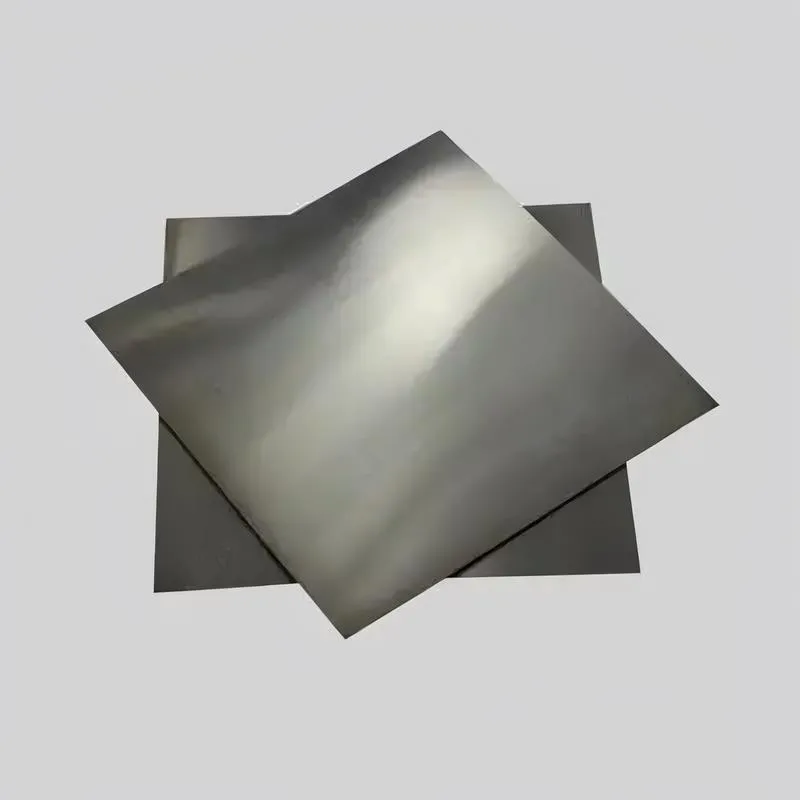
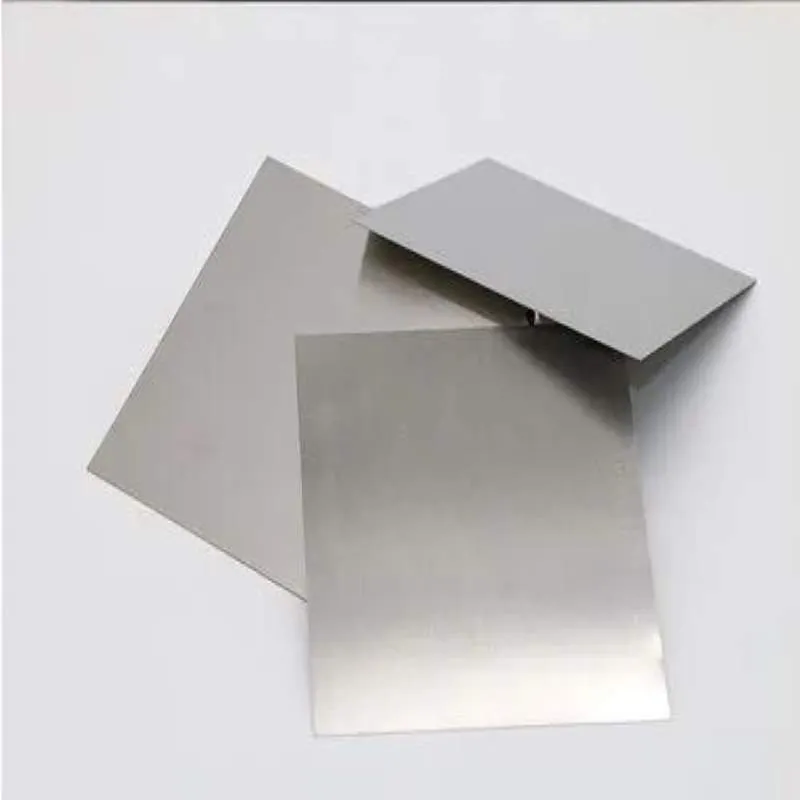
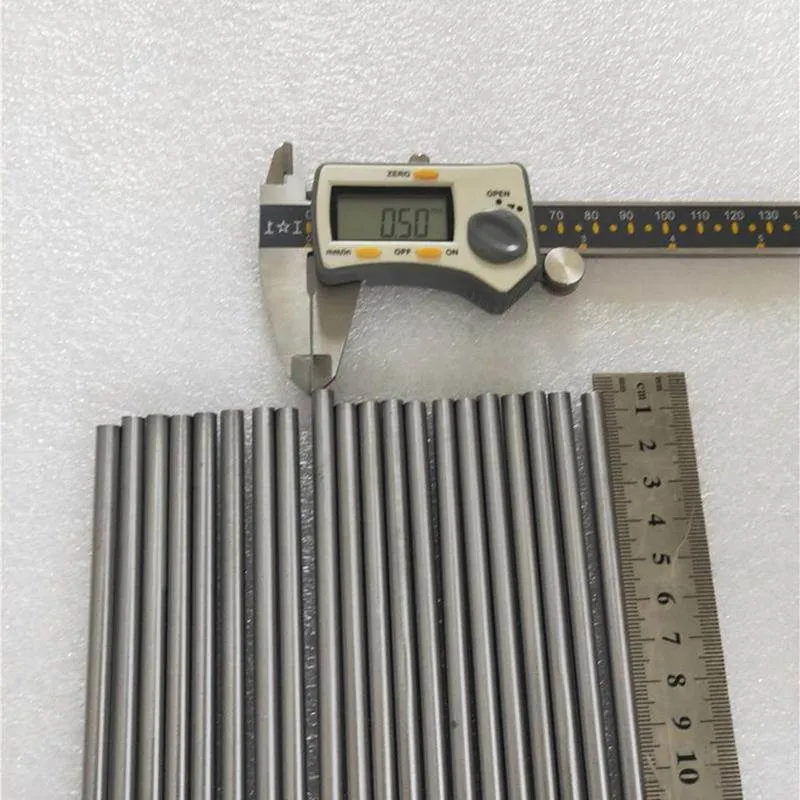
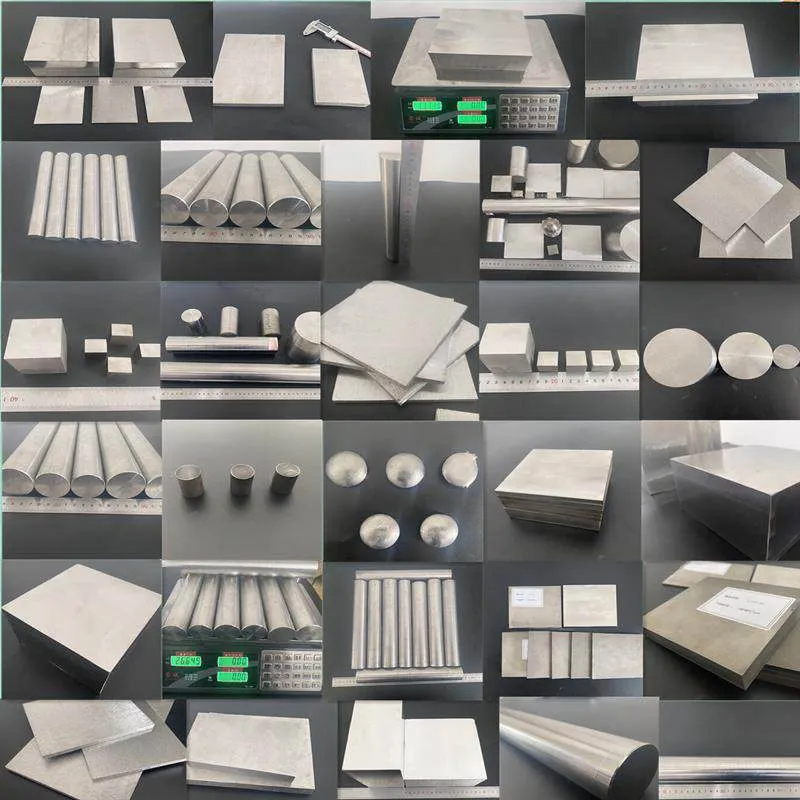
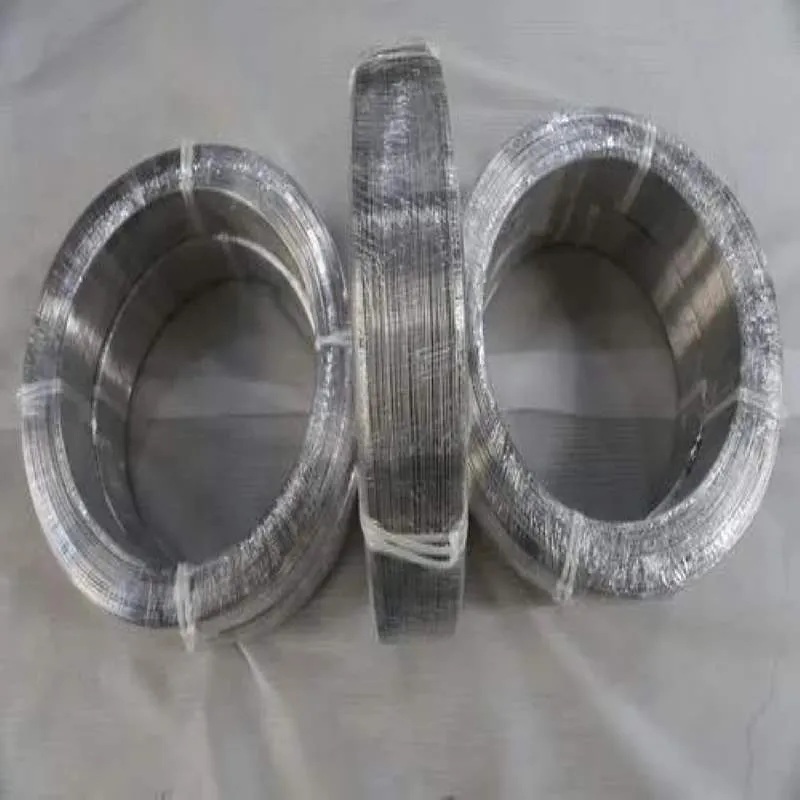
AISI 8655 Steel Foil/Strip
Product Code : STI-CSTI-451-CU
We provide AISI 8655 Steel Foil/Strip is available in Bar (Round bar, Flat bar), Ribbon, Wire, Rods, Tube,Seamless Tube,Pipe, Ingots, Plate, Sheet, Strip and Forging Stock.,Purity, chemical composition, size, etc. can all be customized to meet specific requirements.
Please contact us if you need customized services. We will contact you with the price and availability in 24 hours.
AISI 8655 Steel Foil Product Information
-:-
For detailed product information, please contact sales.
-:
AISI 8655 Steel Foil Synonyms
-:-
For detailed product information, please contact sales.
-:
AISI 8655 Steel Product Information
-:-
For detailed product information, please contact sales.
-:
### **Product Datasheet: AISI 8655 Alloy Steel**
---
#### **1. Material Overview**
**AISI 8655** is a **medium-carbon, nickel-chromium-molybdenum (Ni-Cr-Mo) alloy steel** belonging to the **"86xx" series** in the SAE/AISI system. The designation indicates a nominal composition of **0.55% carbon**, **0.50% nickel**, **0.50% chromium**, and **0.20% molybdenum**. This specific combination of alloying elements makes it a **versatile, deep-hardening steel** offering an outstanding balance of **high strength, excellent toughness, good fatigue resistance, and moderate wear resistance** after proper heat treatment. It is particularly valued for its ability to maintain good core properties in moderately large sections, making it a preferred choice for critical, high-stress components subjected to shock and impact loading.
#### **2. Key Material Concept**
The performance of AISI 8655 is derived from the synergistic effect of its multi-alloy system:
- **Carbon (C ~0.55%)**: Provides the fundamental capacity for high hardness and tensile strength.
- **Nickel (Ni ~0.50%)**: Primarily enhances **toughness and impact strength**, especially at low temperatures. It also contributes to hardenability and strengthens the ferrite matrix.
- **Chromium (Cr ~0.50%)**: Increases hardenability, improves wear and corrosion resistance, and enhances response to tempering.
- **Molybdenum (Mo ~0.20%)**: A potent hardenability enhancer that also **increases high-temperature strength, promotes fine grain structure, and most importantly, reduces susceptibility to temper embrittlement**. This allows the steel to be tempered in the critical 370-570°C (700-1060°F) range without significant loss of toughness.
This combination results in a steel with **superior through-hardening characteristics and a much better strength-toughness balance** than simpler alloy or carbon steels like 5155 or 1060.
#### **3. International Standard & Cross-References**
- **Primary Standard:** **SAE J404** (Chemical Compositions of SAE Alloy Steels) / **AISI 8655**
- **UNS Designation:** **G86550**
- **ASTM Standards:** Commonly supplied under **ASTM A322** (Standard Specification for Steel Bars, Alloy, Standard Grades) or the general requirements of **ASTM A29/A29M**.
- **AMS (Aerospace Material Specification):** Not a common aerospace grade, but used in demanding industrial applications.
- **European Approximate Equivalent:** **1.6546 (34CrNiMo6)** is a close match, though it typically has higher Ni (~1.50%) and Cr (~1.50%). A closer European analogue might be a steel specified to a similar performance profile rather than exact chemistry.
- **Japanese Approximate Equivalent:** **SNC236** (JIS G4102) or **SNCM439** (JIS G4103) are similar Ni-Cr-Mo steels, though compositions vary.
- **"H" Grade Variant:** **8655H** is available, conforming to **ASTM A304** for controlled hardenability.
#### **4. Chemical Composition (% by Weight, per SAE J404)**
| Element | Content Range (%) | Key Role |
| :--- | :--- | :--- |
| **Carbon (C)** | **0.51 – 0.59** | Primary hardening element; determines attainable strength and hardness. |
| **Manganese (Mn)** | **0.75 – 1.00** | Enhances hardenability and strength. |
| **Phosphorus (P)** | **≤ 0.035** | Impurity; kept low. |
| **Sulfur (S)** | **≤ 0.040** | Impurity; kept low. |
| **Silicon (Si)** | **0.15 – 0.30** | Deoxidizer; strengthens ferrite. |
| **Nickel (Ni)** | **0.40 – 0.70** | **Key for toughness** and impact resistance; improves hardenability. |
| **Chromium (Cr)** | **0.40 – 0.60** | Increases hardenability, wear resistance, and tempering resistance. |
| **Molybdenum (Mo)** | **0.15 – 0.25** | **Critical:** Enhances hardenability, refines grain, increases high-temperature strength, and **resists temper embrittlement**. |
| **Iron (Fe)** | **Balance** | Base metal. |
#### **5. Typical Physical & Mechanical Properties**
*Properties are highly dependent on heat treatment. Values below are typical ranges.*
**A. Physical Properties:**
- **Density:** 7.85 g/cm³ (0.284 lb/in³)
- **Modulus of Elasticity (E):** 205 GPa (29.7 x 10⁶ psi)
- **Poisson’s Ratio:** 0.29
- **Thermal Conductivity:** ~42 W/m·K (at 20°C)
**B. Mechanical Properties by Condition:**
* **Annealed Condition (for machining):**
* **Hardness:** 187 – 229 HBW
* **Tensile Strength:** ~650 MPa (94 ksi)
* **Heat-Treated Condition (Quenched & Tempered - Example):**
* **Tensile Strength:** 1000 – 1300 MPa (145 – 189 ksi)
* **Yield Strength (0.2% Offset):** 850 – 1150 MPa (123 – 167 ksi)
* **Elongation:** 12% – 18%
* **Reduction in Area:** 45% – 60%
* **Hardness:** 30 – 45 HRC (Widely adjustable via tempering)
* **Impact Toughness (Charpy V-notch):** **40 – 80 J (30 – 59 ft-lb)** at room temperature – notably high for its strength level.
#### **6. Processing & Fabrication Characteristics**
- **Hardenability:** **Very High (High H-Band).** The combination of Ni, Cr, and Mo provides excellent depth of hardening, suitable for through-hardening of sections up to **~75-100 mm (3-4 inches)** with an effective oil quench.
- **Machinability (Annealed State):** **Fair.** The alloy content makes it tougher to machine than carbon steels. Requires appropriate tooling and speeds/feeds.
- **Weldability:** **Poor.** The medium carbon content and alloying elements give it a high carbon equivalent. Welding requires **strict procedures**: high preheat (200-315°C / 400-600°F), low-hydrogen electrodes, and **mandatory Post-Weld Heat Treatment (PWHT)**.
- **Forging Temperature:** 1150 – 900°C (2100 – 1650°F). Do not forge below 900°C.
- **Heat Treatment:**
* **Annealing:** Heat to ~830-850°C (1525-1560°F), slow cool.
* **Hardening (Quenching):** Austenitize at 830-850°C (1525-1560°F), quench in oil.
* **Tempering:** Temper between **425-650°C (800-1200°F)**. The molybdenum content allows tempering in the traditional "embrittlement range" with less risk, enabling a good combination of strength and toughness.
#### **7. Primary Applications**
AISI 8655 is selected for demanding, high-integrity components where a combination of strength, toughness, and fatigue life is critical:
- **Heavy-Duty Gears & Pinions:** Large gears, pinions, and shafts in industrial gearboxes, mining equipment, and heavy vehicles.
- **High-Strength Axles & Shafts:** Critical axle shafts, drive shafts (especially for heavy trucks and off-road equipment), and crankshafts.
- **Oil & Gas Drilling Components:** Drill collar subs, tool joints, and other high-strength downhole tools.
- **Forged Industrial Components:** Connecting rods, piston rods, crankshafts, and other high-stress forgings.
- **Defense Applications:** Track links, suspension components, and other armored vehicle parts.
- **Large Fasteners:** High-strength bolts and studs for critical structural connections.
#### **8. Available Forms**
- **Most Common:** Hot-rolled or forged rounds, squares, and billets. Often supplied in the annealed or normalized & tempered condition for machining.
- **Other Forms:** Flats and occasionally plates from specialty mills.
**Disclaimer:** This datasheet provides characteristic information for material selection. **AISI 8655 is a high-performance engineering steel.** Actual properties are determined by the final manufacturing process, section size, and specific heat treatment. For engineering design, always consult certified material test reports (CMTRs) and consider the specific application requirements. For applications requiring consistent through-hardening, specify the **8655H** grade to **ASTM A304**. Collaboration with a metallurgist is recommended for critical components.
-:-
For detailed product information, please contact sales.
-:
AISI 8655 Steel Specification
Dimensions
Size:
Diameter 20-1000 mm Length <5183 mm
Size:We can customized as required
Standard:
Per your request or drawing
We can customized as required
Properties(Theoretical)
Chemical Composition
-:-
For detailed product information, please contact sales.
-:
AISI 8655 Steel Properties
-:-
For detailed product information, please contact sales.
-:
Applications of AISI 8655 Steel Foil
-:-
For detailed product information, please contact sales.
-:
Chemical Identifiers AISI 8655 Steel Foil
-:-
For detailed product information, please contact sales.
-:
Packing of AISI 8655 Steel Foil/Strip
-:-
For detailed product information, please contact sales.
-:
Standard Packing:
-:-
For detailed product information, please contact sales.
-:
Typical bulk packaging includes palletized plastic 5 gallon/25 kg. pails, fiber and Steel Foil/Strip drums to 1 ton super sacks in full container (FCL) or truck load (T/L) quantities. Research and sample quantities and hygroscopic, oxidizing or other air sensitive materials may be packaged under argon or vacuum. Solutions are packaged in polypropylene, plastic or glass jars up to palletized 1654 gallon liquid totes Special package is available on request. E FORUs’ is carefully handled to minimize damage during storage and transportation and to preserve the quality of our products in their original condition