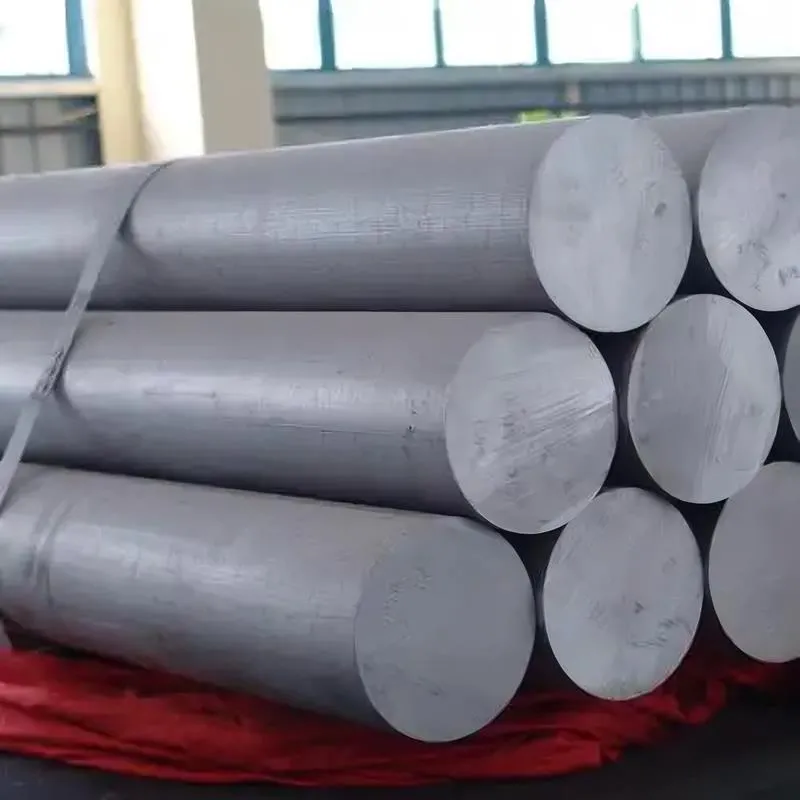
AISI 8660 Steel Rod/Bar
Product Code : STI-CSTI-453-CU
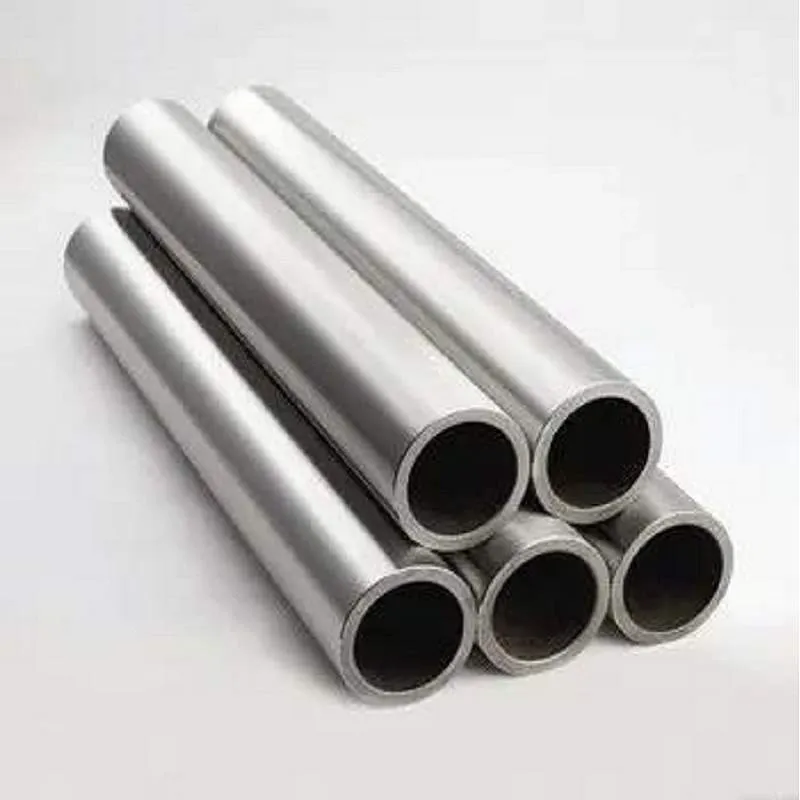
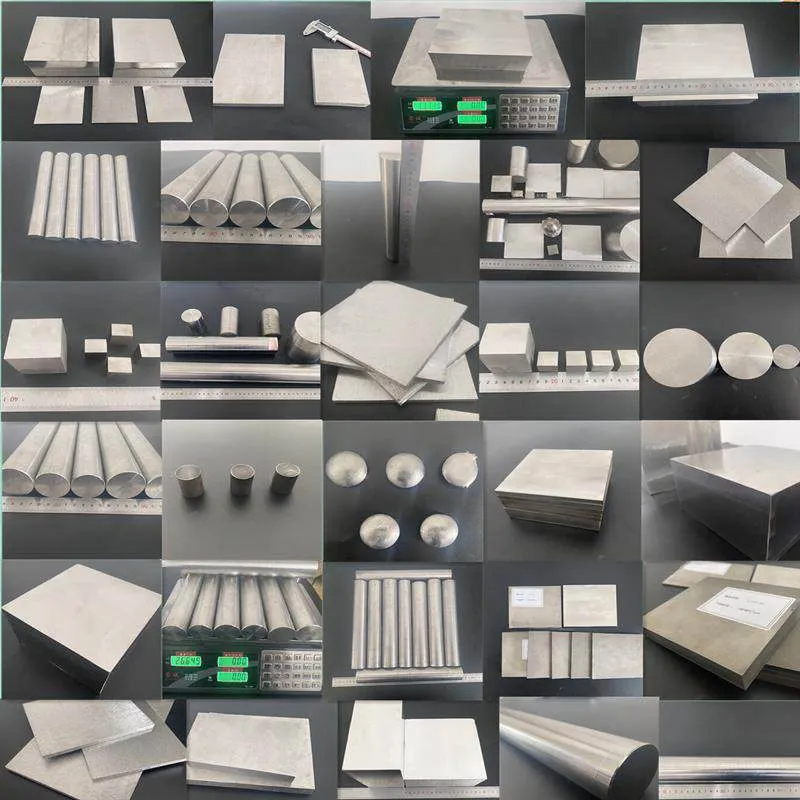
We provide AISI 8660 Steel Rod/Bar, quenched 800°C (1470°F), 425°C (800°F) temper is available in Bar (Round bar, Flat bar), Ribbon, Wire, Rod/Bars, Tube,Seamless Tube,Pipe, Ingots, Plate, Sheet, Strip and Forging Stock.,Purity, chemical composition, size, etc. can all be customized to meet specific requirements.
Please contact us if you need customized services. We will contact you with the price and availability in 24 hours.
AISI 8660 Steel Rod, quenched 800°C (1470°F), 425°C (800°F) temper Product Information
-:-
For detailed product information, please contact sales.
-:
AISI 8660 Steel Rod, quenched 800°C (1470°F), 425°C (800°F) temper Synonyms
-:-
For detailed product information, please contact sales.
-:
AISI 8660 Steel, quenched 800°C (1470°F), 425°C (800°F) temper Product Information
-:-
For detailed product information, please contact sales.
-:
### **Product Datasheet: AISI 8660 Steel, Quenched & Tempered Condition**
---
#### **1. Product & Heat Treatment Overview**
This specification defines **AISI 8660 alloy steel** that has undergone a specific **final heat treatment cycle**: **quenching from 800°C (1470°F)** followed by **tempering at 425°C (800°F)**. This treatment produces a finished component with a **high-strength, high-toughness tempered martensitic microstructure**. AISI 8660 is a **medium-high carbon, nickel-chromium-molybdenum (Ni-Cr-Mo) steel** from the "86xx" series, renowned for its excellent hardenability, strength, and impact resistance. The specified quench and temper parameters are carefully chosen to achieve an optimal balance of these properties for demanding engineering applications.
#### **2. Material & Specific Heat Treatment Rationale**
- **Base Material (AISI 8660):** A versatile alloy steel with ~0.60% C, ~0.55% Ni, ~0.50% Cr, and ~0.20% Mo. This composition provides deep hardenability and the potential for high strength with good toughness.
- **Heat Treatment Cycle Significance:**
1. **Austenitizing/Quenching at 800°C (1470°F):** This temperature is at the **lower end of the standard austenitizing range** (typically 800-830°C). It is chosen to:
- Ensure complete austenitization with **minimal grain growth**, promoting a finer prior austenite grain size.
- Retain a **controlled amount of undissolved carbides**, which can enhance wear resistance.
- Potentially reduce quenching stresses and distortion compared to higher temperatures.
- Following this, **oil quenching** transforms the austenite to martensite, providing high hardness and strength.
2. **Tempering at 425°C (800°F):** This is a **medium-high tempering temperature** within the **secondary hardening range** for Mo-containing steels.
- It effectively relieves quenching stresses.
- Promotes the precipitation of fine alloy carbides (especially Mo₂C), which can lead to **secondary hardening**, maintaining high strength while developing excellent toughness.
- The molybdenum content is key here, as it **significantly reduces the risk of temper embrittlement** at this temperature, allowing the steel to achieve a superior toughness-strength balance.
#### **3. International Standard & Specifications**
- **Material Standard:** **SAE J404** (Chemical Compositions of SAE Alloy Steels) / **AISI 8660**
- **Heat Treatment Reference:** While specific temperatures are proprietary, this cycle follows principles outlined in standards like **ASTM A29/A29M** for heat-treated bars and is typical for achieving high-strength grades.
- **UNS Designation:** **G86600**
- **Common Procurement Spec:** Components would be ordered to a drawing or specification calling out "AISI 8660, Q&T to [Hardness/Strength], Quench: 800°C, Temper: 425°C".
- **"H" Grade Variant:** **8660H** (ASTM A304) might be used as the raw material to ensure hardenability consistency prior to this final treatment.
#### **4. Chemical Composition (% by Weight, per SAE J404)**
| Element | Content Range (%) | Role in this Heat Treatment |
| :--- | :--- | :--- |
| **Carbon (C)** | **0.56 – 0.64** | Provides high martensitic hardness after quenching; tempered carbides contribute to strength. |
| **Manganese (Mn)** | **0.75 – 1.00** | Enhances hardenability for full martensite formation upon quenching. |
| **Phosphorus (P)** | **≤ 0.035** | Impurity; kept low. |
| **Sulfur (S)** | **≤ 0.040** | Impurity; kept low. |
| **Silicon (Si)** | **0.15 – 0.30** | Deoxidizer; provides solid solution strengthening. |
| **Nickel (Ni)** | **0.40 – 0.70** | **Key for toughness.** Improves impact resistance of the tempered martensite. |
| **Chromium (Cr)** | **0.40 – 0.60** | Increases hardenability and wear resistance; forms stable carbides. |
| **Molybdenum (Mo)** | **0.15 – 0.25** | **Critical for this temper.** Enhances hardenability, refines grain, and enables tempering at 425°C without embrittlement, promoting secondary hardening. |
| **Iron (Fe)** | **Balance** | Base metal. |
#### **5. Resulting Microstructure & Mechanical Properties**
**A. Microstructural Outcome:**
- **Primary Structure:** **Tempered Martensite** with a fine dispersion of alloy carbides.
- **Carbides:** Fine precipitates of Mo₂C, Cr₇C₃, and Fe₃C contributing to strength via secondary hardening.
- **Grain Structure:** Fine, due to the controlled lower austenitizing temperature.
**B. Typical Achieved Mechanical Properties:**
*(For a moderately sized section, e.g., 25-50mm round, properly quenched & tempered)*
- **Hardness:** **38 – 44 HRC** (Approx. **363 – 429 HBW**)
- **Tensile Strength:** **1200 – 1400 MPa** (174 – 203 ksi)
- **Yield Strength (0.2% Offset):** **1050 – 1250 MPa** (152 – 181 ksi)
- **Elongation in 50mm:** **12% – 16%**
- **Reduction of Area:** **45% – 55%**
- **Impact Toughness (Charpy V-notch):** **40 – 70 J** (30 – 52 ft-lb) at room temperature. **This is the key advantage** – high strength coupled with good impact resistance.
#### **6. Key Characteristics of this Condition**
- **Optimized Strength-Toughness Balance:** This specific treatment aims to maximize toughness at a high strength level, making it suitable for components subject to shock or impact loading.
- **Good Wear Resistance:** The combination of hardness and fine carbide dispersion provides respectable wear resistance for many applications.
- **Dimensional Stability:** The medium-high tempering temperature effectively relieves quenching stresses, resulting in good dimensional stability for precision components.
- **Fatigue Resistance:** The fine tempered martensitic structure typically offers excellent fatigue strength, suitable for cyclic loading applications.
#### **7. Typical Applications**
Components heat-treated to this specification are used in high-stress, dynamic applications:
- **Heavy-Duty Gearing:** **Transmission gears**, **heavy vehicle differential gears**, and **industrial gearbox pinions** requiring high tooth strength and resistance to impact.
- **High-Strength Shafts:** **Crankshafts**, **propeller shafts**, and **high-torque drive shafts** for trucks, off-road, and industrial machinery.
- **Oil & Gas Equipment:** **Drill string components**, **tool joints**, and **valve stems** subject to high tensile and torsional loads.
- **Forged Components:** **Connecting rods**, **forklift tines**, and **earth-moving equipment linkage**.
- **Defense Applications:** **Track components**, **suspension parts**, and other armored vehicle components.
#### **8. Comparison with Other Tempers (AISI 8660)**
| Temper Temperature | Typical Hardness (HRC) | Key Property Emphasis | Best For |
| :--- | :--- | :--- | :--- |
| **200°C (400°F)** | 48-54 | Maximum Hardness & Wear Resistance | Wear surfaces, cutting edges. |
| **425°C (800°F)** | **38-44** | **Optimum Strength-Toughness Balance** | **High-stress, shock-loaded components.** |
| **540°C (1000°F)** | 32-38 | High Toughness & Ductility | Very high impact applications, larger sections. |
#### **9. Ordering & Further Notes**
- **Ordering Specification:** Finished parts are specified per engineering drawing: "Material: AISI 8660, Heat Treated: Quench 800°C / Oil, Temper 425°C. Final Hardness: 40-42 HRC."
- **Raw Material:** For consistent results, especially in larger sections, the raw material should be **AISI 8660H** (to ASTM A304) to guarantee hardenability.
- **Post-Processing:** This is a **final service condition**. Further machining should be minimal (light grinding) as the material is hard. Welding is **not recommended** and would require complete re-heat treatment.
---
**Disclaimer:** The achieved properties are **highly dependent on section size** due to hardenability limitations. The values listed are typical for sections that can be fully hardened (e.g., up to ~50-75mm diameter in oil). For larger sections, core properties will be lower. The specified temperatures must be strictly controlled, and the actual as-quenched microstructure should be verified. This is a performance specification for final parts, not a procurement spec for raw material.
-:-
For detailed product information, please contact sales.
-:
AISI 8660 Steel, quenched 800°C (1470°F), 425°C (800°F) temper Specification
Dimensions
Size:
Diameter 20-1000 mm Length <5185 mm
Size:We can customized as required
Standard:
Per your request or drawing
We can customized as required
Properties(Theoretical)
Chemical Composition
-:-
For detailed product information, please contact sales.
-:
AISI 8660 Steel, quenched 800°C (1470°F), 425°C (800°F) temper Properties
-:-
For detailed product information, please contact sales.
-:
Applications of AISI 8660 Steel Rod, quenched 800°C (1470°F), 425°C (800°F) temper
-:-
For detailed product information, please contact sales.
-:
Chemical Identifiers AISI 8660 Steel Rod, quenched 800°C (1470°F), 425°C (800°F) temper
-:-
For detailed product information, please contact sales.
-:
Packing of AISI 8660 Steel Rod, quenched 800°C (1470°F), 425°C (800°F) temper
-:-
For detailed product information, please contact sales.
-:
Standard Packing:
-:-
For detailed product information, please contact sales.
-:
Typical bulk packaging includes palletized plastic 5 gallon/25 kg. pails, fiber and Steel Rod drums to 1 ton super sacks in full container (FCL) or truck load (T/L) quantities. Research and sample quantities and hygroscopic, oxidizing or other air sensitive materials may be packaged under argon or vacuum. Solutions are packaged in polypropylene, plastic or glass jars up to palletized 1656 gallon liquid totes Special package is available on request. E FORUs’ is carefully handled to minimize damage during storage and transportation and to preserve the quality of our products in their original condition