AISI 86B30H Steel, annealed
Product Code : STI-CSTI-1601-CU
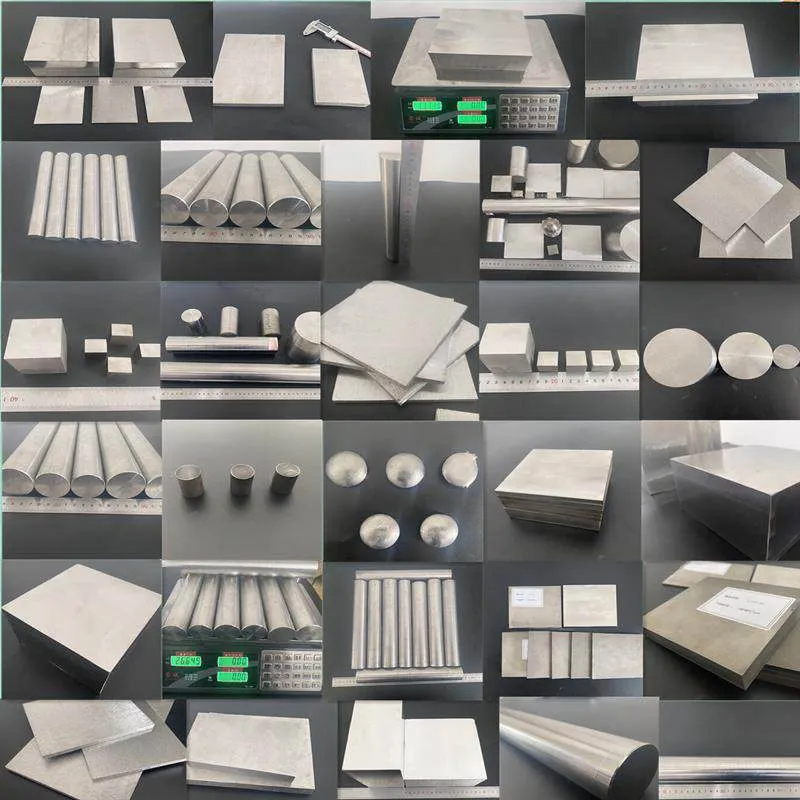
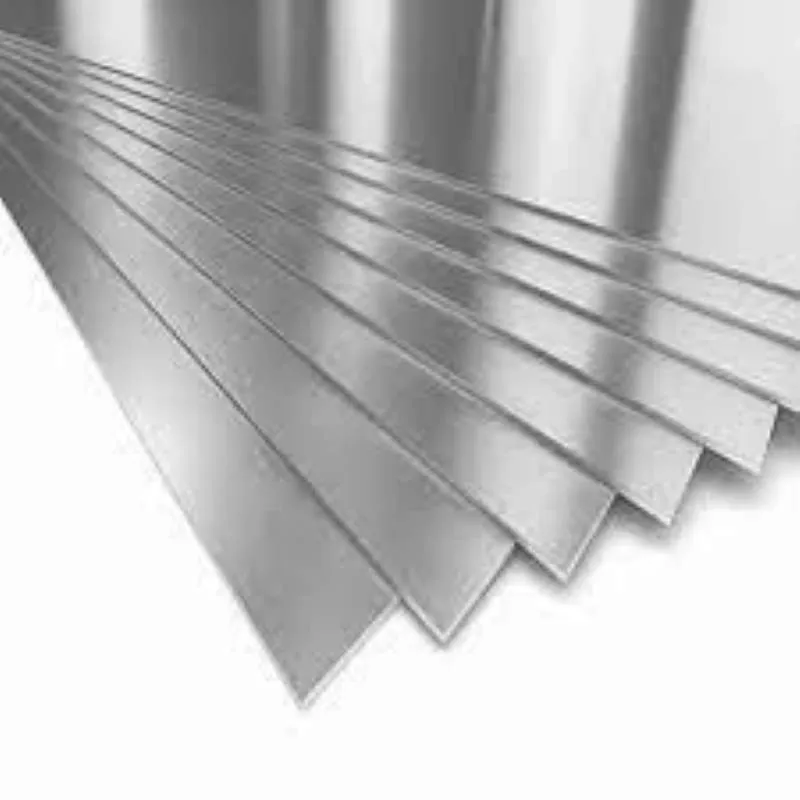
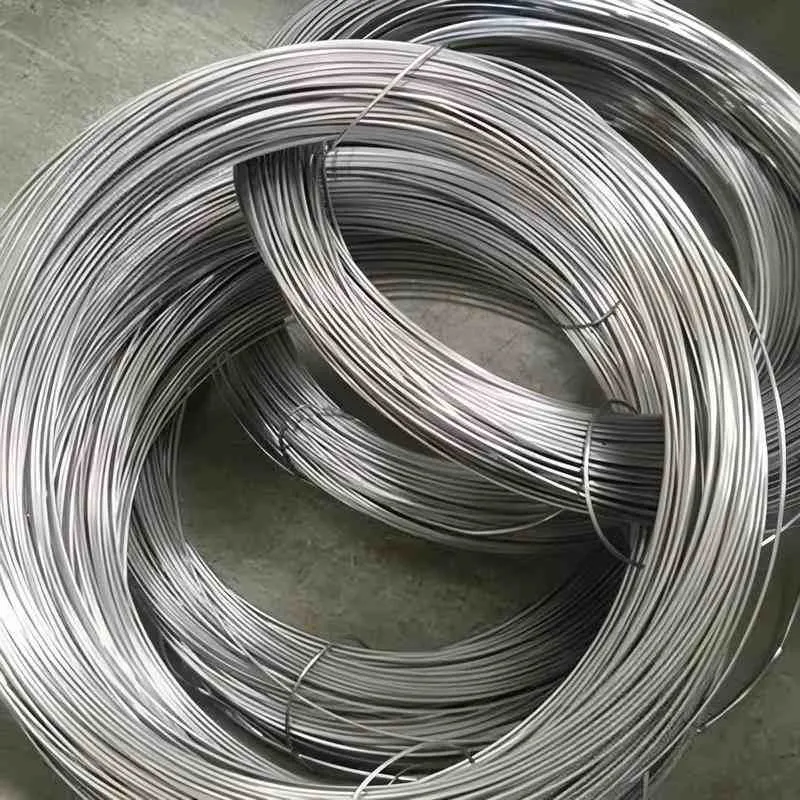
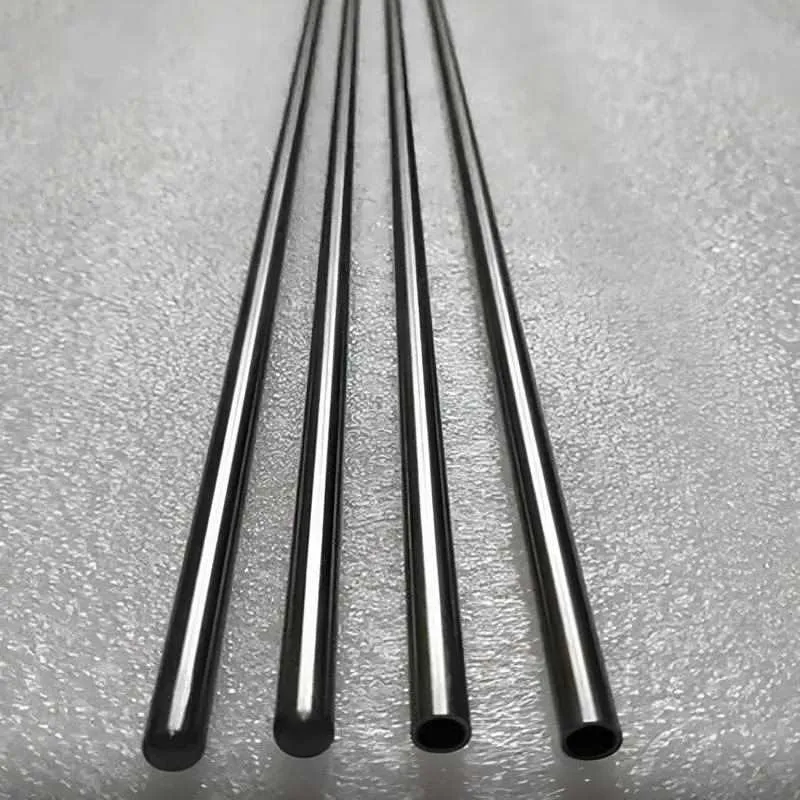
We provide AISI 86B30H Steel, annealed is available in Bar (Round bar, Flat bar), Ribbon, Wire, Rods, Tube,Seamless Tube,Pipe, Ingots, Plate, Sheet, Strip and Forging Stock.,Purity, chemical composition, size, etc. can all be customized to meet specific requirements.
Please contact us if you need customized services. We will contact you with the price and availability in 24 hours.
AISI 86B30H Steel, annealed Product Information
-:-
For detailed product information, please contact sales.
-:
AISI 86B30H Steel, annealed Synonyms
-:-
For detailed product information, please contact sales.
-:
AISI 86B30H Steel, annealed Product Information
-:-
For detailed product information, please contact sales.
-:
### **Product Introduction: AISI 86B30H Steel, Annealed Condition**
AISI 86B30H is a **boron-modified, hardenability-controlled** low-alloy steel belonging to the nickel-chromium-molybdenum family. The "B" designation indicates intentional boron addition, while the "H" suffix guarantees specific end-quench hardenability band requirements. Supplied in the **annealed condition**, this material represents the optimal starting state for machining and forming operations, offering maximum softness, uniform microstructure, and predictable hardenability. This condition is specifically engineered to provide manufacturers with a cost-effective, highly machinable raw material that will deliver consistent, high-performance results after final heat treatment.
---
### **1. Chemical Composition (Typical Weight %, AISI/SAE Standard)**
The chemistry combines standard Ni-Cr-Mo alloying with precise boron control for enhanced hardenability.
| Element | Content Range | Primary Function |
|---------|---------------|------------------|
| Carbon (C) | 0.28 - 0.33 | Provides base hardenability and strength potential |
| Manganese (Mn) | 0.70 - 0.90 | Enhances hardenability and deoxidizes melt |
| Phosphorus (P) | ≤ 0.035 | Residual impurity (minimized) |
| Sulfur (S) | ≤ 0.040 | Residual impurity (minimized) |
| Silicon (Si) | 0.20 - 0.35 | Deoxidizer, strengthens ferrite matrix |
| Nickel (Ni) | 0.40 - 0.70 | Improves toughness and hardenability |
| Chromium (Cr) | 0.40 - 0.60 | Enhances hardenability and corrosion resistance |
| Molybdenum (Mo) | 0.15 - 0.25 | Increases hardenability and tempering resistance |
| **Boron (B)** | **0.0005 - 0.003** | **Powerful hardenability multiplier (key element)** |
**Critical Technical Note:** Boron content is precisely controlled within a narrow effective range (typically 0.0010-0.0020%). Excess boron can form detrimental borocarbides, while insufficient boron fails to achieve the desired hardenability enhancement. The "H" designation ensures the steel consistently meets specific Jominy hardenability bands despite permissible chemical variations.
---
### **2. Physical & Mechanical Properties (Annealed Condition)**
Annealing produces a coarse, soft ferrite-pearlite structure optimized for machining.
#### **Mechanical Properties**
- **Hardness:** **149 - 179 HBW** (Brinell) / **85-95 HRB**
- **Tensile Strength:** **515 - 655 MPa** (75 - 95 ksi)
- **Yield Strength (0.2% Offset):** **345 - 485 MPa** (50 - 70 ksi)
- **Elongation (in 50 mm):** **25 - 32%**
- **Reduction of Area:** **55 - 65%**
- **Impact Toughness (Charpy V-Notch):** **68 - 95 J** (50 - 70 ft-lb) at room temperature
- **Machinability Rating:** **70-75%** of 1% carbon steel (1212 standard)
- **Guaranteed Hardenability:** Meets specified SAE J1268 band requirements
#### **Physical Properties**
- **Density:** **7.85 g/cm³** (0.284 lb/in³)
- **Modulus of Elasticity:** **200 GPa** (29,000 ksi)
- **Poisson's Ratio:** 0.29
- **Thermal Conductivity:** **42.0 W/m·K** (at 100°C)
- **Thermal Expansion Coefficient:** **11.5 µm/m·°C** (20-100°C)
- **Specific Heat Capacity:** **460 J/kg·K**
- **Magnetic Properties:** Ferromagnetic
#### **Microstructural Characteristics**
- **Structure:** Coarse lamellar pearlite in ferrite matrix
- **Grain Size:** ASTM 5-7 (coarse due to slow cooling)
- **Boron Distribution:** Primarily at prior austenite grain boundaries
- **Carbide Morphology:** Lamellar cementite in pearlite colonies
---
### **3. Key Features & Advantages**
#### **Exceptional Machinability**
- Lowest achievable hardness for this alloy system
- Uniform microstructure ensures consistent tool life
- Excellent chip formation characteristics
- Reduced power consumption during machining
#### **Guaranteed Hardenability Consistency**
- "H" designation provides predictable hardening response
- Boron ensures flatter Jominy curve than non-boron equivalents
- Consistent case depth control in final heat treatment
- Batch-to-batch reproducibility in production environments
#### **Cost-Effective Performance**
- Boron provides hardenability equivalent to 0.30-0.50% additional Cr or Mo
- 10-20% cost advantage over higher-alloy alternatives (e.g., 4340H)
- Reduced machining costs due to annealed softness
#### **Superior Forming Characteristics**
- High elongation permits significant cold forming
- Minimal springback in bending operations
- Good weldability with proper procedures (preheat required)
#### **Ideal Heat Treatment Base**
- Uniform structure ensures consistent response to carburizing
- Minimal distortion during final hardening
- Predictable dimensional changes
---
### **4. Primary Applications**
#### **Automotive Components (Pre-Machining State)**
- **Transmission gear blanks** for passenger and commercial vehicles
- **Differential case and ring gear** precursors
- **Axle shaft forgings** requiring extensive machining
- **Steering component** blanks
#### **Industrial Machinery Parts**
- **Large gear blanks** for industrial drives
- **Sprocket and chain wheel** precursors
- **Heavy-duty fastener** stock material
- **Hydraulic component** blanks (pistons, cylinders)
#### **Energy Sector Components**
- **Gear blanks for wind turbine** gearboxes
- **Valve body and stem** stock material
- **Pump component** forgings
- **Drilling equipment** parts requiring machining
#### **General Engineering**
- **Tool and die** components requiring heat treatment
- **Machine tool** elements (slides, brackets, bases)
- **Agricultural equipment** gear blanks
- **Material handling** component stock
---
### **5. Relevant International Standards & Specifications**
#### **North American Standards**
- **ASTM A304**: Standard Specification for Steel Bars Subject to End-Quench Hardenability Requirements
- **SAE J1268**: Hardenability Bands for H-Steels
- **SAE J770**: Boron H Steels - Chemical Compositions and Requirements
- **ASTM A29/A29M**: Standard Specification for Steel Bars, General Requirements
- **AMS 2300/2301**: Steel Cleanliness Requirements (Aerospace)
- **UNS Designation**: **G86301H**
#### **European Equivalents**
- **DIN EN 10083-3**: 34CrNiMo6 with boron addition (special quality)
- **EN 10250-3**: Open die forgings - Boron treated alloy steels
- **Note**: European standards typically specify boron treatment separately rather than using "B" designation
#### **International Standards**
- **ISO 683-18**: Heat-treatable steels - Part 18: Bright products of alloy steels
- **JIS G 4103**: SNCM630 with boron addition (special order)
- **GB/T 3077**: 30CrNi2MoB (Chinese equivalent)
- **ISO 4954**: Boron-treated steels for quenching and tempering
#### **Industry-Specific Specifications**
- **API 6A**: Wellhead and Christmas tree equipment
- **ABS Grade 3H**: Marine shafting applications
- **AAR M-126**: Railway component specifications
- **AGMA 2001**: Gear material specifications
---
### **6. Annealing Process & Microstructure Control**
#### **Standard Annealing Cycle**
1. **Heating Rate:** 100-150°C/hour to austenitizing temperature
2. **Austenitizing:** 830-850°C (1525-1560°F) for 1-2 hours/inch
3. **Furnace Cooling:** 10-20°C/hour to 500°C (930°F)
4. **Air Cooling:** To room temperature
5. **Total Cycle Time:** 12-24 hours depending on section size
#### **Alternative: Spheroidize Annealing**
- **Temperature:** 680-700°C (1255-1290°F) for extended periods
- **Result:** Globular carbides for optimal machinability
- **Hardness:** 150-165 HBW (slightly lower than full annealing)
#### **Microstructure Quality Criteria**
- **Pearlite Colony Size:** 50-100 microns
- **Ferrite Grain Size:** ASTM 5-7
- **Carbide Distribution:** Uniform, no carbide networks
- **Boron Segregation:** No visible borocarbides at 500x magnification
---
### **7. Machining & Processing Guidelines**
#### **Turning Operations**
- **Cutting Speed:** 120-180 m/min for carbide tools
- **Feed Rate:** 0.20-0.35 mm/rev for roughing, 0.10-0.15 mm/rev for finishing
- **Depth of Cut:** Up to 5mm for roughing, 0.5-1.0mm for finishing
- **Tool Geometry:** Positive rake angles (7-10°) recommended
#### **Milling Operations**
- **Cutting Speed:** 80-120 m/min
- **Feed per Tooth:** 0.10-0.20 mm
- **Cutter Type:** Carbide end mills with helix angle >30°
- **Coolant:** Emulsion or synthetic coolant for chip evacuation
#### **Drilling & Tapping**
- **Drill Speed:** 20-30 m/min for HSS drills
- **Peck Drilling:** Recommended for holes >3x diameter
- **Tap Drill Size:** 85-90% of nominal thread diameter
- **Tapping Speed:** 5-10 m/min with lubricant
#### **Forming Operations**
- **Bending Radius:** Minimum 2x thickness for 90° bends
- **Punching Clearance:** 10-15% of material thickness
- **Drawing Ratio:** Up to 2.0 for simple shapes
- **Annealing Between Operations:** Recommended for severe deformation
---
### **8. Quality Control & Testing**
#### **Mandatory Testing Requirements**
1. **Chemical Analysis:** Complete melt analysis including boron
2. **Hardenability Test:** Jominy end-quench per ASTM A255
3. **Mechanical Testing:** Tensile test per ASTM A370
4. **Hardness Testing:** Brinell or Rockwell B scale
5. **Macro-Etch Test:** For internal quality assessment
#### **Additional Recommended Tests**
- **Microcleanliness Rating:** Per ASTM E45 (for critical applications)
- **Grain Size Determination:** Per ASTM E112
- **Boron Distribution Analysis:** Electron microprobe or SIMS
- **Non-Destructive Testing:** Ultrasonic testing for internal defects
#### **Acceptance Criteria**
- **Hardness:** Must fall within 149-179 HBW range
- **Hardenability:** Must meet specified SAE J1268 band
- **Microstructure:** No abnormal grain growth or carbide networks
- **Surface Quality:** Free from seams, cracks, and excessive decarburization
---
### **9. Comparison with Non-Boron Annealed Grades**
| Property | 86B30H Annealed | 8630H Annealed | 4340H Annealed |
|----------|-----------------|-----------------|----------------|
| **Hardness (HBW)** | 149-179 | 156-187 | 197-229 |
| **Machinability Rating** | 70-75% | 65-70% | 55-60% |
| **Hardenability (Jominy D₉)** | 8-12 mm | 6-9 mm | 10-15 mm |
| **Material Cost Index** | 85-90 | 100 | 120-130 |
| **Typical Applications** | Cost-sensitive, heavy sections | General purpose | High-performance, smaller sections |
---
### **10. Technical Considerations for Users**
#### **Heat Treatment Planning**
- **Carburizing Response:** Excellent due to boron-enhanced hardenability
- **Core Hardness:** Higher than non-boron grades at same carbon level
- **Distortion Control:** Predictable due to uniform annealed structure
- **Case Depth Consistency:** Excellent batch-to-batch reproducibility
#### **Manufacturing Economics**
- **Material Savings:** 10-20% versus higher-alloy alternatives
- **Machining Cost Reduction:** 15-25% versus normalized condition
- **Tool Life Improvement:** 20-30% versus harder conditions
- **Scrap Rate Reduction:** Predictable hardenability minimizes heat treatment rejects
#### **Design Considerations**
- **Section Size Limitations:** Effective for sections up to 150mm diameter
- **Feature Design:** Sharp corners should have minimum 2mm radius
- **Tolerance Planning:** Allow for 0.1-0.2% shrinkage during final hardening
- **Surface Finish Requirements:** Can achieve 0.8µm Ra with proper machining
---
### **Technical Conclusion**
**AISI 86B30H steel in the annealed condition represents an optimal balance of manufacturability, performance potential, and economic efficiency.** This material provides:
1. **Superior Machining Characteristics:** The softest possible condition for this alloy system enables high-speed machining with extended tool life
2. **Guaranteed Performance Consistency:** The "H" designation ensures predictable hardenability, while boron addition provides enhanced through-hardening capability
3. **Significant Cost Advantages:** Achieves performance comparable to more expensive alloys at 10-20% lower material cost
This condition is ideally suited for:
- **High-volume production** where machining costs significantly impact overall economics
- **Complex components** requiring extensive machining before heat treatment
- **Applications demanding consistent case depth** in final hardened state
- **Cost-sensitive projects** requiring premium mechanical properties
The boron modification, while subtle in chemical composition (0.001-0.002%), profoundly impacts the material's economic and technical value proposition. When specified for appropriate applications and processed with understanding of boron steel characteristics, annealed 86B30H delivers exceptional value in automotive, industrial, and general engineering applications where both manufacturing efficiency and final performance are critical success factors.
**Final Recommendation:** Specify 86B30H annealed when designing components that will undergo significant machining operations and require consistent, predictable hardening response in final heat treatment. The material provides an optimal starting point for cost-effective production of high-performance mechanical components.
-:-
For detailed product information, please contact sales.
-:
AISI 86B30H Steel, annealed Specification
Dimensions
Size:
Diameter 20-1000 mm Length <6333 mm
Size:We can customized as required
Standard:
Per your request or drawing
We can customized as required
Properties(Theoretical)
Chemical Composition
-:-
For detailed product information, please contact sales.
-:
AISI 86B30H Steel, annealed Properties
-:-
For detailed product information, please contact sales.
-:
Applications of AISI 86B30H Steel, annealed
-:-
For detailed product information, please contact sales.
-:
Chemical Identifiers AISI 86B30H Steel, annealed
-:-
For detailed product information, please contact sales.
-:
Packing of AISI 86B30H Steel, annealed
-:-
For detailed product information, please contact sales.
-:
Standard Packing:
-:-
For detailed product information, please contact sales.
-:
Typical bulk packaging includes palletized plastic 5 gallon/25 kg. pails, fiber and steel drums to 1 ton super sacks in full container (FCL) or truck load (T/L) quantities. Research and sample quantities and hygroscopic, oxidizing or other air sensitive materials may be packaged under argon or vacuum. Solutions are packaged in polypropylene, plastic or glass jars up to palletized 2804 gallon liquid totes Special package is available on request. E FORUs’ is carefully handled to minimize damage during storage and transportation and to preserve the quality of our products in their original condition