AISI 86B50 Steel, normalized
Product Code : STI-CSTI-1644-CU
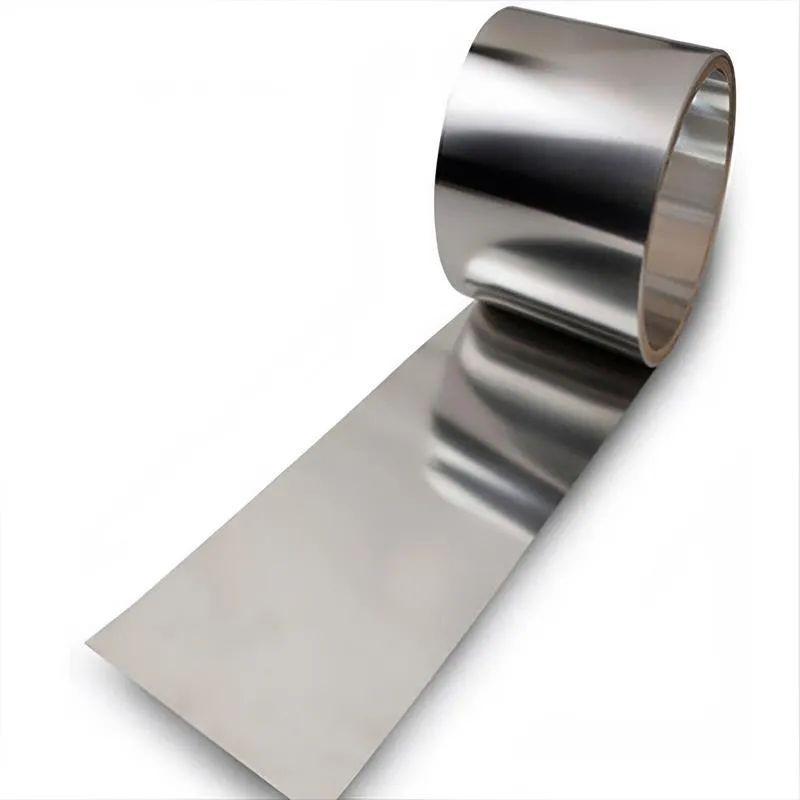
We provide AISI 86B50 Steel, normalized is available in Bar (Round bar, Flat bar), Ribbon, Wire, Rods, Tube,Seamless Tube,Pipe, Ingots, Plate, Sheet, Strip and Forging Stock.,Purity, chemical composition, size, etc. can all be customized to meet specific requirements.
Please contact us if you need customized services. We will contact you with the price and availability in 24 hours.
AISI 86B50 Steel, normalized Product Information
-:-
For detailed product information, please contact sales.
-:
AISI 86B50 Steel, normalized Synonyms
-:-
For detailed product information, please contact sales.
-:
AISI 86B50 Steel, normalized Product Information
-:-
For detailed product information, please contact sales.
-:
**Product Overview: AISI 86B50 Steel (Normalized Condition)**
This document provides a technical introduction to AISI 86B50 alloy steel supplied in the **normalized** condition. This state offers a balanced combination of improved mechanical properties and good machinability, serving as an optimal pre-treatment for components that will undergo final machining and heat treatment. The boron (B) addition is a key feature, providing high hardenability cost-effectively.
**1. International Standard Designations**
* **AISI/SAE (USA):** 86B50 (The "B" denotes Boron treatment for enhanced hardenability)
* **ASTM (USA):** A304 (Standard for Carbon and Alloy Steel Bars Subject to End-Quench Hardenability Requirements)
* **UNS:** G86600
* **Common Delivery Specification:** ASTM A29/A29M (General Requirements for Steel Bars) in the normalized condition.
* **Note:** This is a distinct, boron-treated grade. Its hardenability is superior to its non-boron counterpart (AISI 8650).
* **Similar/Equivalent Standards:** Direct equivalents are uncommon due to the specific boron addition. It is functionally comparable to other boron-hardened alloy steels, such as certain **DIN** designations (e.g., materials within the 38B2 or 37CrB4 families, but with added Ni and Cr).
**2. Chemical Composition (Weight %)**
The composition is engineered for high hardenability with lean alloying, centered on the potent effect of boron.
| Element | Content (%) | Primary Function |
| :--- | :--- | :--- |
| **Carbon (C)** | 0.48 - 0.53 | Provides core strength and hardness potential. |
| **Manganese (Mn)** | 0.75 - 1.00 | Enhances strength and hardenability. |
| **Silicon (Si)** | 0.15 - 0.35 | Deoxidizer, increases strength. |
| **Chromium (Cr)** | 0.40 - 0.60 | Improves hardenability, wear, and corrosion resistance. |
| **Nickel (Ni)** | 0.40 - 0.70 | Increases toughness and hardenability. |
| **Molybdenum (Mo)** | 0.15 - 0.25 | Promotes deep hardening and temper resistance. |
| **Boron (B)** | 0.0005 - 0.003 | **A powerful hardenability enhancer**; allows for efficient alloy design. |
| **Phosphorus (P)** | ≤ 0.025 | Impurity, kept low for toughness. |
| **Sulfur (S)** | ≤ 0.025 | Impurity, affects machinability. |
| **Iron (Fe)** | Balance | - |
**3. Heat Treatment: Normalizing**
* **Process:** The steel is uniformly heated to approximately **870-900°C (1600-1650°F)**, held to achieve full austenitization, and then **cooled in still air**. This temperature range refines the grain structure uniformly.
* **Purpose:** To produce a finer, more uniform microstructure compared to the as-rolled or annealed state. This process relieves internal stresses, improves mechanical homogeneity, enhances toughness, and refines the grain size for better response to subsequent heat treatment (quenching and tempering).
**4. Resulting Physical & Mechanical Properties (Typical for Normalized Condition)**
*Note: These are intermediate properties. Final service performance is achieved after quenching and tempering.*
* **Microstructure:** Fine-grained mixture of ferrite and pearlite.
* **Tensile Strength:** 600 - 750 MPa (87,000 - 109,000 psi)
* **Yield Strength (0.2% Offset):** 380 - 520 MPa (55,000 - 75,000 psi)
* **Elongation (in 50mm):** ≥ 18%
* **Reduction of Area:** ≥ 50%
* **Hardness:** 190 - 230 HBW (Approx. 90 - 100 HRB)
* **Impact Toughness:** Good, due to the refined grain structure.
**Physical Properties (Approximate at 20°C):**
* **Density:** 7.85 g/cm³
* **Modulus of Elasticity:** 205 GPa (29,700 ksi)
* **Poisson's Ratio:** 0.29
* **Thermal Conductivity:** ~42.0 W/m·K
* **Coefficient of Thermal Expansion:** 12.3 x 10⁻⁶/K (20-100°C)
**5. Product Advantages in the Normalized Condition**
* **Refined & Uniform Structure:** Ensures consistent and predictable machining behavior and final heat treatment response.
* **Optimal Machinability:** Offers a favorable balance of hardness and ductility for efficient machining, better than the as-rolled state and often more consistent than annealed for medium machining operations.
* **Enhanced Mechanical Baseline:** Provides higher strength and toughness than the annealed condition, which can be beneficial for handling and for components requiring some interim strength before final hardening.
* **Excellent Hardenability Foundation:** The boron addition ensures exceptional through-hardening potential during final heat treatment, allowing for uniform properties in larger cross-sections.
* **Stress Relief:** Reduces residual stresses from prior hot-working processes.
**6. Typical Applications (As-Supplied Normalized)**
Normalized 86B50 is used as premium machine bar stock or forgings for critical, high-strength components. Common end-uses include:
* **Blanks for Heavy-Duty Gears, Pinions, and Sprockets** (for automotive, mining, and power transmission)
* **High-Strength Shafts, Axles, and Drive Components**
* **Forged Pre-forms** for connecting rods, crankshafts, and other high-stress parts.
* **Components for Off-Highway and Agricultural Equipment**
* **Parts intended for subsequent case hardening** (e.g., carburizing) after machining.
**7. Available Form & Supply**
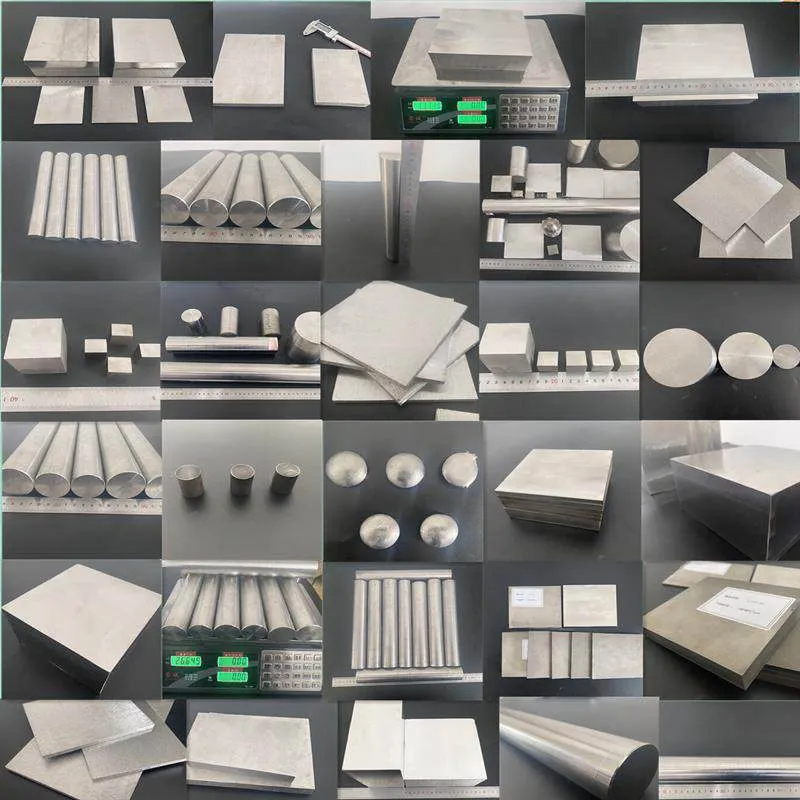
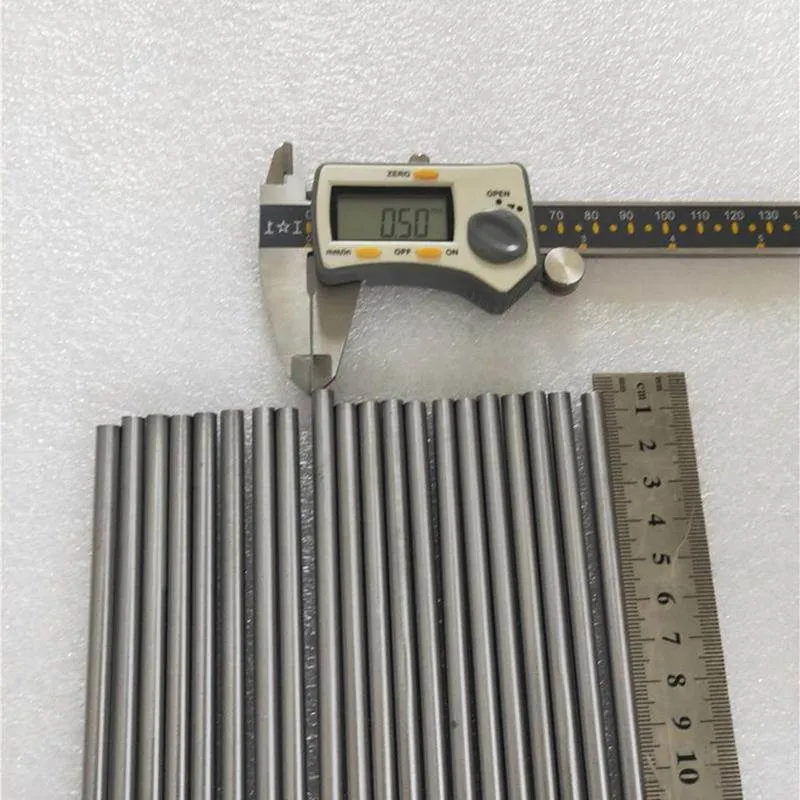
* **Form:** Typically supplied as hot-rolled or forged **Round Bars**. Also available in squares, flats, and as blanks.
* **Condition:** Supplied in the **Normalized** condition as per ASTM A29.
* **Surface:** Usually black (as-normalized) or descaled.
* **Sizes:** Available in a standard range of diameters for bar stock.
**Disclaimer:** The normalized condition is an intermediate processing stage. The material achieves its full service properties (high wear resistance, fatigue strength, etc.) only after final quenching and tempering. The boron-treated grade requires precise heat treatment control. All specifications, including hardenability band data from ASTM A304, must be confirmed with the material supplier for critical applications.
-:-
For detailed product information, please contact sales.
-:
AISI 86B50 Steel, normalized Specification
Dimensions
Size:
Diameter 20-1000 mm Length <6376 mm
Size:We can customized as required
Standard:
Per your request or drawing
We can customized as required
Properties(Theoretical)
Chemical Composition
-:-
For detailed product information, please contact sales.
-:
AISI 86B50 Steel, normalized Properties
-:-
For detailed product information, please contact sales.
-:
Applications of AISI 86B50 Steel, normalized
-:-
For detailed product information, please contact sales.
-:
Chemical Identifiers AISI 86B50 Steel, normalized
-:-
For detailed product information, please contact sales.
-:
Packing of AISI 86B50 Steel, normalized
-:-
For detailed product information, please contact sales.
-:
Standard Packing:
-:-
For detailed product information, please contact sales.
-:
Typical bulk packaging includes palletized plastic 5 gallon/25 kg. pails, fiber and steel drums to 1 ton super sacks in full container (FCL) or truck load (T/L) quantities. Research and sample quantities and hygroscopic, oxidizing or other air sensitive materials may be packaged under argon or vacuum. Solutions are packaged in polypropylene, plastic or glass jars up to palletized 2847 gallon liquid totes Special package is available on request. E FORUs’ is carefully handled to minimize damage during storage and transportation and to preserve the quality of our products in their original condition