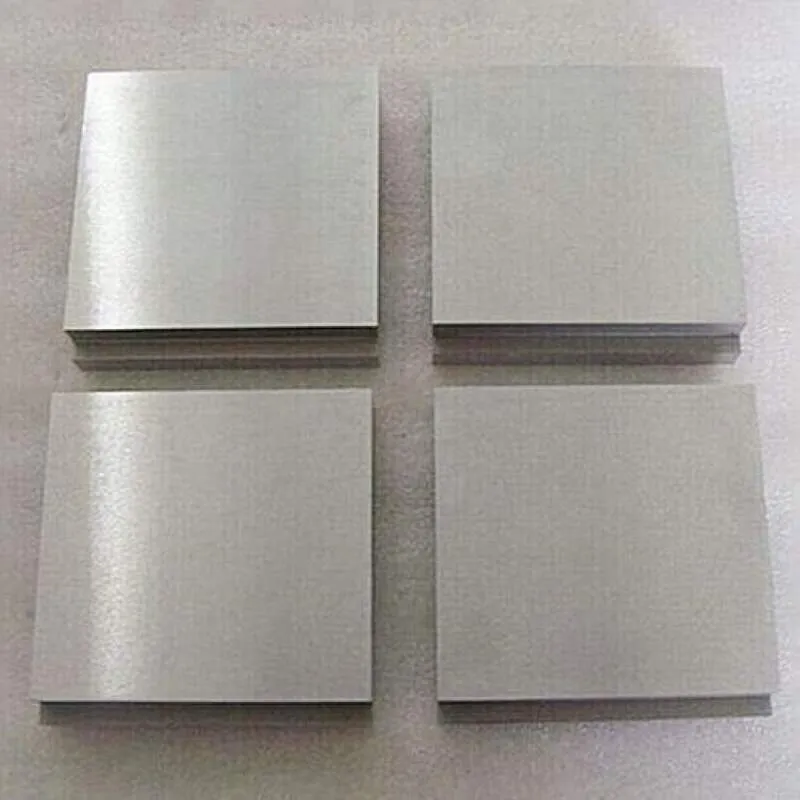
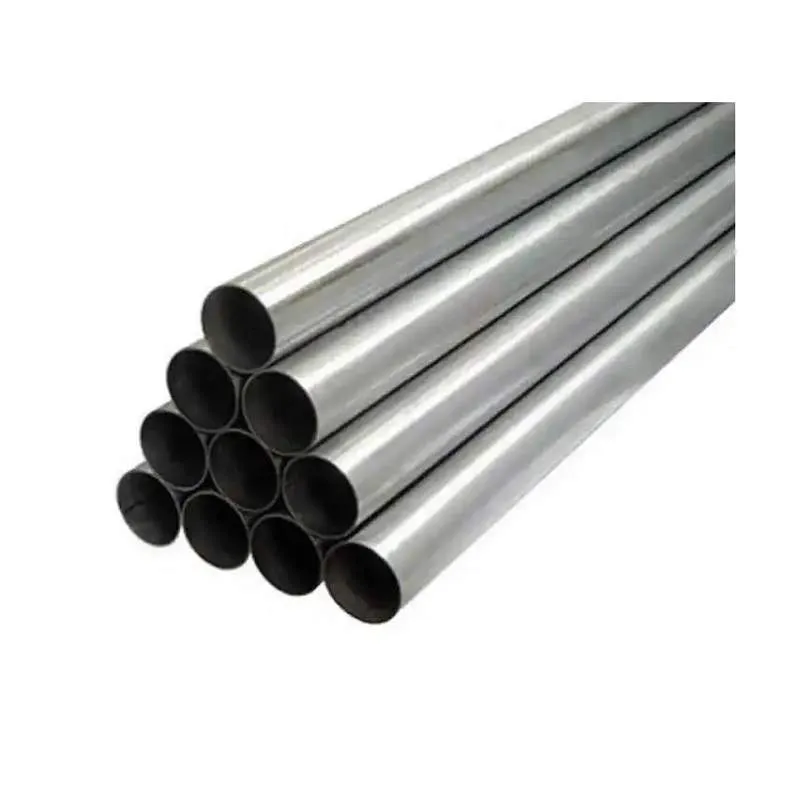
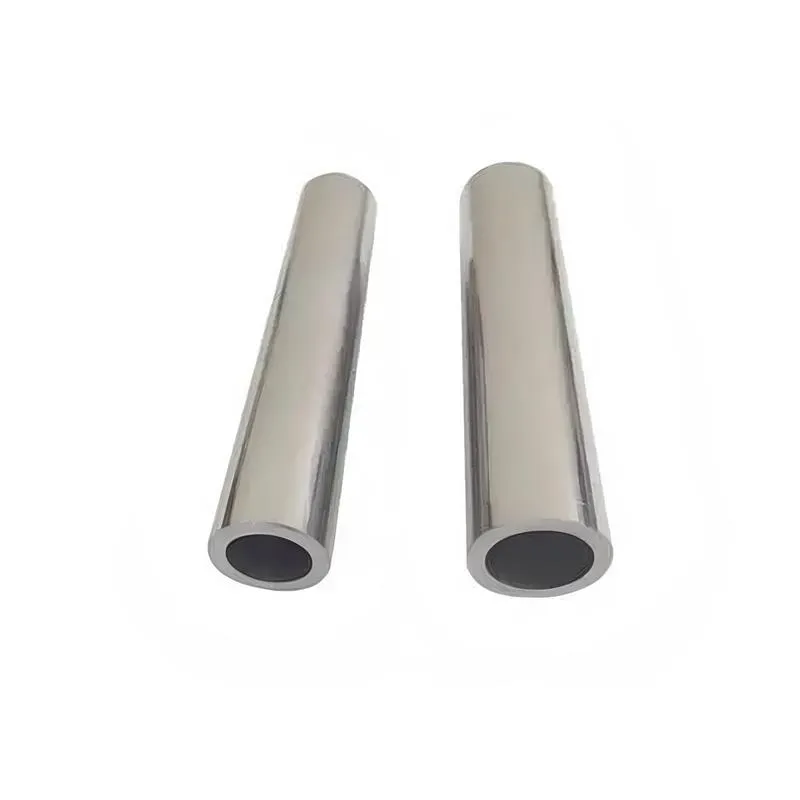
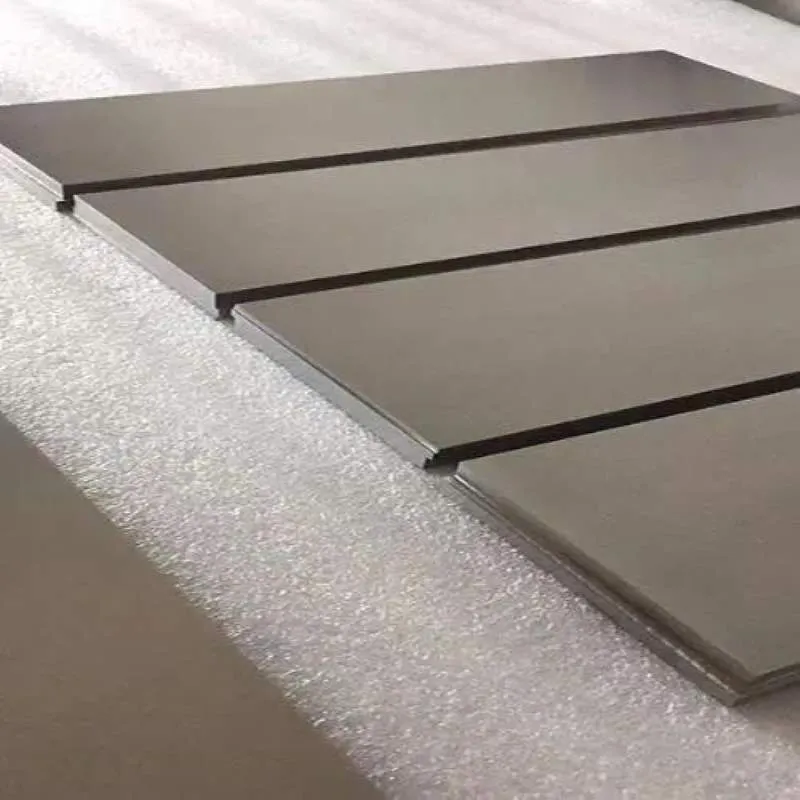
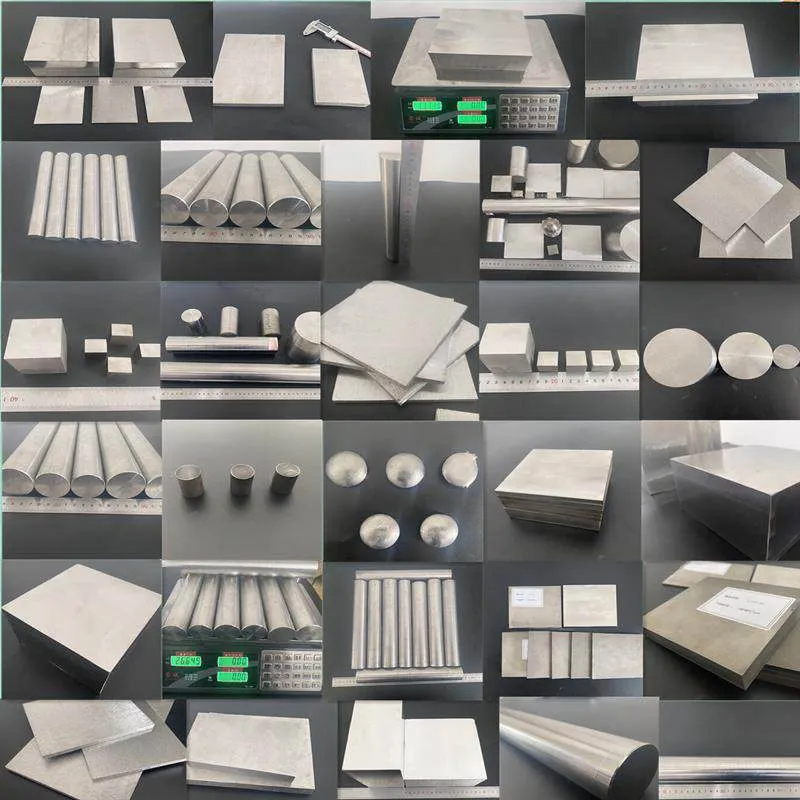
AISI 94B17 Steel Sheet,Plate
Product Code : STI-CSTI-1048-CU
We provide AISI 94B17 Steel Sheet/Plate is available in Bar (Round bar, Flat bar), Ribbon, Wire, Rods, Tube,Seamless Tube,Pipe, Ingots, Plate, Sheet/Plate, Strip and Forging Stock.,Purity, chemical composition, size, etc. can all be customized to meet specific requirements.
Please contact us if you need customized services. We will contact you with the price and availability in 24 hours.
AISI 94B17 Steel Sheet/Plate Product Information
-:-
For detailed product information, please contact sales.
-:
AISI 94B17 Steel Sheet/Plate Synonyms
-:-
For detailed product information, please contact sales.
-:
AISI 94B17 Steel Product Information
-:-
For detailed product information, please contact sales.
-:
# **Technical Datasheet: AISI 94B17 Steel**
## **1. PRODUCT OVERVIEW**
**AISI 94B17** is a **medium-carbon, boron-treated alloy steel** designed for applications requiring **good hardenability, strength, and toughness** at an economical cost. Belonging to the **94Bxx series**, this grade utilizes a precise addition of boron (B) to significantly enhance its hardenability without the need for large quantities of expensive alloying elements like nickel, chromium, or molybdenum. The "17" denotes a nominal carbon content of **0.17%**, positioning it between low-carbon case-hardening steels and medium-carbon through-hardening grades.
This steel is commonly supplied in the annealed or normalized condition for machining, followed by **quenching and tempering** to achieve high strength throughout its cross-section. It can also be **case hardened (carburized or carbonitrided)** for applications requiring a wear-resistant surface. Its balanced composition makes it a versatile and cost-effective choice for a wide range of medium-duty to heavy-duty components.
**Key Characteristics:**
- **Boron-Enhanced Hardenability:** Achieves deep and uniform hardening in oil, suitable for moderately sized sections.
- **Good Strength-to-Toughness Balance:** Offers a favorable combination of tensile strength and impact resistance after proper heat treatment.
- **Cost-Effective Performance:** Provides mechanical properties comparable to more highly alloyed steels at a lower material cost.
- **Good Machinability:** In the annealed condition, it allows for efficient machining and forming.
---
## **2. CHEMICAL COMPOSITION**
**Compliance:** SAE J404, ASTM A29
| Element | Minimum (%) | Maximum (%) | Typical (%) | Metallurgical Function |
| :--- | :---: | :---: | :---: | :--- |
| **Carbon (C)** | 0.14 | 0.20 | 0.17 | Provides core strength and hardenability; primary contributor to hardness after quenching. |
| **Manganese (Mn)** | 0.70 | 1.00 | 0.85 | Increases hardenability and strength; aids in deoxidation. |
| **Silicon (Si)** | 0.20 | 0.35 | 0.25 | A powerful deoxidizer; provides solid solution strengthening. |
| **Boron (B)** | 0.0005 | 0.0030 | 0.0015 | **Critical Hardenability Multiplier:** Drastically increases hardenability by segregating to austenite grain boundaries and delaying the formation of soft transformation products (ferrite, pearlite). |
| **Chromium (Cr)** | 0.35 | 0.65 | 0.50 | Enhances hardenability, wear resistance, and tempering resistance. |
| **Phosphorus (P)** | — | 0.035 | ≤ 0.025 | Residual element (impurity); controlled for embrittlement. |
| **Sulfur (S)** | — | 0.040 | ≤ 0.025 | Residual element; improves machinability when combined with manganese (forms MnS inclusions). |
| **Nickel (Ni)** | — | 0.25* | ≤ 0.20 | May be present as a residual from scrap. |
| **Molybdenum (Mo)** | — | 0.06* | ≤ 0.05 | May be present as a residual from scrap. |
| **Iron (Fe)** | Balance | — | Balance | Base metal. |
*\* Nickel and Molybdenum are not specified as required elements; their presence is residual and typically minimal.*
**Critical Metallurgical Note on Boron:**
The effectiveness of boron is highly sensitive to its chemical state. To ensure boron remains in its active, "free" form and does not combine with nitrogen (to form inert boron nitride, BN), the steel is often **"boron-protected."** This is achieved by adding small amounts of strong nitride-forming elements, typically **Titanium (Ti)** or **Zirconium (Zr)** (e.g., 0.02-0.04% Ti), which preferentially bond with nitrogen.
---
## **3. PHYSICAL & MECHANICAL PROPERTIES**
### **A. Physical Properties:**
- **Density:** 7.85 g/cm³ (0.284 lb/in³)
- **Modulus of Elasticity (Young's Modulus):** 205 GPa (29.7 x 10⁶ psi)
- **Poisson's Ratio:** 0.29
- **Thermal Conductivity:** ~46 W/m·K @ 100°C
- **Coefficient of Thermal Expansion:** 12.5 x 10⁻⁶/°C (20-300°C)
### **B. Mechanical Properties in Supply Condition (Annealed/Normalized):**
- **Hardness (Annealed):** 156-207 HB
- **Hardness (Normalized):** 187-229 HB
- **Machinability:** Good. Rated at approximately **65-70%** of a 1212 free-machining steel standard.
### **C. Typical Mechanical Properties After Quench & Temper (Through-Hardened):**
*Properties are highly dependent on section size and tempering temperature.*
| Tempering Temperature | Tensile Strength | Yield Strength (0.2%) | Elongation (%) | Reduction in Area (%) | Hardness (HRC) |
| :--- | :---: | :---: | :---: | :---: | :---: |
| **205°C (400°F)** | 1650-1930 MPa (240-280 ksi) | 1380-1655 MPa (200-240 ksi) | 9-12 | 35-45 | 48-54 |
| **425°C (800°F)** | 1240-1380 MPa (180-200 ksi) | 1105-1240 MPa (160-180 ksi) | 12-16 | 45-55 | 38-44 |
| **540°C (1000°F)** | 1035-1170 MPa (150-170 ksi) | 930-1035 MPa (135-150 ksi) | 15-20 | 50-60 | 32-38 |
**Charpy V-Notch Impact Toughness:** Typically 27-54 J (20-40 ft-lb) at room temperature when tempered in the 425-540°C range.
### **D. Properties After Case Hardening:**
- **Surface Hardness (Carburized & Hardened):** 58-63 HRC
- **Core Hardness:** 30-42 HRC (depends on section size and quench)
- **Effective Case Depth:** Application-specific, commonly 0.5-1.5 mm.
---
## **4. HEAT TREATMENT**
### **A. Preliminary Conditioning (For Machining):**
- **Annealing:** Heat to 830-860°C (1525-1580°F), slow furnace cool. Produces a soft, ferrite-pearlite structure for optimal machinability.
- **Normalizing:** Heat to 870-900°C (1600-1650°F), air cool. Refines grain structure and is a common supplied condition.
### **B. Through-Hardening (Quench & Temper):**
1. **Austenitizing:** Heat to **830-860°C (1525-1580°F)**. Soak time: ~1 hour per inch of thickness.
2. **Quenching:** **Oil quench.** The boron addition provides sufficient hardenability for oil quenching of moderate sections (e.g., up to ~50-75 mm / 2-3 inches diameter for full hardness at the center).
3. **Tempering:** Immediately temper after quenching to achieve desired strength/toughness balance. Common range: **425-650°C (800-1200°F)**.
### **C. Case Hardening (Carburizing):**
1. **Carburizing:** 900-925°C (1650-1700°F) in a carbon-rich atmosphere (CP ~0.8-1.0%).
2. **Quenching:** Direct oil quench from carburizing temperature or reheat to 800-850°C (1470-1560°F) and oil quench.
3. **Tempering:** 150-200°C (300-400°F) for 1-2 hours to relieve stresses.
**Important Consideration for Boron Steels:** Avoid excessive austenitizing temperatures or times, as this can promote **"boron embrittlement,"** where boron segregates to and weakens prior austenite grain boundaries.
---
## **5. TYPICAL APPLICATIONS**
AISI 94B17's balanced properties make it suitable for a broad spectrum of components requiring good strength, wear resistance, and reasonable toughness.
- **Automotive & Transportation:**
- **Gears:** Transmission gears, differential gears, synchronizer rings.
- **Shafts:** Axle shafts, drive shafts, power take-off (PTO) shafts, camshafts.
- **Fasteners:** High-strength bolts, pins, U-bolts, wheel studs.
- **Other:** Sprockets, hubs, hydraulic cylinder rods.
- **Agricultural & Construction Equipment:**
- Gears and pinions for transmissions and final drives.
- Track links, rollers, and idlers.
- Plow shares and cultivator components (when through-hardened).
- Loader arm pins and bushings.
- **General Industrial Machinery:**
- **Shafting:** General-purpose power transmission shafts.
- **Gearing:** Industrial gearbox gears and pinions.
- **Wear Parts:** Slides, guides, rollers, and wear plates.
- **Tooling:** Jigs, fixtures, and die components (non-cutting).
---
## **6. INTERNATIONAL STANDARDS & EQUIVALENTS**
### **Primary Designations:**
- **United States:** AISI 94B17, SAE 94B17, UNS G94171
- **Common Supply Standards:** ASTM A29 (Standard Specification for Steel Bars), ASTM A304 (for bars subject to hardenability requirements)
### **Approximate International Equivalents:**
*Note: These are grades with similar compositions and applications. Exact chemical ranges may differ.*
| Country/Standard | Designation | Notes |
| :--- | :--- | :--- |
| **Europe (EN)** | 1.5528 / 1.7131 | 16B16Cr1 / 16MnCrB5 (Similar boron-chromium steels) |
| **Germany (DIN/W-Nr.)** | 1.5528 / 1.7131 | 16B16Cr1 / 16MnCrB5 |
| **Japan (JIS)** | — | No direct equivalent. SCM435/440 or SNCM220 are common medium-alloy alternatives. |
| **United Kingdom** | 530H17 / 527M17 | Similar boron-treated steels. |
| **ISO** | — | No direct ISO designation. |
---
## **7. ADVANTAGES AND CONSIDERATIONS**
### **Advantages:**
- **Excellent Hardenability/Cost Ratio:** Achieves deep hardening more economically than many Cr-Mo or Ni-Cr-Mo steels.
- **Versatility:** Can be used for both through-hardening and case hardening applications.
- **Good Machinability:** Favorable for producing complex parts.
- **Wide Availability:** Commonly stocked by steel service centers in various forms.
### **Considerations / Limitations:**
- **Boron Embrittlement Risk:** Requires careful control of heat treatment parameters to avoid overheating.
- **Welding:** Generally **not recommended** for fabrication. If welding is unavoidable, it requires extensive precautions: pre-heat, low-hydrogen electrodes, and post-weld heat treatment (PWHT).
- **Fatigue Performance:** While adequate for many uses, it may not match the very high fatigue strength of cleaner, more highly alloyed steels like 4340 or 4140 in the most critical applications.
- **Temperature Limitation:** The beneficial effect of boron on hardenability is lost at temperatures above approximately **400-450°C (750-840°F)**, limiting its use in high-temperature service.
### **Comparison with Similar Grades:**
- **vs. 1045 / 1050:** 94B17 has significantly better hardenability, allowing oil quenching of larger sections and providing better core properties in case-hardened parts.
- **vs. 4140 / 4142:** 94B17 is more cost-effective and has comparable (or slightly better) hardenability but generally lower toughness and tempering resistance. 4140 is often preferred for more critical, high-integrity components.
- **vs. 94B15:** 94B17 has higher carbon content, resulting in higher core strength and hardness after heat treatment, but slightly lower toughness and case hardenability.
**Conclusion:** AISI 94B17 is a **robust, economical workhorse steel** ideally suited for a wide array of components where a balance of strength, hardenability, and cost is paramount. Its performance is particularly valuable in automotive, agricultural, and general industrial sectors for parts like shafts, gears, and fasteners that do not require the ultimate performance of premium alloy steels.
-:-
For detailed product information, please contact sales.
-:
AISI 94B17 Steel Specification
Dimensions
Size:
Diameter 20-1000 mm Length <5780 mm
Size:We can customized as required
Standard:
Per your request or drawing
We can customized as required
Properties(Theoretical)
Chemical Composition
-:-
For detailed product information, please contact sales.
-:
AISI 94B17 Steel Properties
-:-
For detailed product information, please contact sales.
-:
Applications of AISI 94B17 Steel Sheet,Plate
-:-
For detailed product information, please contact sales.
-:
Chemical Identifiers AISI 94B17 Steel Sheet,Plate
-:-
For detailed product information, please contact sales.
-:
Packing of AISI 94B17 Steel Sheet/Plate
-:-
For detailed product information, please contact sales.
-:
Standard Packing:
-:-
For detailed product information, please contact sales.
-:
Typical bulk packaging includes palletized plastic 5 gallon/25 kg. pails, fiber and Steel Sheet/Plate drums to 1 ton super sacks in full container (FCL) or truck load (T/L) quantities. Research and sample quantities and hygroscopic, oxidizing or other air sensitive materials may be packaged under argon or vacuum. Solutions are packaged in polypropylene, plastic or glass jars up to palletized 2251 gallon liquid totes Special package is available on request. E FORUs’ is carefully handled to minimize damage during storage and transportation and to preserve the quality of our products in their original condition