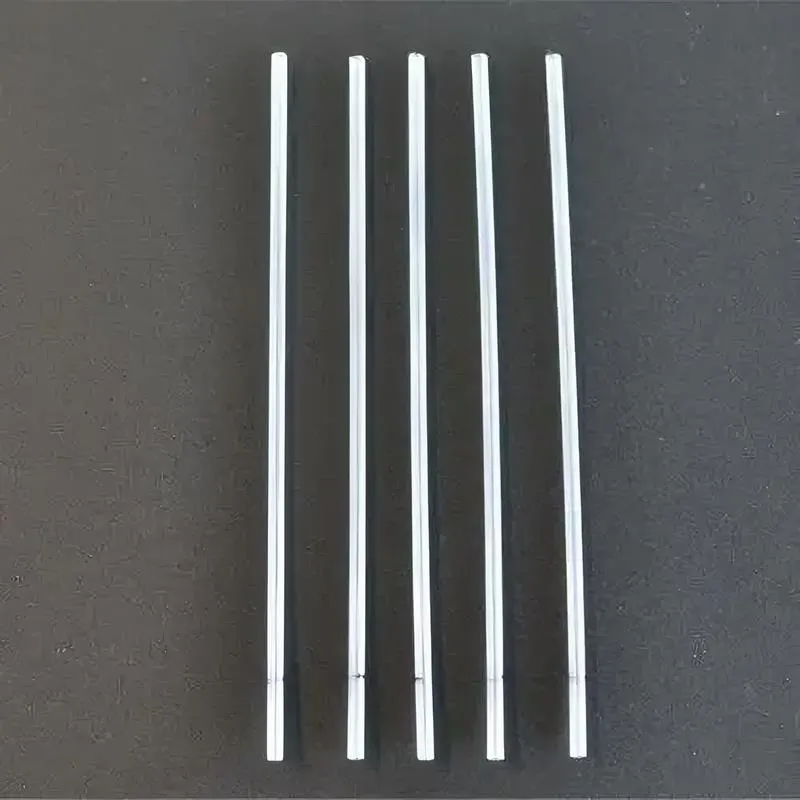
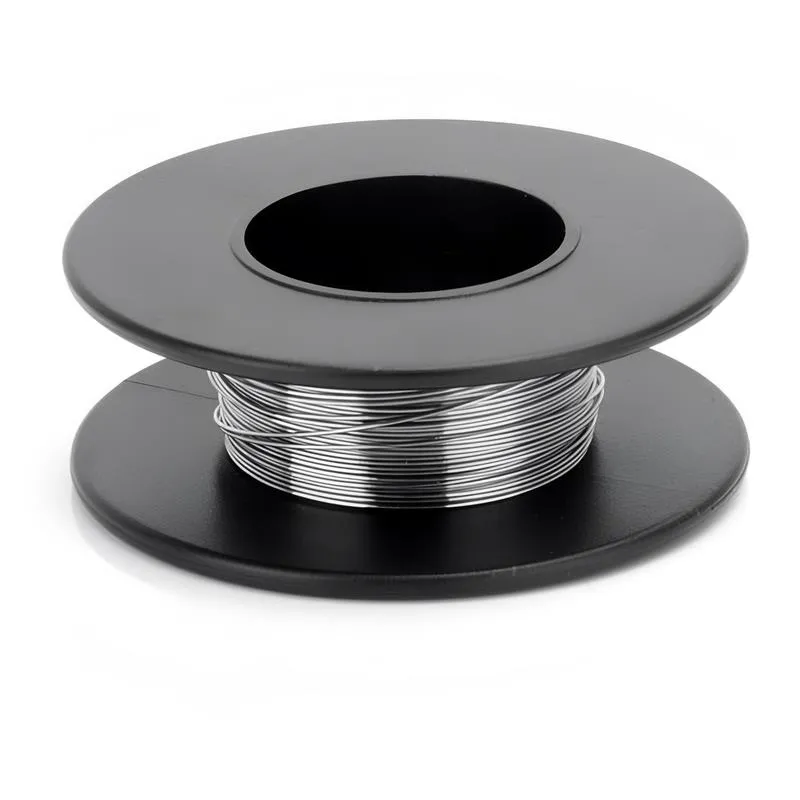
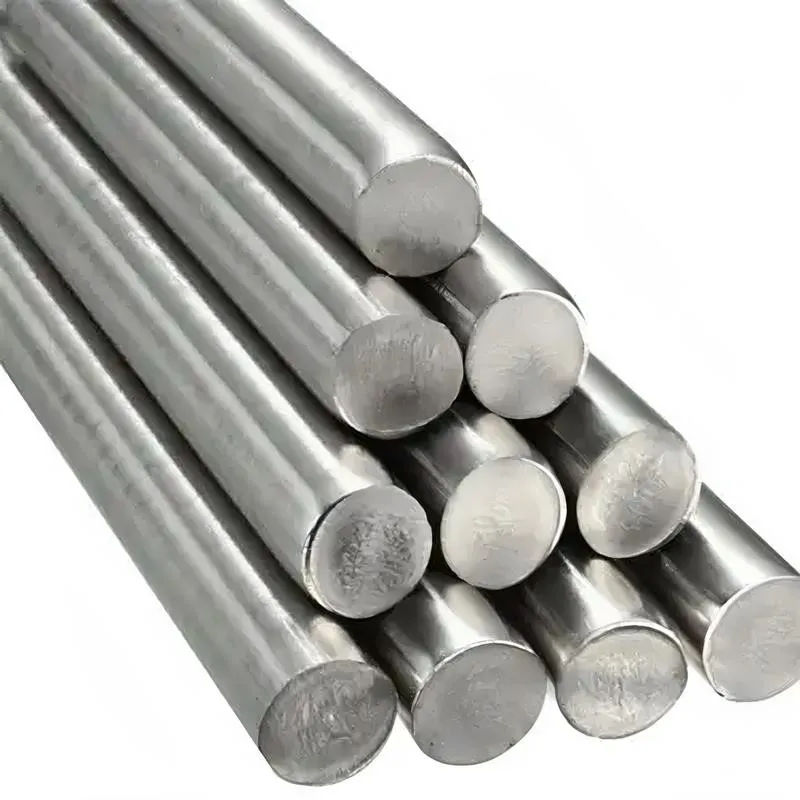
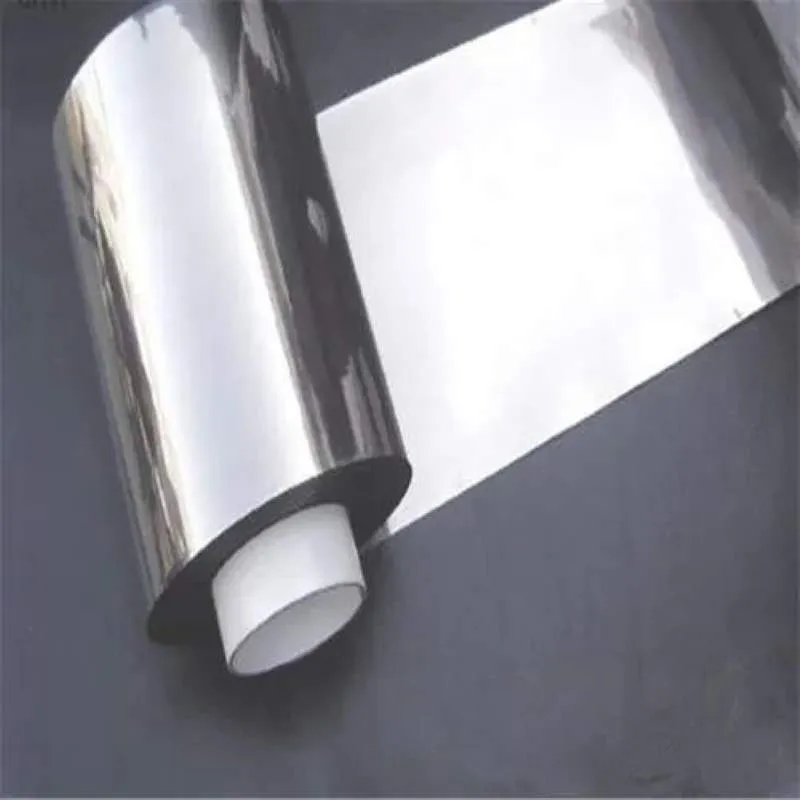
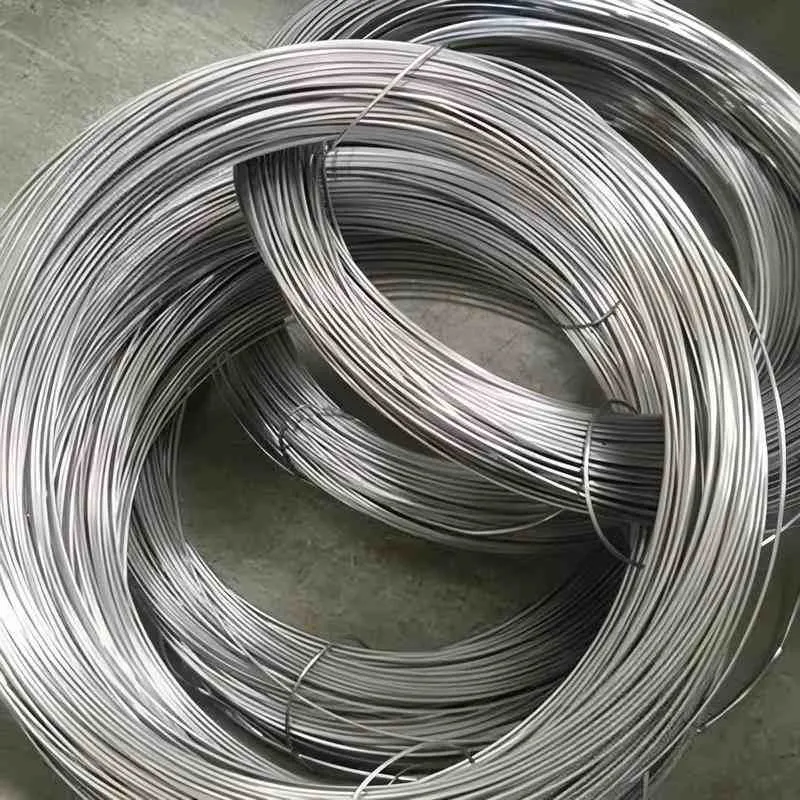
AISI E9310H Steel Capillary
Product Code : STI-CSTI-1044-CU
We provide AISI E9310H Steel Capillary, annealed at 845°C (1550°F) is available in Bar (Round bar, Flat bar), Ribbon, Wire, Rods, Tube,Seamless Tube,Pipe, Ingots, Plate, Sheet, Strip and Forging Stock.,Purity, chemical composition, size, etc. can all be customized to meet specific requirements.
Please contact us if you need customized services. We will contact you with the price and availability in 24 hours.
AISI E9310H Steel Capillary, annealed at 845°C (1550°F) Product Information
-:-
For detailed product information, please contact sales.
-:
AISI E9310H Steel Capillary, annealed at 845°C (1550°F) Synonyms
-:-
For detailed product information, please contact sales.
-:
AISI E9310H Steel, annealed at 845°C (1550°F) Product Information
-:-
For detailed product information, please contact sales.
-:
# **Technical Datasheet: AISI E9310H Steel (Annealed Condition)**
## **1. PRODUCT OVERVIEW**
**AISI E9310H steel in the annealed condition** is a premium-grade, nickel-chromium-molybdenum carburizing steel supplied after a specific **annealing process at 845°C (1550°F)** followed by controlled slow cooling. This thermal treatment produces a soft, spheroidized microstructure that maximizes machinability, formability, and dimensional stability for subsequent manufacturing operations. The annealed state represents the **most workable condition** of this high-performance alloy, providing optimal characteristics for complex machining, cold forming, and preparation for final case hardening operations.
This material condition is specifically engineered to:
- **Minimize machining costs** through extended tool life and higher cutting speeds
- **Enable complex forming operations** through enhanced ductility
- **Provide predictable dimensional changes** during final heat treatment
- **Serve as the ideal starting state** for manufacturing critical aerospace and industrial components
---
## **2. CHEMICAL COMPOSITION**
**Compliance:** SAE J404, AMS 6260H, ASTM A534 (Hardenability Controlled)
| Element | Minimum (%) | Maximum (%) | Typical (%) | Metallurgical Function in Annealed State |
|---------|------------|-------------|-------------|------------------------------------------|
| **Carbon (C)** | 0.08 | 0.13 | 0.10 | Low carbon content facilitates spheroidization and machinability |
| **Manganese (Mn)** | 0.45 | 0.65 | 0.55 | Enhances hardenability while maintaining good machinability |
| **Silicon (Si)** | 0.15 | 0.30 | 0.22 | Deoxidizer; contributes to spheroidized carbide stability |
| **Nickel (Ni)** | 3.00 | 3.50 | 3.25 | **Promotes toughness in final hardened state; minimal effect on annealed hardness** |
| **Chromium (Cr)** | 1.00 | 1.40 | 1.20 | Forms stable carbides that spheroidize during annealing |
| **Molybdenum (Mo)** | 0.08 | 0.15 | 0.12 | Refines carbide distribution and prevents excessive softening |
| **Phosphorus (P)** | — | 0.025 | 0.012 | Strictly controlled to prevent embrittlement |
| **Sulfur (S)** | — | 0.025 | 0.015 | Optimized for machinability enhancement |
| **Iron (Fe)** | Balance | — | Balance | Base metal with optimized annealed structure |
**Special Chemistry Controls for Annealing Response:**
- **Carbon Equivalent:** Carefully controlled for predictable annealing response
- **Sulfur/Manganese Ratio:** Optimized for both machinability and mechanical properties
- **Residual Elements:** Al, Ti, Zr controlled to prevent abnormal grain growth during annealing
---
## **3. ANNEALING PROCESS SPECIFICATION**
### **Full Annealing Parameters (845°C Process):**
- **Annealing Temperature:** 845°C ± 10°C (1550°F ± 20°F)
- **Soak Time:** 2-4 hours at temperature (depending on section size)
- **Heating Rate:** 150-200°C/hour (270-360°F/hour) to temperature
- **Cooling Method:** Controlled furnace cooling at ≤28°C/hour (50°F/hour) to 595°C (1100°F), then air cooling
- **Atmosphere:** Protective/neutral to prevent decarburization and oxidation
- **Microstructure Target:** Fully spheroidized structure with maximum softness
### **Alternative Process Options:**
1. **Subcritical Annealing:** 700-730°C (1290-1350°F) for partial spheroidization
2. **Isothermal Annealing:** 845°C to 705°C (1550°F to 1300°F) hold, then air cool
3. **Cycle Annealing:** Multiple temperature cycles for optimal spheroidization
### **Resultant Microstructural Characteristics:**
- **Primary Structure:** Spheroidized carbides in ferrite matrix (90%+ spheroidization)
- **Carbide Morphology:** Fine, globular carbides uniformly dispersed
- **Grain Size:** ASTM 5-7 (equiaxed ferrite grains)
- **Microcleanliness:** Meets AMS 2300/2301 Premium Quality standards
- **Carbide Size:** Typically 0.5-2.0 μm diameter
- **Ferrite Hardness:** 80-120 HV (very soft matrix)
### **Advantages of 845°C Annealing:**
1. **Optimal Softness:** Achieves minimum hardness for maximum machinability
2. **Complete Spheroidization:** Ensures all carbides are rounded and non-abrasive
3. **Stress Relief:** Eliminates residual stresses from prior processing
4. **Dimensional Stability:** Minimizes distortion during subsequent machining
5. **Predictable Response:** Consistent starting point for final heat treatment
---
## **4. MECHANICAL & PHYSICAL PROPERTIES**
### **Mechanical Properties (Annealed Condition):**
**Typical Room Temperature Properties:**
- **Hardness (Brinell):** 167-207 HB (Typical: 187 HB)
- **Hardness (Rockwell):** 85-95 HRB
- **Tensile Strength:** 550-690 MPa (80-100 ksi)
- **Yield Strength (0.2% offset):** 345-485 MPa (50-70 ksi)
- **Elongation (50mm gauge):** 25-35%
- **Reduction of Area:** 55-70%
- **Modulus of Elasticity:** 200-205 GPa (29.0-29.7 × 10⁶ psi)
- **Shear Modulus:** 80 GPa (11.6 × 10⁶ psi)
- **Poisson's Ratio:** 0.29
**Formability Characteristics:**
- **Cold Bend Radius:** 1× thickness for 180° bend without cracking
- **Forming Limit:** Excellent for moderate deformation
- **Springback:** Minimal due to low yield strength
- **Work Hardening Rate:** Moderate (n-value ≈ 0.15-0.20)
### **Physical Properties:**
- **Density:** 7.85 g/cm³ (0.284 lb/in³)
- **Thermal Conductivity:** 42.0 W/m·K at 100°C
- **Specific Heat:** 460 J/kg·K at 100°C
- **Coefficient of Thermal Expansion:** 12.2 × 10⁻⁶/°C (20-300°C)
- **Electrical Resistivity:** 0.23 μΩ·m at 20°C
- **Magnetic Properties:** Ferromagnetic, easily magnetized in soft condition
### **Machinability Characteristics:**
- **Machinability Rating:** 65-70% (relative to B1112 steel as 100%)
- **Relative Tool Life:** 2-3× longer than normalized condition
- **Optimal Cutting Speed:** 40-60 m/min (130-200 ft/min) for turning
- **Chip Formation:** Excellent, short breaking chips
- **Surface Finish:** Ra 0.8-1.6 μm (32-63 μin) readily achievable
- **Built-up Edge Tendency:** Low due to spheroidized structure
---
## **5. MANUFACTURING PROCESSING GUIDELINES**
### **Machining Recommendations:**
**Turning Operations:**
- **Rough Turning:**
- Speed: 45-65 m/min (150-215 ft/min)
- Feed: 0.20-0.35 mm/rev (0.008-0.014 in/rev)
- Depth of Cut: 3.0-5.0 mm (0.120-0.200 in)
- Tool: Uncoated or TiN-coated carbide, positive rake geometry
- **Finish Turning:**
- Speed: 70-90 m/min (230-300 ft/min)
- Feed: 0.08-0.15 mm/rev (0.003-0.006 in/rev)
- Depth of Cut: 0.5-1.0 mm (0.020-0.040 in)
- Tool: Sharp-edged inserts with TiAlN or AlCrN coating
**Drilling Operations:**
- **Speed:** 25-40 m/min (80-130 ft/min)
- **Feed:** 0.15-0.25 mm/rev (0.006-0.010 in/rev)
- **Peck Drilling:** Recommended for holes > 3× diameter
- **Tool:** High-speed steel or carbide drills with 118-135° point angles
**Milling Operations:**
- **Face Milling:**
- Speed: 50-70 m/min (165-230 ft/min)
- Feed per Tooth: 0.15-0.25 mm (0.006-0.010 in)
- Axial Depth: 2-4 mm (0.080-0.160 in)
**Threading & Tapping:**
- **Excellent thread formation characteristics**
- **Reduced tap breakage risk** compared to harder conditions
- **Optimal for high-precision threads**
### **Forming & Fabrication Capabilities:**
- **Cold Forming:** Excellent for bending, rolling, and moderate drawing
- **Bend Radius:** As low as 1× thickness for 90° bends
- **Punching/Blanking:** Clean edges with minimal die wear
- **Deep Drawing:** Suitable for moderate depth-to-diameter ratios
- **Spinning:** Good formability for rotational forming
### **Heat Treatment After Machining:**
1. **Stress Relieving:** 595-650°C (1100-1200°F) for 1-2 hours after heavy machining
2. **Carburizing Readiness:** Excellent surface condition for uniform carbon absorption
3. **Preheating:** 650°C (1200°F) recommended before austenitizing
4. **Distortion Control:** Predictable dimensional changes during hardening
---
## **6. TARGET APPLICATIONS**
### **Primary Application Areas:**
**Complex Machined Components:**
- **Intricate Gears:** Components with thin webs, complex profiles, or tight tolerances
- **Precision Shafts:** Parts requiring extensive machining and close dimensional control
- **Aerospace Structures:** Complex components with thin sections and tight tolerances
- **Prototype Development:** Where maximum machinability reduces development time
**Cold Formed Components:**
- **Bent or Formed Parts:** Brackets, supports, and structural elements
- **Fastener Manufacturing:** Bolts, studs, and special fasteners requiring forming
- **Bearing Components:** Races and cages requiring forming operations
- **Custom Hardware:** Specialized components requiring unique shapes
**High-Volume Production:**
- **Automotive Components:** Transmission parts, gears, and shafts
- **Industrial Equipment:** Gearing, bushings, and wear components
- **Consumer Products:** High-strength components requiring extensive machining
### **Specific Component Examples:**
- **Complex aerospace gear blanks** requiring extensive pocketing and profiling
- **Thin-walled bearing races** that would distort in harder conditions
- **Intricate actuator components** with tight tolerances and complex geometries
- **Prototype gears** for testing and development
- **High-volume automotive transmission components**
- **Precision instrument components** requiring fine machining
- **Hydraulic system parts** with complex internal passages
### **Ideal Applications for Annealed Condition:**
- **When maximum metal removal** is required
- **For complex geometries** with thin sections
- **When extended tool life** is critical for cost control
- **For prototype development** where design changes are likely
- **When cold forming operations** are required before hardening
- **For just-in-time manufacturing** requiring rapid machining
---
## **7. INTERNATIONAL STANDARDS COMPLIANCE**
### **Primary Material Standards:**
- **AMS 6260H:** Steel Bars, Forgings, and Tubing (0.08C - 0.13C) - **Primary Specification**
- **SAE J404:** Chemical Compositions of SAE Alloy Steels
- **SAE J1268:** Hardenability Bands for Carburizing Steels
- **ASTM A534:** Carburizing Steels for Anti-Friction Bearings
- **UNS G93106:** Unified Numbering System
### **Processing & Quality Standards:**
- **AMS 2759/1:** Heat Treatment of Steel Parts, General Requirements
- **AMS 2300:** Premium Aircraft-Quality Steel Cleanliness
- **ASTM A29/A29M:** Steel Bars, Carbon and Alloy, Hot-Wrought and Cold-Finished
- **ASTM A311:** Stress-Relieved Carbon Steel Bars Subject to Mechanical Property Requirements
### **Testing Standards:**
- **ASTM E10:** Brinell Hardness Test
- **ASTM E18:** Rockwell Hardness Test
- **ASTM E45:** Inclusion Content Determination
- **ASTM E112:** Grain Size Determination
- **ASTM E290:** Bend Test for Ductility
### **International Equivalents:**
| Country/Standard | Designation | Notes |
|-----------------|-------------|-------|
| **United States** | AMS 6260H, SAE 9310H | Primary specifications |
| **Europe (EN)** | 1.6657 | 14NiCrMo13-4 (Close equivalent) |
| **Germany (DIN)** | 1.6651 | 14NiCr14 (Similar composition) |
| **Japan (JIS)** | SNCM815 | Approximate equivalent |
| **United Kingdom** | 817M40 | Modified equivalent |
| **France** | 14NCD13 | Similar characteristics |
| **ISO** | 14NiCrMo13-4 | International designation |
---
## **8. QUALITY ASSURANCE & TESTING**
### **Standard Testing Protocol:**
1. **Chemical Analysis:** Complete ladle and product analysis per ASTM E1019
2. **Hardness Testing:** Multiple point Brinell/Rockwell testing
3. **Microstructural Examination:** Verification of spheroidization (>90%)
4. **Grain Size Determination:** Per ASTM E112
5. **Bend Testing:** For formability verification when specified
6. **Surface Quality:** Visual and dimensional inspection
### **Spheroidization Rating System:**
- **Excellent:** >95% spheroidized carbides
- **Good:** 90-95% spheroidized carbides
- **Acceptable:** 85-90% spheroidized carbides
- **Unacceptable:** <85% spheroidized carbides
### **Certification Requirements:**
- **Mill Test Certificate 3.1:** Per EN 10204
- **Annealing Process Records:** Complete temperature-time documentation
- **Microstructure Report:** Spheroidization percentage and grain size
- **Hardness Survey:** Multiple location verification
- **Full Traceability:** From melt to final annealed product
### **Special Testing Available:**
- **Formability Testing:** Bend tests, cup tests
- **Machinability Studies:** Tool life and surface finish evaluations
- **Residual Stress Analysis:** X-ray diffraction methods
- **Non-Destructive Testing:** MPI, UT, or eddy current
---
## **9. COMPARATIVE PERFORMANCE DATA**
### **Property Comparison with Other Conditions:**
| Property | Annealed (845°C) | Normalized (890°C) | As-Rolled |
|----------|-----------------|-------------------|-----------|
| **Hardness (HB)** | 167-207 | 207-255 | 269-321 |
| **Tensile Strength (MPa)** | 550-690 | 690-860 | 790-930 |
| **Yield Strength (MPa)** | 345-485 | 480-620 | 550-690 |
| **Elongation (%)** | 25-35 | 18-25 | 15-20 |
| **Machinability Rating** | 65-70% | 60-65% | 55-60% |
| **Relative Tool Life** | 100% | 70-80% | 50-60% |
| **Formability** | Excellent | Good | Fair |
| **Subsequent HT Response** | Very Good | Excellent | Good |
### **Cost-Benefit Analysis:**
- **Machining Cost Reduction:** 20-40% compared to normalized condition
- **Tooling Cost Savings:** 30-50% extended tool life
- **Forming Cost Reduction:** Eliminates need for intermediate annealing
- **Scrap Rate Reduction:** Lower risk of machining errors and breakage
- **Overall Cost Impact:** Typically 15-25% lower total manufacturing cost
### **Selection Guidelines:**
- **Choose Annealed for:**
- Complex machining operations
- Maximum tool life requirements
- Cold forming before hardening
- Prototype and development work
- Thin-section components
- **Choose Normalized for:**
- Simpler geometries
- Better heat treatment response
- Higher strength requirements in machined state
- Components requiring minimal machining
---
## **10. STORAGE, HANDLING & SAFETY**
### **Storage Requirements:**
- **Environment:** Dry, covered storage (<60% RH)
- **Temperature:** Ambient temperature preferred
- **Stacking:** Proper support to prevent bending (softer material)
- **Corrosion Protection:** Light oil or VCI protection recommended
- **Identification:** Clear marking of condition and specifications
- **Shelf Life:** Indefinite with proper storage
### **Handling Considerations:**
- **Softer Material:** More susceptible to handling damage than harder conditions
- **Lifting:** Proper spreader bars to prevent bending
- **Machining Chip Management:** Softer chips may be stringy - proper containment needed
- **Surface Protection:** More prone to scratching and indentation
### **Safety Considerations:**
- **Machining:** Standard steel machining precautions
- **Chip Control:** Softer chips may be sharp - proper handling required
- **Fire Safety:** Normal precautions for steel machining
- **Disposal:** Recyclable as premium ferrous scrap
---
## **11. ORDERING INFORMATION**
### **Standard Supply Specification:**
```
Material: AISI 9310H Annealed
Condition: Annealed at 845°C (1550°F)
Forms Available: Round bars, flat bars, forgings, billets
Sizes: 10 mm to 300 mm diameter rounds
Spheroidization: Minimum 90% spheroidized
Hardness: 167-207 HB guaranteed
Certification: AMS 6260H with full traceability
```
### **Available Options:**
- **Special Annealing Cycles:** Isothermal, subcritical, or cycle annealing
- **Enhanced Spheroidization:** 95%+ spheroidized for critical applications
- **Special Sizes:** Custom diameters and lengths
- **Surface Conditions:** Turned, ground, or special finishes
- **Testing Packages:** Enhanced quality verification
### **Lead Time Guidelines:**
- **Stock Material:** 1-3 weeks
- **Mill Production:** 6-8 weeks
- **Special Annealing:** Additional 2-3 weeks
- **Enhanced Testing:** Additional 1-2 weeks
---
## **12. TECHNICAL SUPPORT SERVICES**
### **Available Support:**
- **Process Optimization:** Annealing parameter recommendations
- **Machining Studies:** Tooling and parameter optimization
- **Formability Analysis:** Bending and forming recommendations
- **Heat Treatment Planning:** Transition from annealed to hardened state
- **Cost Analysis:** Manufacturing cost optimization studies
### **Documentation Provided:**
- **Complete Certification:** Material and process documentation
- **Microstructural Analysis:** Spheroidization verification
- **Process Records:** Full annealing cycle documentation
- **Application Guidelines:** Specific to customer components
---
## **CONCLUSION**
**AISI E9310H steel annealed at 845°C (1550°F)** represents the **optimal starting condition** for manufacturing complex, high-precision components requiring extensive machining, forming, or prototyping. This condition provides:
1. **Maximum Machinability:** Lowest hardness state for fastest machining and longest tool life
2. **Superior Formability:** Enables cold forming operations before final hardening
3. **Predictable Performance:** Consistent response to subsequent heat treatment
4. **Cost Efficiency:** Significant reduction in manufacturing costs through extended tool life and faster machining
The fully spheroidized microstructure achieved through precise 845°C annealing ensures that this material delivers the **best possible combination of softness for manufacturing and stability for final heat treatment**. For applications where machining complexity, tooling costs, or formability requirements drive manufacturing decisions, the annealed condition provides compelling technical and economic advantages.
This material is particularly valuable for:
- **Aerospace components** with complex geometries and tight tolerances
- **Prototype development** requiring design flexibility
- **High-volume production** where tooling costs significantly impact total cost
- **Components requiring cold forming** before case hardening
By starting with material in the annealed condition, manufacturers can achieve **higher quality, lower costs, and faster production times** for even the most demanding components.
---
**DISCLAIMER:** This datasheet provides typical values and characteristics. Actual properties may vary based on specific processing and testing methods. For critical applications, consultation with materials engineering specialists is recommended. All information subject to change without notice.
-:-
For detailed product information, please contact sales.
-:
AISI E9310H Steel, annealed at 845°C (1550°F) Specification
Dimensions
Size:
Diameter 20-1000 mm Length <5776 mm
Size:We can customized as required
Standard:
Per your request or drawing
We can customized as required
Properties(Theoretical)
Chemical Composition
-:-
For detailed product information, please contact sales.
-:
AISI E9310H Steel, annealed at 845°C (1550°F) Properties
-:-
For detailed product information, please contact sales.
-:
Applications of AISI E9310H Steel Capillary, annealed at 845°C (1550°F)
-:-
For detailed product information, please contact sales.
-:
Chemical Identifiers AISI E9310H Steel Capillary, annealed at 845°C (1550°F)
-:-
For detailed product information, please contact sales.
-:
Packing of AISI E9310H Steel Capillary, annealed at 845°C (1550°F)
-:-
For detailed product information, please contact sales.
-:
Standard Packing:
-:-
For detailed product information, please contact sales.
-:
Typical bulk packaging includes palletized plastic 5 gallon/25 kg. pails, fiber and Steel Capillary drums to 1 ton super sacks in full container (FCL) or truck load (T/L) quantities. Research and sample quantities and hygroscopic, oxidizing or other air sensitive materials may be packaged under argon or vacuum. Solutions are packaged in polypropylene, plastic or glass jars up to palletized 2247 gallon liquid totes Special package is available on request. E FORUs’ is carefully handled to minimize damage during storage and transportation and to preserve the quality of our products in their original condition