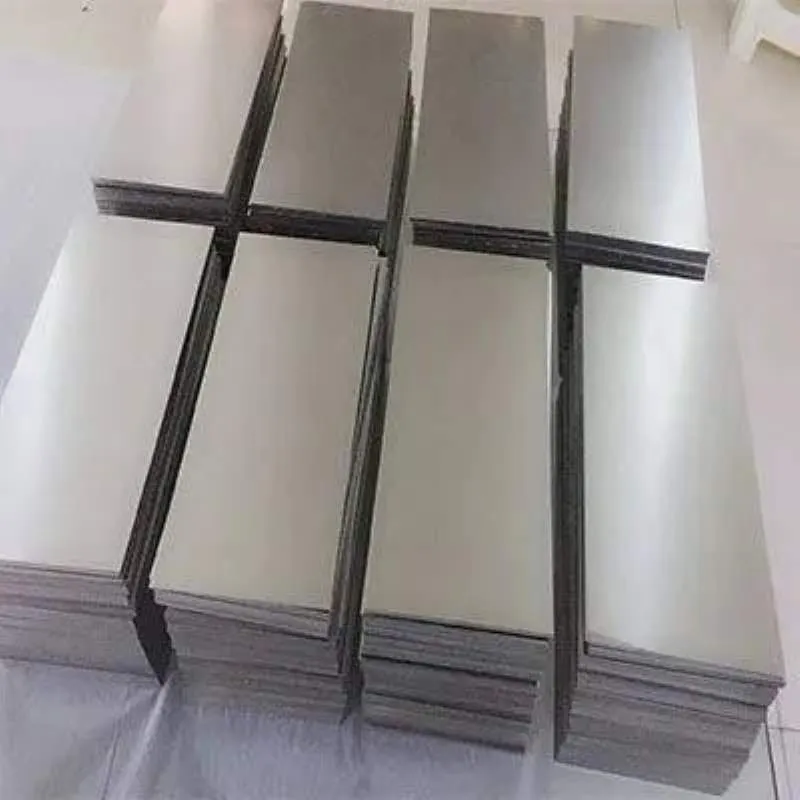
AISI Type D2 Tool Steel Rod/Bar
Product Code : STI-CSTI-476-CU
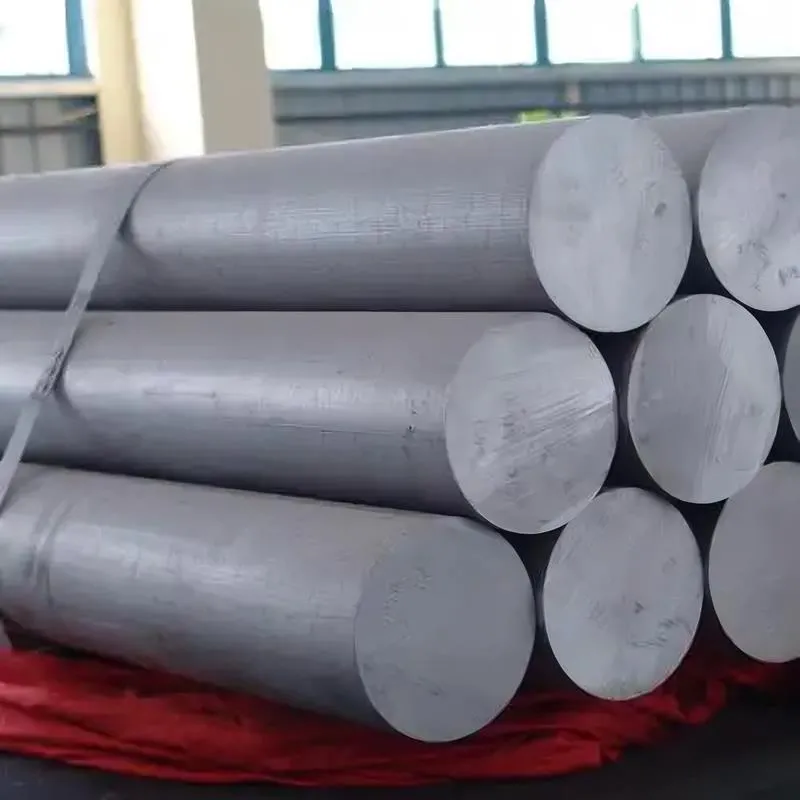
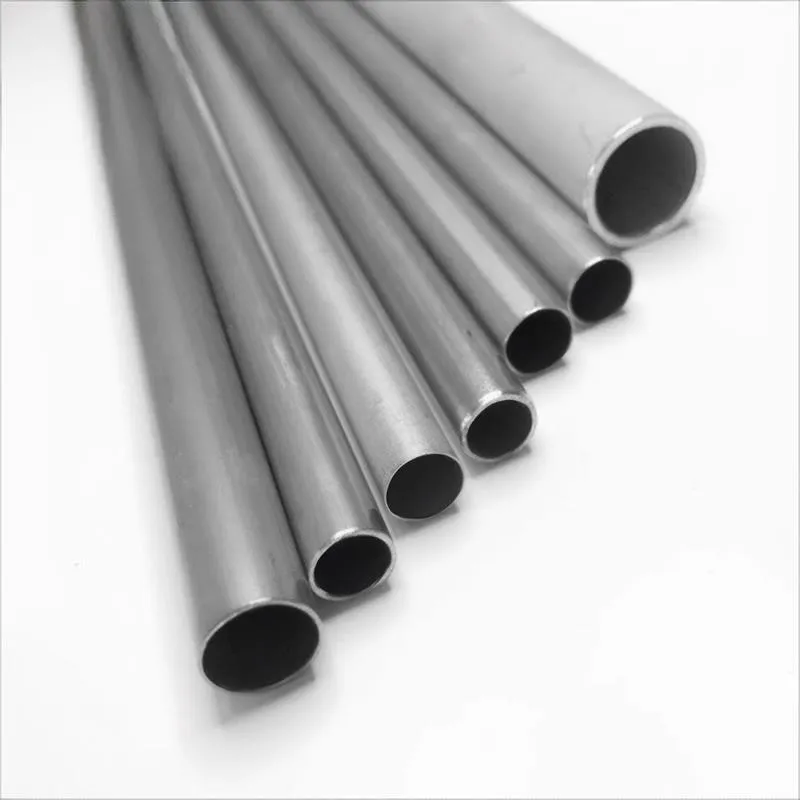
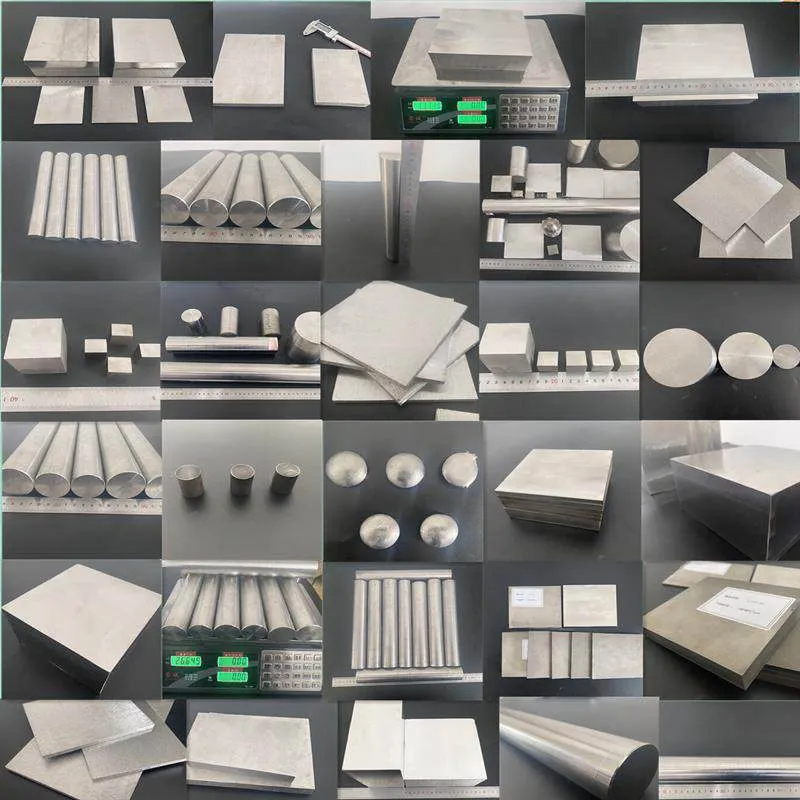
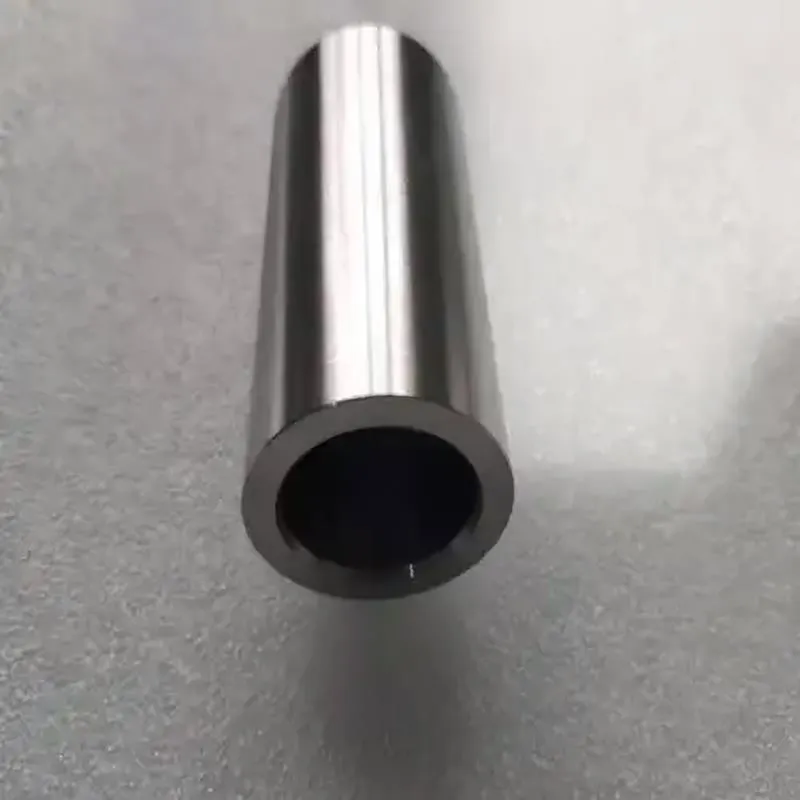
We provide AISI Type D2 Tool Steel Rod/Bar, air quenched at 1010°C, tempered at 200°C is available in Bar (Round bar, Flat bar), Ribbon, Wire, Rod/Bars, Tube,Seamless Tube,Pipe, Ingots, Plate, Sheet, Strip and Forging Stock.,Purity, chemical composition, size, etc. can all be customized to meet specific requirements.
Please contact us if you need customized services. We will contact you with the price and availability in 24 hours.
AISI Type D2 Tool Steel Rod, air quenched at 1010°C, tempered at 200°C Product Information
-:-
For detailed product information, please contact sales.
-:
AISI Type D2 Tool Steel Rod, air quenched at 1010°C, tempered at 200°C Synonyms
-:-
For detailed product information, please contact sales.
-:
AISI Type D2 Tool Steel, air quenched at 1010°C, tempered at 200°C Product Information
-:-
For detailed product information, please contact sales.
-:
# Technical Datasheet: AISI D2 Tool Steel (Air-Hardening, High-Carbon, High-Chromium Cold Work Steel)
## Heat Treatment Specification: Austentized at 1010°C, Air Quenched & Tempered at 200°C
---
### **1. Product Overview**
**AISI D2** is a high-carbon, high-chromium, **air-hardening tool steel** classified as a **cold work steel**. When heat treated via the specified regimen of **austenitizing at 1010°C followed by air quenching and tempering at 200°C**, it achieves an exceptional combination of very high hardness, outstanding wear resistance, and good dimensional stability during heat treatment. This steel is renowned for its high volume of hard, wear-resistant carbides, primarily chromium carbides (M₇C₃), which grant it superior abrasion resistance compared to many other tool steels.
This specific heat treatment profile prioritizes **maximum hardness and wear resistance** while maintaining sufficient toughness for demanding cold work applications. It is a through-hardening steel, supplied in the annealed condition and requires final heat treatment by the toolmaker or end-user.
---
### **2. Key International Standards & Designations**
| Country/System | Standard Designation | Equivalent Grade Name |
| :--- | :--- | :--- |
| **USA (AISI/SAE)** | **Type D2** | UNS T30402 |
| **USA (ASTM)** | **ASTM A681** | Standard Specification for Tool Steels (Alloy) |
| **ISO** | **ISO 4957** | **1.2379** / X153CrMoV12 |
| **Europe (EN)** | **EN ISO 4957** | **1.2379** / X153CrMoV12-1 |
| **Germany (DIN/W-Nr.)** | **1.2379** | X155CrVMo12-1 |
| **Japan (JIS)** | **JIS G4404** | **SKD11** |
| **United Kingdom (BS)** | **BD2** | - |
---
### **3. Chemical Composition (Nominal %)**
The composition of D2 is balanced to form a large volume of hard carbides while retaining adequate hardenability and toughness.
| Element | Weight % (Nominal) | Metallurgical Function |
| :--- | :--- | :--- |
| **Carbon (C)** | 1.50 - 1.60 | Primary hardening element; combines with Cr to form hard carbides. |
| **Chromium (Cr)** | 11.00 - 13.00 | Provides deep hardenability, high wear/abrasion resistance (via M₇C₃ carbides), and improves corrosion resistance. |
| **Molybdenum (Mo)** | 0.70 - 1.20 | Enhances hardenability, refines grain structure, improves toughness and wear resistance. |
| **Vanadium (V)** | 0.90 - 1.10 | Forms very hard, fine V-carbides for secondary hardening, wear resistance, and grain refinement. |
| **Silicon (Si)** | 0.10 - 0.60 | Deoxidizer; improves strength. |
| **Manganese (Mn)** | 0.20 - 0.60 | Enhances hardenability and acts as a deoxidizer. |
| **Phosphorus (P)** | ≤ 0.030 | Impurity (controlled). |
| **Sulfur (S)** | ≤ 0.030 | Impurity (can be controlled to improve machinability in annealed state). |
**Key Microstructural Feature:** Contains a **high volume fraction (~12-16%) of primary alloy carbides**, making it one of the most wear-resistant tool steels but also contributing to lower toughness and more challenging machinability.
---
### **4. Physical & Mechanical Properties (After 1010°C Air Quench + 200°C Temper)**
#### **4.1 Heat Treatment Cycle**
* **Preheat:** 800-850°C (to minimize thermal shock and distortion)
* **Austenitize:** **1010°C** (1850°F) - Soak time: 20-40 min/inch of thickness. Lower end of austenitizing range promotes higher toughness; this specific temperature optimizes carbide solutioning for high hardness.
* **Quench:** **Still or forced air**. Excellent dimensional stability with minimal risk of cracking compared to oil quenching.
* **Temper:** Immediately after quenching to room temperature. **200°C (392°F)** for 2+ hours, double tempering is mandatory.
* **Expected As-Quenched Hardness:** ~62-64 HRC.
* **Expected Post-Temper Hardness (after 200°C x 2):** **60-62 HRC**.
#### **4.2 Final Mechanical Properties**
| Property | Value / Rating | Notes |
| :--- | :--- | :--- |
| **Hardness** | **60 - 62 HRC** | Primary achieved property; excellent for wear. |
| **Compressive Strength** | ~ 3000 - 3400 MPa | Extremely high. |
| **Tensile Strength** | ~ 2000 - 2200 MPa | |
| **Yield Strength** | ~ 1800 - 2000 MPa | |
| **Modulus of Elasticity** | ~ 210 GPa | |
| **Impact Toughness** | **Relatively Low** (~10-20 J). The high hardness and carbide volume limit toughness. This is the trade-off for extreme wear resistance. |
| **Wear Resistance** | **Excellent** | Among the best for cold work steels due to high hard carbide volume. |
| **Dimensional Stability** | **Very Good** | Air quenching minimizes stresses and distortion. |
| **Resistance to Softening** | Good up to ~425°C (800°F) due to secondary hardening from Mo and V carbides during tempering. However, this specific low temper (200°C) does not exploit full secondary hardening. |
#### **4.3 Physical Properties (Approx.)**
* Density: 7.70 g/cm³
* Thermal Conductivity: 20 W/m·K (low, heats up quickly during machining)
* Coefficient of Thermal Expansion: 10.4 x 10⁻⁶/K (20-100°C)
---
### **5. Typical Product Applications**
This high-hardness condition of D2 steel is specified for applications where **extreme wear resistance is the primary concern** and impact loads are minimal to moderate.
* **Long-Run Cold Work Tooling:**
* Blanking and punching dies for sheet metal.
* Forming rolls and burnishing tools.
* Thread rolling dies and knurls.
* Powder compacting dies.
* **Precision Gauges & Measuring Instruments:** Where dimensional stability and wear resistance are critical.
* **Industrial Knives & Blades:**
* Slitter knives for paper, plastic, and metal.
* Cutting blades for abrasive materials like fiberglass and composites.
* Industrial shear blades.
* **Woodworking Tools:** High-wear planer blades and chipper knives for processed wood.
* **Plastic Injection Molds:** For molding abrasive plastics (e.g., filled grades like fiberglass-reinforced polymers).
---
### **6. Processing & Machining Guidelines**
* **Annealed Condition:** Supplied at ~200-255 HB for machining.
* **Machinability:** **Poor (approx. 30% of 1% C steel).** The high carbide content is abrasive to cutting tools. Use rigid setups, positive rake angles, and carbide or ceramic tooling.
* **Grindability:** **Fair to Poor.** Use appropriate aluminum oxide or silicon carbide wheels with light passes and ample coolant to avoid grinding burns.
* **EDM Machining:** Commonly used for finished tool geometries after heat treatment. A **stress-relief temper** is recommended after EDM to remove the white layer/recast surface.
---
### **7. Comparison & Selection Notes**
* **vs. A2 Tool Steel:** D2 has significantly higher wear resistance (more carbides) but lower toughness. A2 is tougher and less prone to chipping.
* **vs. M2 High-Speed Steel:** D2 has better wear resistance and lower cost but inferior hot hardness and red-hardness. M2 is for high-speed cutting where heat is generated.
* **vs. CPM 10V / 20V (Powder Metallurgy):** PM grades offer even higher wear resistance with better toughness due to a finer, more uniform carbide distribution. They are premium alternatives.
* **Why This Specific Heat Treat?** The **1010°C austenitize + 200°C temper** cycle is chosen to **maximize hardness and wear resistance** for severe abrasive wear applications where tool toughness is a secondary concern. For applications requiring a better toughness/hardness balance, a higher austenitizing temperature (e.g., 1025-1040°C) and a higher tempering temperature (e.g., 400-525°C) would be used.
---
### **8. Important Design & Handling Notes**
* **Toughness Limitation:** Tools in this condition are **brittle**. Avoid sharp internal corners (use generous radii), sudden section changes, and high-impact applications.
* **Corrosion Resistance:** The high chromium content provides **moderate corrosion resistance** (stainless-like under non-aggressive conditions) but it is not a stainless steel. For wet environments, protection or a stainless grade (like 440C) may be needed.
* **Stress Relieving:** Always perform **double tempering** (or triple) to ensure complete transformation of retained austenite and stress relief.
---
### **9. Conclusion**
**AISI D2 tool steel, heat treated via air quenching from 1010°C and tempered at 200°C, is a specialist material engineered for maximal wear resistance.** It delivers an exceptional service life in cold work applications involving severe abrasion, such as blanking dies for abrasive materials, long-run forming tools, and industrial knives. Designers and toolmakers must respect its inherent lower toughness by employing robust tool designs and proper grinding/EDM practices. When the primary failure mode is wear, not chipping or fracture, this specific grade and heat treatment combination represents a highly cost-effective and high-performance solution.
-:-
For detailed product information, please contact sales.
-:
AISI Type D2 Tool Steel, air quenched at 1010°C, tempered at 200°C Specification
Dimensions
Size:
Diameter 20-1000 mm Length <5208 mm
Size:We can customized as required
Standard:
Per your request or drawing
We can customized as required
Properties(Theoretical)
Chemical Composition
-:-
For detailed product information, please contact sales.
-:
AISI Type D2 Tool Steel, air quenched at 1010°C, tempered at 200°C Properties
-:-
For detailed product information, please contact sales.
-:
Applications of AISI Type D2 Tool Steel Rod, air quenched at 1010°C, tempered at 200°C
-:-
For detailed product information, please contact sales.
-:
Chemical Identifiers AISI Type D2 Tool Steel Rod, air quenched at 1010°C, tempered at 200°C
-:-
For detailed product information, please contact sales.
-:
Packing of AISI Type D2 Tool Steel Rod, air quenched at 1010°C, tempered at 200°C
-:-
For detailed product information, please contact sales.
-:
Standard Packing:
-:-
For detailed product information, please contact sales.
-:
Typical bulk packaging includes palletized plastic 5 gallon/25 kg. pails, fiber and Steel Rod drums to 1 ton super sacks in full container (FCL) or truck load (T/L) quantities. Research and sample quantities and hygroscopic, oxidizing or other air sensitive materials may be packaged under argon or vacuum. Solutions are packaged in polypropylene, plastic or glass jars up to palletized 1679 gallon liquid totes Special package is available on request. E FORUs’ is carefully handled to minimize damage during storage and transportation and to preserve the quality of our products in their original condition