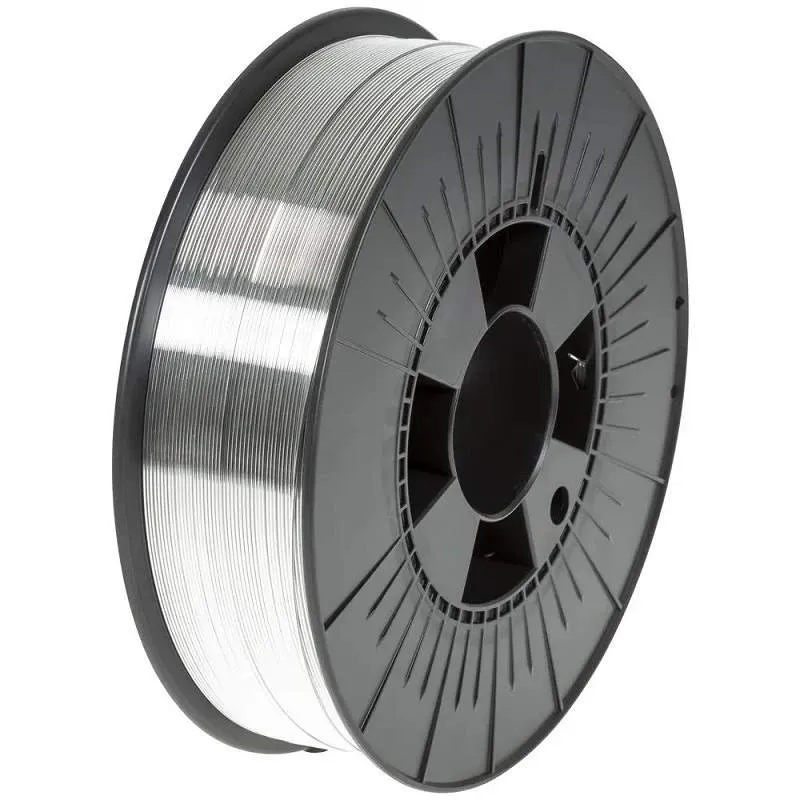
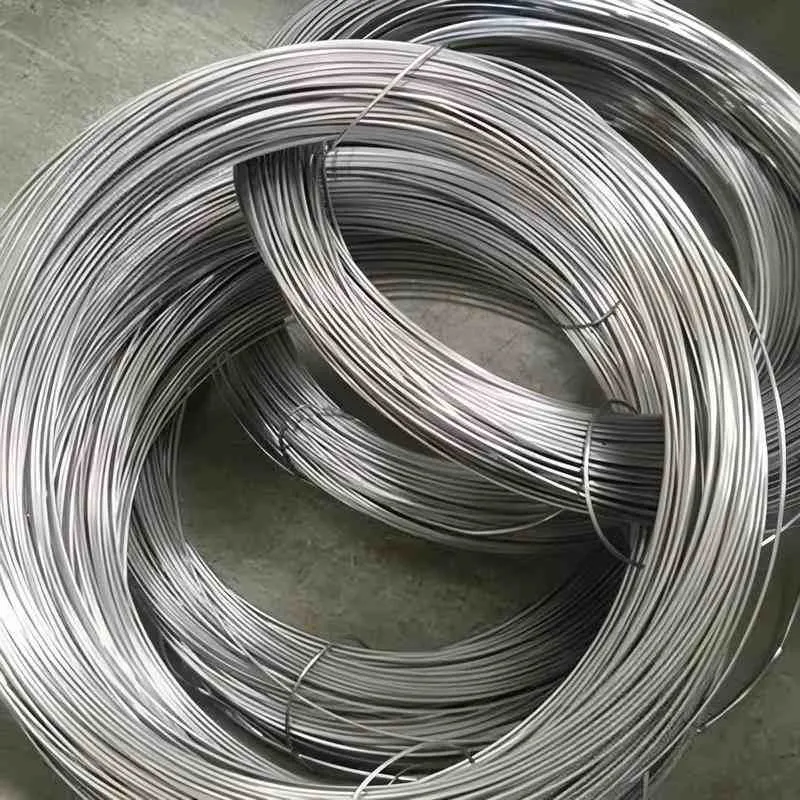
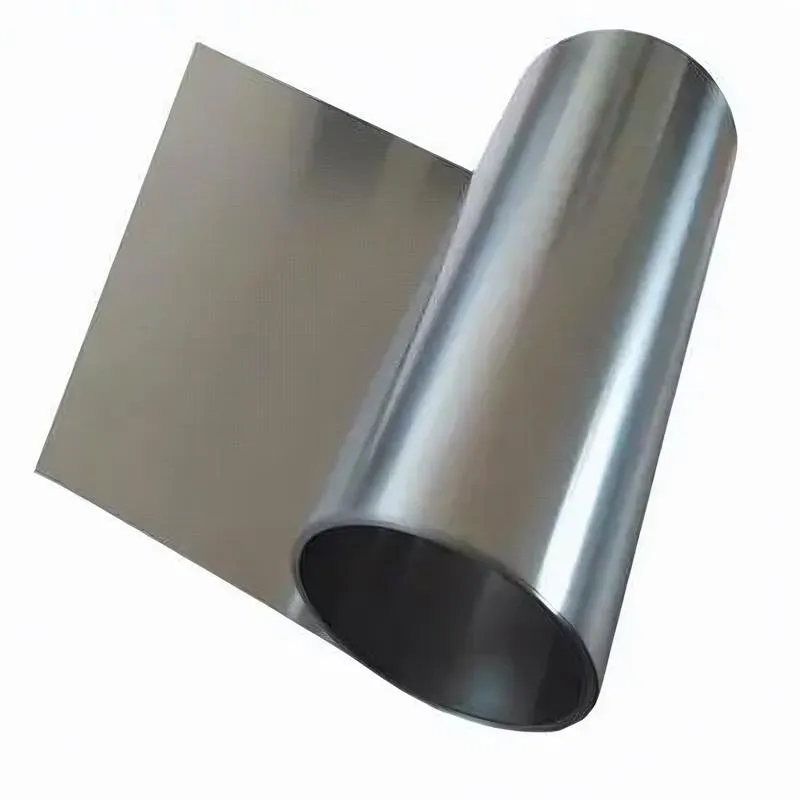
AISI Type D3 Tool Steel Wire
Product Code : STI-CSTI-481-CU
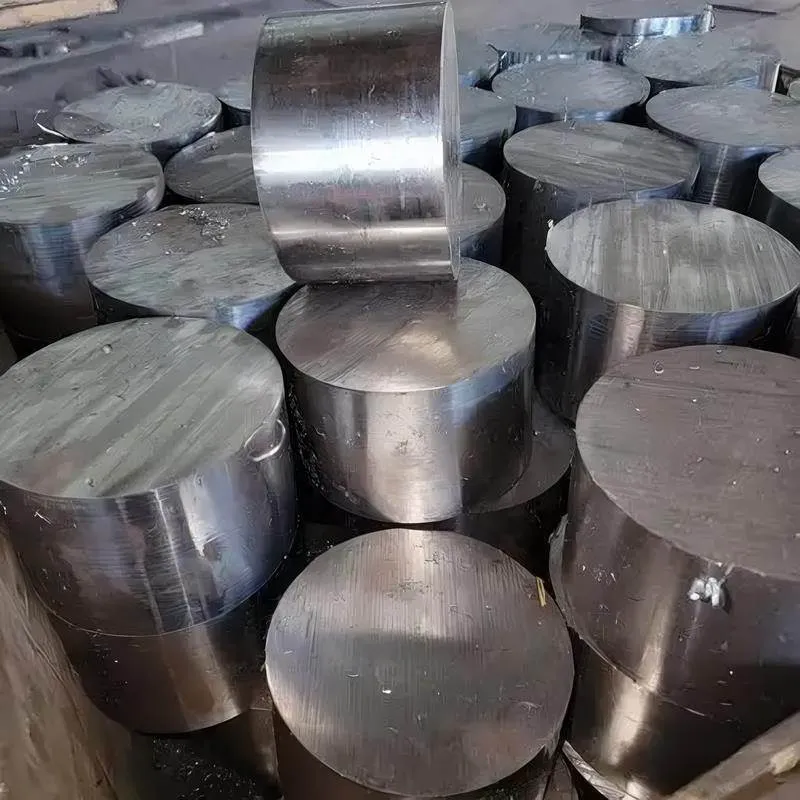
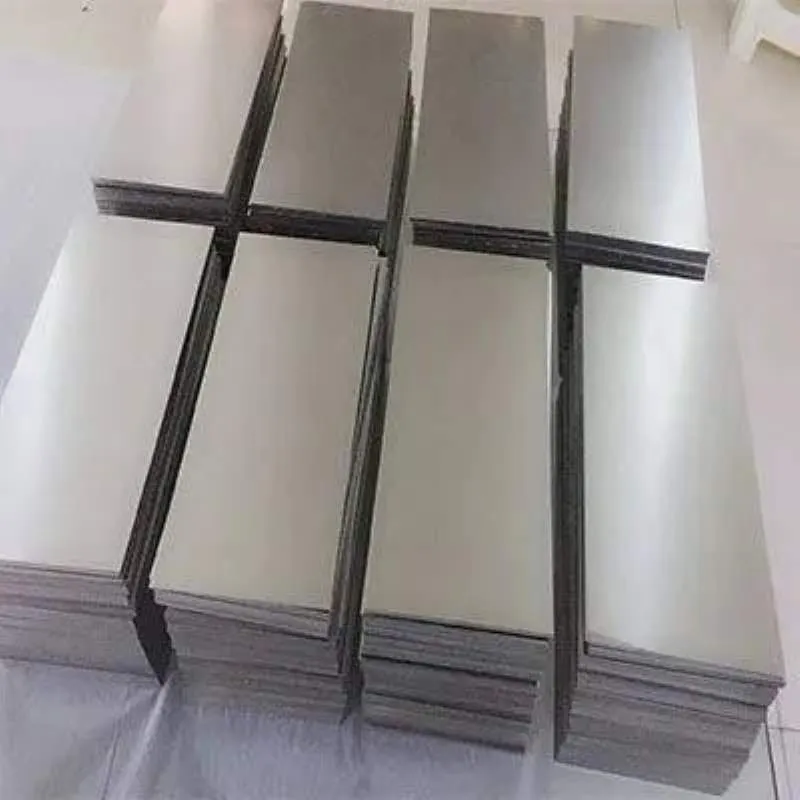
We provide AISI Type D3 Tool Steel Wire, oil-quenched from 980°C (1800°F), tempered at 450°C is available in Bar (Round bar, Flat bar), Ribbon, Wire, Rods, Tube,Seamless Tube,Pipe, Ingots, Plate, Sheet, Strip and Forging Stock.,Purity, chemical composition, size, etc. can all be customized to meet specific requirements.
Please contact us if you need customized services. We will contact you with the price and availability in 24 hours.
AISI Type D3 Tool Steel Wire, oil-quenched from 980°C (1800°F), tempered at 450°C Product Information
-:-
For detailed product information, please contact sales.
-:
AISI Type D3 Tool Steel Wire, oil-quenched from 980°C (1800°F), tempered at 450°C Synonyms
-:-
For detailed product information, please contact sales.
-:
AISI Type D3 Tool Steel, oil-quenched from 980°C (1800°F), tempered at 450°C Product Information
-:-
For detailed product information, please contact sales.
-:
# Technical Datasheet: AISI D3 Tool Steel
## Heat Treatment Specification: 980°C (1800°F) Oil Quench & 450°C (842°F) Temper
---
### **1. Product Overview**
**AISI D3** is a **high-carbon, high-chromium, oil-hardening cold work tool steel** renowned for its exceptional wear resistance derived from its high volume of primary chromium carbides. When heat treated through the specific regimen of **austenitizing at 980°C, oil quenching, and tempering at 450°C**, it achieves a highly specialized performance profile. This treatment leverages the **secondary hardening potential** of D3, resulting in a unique combination of **very high toughness, excellent dimensional stability, and retained good wear resistance**, albeit at a lower hardness than typical D3 applications.
This condition represents a **toughness-optimized** variant of D3, designed for applications where resistance to chipping, cracking, and mechanical shock is paramount, and where moderate wear resistance is sufficient. It transforms D3 from a pure wear-resistant steel into a more robust engineering material for demanding forming operations.
---
### **2. Key International Standards & Designations**
| Country/System | Standard Designation | Equivalent Grade Name |
| :--- | :--- | :--- |
| **USA (AISI/SAE)** | **Type D3** | UNS T30403 |
| **USA (ASTM)** | **ASTM A681-08** | Standard Specification for Tool Steels Alloy |
| **ISO** | **ISO 4957:2018** | **1.2080** / X210Cr12 |
| **Europe (EN)** | **EN ISO 4957:2018** | **1.2080** / X210Cr12 |
| **Germany (DIN/W-Nr.)** | **1.2080** | X210Cr12 |
| **Japan (JIS)** | **JIS G4404:2006** | **SKD1** |
| **United Kingdom (BS)** | **BD3** | - |
| **China (GB)** | **GB/T 1299-2014** | **Cr12** |
---
### **3. Chemical Composition (Typical %)**
| Element | Weight % (Typical) | Metallurgical Function |
| :--- | :--- | :--- |
| **Carbon (C)** | 2.05 - 2.20 | Provides carbon for extensive carbide formation and matrix hardening. High carbon is key to secondary hardening reactions during 450°C temper. |
| **Chromium (Cr)** | 11.00 - 12.00 | Forms the primary wear-resistant M₇C₃ carbides and provides moderate corrosion resistance. |
| **Manganese (Mn)** | 0.30 - 0.50 | Enhances hardenability. |
| **Silicon (Si)** | 0.10 - 0.40 | Deoxidizer, provides solid solution strengthening, increases tempering resistance. |
| **Vanadium (V)** | ≤ 0.30 (optional) | Trace addition for grain refinement; contributes to secondary hardening. |
| **Molybdenum (Mo)** | ≤ 0.30 (optional) | Minor addition to improve hardenability and toughness; strong contributor to secondary hardening. |
| **Phosphorus (P)** | ≤ 0.025 | Impurity (controlled). |
| **Sulfur (S)** | ≤ 0.025 | Impurity (controlled). |
**Key Metallurgical Feature:** Tempering at **450°C** places D3 within its **secondary hardening range**. Fine, coherent alloy carbides (rich in Mo and V) precipitate within the martensitic matrix. This **increases hardness slightly from the tempering valley** and, more importantly, **significantly increases toughness, yield strength, and thermal stability** compared to lower tempering temperatures.
---
### **4. Physical & Mechanical Properties (After 980°C Oil Quench + 450°C Double Temper)**
#### **4.1 Standard Heat Treatment Cycle**
* **Preheating:** **Critical (Double Preheat Recommended):** 650°C (1200°F) and 850°C (1560°F) to minimize thermal shock.
* **Austenitizing:** **980°C (1800°F)** – Soak: 20-30 min/inch. Lower temperature helps control retained austenite and grain size, beneficial for toughness.
* **Quenching:** **Moderate- to fast-speed oil** with good agitation to ~50°C.
* **Tempering:** **Double temper at 450°C (842°F)** for minimum 2 hours each. **Cool to room temperature between tempers.** A third temper is advised for critical tools to ensure complete transformation.
* **Expected As-Quenched Hardness:** ~64-66 HRC.
* **Expected Final Hardness:** **54-56 HRC** (Note: Hardness may exhibit a slight increase, or "plateau," from the secondary hardening effect compared to tempering at 350-400°C).
#### **4.2 Final Mechanical Properties (Typical)**
| Property | Value / Rating | Notes |
| :--- | :--- | :--- |
| **Hardness** | **54 - 56 HRC** | The defining characteristic of this condition – lower hardness for vastly improved toughness. |
| **Compressive Strength** | ~ 2300 - 2500 MPa | Remains high, suitable for heavy forming. |
| **Ultimate Tensile Strength** | ~ 1600 - 1800 MPa | |
| **Yield Strength (0.2% Offset)** | ~ 1450 - 1650 MPa | **Relatively high for this hardness**, a benefit of secondary hardening. |
| **Modulus of Elasticity** | ~ 205 - 210 GPa | |
| **Impact Toughness (Charpy)** | **Good (35-55 J)** | **Exceptional for D3.** Can be 4-8 times higher than the 200°C temper condition. The primary reason for selecting this treatment. |
| **Wear Resistance** | **Good** | Still superior to many lower-alloy steels due to primary carbides, but significantly lower than higher-hardness D3 states. |
| **Dimensional Stability** | **Exceptional** | High-temperature tempering relieves nearly all quenching stresses. Retained austenite is fully transformed. |
| **Resistance to Softening** | **Very Good** | The secondary hardened structure is stable up to its tempering temperature (~450°C). |
#### **4.3 Physical Properties (Approx.)**
* Density: 7.70 g/cm³
* Thermal Conductivity: Low (~21 W/m·K)
* Thermal Expansion Coefficient: 10.8 x 10⁻⁶/K (20-400°C)
* Electrical Resistivity: 0.54 µΩ·m
---
### **5. Typical Product Applications**
This high-toughness D3 condition is selected for **demanding, shock-prone applications** where pure wear resistance is secondary to **tool integrity and prevention of catastrophic failure**.
* **Heavy-Duty Forming and Coining Dies:** For thick or high-strength materials where pressure is extreme and tool deflection/stress is high.
* **Large, Complex Blanking and Punching Dies:** For materials that cause high shock loads or where die sections are slender and prone to breakage.
* **Cold Forging Punches and Extrusion Tools:** Subjected to high multi-axial stresses.
* **Shear Blades for Thick Plate:** Where impact loading and uneven wear are factors.
* **Thread Rolling Dies for Large Diameters or Hard Materials:** Requiring high pressure resistance without chipping.
* **Mandrels, Arbors, and Precision Gauges:** Where dimensional stability under load is critical and wear is moderate.
* **Wear Parts in Heavy Machinery:** Subject to combined impact and abrasion.
---
### **6. Processing & Machining Guidelines**
* **Annealed Condition:** ~210-240 HB.
* **Machinability:** **Very Poor.** As with all D3 conditions. Use premium carbide tooling.
* **Grindability:** **Fair to Good (for D3).** The lower final hardness makes grinding easier and less prone to causing cracks. Use appropriate aluminum oxide wheels.
* **EDM Machining:** Well-suited. The stable, low-stress condition is forgiving. A final low-temperature stress relief (180-200°C) after EDM is still recommended for highest precision.
---
### **7. Comparative Performance & Selection Notes**
* **vs. D3 @ 200°C Temper:** This condition sacrifices ~8-10 HRC points but gains **400-800% improvement in impact toughness**. It changes the fundamental failure mode from brittle fracture to gradual wear.
* **vs. D3 @ 315°C Temper:** Offers a further 50-100% increase in toughness for a loss of ~4 HRC. It is the ultimate toughness-optimized condition for D3.
* **vs. A2 or S7 Tool Steel:** At similar hardness (54-56 HRC), D3 in this condition will still have better wear resistance than A2 due to its carbides. S7 may offer even higher toughness but with lower wear resistance.
* **Why This Specific Heat Treat?** The **450°C temper** is a **strategic choice for maximizing tool reliability and safety** in unpredictable, high-stress, or high-value tooling applications. It is used when **tool breakage cost far outweighs wear life extension.**
---
### **8. Important Design & Handling Notes**
* **Design Freedom:** This condition allows for more aggressive tool designs, smaller fillet radii, and thinner sections than any other D3 temper, though good practice remains essential.
* **Primary Failure Mode:** Shifted from **chipping/cracking** to **gradual wear and plastic deformation**. Monitor tools for rolling over or blunting rather than sudden failure.
* **Application Limit:** Not suitable where extreme abrasive wear is the sole concern. Its advantage is in **combined wear and shock** environments.
---
### **9. Conclusion**
**AISI D3 tool steel, heat treated via oil quenching from 980°C and double tempered at 450°C, represents a highly specialized, performance-engineered variant of this classic steel.** It defies D3's traditional "hard-but-brittle" reputation by delivering a level of toughness comparable to many shock-resistant steels, while still retaining a significant portion of its inherent wear resistance due to its primary carbides. This makes it an **invaluable solution for the most challenging cold work applications involving high stress, shock loading, complex geometries, or expensive workpieces**, where preventing catastrophic tool failure is the overriding priority. For engineers facing these extreme conditions, this heat treatment unlocks a new, more reliable dimension of D3's capabilities.
-:-
For detailed product information, please contact sales.
-:
AISI Type D3 Tool Steel, oil-quenched from 980°C (1800°F), tempered at 450°C Specification
Dimensions
Size:
Diameter 20-1000 mm Length <5213 mm
Size:We can customized as required
Standard:
Per your request or drawing
We can customized as required
Properties(Theoretical)
Chemical Composition
-:-
For detailed product information, please contact sales.
-:
AISI Type D3 Tool Steel, oil-quenched from 980°C (1800°F), tempered at 450°C Properties
-:-
For detailed product information, please contact sales.
-:
Applications of AISI Type D3 Tool Steel Wire, oil-quenched from 980°C (1800°F), tempered at 450°C
-:-
For detailed product information, please contact sales.
-:
Chemical Identifiers AISI Type D3 Tool Steel Wire, oil-quenched from 980°C (1800°F), tempered at 450°C
-:-
For detailed product information, please contact sales.
-:
Packing of AISI Type D3 Tool Steel Wire, oil-quenched from 980°C (1800°F), tempered at 450°C
-:-
For detailed product information, please contact sales.
-:
Standard Packing:
-:-
For detailed product information, please contact sales.
-:
Typical bulk packaging includes palletized plastic 5 gallon/25 kg. pails, fiber and Steel Wire drums to 1 ton super sacks in full container (FCL) or truck load (T/L) quantities. Research and sample quantities and hygroscopic, oxidizing or other air sensitive materials may be packaged under argon or vacuum. Solutions are packaged in polypropylene, plastic or glass jars up to palletized 1684 gallon liquid totes Special package is available on request. E FORUs’ is carefully handled to minimize damage during storage and transportation and to preserve the quality of our products in their original condition