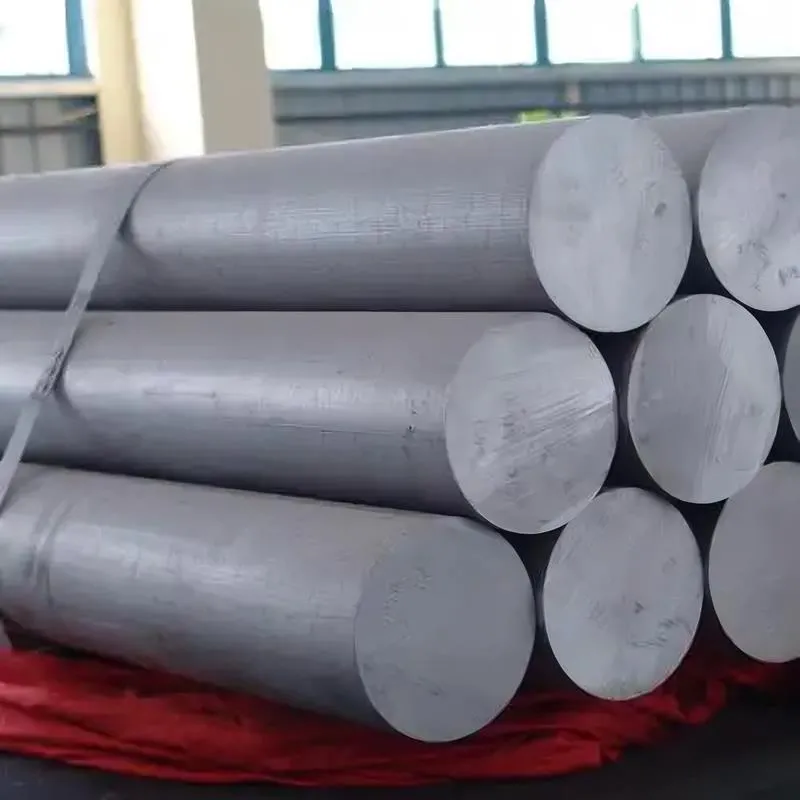
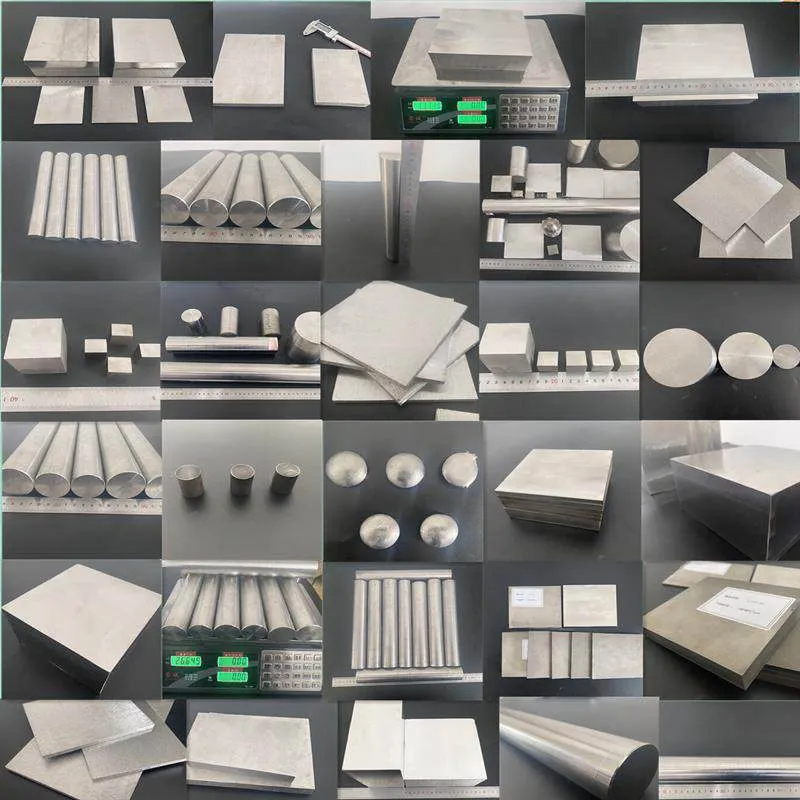
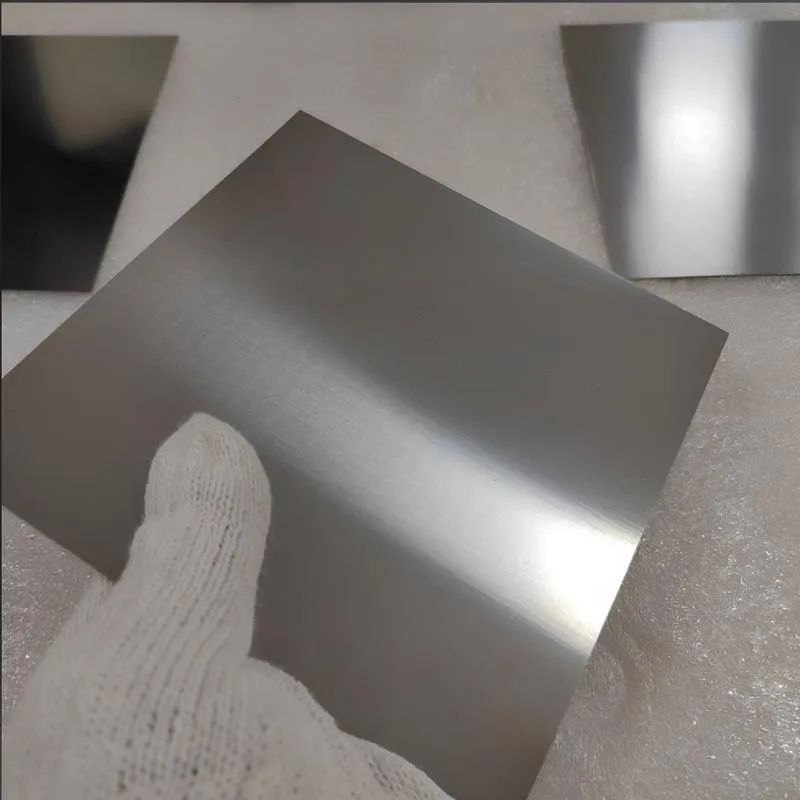
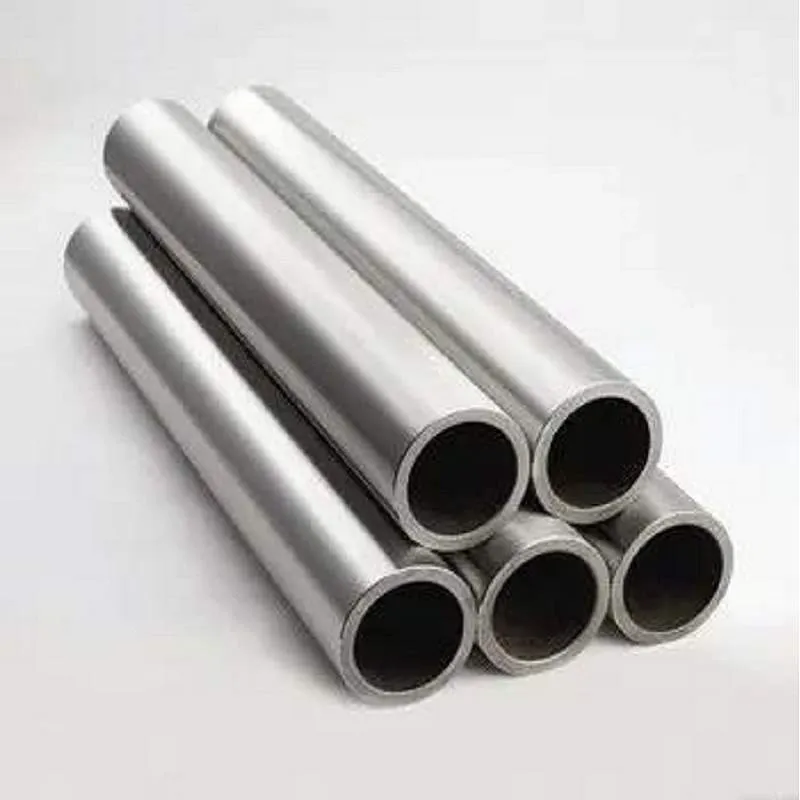
AISI Type M50 Tool Steel Rod/Bar
Product Code : STI-CSTI-482-CU
We provide AISI Type M50 Tool Steel Rod/Bar is available in Bar (Round bar, Flat bar), Ribbon, Wire, Rod/Bars, Tube,Seamless Tube,Pipe, Ingots, Plate, Sheet, Strip and Forging Stock.,Purity, chemical composition, size, etc. can all be customized to meet specific requirements.
Please contact us if you need customized services. We will contact you with the price and availability in 24 hours.
AISI Type M50 Tool Steel Rod Product Information
-:-
For detailed product information, please contact sales.
-:
AISI Type M50 Tool Steel Rod Synonyms
-:-
For detailed product information, please contact sales.
-:
AISI Type M50 Tool Steel Product Information
-:-
For detailed product information, please contact sales.
-:
# Technical Datasheet: AISI M50 Tool Steel
---
## **1. Product Overview**
**AISI M50** is a **molybdenum-high speed steel (HSS)** belonging to the intermediate alloy category between conventional high-speed steels and tool steels. It is specifically engineered for applications requiring an optimal balance of **high hot hardness, excellent wear resistance, and good toughness**. Unlike tungsten-based HSS grades (like M2), M50 utilizes molybdenum as its primary alloying element, making it more cost-effective while maintaining strong performance in demanding cutting and bearing applications.
M50 is characterized by its ability to retain hardness at elevated temperatures (red hardness), making it suitable for high-speed cutting operations and high-temperature bearing applications where dimensional stability under load is critical. It achieves full hardness through oil quenching and is typically triple tempered to optimize its properties.
---
## **2. Key International Standards & Designations**
| Country/System | Standard Designation | Equivalent Grade Name |
| :--- | :--- | :--- |
| **USA (AISI/SAE)** | **AISI Type M50** | UNS T11350 |
| **USA (ASTM)** | **ASTM A600** | Standard Specification for High-Speed Tool Steels |
| **ISO** | **ISO 4957:2018** | **HS2-9-1-8 / 1.3346** |
| **Europe (EN)** | **EN ISO 4957:2018** | **1.3346** |
| **Germany (DIN/W-Nr.)** | **1.3346** | S 2-9-1-8 |
| **Japan (JIS)** | **JIS G4403** | **SKH59** (similar) |
| **United Kingdom (BS)** | **BM 50** | - |
| **China (GB)** | **GB/T 9943** | **W6Mo5Cr4V2** (similar to M2) |
---
## **3. Chemical Composition (Typical %)**
| Element | Weight % (Typical) | Metallurgical Function |
| :--- | :--- | :--- |
| **Carbon (C)** | 0.80 - 0.85 | Provides matrix hardness and forms carbides for wear resistance. |
| **Molybdenum (Mo)** | 4.00 - 4.50 | **Primary alloying element.** Provides hot hardness, hardenability, and forms secondary hardening carbides. |
| **Chromium (Cr)** | 3.75 - 4.25 | Enhances hardenability, wear resistance, and provides moderate corrosion resistance. |
| **Vanadium (V)** | 0.90 - 1.10 | Forms very hard, fine MC-type carbides for exceptional wear resistance and grain refinement. |
| **Tungsten (W)** | 0.25 - 0.45 | Contributes to hot hardness and secondary hardening. |
| **Cobalt (Co)** | - | Not typically added in standard M50. |
| **Silicon (Si)** | 0.20 - 0.45 | Deoxidizer and strengthens the matrix. |
| **Manganese (Mn)** | 0.20 - 0.40 | Improves hardenability and acts as a deoxidizer. |
**Key Metallurgical Features:**
- **Molybdenum-rich:** Provides a favorable combination of toughness and hot hardness.
- **Balanced carbide structure:** Contains MC (vanadium), M₆C (molybdenum/tungsten), and M₂₃C₆ (chromium) carbides.
- **Secondary hardening:** Achieves peak hardness after tempering at 510-560°C due to precipitation of fine alloy carbides.
---
## **4. Physical & Mechanical Properties**
### **4.1 Heat Treatment Parameters**
- **Annealing Temperature:** 850-870°C (1560-1600°F), slow cool
- **Austenitizing Temperature:** 1100-1150°C (2010-2100°F)
- **Quenching Medium:** Oil or salt bath
- **Tempering:** Triple temper at 525-560°C (975-1040°F) for 2+ hours each
- **Expected Annealed Hardness:** 215-240 HB
- **Expected Hardened Hardness:** **62-65 HRC**
### **4.2 Typical Mechanical Properties (Hardened & Tempered)**
| Property | Value / Rating | Notes |
| :--- | :--- | :--- |
| **Hardness** | **62 - 65 HRC** | High hardness maintained even at elevated temperatures |
| **Ultimate Tensile Strength** | ~ 2200 - 2500 MPa | High strength level |
| **Yield Strength (0.2% Offset)** | ~ 2000 - 2300 MPa | Excellent for bearing applications |
| **Compressive Strength** | ~ 3000 - 3300 MPa | Very high compressive strength |
| **Modulus of Elasticity** | 210 - 215 GPa | Typical for tool steels |
| **Impact Toughness (Charpy)** | **20 - 35 J** | Good toughness for a high-speed steel |
| **Wear Resistance** | **Excellent** | Due to hard vanadium carbides |
| **Hot Hardness** | **Excellent** | Maintains ~58-60 HRC at 500°C (932°F) |
| **Dimensional Stability** | **Good** | Proper heat treatment minimizes distortion |
### **4.3 Physical Properties**
- **Density:** 7.85 - 7.90 g/cm³
- **Thermal Conductivity:** 25 - 30 W/m·K (at 20°C)
- **Thermal Expansion Coefficient:** 10.5 - 11.5 × 10⁻⁶/K (20-400°C)
- **Electrical Resistivity:** 0.45 - 0.50 µΩ·m
---
## **5. Typical Product Applications**
M50 finds extensive use in applications requiring a balance of hot hardness, wear resistance, and reasonable toughness:
### **Primary Applications:**
- **Aerospace Bearings:** Main shaft bearings in jet engines, turbine bearings
- **High-Speed Cutting Tools:** Drills, end mills, reamers for tough materials
- **Precision Gears and Shafts** in high-performance applications
- **Cold Work Tools** requiring high wear resistance
- **Thread Rolling Dies** and form tools
### **Specialized Applications:**
- **Bearing Components** for high-temperature and high-speed environments
- **Mandrels** and precision tooling
- **Surgical and Dental Instruments** requiring sharp edges
- **Punches and Dies** for high-volume production
---
## **6. Processing & Manufacturing Guidelines**
### **6.1 Machinability**
- **Annealed State:** Fair machinability (approximately 40-50% of 1% carbon steel)
- **Hardened State:** Very difficult; requires grinding or EDM
- **Recommended Tools:** Premium carbide or CBN tooling with positive rake angles
### **6.2 Heat Treatment Considerations**
1. **Preheating:** Essential - typically at 800-850°C to minimize thermal shock
2. **Austenitizing:** Precise temperature control critical; protective atmosphere recommended
3. **Quenching:** Oil quenching preferred for maximum hardness
4. **Tempering:** Triple tempering mandatory for dimensional stability and optimal properties
5. **Cryogenic Treatment:** Optional between quenching and tempering to maximize transformation
### **6.3 Grinding and Finishing**
- Use aluminum oxide or CBN wheels
- Maintain adequate coolant flow to prevent overheating
- Light passes recommended to avoid grinding burns
---
## **7. Comparative Performance Analysis**
| Property | M50 vs. M2 | M50 vs. D2 | M50 vs. 440C |
| :--- | :--- | :--- | :--- |
| **Hot Hardness** | Comparable | Superior | Superior |
| **Wear Resistance** | Slightly lower | Slightly lower | Comparable |
| **Toughness** | Better | Better | Similar |
| **Cost** | Lower | Higher | Lower |
| **Corrosion Resistance** | Similar | Better | Much better |
**Advantages of M50:**
1. Excellent combination of hot hardness and toughness
2. Good dimensional stability during heat treatment
3. Cost-effective compared to tungsten-rich HSS grades
4. Good balance between wear resistance and shock resistance
**Limitations:**
1. Lower wear resistance than high-vanadium steels
2. Requires careful heat treatment
3. Moderate corrosion resistance
---
## **8. Quality Standards & Testing**
### **8.1 Standard Tests**
- **Hardness Testing:** Rockwell C scale
- **Microstructure Analysis:** Carbide distribution and grain size
- **Decarburization Check:** Maximum allowed per ASTM A600
- **Non-Metallic Inclusions:** Rated per ASTM E45
### **8.2 Quality Certifications**
- Material Test Certificate (MTC) with heat number traceability
- Chemical analysis report
- Hardness test results
- Microstructure examination report
---
## **9. Handling & Storage Recommendations**
### **9.1 Storage Conditions**
- Store in dry, controlled environment
- Protect from moisture to prevent rust
- Separate from other metals to prevent galvanic corrosion
### **9.2 Safety Precautions**
- Use appropriate PPE during machining and grinding
- Ensure adequate ventilation during heat treatment
- Follow standard metalworking safety protocols
---
## **10. Technical Support & Specifications**
### **10.1 Available Forms**
- Round bars: 5mm to 300mm diameter
- Flat bars: Various thicknesses and widths
- Forgings: Custom shapes and sizes
- Precision ground stock: Close tolerance material
### **10.2 Special Processing Options**
- Vacuum degassed for improved cleanliness
- Precision forged for directional properties
- Surface treatments: Nitriding, TiN coating, etc.
---
## **11. Conclusion**
**AISI M50 tool steel represents an optimal engineering solution for applications demanding a balanced combination of hot hardness, wear resistance, and mechanical toughness.** Its molybdenum-based composition provides excellent performance at elevated temperatures while maintaining reasonable cost-effectiveness compared to tungsten-rich high-speed steels.
Particularly valued in aerospace bearing applications and high-performance cutting tools, M50 offers:
- Consistent performance up to 500°C operation
- Good resistance to thermal fatigue
- Excellent dimensional stability
- Reliable service in demanding conditions
For engineers and designers working with high-speed machinery, precision tooling, or high-temperature components, M50 provides a proven, reliable material solution that balances performance requirements with practical manufacturing considerations. Proper heat treatment and processing are essential to realize the full potential of this versatile high-speed steel grade.
---
**Revision History:**
Version 1.0 - Initial Release
Version 1.1 - Updated with additional application data
*Note: Specifications subject to change based on manufacturing process and heat treatment variations.*
-:-
For detailed product information, please contact sales.
-:
AISI Type M50 Tool Steel Specification
Dimensions
Size:
Diameter 20-1000 mm Length <5214 mm
Size:We can customized as required
Standard:
Per your request or drawing
We can customized as required
Properties(Theoretical)
Chemical Composition
-:-
For detailed product information, please contact sales.
-:
AISI Type M50 Tool Steel Properties
-:-
For detailed product information, please contact sales.
-:
Applications of AISI Type M50 Tool Steel Rod
-:-
For detailed product information, please contact sales.
-:
Chemical Identifiers AISI Type M50 Tool Steel Rod
-:-
For detailed product information, please contact sales.
-:
Packing of AISI Type M50 Tool Steel Rod
-:-
For detailed product information, please contact sales.
-:
Standard Packing:
-:-
For detailed product information, please contact sales.
-:
Typical bulk packaging includes palletized plastic 5 gallon/25 kg. pails, fiber and Steel Rod drums to 1 ton super sacks in full container (FCL) or truck load (T/L) quantities. Research and sample quantities and hygroscopic, oxidizing or other air sensitive materials may be packaged under argon or vacuum. Solutions are packaged in polypropylene, plastic or glass jars up to palletized 1685 gallon liquid totes Special package is available on request. E FORUs’ is carefully handled to minimize damage during storage and transportation and to preserve the quality of our products in their original condition