AISI Type W1 Tool Steel, austenitized
Product Code : STI-CSTI-484-CU
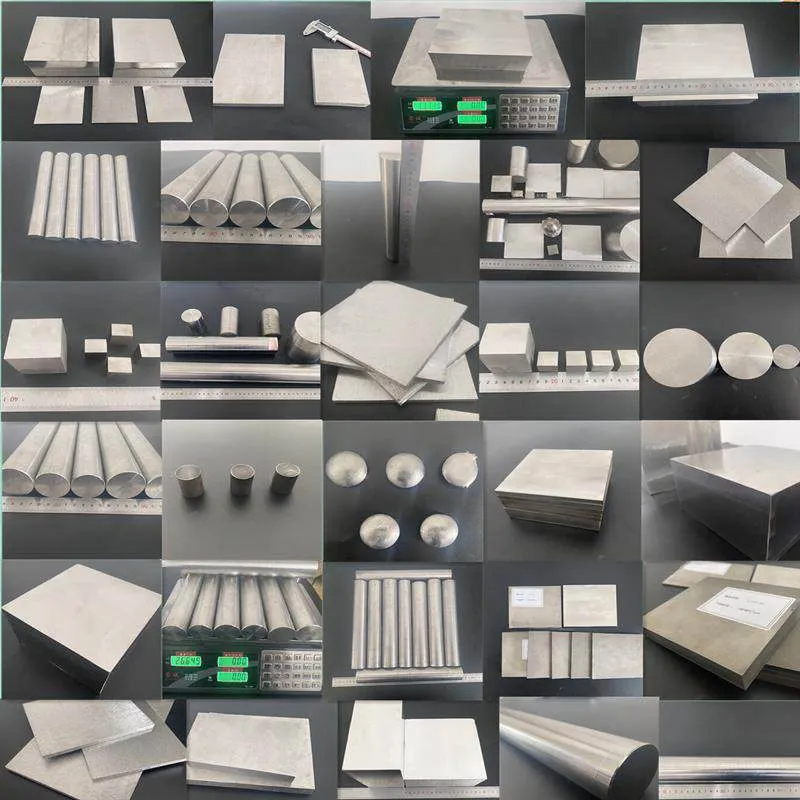
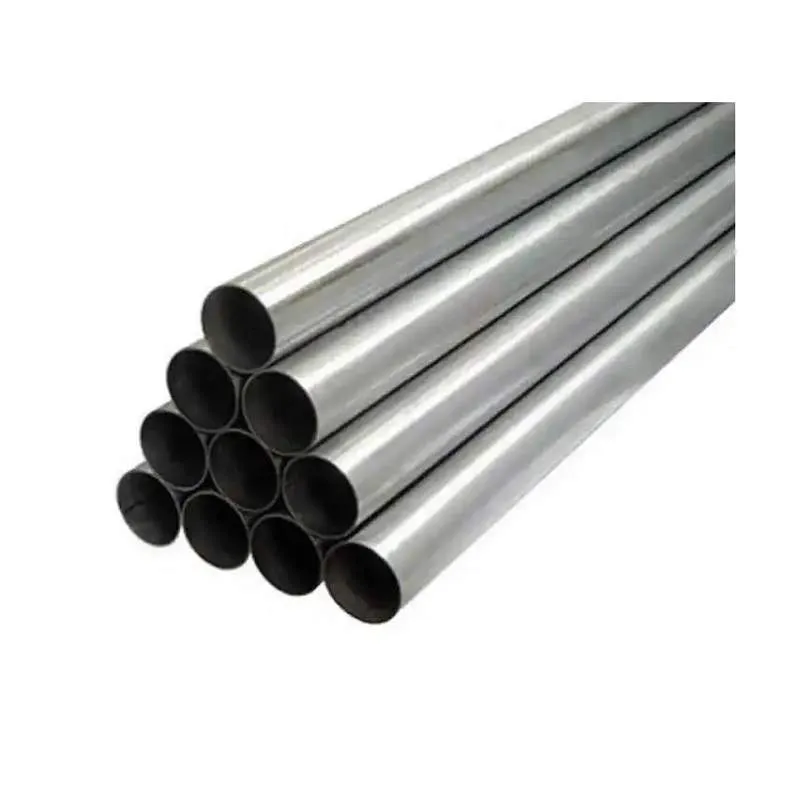
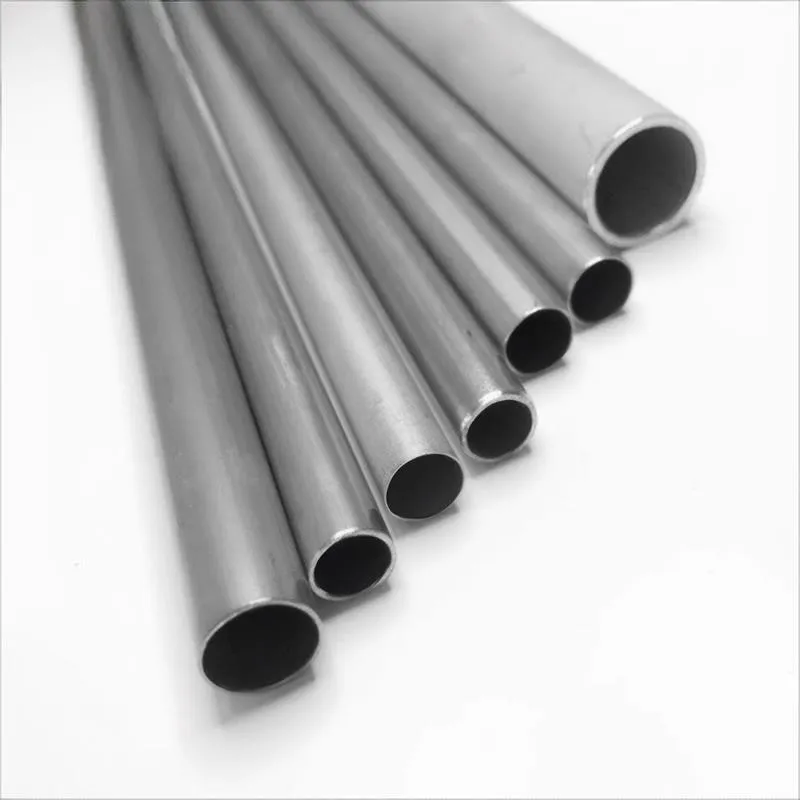
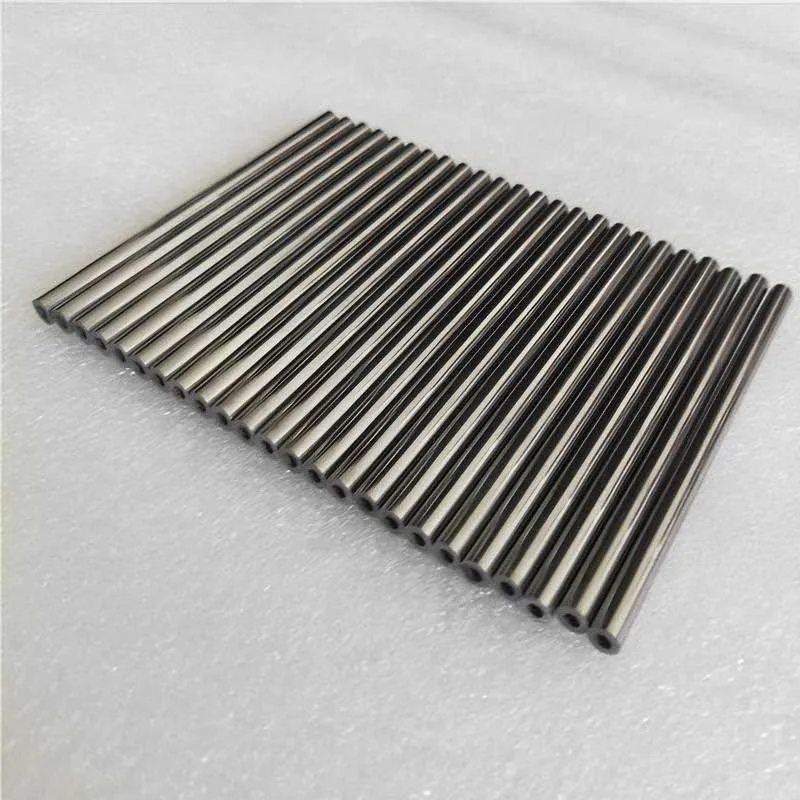
We provide AISI Type W1 Tool Steel, austenitized at 785-815°C (1450-1500°F) is available in Bar (Round bar, Flat bar), Ribbon, Wire, Rods, Tube,Seamless Tube,Pipe, Ingots, Plate, Sheet, Strip and Forging Stock.,Purity, chemical composition, size, etc. can all be customized to meet specific requirements.
Please contact us if you need customized services. We will contact you with the price and availability in 24 hours.
AISI Type W1 Tool Steel, austenitized at 785-815°C (1450-1500°F) Product Information
-:-
For detailed product information, please contact sales.
-:
AISI Type W1 Tool Steel, austenitized at 785-815°C (1450-1500°F) Synonyms
-:-
For detailed product information, please contact sales.
-:
AISI Type W1 Tool Steel, austenitized at 785-815°C (1450-1500°F) Product Information
-:-
For detailed product information, please contact sales.
-:
# Technical Datasheet: AISI W1 Tool Steel
## Heat Treatment Specification: Austenitized at 785-815°C (1450-1500°F)
---
### **1. Product Overview**
**AISI W1** is a **simple high-carbon, water-hardening tool steel** that serves as the foundation of traditional toolmaking. When austenitized within the temperature range of **785-815°C (1450-1500°F)**, it represents a specific heat treatment approach aimed at **maximizing toughness and minimizing distortion while maintaining good cutting hardness**. This processing window yields a fine-grained austenitic structure that transforms into fine martensite upon quenching, providing an optimal balance between wear resistance and resistance to chipping or brittle fracture.
This austenitizing range is particularly significant as it lies near the lower end of W1's hardening spectrum, emphasizing refined microstructure over maximum achievable hardness. The steel is typically supplied in spheroidized annealed condition and requires water, brine, or oil quenching followed by appropriate tempering to achieve final properties.
---
### **2. Key International Standards & Designations**
| Country/System | Standard Designation | Equivalent/Specification |
| :--- | :--- | :--- |
| **USA (AISI/SAE)** | **AISI Type W1** | Carbon Tool Steel (Typically C1095) |
| **USA (ASTM)** | **ASTM A686** | Standard Specification for Carbon Tool Steel |
| **ISO** | **ISO 4957:2018** | **1.1545** / C105W1 |
| **Europe (EN)** | **EN ISO 4957:2018** | **1.1545** |
| **Germany (DIN/W-Nr.)** | **1.1545** | C80W1 |
| **Japan (JIS)** | **JIS G4401** | **SK105** |
| **United Kingdom (BS)** | **BW1A** | - |
| **China (GB)** | **GB/T 1298-2008** | **T10A** (0.95-1.04% C) |
*Note: The specific carbon content within the W1 range (typically 0.95-1.10% C) is critical for this austenitizing range.*
---
### **3. Chemical Composition (Typical for This Processing)**
| Element | Weight % (Standard W1 Range) | Metallurgical Function |
| :--- | :--- | :--- |
| **Carbon (C)** | 0.95 - 1.10 | Primary hardening element. Determines maximum carbon in solution during austenitizing and final martensite hardness. |
| **Manganese (Mn)** | 0.20 - 0.40 | Limited to maintain shallow hardenability characteristic of water-hardening steels. |
| **Silicon (Si)** | 0.15 - 0.35 | Deoxidizer, minimal solid solution strengthening. |
| **Phosphorus (P)** | ≤ 0.025 | Impurity (strictly controlled to prevent cold shortness). |
| **Sulfur (S)** | ≤ 0.025 | Impurity (may be slightly elevated to improve machinability in annealed state). |
| **Chromium (Cr)** | ≤ 0.15 | Residual element, kept minimal to maintain W1 characteristics. |
| **Nickel (Ni)** | ≤ 0.20 | Residual element. |
| **Copper (Cu)** | ≤ 0.20 | Residual element. |
**Metallurgical Significance of 785-815°C Range:**
- **Lower End (785°C):** Produces finest possible grain size, maximizing toughness and fatigue resistance
- **Upper End (815°C):** Allows slightly more carbon into solution, potentially increasing maximum hardness
- **Critical Consideration:** This range is carefully selected to be **just above the Ac₃ transformation temperature** (typically 750-770°C for W1), ensuring complete austenitization while minimizing grain growth
---
### **4. Physical & Mechanical Properties (Post-Austenitizing & Quenching)**
#### **4.1 Recommended Heat Treatment Cycle**
* **Preheating:** 550-650°C (1020-1200°F) - **Strongly recommended** to reduce thermal shock and distortion
* **Austenitizing:** **785-815°C (1450-1500°F)** - Soak time: 10-20 minutes per inch of thickness
* **Quenching Media Options:**
- **Water:** Maximum hardness (65-66 HRC as-quenched) but highest cracking risk
- **Brine (5-10% NaCl):** Faster cooling, reduces soft spots
- **Oil:** Reduced hardness (60-62 HRC) but minimal cracking risk
- **Polymer solutions:** Controlled cooling rates
* **Tempering Requirements:** Essential. Typical range: 150-400°C (300-750°F) depending on application
#### **4.2 Mechanical Properties (As-Quenched from 800°C + Tempered)**
| Property | Water Quenched + 200°C Temper | Oil Quenched + 200°C Temper | Water Quenched + 315°C Temper |
| :--- | :--- | :--- | :--- |
| **Hardness (HRC)** | 62-64 | 58-60 | 56-58 |
| **Tensile Strength (MPa)** | 2100-2300 | 1900-2100 | 1700-1900 |
| **Yield Strength (MPa)** | 1800-2000 | 1600-1800 | 1400-1600 |
| **Impact Toughness (J)** | 10-15 | 15-20 | 20-30 |
| **Wear Resistance** | Excellent | Very Good | Good |
| **Distortion Risk** | Very High | Moderate | Moderate |
#### **4.3 Unique Properties of This Austenitizing Range**
- **Grain Size:** ASTM 8-10 (extremely fine)
- **Decarburization Susceptibility:** High - requires protective atmosphere
- **Hardenability Depth:** 3-6mm (1/8-1/4") in water, 2-4mm in oil
- **Dimensional Change:** Approximately +0.10-0.15% after quenching
#### **4.4 Physical Properties**
- **Density:** 7.83 g/cm³
- **Thermal Conductivity:** 46 W/m·K at 20°C
- **Specific Heat:** 460 J/kg·K
- **Coefficient of Thermal Expansion:** 11.5 × 10⁻⁶/K (20-100°C)
- **Electrical Resistivity:** 0.19 μΩ·m
---
### **5. Typical Product Applications**
This specific austenitizing treatment produces tools with **exceptional toughness and fatigue resistance**, making it ideal for applications subject to impact or cyclic loading.
#### **Primary Applications:**
- **Hand Striking Tools:** Hammers, sledges, chisels, punches
- **Cutting Tools for Wood:** Chisels, plane irons, carving tools
- **Spring Tools:** Snap-ring pliers, spring-making tools
- **Cold Heading Dies** for small fasteners
- **Measuring Tools:** Calipers, gauges, templates
#### **Specialized Applications:**
- **Surgical and Dental Instruments** requiring sharp, durable edges
- **Engraving Tools** for fine detail work
- **Jewelry Making Tools**
- **Traditional Blacksmithing Tools**
---
### **6. Processing & Manufacturing Guidelines**
#### **6.1 Machinability (Annealed State)**
- **Rating:** 85% of free-machining steel
- **Surface Finish:** Excellent
- **Tool Life:** Very good with proper tool geometry
- **Recommended Tools:** High-speed steel with positive rake angles
#### **6.2 Heat Treatment Considerations**
1. **Temperature Control:** Critical ±5°C tolerance recommended
2. **Atmosphere Control:** Required to prevent decarburization
3. **Quenching Technique:**
- Water: Vigorous agitation essential
- Brine: Reduced vapor blanket effect
- Oil: Fast quenching oil (100°C) recommended
4. **Tempering:** Should begin within 1 hour of quenching
#### **6.3 Surface Treatments**
- **Nitriding:** Possible but limited due to low alloy content
- **Coatings:** TiN, TiCN, DLC can be applied
- **Black Oxide:** Common for corrosion protection
---
### **7. Comparative Performance Analysis**
| Property | W1 (800°C) | O1 (790°C) | A2 (940°C) |
| :--- | :--- | :--- | :--- |
| **Max Hardness (HRC)** | 66 | 65 | 62 |
| **Toughness** | Very Good | Good | Fair |
| **Distortion** | High | Moderate | Low |
| **Cost** | Low | Moderate | High |
| **Machinability** | Excellent | Very Good | Good |
| **Hardenability** | Shallow | Moderate | Deep |
**Advantages of This Treatment:**
1. **Superior Toughness:** Finest possible grain structure
2. **Minimal Softening:** During subsequent tempering
3. **Excellent Edge Stability:** For cutting applications
4. **Cost-Effectiveness:** Simple heat treatment requirements
**Limitations:**
1. **Severe Quenching Stresses:** High cracking risk
2. **Limited Section Size:** Maximum ~12mm diameter
3. **Poor Temperature Resistance:** Softens above 200°C
4. **Corrosion Susceptibility:** Requires protection
---
### **8. Quality Control & Testing**
#### **8.1 Standard Tests**
- **Hardness Gradient:** Rockwell testing at multiple depths
- **Microstructure:** Grain size (ASTM E112), carbide distribution
- **Decarburization Depth:** Per ASTM E1077
- **Bend Testing:** For tool bit applications
#### **8.2 Acceptance Criteria**
- Surface hardness within ±1 HRC of specification
- Maximum decarb depth: 0.1mm per side
- Grain size: ASTM 8 or finer
- Freedom from quench cracks (magnaflux or dye penetrant)
---
### **9. Historical & Modern Context**
#### **Historical Significance:**
W1 steel austenitized in this range represents **traditional toolmaking practice** dating to the 19th century. The temperature range was empirically determined by blacksmiths observing color changes:
- **785°C:** Bright cherry red
- **815°C:** Medium cherry red
#### **Modern Applications:**
While largely supplanted by alloy steels for industrial applications, this treatment remains vital for:
- **Custom hand tools** where toughness is paramount
- **Restoration of antique tools**
- **Educational purposes** in metallurgy training
- **Specialty applications** where alloy steels are unsuitable
---
### **10. Technical Specifications Summary**
#### **10.1 Optimal Applications:**
- Maximum thickness: 12mm (water), 25mm (oil)
- Operating temperature: <200°C
- Production volume: Low to medium
- Tool complexity: Simple to moderate
#### **10.2 Recommended Processing Sequence:**
1. Rough machine (allow 0.5mm per side for finishing)
2. Stress relieve at 650°C (if complex shape)
3. Final machine to dimensions
4. Austenitize at 785-815°C
5. Quench in selected medium
6. Temper immediately
7. Final grinding/sharpening
8. Surface treatment/protection
---
### **11. Conclusion**
**AISI W1 tool steel austenitized at 785-815°C represents a precision balance in traditional heat treatment technology.** This specific processing window yields tools with an exceptional combination of **fine grain structure, good hardness, and remarkable toughness** - characteristics that made W1 the dominant tool steel for centuries.
The key advantages of this treatment are:
1. **Predictable Results:** Consistent performance within narrow parameters
2. **Superior Edge Quality:** Fine grain enables extremely sharp edges
3. **Economic Viability:** Lowest cost tool steel option
4. **Processing Flexibility:** Multiple quenching options available
However, successful implementation requires:
- **Meticulous temperature control**
- **Appropriate quenching media selection**
- **Proper tempering practice**
- **Awareness of section size limitations**
For applications where **impact resistance, ease of resharpening, and cost-effectiveness** are primary concerns, and where operating conditions remain below 200°C, W1 austenitized in the 785-815°C range continues to offer **exceptional value and performance**. Modern applications particularly benefit from controlled atmosphere furnaces and precise temperature control, overcoming the historical limitations of this traditional treatment while preserving its fundamental advantages.
---
**Revision Notes:**
* Specifications assume proper heat treatment equipment and practices
* Actual results may vary based on specific furnace characteristics
* For critical applications, prototype testing is recommended
* Consult with metallurgical specialist for application-specific modifications
-:-
For detailed product information, please contact sales.
-:
AISI Type W1 Tool Steel, austenitized at 785-815°C (1450-1500°F) Specification
Dimensions
Size:
Diameter 20-1000 mm Length <5216 mm
Size:We can customized as required
Standard:
Per your request or drawing
We can customized as required
Properties(Theoretical)
Chemical Composition
-:-
For detailed product information, please contact sales.
-:
AISI Type W1 Tool Steel, austenitized at 785-815°C (1450-1500°F) Properties
-:-
For detailed product information, please contact sales.
-:
Applications of AISI Type W1 Tool Steel, austenitized at 785-815°C (1450-1500°F)
-:-
For detailed product information, please contact sales.
-:
Chemical Identifiers AISI Type W1 Tool Steel, austenitized at 785-815°C (1450-1500°F)
-:-
For detailed product information, please contact sales.
-:
Packing of AISI Type W1 Tool Steel, austenitized at 785-815°C (1450-1500°F)
-:-
For detailed product information, please contact sales.
-:
Standard Packing:
-:-
For detailed product information, please contact sales.
-:
Typical bulk packaging includes palletized plastic 5 gallon/25 kg. pails, fiber and steel drums to 1 ton super sacks in full container (FCL) or truck load (T/L) quantities. Research and sample quantities and hygroscopic, oxidizing or other air sensitive materials may be packaged under argon or vacuum. Solutions are packaged in polypropylene, plastic or glass jars up to palletized 1687 gallon liquid totes Special package is available on request. E FORUs’ is carefully handled to minimize damage during storage and transportation and to preserve the quality of our products in their original condition