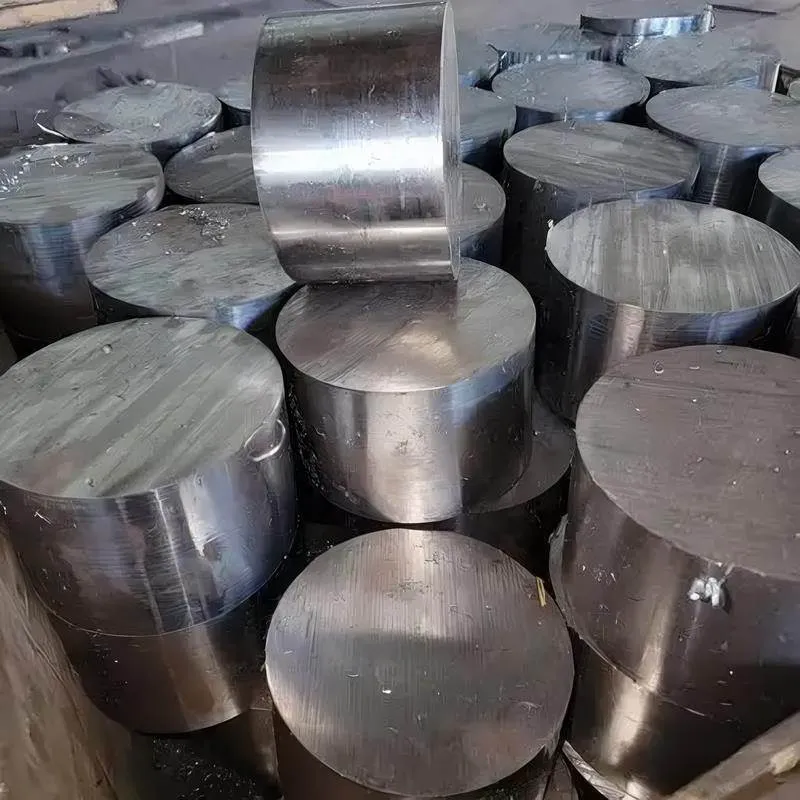
ASTM A710 Steel, grade A, class 1, 6
Product Code : STI-CSTI-1232-CU
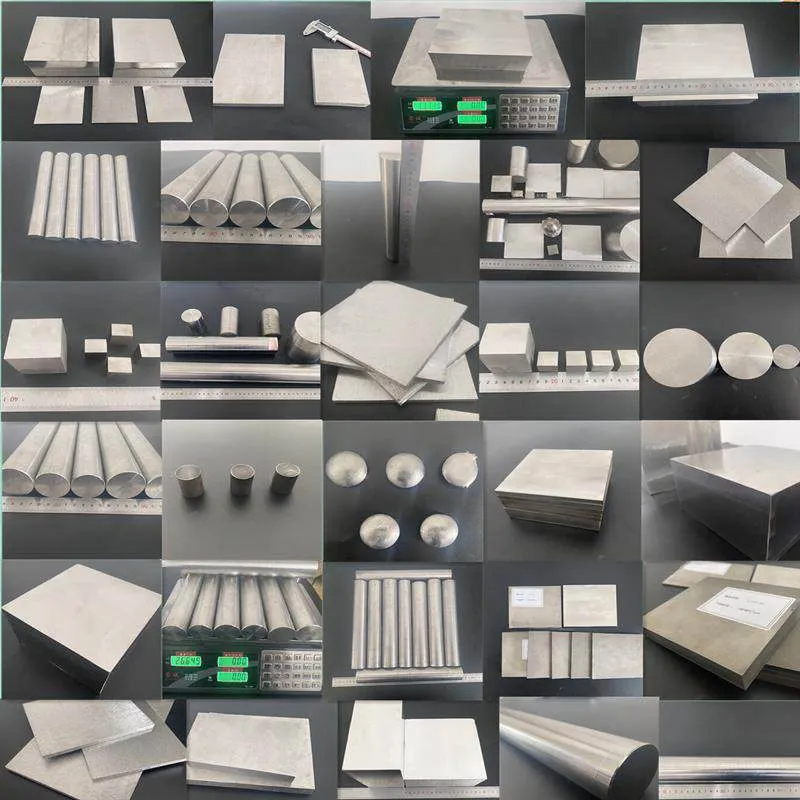
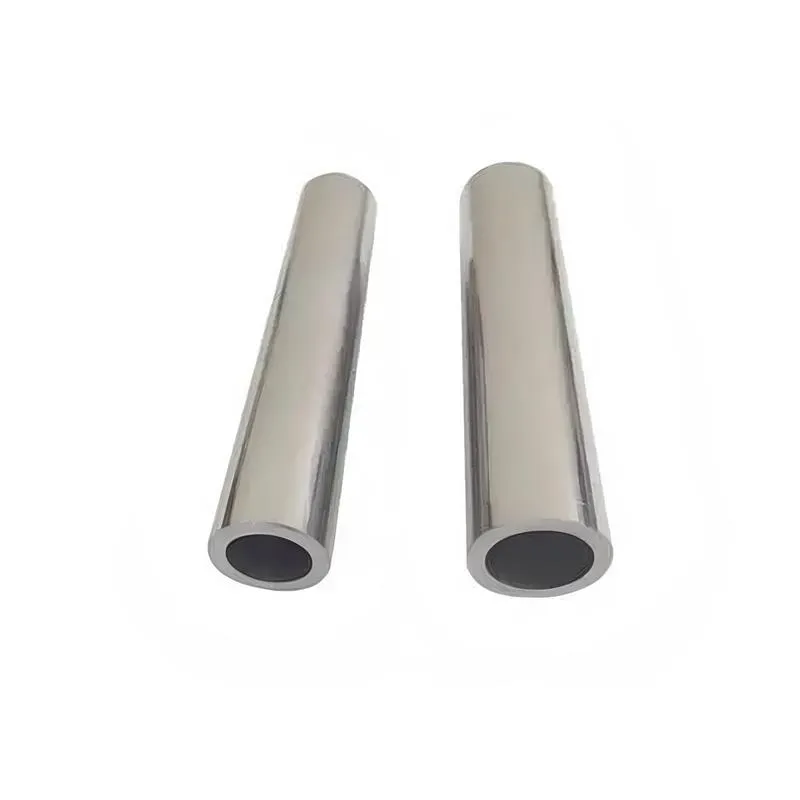
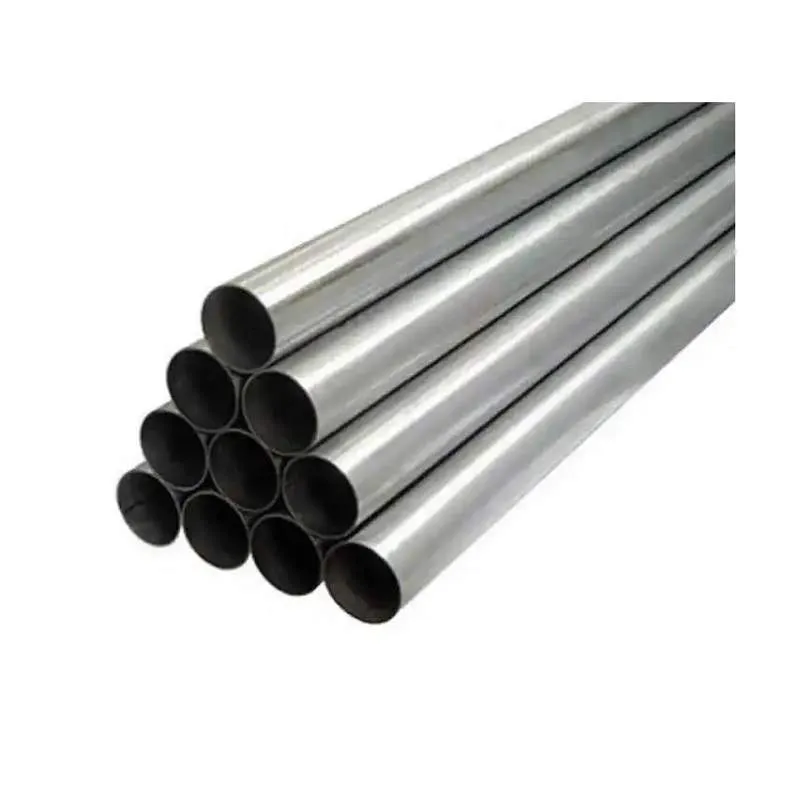
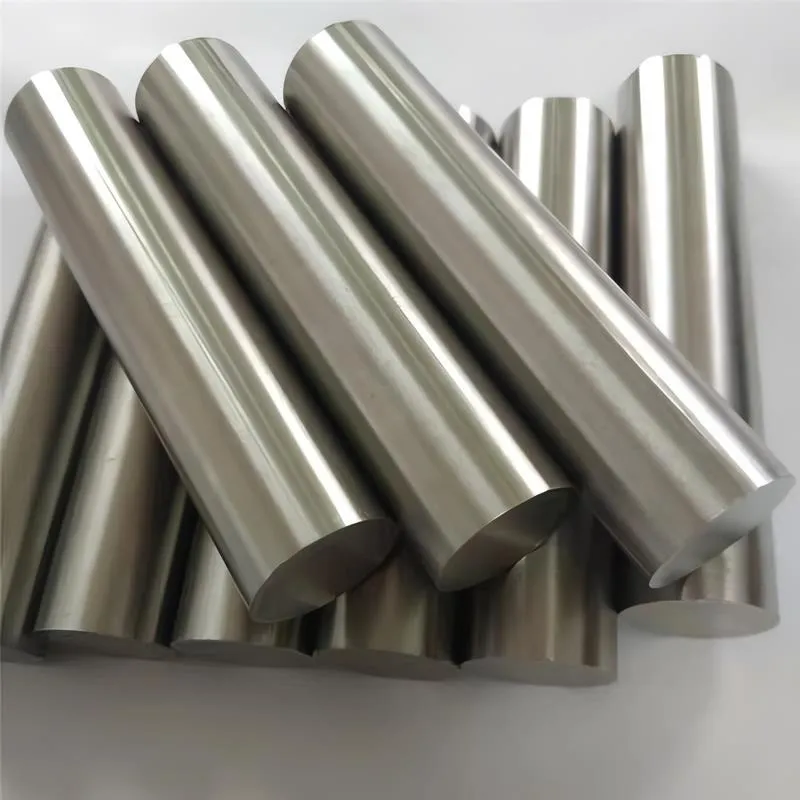
We provide ASTM A710 Steel, grade A, class 1, 6.4 - 8.0 mm thick is available in Bar (Round bar, Flat bar), Ribbon, Wire, Rods, Tube,Seamless Tube,Pipe, Ingots, Plate, Sheet, Strip and Forging Stock.,Purity, chemical composition, size, etc. can all be customized to meet specific requirements.
Please contact us if you need customized services. We will contact you with the price and availability in 24 hours.
ASTM A710 Steel, grade A, class 1, 6.4 - 8.0 mm thick Product Information
-:-
For detailed product information, please contact sales.
-:
ASTM A710 Steel, grade A, class 1, 6.4 - 8.0 mm thick Synonyms
-:-
For detailed product information, please contact sales.
-:
ASTM A710 Steel, grade A, class 1, 6.4 - 8.0 mm thick Product Information
-:-
For detailed product information, please contact sales.
-:
# Technical Data Sheet: ASTM A710 Grade A Class 1 Steel Plate
**Thickness: 6.4 - 8.0 mm (0.25 - 0.31 inches)**
---
## **1. PRODUCT OVERVIEW**
**Standard Designation:** ASTM A710/A710M
**Full Title:** *Standard Specification for Precipitation-Strengthened Low-Carbon Nickel-Copper-Chromium-Molybdenum-Columbium Alloy Steel Plate and Sheet*
**Grade:** A, Class 1
**Thickness Range:** 6.4 - 8.0 mm (0.25 - 0.31 inches)
**International Standard:** ASTM International
**Material Type:** Precipitation-strengthened (age-hardened) low-carbon alloy steel
**Key Feature:** Unique combination of high strength, excellent toughness, and superior atmospheric corrosion resistance achieved through precipitation hardening rather than carbon hardening
---
## **2. MATERIAL CHARACTERISTICS & METALLURGY**
### **2.1 Unique Metallurgical System**
ASTM A710 Grade A Class 1 represents an advanced **low-carbon precipitation-hardening steel** that achieves high strength through a fundamentally different mechanism than traditional high-strength low-alloy (HSLA) steels.
**Strengthening Mechanism:**
- **Primary:** Precipitation hardening via copper-rich precipitates (ε-phase)
- **Secondary:** Solid solution strengthening from nickel, chromium, molybdenum
- **Tertiary:** Grain refinement via columbium (niobium) carbonitrides
- **No Martensite Formation:** Avoids issues associated with quench and temper steels
**Heat Treatment Cycle:**
1. **Solution Annealing:** 900-925°C (1650-1700°F) - dissolves copper in austenite
2. **Rapid Cooling:** Water quenching - maintains supersaturated solid solution
3. **Aging/Austenitizing:** 540-675°C (1000-1250°F) - controlled precipitation of copper particles
4. **Cooling:** Air cooling - final microstructure of fine-grained ferrite with precipitates
### **2.2 Advantages for 6.4-8.0 mm Thickness Range**
**Optimal Performance Characteristics in This Thickness:**
- **Full Through-Thickness Hardening:** Complete age hardening achievable
- **Minimal Property Gradient:** Consistent properties surface to center
- **Excellent Weldability:** Low carbon content allows welding without preheat in most cases
- **Superior Formability:** Maintains ductility despite high strength
---
## **3. CHEMICAL COMPOSITION (6.4-8.0 mm thickness)**
### **3.1 Base Composition Requirements**
| Element | Composition Range (% by weight) | Metallurgical Function |
|---------|---------------------------------|------------------------|
| **Carbon (C)** | 0.07 max | Ultra-low carbon for weldability and toughness |
| **Manganese (Mn)** | 0.40-0.70 | Deoxidizer, solid solution strengthener |
| **Phosphorus (P)** | 0.025 max | Strict control for toughness |
| **Sulfur (S)** | 0.025 max | Strict control for improved properties |
| **Silicon (Si)** | 0.40 max | Deoxidizer, typically 0.15-0.30% |
| **Nickel (Ni)** | 0.70-1.00 | Austenite stabilizer, improves toughness |
| **Copper (Cu)** | 1.00-1.30 | Primary precipitation hardener |
| **Chromium (Cr)** | 0.60-0.90 | Solid solution strengthener, corrosion resistance |
| **Molybdenum (Mo)** | 0.15-0.25 | Secondary hardener, improves elevated temperature strength |
| **Columbium (Nb)** | 0.02-0.08 | Grain refiner, precipitation strengthener |
| **Aluminum (Al)** | 0.04 max | Grain size control |
### **3.2 Composition Specialties for Precipitation Hardening**
**Critical Elements for Age Hardening:**
- **Copper (Cu):** 1.00-1.30% - Forms ε-phase precipitates during aging
- **Nickel (Ni):** Prevents copper hot shortness, improves toughness
- **Columbium (Nb):** Refines grain structure, additional precipitation strengthening
- **Ultra-Low Carbon:** <0.07% eliminates martensite formation issues
**Carbon Equivalent Considerations:**
- **CE(IIW):** Typically 0.30-0.35 (excellent weldability)
- **Pcm:** Typically 0.15-0.20 (superior to conventional HSLA steels)
- **Preheat Requirements:** Often not required for thickness ≤12 mm
---
## **4. MECHANICAL PROPERTIES (6.4-8.0 mm thickness)**
### **4.1 Minimum Required Properties (Class 1)**
| Property | Requirement | Test Standard | Notes for 6.4-8.0 mm Thickness |
|----------|-------------|---------------|--------------------------------|
| **Yield Strength (min)** | 450 MPa (65 ksi) | ASTM A370 | Measured at 0.2% offset |
| **Tensile Strength** | 515-620 MPa (75-90 ksi) | ASTM A370 | Must fall within range |
| **Elongation in 50 mm** | 20% min | ASTM A370 | Excellent ductility |
| **Charpy V-Notch Impact** | 54 J (40 ft-lbf) @ -73°C (-100°F) | ASTM A673 | Exceptional low-temperature toughness |
### **4.2 Typical Property Ranges**
**For 6.4-8.0 mm Thickness:**
| Property | Typical Range | Performance Characteristics |
|----------|---------------|----------------------------|
| **Yield Strength** | 480-520 MPa (70-75 ksi) | Consistent through thickness |
| **Tensile Strength** | 540-590 MPa (78-86 ksi) | Well within specification range |
| **Yield-to-Tensile Ratio** | 0.85-0.90 | High ratio for structural efficiency |
| **Elongation** | 22-28% | Excellent for high-strength material |
| **Reduction of Area** | 60-70% | Superior fracture resistance |
### **4.3 Exceptional Toughness Properties**
**Impact Toughness Characteristics:**
- **Standard Requirement:** 54 J (40 ft-lbf) @ -73°C (-100°F)
- **Typical Performance:** 80-150 J @ -73°C (-100°F)
- **Ductile-to-Brittle Transition:** Typically below -100°C (-150°F)
- **Upper Shelf Energy:** >200 J typical at room temperature
**Fracture Toughness:**
- **K₁c Values:** 200-250 MPa√m typical
- **CTOD Values:** 0.5-1.0 mm typical at service temperatures
- **Fatigue Crack Growth:** Superior resistance compared to conventional steels
---
## **5. PHYSICAL PROPERTIES**
| Property | Value | Conditions/Notes |
|----------|-------|------------------|
| **Density** | 7.87 g/cm³ (0.284 lb/in³) | Slightly higher than carbon steel |
| **Modulus of Elasticity (E)** | 200 GPa (29,000 ksi) | Similar to conventional steels |
| **Shear Modulus (G)** | 77 GPa (11,200 ksi) | - |
| **Poisson's Ratio** | 0.29 | - |
| **Coefficient of Thermal Expansion** | 11.5 × 10⁻⁶/°C (6.4 × 10⁻⁶/°F) | 20-100°C range |
| **Thermal Conductivity** | 38 W/(m·K) | At 100°C; lower than carbon steel |
| **Specific Heat** | 0.46 kJ/(kg·K) | At 20°C |
| **Electrical Resistivity** | 0.25 μΩ·m | At 20°C; higher than carbon steel |
| **Magnetic Properties** | Ferromagnetic | - |
---
## **6. FABRICATION CHARACTERISTICS**
### **6.1 Cutting & Edge Preparation**
**Excellent Fabricability for 6.4-8.0 mm Thickness:**
| Process | Capability | Quality Considerations |
|---------|------------|------------------------|
| **Plasma Cutting** | Excellent | High-quality edges, minimal HAZ |
| **Laser Cutting** | Excellent | Precision cutting, square edges |
| **Waterjet Cutting** | Excellent | No thermal effects, complex shapes |
| **Shearing** | Good for straight cuts | Clean edges, minimal distortion |
| **Punching** | Excellent | Clean holes, minimal burring |
**Edge Preparation for Welding:**
- **Edge Condition:** As-cut edges generally suitable for welding
- **Surface Roughness:** Ra ≤ 25 μm typically acceptable
- **Burr Removal:** Recommended for optimal fit-up
- **Grinding:** Minimal required due to clean cutting
### **6.2 Forming & Bending**
**Superior Formability Characteristics:**
- **Minimum Bend Radius:** 1.5× thickness for 90° bends
- **Springback:** Predictable, approximately 1-3°
- **Work Hardening Rate:** Lower than conventional HSLA steels
- **Surface Quality:** Excellent, minimal orange peel effect
**Forming Guidelines:**
- **Cold Forming:** Recommended for all operations
- **Hot Forming:** Possible but may require re-aging
- **Roll Forming:** Excellent for continuous shapes
- **Stretch Forming:** Good capability due to high uniform elongation
### **6.3 Welding Characteristics**
**Outstanding Weldability:**
- **Carbon Equivalent:** 0.30-0.35 (superior to conventional steels)
- **Preheat Requirements:** Generally not required for ≤12 mm thickness
- **Interpass Temperature:** Maximum 200°C (400°F)
**Recommended Welding Processes:**
1. **Gas Metal Arc Welding (GMAW):** ER80S-Ni2 or similar filler
2. **Flux-Cored Arc Welding (FCAW):** E81T1-Ni2 or equivalent
3. **Gas Tungsten Arc Welding (GTAW):** For critical applications
4. **Shielded Metal Arc Welding (SMAW):** E8018-C3 or similar
**Welding Considerations:**
- **Filler Metal Selection:** Matching or slightly undermatching strength
- **Heat Input Control:** 1.0-3.0 kJ/mm recommended
- **Post-Weld Heat Treatment:** Generally not required
- **Weld Metal Toughness:** Typically excellent
---
## **7. PRIMARY APPLICATIONS**
### **7.1 Critical Structural Applications**
| Application Sector | Specific Uses | Why A710 Gr A Cl 1 is Specified |
|--------------------|---------------|----------------------------------|
| **Offshore Structures** | Jacket braces, node cans, deck components | Exceptional toughness at low temperatures |
| **Arctic Applications** | Icebreaker hulls, polar platforms | -73°C (-100°F) toughness requirement |
| **Cryogenic Storage** | LNG tank walls, support structures | Maintains properties at cryogenic temperatures |
| **Pressure Vessels** | Low-temperature service vessels | Combination of strength and toughness |
### **7.2 Defense & Security Applications**
- **Naval Vessels:** Hull plating, ballistic protection backing
- **Armored Vehicles:** Structural components requiring blast resistance
- **Military Bridges:** Portable bridge components
- **Security Structures:** Blast-resistant buildings
### **7.3 Energy & Industrial Applications**
- **Hydroelectric:** Penstock liners, turbine components
- **Nuclear:** Secondary containment, spent fuel storage
- **Mining:** High-stress structural components
- **Chemical Processing:** Corrosion-resistant structures
### **7.4 Transportation Applications**
- **Railroad Tank Cars:** For cryogenic liquids
- **Specialty Trailers:** Heavy-haul equipment
- **Aerospace Ground Support:** Cryogenic handling equipment
- **Marine Transport:** Ice-class vessel components
---
## **8. QUALITY ASSURANCE & TESTING**
### **8.1 Enhanced Testing Requirements**
| Test | Frequency | Specification | Acceptance Criteria |
|------|-----------|---------------|---------------------|
| **Chemical Analysis** | Each heat | Complete analysis | All elements within range |
| **Tensile Test** | Each heat/thickness | ASTM A370 | Properties within specified ranges |
| **Charpy Impact Test** | Each heat/thickness | ASTM A673 | Minimum 54 J @ -73°C (-100°F) |
| **Bend Test** | When specified | ASTM A370 | No cracking at 2t radius |
### **8.2 Dimensional Tolerances (6.4-8.0 mm)**
**Per ASTM A6/A6M with Enhanced Requirements:**
| Parameter | Tolerance | Measurement Method |
|-----------|-----------|-------------------|
| **Thickness** | ±0.15 mm | Multiple points across plate |
| **Width** | ±1.5 mm (sheared edges) | Both edges measured |
| **Length** | ±3.0 mm | End-to-end measurement |
| **Flatness** | 3 mm per meter maximum | On proper supports |
| **Edge Squareness** | ±1° maximum | Angle measurement |
### **8.3 Special Testing for Critical Applications**
- **Through-Thickness Testing:** For plates >8 mm if specified
- **Fracture Toughness Testing:** K₁c or CTOD testing
- **Corrosion Testing:** Salt spray, atmospheric exposure
- **Nondestructive Testing:** UT, RT, MT as required
---
## **9. COMPARATIVE ANALYSIS**
### **9.1 Within ASTM A710 Family**
| Property | Grade A Class 1 | Grade A Class 2 | Grade A Class 3 |
|----------|-----------------|-----------------|-----------------|
| **Min Yield Strength** | 450 MPa | 485 MPa | 550 MPa |
| **Tensile Range** | 515-620 MPa | 550-690 MPa | 620-760 MPa |
| **Aging Temperature** | Lower | Intermediate | Higher |
| **Typical Applications** | Structural | Pressure vessels | High-strength |
| **Relative Cost** | 1.00 | 1.05 | 1.10 |
### **9.2 Comparison with Conventional Steels**
| Aspect | A710 Gr A Cl 1 | ASTM A572 Gr 50 | ASTM A633 Gr E |
|--------|----------------|-----------------|----------------|
| **Strengthening Mechanism** | Precipitation | Microalloyed | Normalized |
| **Carbon Content** | 0.07% max | 0.23% max | 0.22% max |
| **Low-Temp Toughness** | 54 J @ -73°C | 27 J @ -18°C | 27 J @ -46°C |
| **Weldability (CE)** | 0.30-0.35 | 0.40-0.46 | 0.38-0.44 |
| **Corrosion Resistance** | Superior | Standard | Standard |
### **9.3 International Equivalents**
| Region/Standard | Equivalent Grade | Comparison Notes |
|-----------------|------------------|-----------------|
| **European** | No direct equivalent | Unique precipitation hardening system |
| **Japanese** | No direct equivalent | Specialized alloy system |
| **Chinese** | No direct equivalent | Proprietary technology |
| **Military** | MIL-S-24645 | Similar requirements |
---
## **10. DESIGN CONSIDERATIONS**
### **10.1 Structural Design Advantages**
**Enhanced Design Allowables:**
- **Higher Allowable Stresses:** Due to superior toughness
- **Reduced Safety Factors:** Possible in fracture-critical applications
- **Improved Fatigue Performance:** Superior crack initiation resistance
- **Better Corrosion Allowance:** Reduced section loss calculations
**Fracture Mechanics Design:**
- **Leak-Before-Break:** Suitable design philosophy
- **Damage Tolerance:** Excellent crack growth resistance
- **Fracture Control Plans:** Simplified due to material properties
- **Inspection Intervals:** Potentially extended
### **10.2 Corrosion Considerations**
**Atmospheric Corrosion Resistance:**
- **Corrosion Rate:** Approximately 1/4 that of carbon steel
- **Patina Formation:** Develops protective oxide layer
- **Marine Environment Performance:** Superior to conventional steels
- **Maintenance Requirements:** Reduced painting frequency
---
## **11. ORDERING INFORMATION**
### **11.1 Specification Format**
```
ASTM A710/A710M Grade A, Class 1
Thickness: 6.4-8.0 mm (specify exact or range)
Dimensions: Width ______ mm × Length ______ mm
Condition: Precipitation strengthened (aged)
Heat Treatment: Solution annealed and aged
Testing Requirements: Charpy V-notch @ -73°C (-100°F) min 54 J (40 ft-lbf)
Supplementary Requirements: [List if applicable]
Certification: EN 10204 3.2 certificate required
Quantity: ______ metric tons
```
### **11.2 Common Supplementary Requirements**
- **S1. Ultrasonic Examination:** For critical applications
- **S2. Through-Thickness Testing:** For plates >8 mm if specified
- **S3. Fracture Toughness Testing:** K₁c or CTOD testing
- **S4. Corrosion Testing:** Specific environmental testing
- **S5. Additional Impact Testing:** Multiple temperatures
---
## **SUMMARY**
**ASTM A710 Grade A Class 1 steel in 6.4-8.0 mm thickness** represents a **premium high-performance material** that combines exceptional strength, outstanding low-temperature toughness, and excellent corrosion resistance through its unique precipitation-hardening metallurgy.
**Key Technical Advantages:**
1. **Exceptional Toughness:** 54 J minimum @ -73°C (-100°F) - far exceeds conventional steels
2. **Superior Weldability:** Ultra-low carbon content (≤0.07%) eliminates preheat requirements
3. **Excellent Corrosion Resistance:** Nickel-copper-chromium alloy system provides inherent resistance
4. **High Strength-to-Weight:** 450 MPa minimum yield strength with excellent formability
5. **Proven Performance:** Extensive use in demanding applications since 1970s
**Unique Metallurgical Features:**
- **Precipitation Hardening:** Copper-rich ε-phase provides strengthening
- **Low Carbon Design:** Avoids martensite formation issues
- **Grain Refinement:** Columbium controls grain size for optimal toughness
- **Balanced Alloying:** Nickel prevents copper hot shortness
**Economic Considerations:**
- Higher initial material cost than conventional steels
- Justified by reduced fabrication costs (welding, forming)
- Lower lifecycle costs due to corrosion resistance
- Potential for weight savings in designs
- Reduced inspection and maintenance requirements
**Optimal Application Scenarios:**
- Structures operating in arctic or cryogenic environments
- Applications requiring both high strength and exceptional toughness
- Components where welding without preheat is advantageous
- Corrosive environments where maintenance access is difficult
- Fracture-critical applications demanding leak-before-break performance
**Final Recommendation:** ASTM A710 Grade A Class 1 6.4-8.0 mm plate is recommended for demanding applications where conventional steels cannot meet combined requirements for strength, toughness, weldability, and corrosion resistance. The material offers unique performance advantages that justify its premium cost in appropriate applications.
---
**CRITICAL SUCCESS FACTORS:**
1. Proper understanding of precipitation hardening mechanism
2. Appropriate welding procedures utilizing low-carbon advantage
3. Consideration of aging response in heat-affected zones
4. Design utilizing enhanced toughness properties
5. Quality assurance focused on low-temperature performance
**DISCLAIMER:** This technical information is based on ASTM A710/A710M specifications and industry experience. For specific applications, consult the latest edition of the standard, relevant design codes, and qualified materials engineering professionals. Material properties may vary by manufacturer and specific heat treatment. Always review certified mill test reports and conduct appropriate testing for critical applications.
-:-
For detailed product information, please contact sales.
-:
ASTM A710 Steel, grade A, class 1, 6.4 - 8.0 mm thick Specification
Dimensions
Size:
Diameter 20-1000 mm Length <5964 mm
Size:We can customized as required
Standard:
Per your request or drawing
We can customized as required
Properties(Theoretical)
Chemical Composition
-:-
For detailed product information, please contact sales.
-:
ASTM A710 Steel, grade A, class 1, 6.4 - 8.0 mm thick Properties
-:-
For detailed product information, please contact sales.
-:
Applications of ASTM A710 Steel, grade A, class 1, 6.4 - 8.0 mm thick
-:-
For detailed product information, please contact sales.
-:
Chemical Identifiers ASTM A710 Steel, grade A, class 1, 6.4 - 8.0 mm thick
-:-
For detailed product information, please contact sales.
-:
Packing of ASTM A710 Steel, grade A, class 1, 6.4 - 8.0 mm thick
-:-
For detailed product information, please contact sales.
-:
Standard Packing:
-:-
For detailed product information, please contact sales.
-:
Typical bulk packaging includes palletized plastic 5 gallon/25 kg. pails, fiber and steel drums to 1 ton super sacks in full container (FCL) or truck load (T/L) quantities. Research and sample quantities and hygroscopic, oxidizing or other air sensitive materials may be packaged under argon or vacuum. Solutions are packaged in polypropylene, plastic or glass jars up to palletized 2435 gallon liquid totes Special package is available on request. E FORUs’ is carefully handled to minimize damage during storage and transportation and to preserve the quality of our products in their original condition