Hardwire 12x-23-12
Product Code : STI-CSTI-659-CU
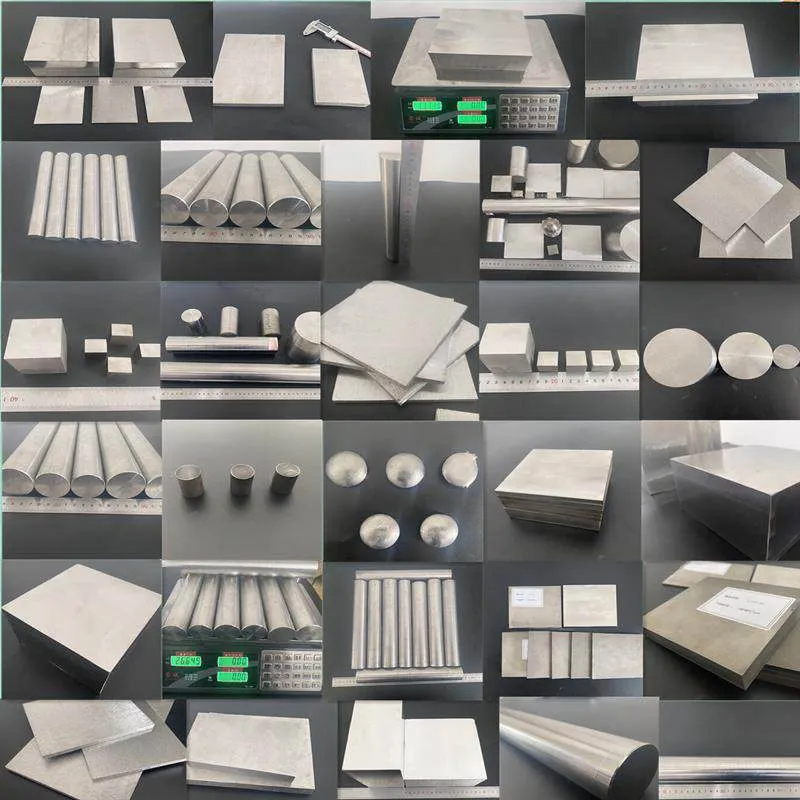
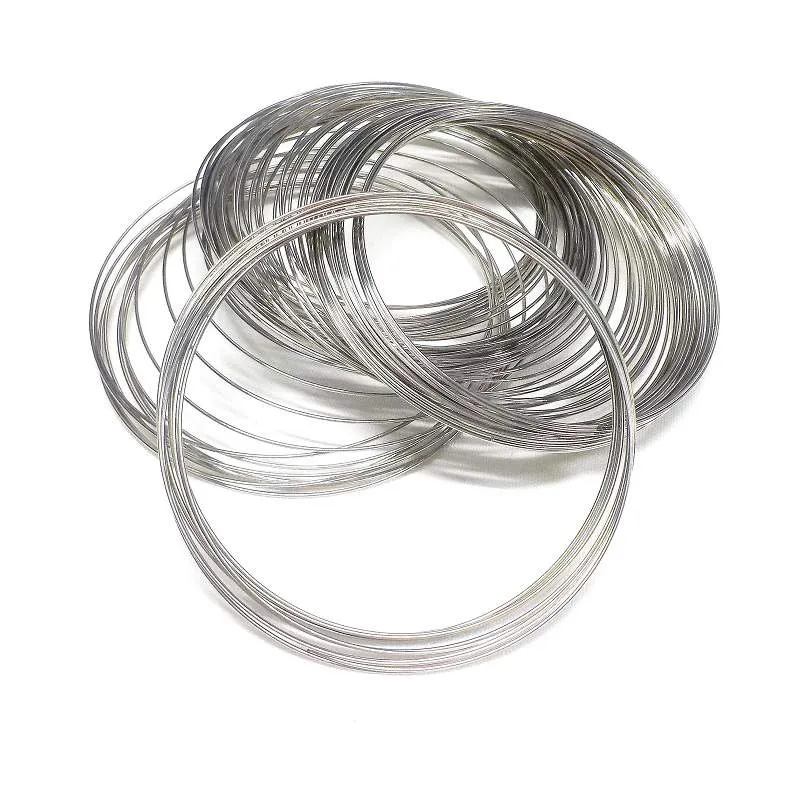
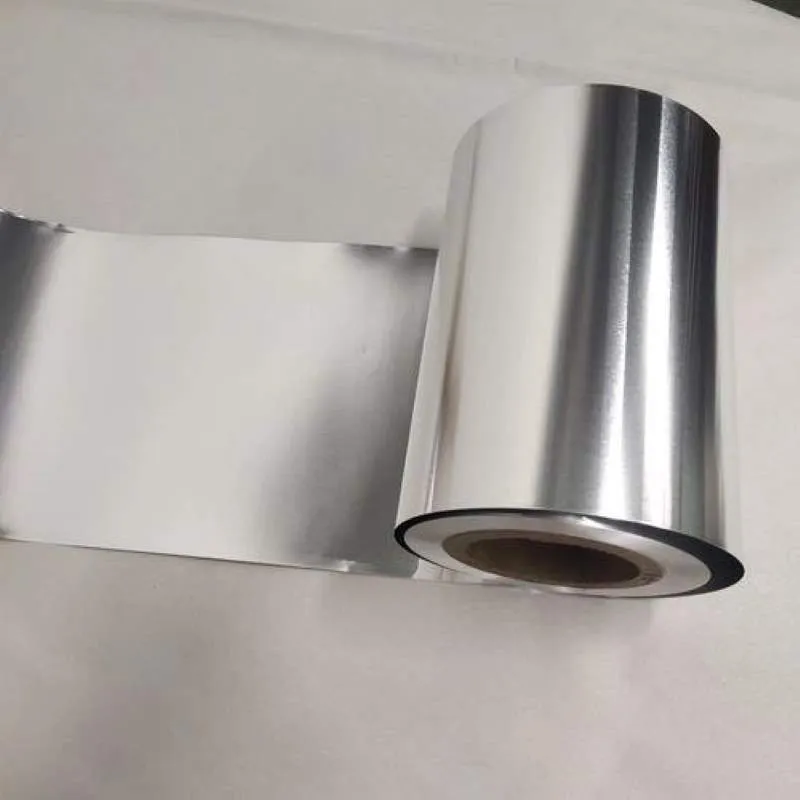
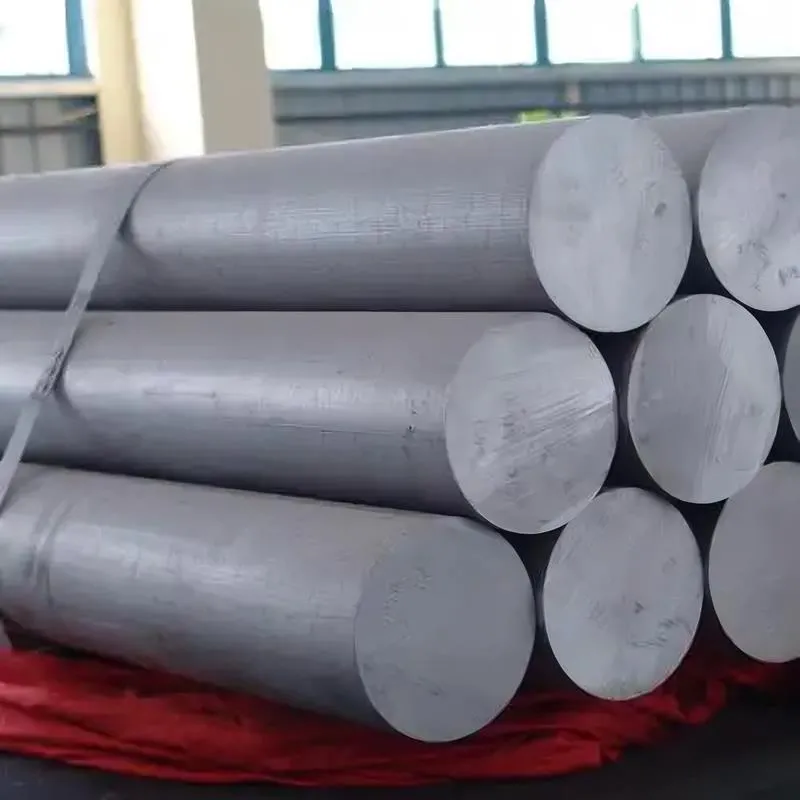
We provide Hardwire 12x-23-12 High Density Composite is available in Bar (Round bar, Flat bar), Ribbon, Wire, Rods, Tube,Seamless Tube,Pipe, Ingots, Plate, Sheet, Strip and Forging Stock.,Purity, chemical composition, size, etc. can all be customized to meet specific requirements.
Please contact us if you need customized services. We will contact you with the price and availability in 24 hours.
Hardwire 12x-23-12 High Density Composite Product Information
-:-
For detailed product information, please contact sales.
-:
Hardwire 12x-23-12 High Density Composite Synonyms
-:-
For detailed product information, please contact sales.
-:
Hardwire 12x-23-12 High Density Composite Product Information
-:-
For detailed product information, please contact sales.
-:
# **AISI 1005 Steel: Low Carbon Steel for Forming and Drawing Applications**
## **Product Overview**
AISI 1005 is a low-carbon, non-alloy steel grade within the American Iron and Steel Institute (AISI) 10xx series, specifically designed for applications requiring excellent formability, weldability, and ductility. With a maximum carbon content of 0.06%, this steel offers minimal hardness and maximum malleability, making it ideal for cold forming, deep drawing, and bending operations where high strength is not the primary requirement. As a "dead soft" steel, AISI 1005 is often supplied in the annealed condition to achieve optimal workability.
This steel is classified as a mild steel with very low carbon content, resulting in good magnetic properties and ease of machining in the annealed state. While not suitable for heat treatment to develop high strength, its primary advantages lie in its manufacturing versatility and cost-effectiveness for non-structural applications.
---
## **Chemical Composition**
### **Standard Composition (Weight %)**
| Element | Minimum | Maximum | Typical |
|---------|---------|---------|---------|
| Carbon (C) | 0.04 | 0.06 | 0.05 |
| Manganese (Mn) | 0.20 | 0.40 | 0.30 |
| Phosphorus (P) | - | 0.030 | 0.010 |
| Sulfur (S) | - | 0.035 | 0.015 |
| Silicon (Si) | - | 0.10 | 0.05 |
| Iron (Fe) | Balance | Balance | Balance |
### **Optional Additions (When Specified)**
* **Aluminum (Al):** 0.02-0.07% (for grain refinement and deoxidation)
* **Copper (Cu):** ≤0.20% (residual from scrap)
* **Nickel (Ni):** ≤0.20% (residual from scrap)
* **Chromium (Cr):** ≤0.15% (residual from scrap)
* **Molybdenum (Mo):** ≤0.05% (residual from scrap)
### **Key Composition Characteristics**
* **Ultra-Low Carbon Content:** Minimizes carbide formation and ensures maximum ductility
* **Controlled Manganese:** Provides basic solid solution strengthening without compromising formability
* **Low Residual Elements:** Minimizes impurities for consistent manufacturing performance
* **Deoxidation Practice:** Typically aluminum-killed for improved surface quality and formability
---
## **Physical & Mechanical Properties**
### **Physical Properties**
| Property | Value | Test Standard |
|----------|-------|---------------|
| Density | 7.87 g/cm³ (0.284 lb/in³) | ASTM A1032 |
| Melting Point | 1,510-1,530°C (2,750-2,786°F) | - |
| Specific Heat Capacity | 0.46 kJ/kg·K (0.11 BTU/lb·°F) | ASTM E1269 |
| Thermal Conductivity | 51.9 W/m·K (360 BTU·in/hr·ft²·°F) | ASTM E1225 |
| Coefficient of Thermal Expansion | 11.7 × 10⁻⁶/K (20-100°C) | ASTM E228 |
| Electrical Resistivity | 0.125 μΩ·m | ASTM B193 |
| Magnetic Permeability | ~200 (annealed condition) | ASTM A342 |
### **Mechanical Properties (Annealed Condition)**
| Property | Value Range | Test Standard |
|----------|-------------|---------------|
| Yield Strength (Rp0.2) | 150-200 MPa (22-29 ksi) | ASTM A370 |
| Tensile Strength (Rm) | 280-350 MPa (41-51 ksi) | ASTM A370 |
| Elongation (50mm gauge) | 40-50% | ASTM A370 |
| Reduction of Area | 70-80% | ASTM A370 |
| Brinell Hardness (HB) | 85-105 | ASTM E10 |
| Rockwell Hardness | B50-B65 | ASTM E18 |
| Modulus of Elasticity | 200-210 GPa (29-30.5 Msi) | ASTM E111 |
| Poisson's Ratio | 0.29-0.30 | ASTM E132 |
### **Formability Characteristics**
* **n-value (Strain Hardening Exponent):** 0.22-0.25
* **r-value (Plastic Strain Ratio):** 1.0-1.2 (isotropic behavior)
* **Limiting Drawing Ratio (LDR):** 2.0-2.2
* **Minimum Bend Radius:** 0-0.5 × thickness (for 90° bend)
* **Springback Characteristics:** Minimal due to low yield strength
### **Work Hardening Response**
* **Cold Work Hardening Rate:** Moderate; strength increases approximately 50-70 MPa per 10% cold work
* **Maximum Attainable Strength (Cold Worked):** 450-500 MPa (65-73 ksi) at 30% reduction
* **Annealing Temperature:** 650-700°C (1200-1290°F) for recrystallization
---
## **Manufacturing & Processing Characteristics**
### **Hot Working**
* **Hot Forging Temperature:** 1150-1260°C (2100-2300°F)
* **Finishing Temperature:** 850-900°C (1560-1650°F)
* **Scale Formation:** Moderate; requires proper furnace atmosphere control
### **Cold Working**
* **Excellent cold forming characteristics**
* **Can be severely cold worked without intermediate annealing**
* **Suitable for:**
* Deep drawing (including complex shapes)
* Roll forming
* Stamping
* Spinning
* Coining
### **Machinability**
* **Machinability Rating:** 65% (relative to 1212 steel = 100%)
* **Surface Finish:** Good with proper tooling and lubrication
* **Chip Formation:** Continuous, stringy chips
* **Recommended Machining Parameters:**
* Cutting Speed: 60-90 m/min (200-300 ft/min) for turning
* Feed Rate: 0.15-0.30 mm/rev (0.006-0.012 in/rev)
* Tool Materials: High-speed steel or carbide with positive rake angles
### **Heat Treatment**
* **Annealing:** 650-700°C (1200-1290°F), furnace cool
* **Stress Relieving:** 550-600°C (1020-1110°F), air cool
* **Not suitable for quenching and tempering** due to low carbon content
* **Carburizing Potential:** Good; can be case hardened to ~0.8mm depth
### **Welding**
* **Excellent weldability by all common processes**
* **No preheating required** for thicknesses up to 25mm (1 inch)
* **Post-weld heat treatment:** Generally not required
* **Recommended Processes:**
* Gas Metal Arc Welding (GMAW/MIG)
* Gas Tungsten Arc Welding (GTAW/TIG)
* Shielded Metal Arc Welding (SMAW)
* Resistance Welding (Spot, Seam)
* **Filler Metals:** ER70S-6, E7018 for matching strength
### **Surface Treatment**
* **Excellent paint adhesion** with proper surface preparation
* **Suitable for:** Electroplating, hot-dip galvanizing, phosphate coating
* **Cleaning:** Alkaline or solvent cleaning effective
* **Surface Preparation:** Light abrasive blasting or chemical treatment recommended for coatings
---
## **Product Forms & Availability**
### **Standard Product Forms**
* **Sheet/Strip:** 0.4-3.0mm thickness, various widths
* **Plate:** 3-25mm thickness
* **Bar:** Round, square, hexagonal (hot-rolled or cold-drawn)
* **Wire:** Various diameters for forming and fastener applications
* **Tubing:** Seamless and welded
### **Surface Conditions**
* **Hot-Rolled:** Mill scale surface (pickled or unpickled)
* **Cold-Rolled:** Bright, matte, or patterned finishes
* **Annealed:** Soft condition for maximum formability
* **Skin-Passed:** For improved surface finish and flatness
### **Quality Designations**
* **Commercial Quality (CQ):** General forming applications
* **Drawing Quality (DQ):** Moderate drawing applications
* **Drawing Quality Special Killed (DQSK):** Severe drawing applications
* **Structural Quality:** For non-critical structural applications
---
## **Product Applications**
### **Automotive Industry**
* **Non-structural interior components**
* **Trim pieces and decorative elements**
* **Bracket and mounting components**
* **Shield and cover components**
* **Electrical system components**
### **Appliances & Consumer Goods**
* **Appliance housings and panels**
* **Shelving and storage components**
* **Furniture frames and hardware**
* **Kitchen utensils and cookware**
* **Tool boxes and storage containers**
### **Construction & Building Products**
* **Non-load bearing studs and framing**
* **Ductwork and ventilation components**
* **Decorative metalwork**
* **Hardware and fasteners**
* **Electrical enclosures and boxes**
### **Manufacturing & Industrial**
* **Machine guards and covers**
* **Jigs and fixtures (non-precision)**
* **Material handling components**
* **Pallets and shipping containers**
* **Signage and display components**
### **Electrical & Electronics**
* **Transformer laminations**
* **Magnetic shielding components**
* **Electrical conduit and raceways**
* **Equipment cabinets and enclosures**
* **Battery casings and components**
### **Specialized Applications**
* **Wire forms and spring components** (in annealed condition)
* **Fastener stock** for non-critical applications
* **Art and sculpture material**
* **Educational and demonstration materials**
* **Prototype and model making**
---
## **International Standards & Equivalents**
### **North American Standards**
* **AISI:** 1005
* **ASTM:** A366/A366M (commercial quality sheet), A569/A569M (hot-rolled sheet)
* **SAE:** J403, J412 (chemical composition)
* **UNS:** G10050
* **CSA:** G10050
### **European Equivalents**
* **EN:** DC01 (1.0330) - Similar formability characteristics
* **DIN:** RRSt 14, St 14
* **ISO:** Fe P01
### **Asian Standards**
* **JIS:** SPCC, SPCD (Japan)
* **GB:** 08F, 08Al (China)
* **KS:** SPCC (Korea)
### **International Designations**
* **ISO 3573:** CR1 (commercial quality cold-reduced)
* **ISO 3574:** CR2 (drawing quality cold-reduced)
### **Note on Equivalents**
While these grades have similar applications, exact chemical compositions and mechanical properties may vary between standards. AISI 1005 is most closely equivalent to drawing quality mild steels in other systems rather than exact compositional matches.
---
## **Technical Advantages & Limitations**
### **Advantages**
* **Excellent Formability:** Can be severely deformed without cracking
* **Good Weldability:** No special precautions needed for most applications
* **Low Cost:** Economical choice for non-structural applications
* **Good Surface Quality:** Suitable for painting and plating
* **Recyclability:** 100% recyclable without quality loss
* **Availability:** Widely available in multiple forms and sizes
### **Limitations**
* **Low Strength:** Not suitable for load-bearing applications
* **Poor Hardness:** Cannot be heat treated for wear resistance
* **Limited Fatigue Strength:** Not recommended for cyclic loading applications
* **Corrosion Susceptibility:** Requires protective coatings for outdoor use
* **Work Hardening:** May require annealing between severe forming operations
### **Design Considerations**
* **Factor of Safety:** Use higher safety factors (4-6) due to low yield strength
* **Thickness Selection:** May require thicker sections compared to higher-strength steels
* **Joining Methods:** Mechanical fastening may require reinforcement at attachment points
* **Surface Protection:** Always specify appropriate coatings for corrosive environments
* **Temperature Limitations:** Mechanical properties degrade above 300°C (570°F)
---
## **Quality Control & Testing**
### **Standard Tests**
* **Chemical Analysis:** Spectroscopic or wet chemical methods
* **Tensile Testing:** Per ASTM A370
* **Hardness Testing:** Brinell or Rockwell B scale
* **Bend Testing:** Per ASTM E190 for ductility assessment
* **Surface Inspection:** Visual and dimensional checks
### **Additional Tests (When Specified)**
* **Cupping Test (Erichsen):** For deep drawing quality assessment
* **Grain Size Determination:** Per ASTM E112
* **Microcleanliness:** Inclusion rating per ASTM E45
* **Surface Roughness:** Per ISO 4287
### **Certification Requirements**
* **Mill Test Certificate:** Standard 3.1 per EN 10204
* **Chemical Analysis Certificate:** For each heat/lot
* **Mechanical Properties Certificate:** For each shipment
* **Origin Certification:** When required by specification
---
## **Environmental & Safety Considerations**
### **Environmental Impact**
* **Production Energy:** Approximately 20-25 MJ/kg
* **Carbon Footprint:** 1.8-2.2 kg CO₂/kg steel
* **Recycling Rate:** >90% in most developed countries
* **Water Usage:** 2-4 m³/ton in integrated steel production
### **Safety in Handling**
* **Sharp Edges:** Present on sheared or blanked parts
* **Weight Hazards:** Standard material handling precautions required
* **Welding Fumes:** Adequate ventilation required during welding
* **Machining Coolants:** Use appropriate protective measures
### **Disposal & Recycling**
* **Scrap Value:** High due to clean composition
* **Recycling Process:** Electric arc furnace melting
* **Contamination Concerns:** Keep separate from stainless and alloy steels
* **Environmental Regulations:** Compliant with RoHS, REACH, and other regulations
---
## **Why Choose AISI 1005?**
### **Cost-Effective Solution**
* **Lower Material Cost** compared to alloy and higher-carbon steels
* **Reduced Processing Costs** due to excellent formability
* **Minimal Reject Rates** in forming operations
* **Efficient Material Utilization** with high yield in manufacturing
### **Manufacturing Flexibility**
* **Wide Range of Available Forms** and sizes
* **Compatibility with All Standard Processes**
* **Minimal Special Tooling Requirements**
* **Quick Prototyping Capability**
### **Supply Chain Advantages**
* **Global Availability** from multiple sources
* **Short Lead Times** for standard items
* **Consistent Quality** across suppliers
* **Technical Support** widely available
### **Sustainability Benefits**
* **High Recyclability** with minimal quality loss
* **Energy Efficient Processing** (cold working vs. hot working)
* **Long Service Life** with proper protection
* **Reduced Environmental Impact** compared to many alternatives
---
*For specific application requirements, technical data sheets, or material selection assistance, consult with steel suppliers or metallurgical engineers. While AISI 1005 offers excellent formability and cost advantages, its low strength requires careful consideration in load-bearing applications. Always verify that the mechanical properties meet specific design requirements before final material selection.*
-:-
For detailed product information, please contact sales.
-:
Hardwire 12x-23-12 High Density Composite Specification
Dimensions
Size:
Diameter 20-1000 mm Length <5391 mm
Size:We can customized as required
Standard:
Per your request or drawing
We can customized as required
Properties(Theoretical)
Chemical Composition
-:-
For detailed product information, please contact sales.
-:
Hardwire 12x-23-12 High Density Composite Properties
-:-
For detailed product information, please contact sales.
-:
Applications of Hardwire 12x-23-12 High Density Composite
-:-
For detailed product information, please contact sales.
-:
Chemical Identifiers Hardwire 12x-23-12 High Density Composite
-:-
For detailed product information, please contact sales.
-:
Packing of Hardwire 12x-23-12 High Density Composite
-:-
For detailed product information, please contact sales.
-:
Standard Packing:
-:-
For detailed product information, please contact sales.
-:
Typical bulk packaging includes palletized plastic 5 gallon/25 kg. pails, fiber and steel drums to 1 ton super sacks in full container (FCL) or truck load (T/L) quantities. Research and sample quantities and hygroscopic, oxidizing or other air sensitive materials may be packaged under argon or vacuum. Solutions are packaged in polypropylene, plastic or glass jars up to palletized 1862 gallon liquid totes Special package is available on request. E FORUs’ is carefully handled to minimize damage during storage and transportation and to preserve the quality of our products in their original condition