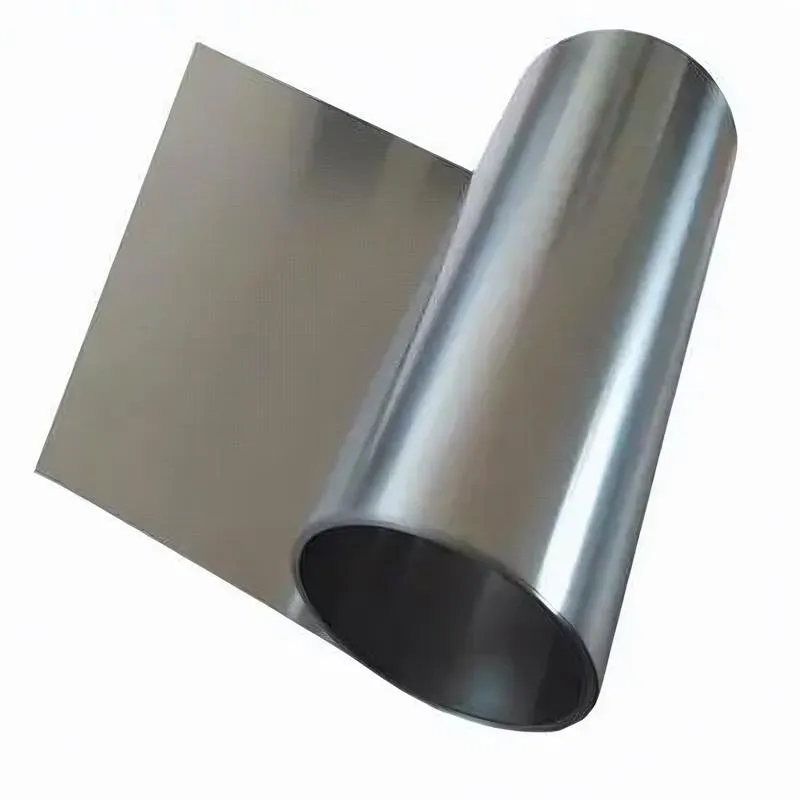
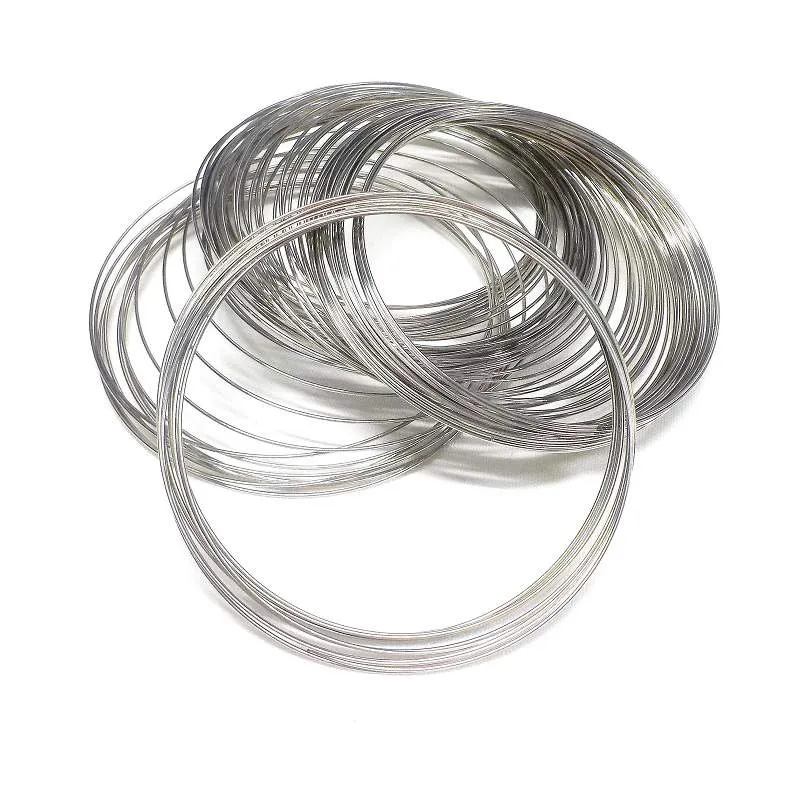
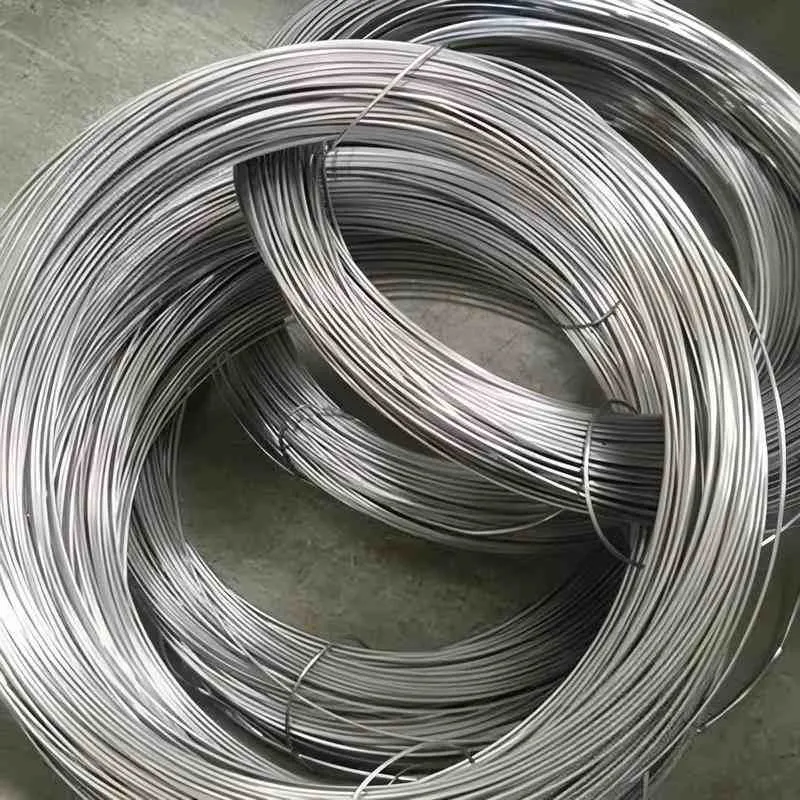
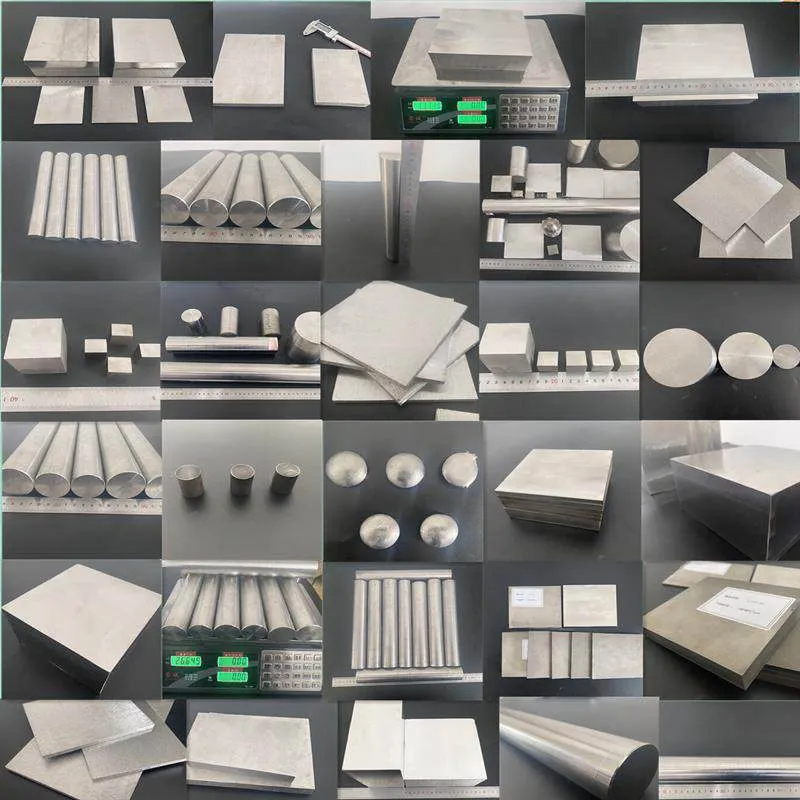
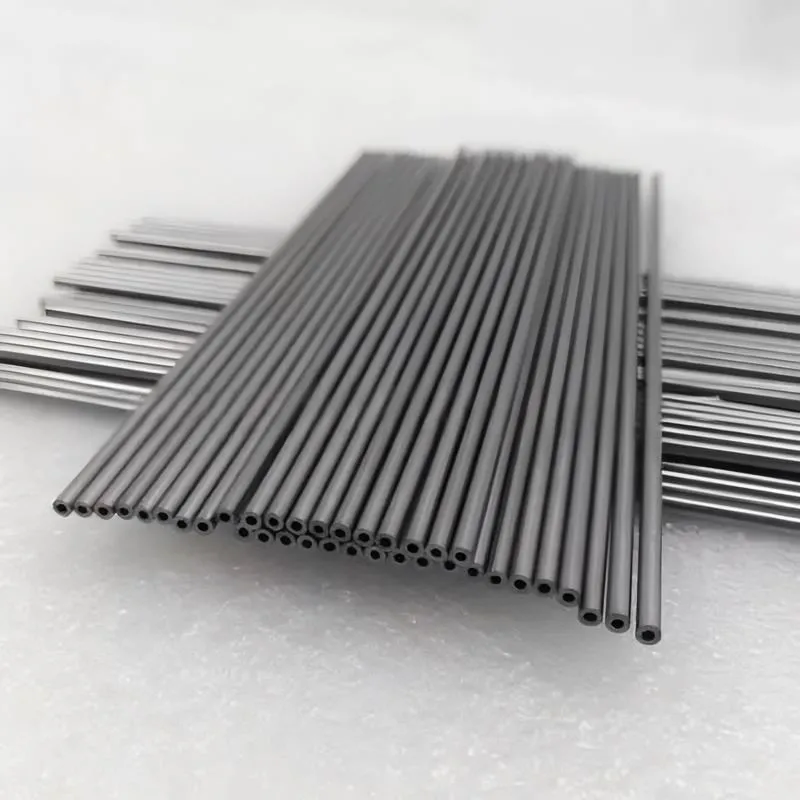
JIS S20C Carbon Steel Foil/Strip
Product Code : STI-CSTI-329-CU
We provide JIS S20C Carbon Steel Foil/Strip is available in Bar (Round bar, Flat bar), Ribbon, Wire, Rods, Tube,Seamless Tube,Pipe, Ingots, Plate, Sheet, Strip and Forging Stock.,Purity, chemical composition, size, etc. can all be customized to meet specific requirements.
Please contact us if you need customized services. We will contact you with the price and availability in 24 hours.
JIS S20C Carbon Steel Foil Product Information
-:-
For detailed product information, please contact sales.
-:
JIS S20C Carbon Steel Foil Synonyms
-:-
For detailed product information, please contact sales.
-:
JIS S20C Carbon Steel Product Information
-:-
For detailed product information, please contact sales.
-:
## **Product Introduction: JIS S20C Low Carbon Steel**
**JIS S20C** is a standard low-carbon steel grade specified by the Japanese Industrial Standards (JIS) system. Classified under **carbon steels for machine structural use**, it is characterized by its low carbon content, which provides excellent ductility, good weldability, and ease of formability. The "S" denotes "Steel," "20" indicates an average carbon content of 0.20%, and "C" stands for Carbon steel.
S20C is typically supplied in a **normalized, annealed, or hot-rolled** condition. Its relatively soft state makes it highly machinable and suitable for cold-working processes like bending, forging, and drawing. While its core strength is moderate, it can be surface hardened through processes like carburizing or carbonitriding to create a wear-resistant exterior while maintaining a tough core. This combination of properties makes it a versatile and economical choice for a wide array of non-critical structural and mechanical components.
---
### **1. Chemical Composition (JIS G 4051 Standard)**
The composition is strictly defined by JIS G 4051 (Carbon steels for machine structural use). Key elements are as follows (in weight %):
| Element | Carbon (C) | Silicon (Si) | Manganese (Mn) | Phosphorus (P) | Sulfur (S) | Copper (Cu)* |
| :------------- | :--------- | :----------- | :------------- | :------------- | :--------- | :----------- |
| **Content** | 0.18-0.23 | 0.15-0.35 | 0.30-0.60 | ≤ 0.030 | ≤ 0.035 | ≤ 0.30 |
***Note:** Copper content is a residual element limit. The balanced, low-carbon composition is the primary driver of its formability and weldability.*
---
### **2. Physical & Mechanical Properties (Typical Values for Hot-Rolled/Normalized Condition)**
Properties are for commonly supplied conditions and are influenced by the exact processing and section size.
* **Tensile Strength (σb):** 410 - 500 MPa
* **Yield Strength (σ0.2):** ≥ 245 MPa
* **Elongation (δ):** ≥ 25%
* **Reduction of Area (ψ):** ≥ 55%
* **Hardness:** ~ 111 - 149 HB (Approx. 65-80 HRB)
* **Impact Toughness (Charpy):** Good (Inherently tough due to low carbon content)
* **Modulus of Elasticity (E):** ~ 200 - 210 GPa
* **Density:** 7.85 g/cm³
**Common Heat Treatments (Applied post-manufacturing as needed):**
* **Normalizing/Annealing:** To refine grain structure and ensure uniformity.
* **Carburizing:** A case-hardening process where the surface carbon content is increased, followed by quenching, to create a hard, wear-resistant surface layer (~50-60 HRC) over a tough, ductile core (typical S20C properties).
* **Cold Drawing:** To increase strength and improve surface finish for precision parts.
---
### **3. Product Applications**
JIS S20C is widely used for general-purpose, low-to-moderately stressed components where formability, weldability, or suitability for case hardening are key requirements.
* **General Machinery Parts:** Bolts, nuts, studs, shafts with low stress, levers, and linkages.
* **Automotive Components:** Non-critical brackets, clips, covers, and various small fixtures. Commonly used for **carburized parts** like pins, bushings, and light-duty gears.
* **Structural Frames:** Basic frames, supports, and chassis in industrial equipment where high strength is not the primary concern.
* **Cold-Formed/Forged Parts:** Components manufactured via cold forging or drawing due to its excellent ductility.
* **Pipes and Tubes:** For general mechanical and structural purposes.
---
### **4. International & Equivalent Standards**
JIS S20C has direct or close equivalents in all major international standards systems.
| Standard System | Equivalent Grade | Condition / Remark |
| :-------------- | :----------------------- | :--------------------------------------------------------------------------------- |
| **JIS** | **S20C** | Primary standard (JIS G 4051) |
| **ASTM/AISI** | 1020, 1022 | Virtually identical in composition and application. The most common direct equivalents. |
| **DIN (EN)** | 1.0402 (C22, C22E / C22R) | European equivalent with nearly identical properties. |
| **ISO** | ISO 683-18: Type 1.0402 | International approximate equivalent. |
| **GB (China)** | 20# Steel | Direct equivalent. |
| **KS (Korea)** | KS S20C | Directly equivalent. |
**Note:** Mechanical property specifications (e.g., minimum yield strength) may differ slightly between standards. For case-hardening applications, the equivalent grades (e.g., AISI 1020) are fully interchangeable.
---
### **5. Key Advantages & Considerations**
**Advantages:**
* **Excellent Formability & Weldability:** Its low carbon content makes it ideal for fabrication and joining processes.
* **Good Machinability:** Can be easily machined in its supplied state, providing good surface finishes.
* **Suitable for Case Hardening:** Responds well to carburizing, allowing for tailored properties (hard surface, tough core).
* **Cost-Effective:** A widely available and economical material for general engineering purposes.
**Considerations:**
* **Low Core Strength:** Not suitable for high-stress structural applications without case hardening or use in large sections.
* **Poor Hardenability:** Cannot be through-hardened (quenched and tempered) to high strength levels like medium-carbon steels (e.g., S45C). Its primary strengthening comes from cold working or case hardening.
* **Corrosion Susceptibility:** Like all non-alloyed carbon steels, it requires protective coatings (painting, plating) for corrosion resistance.
---
**Disclaimer:** The information provided is for general reference purposes. Actual material properties are dependent on the specific manufacturing process, heat treatment, and section size. For critical applications, especially involving heat treatment, always consult the official material data sheets and engage with qualified metallurgical engineers.
-:-
For detailed product information, please contact sales.
-:
JIS S20C Carbon Steel Specification
Dimensions
Size:
Diameter 20-1000 mm Length <5061 mm
Size:We can customized as required
Standard:
Per your request or drawing
We can customized as required
Properties(Theoretical)
Chemical Composition
-:-
For detailed product information, please contact sales.
-:
JIS S20C Carbon Steel Properties
-:-
For detailed product information, please contact sales.
-:
Applications of JIS S20C Carbon Steel Foil
-:-
For detailed product information, please contact sales.
-:
Chemical Identifiers JIS S20C Carbon Steel Foil
-:-
For detailed product information, please contact sales.
-:
Packing of JIS S20C Carbon Steel Foil/Strip
-:-
For detailed product information, please contact sales.
-:
Standard Packing:
-:-
For detailed product information, please contact sales.
-:
Typical bulk packaging includes palletized plastic 5 gallon/25 kg. pails, fiber and Steel Foil/Strip drums to 1 ton super sacks in full container (FCL) or truck load (T/L) quantities. Research and sample quantities and hygroscopic, oxidizing or other air sensitive materials may be packaged under argon or vacuum. Solutions are packaged in polypropylene, plastic or glass jars up to palletized 1532 gallon liquid totes Special package is available on request. E FORUs’ is carefully handled to minimize damage during storage and transportation and to preserve the quality of our products in their original condition