PSM Industries Pacific Sintered Metals F-244-S(HT) High Carbon Steel Powdered Metal (MPIF F-0008-85(HT))
Product Code : STI-CSTI-581-CU
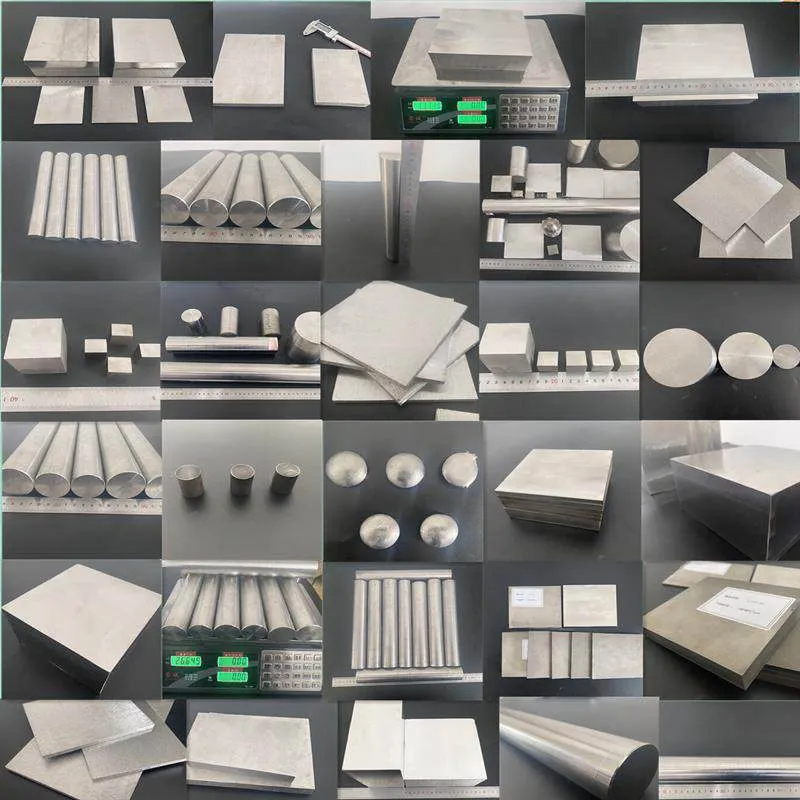
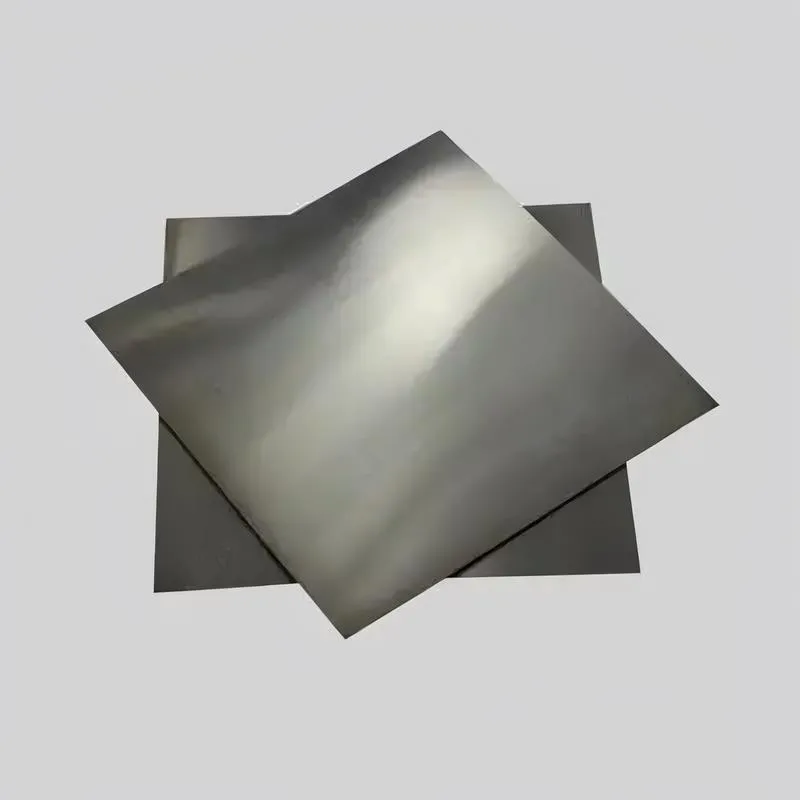
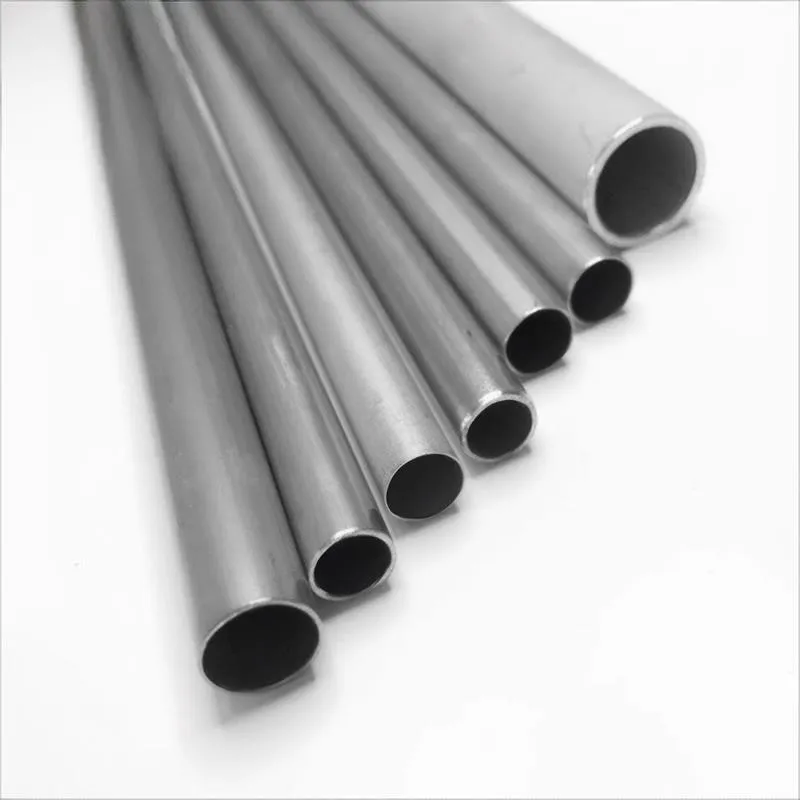
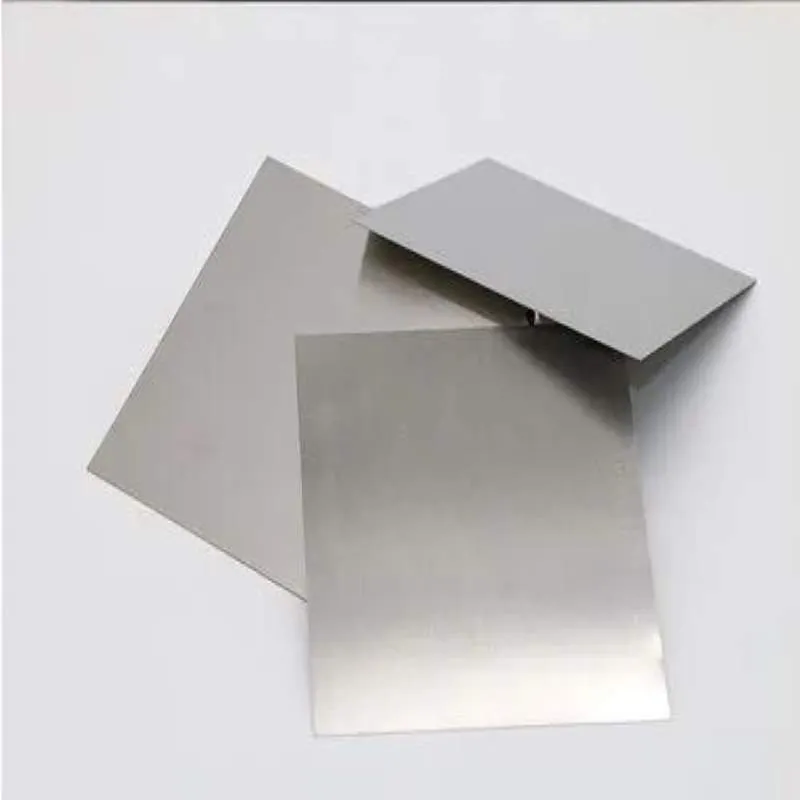
We provide PSM Industries Pacific Sintered Metals F-244-S(HT) High Carbon Steel Powdered Metal (MPIF F-0008-85(HT)) is available in Bar (Round bar, Flat bar), Ribbon, Wire, Rods, Tube,Seamless Tube,Pipe, Ingots, Plate, Sheet, Strip and Forging Stock.,Purity, chemical composition, size, etc. can all be customized to meet specific requirements.
Please contact us if you need customized services. We will contact you with the price and availability in 24 hours.
PSM Industries Pacific Sintered Metals F-244-S(HT) High Carbon Steel Powdered Metal (MPIF F-0008-85(HT)) Product Information
-:-
For detailed product information, please contact sales.
-:
PSM Industries Pacific Sintered Metals F-244-S(HT) High Carbon Steel Powdered Metal (MPIF F-0008-85(HT)) Synonyms
-:-
For detailed product information, please contact sales.
-:
PSM Industries Pacific Sintered Metals F-244-S(HT) High Carbon Steel Powdered Metal (MPIF F-0008-85(HT)) Product Information
-:-
For detailed product information, please contact sales.
-:
### **Product Datasheet: PSM Industries Pacific Sintered Metals F-244-S(HT) Heat-Treated High Carbon Steel Powdered Metal (MPIF F-0008-85(HT))**
#### **1. Product Overview**
PSM Industries' **F-244-S(HT)** is a high-carbon, iron-copper-carbon steel powder metal material that has undergone a **secondary heat treatment** process following sintering. Designated under the Metal Powder Industries Federation (MPIF) standard as **F-0008-85(HT)**, this material represents the thermally enhanced version of the standard F-244-S (F-0008-35). The post-sinter heat treatment (typically quench and tempering) significantly increases the part's hardness, wear resistance, and fatigue strength, making it suitable for the most demanding structural and wear applications. PSM Industries manufactures this as a premium, high-performance material solution.
#### **2. Key Advantages & Characteristics**
* **Exceptional Hardness & Wear Resistance:** The heat treatment transforms the microstructure to martensite, dramatically increasing surface and core hardness, thereby providing superior resistance to abrasion and contact fatigue.
* **High Strength:** Offers substantially higher tensile and yield strength compared to the as-sintered (35) condition.
* **Enhanced Fatigue Performance:** The tempered martensitic structure improves the component's endurance limit under cyclic loading conditions.
* **Good Dimensional Stability:** When properly processed, the heat treatment maintains critical part dimensions within acceptable limits.
* **Cost-Effective Performance:** Achieves performance levels approaching or exceeding those of wrought and machined hardened steels, but with the net-shape cost benefits of Powder Metallurgy.
#### **3. Chemical Composition (Typical, wt.%)**
The base composition is identical to the as-sintered grade, optimized for response to heat treatment.
| Element | Iron (Fe) | Carbon (C) | Copper (Cu) | Other (Lubricants, etc.) |
| :--- | :--- | :--- | :--- | :--- |
| **Content** | Balance | 0.60 - 0.90 | 1.0 - 3.0 | ≤ 1.0 |
*Note: The carbon content provides hardenability, while copper enhances strength and aids in the uniformity of hardening response during heat treatment.*
#### **4. Physical & Mechanical Properties (Heat-Treated, MPIF Standard 35(HT))**
Properties are per MPIF Standard 35 for the heat-treated condition of material F-0008. The `(HT)` suffix and strength code `85` denote the enhanced properties. Actual values depend on the specific heat treatment cycle (quench medium, tempering temperature).
* **Minimum Ultimate Tensile Strength:** 585 MPa (85,000 psi)
* **Minimum Yield Strength (0.2% Offset):** 550 MPa (80,000 psi) *[典型值,基于标准推导]*
* **Apparent Hardness:** **> 25 HRC** (Typical range: **25-45 HRC**). This is a key differentiator from the as-sintered condition (65-85 HRB). *Note: Hardness is often reported as Rockwell C scale for heat-treated steels.*
* **Core Hardness:** Consistent high hardness through the section, dependent on hardenability and part density.
* **Transverse Rupture Strength:** 1030 MPa (150,000 psi) minimum
* **Density:** 6.6 - 6.8 g/cm³ (Typical)
* **Elongation:** < 1% (Typical; heat treatment increases strength but reduces ductility)
* **Modulus of Elasticity:** ~120 GPa (17.5 x 10⁶ psi)
#### **5. International Standards & Cross-References**
* **MPIF Standard Material Designation:** **F-0008-85(HT)**
* `F` = Iron-Copper-Carbon system
* `0008` = Specific material code
* `85` = Minimum tensile strength in ksi (**85** x 1000 = **85,000 psi**)
* `(HT)` = Signifies the **Heat-Treated** condition per MPIF standard.
* **ISO Standard (Similar):** **ISO 5755: 2012, Grade SC 100.80** is the base material equivalent. The heat-treated condition is often specified separately in drawings.
* **ASTM Standard (Similar):** **ASTM B783, Type FC-0208** represents the base composition.
#### **6. Product Applications**
F-244-S(HT) is specified for applications requiring extreme durability, wear resistance, and load-bearing capacity:
* **Automotive:** High-stress transmission components (gears, splined hubs, synchro rings), engine parts (camshaft lobes, sprockets), and anti-lock braking system (ABS) sensor rings.
* **Power Tools & Outdoor Equipment:** High-wear planetary gears in impact wrenches and drills, cutting blade hubs, transmission gears in lawn mowers and snow blowers.
* **Hydraulics & Fluid Power:** Pump gears, vanes, and rotors that must withstand abrasive wear.
* **Industrial Machinery:** Heavy-duty drive gears, clutch components, cam actuators, and locking parts.
* **Agriculture:** Gears and drives in seeding and harvesting equipment.
#### **7. Manufacturing & Processing Notes**
* **Primary Process:** Uniaxial pressing and sintering (identical to F-244-S).
* **Critical Secondary Process:** **Heat Treatment.** This typically involves:
1. **Re-austenitizing:** Heating to a temperature above the critical point in a protective atmosphere.
2. **Quenching:** Rapid cooling in oil to form martensite.
3. **Tempering:** Reheating to a specific temperature (e.g., 175-250°C) to relieve stresses and achieve the desired combination of hardness and toughness.
* **Finishing Operations:** Parts may require grinding or honing after heat treatment if critical dimensions are affected. Steam treatment or plating can be applied for corrosion resistance.
---
**Disclaimer:** This datasheet provides general information based on industry standards. The specific mechanical properties, hardness profile, and achievable tolerances **after heat treatment** are highly dependent on part geometry, density, and the precise thermal cycle used. For design-critical applications, prototyping and testing are strongly recommended. Please consult directly with the **PSM Industries Pacific Sintered Metals** engineering team for detailed technical data and design collaboration.
-:-
For detailed product information, please contact sales.
-:
PSM Industries Pacific Sintered Metals F-244-S(HT) High Carbon Steel Powdered Metal (MPIF F-0008-85(HT)) Specification
Dimensions
Size:
Diameter 20-1000 mm Length <5313 mm
Size:We can customized as required
Standard:
Per your request or drawing
We can customized as required
Properties(Theoretical)
Chemical Composition
-:-
For detailed product information, please contact sales.
-:
PSM Industries Pacific Sintered Metals F-244-S(HT) High Carbon Steel Powdered Metal (MPIF F-0008-85(HT)) Properties
-:-
For detailed product information, please contact sales.
-:
Applications of PSM Industries Pacific Sintered Metals F-244-S(HT) High Carbon Steel Powdered Metal (MPIF F-0008-85(HT))
-:-
For detailed product information, please contact sales.
-:
Chemical Identifiers PSM Industries Pacific Sintered Metals F-244-S(HT) High Carbon Steel Powdered Metal (MPIF F-0008-85(HT))
-:-
For detailed product information, please contact sales.
-:
Packing of PSM Industries Pacific Sintered Metals F-244-S(HT) High Carbon Steel Powdered Metal (MPIF F-0008-85(HT))
-:-
For detailed product information, please contact sales.
-:
Standard Packing:
-:-
For detailed product information, please contact sales.
-:
Typical bulk packaging includes palletized plastic 5 gallon/25 kg. pails, fiber and steel drums to 1 ton super sacks in full container (FCL) or truck load (T/L) quantities. Research and sample quantities and hygroscopic, oxidizing or other air sensitive materials may be packaged under argon or vacuum. Solutions are packaged in polypropylene, plastic or glass jars up to palletized 1784 gallon liquid totes Special package is available on request. E FORUs’ is carefully handled to minimize damage during storage and transportation and to preserve the quality of our products in their original condition