Carpenter,AerMet® 100 Aged
Product Code : STI-GSTI-257-CU
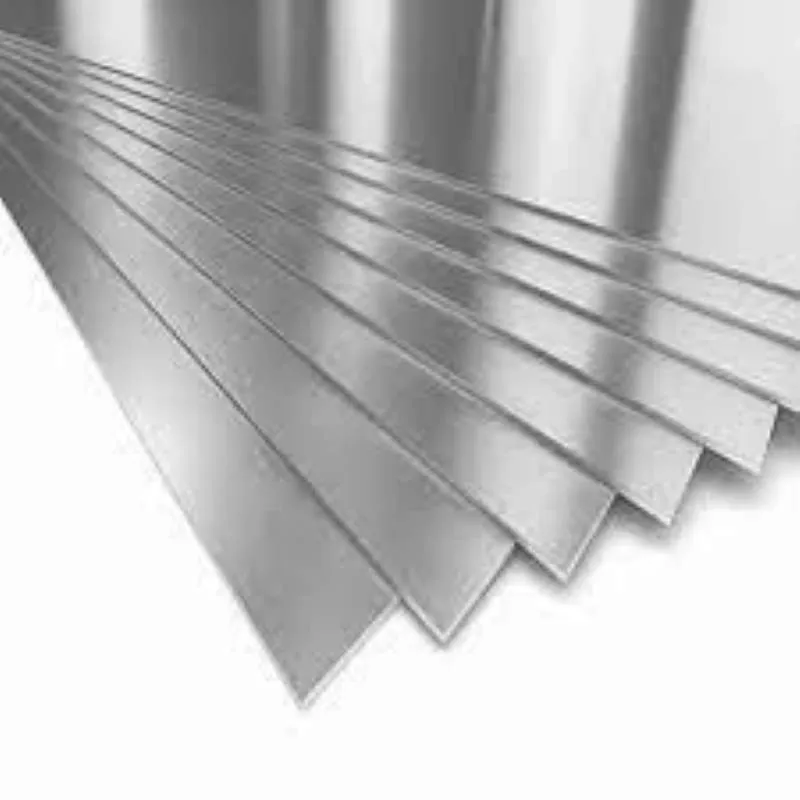
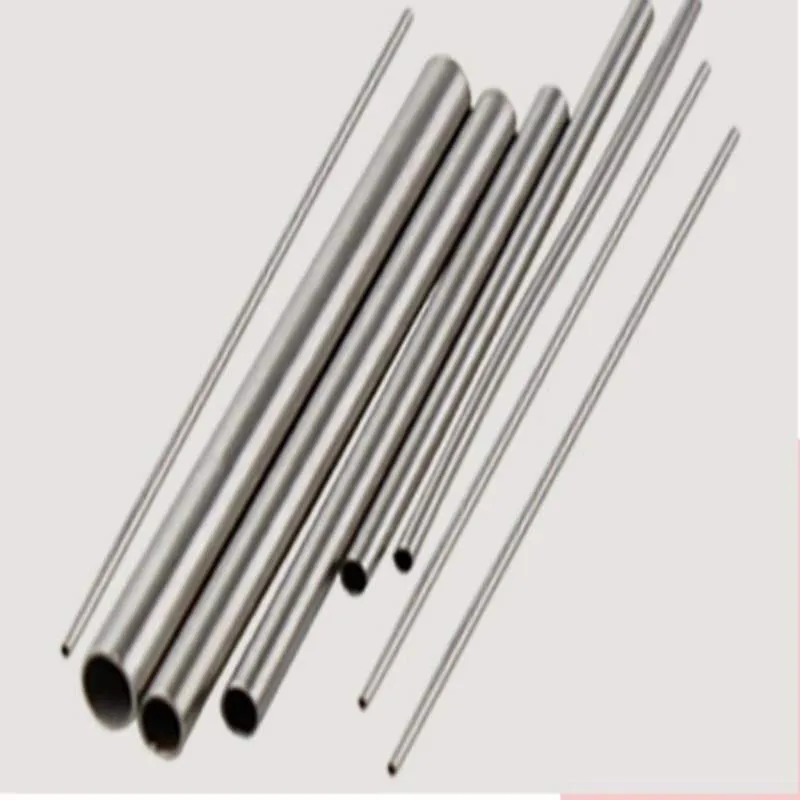
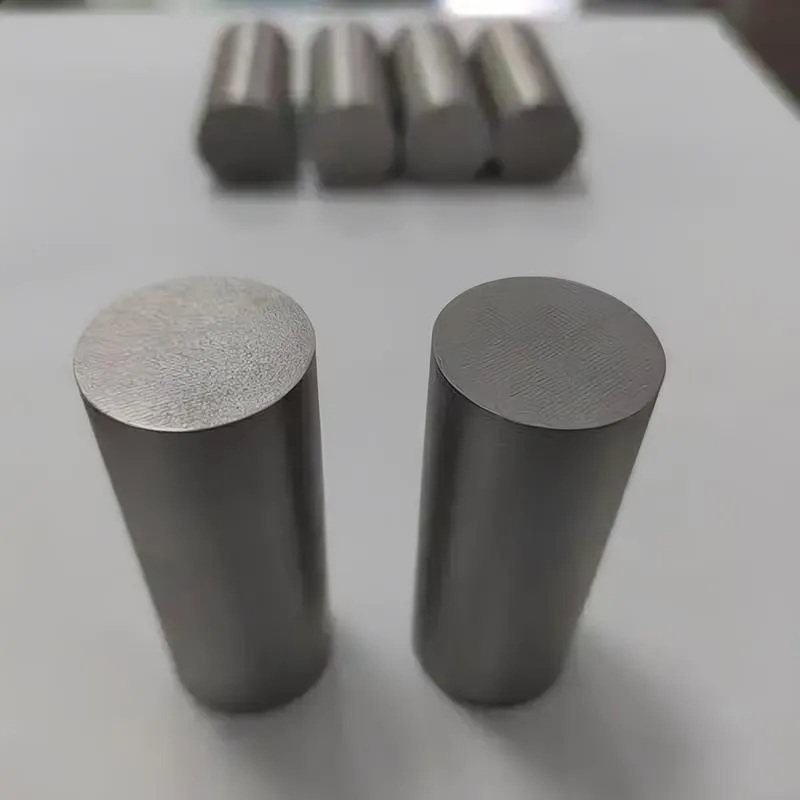
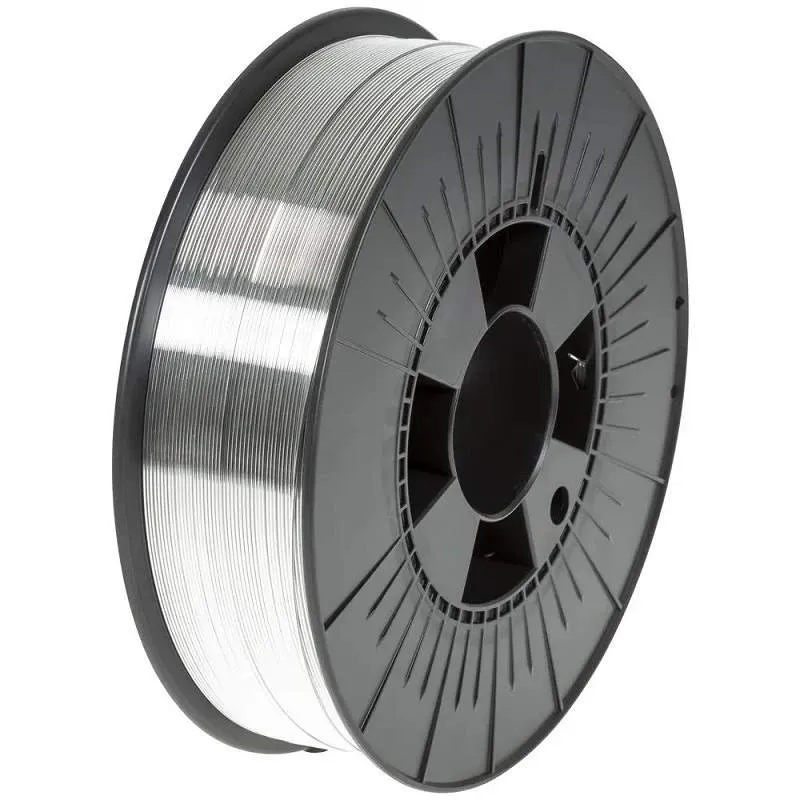
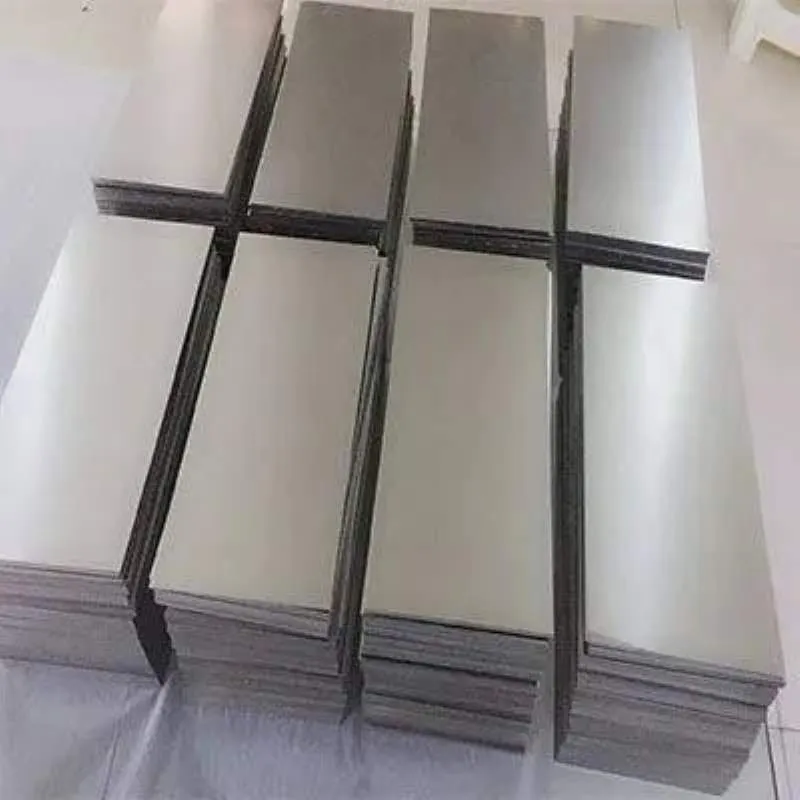
We provide Carpenter AerMet® 100 Aged at 900°F is available in Bar (Round bar, Flat bar), Ribbon, Wire, Rods, Tube,Seamless Tube,Pipe, Ingots, Plate, Sheet/Plate, Strip and Forging Stock.,Purity, chemical composition, size, etc. can all be customized to meet specific requirements.
Please contact us if you need customized services. We will contact you with the price and availability in 24 hours.
Carpenter AerMet® 100 Aged at 900°F Product Information
-:-
For detailed product information, please contact sales.
-:
Carpenter AerMet® 100 Aged at 900°F Synonyms
-:-
For detailed product information, please contact sales.
-:
Carpenter AerMet® 100 Aged at 900°F Product Information
-:-
For detailed product information, please contact sales.
-:
# **Carpenter AerMet® 100 Aged at 900°F (482°C)**
## **Product Overview**
**Carpenter AerMet® 100 Aged at 900°F (482°C)** is a premium **ultra-high-strength, secondary-hardening martensitic alloy** specifically engineered for applications demanding the **highest combination of strength and fracture toughness** in the aerospace and defense sectors. This specific aging treatment at 900°F (482°C) represents the **peak strength condition** within the AerMet® 100 alloy system, optimizing the precipitation of coherent M₂C carbides to achieve an unparalleled balance of mechanical properties. Developed originally for demanding aerospace applications like aircraft landing gear, this alloy brings **aircraft-grade material performance** to the most challenging tooling and industrial applications where conventional materials fail.
---
## **1. Key Characteristics & Advantages**
* **Unmatched Strength-Toughness Combination:** Achieves an industry-leading balance of ultra-high tensile strength (>2200 MPa) with exceptional fracture toughness (>65 MPa√m) - a combination that redefines performance limits for high-strength alloys.
* **Superior Fatigue Crack Growth Resistance:** Exceptional resistance to fatigue crack propagation, critical for components subjected to cyclic loading in safety-critical applications.
* **Excellent Stress Corrosion Resistance:** Maintains mechanical properties in aggressive environments, outperforming conventional high-strength steels in corrosive conditions.
* **Outstanding Dimensional Stability:** Minimal dimensional change during heat treatment (<0.03% typical), enabling precise manufacturing of complex components.
* **High Strength-to-Weight Ratio:** Superior specific strength compared to traditional ultra-high-strength steels, enabling weight optimization in critical applications.
* **Consistent Performance Across Thick Sections:** Maintains uniform mechanical properties through thick cross-sections with minimal degradation.
* **Proven Aerospace Heritage:** Decades of successful application in the most demanding aerospace components provides validated performance data.
---
## **2. Chemical Composition (Weight %)**
| Element | Carbon (C) | Chromium (Cr) | Nickel (Ni) | Molybdenum (Mo) | Cobalt (Co) | Silicon (Si) | Manganese (Mn) |
| :--- | :---: | :---: | :---: | :---: | :---: | :---: | :---: |
| **Content** | **0.21 - 0.25** | **2.85 - 3.25** | **11.00 - 12.00** | **1.20 - 1.60** | **13.00 - 14.00** | **≤ 0.10** | **≤ 0.10** |
**Metallurgical Science Behind 900°F (482°C) Aging:**
* **High Cobalt (13.5%):** Retards recovery of the martensitic structure and delays overaging, enabling formation of extremely fine, coherent M₂C carbides during secondary hardening at 482°C.
* **Nickel (11.5%):** Lowers the ductile-to-brittle transition temperature and stabilizes the tough, lath martensite structure while suppressing brittle phase formation.
* **Carbon (0.23%):** Critical for secondary hardening; precisely controlled to maximize M₂C carbide formation without excessive retained austenite or cementite precipitation.
* **Molybdenum (1.4%):** Primary former of the coherent M₂C carbides responsible for peak strengthening at 482°C aging.
* **Chromium (3.05%):** Enhances hardenability and provides moderate corrosion resistance.
* **Ultra-Low Silicon & Manganese:** Minimized to prevent impurity segregation and embrittlement.
* **Aging at 900°F (482°C):** This temperature represents the **optimum peak** of the secondary hardening curve where:
* M₂C carbide precipitation reaches maximum volume fraction while maintaining coherency with the matrix
* Strength is maximized while toughness remains exceptionally high
* Overaging effects are minimized
---
## **3. Physical & Mechanical Properties**
### **Physical Properties:**
* **Density:** 7.86 g/cm³
* **Thermal Conductivity:** 18.5 W/(m·K) at 20°C
* **Modulus of Elasticity:** 193 GPa (28.0 × 10⁶ psi)
* **Shear Modulus:** 75 GPa (10.9 × 10⁶ psi)
* **Poisson's Ratio:** 0.29
* **Coefficient of Thermal Expansion:** 10.9 × 10⁻⁶/K (20-100°C)
* **Magnetic Properties:** Ferromagnetic in all conditions
### **Heat Treatment Protocol:**
1. **Austenitizing:** 885-900°C (1625-1650°F) for 1 hour, rapid air or oil quench
2. **Cryogenic Treatment:** -73°C (-100°F) minimum for 1 hour (essential for complete martensitic transformation)
3. **Aging:** 482°C (900°F) for 5 hours, air cool (single or double aging depending on application requirements)
### **Mechanical Properties (Aged at 900°F/482°C):**
| Property | Typical Value | Minimum | Test Standard |
| :--- | :---: | :---: | :---: |
| **Ultimate Tensile Strength** | **2240 MPa (325 ksi)** | 2070 MPa (300 ksi) | ASTM E8 |
| **Yield Strength (0.2% offset)** | **1965 MPa (285 ksi)** | 1790 MPa (260 ksi) | ASTM E8 |
| **Elongation** | **14%** | 12% | ASTM E8 |
| **Reduction of Area** | **65%** | 60% | ASTM E8 |
| **Hardness** | **54-56 HRC** | 53 HRC | ASTM E18 |
| **Fracture Toughness (K₁c)** | **110 MPa√m (100 ksi√in)** | 88 MPa√m (80 ksi√in) | ASTM E399 |
| **Charpy V-Notch Impact** | **41 J (30 ft-lb)** | 34 J (25 ft-lb) | ASTM E23 |
| **Fatigue Strength (10⁷ cycles, R=0.1)** | **760 MPa (110 ksi)** | - | ASTM E466 |
| **Fatigue Crack Growth Rate (da/dN)** | **< 2.5×10⁻⁵ mm/cycle** | - | ASTM E647 |
### **Specialized Mechanical Properties:**
* **True Fracture Strength:** 2550 MPa (370 ksi)
* **True Fracture Ductility:** 1.05
* **Strain Hardening Exponent (n):** 0.05
* **Strength Coefficient (K):** 2450 MPa
* **Fatigue Ratio:** 0.34 (σ_fatigue/σ_UTS)
* **Notch Sensitivity Index:** 0.85
* **Bauschinger Effect Factor:** 0.92
---
## **4. Primary Applications**
AerMet® 100 aged at 900°F is engineered for the most demanding applications across multiple industries:
### **Aerospace & Defense:**
* **Aircraft Landing Gear:** Critical components requiring maximum strength with fracture tolerance
* **Arrestor Hooks:** Carrier-based aircraft components subjected to extreme impact loads
* **Missile Components:** Structural elements requiring high strength-to-weight ratios
* **Helicopter Rotor Components:** High-stress rotating elements
* **Spacecraft Latches & Mechanisms:** Critical deployment systems
### **High-Performance Tooling:**
* **Die Casting Cores & Inserts:** For aluminum and magnesium in automotive and aerospace
* **Precision Forming Dies:** For high-strength aerospace alloys
* **Injection Mold Cores:** For abrasive filled polymers and high-volume production
* **Cold Forming Punches:** For ultra-high-strength materials
### **Specialized Industrial:**
* **High-Performance Fasteners:** For critical structural connections
* **Bearing Components:** For extreme load conditions
* **Oil & Gas Tools:** Downhole components requiring strength and corrosion resistance
* **Racing Components:** Critical suspension and drivetrain parts
---
## **5. Relevant International Standards & Specifications**
AerMet® 100 is covered by multiple international aerospace and materials specifications:
| Organization | Specification | Title | Status |
| :--- | :--- | :--- | :--- |
| **AMS** | **AMS 6532** | Steel, Corrosion-Resistant, Bars, Wire, Forgings, Rings, and Extrusions 12.5Ni - 13.5Co - 10.5Cr - 3.1Mo - 1.7Ti (0.21-0.25C) Consumable Electrode Melted | Active |
| **ASTM** | **A1011** | Standard Specification for Steel, Sheet and Strip, Hot-Rolled, Carbon, Structural, High-Strength Low-Alloy and High-Strength Low-Alloy with Improved Formability | Referenced |
| **MIL** | **MIL-DTL-32159** | Fasteners, Bolts and Studs, 220 ksi and 260 ksi, Steel | Applicable |
| **ISO** | **ISO 683-13** | Heat-treatable steels, alloy steels and free-cutting steels - Part 13: Wrought stainless steels | Similar classification |
| **Proprietary** | **Carpenter Data Sheet** | AerMet® 100 Alloy Technical Data | Primary reference |
### **Comparative Material Grades:**
| Alloy | UTS (MPa) | YS (MPa) | K₁c (MPa√m) | Primary Difference |
| :--- | :---: | :---: | :---: | :--- |
| **AerMet® 100 (900°F)** | 2240 | 1965 | 110 | **Reference alloy** |
| **300M** | 1930 | 1655 | 60 | Lower toughness, higher Si |
| **4340** | 1860 | 1585 | 75 | Conventional alloy steel |
| **HP9-4-30** | 1310 | 1170 | 110 | Lower strength, similar toughness |
| **Maraging 300** | 2070 | 2000 | 50 | Age-hardening, lower toughness |
| **Custom 465®** | 1790 | 1655 | 88 | Precipitation hardening stainless |
---
## **6. Processing & Manufacturing Guidelines**
### **Machining (Annealed Condition ~30 HRC):**
* **Machinability Rating:** 35% (relative to B1112 as 100%)
* **Turning Parameters:** Carbide inserts, 60-100 m/min, feed 0.15-0.25 mm/rev
* **Milling Parameters:** Fine-grained carbide, 50-80 m/min, feed 0.08-0.15 mm/tooth
* **Drilling:** Premium HSS or carbide drills, 10-20 m/min, peck drilling essential
* **Special Considerations:** High work-hardening tendency requires sharp tools and consistent chip loads
### **Heat Treatment (Critical Parameters):**
1. **Austenitizing Atmosphere:** Vacuum or inert gas (<10 ppm O₂, <50 ppm H₂O)
2. **Quenching Rate:** Minimum 28°C/sec through martensite transformation range
3. **Cryogenic Treatment:** Essential for complete transformation (≥1 hour at -73°C)
4. **Aging Temperature Control:** ±5°C at 482°C critical for optimal properties
5. **Double Aging Option:** For maximum dimensional stability and property uniformity
### **Welding & Joining:**
* **Weldability Classification:** Poor (requires specialized procedures)
* **Recommended Processes:** GTAW (TIG) with trailing shield
* **Filler Metals:** AerMet® 100 filler, IN625, or IN718
* **Preheat/Interpass:** 200-250°C minimum
* **Post-Weld Heat Treatment:** Full reheat treatment generally required
* **Special Techniques:** Electron beam or laser welding preferred for critical joints
### **Surface Treatments:**
* **Shot Peening:** Highly beneficial for fatigue improvement (Almen intensity 0.008-0.012A)
* **Nitriding:** Gas or plasma nitriding produces 0.10-0.20mm case at 1000-1200 HV
* **PVD Coatings:** TiAlN, AlCrN (excellent adhesion after proper surface preparation)
* **Plating:** Cadmium-titanium or nickel plating for corrosion protection
---
## **7. Technical Performance Data**
### **Fatigue Performance:**
* **High-Cycle Fatigue (R=0.1):** 760 MPa at 10⁷ cycles
* **Low-Cycle Fatigue:** Δε/2 = 0.7% at 10⁴ cycles
* **Crack Growth Threshold (ΔK_th):** 5.5 MPa√m
* **Paris Law Constants:** C = 1.5×10⁻¹⁰, m = 3.2 (da/dN in m/cycle, ΔK in MPa√m)
### **Fracture Toughness Temperature Dependence:**
| Temperature | K₁c (MPa√m) | CVN Impact (J) |
| :---: | :---: | :---: |
| **-54°C (-65°F)** | 88 | 27 |
| **-18°C (0°F)** | 99 | 34 |
| **24°C (75°F)** | 110 | 41 |
| **100°C (212°F)** | 121 | 48 |
### **Corrosion Performance:**
* **Salt Spray (ASTM B117):** 500+ hours to red rust
* **Stress Corrosion Threshold (K₁scc):** 55 MPa√m in 3.5% NaCl
* **Pitting Potential:** +250 mV vs. SCE in 3.5% NaCl
* **Creepvage Cracking Resistance:** Excellent in H₂S environments
---
## **8. Design & Application Engineering**
### **Optimal Design Conditions:**
1. **High Stress with Fracture Criticality:** Where catastrophic failure must be prevented
2. **Fatigue-Limited Designs:** Components subjected to cyclic loading
3. **Weight-Critical Applications:** Where high specific strength is essential
4. **Corrosive Environments:** Applications requiring strength in aggressive conditions
5. **High Reliability Requirements:** Safety-critical components with demanding service conditions
### **Design Allowables (Aerospace):**
| Property | Design Allowable | Basis | Application Factor |
| :--- | :---: | :---: | :---: |
| **Tensile Ultimate** | 1860 MPa (270 ksi) | A-basis | 0.83 × Typical |
| **Tensile Yield** | 1655 MPa (240 ksi) | A-basis | 0.84 × Typical |
| **Bearing Ultimate** | 2895 MPa (420 ksi) | e/D=2.0 | - |
| **Shear Ultimate** | 1240 MPa (180 ksi) | - | 0.55 × Ftu |
### **Failure Analysis Considerations:**
* **Primary Failure Modes:** Fatigue, stress corrosion, overload
* **Fracture Appearance:** Predominantly microvoid coalescence
* **Crack Propagation:** Transgranular with evidence of ductile tearing
* **Fatigue Striations:** Well-defined at intermediate ΔK levels
---
## **9. Quality Assurance & Testing**
### **Standard Certification Requirements:**
* **Chemical Analysis:** Per heat and product form
* **Mechanical Testing:** Tensile, impact, hardness per heat and condition
* **Microcleanliness:** Per AMS 2301 (typically <0.5% total inclusions)
* **Grain Size:** ASTM 8 or finer required
* **Ultrasonic Inspection:** Per AMS 2630 Class A or better
### **Special Testing Capabilities:**
* **Fracture Toughness Testing:** K₁c, J-R curve, CTOD
* **Fatigue Testing:** S-N curves, da/dN curves, spectrum loading
* **Corrosion Testing:** SCC, corrosion fatigue, hydrogen embrittlement
* **Metallographic Analysis:** TEM for carbide analysis, SEM fractography
---
## **10. Conclusion**
**Carpenter AerMet® 100 Aged at 900°F (482°C)** represents the **pinnacle of ultra-high-strength alloy technology**, delivering an **unmatched combination of strength, toughness, and fatigue resistance** that has set the standard for critical aerospace applications for decades. This specific aging treatment optimizes the alloy's secondary hardening response to achieve the peak of its mechanical property capabilities, making it the material of choice when performance cannot be compromised.
The alloy's **proven track record in the most demanding aerospace applications** provides engineers with unparalleled confidence in its performance and reliability. While requiring careful processing and heat treatment control, the resulting properties justify the manufacturing complexity for applications where failure is not an option.
For **critical structural components, high-performance tooling, and applications demanding the ultimate in strength-toughness balance**, AerMet® 100 aged at 900°F provides a technically superior solution that enables new levels of performance and reliability. Its unique combination of properties continues to make it the benchmark against which other ultra-high-strength alloys are measured, representing the gold standard in materials engineering for demanding applications.
-:-
For detailed product information, please contact sales.
-:
Carpenter AerMet® 100 Aged at 900°F Specification
Dimensions
Size:
Diameter 20-1000 mm Length <6913 mm
Size:We can customized as required
Standard:
Per your request or drawing
We can customized as required
Properties(Theoretical)
Chemical Composition
-:-
For detailed product information, please contact sales.
-:
Carpenter AerMet® 100 Aged at 900°F Properties
-:-
For detailed product information, please contact sales.
-:
Applications of Carpenter AerMet® 100 Aged at 900°F
-:-
For detailed product information, please contact sales.
-:
Chemical Identifiers Carpenter AerMet® 100 Aged at 900°F
-:-
For detailed product information, please contact sales.
-:
Packing of Carpenter AerMet® 100 Aged at 900°F
-:-
For detailed product information, please contact sales.
-:
Standard Packing:
-:-
For detailed product information, please contact sales.
-:
Typical bulk packaging includes palletized plastic 5 gallon/25 kg. pails, fiber and Steel Sheet/Plate drums to 1 ton super sacks in full container (FCL) or truck load (T/L) quantities. Research and sample quantities and hygroscopic, oxidizing or other air sensitive materials may be packaged under argon or vacuum. Solutions are packaged in polypropylene, plastic or glass jars up to palletized 3384 gallon liquid totes Special package is available on request. E FORUs’ is carefully handled to minimize damage during storage and transportation and to preserve the quality of our products in their original condition