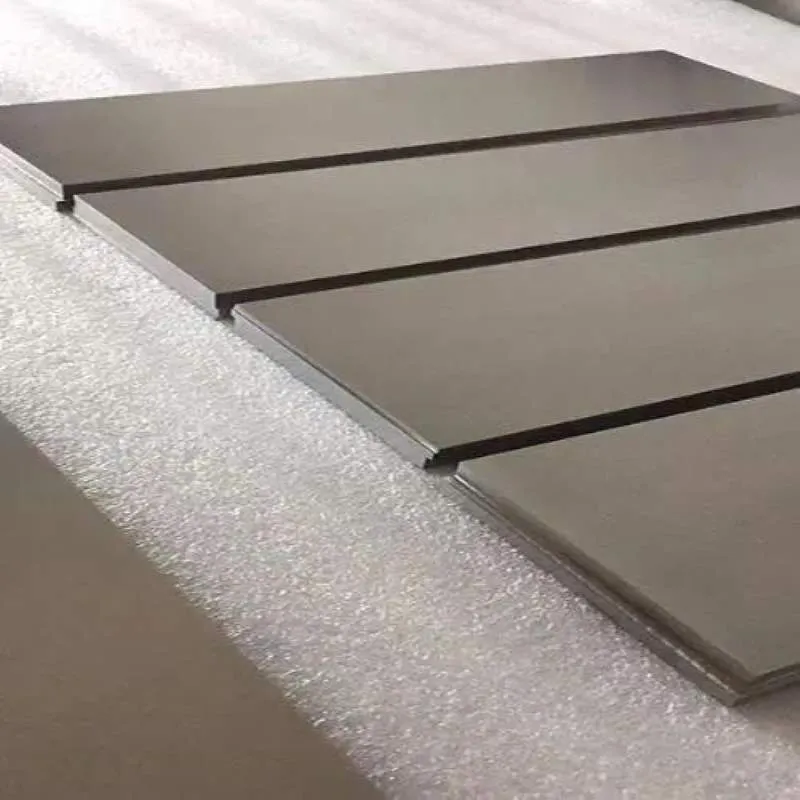
Carpenter,Micro-Melt® 10 Tough Treated Tool Steel Sheet,Plate (AISI A11)
Product Code : STI-GSTI-270-CU
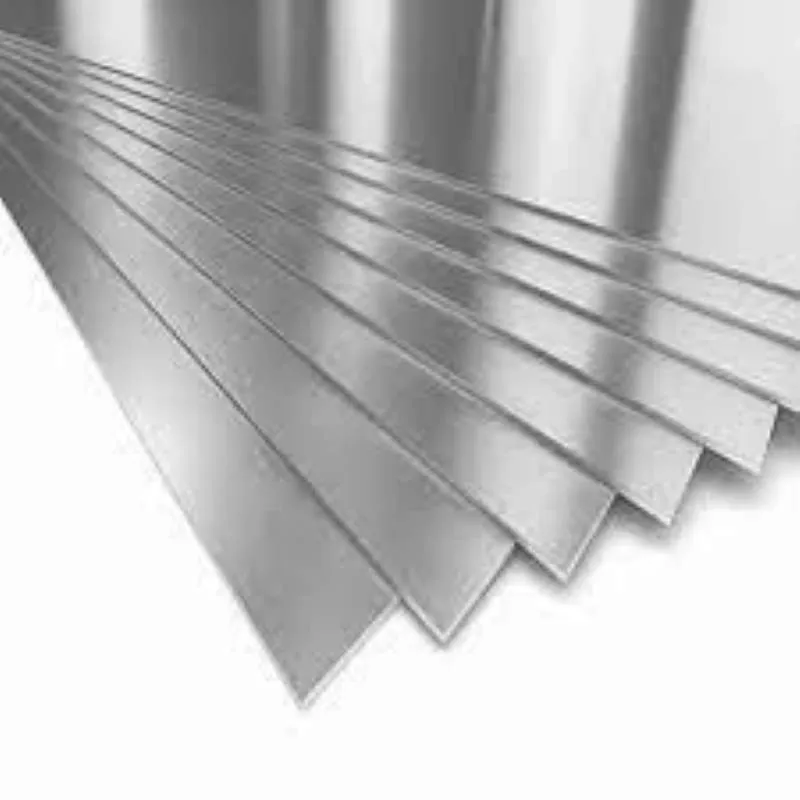
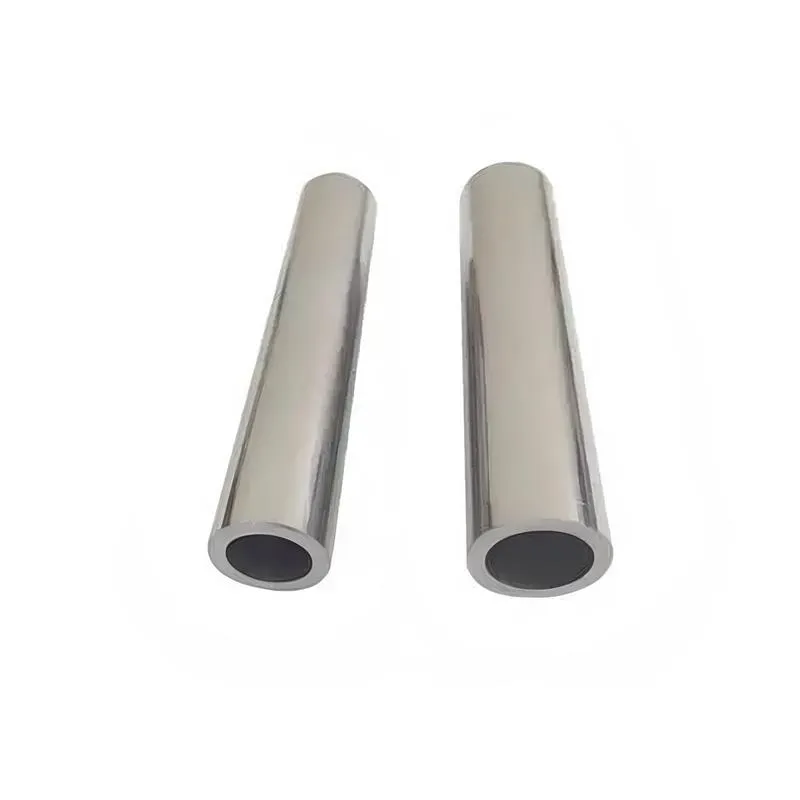
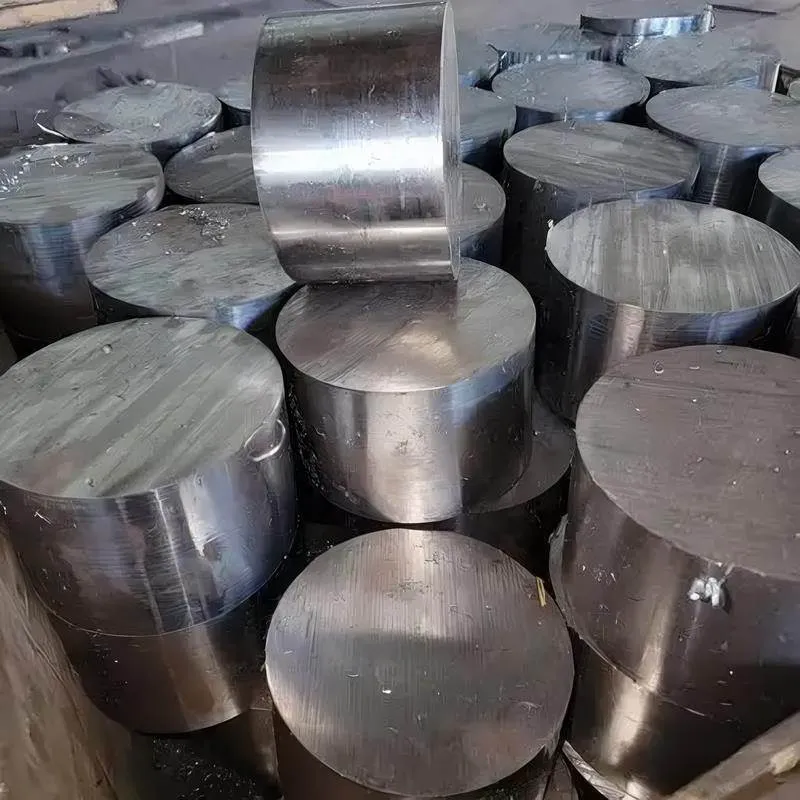
We provide Carpenter Micro-Melt® 10 Tough Treated Tool Steel Sheet/Plate (AISI A11) is available in Bar (Round bar, Flat bar), Ribbon, Wire, Rods, Tube,Seamless Tube,Pipe, Ingots, Plate, Sheet/Plate, Strip and Forging Stock.,Purity, chemical composition, size, etc. can all be customized to meet specific requirements.
Please contact us if you need customized services. We will contact you with the price and availability in 24 hours.
Carpenter Micro-Melt® 10 Tough Treated Tool Steel Sheet/Plate (AISI A11) Product Information
-:-
For detailed product information, please contact sales.
-:
Carpenter Micro-Melt® 10 Tough Treated Tool Steel Sheet/Plate (AISI A11) Synonyms
-:-
For detailed product information, please contact sales.
-:
Carpenter Micro-Melt® 10 Tough Treated Tool Steel (AISI A11) Product Information
-:-
For detailed product information, please contact sales.
-:
### **Carpenter Micro-Melt® 10 Tough Treated Tool Steel (AISI A11): Optimized for Maximum Toughness in Severe Service**
**Product Overview**
Carpenter Micro-Melt® 10 Tough Treated represents a specific heat treatment optimization of the renowned CPM 10V alloy (AISI A11 Type). While the base steel is celebrated for its ultra-high wear resistance, this “Tough Treated” variant is tempered to a **lower final hardness** to prioritize **exceptional fracture toughness and impact strength**. This makes it a specialized solution for applications where the extreme abrasion resistance of standard CPM 10V is required, but the tool or component is also subjected to high shock loads, bending stresses, or risks of chipping and catastrophic failure. The powder metallurgy (PM) process ensures this toughness is achieved uniformly, free from the weak points caused by carbide segregation.
**Key Advantages of the Tough Treated Condition**
* **Superior Fracture Toughness:** By tempering at higher temperatures (or multiple cycles), this condition sacrifices some peak hardness to gain dramatically increased resistance to crack initiation and propagation compared to the standard “wear” temper (64-66 HRC).
* **Retained High Wear Resistance:** Even at lower hardness, the very high volume of hard vanadium carbides (VC) ensures wear resistance that far surpasses conventional tool steels like D2 or M2 at any hardness.
* **Excellent Shock Load Capacity:** Ideal for applications involving intermittent heavy impacts or uneven loading.
* **Improved Stress Relief:** The extended or higher-temperature tempering process provides excellent dimensional stability and relieves internal stresses more thoroughly.
* **Reliability in Complex Shapes:** The enhanced toughness reduces the risk of failure in tools with sharp corners, thin sections, or stress concentrators.
**Typical Chemical Composition (%)**
The chemical composition is identical to the standard Micro-Melt 10V / A11 grade.
| Element | Carbon (C) | Chromium (Cr) | Vanadium (V) | Molybdenum (Mo) | Tungsten (W) | Cobalt (Co) |
| :--- | :---: | :---: | :---: | :---: | :---: | :---: |
| **Content** | 2.30-2.50 | 4.75-5.25 | 9.00-10.00 | 1.15-1.35 | 5.00-5.50 | 9.50-10.50 |
*Additional Elements:* Manganese (Mn): ≤0.50%, Silicon (Si): ≤0.50%
**Physical & Mechanical Properties (Tough Treated Condition)**
* **Typical Hardness Range:** **58 - 62 HRC.** The most common range is **59-61 HRC**, where the optimal balance of toughness and retained wear resistance is achieved.
* **Density:** 7.92 g/cm³ (0.286 lb/in³)
* **Fracture Toughness (K꜀):** Significantly higher than the standard 64-66 HRC condition. Exact values are proprietary but can be several times greater than conventional tool steels at equivalent hardness.
* **Transverse Rupture Strength:** Very high, reflecting its excellent load-bearing capacity under bending stresses.
* **Compressive Strength:** > 2,700 MPa (~390 ksi) – remains exceptionally high despite lower hardness.
* **Abrasion Resistance:** Still outstanding, typically 2-4 times better than fully hardened D2 tool steel.
**Heat Treatment Philosophy (How “Tough Treated” is Achieved)**
The “Tough Treated” condition follows the same austenitizing and quenching process as the standard grade but differs in tempering:
1. **Austenitizing:** 1175-1230°C (2150-2250°F).
2. **Quenching:** Air cool.
3. **Tempering (Key Difference):** Multiple tempering cycles (typically triple temper) at **higher temperatures**, often in the range of **565-620°C (1050-1150°F)**. This higher tempering temperature reduces hardness but dramatically increases toughness and ductility. The exact cycle is carefully controlled to achieve the specified final hardness and properties.
**International Standards & Cross-References**
| Standard System | Designation | Notes |
| :--- | :--- | :--- |
| **Carpenter** | Micro-Melt 10 Tough Treated | Proprietary heat-treated condition of CPM 10V |
| **AISI** | A11 (Type) | Base alloy classification |
| **UNS** | T61010 | Same as standard 10V |
| **Common Reference** | CPM 10V - High Toughness Temper | Industry-recognized description |
**Typical Applications**
This condition is specified for the most demanding applications where both severe abrasion and high mechanical shock are present.
1. **Severe Punching & Shearing:**
* Punches and dies for **high-strength, abrasive materials** (e.g., hardened steel strips, composites, reinforced plastics) where standard tools chip or break.
* Heavy-duty industrial shear blades subject to intermittent shock loads and abrasion.
2. **Mining & Mineral Processing:**
* Wear parts in crushing and grinding equipment that experience both extreme abrasion and impact (e.g., classifier wheels, wear liners in certain zones).
* Tooling for processing highly abrasive ores where fracture resistance is as critical as wear life.
3. **Specialized Cutting Tools:**
* Knives for cutting **abrasive and tough composites** (e.g., carbon fiber, fiberglass with metal backing) where edge integrity is paramount.
* Blades in size reduction equipment handling mixed, unpredictable feedstocks.
4. **Forming & Forging Tooling:**
* Wear inserts in hot or cold forging dies where abrasion is high and mechanical fatigue from repeated impact is a concern.
* Guide rails and wear plates in high-pressure environments prone to shock loading.
5. **Advanced Manufacturing:**
* Tooling for additive manufacturing or handling of abrasive metal/ceramic powders.
* Components in equipment processing filled polymers under high pressure.
**Conclusion**
Carpenter Micro-Melt® 10 Tough Treated Tool Steel solves a critical engineering challenge: achieving legendary wear resistance in environments too punishing for even the hardest tool steels. By intelligently tempering the ultra-wear-resistant A11/10V composition to a lower hardness, it unlocks a level of toughness that allows it to survive where other materials fail. It is the ultimate choice not just for how long a tool lasts, but for ensuring it completes its service life without sudden, catastrophic failure under extreme duress. When your application demands both the abrasion resistance of ceramic-like surfaces and the mechanical resilience of a tough steel, the “Tough Treated” condition provides the engineered solution.
-:-
For detailed product information, please contact sales.
-:
Carpenter Micro-Melt® 10 Tough Treated Tool Steel (AISI A11) Specification
Dimensions
Size:
Diameter 20-1000 mm Length <6926 mm
Size:We can customized as required
Standard:
Per your request or drawing
We can customized as required
Properties(Theoretical)
Chemical Composition
-:-
For detailed product information, please contact sales.
-:
Carpenter Micro-Melt® 10 Tough Treated Tool Steel (AISI A11) Properties
-:-
For detailed product information, please contact sales.
-:
Applications of Carpenter Micro-Melt® 10 Tough Treated Tool Steel Sheet,Plate (AISI A11)
-:-
For detailed product information, please contact sales.
-:
Chemical Identifiers Carpenter Micro-Melt® 10 Tough Treated Tool Steel Sheet,Plate (AISI A11)
-:-
For detailed product information, please contact sales.
-:
Packing of Carpenter Micro-Melt® 10 Tough Treated Tool Steel Sheet/Plate (AISI A11)
-:-
For detailed product information, please contact sales.
-:
Standard Packing:
-:-
For detailed product information, please contact sales.
-:
Typical bulk packaging includes palletized plastic 5 gallon/25 kg. pails, fiber and Steel Sheet/Plate drums to 1 ton super sacks in full container (FCL) or truck load (T/L) quantities. Research and sample quantities and hygroscopic, oxidizing or other air sensitive materials may be packaged under argon or vacuum. Solutions are packaged in polypropylene, plastic or glass jars up to palletized 3397 gallon liquid totes Special package is available on request. E FORUs’ is carefully handled to minimize damage during storage and transportation and to preserve the quality of our products in their original condition