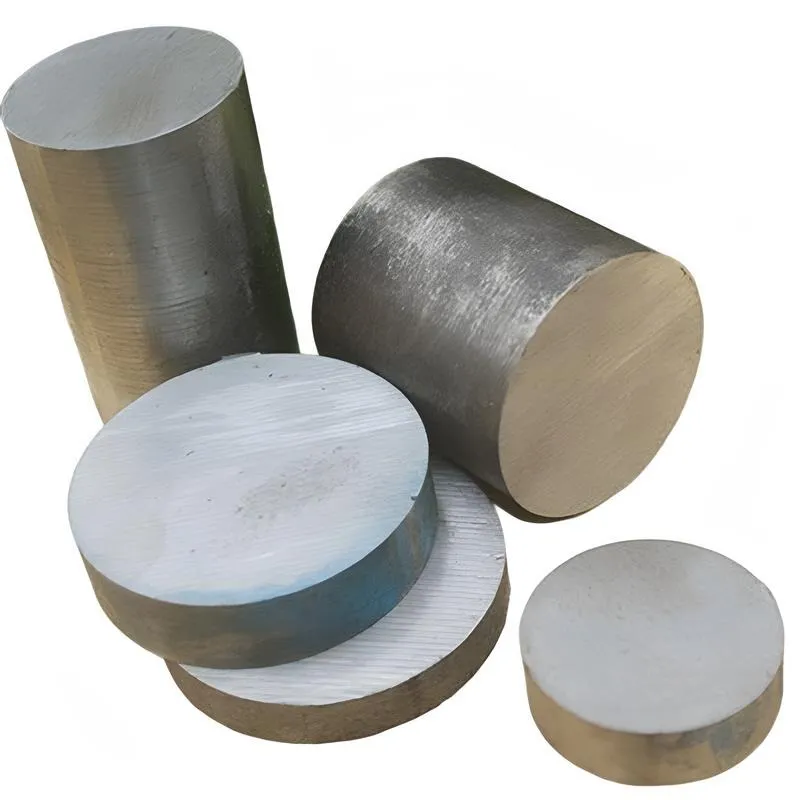
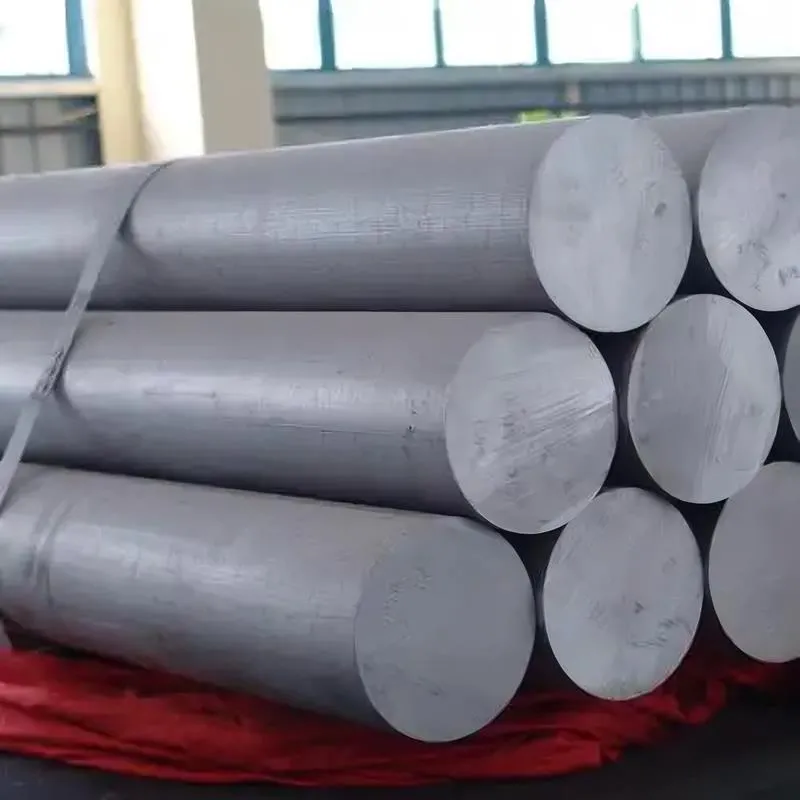
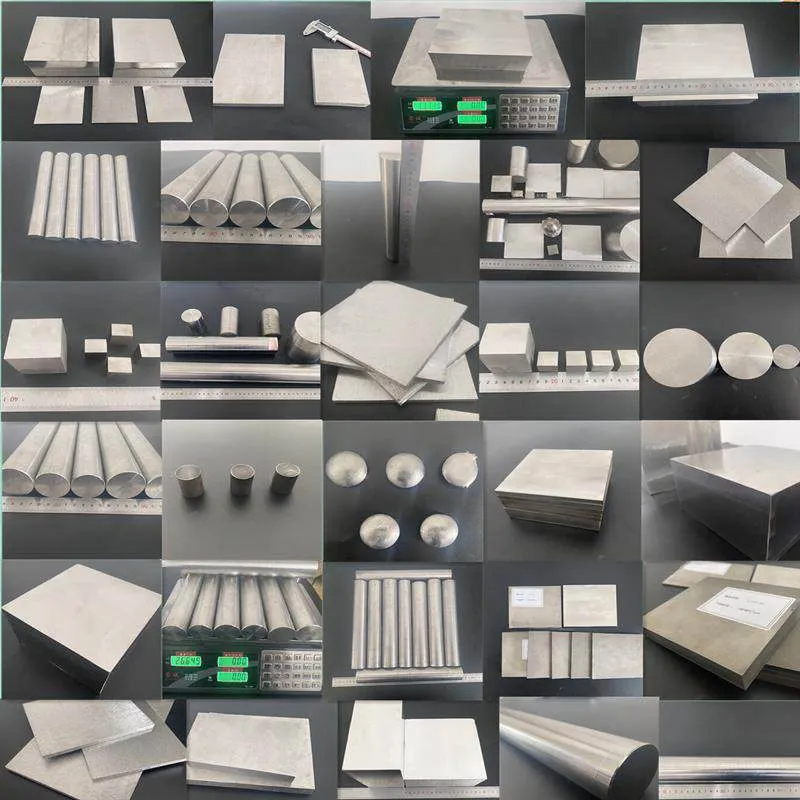
Bohler-Uddeholm,ORVAR® 2M / AISI H13 Hot Work Tool Steel Rod/Bar
Product Code : STI-GSTI-214-CU
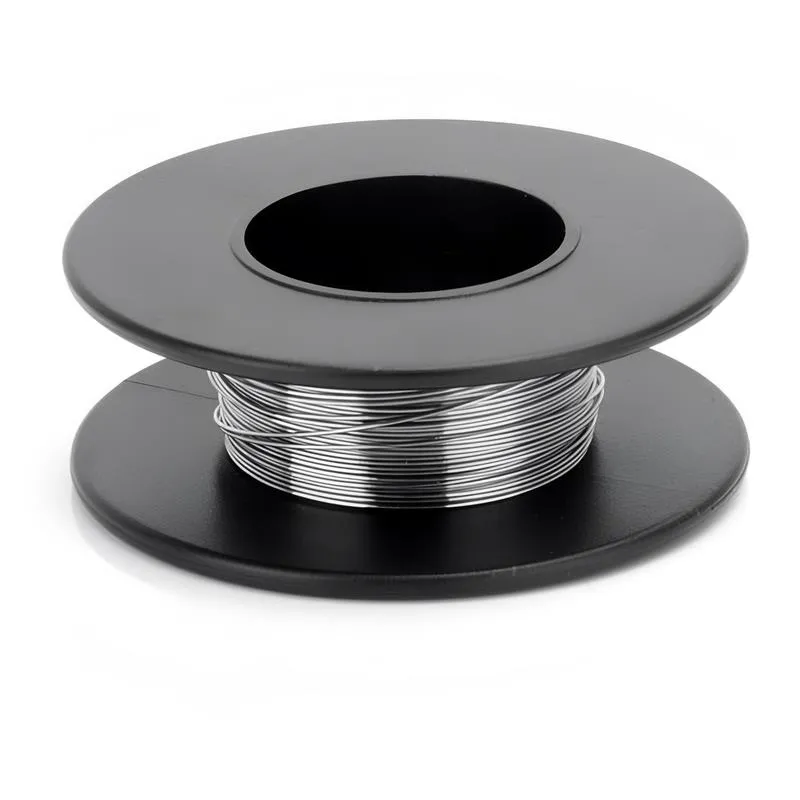
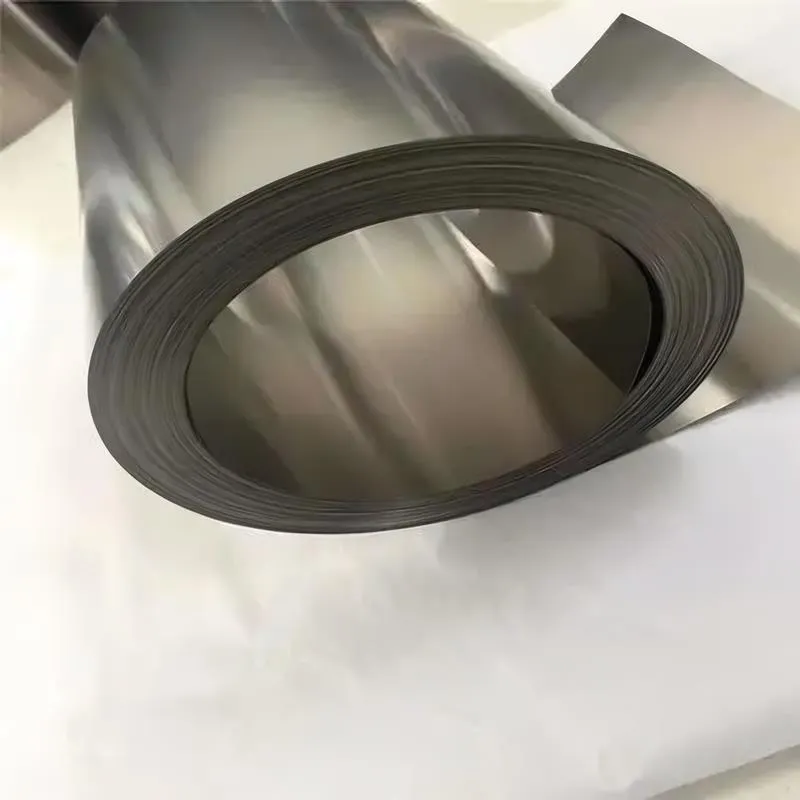
We provide Bohler-Uddeholm ORVAR® 2M / AISI H13 Hot Work Tool Steel Rod/Bar is available in Bar (Round bar, Flat bar), Ribbon, Wire, Rod/Bars, Tube,Seamless Tube,Pipe, Ingots, Plate, Sheet, Strip and Forging Stock.,Purity, chemical composition, size, etc. can all be customized to meet specific requirements.
Please contact us if you need customized services. We will contact you with the price and availability in 24 hours.
Bohler-Uddeholm ORVAR® 2M / AISI H13 Hot Work Tool Steel Rod Product Information
-:-
For detailed product information, please contact sales.
-:
Bohler-Uddeholm ORVAR® 2M / AISI H13 Hot Work Tool Steel Rod Synonyms
-:-
For detailed product information, please contact sales.
-:
Bohler-Uddeholm ORVAR® 2M / AISI H13 Hot Work Tool Steel Product Information
-:-
For detailed product information, please contact sales.
-:
# **Product Datasheet: Böhler-Uddeholm ORVAR® 2M (AISI H13) Premium Hot Work Tool Steel**
## **Product Overview**
**Böhler-Uddeholm ORVAR® 2M** is a **premium quality AISI H13 hot work tool steel** manufactured using **Electro-Slag Remelting (ESR) technology** to achieve **exceptional microcleanliness and isotropic properties**. As part of the renowned ORVAR® family, the "2M" designation specifically denotes **micro-cleanliness optimized material** with significantly reduced non-metallic inclusions. This premium grade is engineered for **demanding die casting, extrusion, and hot forming applications** where superior fatigue resistance, polishability, and reliability in large cross-sections are critical requirements.
## **Key Characteristics & Advantages**
- **Superior Microcleanliness:** Electro-Slag Remelting (ESR) process ensures exceptionally low inclusion content (ASTM E45 ≤ 0.5)
- **Excellent Isotropy:** Nearly identical mechanical properties in longitudinal and transverse directions
- **Enhanced Fatigue Resistance:** Significantly improved thermal and mechanical fatigue life
- **Outstanding Polishability:** Capable of achieving mirror-like surface finishes (Ra < 0.05 μm)
- **Excellent Toughness:** Maintains high impact resistance at elevated operating temperatures
- **Good Dimensional Stability:** Predictable heat treatment response with minimal distortion
- **Superior Consistency:** Batch-to-batch uniformity in both chemistry and mechanical properties
- **Optimized for Large Sections:** Maintains uniform properties throughout heavy cross-sections
## **Standard Specifications & International Designations**
| **Standard** | **Designation** | **Notes** |
|--------------|-----------------|-----------|
| **Böhler-Uddeholm** | **ORVAR® 2M** | Premium ESR quality grade |
| **AISI/ASTM** | **H13 ESR** | Electro-slag remelted premium version |
| **DIN/EN** | **1.2344 ESR** | X40CrMoV5-1, ESR quality |
| **JIS** | **SKD61 ESR** | Premium ESR classification |
| **ISO** | **HTF 4 ESR** | Hot work tool steel, ESR quality |
| **Manufacturing Process** | **Electro-Slag Remelting (ESR)** | Key quality differentiator |
| **Quality Designation** | **Microcleanliness Optimized** | "2M" indicates special cleanliness grade |
## **Chemical Composition (Typical, Weight %)**
| Element | Content (%) | Specification Range | ESR Process Benefit |
|---------|-------------|---------------------|---------------------|
| **Carbon (C)** | 0.39 | 0.37-0.42 | More consistent carbide distribution |
| **Silicon (Si)** | 1.00 | 0.90-1.10 | Enhanced deoxidation and purity |
| **Manganese (Mn)** | 0.40 | 0.30-0.50 | Consistent hardening response |
| **Chromium (Cr)** | 5.20 | 5.00-5.50 | Uniform oxidation resistance |
| **Molybdenum (Mo)** | 1.40 | 1.30-1.50 | Improved high-temperature stability |
| **Vanadium (V)** | 1.00 | 0.90-1.10 | Finer, more uniform carbide structure |
| **Sulfur (S)** | **≤0.002** | **≤0.003** | **Ultra-low for exceptional toughness** |
| **Phosphorus (P)** | **≤0.012** | **≤0.015** | **Enhanced ductility and polishability** |
| **Iron (Fe)** | **Balance** | **Balance** | **Highly refined, homogeneous structure** |
***Quality Distinction:** ORVAR® 2M maintains the standard H13 chemistry but with **exacting control of impurity elements** (sulfur, phosphorus) and the **benefits of ESR processing**. The "2M" designation specifically refers to its optimized microcleanliness level, which is superior to standard ORVAR® grades.*
## **Electro-Slag Remelting (ESR) Process Advantages**
### **Process Characteristics:**
1. **Secondary Refining:** Consumable electrode remelted through conductive slag layer
2. **Sequential Solidification:** Controlled directional solidification from bottom to top
3. **Slag Refining Action:** Molten slag absorbs oxides, sulfides, and other impurities
4. **Improved Homogeneity:** Eliminates chemical segregation and banding
### **Resulting Benefits:**
- **Inclusion Reduction:** 60-80% reduction in non-metallic inclusions vs. conventional melting
- **Enhanced Density:** Reduced microporosity and shrinkage defects
- **Superior Isotropy:** More uniform properties in all directions
- **Improved Fatigue Life:** Reduced stress concentration points
## **Microstructural Characteristics**
| Feature | ORVAR® 2M (ESR) | Standard H13 | Benefit |
|---------|-----------------|--------------|---------|
| **Inclusion Content** | **ASTM E45 ≤ 0.5** | Typically 1.5-2.5 | **Superior fatigue resistance** |
| **Inclusion Types** | **Fine, globular (Type I)** | Elongated, stringers (Type II) | **Reduced stress concentrators** |
| **Carbide Distribution** | **Uniform, no banding** | Can show segregation | **Consistent wear properties** |
| **Grain Structure** | **Equiaxed, uniform** | Can be directional | **Improved isotropy** |
| **Segregation** | **Minimal** | Can be significant | **Predictable heat treatment** |
## **Typical Heat Treatment**
### **1. Annealing**
- **Temperature:** **850-880°C (1562-1616°F)**
- **Cooling:** Slow furnace cool (20-25°C/hour) to 600°C, then air cool
- **Annealed Hardness:** **185-210 HB**
- **ESR Advantage:** More consistent hardness throughout large blocks
### **2. Stress Relieving**
- **Temperature:** **600-650°C (1112-1202°F)**
- **Duration:** 2 hours per 25 mm thickness
- **Application:** After rough machining, before final hardening
### **3. Hardening**
1. **Preheating:** **Two-stage recommended**
- Stage 1: **600-650°C (1112-1202°F)**
- Stage 2: **850-900°C (1562-1652°F)**
2. **Austenitizing:** **1000-1030°C (1832-1886°F)**
- **Standard for die casting:** **1010-1020°C (1850-1868°F)**
- **High Toughness:** **1000-1010°C (1832-1850°F)**
- **Maximum Hot Strength:** **1020-1030°C (1868-1886°F)**
3. **Soaking Time:** **20-40 minutes** (section size dependent)
4. **Quenching:** **Air cooling** (forced air recommended) or **high-pressure gas quenching**
### **4. Tempering**
- **Immediate Requirement:** Temper upon reaching 50-70°C (122-158°F)
- **Minimum Cycles:** **Double tempering** (triple recommended for critical applications)
- **Temperature Range:** **540-650°C (1004-1202°F)**
- **Recommended for Die Casting:** **580-620°C (1076-1148°F)**
- **Hardness Profile:**
- 540°C (1004°F): 50-52 HRC
- 560°C (1040°F): 48-50 HRC
- 580°C (1076°F): 46-48 HRC
- 600°C (1112°F): 44-46 HRC
- 620°C (1148°F): 40-42 HRC
### **5. Nitriding (Highly Recommended)**
- **Process:** **Plasma or gas nitriding** preferred
- **Temperature:** 480-530°C (896-986°F)
- **Case Depth:** 0.10-0.25 mm optimal
- **Surface Hardness:** 1000-1200 HV
- **ESR Advantage:** More consistent case depth and hardness
## **Physical Properties**
| Property | Value | Unit | Conditions | ESR Advantage |
|----------|-------|------|------------|---------------|
| **Density** | 7.80 | g/cm³ | At 20°C | More consistent |
| **Modulus of Elasticity** | 210 | GPa | At 20°C | More isotropic |
| **Thermal Expansion Coefficient** | 11.5 | ×10⁻⁶/K | 20-100°C | More predictable |
| **Thermal Conductivity** | 25.0 | W/(m·K) | At 20°C | More uniform |
| **Specific Heat Capacity** | 460 | J/(kg·K) | At 20°C | Consistent |
## **Mechanical Properties**
### **Standard Condition (1020°C Austenitize / 600°C×2 Temper)**
| Property | Value Range | Unit | Test Direction | Significance |
|----------|-------------|------|---------------|--------------|
| **Hardness** | **44-46** | HRC | All directions | Optimal for thermal fatigue |
| **Tensile Strength** | 1450-1550 | MPa | Longitudinal | High strength level |
| **Yield Strength (0.2%)** | 1300-1400 | MPa | Longitudinal | Good load capacity |
| **Elongation** | **12-15** | % | Longitudinal | **Excellent ductility** |
| **Impact Toughness (Charpy V)** | **50-65** | J | Transverse | **Superior transverse toughness** |
| **Fatigue Strength** | 650-750 | MPa | All directions | **Enhanced fatigue resistance** |
### **Directional Property Comparison**
| Property | Longitudinal | Transverse | Anisotropy Ratio | Standard H13 Ratio |
|----------|-------------|-----------|-----------------|-------------------|
| **Tensile Strength** | 100% | 98-99% | 1.01-1.02 | 1.05-1.10 |
| **Yield Strength** | 100% | 97-98% | 1.02-1.03 | 1.08-1.15 |
| **Impact Toughness** | 100% | 90-95% | 1.05-1.11 | 1.20-1.50 |
| **Fatigue Limit** | 100% | 95-98% | 1.02-1.05 | 1.10-1.25 |
### **High Temperature Performance**
| Temperature | Hardness | Tensile Strength | Impact Toughness |
|-------------|----------|-----------------|------------------|
| **200°C (392°F)** | 42-44 HRC | 1250-1350 MPa | 40-55 J |
| **400°C (752°F)** | 38-40 HRC | 950-1050 MPa | 35-50 J |
| **600°C (1112°F)** | 30-32 HRC | 550-650 MPa | 25-40 J |
## **Primary Applications**
### **A. Premium Die Casting Applications**
#### **Critical Aluminum Die Casting:**
- **Large Structural Components:** Engine blocks, transmission cases, structural frames
- **Thin-Wall Castings:** Electronics housings, automotive components
- **High-Pressure Die Casting:** Complex geometries with tight tolerances
- **Safety-Critical Components:** Braking, steering, suspension parts
#### **Magnesium Die Casting:**
- **Hot Chamber Components:** Nozzles, goosenecks, injection systems
- **Thin-Wall Magnesium:** Electronics, automotive lightweight components
#### **Zinc Die Casting:**
- **High-volume precision components**
- **Fast-cycling production tools**
### **B. High-Performance Extrusion**
- **Aluminum Extrusion Dies:** Critical profiles, complex geometries
- **Die Backers and Bolsters:** Large support components
- **Mandrels for Hollow Profiles:** Where isotropy is critical
### **C. Precision Hot Forging**
- **Aerospace Forging Dies:** Critical components requiring reliability
- **Automotive Forging:** High-volume precision forgings
- **Die Inserts:** For complex forging operations
### **D. Advanced Plastic Molding**
- **Optical Components:** Lenses, light guides requiring exceptional surfaces
- **Medical Device Molds:** Where cleanliness and reliability are paramount
- **High-Gloss Automotive:** Interior and exterior components
- **Hot Runner Systems:** Manifolds and nozzles
### **E. Specialized Applications**
- **Glass Molding Tools:** Precision optical and container molds
- **Isothermal Forging Tools:** Where uniform properties are essential
- **Critical Wear Components:** Requiring isotropic wear resistance
## **Processing Guidelines**
### **1. Machining Operations**
| Operation | Tool Recommendation | Cutting Parameters | ESR Advantage |
|-----------|---------------------|-------------------|---------------|
| **Turning** | **Coated carbide** | Vc: 80-130 m/min
f: 0.15-0.35 mm/rev
ap: 2-6 mm | **More consistent cutting forces** |
| **Milling** | **Carbide end mills** | Vc: 100-160 m/min
fz: 0.10-0.25 mm
ae: 30-60% | **Better surface finish** |
| **Drilling** | **HSS or carbide drills** | Vc: 20-35 m/min
f: 0.10-0.20 mm/rev | **Cleaner hole surfaces** |
| **Tapping** | **HSS-E or spiral point taps** | Vc: 5-12 m/min | **Improved thread quality** |
***Machinability Rating:** **75-85%** (relative to 1% carbon steel = 100%) – **Superior to conventional H13***
### **2. Grinding and Polishing**
- **Grindability:** **Excellent** – uniform structure facilitates grinding
- **Surface Finish:** Can achieve **Ra < 0.05 μm** with proper technique
- **Polishing:** **Superior polishability** – minimal inclusion pull-out
- **Texture Application:** Excellent substrate for fine texturing
### **3. Electrical Discharge Machining (EDM)**
- **Suitability:** **Excellent** – consistent material removal
- **Settings:** Standard parameters with excellent results
- **Surface Quality:** Superior as-cut surface finish
- **White Layer:** Thinner and more consistent
### **4. Welding and Repair**
- **Weldability:** **Good** – cleaner base material improves weld quality
- **Preheating:** **300-400°C (572-752°F)** recommended
- **Electrodes:** **UDDEHOLM UNIMAR 96** or equivalent
- **Post-Weld:** Slow cool and re-temper
- **ESR Advantage:** Reduced risk of weld defects
### **5. Surface Treatments**
#### **Nitriding (Recommended):**
- **Methods:** Plasma nitriding preferred for consistency
- **Parameters:** 480-530°C, case depth 0.10-0.25 mm
- **Benefits:** Enhanced wear and soldering resistance
#### **Other Treatments:**
- **PVD Coatings:** Excellent adhesion due to clean surface
- **Oxidation:** For corrosion protection
- **Texturing:** Consistent results across large areas
## **Quality Assurance**
### **ESR Process Certification**
1. **Slag Composition Analysis:** Documentation of refining slag
2. **Remelting Parameters:** Current, voltage, melting rate records
3. **Solidification Control:** Cooling rate and direction documentation
4. **Ingot Quality:** Surface and internal quality verification
### **Material Testing & Certification**
| Test Type | Standard | Acceptance Criteria | Frequency |
|-----------|----------|-------------------|-----------|
| **Chemical Analysis** | ISO/EN Standards | Full spectrum analysis | Each heat |
| **Ultrasonic Testing** | ASTM E588 | Class AA or better | 100% |
| **Microcleanliness** | ASTM E45 | ≤ 0.5 | Each heat |
| **Hardness Testing** | ISO 6508 | Multiple point verification | Each piece |
| **Dimensional Check** | Customer spec | As per drawing | 100% |
### **Available Forms and Sizes**
| Product Form | Standard Sizes | Special Features | Typical Applications |
|-------------|---------------|------------------|---------------------|
| **Large Blocks** | Up to 1000×1000×500 mm | Stress-relieved, precision squared | Large die casting dies |
| **Round Bars** | Ø50-600 mm | Peeled or ground finish | Extrusion tooling |
| **Custom Forgings** | Customer specifications | Optimized grain flow | Specialized tooling |
| **Pre-machined Blanks** | As per drawing | Ready for final machining | Complex mold components |
## **Comparative Performance Analysis**
### **ORVAR® Family Hierarchy**
| Grade | Manufacturing | Key Feature | Relative Cost | Best Application |
|-------|--------------|-------------|---------------|------------------|
| **ORVAR® Standard** | Conventional | Cost-effective | 100% | General applications |
| **ORVAR® Superior** | Enhanced | Improved consistency | 110-120% | Demanding applications |
| **ORVAR® 2M (ESR)** | **Electro-Slag Remelted** | **Superior cleanliness & isotropy** | **130-150%** | **Critical, high-reliability tools** |
| **ORVAR® Supreme** | ESR + Special | Ultimate performance | 150-180% | Most demanding applications |
### **vs. Competitive ESR Grades**
| Property | ORVAR® 2M | Competitive ESR H13 | Advantage |
|----------|-----------|---------------------|-----------|
| **Microcleanliness** | **ASTM ≤ 0.5** | Typically ≤ 1.0 | **Superior** |
| **Transverse Toughness** | **90-95% of longitudinal** | 80-90% | **Better isotropy** |
| **Polishability** | **Excellent** | Very Good | **Higher quality finishes** |
| **Consistency** | **Excellent** | Good-Very Good | **More predictable** |
| **Technical Support** | **Comprehensive** | Varies | **Better application engineering** |
## **Economic Justification**
### **Cost-Benefit Analysis**
| Factor | ORVAR® 2M Advantage | Economic Impact |
|--------|---------------------|-----------------|
| **Extended Tool Life** | 30-80% longer than standard H13 | Reduced tooling amortization |
| **Reduced Maintenance** | Less frequent polishing and repair | Lower labor and downtime costs |
| **Improved Part Quality** | Better surface finish, fewer defects | Lower scrap rates, higher value |
| **Increased Productivity** | More consistent performance | Higher machine utilization |
| **Reduced Risk** | Lower failure probability | Avoidance of catastrophic failures |
| **Total Cost of Ownership** | **Typically lower** | **Positive ROI in critical applications** |
### **When to Select ORVAR® 2M:**
1. **Critical safety components** (automotive, aerospace)
2. **Large dies** where isotropy prevents distortion
3. **Applications requiring exceptional surface finishes**
4. **High-volume production** where reliability is essential
5. **Tools subject to severe thermal cycling**
6. **Components with complex stress states**
### **Implementation Strategy:**
1. **Start with most critical components** in high-value tools
2. **Document performance** versus previous materials
3. **Optimize heat treatment** for specific applications
4. **Implement proper maintenance** procedures
5. **Leverage Böhler-Uddeholm support** for best results
## **Technical Support Services**
### **Available from Böhler-Uddeholm:**
1. **Application Engineering:** Tool design optimization for ESR materials
2. **Heat Treatment Consulting:** Specialized cycles for ORVAR® 2M
3. **Failure Analysis:** Expert investigation of tool failures
4. **Processing Workshops:** Training on ESR material handling
5. **Performance Validation:** Application-specific testing support
### **Documentation Provided:**
- **ESR Process Certification:** Complete remelting documentation
- **Material Certificates:** 3.1 or 3.2 per EN 10204
- **Heat Treatment Guidelines:** Optimized for ESR microstructure
- **Application Case Studies:** Real-world performance data
- **Technical Bulletins:** Updates on best practices
---
## **Critical Technical Notes**
### **Unique Value Proposition:**
1. **Proven ESR Technology:** Decades of experience in ESR manufacturing
2. **Superior Cleanliness:** ASTM E45 ≤ 0.5 guarantees exceptional purity
3. **Excellent Isotropy:** Near-identical properties in all directions
4. **Böhler-Uddeholm Quality:** Backed by world-leading metallurgical expertise
### **Special Considerations:**
1. **Heat Treatment Sensitivity:** Requires precise control for optimal results
2. **Cost Premium:** Significant investment over conventional grades
3. **Application Specific:** Justified primarily for critical applications
4. **Lead Times:** May be longer than standard materials
### **Industry Recognition:**
- **Widely specified** for critical automotive die casting
- **Preferred by leading mold makers** for high-reliability tooling
- **Used in aerospace** for demanding hot work applications
- **Recognized as benchmark** for premium ESR H13 quality
---
**Disclaimer:** ORVAR® 2M is a premium ESR hot work tool steel designed for critical applications where its enhanced properties justify the additional cost. Proper material selection should be based on thorough technical and economic analysis. Consult with Böhler-Uddeholm technical specialists for application-specific recommendations. Performance data represents typical values under controlled conditions; actual results may vary. Always follow current technical documentation and safety guidelines. The information contained herein is subject to change without notice and should be verified against the latest official technical data.
-:-
For detailed product information, please contact sales.
-:
Bohler-Uddeholm ORVAR® 2M / AISI H13 Hot Work Tool Steel Specification
Dimensions
Size:
Diameter 20-1000 mm Length <6870 mm
Size:We can customized as required
Standard:
Per your request or drawing
We can customized as required
Properties(Theoretical)
Chemical Composition
-:-
For detailed product information, please contact sales.
-:
Bohler-Uddeholm ORVAR® 2M / AISI H13 Hot Work Tool Steel Properties
-:-
For detailed product information, please contact sales.
-:
Applications of Bohler-Uddeholm ORVAR® 2M / AISI H13 Hot Work Tool Steel Rod
-:-
For detailed product information, please contact sales.
-:
Chemical Identifiers Bohler-Uddeholm ORVAR® 2M / AISI H13 Hot Work Tool Steel Rod
-:-
For detailed product information, please contact sales.
-:
Packing of Bohler-Uddeholm ORVAR® 2M / AISI H13 Hot Work Tool Steel Rod
-:-
For detailed product information, please contact sales.
-:
Standard Packing:
-:-
For detailed product information, please contact sales.
-:
Typical bulk packaging includes palletized plastic 5 gallon/25 kg. pails, fiber and Steel Rod drums to 1 ton super sacks in full container (FCL) or truck load (T/L) quantities. Research and sample quantities and hygroscopic, oxidizing or other air sensitive materials may be packaged under argon or vacuum. Solutions are packaged in polypropylene, plastic or glass jars up to palletized 3341 gallon liquid totes Special package is available on request. E FORUs’ is carefully handled to minimize damage during storage and transportation and to preserve the quality of our products in their original condition