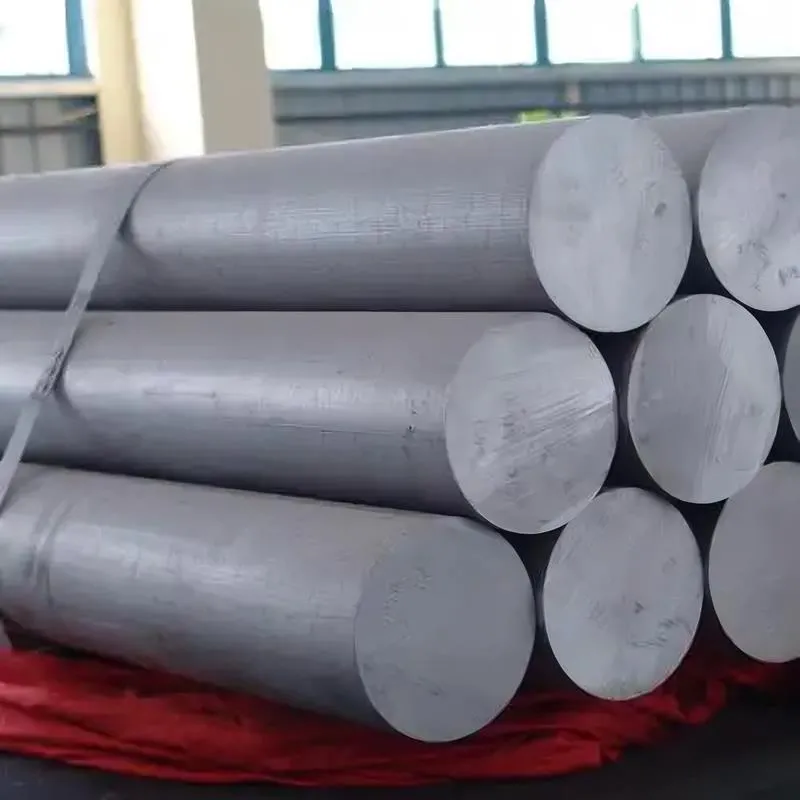
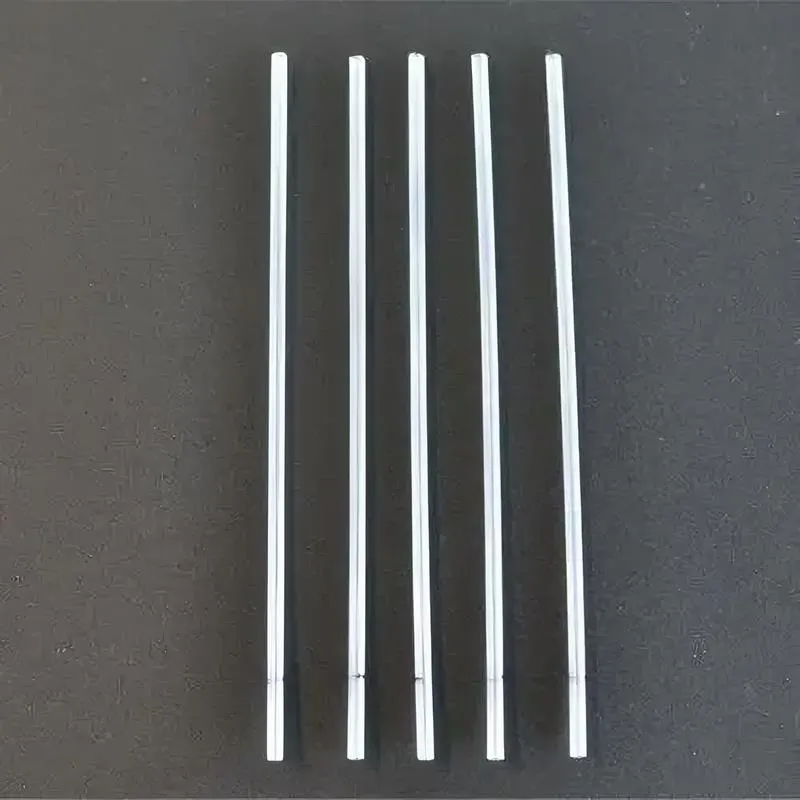
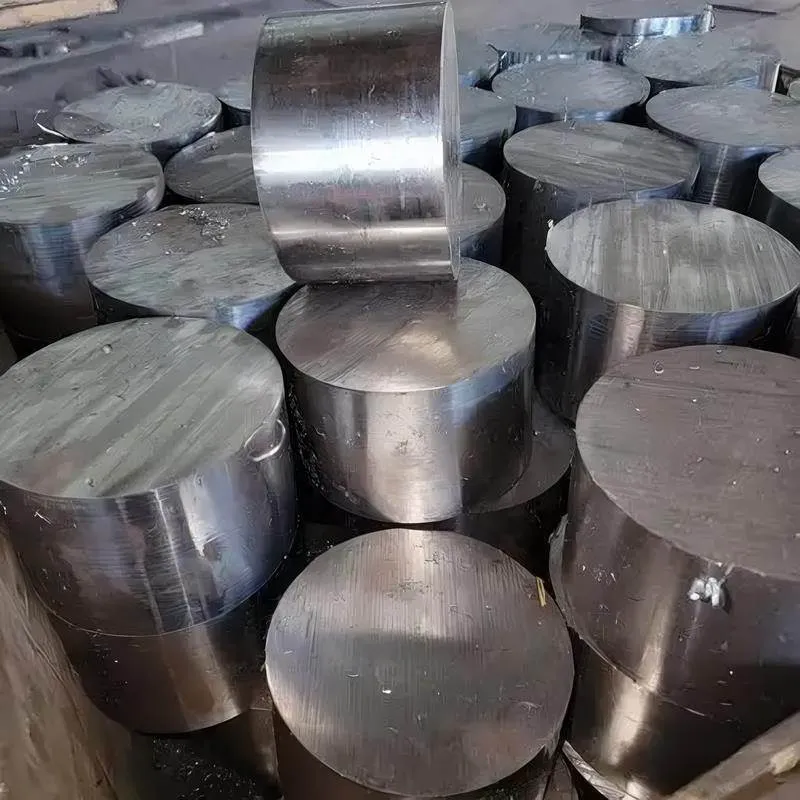
Schmolz + Bickenbach,Formadur® 2085 Plastic Mold Steel Rod/Bar
Product Code : STI-GSTI-469-CU
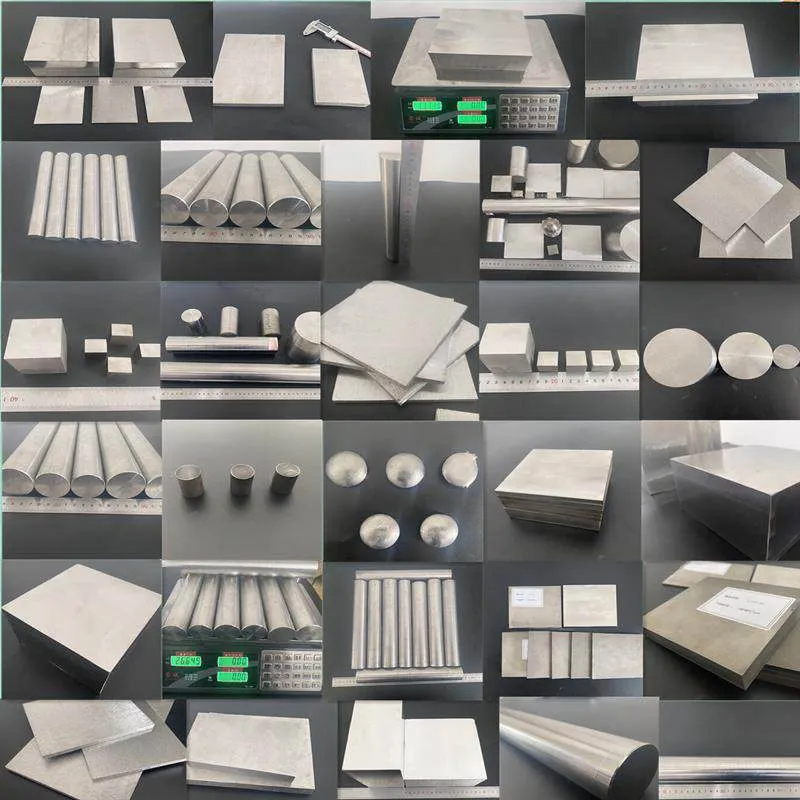
We provide Schmolz + Bickenbach Formadur® 2085 Plastic Mold Steel Rod/Bar is available in Bar (Round bar, Flat bar), Ribbon, Wire, Rod/Bars, Tube,Seamless Tube,Pipe, Ingots, Plate, Sheet, Strip and Forging Stock.,Purity, chemical composition, size, etc. can all be customized to meet specific requirements.
Please contact us if you need customized services. We will contact you with the price and availability in 24 hours.
Schmolz + Bickenbach Formadur® 2085 Plastic Mold Steel Rod Product Information
-:-
For detailed product information, please contact sales.
-:
Schmolz + Bickenbach Formadur® 2085 Plastic Mold Steel Rod Synonyms
-:-
For detailed product information, please contact sales.
-:
Schmolz + Bickenbach Formadur® 2085 Plastic Mold Steel Product Information
-:-
For detailed product information, please contact sales.
-:
# **SCHMOLZ + BICKENBACH Formadur® 2085 | Premium High-Carbon, High-Chromium Plastic & Die Steel**
## **Overview**
SCHMOLZ + BICKENBACH **Formadur® 2085** is a high-carbon, high-chromium (approx. 1.5% C, 12% Cr) tool steel engineered for applications demanding **exceptional wear resistance, high compressive strength, and good dimensional stability**. This alloy represents a versatile grade within the cold-work tool steel family, bridging the gap between plastic mold steels and more specialized die steels. While capable of achieving very high hardness (up to 60-62 HRC), it maintains better toughness and polishability than many other high-carbon, high-chromium grades, making it suitable for demanding plastic molds, precision punches, and forming dies.
## **Key Features:**
* **Excellent Wear Resistance:** High volume of hard chromium carbides (M₇C₃ type) provides superior resistance to abrasive wear from glass-filled or mineral-filled plastics.
* **High Compressive Strength:** Ideal for applications involving high pressure, such as precision blanking, coining, and forming.
* **Good Dimensional Stability:** Exhibits minimal distortion during heat treatment due to its air-hardening characteristics and low transformation stresses.
* **Good Polishability:** While not equal to "Superclean" grades, it can achieve very good surface finishes suitable for technical parts.
* **Through-Hardening Capability:** Can be hardened to very high levels (58-62 HRC) for maximum wear resistance.
* **Good Resistance to Pressure & Deformation:** Maintains its shape under high loads, making it suitable for intricate, high-precision tools.
---
## **Material Specifications: Formadur® 2085**
### **1. Chemical Composition (wt%)**
| Element | Content Range (wt%) | Function & Benefit |
| :--- | :--- | :--- |
| **Carbon (C)** | 1.45 - 1.60 | **High carbon** content is essential for forming a high volume of hard chromium carbides, providing the base for extreme wear resistance and hardness. |
| **Chromium (Cr)** | 11.00 - 12.00 | **High chromium** forms hard, wear-resistant M₇C₃ carbides and provides moderate corrosion resistance. |
| **Manganese (Mn)** | 0.20 - 0.40 | Aids in deoxidation and hardenability. |
| **Silicon (Si)** | 0.10 - 0.30 | Deoxidizer and solid solution strengthener. |
| **Vanadium (V)** | 0.70 - 0.90 | **Key additive.** Forms very hard MC-type vanadium carbides for additional wear resistance, refines grain size, and improves toughness. |
| **Molybdenum (Mo)** | 0.60 - 0.80 | Enhances hardenability, promotes a fine grain structure, and improves toughness and strength. |
| **Sulfur (S)** | ≤ 0.005 | Low sulfur content ensures good polishability and isotropic properties. |
| **Phosphorus (P)** | ≤ 0.015 | Minimized to prevent embrittlement. |
**Metallurgical Characteristics:**
* **Carbide Structure:** Contains a high volume fraction of primary and secondary carbides, primarily chromium-rich M₇C₃ and vanadium-rich MC. This provides the signature wear resistance.
* **Alloy Balance:** The combination of C, Cr, V, and Mo is optimized to achieve high hardness while retaining usable toughness for tooling applications.
### **2. Physical & Mechanical Properties**
#### **Properties in Annealed Condition (for Machining):**
| Property | Typical Value | Condition / Notes |
| :--- | :--- | :--- |
| **Hardness** | ~240 HB (max) | Annealed, spheroidized condition. |
| **Microstructure** | Spheroidized carbides in ferritic matrix | Optimized for machinability. |
#### **Properties in Hardened & Tempered Condition:**
| Tempering Temperature | Resulting Hardness (HRC) | Tensile Strength (MPa) | Impact Toughness (J) | Primary Application Focus |
| :--- | :--- | :--- | :--- | :--- |
| **180-200°C** | 60 - 62 | ~2000 - 2200 | 8 - 12 | **Maximum wear resistance** for extreme abrasion (e.g., high-filler plastics, blanking). Lower toughness. |
| **250-300°C** | 58 - 60 | ~1850 - 2050 | 10 - 15 | Good balance for most demanding plastic molds and forming dies. |
| **350-400°C** | 56 - 58 | ~1700 - 1900 | 12 - 18 | Higher toughness for applications with moderate impact risk. |
#### **General Mechanical & Physical Properties (Hardened & Tempered ~58 HRC):**
* **0.2% Yield Strength (Rp0.2):** ~1700 MPa
* **Compressive Strength:** >2500 MPa
* **Modulus of Elasticity (E):** ~210,000 MPa
* **Thermal Conductivity:** ~25 W/m·K (at 20°C)
* **Coefficient of Thermal Expansion:** ~10.8 x 10⁻⁶ /K (20-100°C)
* **Density:** ~7.75 g/cm³
#### **Wear Resistance Comparison:**
* **Relative Abrasion Resistance (vs. P20 type):** Approximately **3-4 times higher**.
* **Relative Abrasion Resistance (vs. 1.2083):** Approximately **1.5-2 times higher**.
### **3. Machining & Finishing Properties**
| Operation | Performance & Recommendations |
| :--- | :--- |
| **Machining (Annealed)** | **Fair to Moderate.** The high carbide content and alloy level make it more difficult to machine than P20 or 1.2083 steels. Use sharp, premium carbide tools, moderate speeds, and adequate coolant. Expect higher tool wear. |
| **Electrical Discharge Machining (EDM)** | **Good.** Can be machined by wire and sinker EDM. The hard carbides may slightly reduce cutting speed compared to softer steels. |
| **Grinding** | **The preferred finishing method** after hardening. Grinds well but requires appropriate wheels (e.g., aluminum oxide or CBN) and proper technique to avoid thermal cracking due to its high hardness and low thermal conductivity. |
| **Polishing** | **Good to Very Good.** Can achieve SPI #2 (B1) or better finishes. The presence of hard carbides requires careful polishing technique to avoid "pulling out" carbides. It is not typically specified for optical (SPI A1) finishes. |
| **Texturing (Etching)** | **Moderate.** The carbide structure can influence the etching result, potentially leading to a less uniform appearance than with more homogeneous steels. |
| **Welding** | **Difficult and Not Generally Recommended.** High carbon and chromium content create a high risk of cracking in the heat-affected zone (HAZ). If absolutely necessary, requires high preheat (400-450°C), specialized filler metals, and controlled post-weld tempering. |
---
## **Applicable International Standards & Cross-References**
| Standard | Designation | Note |
| :--- | :--- | :--- |
| **SCHMOLZ + BICKENBACH** | **Formadur® 2085** | Proprietary designation. |
| **DIN / EN / W-Nr.** | **1.2085** | Standard designation for this composition. |
| **AISI / ASTM** | **D3 (Modified)** | Closest AISI equivalent. Formadur® 2085 typically has added V and adjusted Mo, making it superior in toughness and grindability to standard D3. |
| **ISO 4957** | **X153CrMoV12-1** | The standard European grade designation. |
| **Uddeholm** | **SVERKER 21** | Similar high C-high Cr grade with vanadium. |
| **Böhler / voestalpine** | **K110** | Equivalent to standard 1.2379 / AISI D2. **Note:** 1.2085 is distinct from D2 (1.2379), having higher C and slightly different alloy balance. |
| **Japanese (JIS)** | **SKD11** (similar) | JIS SKD11 is closer to AISI D2. |
| **Chinese (GB)** | **Cr12Mo1V1** | Similar high-carbon, high-chromium category. |
---
## **Heat Treatment Guidelines**
1. **Soft Annealing:** Heat to 850-870°C, hold sufficiently (approx. 2h/25mm), slow cool in furnace to 650°C at 10-20°C/hour, then air cool. Target hardness: ≤ 240 HB.
2. **Stress Relieving (after rough machining):** 600-650°C, 2 hours, slow cool.
3. **Hardening:**
* **Preheat:** 550-600°C and 800-850°C (dual preheat is **essential**).
* **Austenitize:** **960-980°C.** Use controlled atmosphere or vacuum. Soak time: 20-30 min per 25mm. **Avoid prolonged soaking** to prevent excessive grain growth and retained austenite.
* **Quench:** In **circulating air** (air-hardening) or oil. Air quenching is preferred for minimal distortion and lower cracking risk. Vacuum high-pressure gas quenching is ideal.
4. **Tempering:** **Immediately after quenching.** Temper at 180-400°C (depending on required hardness) for at least 2 hours. **Double or triple tempering is strongly recommended** to transform retained austenite and improve toughness.
5. **Sub-Zero Treatment (Optional):** For maximum dimensional stability and to convert retained austenite, a cryogenic treatment at -80°C to -120°C can be performed between the first and second temper.
---
## **Product Applications**
Formadur® 2085 is specified for **high-wear, high-pressure tooling applications** where extreme abrasion resistance is the primary concern.
**Primary Application Areas:**
**A. Plastic Injection Molds:**
* **Molds for Highly Abrasive Plastics:** Components made from plastics with **high glass fiber (>30%), mineral, or carbon fiber content** (e.g., PPS, PEEK, PA-GF50).
* **Wear-Intensive Mold Components:** Runner shut-offs, gate inserts, check valve rings, and high-wear areas of cavities processing abrasive materials.
* **Ejector Pins & Sleeves** for abrasive plastics.
**B. Metal Forming & Cutting Dies (Cold Work):**
* **Precision Blanking and Punching Dies:** For thin materials, electronic components, and progressive dies where extreme edge wear is a factor.
* **Forming Rolls and Roller Dies.**
* **Thread Rolling Dies.**
* **Drawing Dies** for wires and bars.
**C. General Tooling:**
* **Gauges and measuring tools.**
* **Knives and blades** for cutting abrasive materials.
* **Slitter blades** for metal or plastic.
**Not Recommended For:**
* **Optical parts requiring SPI A1 mirror finishes.**
* **Highly corrosive plastic applications** (e.g., PVC) – use a stainless grade like 1.2083 or 1.2316.
* **Hot work applications** (insufficient high-temperature strength).
* **Tools subject to severe shock or impact loading** at high hardness levels.
---
## **Selection Rationale: When to Choose Formadur® 2085**
Choose Formadur® 2085 when:
1. **Wear is the primary failure mode,** surpassing concerns for corrosion or ultimate polishability.
2. Processing **highly abrasive filled plastics** that would rapidly degrade P20 or 1.2083 steels.
3. The tool must withstand **very high compressive loads** without deforming.
4. The application is for **cold work tooling** requiring high hardness and wear resistance.
5. A balance between **wear resistance and usable toughness** is needed, which might not be achieved with more brittle, very-high-carbon steels.
For less severe wear or where polishability/corrosion resistance is key, grades like **Formadur® 2311 (P20+Ni)** or **Formadur® 2083 Superclean** are more appropriate.
---
**Disclaimer:**
The information provided is based on typical data for SCHMOLZ + BICKENBACH Formadur® 2085. Properties can vary within specification ranges and are highly dependent on proper heat treatment. This document is for informational purposes only and does not constitute a guarantee. For critical applications, always consult the official manufacturer's documentation and consider the expertise required for its successful heat treatment and application.
-:-
For detailed product information, please contact sales.
-:
Schmolz + Bickenbach Formadur® 2085 Plastic Mold Steel Specification
Dimensions
Size:
Diameter 20-1000 mm Length <7125 mm
Size:We can customized as required
Standard:
Per your request or drawing
We can customized as required
Properties(Theoretical)
Chemical Composition
-:-
For detailed product information, please contact sales.
-:
Schmolz + Bickenbach Formadur® 2085 Plastic Mold Steel Properties
-:-
For detailed product information, please contact sales.
-:
Applications of Schmolz + Bickenbach Formadur® 2085 Plastic Mold Steel Rod
-:-
For detailed product information, please contact sales.
-:
Chemical Identifiers Schmolz + Bickenbach Formadur® 2085 Plastic Mold Steel Rod
-:-
For detailed product information, please contact sales.
-:
Packing of Schmolz + Bickenbach Formadur® 2085 Plastic Mold Steel Rod
-:-
For detailed product information, please contact sales.
-:
Standard Packing:
-:-
For detailed product information, please contact sales.
-:
Typical bulk packaging includes palletized plastic 5 gallon/25 kg. pails, fiber and Steel Rod drums to 1 ton super sacks in full container (FCL) or truck load (T/L) quantities. Research and sample quantities and hygroscopic, oxidizing or other air sensitive materials may be packaged under argon or vacuum. Solutions are packaged in polypropylene, plastic or glass jars up to palletized 3596 gallon liquid totes Special package is available on request. E FORUs’ is carefully handled to minimize damage during storage and transportation and to preserve the quality of our products in their original condition