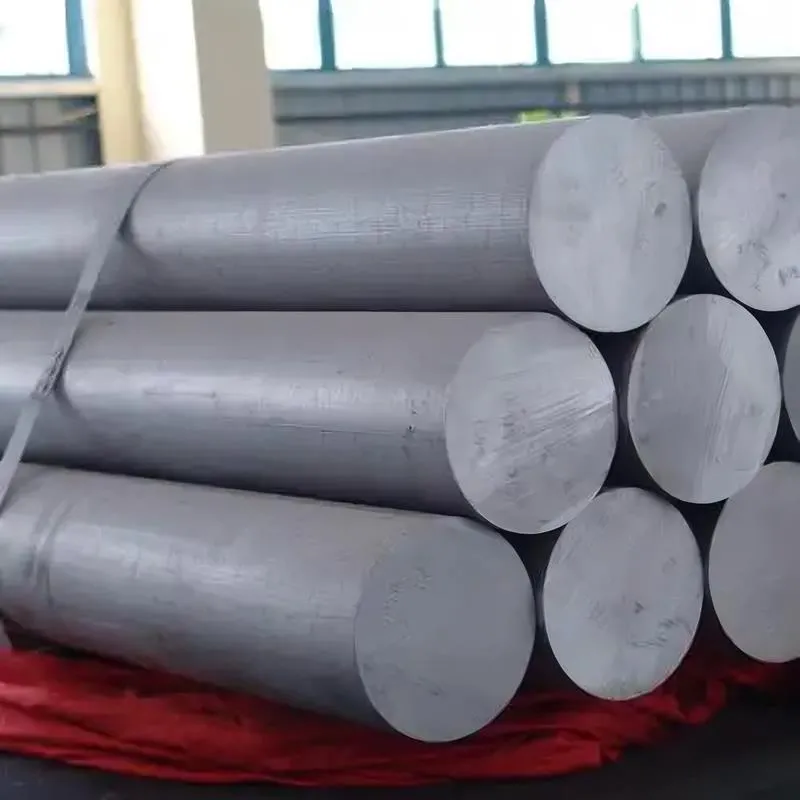
Schmolz + Bickenbach,Cryodur® 2312 (Brake Die) Cold Work Die Steel Rod/Bar
Product Code : STI-GSTI-486-CU
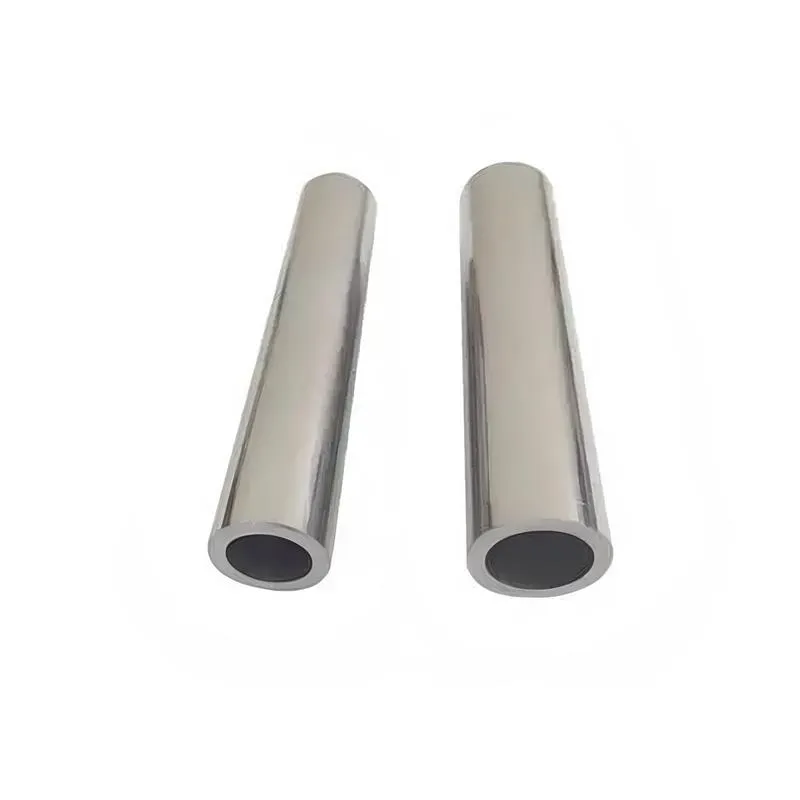
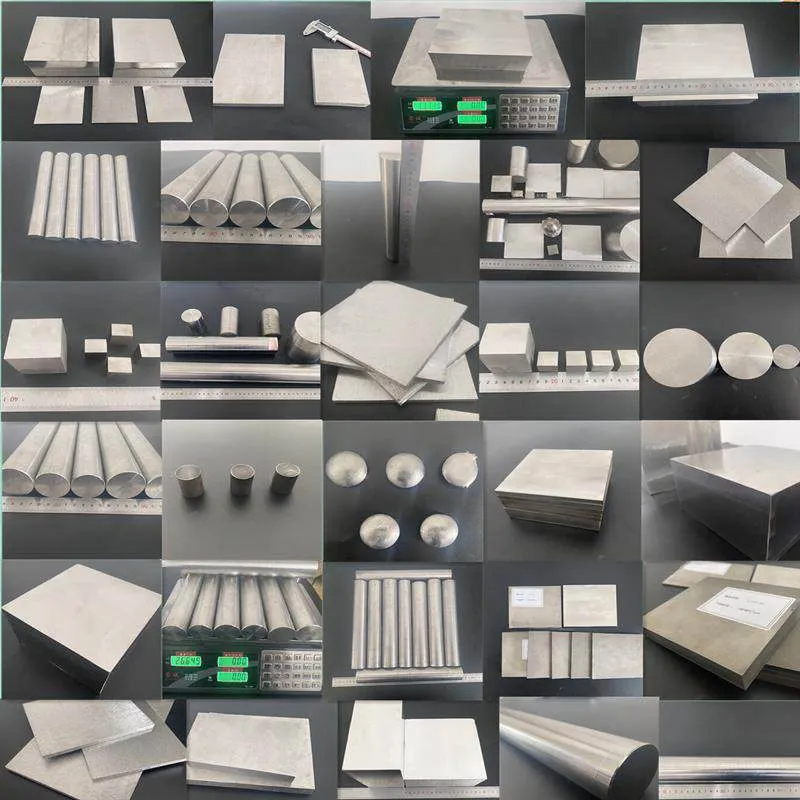
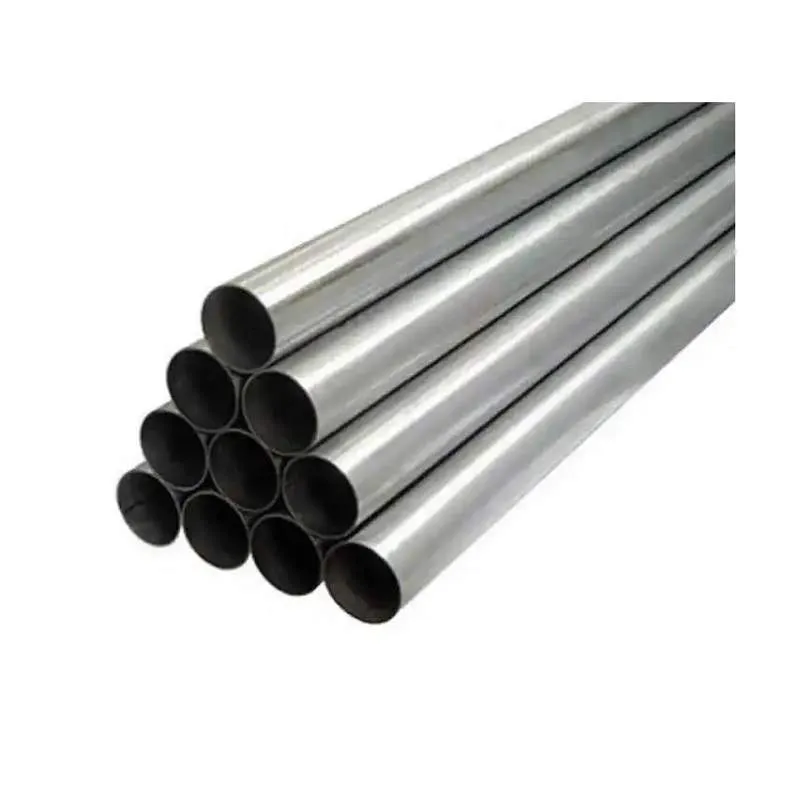
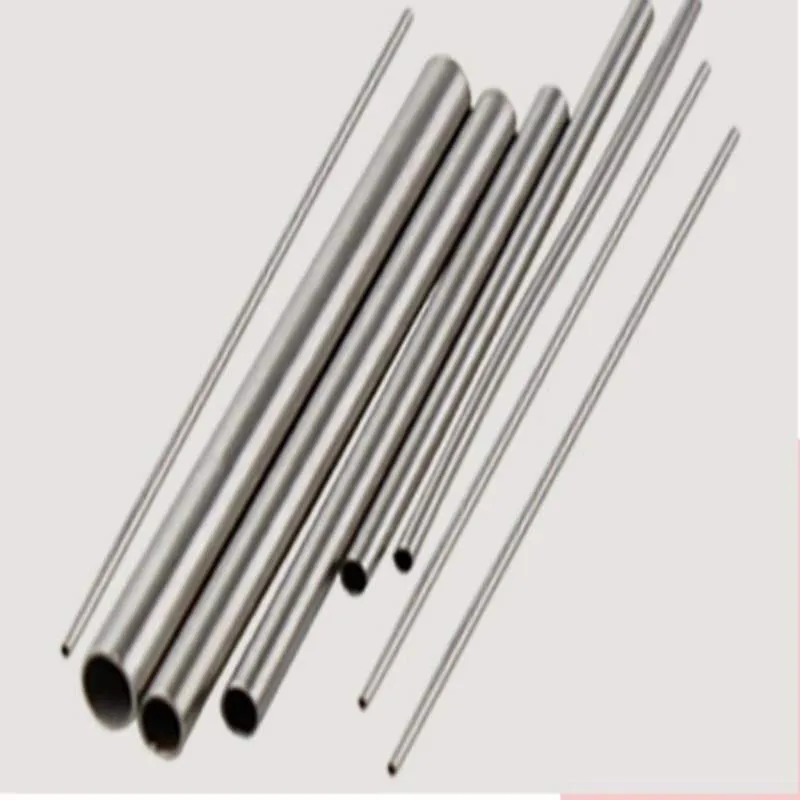
We provide Schmolz + Bickenbach Cryodur® 2312 (Brake Die) Cold Work Die Steel Rod/Bar is available in Bar (Round bar, Flat bar), Ribbon, Wire, Rod/Bars, Tube,Seamless Tube,Pipe, Ingots, Plate, Sheet, Strip and Forging Stock.,Purity, chemical composition, size, etc. can all be customized to meet specific requirements.
Please contact us if you need customized services. We will contact you with the price and availability in 24 hours.
Schmolz + Bickenbach Cryodur® 2312 (Brake Die) Cold Work Die Steel Rod Product Information
-:-
For detailed product information, please contact sales.
-:
Schmolz + Bickenbach Cryodur® 2312 (Brake Die) Cold Work Die Steel Rod Synonyms
-:-
For detailed product information, please contact sales.
-:
Schmolz + Bickenbach Cryodur® 2312 (Brake Die) Cold Work Die Steel Product Information
-:-
For detailed product information, please contact sales.
-:
# **Schmolz + Bickenbach Cryodur® 2312 (Brake Die Steel) - Specialized Air-Hardening Cold Work Tool Steel**
## **Product Overview**
Cryodur® 2312 is a specialized chromium-molybdenum-vanadium alloyed, **air-hardening cold work tool steel** developed by Schmolz + Bickenbach for demanding forming applications. This grade is particularly engineered for the manufacture of **press brake dies and punches**, offering an outstanding balance of **toughness, wear resistance, and dimensional stability**. It is a proprietary grade optimized for high-stress bending and forming operations, providing superior performance compared to standard tool steels in this specific application.
## **Key Characteristics & Advantages**
* **Exceptional Toughness & Crack Resistance:** Formulated to withstand the high tensile and compressive stresses inherent in heavy-gauge bending without chipping or cracking.
* **High Wear Resistance:** Offers excellent resistance to abrasion from sheet metal, ensuring long service life and maintained profile accuracy.
* **Minimal Distortion:** As an air-hardening steel, it exhibits very low dimensional change during heat treatment, critical for maintaining precise die geometry and tight tolerances.
* **Deep & Uniform Hardening:** Achieves consistent through-hardness even in large cross-sections typical of brake tooling.
* **Good Machinability & Grindability:** Allows for efficient manufacturing and re-sharpening of complex die profiles.
* **Resistance to Galling:** Minimizes material pick-up from the workpiece.
## **International Standard Designations**
Cryodur® 2312 is a proprietary, application-optimized grade. The closest standard analogues are:
| Standard | Closest Designation | Note |
| :--- | :--- | :--- |
| **AISI** | A8 / S7 Mod. | Modified composition bridging properties of A8 and S7 steels |
| **DIN / W-Nr.** | - | Proprietary grade |
| **Common Reference** | **"Brake Die Steel"** | Industry-standard application name |
*Note: It is specifically formulated for press brake tooling and may not have direct, universally standardized equivalents.*
## **Chemical Composition (%)**
*Typical Analysis – Proprietary Balance*
| Element | Typical Range | Primary Function |
| :--- | :--- | :--- |
| **Carbon (C)** | 0.45 - 0.55 | Provides base hardness and wear resistance. |
| **Chromium (Cr)** | 4.50 - 5.50 | Enhances hardenability, wear resistance, and mild corrosion resistance. |
| **Molybdenum (Mo)** | 1.00 - 1.50 | Increases hardenability, strength, and toughness at high hardness. |
| **Vanadium (V)** | 0.30 - 0.50 | Forms hard carbides for wear resistance and refines grain structure. |
| **Manganese (Mn)** | 0.50 - 0.80 | Aids hardenability and deoxidization. |
| **Silicon (Si)** | 0.20 - 0.50 | Deoxidizer, increases strength. |
| *Iron (Fe)* | *Balance* | |
## **Physical & Mechanical Properties**
### **Physical Properties**
| Property | Typical Value | Condition / Note |
| :--- | :--- | :--- |
| **Density** | ~7.75 g/cm³ | At 20°C |
| **Thermal Conductivity** | ~30.0 W/(m·K) | At 20°C |
| **Coefficient of Thermal Expansion** | ~11.0 x 10⁻⁶/K | 20-200°C |
| **Elastic Modulus** | ~210 GPa | |
### **Mechanical Properties (After Heat Treatment)**
* **Annealed Hardness:** 200 - 230 HB (Machinable condition)
* **Typical Working Hardness:** **56 - 60 HRC**
*This range is specifically chosen for brake dies to optimize toughness while retaining sufficient wear resistance.*
* **Compressive Strength:** Very High (> 2200 MPa at 58 HRC)
* **Impact Toughness:** Excellent for its hardness level.
* **Fatigue Strength:** High, suitable for cyclic loading in press operations.
## **Heat Treatment Guidelines**
### **Annealing**
* **Temperature:** 780 - 810°C
* **Cooling:** Slow furnace cool (~15°C/hour) to 600°C, then air cool.
* **Result:** ≤ 230 HB
### **Stress Relieving (After Machining)**
* **Temperature:** 600 - 650°C
* **Cooling:** Air cool.
### **Hardening**
1. **Preheating:** 650 - 750°C (essential for large sections)
2. **Austenitizing Temperature:** 960 - 1000°C
*Precise temperature depends on desired toughness/hardness balance and section size.*
3. **Soaking Time:** 20-30 minutes per inch of thickness at austenitizing temperature.
4. **Quenching:** Quench in **still or gently circulating air** until completely cool. Oil quenching is possible for complex shapes but is not typically required.
5. **Important:** Tools should be clean, dry, and spaced to allow uniform air circulation.
### **Tempering**
* **Mandatory:** Must be tempered immediately after reaching room temperature.
* **Typical Range:** 180 - 250°C for 56-60 HRC.
* **Cycles:** Double tempering for 2 hours each is strongly recommended to ensure complete transformation and stress relief.
* **For Higher Toughness:** Tempering at 400 - 500°C will yield lower hardness (48-54 HRC) with dramatically increased impact resistance for severe applications.
## **Primary Application: Press Brake Tooling**
Cryodur® 2312 is the **material of choice** for high-performance press brake dies and punches.
### **Specific Tool Types:**
* **Standard V-Dies:** For 90° air bending.
* **Acute Angle Dies:** For bends tighter than 90°.
* **Gooseneck (Offset) Punches:** For forming channels and boxes.
* **Radius Dies & Punches:** For creating large radii.
* **Hemming Dies:** For creating flat or rolled hems.
* **Heavy-Gauge & High-Tensile Tooling:** For bending AR plate, stainless steel, and other challenging materials.
### **Why Cryodur® 2312 Excels Here:**
1. **Stress Management:** Its composition and heat treatment withstand the "snap-through" shock and high surface pressures of bending.
2. **Edge Integrity:** Resists chipping and deformation at the critical die shoulders and punch tips.
3. **Profile Longevity:** Maintains its precise angle and radius over thousands of bends, ensuring part consistency.
4. **Versatility:** Suitable for a wide range of materials, from mild steel to high-strength alloys.
## **Other Applications**
* **Heavy-Duty Forming Dies:** Other non-shearing forming operations.
* **Punch Holder Blocks & Guides:** Wear components in stamping presses.
* **Mandrels & Arbors:** For tube bending and rolling.
* **Specialty Knives:** Where a tough, wear-resistant edge is needed.
## **Machining & Fabrication**
* **Machinability (Annealed):** Good. Use standard tool steels practices.
* **Grindability:** Very Good. Allows for precise finishing and re-profiling of die radii.
* **EDM:** Suitable. Standard EDM parameters apply.
## **Availability**
* **Precision Ground Flat Stock:** The most common form for fabricating brake dies (e.g., 50mm x 100mm, 75mm x 150mm bars).
* **Squares & Rounds:** Available for machining custom punches and tooling.
* **Block Form:** For larger, monolithic die sets.
## **Important Considerations for Use**
* **Tool Design:** Incorporate adequate radii; avoid sharp internal corners which act as stress concentrators.
* **Alignment & Setup:** Proper press brake setup is crucial to prevent off-center loading, which can damage even the toughest tool steel.
* **Maintenance:** Regularly inspect for wear, chips, or surface damage. Light regrinding can restore the profile.
---
**Disclaimer:** This datasheet provides general information. For critical applications and specific heat treatment parameters, always consult the official technical data sheets from **Schmolz + Bickenbach** and engage qualified tooling engineers. Actual performance depends on correct heat treatment, tool design, and operating conditions.
-:-
For detailed product information, please contact sales.
-:
Schmolz + Bickenbach Cryodur® 2312 (Brake Die) Cold Work Die Steel Specification
Dimensions
Size:
Diameter 20-1000 mm Length <7142 mm
Size:We can customized as required
Standard:
Per your request or drawing
We can customized as required
Properties(Theoretical)
Chemical Composition
-:-
For detailed product information, please contact sales.
-:
Schmolz + Bickenbach Cryodur® 2312 (Brake Die) Cold Work Die Steel Properties
-:-
For detailed product information, please contact sales.
-:
Applications of Schmolz + Bickenbach Cryodur® 2312 (Brake Die) Cold Work Die Steel Rod
-:-
For detailed product information, please contact sales.
-:
Chemical Identifiers Schmolz + Bickenbach Cryodur® 2312 (Brake Die) Cold Work Die Steel Rod
-:-
For detailed product information, please contact sales.
-:
Packing of Schmolz + Bickenbach Cryodur® 2312 (Brake Die) Cold Work Die Steel Rod
-:-
For detailed product information, please contact sales.
-:
Standard Packing:
-:-
For detailed product information, please contact sales.
-:
Typical bulk packaging includes palletized plastic 5 gallon/25 kg. pails, fiber and Steel Rod drums to 1 ton super sacks in full container (FCL) or truck load (T/L) quantities. Research and sample quantities and hygroscopic, oxidizing or other air sensitive materials may be packaged under argon or vacuum. Solutions are packaged in polypropylene, plastic or glass jars up to palletized 3613 gallon liquid totes Special package is available on request. E FORUs’ is carefully handled to minimize damage during storage and transportation and to preserve the quality of our products in their original condition