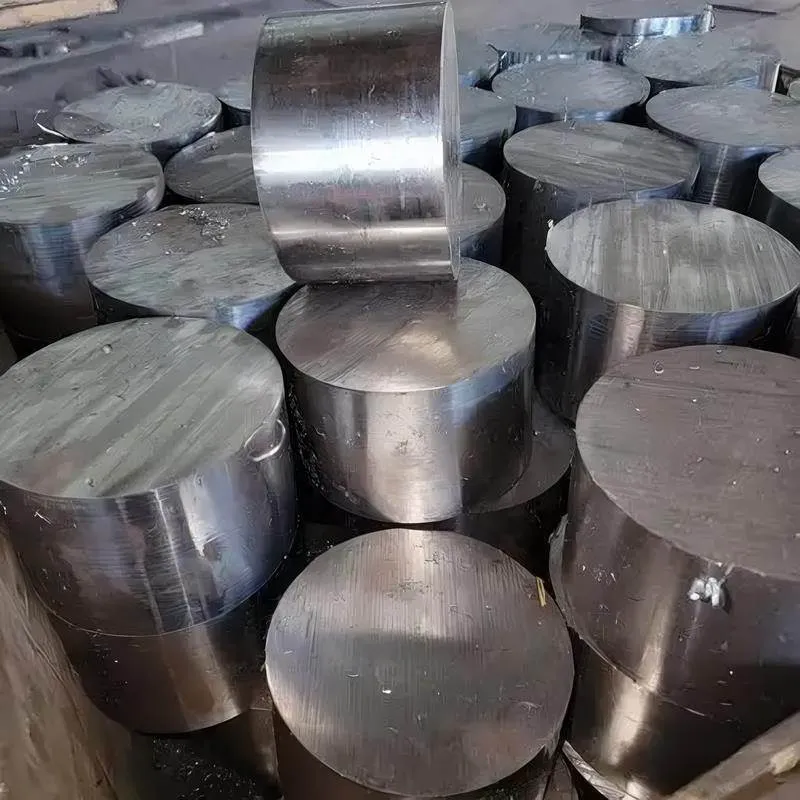
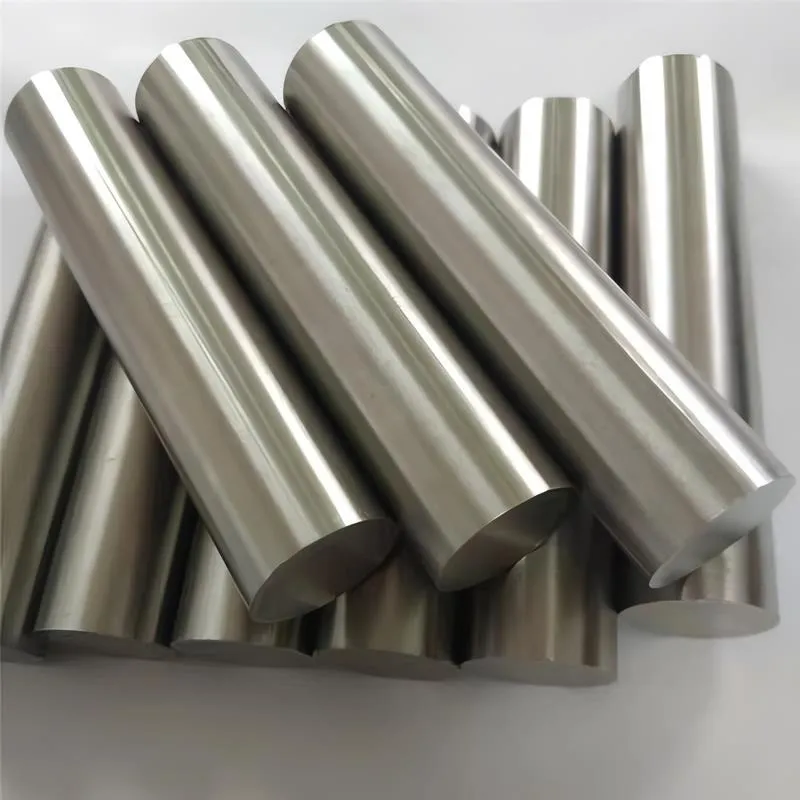
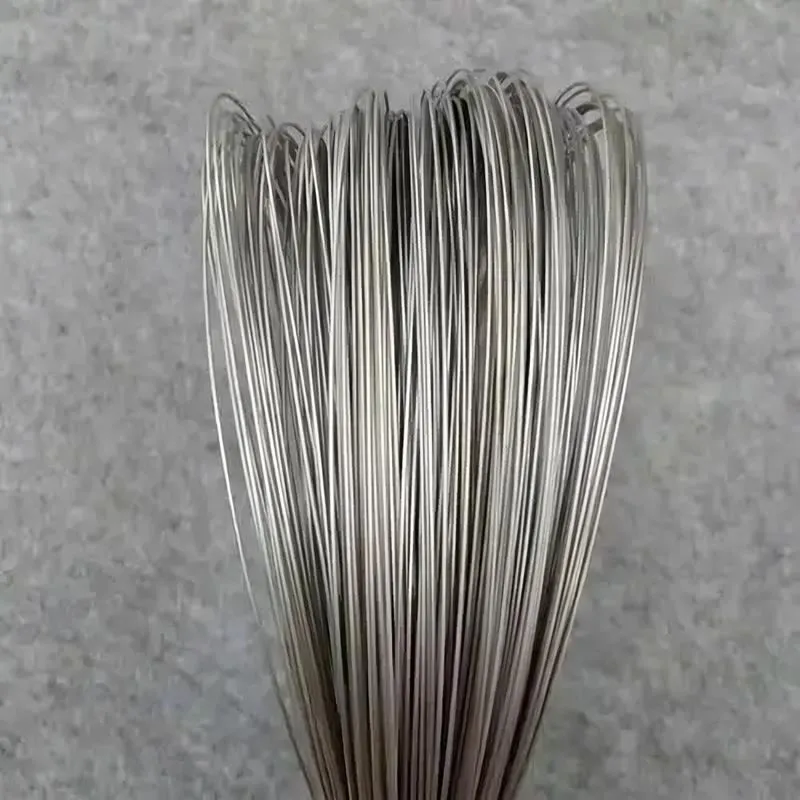
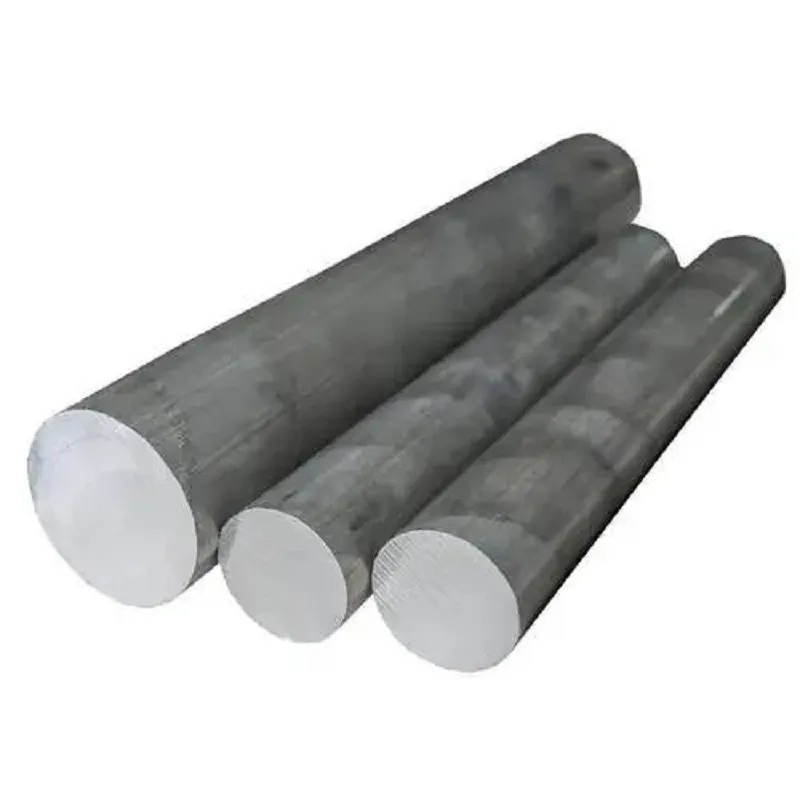
Meehanite,DuctlIron Rod/Bar® SF-60 Nodular Graphite Ductile Iron Rod/Bar
Product Code : STI-IFe-145-CU
We provide Meehanite DuctlIron Rod/Bar® SF-60 Nodular Graphite Ductile Iron Rod/Bar is available in Bar (Round bar, Flat bar), Ribbon, Wire, Rod/Bars, Tube,Seamless Tube,Pipe, Ingots, Plate, Sheet, Strip and Forging Stock.,Purity, chemical composition, size, etc. can all be customized to meet specific requirements.
Please contact us if you need customized services. We will contact you with the price and availability in 24 hours.
Meehanite DuctlIron Rod® SF-60 Nodular Graphite Ductile Iron Rod Product Information
-:-
For detailed product information, please contact sales.
-:
Meehanite DuctlIron Rod® SF-60 Nodular Graphite Ductile Iron Rod Synonyms
-:-
For detailed product information, please contact sales.
-:
Meehanite Ductliron® SF-60 Nodular Graphite Ductile Iron Product Information
-:-
For detailed product information, please contact sales.
-:
# **Meehanite® Ductliron® SF-60 Nodular Graphite Ductile Iron**
## **Product Overview**
**Meehanite Ductliron® SF-60** is a premium **ferritic ductile iron** manufactured under the stringent **Meehanite quality control system**, specifically engineered for applications requiring **exceptional ductility, excellent low-temperature toughness, and superior machinability** combined with good strength characteristics. The "SF" designation signifies **Special Ferritic** grade, while "60" indicates the minimum **tensile strength of 60 ksi (414 MPa)**.
This specialized material represents the optimal balance between ductility, toughness, and manufacturability in the ductile iron family. Through precise control of composition and processing, SF-60 achieves a fully ferritic matrix with perfectly spheroidized graphite nodules, providing maximum elongation and impact resistance while maintaining adequate strength for a wide range of engineering applications.
---
## **1. International Standards & Specifications**
| **Standard System** | **Designation** | **Equivalent/Reference** | **Key Characteristics** |
|---------------------|-----------------|--------------------------|------------------------|
| **Meehanite System** | **Ductliron® SF-60** | Proprietary classification | Premium ferritic ductile iron grade |
| **ASTM International** | **A536 Grade 60-40-18** (Enhanced) | Primary US equivalent | Tensile: 60 ksi min (414 MPa) |
| **ISO Standard** | **ISO 1083 EN-GJS-400-18** (Enhanced) | International specification | Enhanced properties over standard |
| **DIN Standard** | **GGG-40** (Special Quality) | German standard | High-ductility nodular iron |
| **SAE Automotive** | **J434 D4018** (Enhanced) | Automotive standard | Superior to standard automotive grades |
| **Common Names** | Ferritic Ductile Iron, High-Ductility DI, Low-Temperature Grade DI | Industry terminology | Ductliron® is a registered Meehanite trademark |
**Note:** Meehanite SF-60 provides superior consistency and enhanced low-temperature properties compared to standard ferritic ductile irons through the Meehanite controlled process system.
---
## **2. Chemical Composition**
The chemistry of SF-60 is carefully balanced to promote a fully ferritic matrix while achieving the desired mechanical properties and ensuring excellent castability.
| **Element** | **Typical Range (% wt.)** | **Metallurgical Function** | **Ductility Enhancement** |
|-------------|---------------------------|---------------------------|--------------------------|
| **Carbon (C)** | 3.6 - 3.9 | Graphite former | Higher carbon promotes graphite formation |
| **Silicon (Si)** | 2.4 - 2.8 | Ferrite promoter | Strong ferritizer, matrix strengthener |
| **Manganese (Mn)** | 0.2 - 0.4 | Limited intentionally | Minimized to prevent pearlite formation |
| **Phosphorus (P)** | ≤ 0.035 (max) | Impurity control | Minimized for maximum toughness |
| **Sulfur (S)** | ≤ 0.015 (max) | Impurity control | Critical for successful nodularization |
| **Magnesium (Mg)** | 0.04 - 0.06 | **Nodularizing agent** | Essential for Type I graphite formation |
| **Nickel (Ni)** | 0.3 - 0.6 (Optional) | Toughness enhancer | Improves low-temperature properties |
| **Copper (Cu)** | ≤ 0.10 (max) | Minimized | Avoids pearlite formation |
| **Chromium (Cr)** | ≤ 0.05 (max) | Minimized | Prevents carbide formation |
| **Molybdenum (Mo)** | ≤ 0.05 (max) | Minimized | Avoids pearlite stabilization |
| **Tin (Sn)** | ≤ 0.02 (max) | Minimized | Prevents pearlite formation |
**Microstructural Characteristics (Meehanite Controlled):**
- **Graphite Structure:** **ASTM Type I**, Size 5-6 (well-formed, spherical nodules)
- **Nodule Count:** 100-180 nodules/mm² (optimal for properties)
- **Matrix Structure:** **95-100% ferrite** (no pearlite present)
- **Carbide Content:** < 0.5% (minimized through controlled processing)
- **Ferrite Grain Size:** ASTM 6-7 (fine, uniform grains)
- **Nodule Distribution:** Even throughout section thickness
- **Unique Feature:** Completely ferritic matrix free of pearlite or carbides, achieved through controlled annealing or as-cast processing
---
## **3. Mechanical Properties**
### **Minimum Guaranteed Properties:**
- **Tensile Strength:** 60,000 psi minimum (414 MPa)
- **Yield Strength:** 40,000 psi minimum (276 MPa)
- **Elongation:** 18% minimum in 2 inches (50 mm)
- **Hardness:** 156 - 217 HB
### **Detailed Property Profile:**
| **Property** | **Minimum** | **Typical** | **Maximum** | **Test Standard** |
|--------------|-------------|-------------|-------------|------------------|
| **Tensile Strength** | 60,000 psi (414 MPa) | 65,000 psi (448 MPa) | 75,000 psi (517 MPa) | ASTM A536 |
| **Yield Strength (0.2% offset)** | 40,000 psi (276 MPa) | 45,000 psi (310 MPa) | 55,000 psi (379 MPa) | ASTM A536 |
| **Elongation** | 18% | 20-25% | 30% | ASTM A536 |
| **Reduction of Area** | 20% | 25-35% | 40% | - |
| **Hardness (Brinell)** | 156 HB | 187 HB | 217 HB | ASTM E10 |
| **Elastic Modulus** | 24 × 10⁶ psi (165 GPa) | 25 × 10⁶ psi (172 GPa) | 26 × 10⁶ psi (179 GPa) | - |
| **Fatigue Strength** | 24,000 psi (165 MPa) | 28,000 psi (193 MPa) | 32,000 psi (221 MPa) | Rotating bending, 10⁷ cycles |
| **Impact Energy (Charpy V-notch)** | 15 ft-lb (20 J) | 20-30 ft-lb (27-41 J) | 35 ft-lb (47 J) | ASTM E23 |
### **Low-Temperature Properties (Key Differentiator):**
| **Temperature** | **Impact Energy** | **Transition Temperature** | **Application Significance** |
|----------------|-------------------|----------------------------|----------------------------|
| **+70°F (+21°C)** | 20-30 ft-lb (27-41 J) | - | Room temperature baseline |
| **+32°F (0°C)** | 18-28 ft-lb (24-38 J) | - | Refrigeration applications |
| **-40°F (-40°C)** | 15-25 ft-lb (20-34 J) | Upper shelf behavior maintained | Arctic service capability |
| **-100°F (-73°C)** | 10-20 ft-lb (14-27 J) | Transition begins | Cryogenic applications possible |
| **Ductile-to-Brittle Transition** | Below -150°F (-101°C) | Exceptionally low | Superior to most ferritic materials |
---
## **4. Physical Properties**
| **Property** | **Value** | **Engineering Significance** |
|--------------|-----------|-----------------------------|
| **Density** | 0.260 lb/in³ (7.20 g/cm³) | Standard for ductile iron |
| **Thermal Conductivity** | 22.0 Btu/(ft·hr·°F) (38.1 W/m·K) | Good heat dissipation |
| **Coefficient of Thermal Expansion** | 6.5 × 10⁻⁶/°F (11.7 × 10⁻⁶/°C) | Similar to low-carbon steel |
| **Specific Heat** | 0.12 Btu/(lb·°F) (500 J/kg·K) | Good thermal capacity |
| **Damping Capacity** | **4-6× greater than steel** | **Excellent** vibration absorption |
| **Electrical Resistivity** | 50-60 μΩ·cm | Higher than steel |
| **Magnetic Properties** | Ferromagnetic | Suitable for most applications |
### **Thermal Properties:**
- **Maximum Continuous Service:** 800°F (427°C) - limited by ferrite stability
- **Thermal Fatigue Resistance:** Excellent due to high ductility
- **Thermal Shock Resistance:** Good - better than pearlitic grades
- **Low-Temperature Stability:** Maintains properties to cryogenic temperatures
---
## **5. Manufacturing & Processing Characteristics**
### **Casting Characteristics:**
- **Fluidity:** Excellent - similar to gray iron
- **Shrinkage:** Moderate - requires proper risering
- **Dross Formation:** Controlled through proper melting practices
- **Machinability:** **Excellent** (80-90% of free-cutting steel)
### **Machinability Data:**
| **Operation** | **Relative Efficiency** | **Tool Recommendations** | **Benefits** |
|--------------|------------------------|-------------------------|-------------|
| **Turning** | 85-95% | C2 carbide or HSS, positive rake | Low cutting forces, excellent finish |
| **Drilling** | 80-90% | HSS drills, standard geometry | Good hole quality, long tool life |
| **Milling** | 80-90% | HSS or carbide end mills | Smooth surfaces, minimal vibration |
| **Tapping** | 90-100% | Standard HSS taps | Excellent thread formation |
| **Sawing** | Excellent | Standard blades | Fast cutting with good life |
### **Heat Treatment:**
SF-60 is typically supplied in the **annealed condition** to ensure fully ferritic structure:
1. **Ferritizing Anneal:** 1650-1700°F (900-925°C) for 1 hour per inch, slow cool
2. **Subcritical Anneal:** 1300-1350°F (705-730°C) for stress relief
3. **Normalizing:** Rarely used - would produce pearlite
4. **Stress Relieving:** 1000-1100°F (540-595°C) for dimensional stability
### **Welding Characteristics:**
- **Weldability:** **Good** (for ductile iron)
- **Recommended Process:** SMAW with nickel-based electrodes
- **Preheat Required:** 400-600°F (205-315°C)
- **Post-Weld Heat Treatment:** Recommended to restore properties
- **Applications:** Primarily for repair, not primary fabrication
---
## **6. Quality Assurance (Meehanite System)**
### **Special Controls for SF-60:**
1. **Ferrite Assurance:** Guaranteed fully ferritic matrix
2. **Low-Temperature Certification:** Optional impact testing at specified temperatures
3. **Ductility Verification:** Regular elongation testing
4. **Consistency Controls:** Tight property ranges maintained
### **Enhanced Testing Protocol:**
- **Mechanical Testing:** Tensile and impact tests from each heat
- **Microstructural Analysis:** Ferrite content verification
- **Low-Temperature Testing:** Charpy tests at specified temperatures
- **Hardness Verification:** Multiple locations on castings
- **Soundness Testing:** Pressure testing for sealed applications
---
## **7. Industrial Applications**
### **Primary High-Ductility Applications:**
| **Application Area** | **Specific Components** | **Ductility Requirements** | **Why SF-60?** |
|---------------------|-------------------------|---------------------------|----------------|
| **Pressure Components** | Pipe fittings, valve bodies, pump housings | Pressure tightness, impact resistance | Leak resistance through deformation |
| **Low-Temperature Service** | Cryogenic components, refrigeration parts | Low-temperature toughness | Maintains ductility below -40°F |
| **Automotive Safety** | Steering knuckles, suspension components | Crash energy absorption | Ductile failure mode preferred |
| **Earthquake Zones** | Pipe networks, structural supports | Seismic energy absorption | Yields rather than fractures |
| **Marine Applications** | Hull fittings, deck hardware | Corrosion fatigue resistance | Good in corrosive environments |
| **Food Processing** | Equipment components, valves | Sanitary requirements, cleanability | Non-porous, corrosion resistant |
### **Specific Application Examples:**
**Pressure Pipe Fittings:**
- **Requirements:** Pressure integrity, impact resistance, machinability
- **SF-60 Advantages:** Will deform rather than fracture if overloaded
- **Pressure Ratings:** Typically 150-300 psi systems
- **Standards:** Meets AWWA, ANSI, and ASTM specifications
**Automotive Steering Knuckles:**
- **Requirements:** Impact absorption, fatigue strength, safety
- **SF-60 Advantages:** Ductile failure mode in collision
- **Safety Critical:** FMVSS compliance requirements
- **Manufacturing:** High-volume production capability
**Cryogenic Valve Bodies:**
- **Requirements:** Low-temperature toughness, pressure containment
- **SF-60 Advantages:** Maintains ductility to -100°F
- **Services:** LNG, liquid nitrogen, refrigeration
- **Testing:** Often requires Charpy testing at service temperature
**Seismic Pipe Restraints:**
- **Requirements:** Energy absorption, deformation capacity
- **SF-60 Advantages:** Can deform significantly without rupture
- **Design:** Often designed to yield in earthquakes
- **Codes:** Compliant with seismic design requirements
---
## **8. Comparative Performance**
### **Ductility & Toughness Comparison:**
| **Material** | **Elongation** | **Impact Toughness** | **Low-Temperature Performance** | **Machinability** |
|--------------|----------------|----------------------|---------------------------------|-------------------|
| **Meehanite SF-60** | **Excellent (5/5)** | **Excellent (5/5)** | **Excellent (5/5)** | **Excellent (5/5)** |
| **Standard Ferritic DI** | Very Good (4/5) | Very Good (4/5) | Very Good (4/5) | Excellent (5/5) |
| **Pearlitic DI** | Good (3/5) | Good (3/5) | Fair (2/5) | Very Good (4/5) |
| **Carbon Steel** | Good (3/5) | Good (3/5) | Fair to Good (2-3/5) | Good (3/5) |
| **Malleable Iron** | Good (3/5) | Good (3/5) | Fair (2/5) | Very Good (4/5) |
### **Economic Advantages:**
1. **Safety Value:** Ductile failure mode prevents catastrophic failure
2. **Low-Temperature Capability:** Eliminates need for more expensive materials
3. **Manufacturing Efficiency:** Excellent machinability reduces costs
4. **Life Cycle Cost:** Long service life with minimal maintenance
---
## **9. Design Guidelines**
### **Optimal Design Parameters:**
- **Minimum Section:** 0.20" (5 mm) for sound castings
- **Maximum Sound Section:** 2.5" (64 mm) without property issues
- **Fillet Radii:** Minimum 0.09" (2.3 mm) on internal corners
- **Draft Angles:** 1-2° typically sufficient
- **Rib Design:** Rib thickness 40-60% of adjacent wall
### **Design for Ductility:**
1. **Stress Distribution:** Utilize material's ability to yield and redistribute stress
2. **Failure Mode Design:** Design for controlled deformation rather than brittle fracture
3. **Impact Considerations:** Account for high energy absorption capacity
4. **Pressure Design:** Can use higher safety factors due to ductile behavior
### **Limitations and Constraints:**
- **Strength Limitation:** Not for very high-stress applications
- **Wear Resistance:** Moderate - not for severe wear applications
- **Temperature Limit:** 800°F maximum continuous
- **Hardness:** Cannot be surface hardened significantly
---
## **10. Economic & Manufacturing Considerations**
### **Cost Analysis:**
| **Cost Factor** | **SF-60 Advantage** | **Typical Impact** |
|-----------------|---------------------|-------------------|
| **Material Cost** | Moderate premium over standard DI | 10-20% higher |
| **Machining Cost** | Excellent savings | 30-50% lower than steel |
| **Quality Assurance** | Reduced inspection | Built-in consistency |
| **Safety Value** | Priceless | Prevents catastrophic failure |
| **Total Cost** | **Excellent value** | **Superior performance/cost ratio** |
### **Production Advantages:**
1. **High Casting Yield:** Good fluidity and solidification characteristics
2. **Reduced Machining Time:** Fast cutting speeds with long tool life
3. **Consistent Quality:** Meehanite system ensures reproducibility
4. **Design Flexibility:** Suitable for complex geometries
---
## **Technical Summary**
**Meehanite Ductliron® SF-60 Nodular Graphite Ductile Iron** represents the **optimal solution for ductility-critical applications** requiring:
### **Key Performance Characteristics:**
1. **Exceptional Ductility:** 18-25% elongation typical
2. **Superior Toughness:** Excellent impact resistance at all temperatures
3. **Low-Temperature Capability:** Maintains properties to -40°F and below
4. **Excellent Machinability:** Fast production with long tool life
5. **Ductile Failure Mode:** Safety advantage in overload situations
### **Application Selection Criteria:**
**Choose Meehanite SF-60 when:**
- Ductility and toughness are primary design requirements
- Low-temperature service is involved
- Safety requires ductile failure mode
- Excellent machinability is needed for cost-effective production
- Pressure tightness through deformation is advantageous
**Consider alternatives when:**
- Tensile strength > 70 ksi is required
- Maximum wear resistance is needed
- Very high temperatures (>800°F) are involved
- Maximum hardness is required
- Weight reduction is critical (consider aluminum)
### **Economic Justification:**
- **Safety Value:** Prevents catastrophic failures
- **Manufacturing Efficiency:** Lowest machining cost among ferrous materials
- **Performance Reliability:** Consistent properties ensure design predictability
- **Life Cycle Cost:** Long service life with minimal maintenance
---
**Meehanite® and Ductliron® are registered trademarks of Meehanite Technology Inc.** The SF-60 grade represents the ductility-optimized segment of the Ductliron product line, providing engineers with a reliable, high-performance material for applications where toughness, impact resistance, and safety are paramount. For components that must withstand impact, operate at low temperatures, or provide ductile failure modes for safety, Meehanite SF-60 offers an optimal balance of properties backed by the rigorous quality controls of the Meehanite system.
-:-
For detailed product information, please contact sales.
-:
Meehanite Ductliron® SF-60 Nodular Graphite Ductile Iron Specification
Dimensions
Size:
Diameter 20-1000 mm Length <6621 mm
Size:We can customized as required
Standard:
Per your request or drawing
We can customized as required
Properties(Theoretical)
Chemical Composition
-:-
For detailed product information, please contact sales.
-:
Meehanite Ductliron® SF-60 Nodular Graphite Ductile Iron Properties
-:-
For detailed product information, please contact sales.
-:
Applications of Meehanite DuctlIron Rod® SF-60 Nodular Graphite Ductile Iron Rod
-:-
For detailed product information, please contact sales.
-:
Chemical Identifiers Meehanite DuctlIron Rod® SF-60 Nodular Graphite Ductile Iron Rod
-:-
For detailed product information, please contact sales.
-:
Packing of Meehanite DuctlIron Rod® SF-60 Nodular Graphite Ductile Iron Rod
-:-
For detailed product information, please contact sales.
-:
Standard Packing:
-:-
For detailed product information, please contact sales.
-:
Typical bulk packaging includes palletized plastic 5 gallon/25 kg. pails, fiber and Steel Rod drums to 1 ton super sacks in full container (FCL) or truck load (T/L) quantities. Research and sample quantities and hygroscopic, oxidizing or other air sensitive materials may be packaged under argon or vacuum. Solutions are packaged in polypropylene, plastic or glass jars up to palletized 3092 gallon liquid totes Special package is available on request. E FORUs’ is carefully handled to minimize damage during storage and transportation and to preserve the quality of our products in their original condition