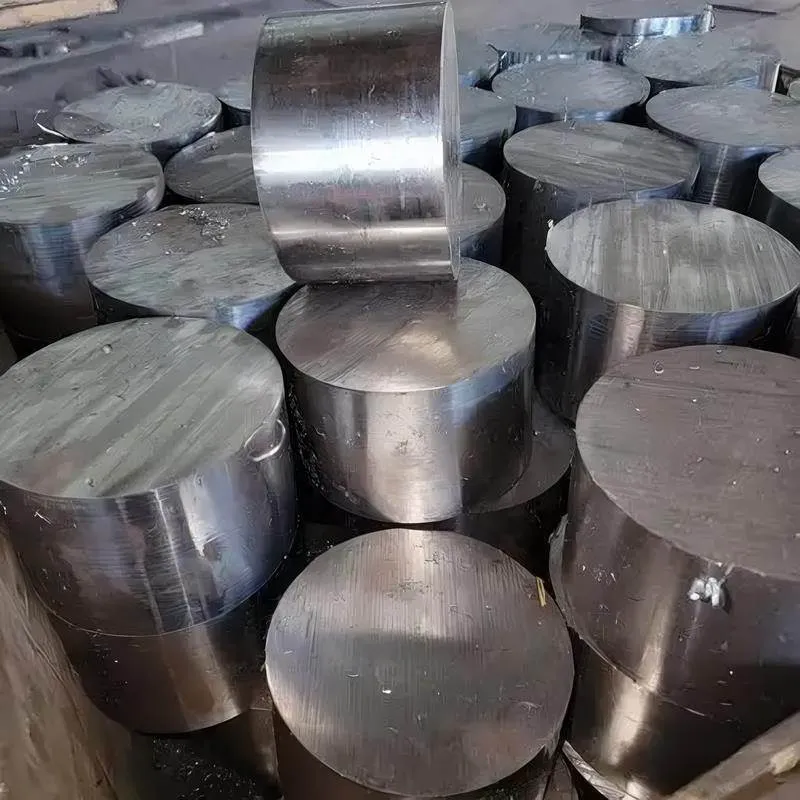
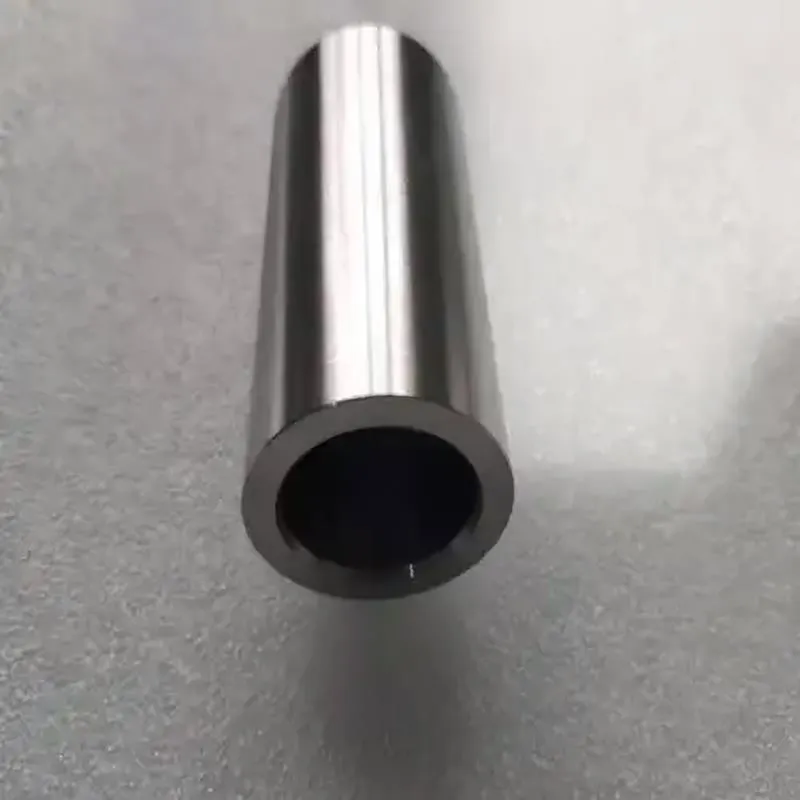
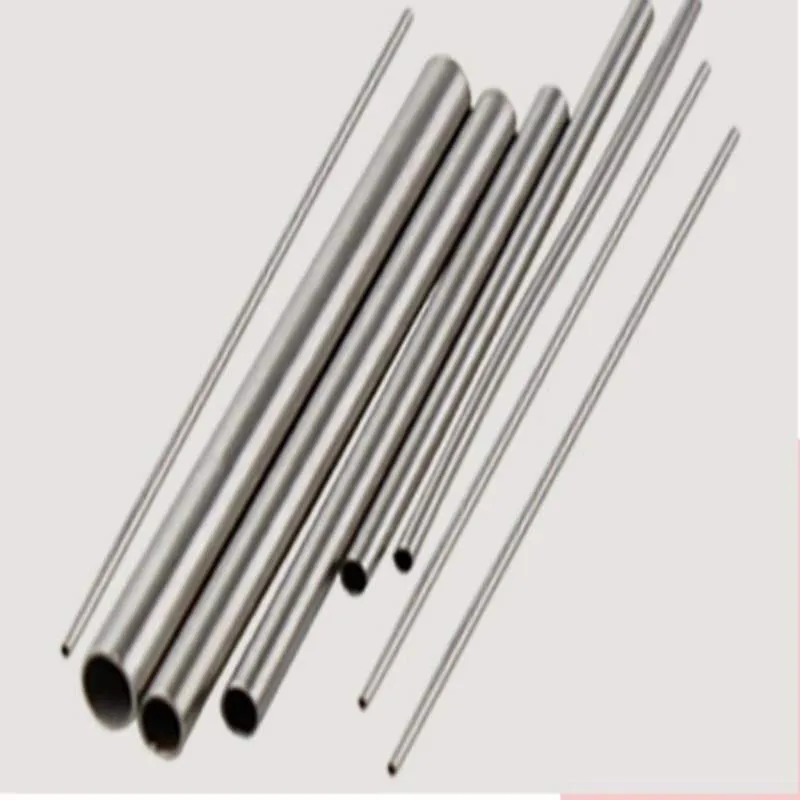
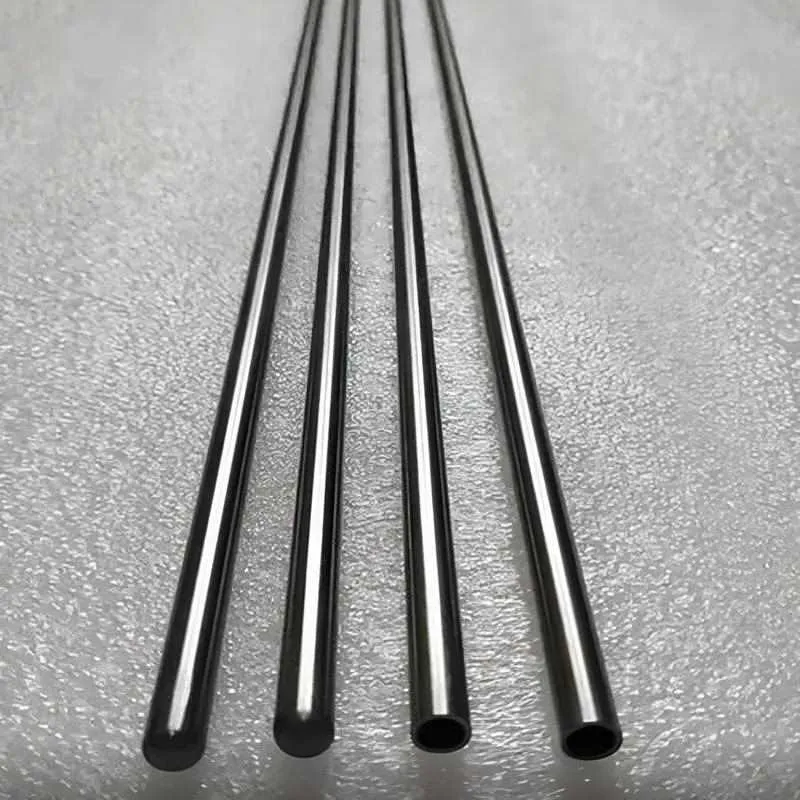
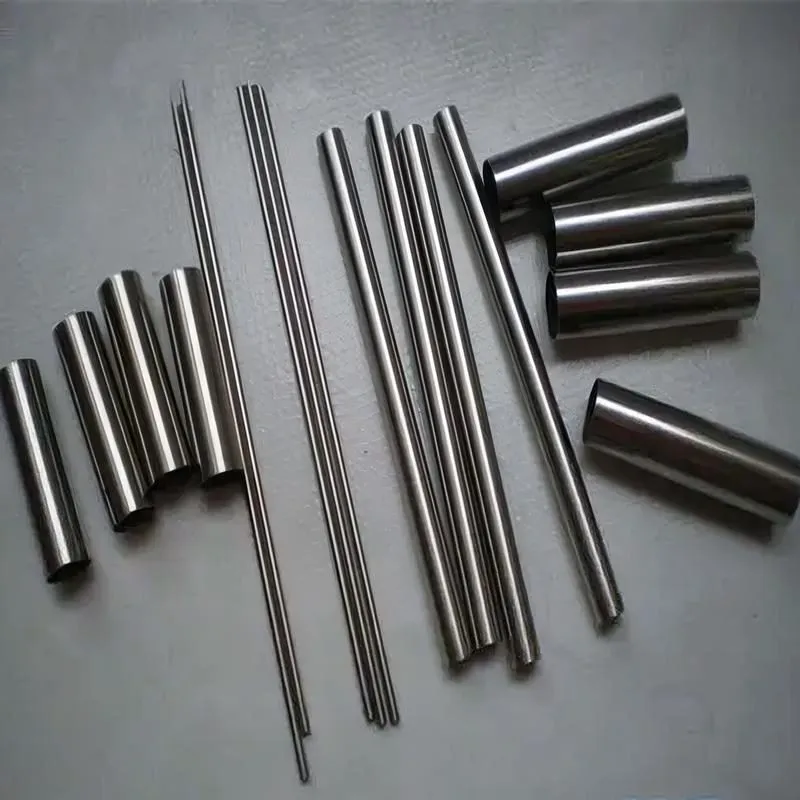
Meehanite,Almanite® W2 Wear and Abrasion Resisting Cast Iron Rod/Bar
Product Code : STI-IFe-151-CU
We provide Meehanite Almanite® W2 Wear and Abrasion Resisting Cast Iron Rod/Bar is available in Bar (Round bar, Flat bar), Ribbon, Wire, Rod/Bars, Tube,Seamless Tube,Pipe, Ingots, Plate, Sheet, Strip and Forging Stock.,Purity, chemical composition, size, etc. can all be customized to meet specific requirements.
Please contact us if you need customized services. We will contact you with the price and availability in 24 hours.
Meehanite Almanite® W2 Wear and Abrasion Resisting Cast Iron Rod Product Information
-:-
For detailed product information, please contact sales.
-:
Meehanite Almanite® W2 Wear and Abrasion Resisting Cast Iron Rod Synonyms
-:-
For detailed product information, please contact sales.
-:
Meehanite Almanite® W2 Wear and Abrasion Resisting Cast Iron Product Information
-:-
For detailed product information, please contact sales.
-:
# **Meehanite® Almanite® W2 Wear and Abrasion Resisting Cast Iron**
## **Product Overview**
**Meehanite Almanite® W2** is a premium **high-chromium-molybdenum white cast iron** manufactured under the stringent **Meehanite quality control system**, engineered to provide **enhanced abrasion resistance with improved toughness** compared to standard high-chrome white irons. The "W2" designation represents the **secondary grade** in the Almanite® wear-resistant family, offering an optimized balance between maximum wear resistance and better mechanical properties for applications involving moderate impact alongside severe abrasion.
This specialized material builds upon the foundation of W1 chemistry with strategic alloying additions that refine the microstructure and enhance the matrix properties. Almanite® W2 develops a hyper-eutectic structure with hard chromium carbides (M₇C₃ type) in a strengthened martensitic-austenitic matrix, providing superior performance in applications where both abrasion resistance and some fracture resistance are required.
---
## **1. International Standards & Specifications**
| **Standard System** | **Designation** | **Equivalent/Reference** | **Key Characteristics** |
|---------------------|-----------------|--------------------------|------------------------|
| **Meehanite System** | **Almanite® W2** | Proprietary classification | Enhanced wear-resistant white cast iron |
| **ASTM International** | **A532 Class III Type B** (Enhanced) | Primary US equivalent | High-chromium-molybdenum white iron |
| **ISO Standard** | **ISO 21988:2006 GX 300 CrMo 20 2** | International specification | High-chromium cast iron with molybdenum |
| **DIN Standard** | **DIN 1695 G-X 300 CrMo 20 2** | German standard | Chromium-molybdenum wear-resistant cast iron |
| **Australian Standard** | **AS 2027 Grade 600-400** | Australian specification | Similar wear-resistant grade with better toughness |
| **Common Names** | 20% Chrome-Moly White Iron, Enhanced Toughness White Iron, Cr-Mo Abrasion Resistant Iron | Industry terminology | Almanite® is a registered Meehanite trademark |
**Note:** Almanite® W2 represents an enhanced-grade high-chromium white iron with optimized molybdenum addition for improved toughness while maintaining excellent abrasion resistance through the Meehanite control system.
---
## **2. Chemical Composition**
The chemistry of Almanite® W2 is carefully balanced with increased molybdenum and controlled carbon to enhance toughness while maintaining excellent abrasion resistance.
| **Element** | **Typical Range (% wt.)** | **Metallurgical Function** | **Enhanced Property Contribution** |
|-------------|---------------------------|---------------------------|-----------------------------------|
| **Carbon (C)** | **2.5 - 3.0** | Carbide former | Controlled for optimal carbide-matrix balance |
| **Chromium (Cr)** | **18.0 - 22.0** | **Primary carbide former** | Forms M₇C₃ carbides, provides corrosion resistance |
| **Molybdenum (Mo)** | **1.5 - 2.5** | **Matrix strengthener** | Increases hardenability, forms secondary carbides |
| **Manganese (Mn)** | 0.8 - 1.5 | Austenite stabilizer | Controls transformation characteristics |
| **Silicon (Si)** | 0.5 - 1.0 | Deoxidizer, matrix strengthener | Moderate level for casting quality |
| **Nickel (Ni)** | **1.0 - 2.0** | **Austenite stabilizer** | Enhances toughness and hardenability |
| **Copper (Cu)** | 0.8 - 1.5 | Austenite stabilizer | Enhances corrosion resistance |
| **Vanadium (V)** | 0.1 - 0.3 (Optional) | Carbide refiner | Forms fine carbides for additional wear resistance |
| **Phosphorus (P)** | ≤ 0.05 (max) | Impurity control | Minimized to prevent embrittlement |
| **Sulfur (S)** | ≤ 0.05 (max) | Impurity control | Minimized for casting quality |
**Microstructural Characteristics (Meehanite Controlled):**
- **Primary Carbides:** **M₇C₃ chromium carbides**, 20-28% volume fraction
- **Secondary Carbides:** Fine Mo₂C and VC carbides in matrix
- **Carbide Morphology:** Blocky primary carbides with refined edges
- **Carbide Size:** Medium, more uniform distribution than W1
- **Matrix Structure:** **Tempered martensite with controlled austenite**
- **Retained Austenite:** 15-25% (optimized for toughness)
- **Grain Structure:** Refined prior austenite grains
- **Unique Feature:** Optimized carbide volume with strengthened matrix for better impact resistance while maintaining excellent wear properties
---
## **3. Mechanical Properties**
### **Primary Mechanical Properties (Heat-Treated Condition):**
- **Hardness:** 550 - 700 HB (52 - 60 HRC)
- **Compressive Strength:** 2,200 - 3,200 MPa (319 - 464 ksi)
- **Impact Resistance:** 8 - 18 J (6 - 13 ft-lb) Charpy
- **Transverse Strength:** 700 - 950 MPa (102 - 138 ksi)
### **Detailed Property Profile:**
| **Property** | **Minimum** | **Typical** | **Maximum** | **Test Standard** |
|--------------|-------------|-------------|-------------|------------------|
| **Macrohardness** | 550 HB | 600-650 HB | 700 HB | ASTM E10 |
| **Microhardness (Carbides)** | 1,400 HV | 1,500-1,700 HV | 1,900 HV | ASTM E384 |
| **Microhardness (Matrix)** | 550 HV | 650-750 HV | 850 HV | ASTM E384 |
| **Compressive Strength** | 2,200 MPa (319 ksi) | 2,700 MPa (392 ksi) | 3,200 MPa (464 ksi) | ASTM E9 |
| **Transverse Rupture Strength** | 700 MPa (102 ksi) | 800-850 MPa (116-123 ksi) | 950 MPa (138 ksi) | Three-point bending |
| **Impact Energy (Charpy Unnotched)** | 8 J (6 ft-lb) | 12-15 J (9-11 ft-lb) | 18 J (13 ft-lb) | ASTM E23 |
| **Young's Modulus** | 205 GPa (29.7 × 10⁶ psi) | 210-220 GPa | 225 GPa | |
| **Fracture Toughness (K₁C)** | 18 MPa√m | 20-25 MPa√m | 28 MPa√m | ASTM E399 |
| **Fatigue Strength** | 250 MPa (36 ksi) | 280-320 MPa (41-46 ksi) | 350 MPa (51 ksi) | Rotating bending, 10⁷ cycles |
### **Wear Resistance Properties:**
| **Wear Test** | **Relative Performance** | **Comparison to W1** | **Comparison to Hadfield Steel** |
|---------------|-------------------------|---------------------|---------------------------------|
| **ASTM G65 Dry Sand/Rubber Wheel** | Excellent | 85-90% of W1 | 8-12× better |
| **ASTM G105 Rubber Wheel Abrasion** | Very Good to Excellent | 80-85% of W1 | 6-10× better |
| **Pin-on-Disc (Silica Abrasive)** | Excellent | 90-95% of W1 | 10-15× better |
| **High-Stress Grinding Abrasion** | Very Good | 75-80% of W1 | 4-8× better |
| **Low-Stress Scratching Abrasion** | Excellent | 85-90% of W1 | 12-18× better |
| **Impact-Abrasion (MLD Test)** | Very Good | 2-3× better | Comparable or better |
---
## **4. Physical Properties**
| **Property** | **Value** | **Engineering Significance** |
|--------------|-----------|-----------------------------|
| **Density** | 7.5 - 7.6 g/cm³ (0.271 lb/in³) | Slightly lower than W1 due to reduced chromium |
| **Thermal Conductivity** | 20 - 24 W/m·K (12-14 Btu/(ft·hr·°F)) | Better than W1, important for heat dissipation |
| **Coefficient of Thermal Expansion** | 10.0 - 11.0 × 10⁻⁶/°C (5.6-6.1 × 10⁻⁶/°F) | Similar to austenitic alloys |
| **Specific Heat** | 470 - 490 J/kg·K (0.112-0.117 Btu/(lb·°F)) | Standard for high-alloy cast irons |
| **Thermal Diffusivity** | 5.5 - 6.5 mm²/s | Better than W1 for thermal shock resistance |
| **Magnetic Properties** | Ferromagnetic (variable) | Depends on retained austenite content |
| **Electrical Resistivity** | 85 - 100 μΩ·cm | Slightly lower than W1 |
### **Temperature Performance:**
- **Maximum Continuous Service:** 450°C (840°F)
- **Oxidation Resistance:** Good to 700°C (1290°F)
- **Thermal Fatigue Resistance:** Good (improved over W1)
- **Elevated Temperature Hardness:** Maintains >450 HB to 400°C (750°F)
- **Thermal Shock Resistance:** Moderate (better than W1)
---
## **5. Manufacturing & Processing Characteristics**
### **Casting Characteristics:**
- **Fluidity:** Fair to Good - better than W1
- **Shrinkage:** Moderate to High - still requires adequate risering
- **Hot Tearing Tendency:** Moderate - improved over W1
- **Machinability:** **Very Poor to Poor** (10-15% of free-cutting steel)
### **Machining Considerations:**
| **Operation** | **Feasibility** | **Tool Requirements** | **Notes** |
|--------------|-----------------|-----------------------|-----------|
| **Turning/Grinding (Annealed)** | Difficult | Premium carbide or ceramic | Only in annealed condition |
| **Drilling** | Very Difficult | Solid carbide with pecking | Avoid if possible in design |
| **Milling** | Not recommended | - | Design to eliminate milling |
| **Grinding** | Primary method | Diamond or CBN wheels | Standard for finishing |
| **EDM/Wire Cutting** | Possible | Standard electrodes/wire | Alternative for complex shapes |
### **Heat Treatment Requirements:**
Almanite® W2 is typically supplied heat-treated but offers more flexibility:
1. **Stress Relieving:** 300-350°C (570-660°F) - common practice
2. **Hardening:** 980-1050°C (1795-1920°F) followed by air or forced air cooling
3. **Tempering:** 250-350°C (480-660°F) for optimal properties
4. **Sub-critical Annealing:** 750-800°C (1380-1470°F) for machining (if required)
### **Optional Heat Treatment Variations:**
- **Dual Hardness Treatment:** For components requiring different properties in different areas
- **Differential Tempering:** For stress control in complex shapes
- **Surface Enhancement Treatments:** Optional for specific applications
---
## **6. Quality Assurance (Meehanite System)**
### **Enhanced Controls for Almanite® W2:**
1. **Precision Alloy Control:** Particularly Cr, Mo, Ni balance
2. **Microstructural Optimization:** Carbide size and distribution control
3. **Toughness Verification:** Impact testing standard
4. **Wear Consistency:** Regular wear testing for critical applications
### **Testing Protocol:**
- **Chemical Analysis:** Full spectrographic analysis per heat
- **Mechanical Testing:** Hardness, impact, and transverse strength
- **Microstructural Analysis:** Carbide characteristics and matrix structure
- **Non-Destructive Testing:** UT, MT as required
- **Wear Testing:** ASTM G65 or equivalent for certification
- **Application-Specific Testing:** As required by end use
---
## **7. Industrial Applications**
### **Primary Applications (Abrasion + Moderate Impact):**
| **Application Sector** | **Specific Components** | **Service Conditions** | **Why Almanite® W2?** |
|-----------------------|-------------------------|------------------------|-----------------------|
| **Mining - Underground** | Crusher jaws, grizzly bars, skip liners | Abrasion with occasional impact from oversized material | Better impact resistance than W1 |
| **Mineral Processing** | Ball mill liners, classifier shoes, cyclones | Continuous abrasion with some impact from grinding media | Optimal balance for mill applications |
| **Aggregate Production** | VSI crusher parts, anvils, feed tubes | High-velocity impact with abrasion | Withstands combined wear mechanisms |
| **Power - Coal Handling** | Pulverizer components, coal chutes, bunker liners | Erosion-abrasion with occasional tramp metal impact | Improved over W1 for tramp metal events |
| **Steel - Slag Handling** | Slag pots, skimmer blades, granulation parts | Abrasion with thermal cycling and moderate impact | Better thermal shock resistance |
| **Pulp & Paper** | Refiner plates, pulp mill components | Fiber abrasion with some chemical exposure | Good corrosion-abrasion resistance |
### **Specific Application Examples:**
**Vertical Shaft Impactor (VSI) Components:**
- **Requirements:** Resistance to high-velocity impact with abrasion
- **Almanite® W2 Advantages:** 2-3× life of martensitic white irons, better than W1 in impact
- **Typical Components:** Anvils, feed tubes, rotor tips
- **Economic Impact:** Reduced changeout frequency increases production
**Ball Mill Liners (Secondary Grinding):**
- **Requirements:** Resistance to grinding media impact and ore abrasion
- **Almanite® W2 Advantages:** Optimal balance for SAG/ball mill applications
- **Life Expectancy:** 1.5-2× Ni-Hard, comparable to some premium alloys
- **Maintenance:** Longer intervals between liner changes
**Coal Pulverizer Grinding Elements:**
- **Requirements:** Erosion-abrasion resistance, occasional tramp metal impact
- **Almanite® W2 Advantages:** Withstands tramp metal better than harder grades
- **Operating Conditions:** High rotational speeds, abrasive coal, occasional metal
- **Performance:** 2-4× life of lower alloy materials
---
## **8. Comparative Performance**
### **Performance Comparison Matrix:**
| **Material Property** | **Almanite® W2** | **Almanite® W1** | **Ni-Hard Type 4** | **Martensitic White Iron** |
|----------------------|------------------|------------------|-------------------|---------------------------|
| **Abrasion Resistance** | Excellent (4.5/5) | Outstanding (5/5) | Very Good (4/5) | Good (3/5) |
| **Impact Resistance** | Good (3/5) | Fair (2/5) | Poor (1/5) | Fair to Good (2.5/5) |
| **Corrosion Resistance** | Good (3/5) | Good (3/5) | Fair (2/5) | Poor (1/5) |
| **Thermal Shock Resistance** | Good (3/5) | Fair (2/5) | Poor (1/5) | Fair (2/5) |
| **Manufacturing Cost** | High (4/5) | Very High (5/5) | Moderate (3/5) | Moderate (3/5) |
| **Total Cost of Ownership** | Very Good (4/5) | Excellent (5/5) | Good (3/5) | Fair (2/5) |
### **Economic Analysis:**
| **Cost Factor** | **W2 vs. W1** | **W2 vs. Ni-Hard** | **Business Implication** |
|-----------------|---------------|-------------------|-------------------------|
| **Material Cost** | 10-20% lower | 20-40% higher | Initial investment consideration |
| **Service Life** | 85-95% of W1 | 150-200% better | Life cycle cost advantage |
| **Installation Ease** | Better | Similar | Reduced installation time/cost |
| **Failure Risk** | Lower | Significantly lower | Reduced unexpected downtime |
| **Total Operating Cost** | **Comparable to W1** | **30-50% lower** | **Strong economic case vs. Ni-Hard** |
---
## **9. Design Guidelines**
### **Optimal Design Parameters:**
- **Minimum Section:** 15 mm (0.6 in) for sound castings
- **Maximum Sound Section:** 100 mm (4 in) without property degradation
- **Fillet Radii:** Minimum 8 mm (0.3 in) on internal corners
- **Section Transitions:** Gradual changes preferred
- **Fastening Methods:** Bolting preferred, limited welding possible with precautions
### **Design for Combined Wear-Impact Service:**
1. **Load Distribution:** Design to spread impact loads over larger areas
2. **Shock Absorption:** Consider elastomeric backing or mounting systems
3. **Wear Surface Design:** Incorporate wear indicators for maintenance planning
4. **Modular Design:** Enable replacement of only worn sections
### **Limitations and Design Constraints:**
- **Moderate impact only** - not for heavy impact applications
- **Limited machinability** - design for minimal post-casting machining
- **Controlled welding only** - requires specialized procedures
- **Avoid tensile stress concentrations** - design for compressive loading
- **Weight consideration** - heavy material affects system design
---
## **10. Economic & Manufacturing Considerations**
### **Cost-Performance Optimization:**
Almanite® W2 occupies the optimal position in the performance-cost curve for many applications:
- **Not the hardest** material available, but **hard enough** for most abrasive applications
- **Not the toughest** wear material, but **tough enough** for moderate impact
- **Higher initial cost** than some alternatives, but **better total cost** through extended life
- **More versatile** than specialized materials, reducing inventory and application complexity
### **Production Advantages over W1:**
1. **Better Castability:** Fewer casting defects, higher yield
2. **Reduced Cracking:** Lower thermal stress during solidification
3. **More Forgiving Heat Treatment:** Wider processing windows
4. **Better Repairability:** Limited repair welding possible
### **Supply Chain Considerations:**
- **Available from** qualified Meehanite foundries worldwide
- **Lead Times:** Comparable to other premium wear materials
- **Technical Support:** Meehanite engineering support available
- **Quality Consistency:** Batch-to-batch consistency through controlled processes
---
## **Technical Summary**
**Meehanite Almanite® W2 Wear and Abrasion Resisting Cast Iron** represents the **optimal balance grade** for applications requiring:
### **Key Performance Characteristics:**
1. **Excellent Abrasion Resistance:** 85-95% of maximum (W1) capability
2. **Improved Toughness:** 2-3× better impact resistance than W1
3. **Good Thermal Properties:** Better thermal shock resistance than harder grades
4. **Enhanced Manufacturing:** More forgiving casting and processing characteristics
5. **Cost-Effective Performance:** Optimal position on performance-cost curve
### **Application Selection Criteria:**
**Choose Almanite® W2 when:**
- Application involves significant abrasion with moderate impact
- Thermal cycling or shock is a concern
- Some machining or modification might be required
- Total cost of ownership optimization is important
- Application doesn't justify the maximum abrasion resistance of W1
**Consider Almanite® W1 when:**
- Pure abrasion resistance is the only concern
- Impact loading is negligible
- Maximum possible service life is the primary goal
- Application justifies the highest performance regardless of cost
**Consider lower-cost alternatives when:**
- Wear conditions are mild to moderate
- Impact resistance is more important than abrasion resistance
- Cost constraints prohibit premium materials
- Corrosion is the primary concern rather than abrasion
### **Economic Justification:**
- **Life Cycle Cost:** Often lowest among wear material options
- **Versatility:** One material for multiple applications reduces complexity
- **Reliability:** Consistent performance reduces operational risk
- **Maintenance Optimization:** Predictable wear patterns enable planned maintenance
---
**Meehanite® and Almanite® are registered trademarks of Meehanite Technology International.** The W2 grade represents the versatile workhorse of the Almanite wear-resistant product line, providing engineers with an optimal balance of properties for the broadest range of industrial wear applications. For components that must withstand the real-world combination of abrasion with moderate impact, thermal variations, and practical manufacturing considerations, Almanite® W2 offers the ideal combination of performance, reliability, and economic efficiency backed by the rigorous quality controls of the Meehanite system.
-:-
For detailed product information, please contact sales.
-:
Meehanite Almanite® W2 Wear and Abrasion Resisting Cast Iron Specification
Dimensions
Size:
Diameter 20-1000 mm Length <6627 mm
Size:We can customized as required
Standard:
Per your request or drawing
We can customized as required
Properties(Theoretical)
Chemical Composition
-:-
For detailed product information, please contact sales.
-:
Meehanite Almanite® W2 Wear and Abrasion Resisting Cast Iron Properties
-:-
For detailed product information, please contact sales.
-:
Applications of Meehanite Almanite® W2 Wear and Abrasion Resisting Cast Iron Rod
-:-
For detailed product information, please contact sales.
-:
Chemical Identifiers Meehanite Almanite® W2 Wear and Abrasion Resisting Cast Iron Rod
-:-
For detailed product information, please contact sales.
-:
Packing of Meehanite Almanite® W2 Wear and Abrasion Resisting Cast Iron Rod
-:-
For detailed product information, please contact sales.
-:
Standard Packing:
-:-
For detailed product information, please contact sales.
-:
Typical bulk packaging includes palletized plastic 5 gallon/25 kg. pails, fiber and Steel Rod drums to 1 ton super sacks in full container (FCL) or truck load (T/L) quantities. Research and sample quantities and hygroscopic, oxidizing or other air sensitive materials may be packaged under argon or vacuum. Solutions are packaged in polypropylene, plastic or glass jars up to palletized 3098 gallon liquid totes Special package is available on request. E FORUs’ is carefully handled to minimize damage during storage and transportation and to preserve the quality of our products in their original condition