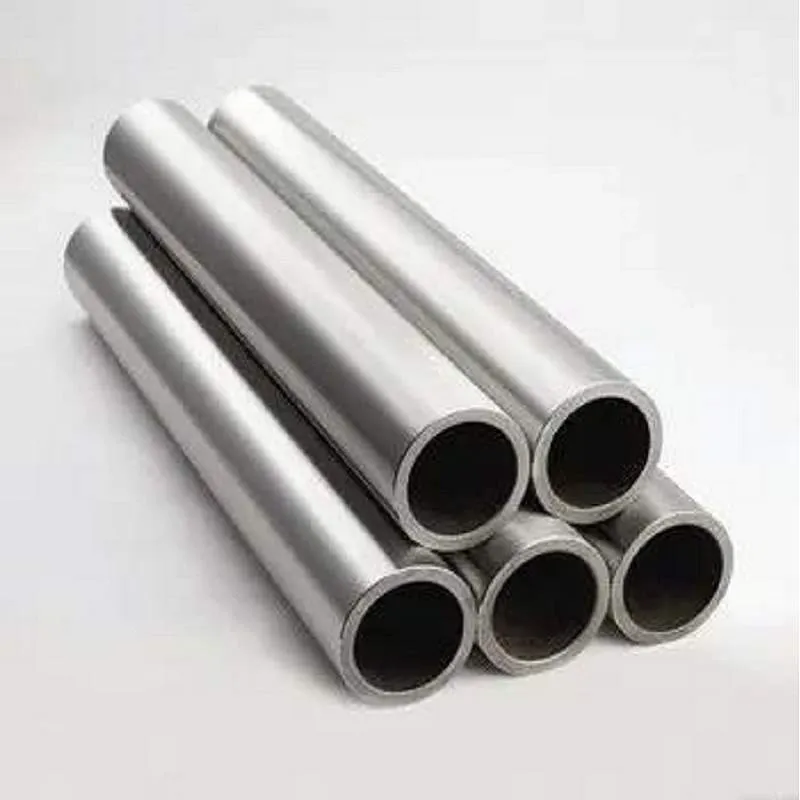
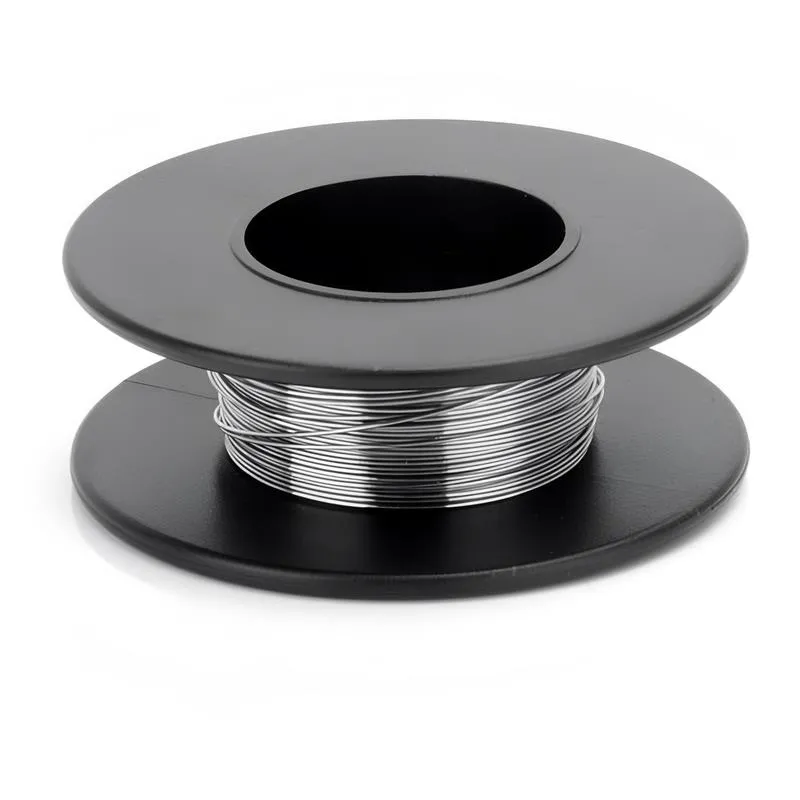
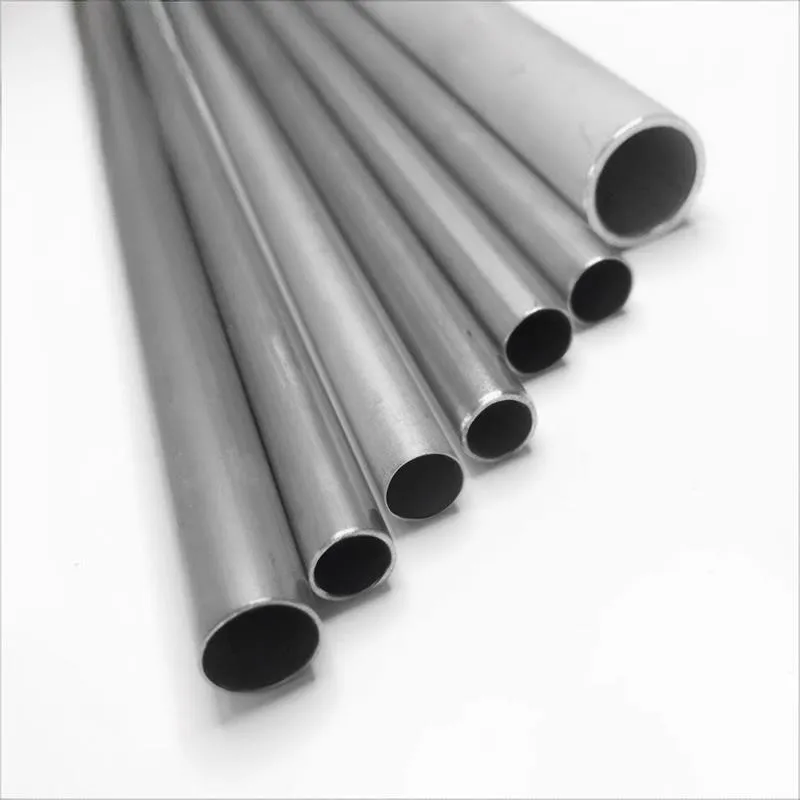
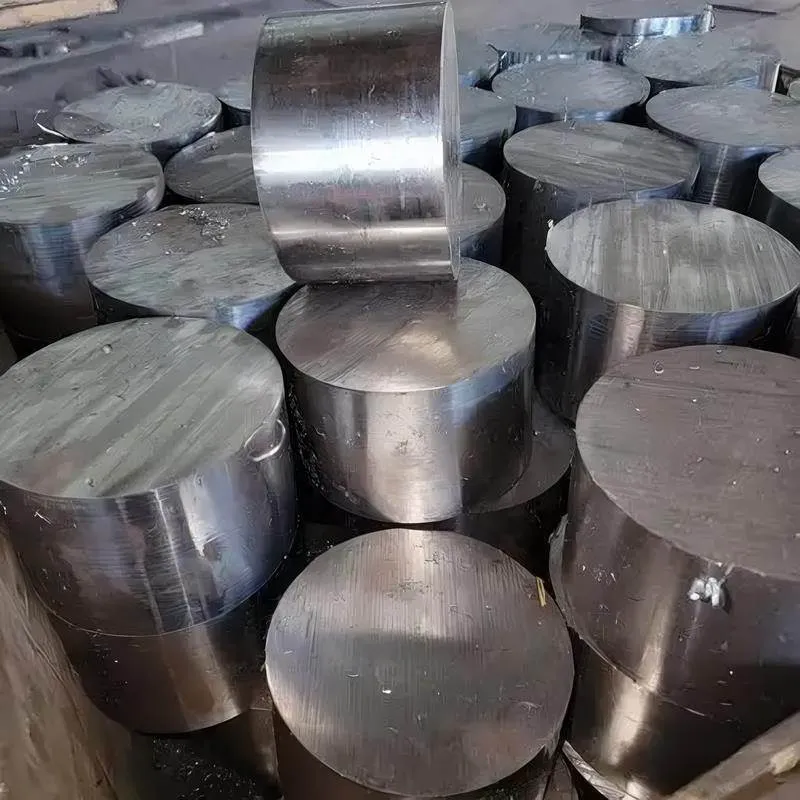
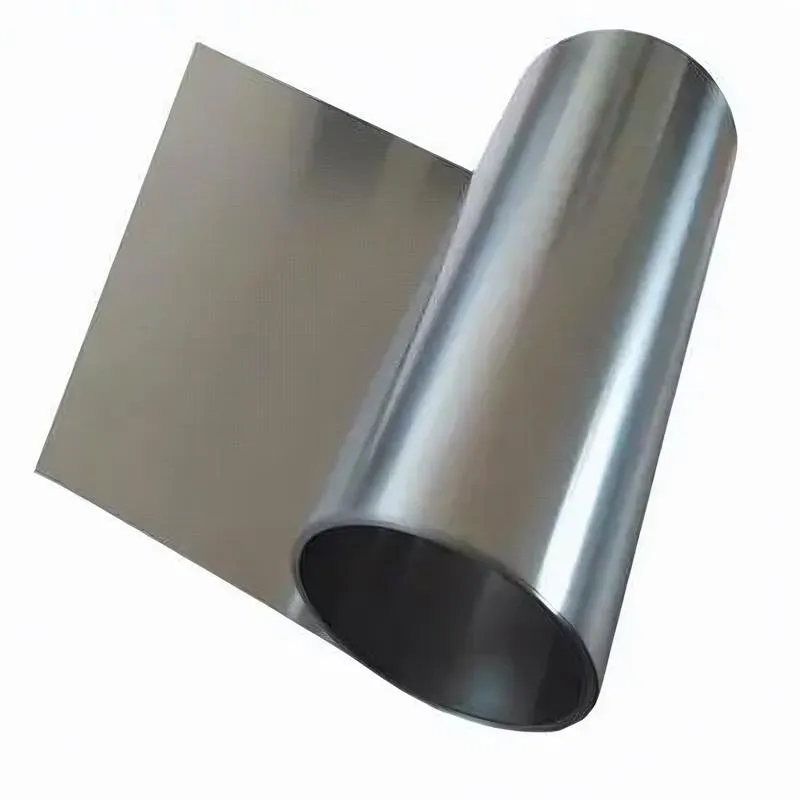
Bohler-Uddeholm,BÖHLER W403 VMR® Hot Work Tool Steel Tube,Pipe
Product Code : STI-GSTI-244-CU
We provide Bohler-Uddeholm BÖHLER W403 VMR® Hot Work Tool Steel Tube is available in Bar (Round bar, Flat bar), Ribbon, Wire, Rods, Tube,Seamless Tube,Pipe, Ingots, Plate, Sheet, Strip and Forging Stock.,Purity, chemical composition, size, etc. can all be customized to meet specific requirements.Bohler-Uddeholm,BÖHLER W403 VMR® Hot Work Tool Steel Pipe
Please contact us if you need customized services. We will contact you with the price and availability in 24 hours.
Bohler-Uddeholm BÖHLER W403 VMR® Hot Work Tool Steel Tube Product Information
-:-
For detailed product information, please contact sales.
-:
Bohler-Uddeholm BÖHLER W403 VMR® Hot Work Tool Steel Tube Synonyms
-:-
For detailed product information, please contact sales.
-:
Bohler-Uddeholm BÖHLER W403 VMR® Hot Work Tool Steel Product Information
-:-
For detailed product information, please contact sales.
-:
# **Böhler-Uddeholm BÖHLER W403 VMR® Hot Work Tool Steel**
## **Product Overview**
**BÖHLER W403 VMR®** is a premium **tungsten-molybdenum-vanadium alloyed hot work tool steel** manufactured using Böhler-Uddeholm's proprietary **VMR® (Vacuum Melted and Remelted)** process. This advanced dual-vacuum melting technology ensures exceptional **internal cleanliness, microstructural homogeneity, and superior isotropy**. Designed as a high-performance, tungsten-based hot work steel, W403 VMR® delivers **outstanding high-temperature strength (red hardness), excellent thermal fatigue resistance, and superior wear resistance at elevated temperatures**. It is particularly suited for demanding applications such as brass forging, high-temperature extrusion, and die-casting where conventional chromium-based hot work steels may soften or wear prematurely.
---
## **1. Key Characteristics & Advantages**
* **Exceptional Red Hardness:** Maintains high hardness and mechanical strength at elevated operating temperatures (up to approximately 650°C / 1200°F), superior to H13-type steels.
* **Excellent Thermal Fatigue Resistance:** Highly resistant to heat checking and thermal cracking under severe cyclic heating and cooling conditions.
* **Superior Wear Resistance at High Temperature:** The combination of tungsten, molybdenum, and vanadium carbides provides excellent resistance to abrasive and adhesive wear in hot working environments.
* **High Thermal Conductivity:** Better heat dissipation than many other hot work steels, helping to reduce thermal gradients and associated stresses within the tool.
* **Good Toughness Balance:** Maintains adequate impact resistance for most hot work applications despite its high alloy content and wear resistance.
* **Exceptional Internal Cleanliness:** The VMR® process minimizes non-metallic inclusions and gas content, leading to improved mechanical properties, polishability, and fatigue life.
* **Good Dimensional Stability:** Predictable response to heat treatment with minimal distortion due to the homogeneous VMR® microstructure.
---
## **2. Typical Chemical Composition (Weight %)**
| Element | Carbon (C) | Tungsten (W) | Molybdenum (Mo) | Chromium (Cr) | Vanadium (V) |
| :--- | :---: | :---: | :---: | :---: | :---: |
| **Content** | **0.30 - 0.40** | **8.50 - 10.00** | **1.50 - 2.50** | **3.00 - 4.00** | **1.80 - 2.20** |
**Alloying Rationale:**
* **Tungsten (9.25%):** The primary alloying element, providing exceptional solid solution strengthening and forming stable carbides that confer high red hardness and resistance to thermal softening.
* **Molybdenum (2.0%):** Enhances hardenability, improves toughness, and works synergistically with tungsten to boost high-temperature strength.
* **Vanadium (2.0%):** Forms very hard, thermally stable vanadium carbides (VC) that significantly increase wear resistance and contribute to grain refinement.
* **Chromium (3.5%):** Provides oxidation resistance, hardenability, and contributes to the overall carbide volume.
* **Carbon (0.35%):** Balanced to provide sufficient carbide formation for wear resistance without compromising toughness excessively.
* **VMR® Process Impact:** The VIM+VAR process ensures a uniform distribution of these alloying elements, prevents segregation of large tungsten carbides, and creates a clean, isotropic structure that maximizes the potential of the alloy design.
---
## **3. Physical & Mechanical Properties**
### **Physical Properties:**
* **Density:** ~8.30 g/cm³
* **Thermal Conductivity:** ~31 W/(m·K) at 20°C
* **Modulus of Elasticity:** ~215 GPa
* **Coefficient of Thermal Expansion:** ~11.0 × 10⁻⁶/K (20-500°C)
### **Heat Treatment & Mechanical Data:**
* **Annealed Hardness:** ~230 HBW
* **Austenitizing Temperature:** 1100 - 1150°C (2010 - 2100°F)
* **Quenching Medium:** Oil or air (forced air recommended for consistent hardening in larger sections).
* **Tempering:** **Multiple tempering cycles (2-3) are essential.** Temperature range: 560 - 620°C (1040 - 1150°F).
* **Typical Working Hardness:** **48 - 54 HRC**
* **48-51 HRC** (tempered at 580-620°C): For applications prioritizing thermal fatigue resistance (e.g., brass forging dies).
* **51-54 HRC** (tempered at 560-590°C): For applications requiring maximum wear resistance and hot strength (e.g., extrusion tooling).
* **Hot Hardness:** Maintains approximately 45-48 HRC at 600°C.
* **Impact Toughness:** Good for its high-temperature capability, typically in the range of 20-30 J (Charpy U-notch) at 50 HRC.
---
## **4. Primary Applications**
W403 VMR® is engineered for severe hot work applications involving high operating temperatures and demanding wear conditions.
* **Hot Brass Forging:** Dies and inserts for forging brass valves, fittings, and other components, where its high red hardness resists deformation.
* **High-Temperature Extrusion:** Dies and mandrels for extruding copper alloys, nickel alloys, and certain steels.
* **Die-Casting:** Core pins, inserts, and nozzle tips for aluminum and magnesium die-casting, especially in areas prone to soldering and erosion.
* **Hot Piercing & Punching:** Tools for piercing and punching at elevated temperatures.
* **Glass Molding:** Tools for manufacturing glass containers and tableware, where thermal fatigue and wear are concerns.
* **Isothermal Forging:** Dies for processes requiring the die to be maintained at a high, constant temperature.
* **General Heavy-Duty Hot Work:** Applications where H13 or H11 steels exhibit insufficient hot hardness or excessive wear.
---
## **5. Relevant International Standards & Comparable Grades**
W403 VMR® corresponds to several international standards for tungsten-based hot work tool steels, with the VMR® designation signifying premium quality.
| Standard | Grade / Designation | Country/Region | Similarity / Note |
| :--- | :--- | :--- | :--- |
| **AISI / ASTM A681** | **H21** | USA | Close equivalent in composition and application. W403 VMR® represents the premium, vacuum-remelted quality tier. |
| **DIN / Werkstoff** | **1.2581 (X30WCrV9-3)** | Germany/EU | A similar tungsten-chromium hot work steel grade. |
| **JIS G4404** | **SKD5** | Japan | The Japanese equivalent tungsten hot work steel. |
| **ISO 4957** | **X30WCrV9** | International | International standard designation for this class of steel. |
| **GB/T 1299** | **3Cr2W8V** | China | Traditional Chinese tungsten hot work steel with a similar alloying philosophy. |
| **Other Designations** | **H20, H22** | Various | Similar tungsten-based grades with minor compositional variations. |
**Quality Distinction:** Specifying **"W403 VMR®"** ensures receipt of material that has undergone Vacuum Induction Melting (VIM) followed by Vacuum Arc Remelting (VAR), guaranteeing superior cleanliness, homogeneity, and performance consistency compared to air-melted or single-vacuum melted equivalents.
---
## **6. Processing & Fabrication Guidelines**
* **Machining:** Perform all heavy machining in the **soft-annealed condition**. Machinability is fair; it is more abrasive than lower-alloy steels due to its tungsten and vanadium content. Use sharp, wear-resistant carbide tools with rigid setups.
* **Heat Treatment:** Requires careful control.
1. **Preheating:** Critical. Use two stages: 600-650°C and 850-900°C to minimize thermal shock.
2. **Austenitizing:** Must be done in a **vacuum or controlled atmosphere furnace** to prevent decarburization and oxidation.
3. **Quenching:** Oil quenching is common for reliable hardening, though air quenching can be used for simple shapes. High-pressure gas quenching is an excellent option for complex tools.
4. **Tempering:** **Immediate and double (or triple) tempering is mandatory.** Allow the tool to cool to room temperature between tempers.
* **Stress Relieving:** A stress relief at 600-650°C after rough machining is highly recommended.
* **Welding:** Can be welded for repair, but requires expertise.
* **Pre-heat:** 400-500°C.
* **Filler Metal:** Use a matching or compatible hot work steel filler.
* **Post-Weld Heat Treatment:** A full re-hardening and tempering cycle is strongly recommended to restore optimal properties in the heat-affected zone.
* **Surface Treatment:** Often nitrided (gas or plasma) to achieve extreme surface hardness (>1000 HV) for enhanced wear and solder resistance in die-casting and extrusion applications.
* **EDM:** Suitable. Follow with a low-temperature stress relief (e.g., 400-450°C) to mitigate the effects of the transformed white layer.
---
## **7. Conclusion**
**BÖHLER W403 VMR®** is a **high-performance, tungsten-based hot work tool steel** designed for applications where extreme temperatures and wear would degrade conventional chromium-based steels. Its superior red hardness and thermal fatigue resistance make it a specialist material for the most challenging hot work environments.
The **VMR® manufacturing process** is not merely an add-on but a fundamental enabler of its performance, ensuring that the high alloy content translates into reliable, consistent tool behavior rather than unpredictable failure. For manufacturers engaged in brass forging, high-temperature extrusion, or demanding die-casting operations where tool life and process stability are critical, W403 VMR® offers a robust and technologically advanced solution. It represents a strategic investment in productivity for applications that operate at the upper limits of hot work tool steel performance.
-:-
For detailed product information, please contact sales.
-:
Bohler-Uddeholm BÖHLER W403 VMR® Hot Work Tool Steel Specification
Dimensions
Size:
Diameter 20-1000 mm Length <6900 mm
Size:We can customized as required
Standard:
Per your request or drawing
We can customized as required
Properties(Theoretical)
Chemical Composition
-:-
For detailed product information, please contact sales.
-:
Bohler-Uddeholm BÖHLER W403 VMR® Hot Work Tool Steel Properties
-:-
For detailed product information, please contact sales.
-:
Applications of Bohler-Uddeholm BÖHLER W403 VMR® Hot Work Tool Steel Tube
-:-
For detailed product information, please contact sales.
-:
Chemical Identifiers Bohler-Uddeholm BÖHLER W403 VMR® Hot Work Tool Steel Tube
-:-
For detailed product information, please contact sales.
-:
Packing of Bohler-Uddeholm BÖHLER W403 VMR® Hot Work Tool Steel Tube
-:-
For detailed product information, please contact sales.
-:
Standard Packing:
-:-
For detailed product information, please contact sales.
-:
Typical bulk packaging includes palletized plastic 5 gallon/25 kg. pails, fiber and Steel Tube drums to 1 ton super sacks in full container (FCL) or truck load (T/L) quantities. Research and sample quantities and hygroscopic, oxidizing or other air sensitive materials may be packaged under argon or vacuum. Solutions are packaged in polypropylene, plastic or glass jars up to palletized 3371 gallon liquid totes Special package is available on request. E FORUs’ is carefully handled to minimize damage during storage and transportation and to preserve the quality of our products in their original condition