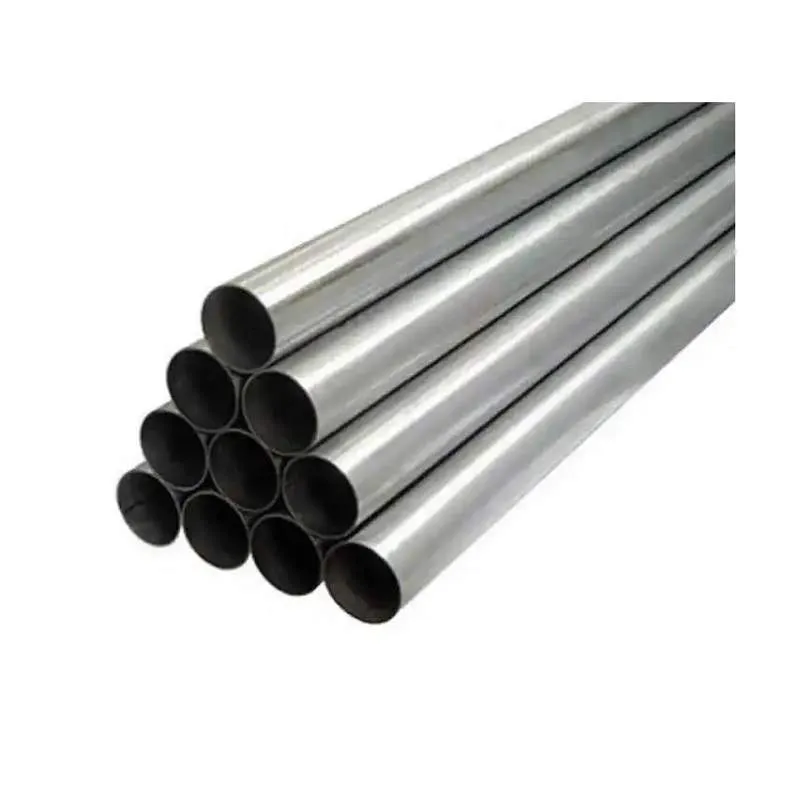
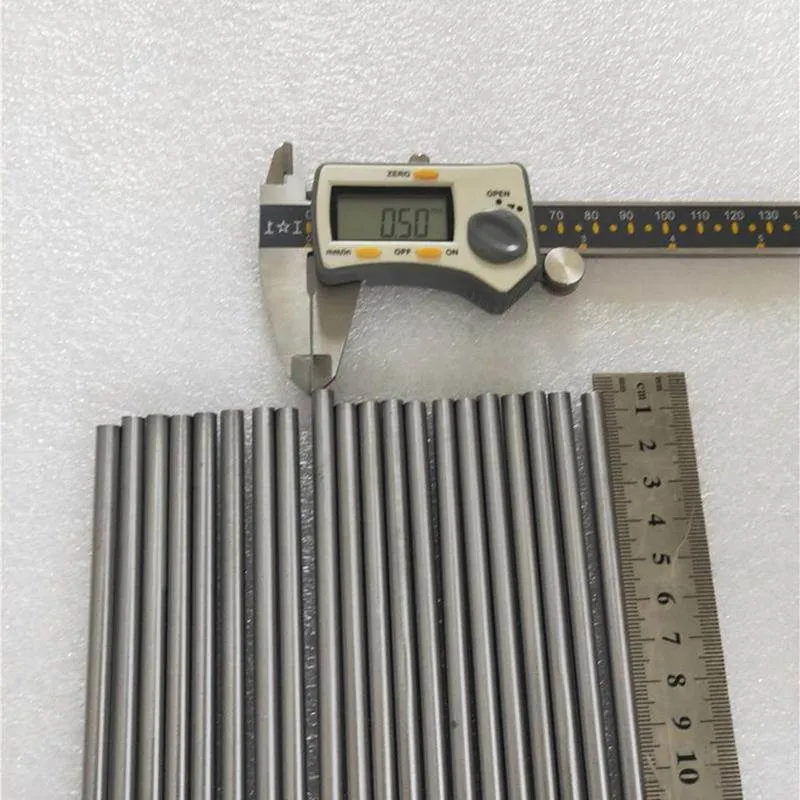
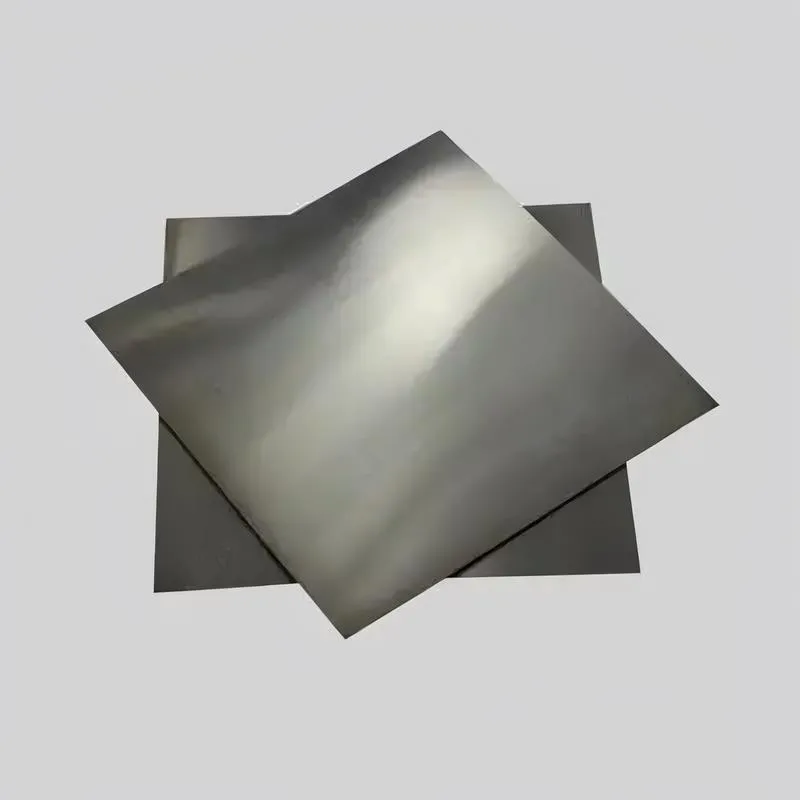
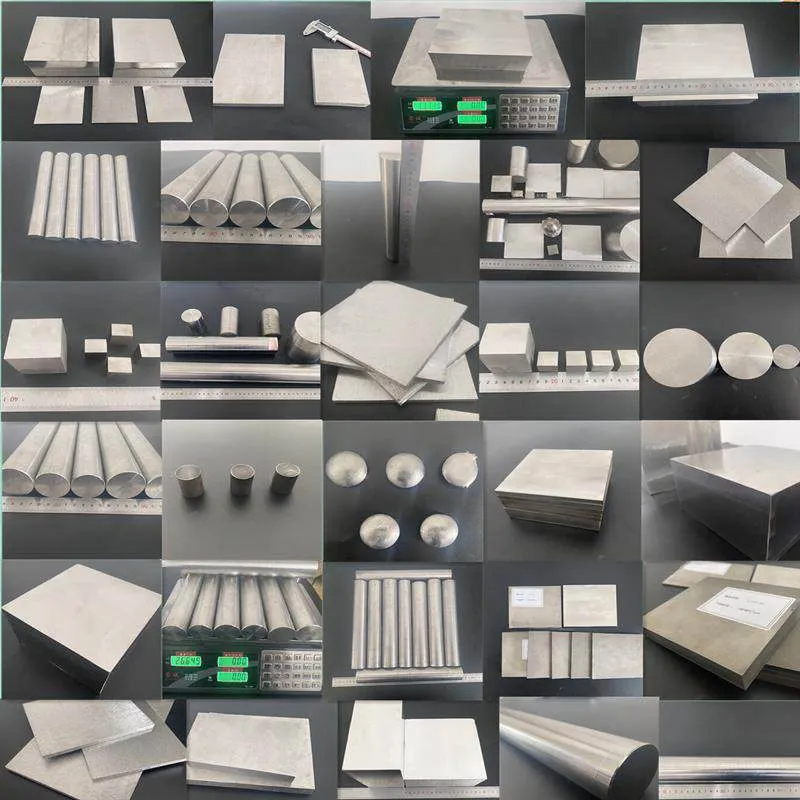
Schmolz + Bickenbach,Formadur® 2083 Superclean Plastic Mold Steel Tube,Pipe
Product Code : STI-GSTI-468-CU
We provide Schmolz + Bickenbach Formadur® 2083 Superclean Plastic Mold Steel Tube is available in Bar (Round bar, Flat bar), Ribbon, Wire, Rods, Tube,Seamless Tube,Pipe, Ingots, Plate, Sheet, Strip and Forging Stock.,Purity, chemical composition, size, etc. can all be customized to meet specific requirements.Schmolz + Bickenbach,Formadur® 2083 Superclean Plastic Mold Steel Pipe
Please contact us if you need customized services. We will contact you with the price and availability in 24 hours.
Schmolz + Bickenbach Formadur® 2083 Superclean Plastic Mold Steel Tube Product Information
-:-
For detailed product information, please contact sales.
-:
Schmolz + Bickenbach Formadur® 2083 Superclean Plastic Mold Steel Tube Synonyms
-:-
For detailed product information, please contact sales.
-:
Schmolz + Bickenbach Formadur® 2083 Superclean Plastic Mold Steel Product Information
-:-
For detailed product information, please contact sales.
-:
# **SCHMOLZ + BICKENBACH Formadur® 2083 Superclean | Premium Corrosion-Resistant Martensitic Plastic Mold Steel**
## **Overview**
SCHMOLZ + BICKENBACH **Formadur® 2083 Superclean** is a high-chromium, martensitic stainless mold steel specifically engineered for plastic injection molds requiring **exceptional corrosion resistance combined with superior polishability and homogeneity**. The "Superclean" designation signifies production via advanced secondary refining processes (typically Electroslag Remelting - ESR), resulting in extreme material purity, minimal non-metallic inclusions, and isotropic properties. Based on the standard 1.2083 (AISI 420 modified) composition, this grade provides excellent resistance to corrosive plastics, water line corrosion, and humid environments, making it the material of choice for high-end consumer, medical, and optical applications where surface integrity and durability are paramount.
## **Key Features:**
* **Exceptional Corrosion Resistance:** High chromium content (approx. 13%) provides excellent resistance against water, water vapor, acidic condensates, and corrosive plastics (PVC, flame-retardant materials).
* **Superclean Microstructure:** ESR refining ensures extremely low inclusion content (typically <0.5% by area), guaranteeing superior polishability, consistent etching, and excellent EDM performance.
* **High Polishability:** Capable of achieving optical-quality mirror finishes (SPI A1) due to its homogeneous, clean martensitic structure.
* **Excellent Homogeneity:** Uniform chemical composition and microstructure throughout the entire cross-section, ensuring predictable behavior during machining, heat treatment, and in service.
* **Good Wear Resistance:** In the hardened and tempered condition, provides good resistance to abrasive filled plastics.
* **Good Dimensional Stability:** Predictable and minimal dimensional changes during heat treatment due to controlled transformation characteristics.
* **Through-Hardening Capability:** Can be hardened to high levels (50-54 HRC) for maximum wear resistance.
---
## **Material Specifications: Formadur® 2083 Superclean**
### **1. Chemical Composition (wt%)**
| Element | Content Range (wt%) | Function & Benefit |
| :--- | :--- | :--- |
| **Carbon (C)** | 0.38 - 0.45 | Provides hardness and wear resistance after hardening. Balanced for toughness. |
| **Chromium (Cr)** | 12.50 - 13.50 | **Primary alloying element.** Provides corrosion resistance by forming a passive chromium oxide layer and contributes to hardenability. |
| **Manganese (Mn)** | ≤ 0.80 | Aids in deoxidation and hardenability. Kept low for optimal polishability. |
| **Silicon (Si)** | ≤ 0.40 | Deoxidizer. |
| **Molybdenum (Mo)** | 0.15 - 0.25 | Enhances hardenability, improves toughness, and strengthens the matrix. |
| **Vanadium (V)** | ≤ 0.07 (optional) | Can be added for grain refinement and improved wear resistance. |
| **Sulfur (S)** | **≤ 0.001** (Superclean) | **Extremely Low.** Critical for achieving superior polishability and isotropic properties. |
| **Phosphorus (P)** | **≤ 0.015** (Superclean) | **Very Low.** Minimized to prevent embrittlement and ensure toughness. |
**"Superclean" Metallurgical Advantage:**
The steel is produced using **Electroslag Remelting (ESR)** or similar advanced processes. This results in:
* **Dramatic reduction of oxide and sulfide inclusions.**
* **Extremely uniform chemical composition.**
* **Dense, homogeneous microstructure with no segregation.**
* **Significantly improved transverse mechanical properties.**
### **2. Physical & Mechanical Properties**
#### **Properties in Annealed Condition (for Machining):**
| Property | Typical Value | Condition / Notes |
| :--- | :--- | :--- |
| **Hardness** | ~215 HB (max) | Annealed, ready for machining. |
| **Microstructure** | Spheroidized carbide in ferritic matrix | Optimized for machinability. |
#### **Properties in Hardened & Tempered Condition:**
| Tempering Temperature | Resulting Hardness (HRC) | Tensile Strength (MPa) | Impact Toughness (J) | Application Suitability |
| :--- | :--- | :--- | :--- | :--- |
| **180-200°C** | 52 - 54 | ~1850 - 2050 | 12 - 18 | Maximum wear resistance, lower toughness. |
| **250-300°C** | 50 - 52 | ~1750 - 1900 | 15 - 22 | Good balance for general use. |
| **350-400°C** | 48 - 50 | ~1600 - 1750 | 20 - 28 | Higher toughness, good corrosion resistance. |
#### **General Mechanical Properties (Hardened & Tempered ~50 HRC):**
* **0.2% Yield Strength (Rp0.2):** ~1550 MPa
* **Modulus of Elasticity (E):** ~215,000 MPa
* **Thermal Conductivity:** ~25 W/m·K (at 20°C)
* **Coefficient of Thermal Expansion:** ~10.5 x 10⁻⁶ /K (20-100°C)
* **Density:** ~7.75 g/cm³
#### **Corrosion Resistance:**
* **General Performance:** Excellent resistance to fresh water, water vapor, many acids, and alkalis. Superior to all P20-type steels.
* **Pitting Resistance Equivalent Number (PREN):** ~13-14 (PREN = %Cr + 3.3x%Mo). Indicates good resistance to pitting in chloride-containing environments typical of cooling water.
* **Plastic Compatibility:** Highly resistant to corrosion from PVC processing (HCl release), flame-retardant plastics (bromine), and acidic condensation.
### **3. Machining & Finishing Properties**
| Operation | Performance & Recommendations |
| :--- | :--- |
| **Machining (Annealed)** | **Fair to Good.** More demanding than low-alloy P20 steels due to higher Cr content and work-hardening tendency. Use sharp carbide tools, moderate speeds, and positive rake angles. |
| **Electrical Discharge Machining (EDM)** | **Excellent.** The clean, homogeneous structure allows for stable, high-quality EDM surfaces with minimal white layer. Wire EDM performance is particularly good. |
| **Grinding** | **Very Good.** Responds well to grinding. Use appropriate wheels (aluminum oxide or CBN) and adequate coolant to avoid thermal damage (grinding burns). |
| **Polishing** | **Outstanding (Superclean Feature).** The key advantage. The extremely low inclusion count allows for flawless, pit-free mirror finishes (SPI A1, A2). Progress through 400, 600, 800, 1200 grit, then diamond paste (3µ to 1µ). |
| **Photo/Electric Etching** | **Excellent.** Provides a uniform, high-contrast etch for precise texturing. The homogeneity ensures texture consistency across the entire mold surface. |
| **Welding** | **Possible but requires expertise.** Pre-heat to 300-350°C. Use matching austenitic-stainless or martensitic-stainless filler rods (e.g., 308L, 316L for root, then matching filler). Post-weld tempering at 450-500°C is mandatory. |
---
## **Applicable International Standards & Cross-References**
| Standard | Designation | Note |
| :--- | :--- | :--- |
| **SCHMOLZ + BICKENBACH** | **Formadur® 2083 Superclean** | Proprietary premium grade. |
| **DIN / EN / W-Nr.** | **1.2083** (ESR quality) | Standard designation. "Superclean" implies the highest quality level within this spec. |
| **AISI / ASTM** | **420 Modified** | Not a direct equivalent; 1.2083 typically has lower C and specific Mo content. |
| **ISO 4957** | **X40Cr14** | Closest standard equivalent. |
| **Uddeholm** | **STAVAX® ESR** | Direct competitor, similar ESR-quality 1.2083. |
| **Böhler / voestalpine** | **M310 ESR** | Similar grade. |
| **Japanese (JIS)** | **SUS420J2** | Similar, but composition may vary. |
| **Chinese (GB)** | **4Cr13** | General equivalent. |
---
## **Heat Treatment Guidelines**
1. **Soft Annealing:** Heat to 780-800°C, hold sufficiently (approx. 2h/25mm), slow cool in furnace to 650°C, then air cool. Target hardness: ≤ 215 HB.
2. **Stress Relieving (after rough machining):** 600-650°C, 2 hours, slow cool.
3. **Hardening:**
* **Preheat:** 550-600°C and 800-850°C (dual preheat recommended).
* **Austenitize:** **980-1020°C.** Use controlled atmosphere or vacuum. Soak time: 20-30 min per 25mm.
* **Quench:** In circulating air or oil (oil for complex shapes to reduce cracking risk, but vacuum high-pressure gas quenching is preferred for minimal distortion).
4. **Tempering:** **Immediately after quenching** (when part reaches 50-80°C). Temper at 180-500°C (depending on required hardness/toughness) for at least 2 hours. **Double tempering is strongly recommended.**
---
## **Product Applications**
Formadur® 2083 Superclean is specified for **high-end, corrosion-prone plastic injection molds** where surface finish, durability, and resistance to corrosive attack are critical.
**Primary Application Areas:**
* **Optical Components:** Lenses, light guides, reflectors, covers requiring SPI A1/A2 mirror finishes.
* **Medical Device Molds:** For housings, connectors, labware. Its clean microstructure and corrosion resistance support cleanroom manufacturing and sterilization compatibility.
* **Consumer Electronics:** High-gloss housings for phones, cameras, laptops, and wearables.
* **Molds for Corrosive Plastics:**
* Polyvinyl Chloride (PVC)
* Flame-retardant (FR) plastics containing halogenated compounds
* Polyacetals (POM) which can produce formic acid
* **Food Packaging Molds:** Where corrosion from cleaning agents and food acids is a concern.
* **Molds with High-Quality Textures:** Where uniform etching is required for leather, geometric, or custom patterns.
**Typical Mold Components:**
* Cavity and core inserts
* Stripper rings and sleeves
* Nozzle tips and hot runner components (for corrosive materials)
* Ejector pins and sleeves in corrosive environments
**Not Recommended For:**
* **Highly abrasive plastics** (e.g., >30% glass fiber) without protective surface coatings. Consider a harder, tool steel for such applications.
* **Hot work tooling** like die casting dies (insufficient high-temperature strength).
---
## **Why "Superclean"? Economic & Technical Justification**
* **Reduced Polish Time:** Achieves target finish faster with fewer rejects due to inclusions.
* **Longer Mold Life:** Superior corrosion resistance extends time between maintenance and refurbishment.
* **Consistent Product Quality:** Homogeneous material ensures uniform plastic part appearance and texture.
* **Reduced Risk:** Predictable heat treatment response minimizes distortion and cracking risks.
* **Premium Application Enabler:** Makes it possible to manufacture molds for the most demanding sectors (medical, optics, luxury goods).
---
**Disclaimer:**
The information provided is based on typical data for SCHMOLZ + BICKENBACH Formadur® 2083 Superclean. Properties can vary within specification ranges. This document is for informational purposes only and does not constitute a guarantee. For critical applications, always consult the official manufacturer's documentation. The "Superclean" quality level is essential for achieving the stated polishability and performance. Standard 1.2083 may not deliver the same results.
-:-
For detailed product information, please contact sales.
-:
Schmolz + Bickenbach Formadur® 2083 Superclean Plastic Mold Steel Specification
Dimensions
Size:
Diameter 20-1000 mm Length <7124 mm
Size:We can customized as required
Standard:
Per your request or drawing
We can customized as required
Properties(Theoretical)
Chemical Composition
-:-
For detailed product information, please contact sales.
-:
Schmolz + Bickenbach Formadur® 2083 Superclean Plastic Mold Steel Properties
-:-
For detailed product information, please contact sales.
-:
Applications of Schmolz + Bickenbach Formadur® 2083 Superclean Plastic Mold Steel Tube
-:-
For detailed product information, please contact sales.
-:
Chemical Identifiers Schmolz + Bickenbach Formadur® 2083 Superclean Plastic Mold Steel Tube
-:-
For detailed product information, please contact sales.
-:
Packing of Schmolz + Bickenbach Formadur® 2083 Superclean Plastic Mold Steel Tube
-:-
For detailed product information, please contact sales.
-:
Standard Packing:
-:-
For detailed product information, please contact sales.
-:
Typical bulk packaging includes palletized plastic 5 gallon/25 kg. pails, fiber and Steel Tube drums to 1 ton super sacks in full container (FCL) or truck load (T/L) quantities. Research and sample quantities and hygroscopic, oxidizing or other air sensitive materials may be packaged under argon or vacuum. Solutions are packaged in polypropylene, plastic or glass jars up to palletized 3595 gallon liquid totes Special package is available on request. E FORUs’ is carefully handled to minimize damage during storage and transportation and to preserve the quality of our products in their original condition