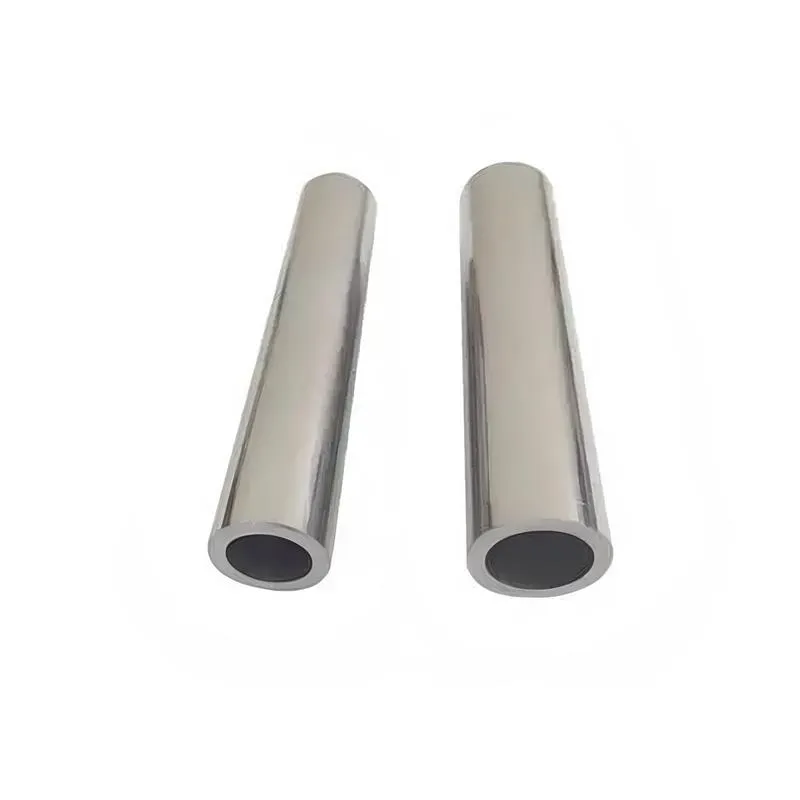
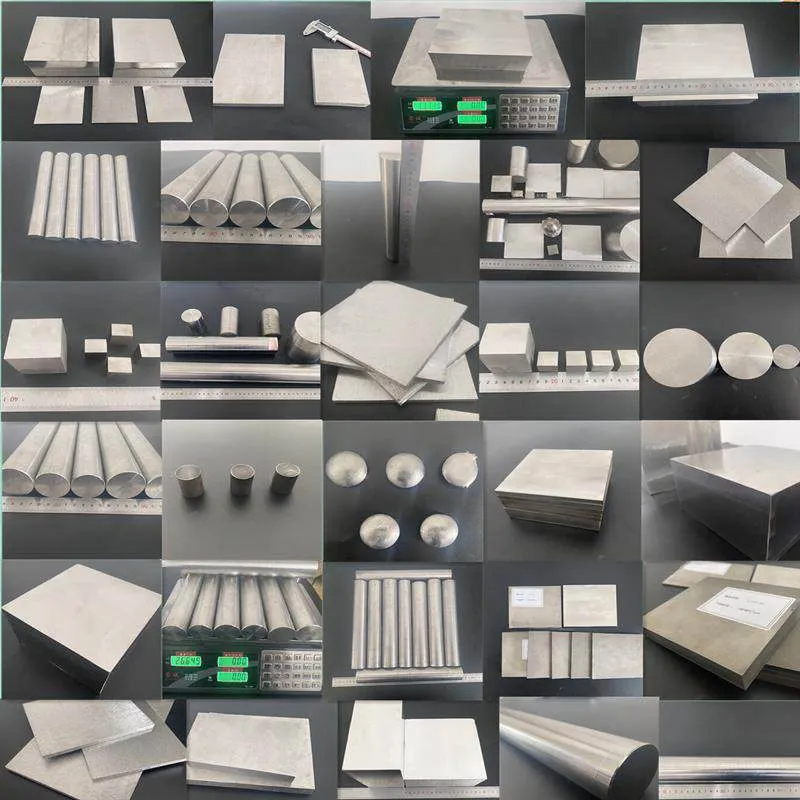
Meehanite,DuctlIron Tube,Pipe® AQS Nodular Graphite Ductile Iron Tube,Pipe
Product Code : STI-IFe-146-CU
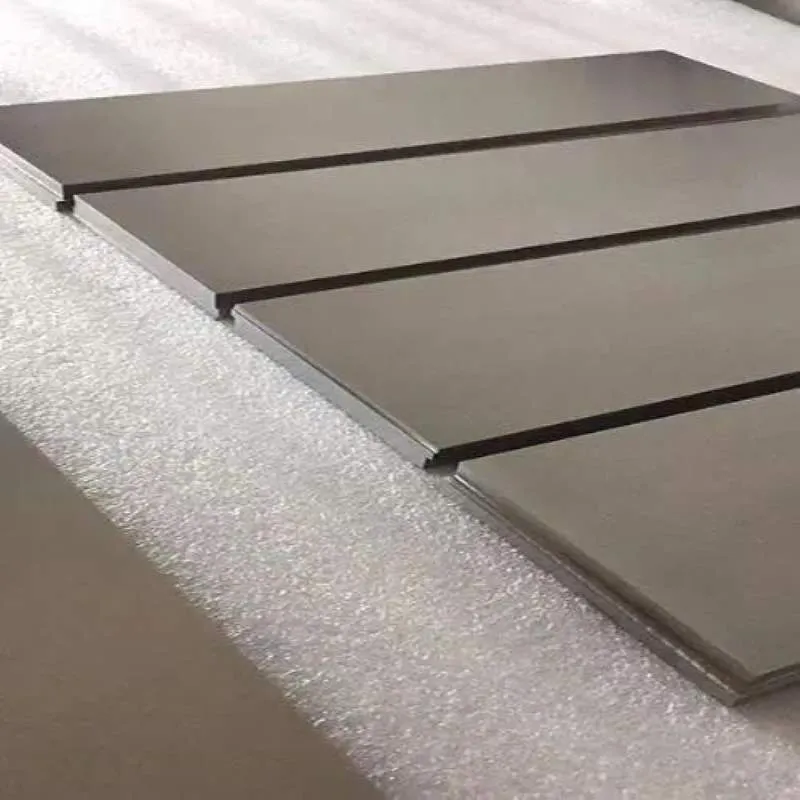
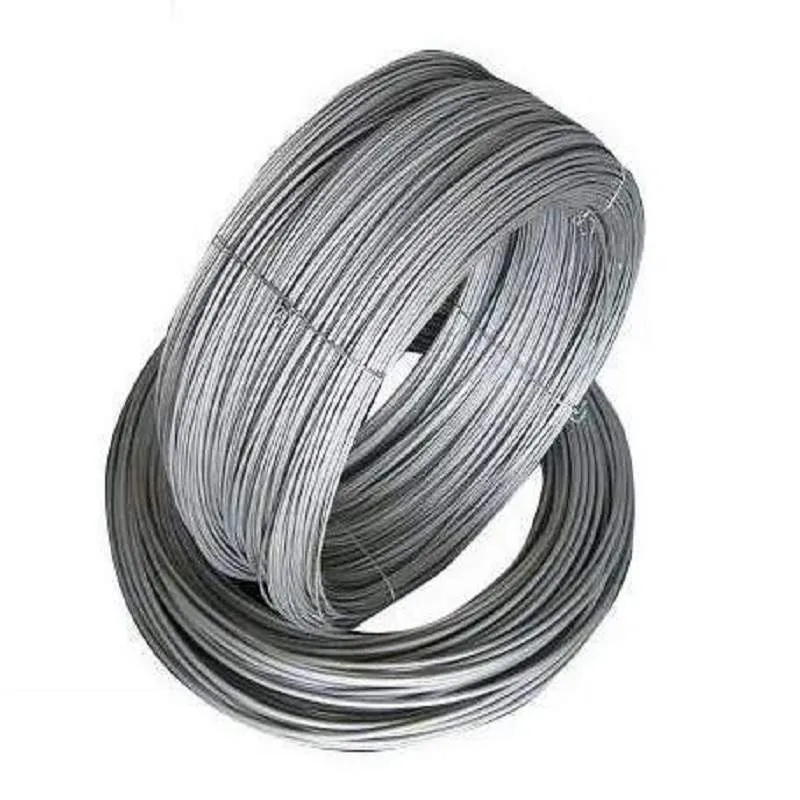
We provide Meehanite DuctlIron Tube® AQS Nodular Graphite Ductile Iron Tube is available in Bar (Round bar, Flat bar), Ribbon, Wire, Rods, Tube,Seamless Tube,Pipe, Ingots, Plate, Sheet, Strip and Forging Stock.,Purity, chemical composition, size, etc. can all be customized to meet specific requirements.Meehanite,DuctlIron Pipe® AQS Nodular Graphite Ductile Iron Pipe
Please contact us if you need customized services. We will contact you with the price and availability in 24 hours.
Meehanite DuctlIron Tube® AQS Nodular Graphite Ductile Iron Tube Product Information
-:-
For detailed product information, please contact sales.
-:
Meehanite DuctlIron Tube® AQS Nodular Graphite Ductile Iron Tube Synonyms
-:-
For detailed product information, please contact sales.
-:
Meehanite Ductliron® AQS Nodular Graphite Ductile Iron Product Information
-:-
For detailed product information, please contact sales.
-:
# **Meehanite® Ductliron® AQS Nodular Graphite Ductile Iron**
## **Product Overview**
**Meehanite Ductliron® AQS** is a premium **austempered ductile iron (ADI)** manufactured under the stringent **Meehanite quality control system**, representing the **advanced tier of ductile iron technology** with mechanical properties surpassing many forged and cast steels. The "AQS" designation signifies **Austempered Quality Special** - a heat-treated grade achieving a unique **ausferritic microstructure** that provides an exceptional combination of **high strength, excellent toughness, superior wear resistance, and good fatigue performance**.
This specialized material undergoes a proprietary austempering heat treatment process that transforms the as-cast structure into a matrix of acicular ferrite and high-carbon stabilized austenite. AQS offers engineers a high-performance alternative to heat-treated steels, carburized gears, and other premium materials, with the added benefits of castability, damping capacity, and cost-effectiveness inherent to ductile iron.
---
## **1. International Standards & Specifications**
| **Standard System** | **Designation** | **Equivalent/Reference** | **Key Characteristics** |
|---------------------|-----------------|--------------------------|------------------------|
| **Meehanite System** | **Ductliron® AQS** | Proprietary classification | Premium austempered ductile iron |
| **ASTM International** | **A897/A897M Standard** | Primary US ADI standard | Multiple grades achievable |
| **ISO Standard** | **ISO 17804:2005** | International ADI standard | Austempered ductile irons classification |
| **DIN Standard** | **DIN EN 1564** | European standard | Bainitic cast irons |
| **SAE Automotive** | **J2477** (Recommended) | Automotive ADI specifications | For gears and high-stress components |
| **Common Names** | Austempered Ductile Iron, ADI, Bainitic Ductile Iron | Industry terminology | Ductliron® is a registered Meehanite trademark |
**Critical Note:** AQS properties are achieved through controlled austempering heat treatment and are not attainable in the as-cast condition. This material requires specialized processing at authorized Meehanite facilities.
---
## **2. Chemical Composition**
The base chemistry of AQS is specifically designed for optimal response to austempering heat treatment, with careful balance of alloying elements to control transformation kinetics and final properties.
| **Element** | **Typical Range (% wt.)** | **Metallurgical Function** | **Austempering Response** |
|-------------|---------------------------|---------------------------|--------------------------|
| **Carbon (C)** | 3.5 - 3.8 | Graphite former | Provides carbon for austenite stabilization |
| **Silicon (Si)** | 2.4 - 2.8 | Graphitizer, inhibits carbide | Critical for bainite formation, prevents cementite |
| **Manganese (Mn)** | 0.2 - 0.4 | Controlled intentionally | Minimized to avoid segregation and martensite |
| **Phosphorus (P)** | ≤ 0.035 (max) | Impurity control | Minimized for maximum toughness |
| **Sulfur (S)** | ≤ 0.015 (max) | Impurity control | Critical for successful nodularization |
| **Magnesium (Mg)** | 0.04 - 0.06 | **Nodularizing agent** | Essential for Type I graphite |
| **Copper (Cu)** | **0.5 - 1.0** | **Hardenability enhancer** | Delays pearlite transformation |
| **Molybdenum (Mo)** | **0.2 - 0.4** | **Hardenability agent** | Critical for section uniformity |
| **Nickel (Ni)** | **0.8 - 1.5** | **Austenite stabilizer** | Enhances hardenability and toughness |
| **Vanadium (V)** | 0.05 - 0.15 (Optional) | **Grain refiner** | Improves strength through precipitation |
**Microstructural Characteristics (Post-Austempering):**
- **Graphite Structure:** **ASTM Type I**, Size 6-7 (small, spherical nodules)
- **Matrix Structure:** **Acicular ferrite + high-carbon austenite** (ausferrite)
- **Austenite Content:** 25-40% (retained, carbon-enriched)
- **Carbide Content:** < 1% (silicon inhibits carbide formation)
- **Bainite Sheave Size:** Fine, interlocking structure
- **Unique Feature:** Dual-phase ausferritic structure providing unique combination of strength and toughness through TRIP (Transformation Induced Plasticity) effect
---
## **3. Mechanical Properties**
### **Standard AQS Property Grades:**
AQS can be produced to multiple strength levels by varying austempering parameters:
| **Property Grade** | **Tensile Strength** | **Yield Strength** | **Elongation** | **Hardness** | **Impact Energy** |
|-------------------|---------------------|-------------------|---------------|--------------|------------------|
| **AQS-850** | 850 MPa (123 ksi) | 550 MPa (80 ksi) | 10% | 269-321 HB | 100 J (74 ft-lb) |
| **AQS-1050** | 1050 MPa (152 ksi) | 700 MPa (102 ksi) | 7% | 302-363 HB | 80 J (59 ft-lb) |
| **AQS-1200** | 1200 MPa (174 ksi) | 850 MPa (123 ksi) | 4% | 341-401 HB | 60 J (44 ft-lb) |
| **AQS-1400** | 1400 MPa (203 ksi) | 1100 MPa (160 ksi) | 2% | 388-477 HB | 40 J (30 ft-lb) |
### **Detailed Property Profile (Typical AQS-1050):**
| **Property** | **Value** | **Test Standard** | **Notes** |
|--------------|-----------|-------------------|-----------|
| **Tensile Strength** | 1050 MPa (152 ksi) | ASTM A897 | |
| **Yield Strength (0.2% offset)** | 700 MPa (102 ksi) | ASTM A897 | High yield-to-tensile ratio |
| **Elongation** | 7% | ASTM A897 | Excellent for high-strength material |
| **Reduction of Area** | 15% | | Good ductility |
| **Hardness** | 302-363 HB (30-38 HRC) | ASTM E10 | |
| **Elastic Modulus** | 165-175 GPa (24-25 × 10⁶ psi) | | Similar to standard DI |
| **Fatigue Strength** | 400 MPa (58 ksi) @ 10⁷ cycles | Rotating bending | Excellent fatigue performance |
| **Impact Energy (Charpy V-notch)** | 80 J (59 ft-lb) @ 20°C | ASTM E23 | Exceptional toughness |
| **Fracture Toughness (K₁C)** | 80-100 MPa√m | ASTM E399 | Superior to quenched & tempered steels |
| **Contact Fatigue Strength** | 1600-1800 MPa | Rolling contact | Excellent for gear applications |
### **Unique Austempering Advantages:**
1. **High Strength with Good Ductility:** Unprecedented combination
2. **Excellent Fatigue Resistance:** 2-3× conventional ductile iron
3. **Superior Wear Resistance:** 2-5× quenched & tempered steels
4. **Good Damping Capacity:** 3-5× similar strength steels
5. **Low Notch Sensitivity:** Maintains properties with stress risers
---
## **4. Physical Properties**
| **Property** | **Value** | **Engineering Significance** |
|--------------|-----------|-----------------------------|
| **Density** | 7.15 g/cm³ (0.258 lb/in³) | Slightly lower than standard DI |
| **Thermal Conductivity** | 36 W/m·K (21 Btu/(ft·hr·°F)) | Good heat dissipation |
| **Coefficient of Thermal Expansion** | 11.5 × 10⁻⁶/°C (6.4 × 10⁻⁶/°F) | Similar to low-alloy steels |
| **Specific Heat** | 500 J/kg·K (0.12 Btu/(lb·°F)) | Standard for ferrous materials |
| **Damping Capacity** | **3-4× greater than steel** | **Good** vibration absorption |
| **Magnetic Properties** | Ferromagnetic (variable) | Depends on austenite content |
| **Electrical Resistivity** | 60-70 μΩ·cm | Higher than standard DI |
### **Special Characteristics:**
- **Work Hardening:** Significant due to TRIP effect (austenite to martensite transformation)
- **Residual Stress:** Compressive surface stress from austempering
- **Dimensional Stability:** Excellent - minimal distortion during heat treatment
- **Thermal Stability:** Maintains properties to 300°C (570°F)
---
## **5. Manufacturing & Processing Characteristics**
### **Austempering Heat Treatment Cycle:**
AQS requires precise thermal processing:
1. **Austenitizing:** 870-950°C (1600-1740°F) for 1-2 hours per inch
2. **Rapid Quenching:** To austempering bath temperature (230-400°C / 450-750°F)
3. **Isothermal Holding:** At bath temperature for 1-4 hours
4. **Air Cooling:** To room temperature
### **Machinability Considerations:**
| **Condition** | **Relative Machinability** | **Tool Recommendations** | **Notes** |
|--------------|----------------------------|-------------------------|-----------|
| **As-Cast (Before Austempering)** | Good (60-70%) | Carbide tools | All rough machining done in this condition |
| **Austempered (Finished)** | Poor (20-30%) | CBN or ceramic tools | Only light finishing possible |
| **Critical:** All significant machining must be completed before austempering heat treatment.
### **Casting Characteristics:**
- **Fluidity:** Good - similar to standard ductile iron
- **Shrinkage:** Moderate - requires adequate risering
- **Pattern Design:** Must account for minimal final machining
- **Quality Requirements:** High - defects cannot be machined out after heat treatment
---
## **6. Quality Assurance (Meehanite System)**
### **Specialized Controls for AQS:**
1. **Chemistry Precision:** Tight control of Si, Cu, Mo, Ni for consistent response
2. **Austempering Process Control:** Precise temperature and time control
3. **Microstructural Verification:** Aust ferrite structure confirmation
4. **Mechanical Property Testing:** From actual production castings
### **Advanced Testing Protocol:**
- **Mechanical Testing:** Full tensile and impact testing per heat
- **Microstructural Analysis:** Austenite content, bainite morphology
- **Hardness Mapping:** Uniformity throughout casting
- **Non-Destructive Testing:** UT, MT, or RT as required
- **Specialized Testing:** Contact fatigue, wear testing for critical applications
---
## **7. Industrial Applications**
### **Primary High-Performance Applications:**
| **Application Area** | **Specific Components** | **Performance Requirements** | **Why AQS?** |
|---------------------|-------------------------|-----------------------------|--------------|
| **Gearing Systems** | Heavy-duty gears, pinions, drive gears | High contact stress, bending fatigue, wear | Superior to carburized steels in many applications |
| **Automotive** | Crankshafts, connecting rods, suspension | High strength-to-weight, fatigue resistance | Weight reduction vs. forged steel |
| **Earthmoving Equipment** | Track links, rollers, idlers | Extreme wear, impact loading | 3-5× wear life of quenched steel |
| **Railroad** | Wheels, couplers, brake components | High contact fatigue, impact | Excellent rolling contact fatigue resistance |
| **Defense** | Track components, armor, vehicle parts | Multi-hit capability, weight savings | Better ballistic performance than steel at same weight |
| **Oil & Gas** | Gears for mud pumps, valve components | Corrosion fatigue, wear in abrasive fluids | Good corrosion resistance with high strength |
### **Specific Application Examples:**
**Heavy-Duty Transmission Gears:**
- **Requirements:** 10⁹ cycle fatigue life, pitting resistance, quiet operation
- **AQS Advantages:** Higher root strength than carburized gears, better damping
- **Weight Savings:** 10-15% vs. steel gears
- **Noise Reduction:** Better damping reduces gear whine
**High-Performance Crankshafts:**
- **Requirements:** High-cycle fatigue, torsional strength, weight optimization
- **AQS Advantages:** Fatigue strength approaching forged steel with better damping
- **Design Freedom:** Complex shapes possible through casting
- **Cost:** 20-40% lower than forged and machined steel crankshafts
**Mining Equipment Track Components:**
- **Requirements:** Extreme abrasion resistance, impact toughness
- **AQS Advantages:** Work hardening during service increases wear resistance
- **Life Extension:** 3-5× standard alloy steel components
- **Economic Impact:** Reduced downtime for replacement
---
## **8. Comparative Performance**
### **Performance vs. Competitive Materials:**
| **Material** | **Strength-Ductility Balance** | **Fatigue Performance** | **Wear Resistance** | **Damping Capacity** | **Cost Effectiveness** |
|--------------|--------------------------------|-------------------------|---------------------|----------------------|------------------------|
| **Meehanite AQS** | **Excellent (5/5)** | **Excellent (5/5)** | **Excellent (5/5)** | **Very Good (4/5)** | **Excellent (5/5)** |
| **4340 Steel (Q&T)** | Very Good (4/5) | Very Good (4/5) | Good (3/5) | Poor (1/5) | Good (3/5) |
| **Carburized Steel** | Good (3/5) | Excellent (5/5) | Excellent (5/5) | Poor (1/5) | Fair (2/5) |
| **Standard DI (Q&T)** | Good (3/5) | Good (3/5) | Good (3/5) | Very Good (4/5) | Very Good (4/5) |
| **Cast Steel** | Fair to Good (2-3/5) | Fair (2/5) | Fair (2/5) | Poor (1/5) | Fair (2/5) |
### **Economic Advantages:**
1. **Component Cost:** 20-50% lower than equivalent steel components
2. **Weight Savings:** 10-15% lighter than steel at same strength
3. **Life Cycle Cost:** Extended service life reduces total cost
4. **System Benefits:** Reduced noise and vibration may simplify designs
---
## **9. Design Guidelines**
### **Critical Design Considerations:**
- **All machining must be completed before austempering**
- **Section uniformity** is critical for consistent properties
- **Avoid sharp corners** - minimum radius 6 mm (0.25 in)
- **Maximum section thickness:** 75 mm (3 in) for Grade 1050
- **Design for compressive loading** where possible
### **AQS-Specific Design Rules:**
1. **Pattern Allowances:** Account for minimal final machining
2. **Fillet Radii:** Generous radii reduce stress concentrations
3. **Section Transitions:** Gradual changes prevent property variations
4. **Surface Finish:** As-cast surfaces acceptable in many applications
### **Limitations:**
- **Cannot be welded** after austempering
- **Limited repair capability**
- **Maximum continuous service temperature:** 300°C (570°F)
- **Specialized heat treatment required**
---
## **10. Economic & Manufacturing Considerations**
### **Cost Analysis:**
| **Cost Component** | **AQS vs. Carburized Steel Gears** | **Advantage Rationale** |
|-------------------|-------------------------------------|-------------------------|
| **Raw Material** | 30-40% lower | Ductile iron vs. alloy steel |
| **Casting vs. Forging** | 40-60% lower | Near-net-shape capability |
| **Machining** | 30-50% lower | Most machining in soft state |
| **Heat Treatment** | Comparable | Specialized process required |
| **Finishing** | 50-70% lower | Minimal final machining |
| **Total Component Cost** | **40-60% lower** | **Significant overall savings** |
### **Production Requirements:**
- **Specialized Facilities:** Only at authorized Meehanite foundries
- **Heat Treatment Integration:** Must be part of production flow
- **Quality Documentation:** Extensive testing and certification
- **Lead Times:** Longer due to specialized processing
---
## **Technical Summary**
**Meehanite Ductliron® AQS Austempered Ductile Iron** represents the **pinnacle of ductile iron technology**, offering:
### **Revolutionary Performance Advantages:**
1. **Exceptional Strength-Ductility Combination:** Unprecedented in cast materials
2. **Superior Fatigue Resistance:** Excellent for high-cycle applications
3. **Outstanding Wear Performance:** Through work hardening capability
4. **Good Damping Characteristics:** Better than equivalent steels
5. **Weight Reduction Potential:** 10-15% vs. steel components
### **Application Selection Criteria:**
**Choose Meehanite AQS when:**
- Component requires both high strength and good toughness
- Fatigue performance is critical
- Wear resistance is important
- Weight reduction provides system benefits
- Cost-effectiveness vs. premium steels is required
**Consider alternatives when:**
- Very high temperatures (>300°C) are involved
- Extensive welding is required
- Extremely thin sections (<6 mm) are needed
- Maximum corrosion resistance is primary concern
- Very simple shapes favor forging over casting
### **Economic Justification:**
- **Direct Cost Savings:** 40-60% vs. equivalent steel components
- **Performance Benefits:** Extended service life, reduced maintenance
- **System Advantages:** Weight reduction, noise reduction
- **Technical Superiority:** Unique property combination unavailable in other materials
---
**Meehanite® and Ductliron® are registered trademarks of Meehanite Technology Inc.** The AQS grade represents the most technologically advanced offering in the Ductliron product line, providing engineers with a material that fundamentally changes the design possibilities for high-performance components. For applications where the combination of strength, toughness, wear resistance, and fatigue performance previously required premium steels, Meehanite AQS offers a technically superior and economically advantageous alternative backed by the rigorous quality controls of the Meehanite system.
-:-
For detailed product information, please contact sales.
-:
Meehanite Ductliron® AQS Nodular Graphite Ductile Iron Specification
Dimensions
Size:
Diameter 20-1000 mm Length <6622 mm
Size:We can customized as required
Standard:
Per your request or drawing
We can customized as required
Properties(Theoretical)
Chemical Composition
-:-
For detailed product information, please contact sales.
-:
Meehanite Ductliron® AQS Nodular Graphite Ductile Iron Properties
-:-
For detailed product information, please contact sales.
-:
Applications of Meehanite DuctlIron Tube® AQS Nodular Graphite Ductile Iron Tube
-:-
For detailed product information, please contact sales.
-:
Chemical Identifiers Meehanite DuctlIron Tube® AQS Nodular Graphite Ductile Iron Tube
-:-
For detailed product information, please contact sales.
-:
Packing of Meehanite DuctlIron Tube® AQS Nodular Graphite Ductile Iron Tube
-:-
For detailed product information, please contact sales.
-:
Standard Packing:
-:-
For detailed product information, please contact sales.
-:
Typical bulk packaging includes palletized plastic 5 gallon/25 kg. pails, fiber and Steel Tube drums to 1 ton super sacks in full container (FCL) or truck load (T/L) quantities. Research and sample quantities and hygroscopic, oxidizing or other air sensitive materials may be packaged under argon or vacuum. Solutions are packaged in polypropylene, plastic or glass jars up to palletized 3093 gallon liquid totes Special package is available on request. E FORUs’ is carefully handled to minimize damage during storage and transportation and to preserve the quality of our products in their original condition