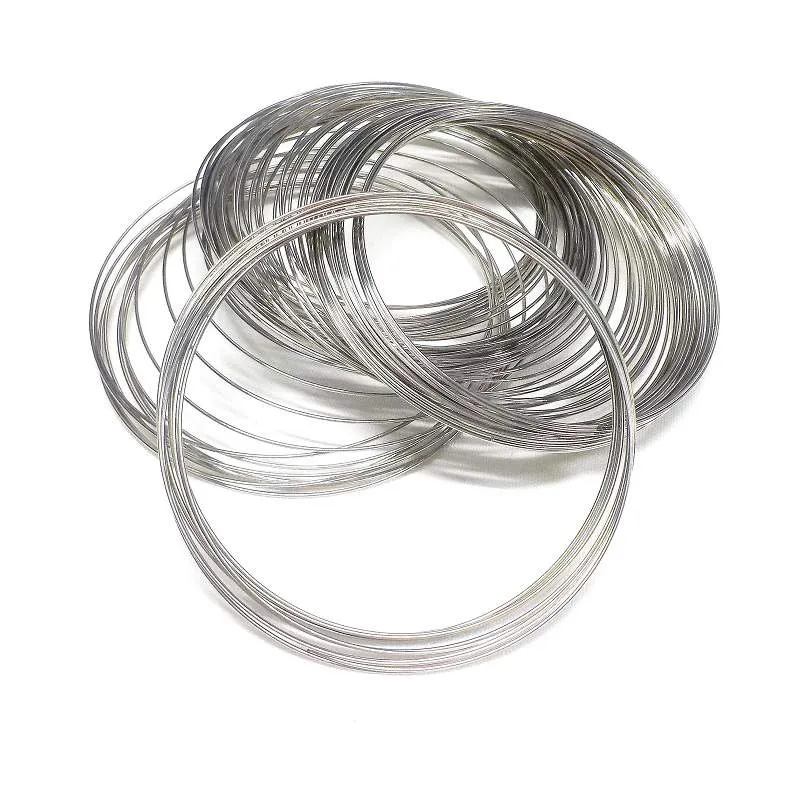
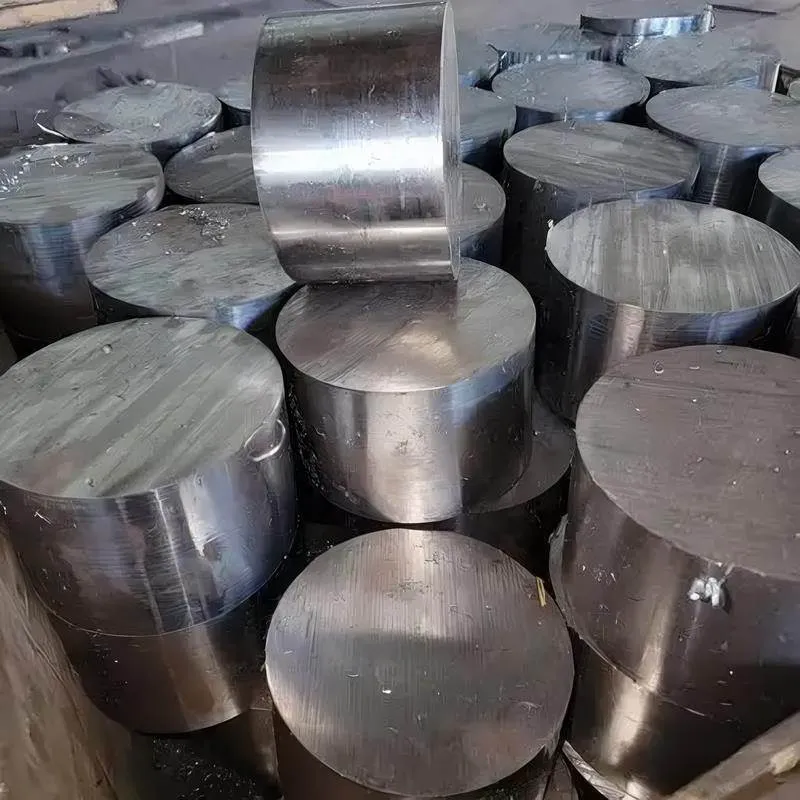
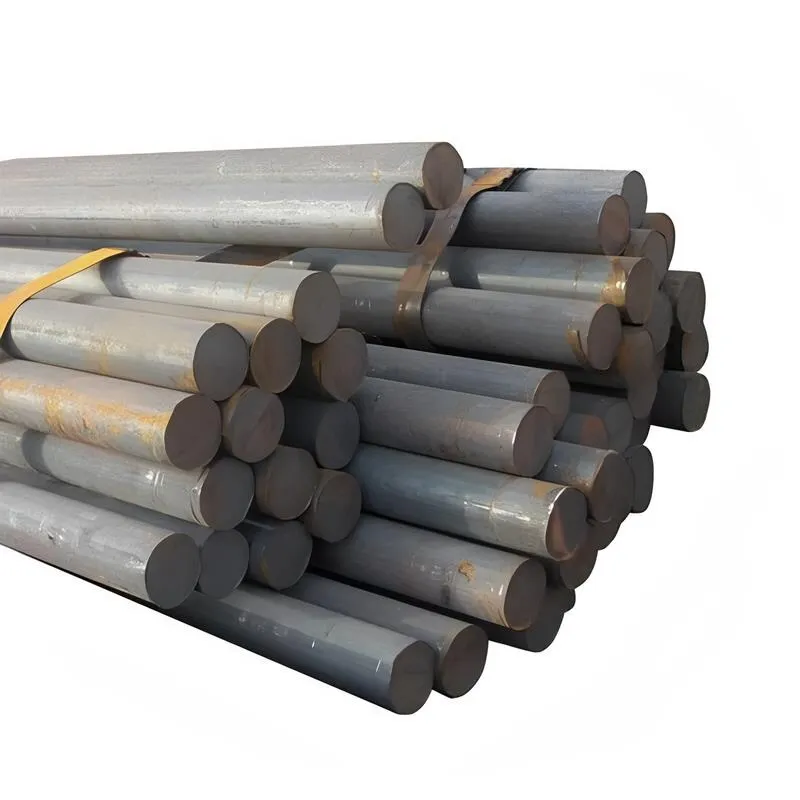
Meehanite,Almanite® WSH Wear and Abrasion Resisting Cast Iron Wire
Product Code : STI-IFe-154-CU
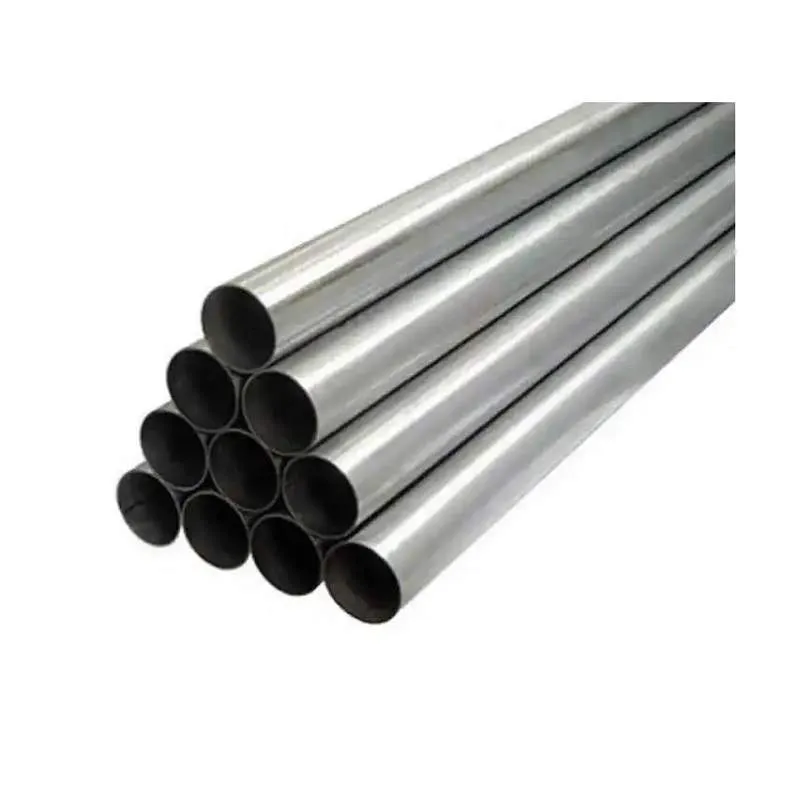
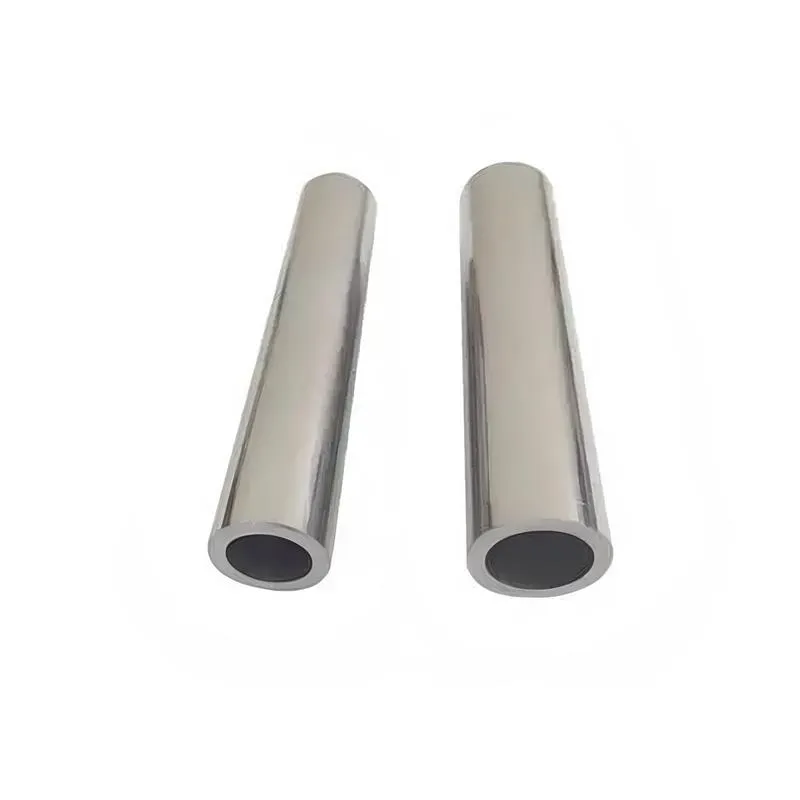
We provide Meehanite Almanite® WSH Wear and Abrasion Resisting Cast Iron Wire is available in Bar (Round bar, Flat bar), Ribbon, Wire, Rods, Tube,Seamless Tube,Pipe, Ingots, Plate, Sheet, Strip and Forging Stock.,Purity, chemical composition, size, etc. can all be customized to meet specific requirements.
Please contact us if you need customized services. We will contact you with the price and availability in 24 hours.
Meehanite Almanite® WSH Wear and Abrasion Resisting Cast Iron Wire Product Information
-:-
For detailed product information, please contact sales.
-:
Meehanite Almanite® WSH Wear and Abrasion Resisting Cast Iron Wire Synonyms
-:-
For detailed product information, please contact sales.
-:
Meehanite Almanite® WSH Wear and Abrasion Resisting Cast Iron Product Information
-:-
For detailed product information, please contact sales.
-:
# **Meehanite® Almanite® WSH Wear and Abrasion Resisting Cast Iron**
## **Product Overview**
**Meehanite Almanite® WSH** is a premium **hybrid high-chromium-nickel white cast iron** manufactured under the stringent **Meehanite quality control system**, engineered specifically for applications requiring **exceptional combined resistance to severe abrasion, moderate impact, and elevated temperature environments**. The "WSH" designation signifies **White Special Hybrid** grade, representing an advanced alloy system that bridges the performance gap between conventional white irons and more expensive high-alloy materials.
This innovative material combines the superior abrasion resistance of high-chrome white irons with enhanced toughness and thermal stability through strategic nickel alloying and microstructure control. Almanite® WSH is specifically designed for applications where multiple wear mechanisms operate simultaneously and where service conditions are too demanding for standard white irons but don't justify the cost of exotic alloys.
---
## **1. International Standards & Specifications**
| **Standard System** | **Designation** | **Equivalent/Reference** | **Key Characteristics** |
|---------------------|-----------------|--------------------------|------------------------|
| **Meehanite System** | **Almanite® WSH** | Proprietary classification | Hybrid chromium-nickel white cast iron |
| **ASTM International** | **Beyond A532 Standard Classes** | Custom specification | Unique Cr-Ni-Mo alloy system |
| **ISO Standard** | **ISO 21988 Special Composition** | Non-standard chemistry | Proprietary hybrid formulation |
| **Common Names** | Chromium-Nickel White Iron, Hybrid White Iron, Multi-Mechanism Wear Iron | Industry terminology | Almanite® is a registered Meehanite trademark |
| **Technical Classification** | Transitional alloy between white irons and high-alloy materials | Performance bridging | Combines white iron and alloy steel characteristics |
**Note:** Almanite® WSH represents an advanced, non-standard composition specifically developed for applications where conventional wear material classifications are inadequate. Its properties bridge multiple material categories through innovative alloy design.
---
## **2. Chemical Composition**
Almanite® WSH employs a sophisticated hybrid chemistry that balances multiple alloying elements for optimal multi-mechanism performance.
| **Element** | **Typical Range (% wt.)** | **Metallurgical Function** | **Hybrid Performance Contribution** |
|-------------|---------------------------|---------------------------|-------------------------------------|
| **Carbon (C)** | **2.2 - 2.8** | Carbide former | Moderate carbon for balanced carbide-matrix ratio |
| **Chromium (Cr)** | **18.0 - 24.0** | **Primary carbide former** | Forms M₇C₃ carbides for abrasion resistance |
| **Nickel (Ni)** | **3.0 - 5.0** | **Matrix toughener and stabilizer** | Enhances toughness, improves impact resistance |
| **Molybdenum (Mo)** | **1.5 - 2.5** | **Matrix strengthener** | Solid solution strengthening, carbide formation |
| **Manganese (Mn)** | 0.8 - 1.5 | Austenite stabilizer | Controls transformation characteristics |
| **Silicon (Si)** | 0.5 - 1.2 | Deoxidizer, moderate strengthener | Balance between fluidity and graphitization |
| **Vanadium (V)** | **0.3 - 0.6** | **Carbide refiner** | Forms fine secondary carbides, grain refinement |
| **Copper (Cu)** | 0.5 - 1.5 | Corrosion enhancer | Improves corrosion resistance in certain media |
| **Niobium (Nb)** | 0.1 - 0.3 (Optional) | Microstructure refiner | Additional grain boundary strengthening |
| **Boron (B)** | 0.002 - 0.005 (Trace) | Hardenability enhancer | Maximizes through-section properties |
| **Phosphorus (P)** | ≤ 0.04 (max) | Impurity control | Minimized to prevent embrittlement |
| **Sulfur (S)** | ≤ 0.04 (max) | Impurity control | Minimized for casting quality |
**Microstructural Characteristics (Meehanite Controlled):**
- **Primary Carbides:** **M₇C₃ chromium carbides**, 20-28% volume fraction
- **Secondary Carbides:** Complex carbides (Mo, V, Nb) dispersed in matrix
- **Carbide Morphology:** Refined, blocky primary carbides with optimized aspect ratio
- **Matrix Structure:** **Tempered martensite/bainite with nickel stabilization**
- **Retained Austenite:** 15-25% (controlled for transformation toughening)
- **Grain Structure:** Ultra-fine prior austenite grains (ASTM 8-10)
- **Phase Distribution:** Optimized carbide spacing for crack arrest capability
- **Unique Feature:** Hybrid microstructure combining hard carbide network with tough, stabilized matrix capable of TRIP (Transformation Induced Plasticity) effects
---
## **3. Mechanical Properties**
### **Primary Mechanical Properties (Heat-Treated Condition):**
- **Hardness:** 550 - 700 HB (52 - 60 HRC)
- **Impact Resistance:** 15 - 35 J (11 - 26 ft-lb) Charpy
- **Compressive Strength:** 2,400 - 3,200 MPa (348 - 464 ksi)
- **Transverse Strength:** 800 - 1,100 MPa (116 - 160 ksi)
### **Detailed Property Profile:**
| **Property** | **Minimum** | **Typical** | **Maximum** | **Test Standard** |
|--------------|-------------|-------------|-------------|-------------------|
| **Macrohardness** | 550 HB | 600-650 HB | 700 HB | ASTM E10 |
| **Impact Energy (Charpy V-notch)** | 15 J (11 ft-lb) | 20-25 J (15-18 ft-lb) | 35 J (26 ft-lb) | ASTM E23 |
| **Compressive Strength** | 2,400 MPa (348 ksi) | 2,800 MPa (406 ksi) | 3,200 MPa (464 ksi) | ASTM E9 |
| **Transverse Rupture Strength** | 800 MPa (116 ksi) | 900-950 MPa (131-138 ksi) | 1,100 MPa (160 ksi) | Three-point bending |
| **Young's Modulus** | 200 GPa (29 × 10⁶ psi) | 210-220 GPa | 230 GPa | |
| **Fracture Toughness (K₁C)** | 25 MPa√m | 28-35 MPa√m | 40 MPa√m | ASTM E399 |
| **Fatigue Strength** | 300 MPa (44 ksi) | 350-400 MPa (51-58 ksi) | 450 MPa (65 ksi) | Rotating bending, 10⁷ cycles |
| **Wear Coefficient (Pin-on-Disc)** | 2-4 × 10⁻⁵ | 3-5 × 10⁻⁵ | 6 × 10⁻⁵ | ASTM G99 |
### **Temperature-Dependent Properties:**
| **Temperature** | **Hardness Retention** | **Impact Energy** | **Special Characteristic** |
|-----------------|------------------------|-------------------|---------------------------|
| **Room Temperature** | 100% (600-650 HB) | 20-25 J | Baseline performance |
| **200°C (390°F)** | 90-95% | 22-28 J | Secondary hardening possible |
| **400°C (750°F)** | 75-85% | 25-32 J | Good thermal stability |
| **600°C (1110°F)** | 50-65% | 28-35 J | Austenite transformation effects |
| **Thermal Cycling** | Excellent retention | Improved after cycling | Transformation toughening |
### **Multi-Mechanism Wear Performance:**
| **Wear Mechanism** | **Relative Performance** | **Advantage over Conventional White Irons** |
|-------------------|-------------------------|--------------------------------------------|
| **High-Stress Abrasion** | Excellent (4.5/5) | 90-95% of W2 performance |
| **Low-Stress Abrasion** | Very Good (4/5) | 80-85% of W2 performance |
| **Impact-Abrasion** | Outstanding (5/5) | 3-5× better than W2 |
| **Erosion (30° angle)** | Excellent (4.5/5) | 2-3× better than W2 |
| **Erosion (90° angle)** | Very Good (4/5) | 3-4× better than W2 |
| **Adhesive Wear** | Good (3/5) | Similar to alloy steels |
| **Thermal Fatigue Wear** | Excellent (4.5/5) | 5-8× better than conventional white irons |
---
## **4. Physical Properties**
| **Property** | **Value** | **Engineering Significance** |
|--------------|-----------|-----------------------------|
| **Density** | 7.4 - 7.6 g/cm³ (0.267-0.275 lb/in³) | Intermediate between steels and high-chrome irons |
| **Thermal Conductivity** | 22 - 26 W/m·K (13-15 Btu/(ft·hr·°F)) | Better than high-chrome irons |
| **Coefficient of Thermal Expansion** | 11.0 - 12.0 × 10⁻⁶/°C (6.1-6.7 × 10⁻⁶/°F) | Similar to low-alloy steels |
| **Specific Heat** | 480 - 520 J/kg·K (0.115-0.124 Btu/(lb·°F)) | Standard for high-alloy irons |
| **Thermal Diffusivity** | 6.0 - 7.0 mm²/s | Good thermal shock resistance |
| **Electrical Resistivity** | 70 - 90 μΩ·cm | Intermediate value |
| **Magnetic Properties** | Ferromagnetic | Standard behavior |
### **Advanced Physical Characteristics:**
- **Maximum Continuous Service:** 500°C (930°F)
- **Oxidation Resistance:** Good to 700°C (1290°F)
- **Thermal Shock Resistance:** Very Good (100+ cycles 20-500°C)
- **Thermal Fatigue Resistance:** Excellent (TRIP effect beneficial)
- **Specific Stiffness:** Good (E/ρ ≈ 28-30 GPa·cm³/g)
---
## **5. Manufacturing & Processing Characteristics**
### **Casting Characteristics:**
- **Fluidity:** Good (nickel improves fluidity)
- **Shrinkage:** Moderate (requires standard risering)
- **Hot Tearing Tendency:** Low (nickel reduces hot shortness)
- **Segregation Tendency:** Low (balanced alloy system)
- **Machinability:** **Fair to Good** (30-40% of free-cutting steel)
### **Machining Considerations:**
| **Operation** | **Feasibility** | **Tool Requirements** | **Advantages over Conventional White Irons** |
|--------------|-----------------|-----------------------|---------------------------------------------|
| **Turning** | Good in annealed state | Carbide tools adequate | Can be machined to final dimensions |
| **Drilling** | Possible | Carbide-tipped drills | Drillable with proper technique |
| **Milling** | Limited but possible | Premium carbide end mills | Some milling operations feasible |
| **Grinding** | Excellent | Standard abrasive wheels | Grinds easily compared to high-chrome irons |
| **EDM/Wire Cutting** | Excellent | Standard parameters | Ideal for complex shapes |
### **Advanced Heat Treatment Capabilities:**
Almanite® WSH offers sophisticated heat treatment possibilities:
1. **Standard Hardening:** 1000-1050°C (1830-1920°F) → Air/Oil quench → Temper 250-350°C
2. **Aus-Tempering:** Austenitize → Quench to 250-400°C → Hold → Temper (for maximum toughness)
3. **Double Aging:** Solution treat → Age 500-600°C → Re-age for property optimization
4. **Thermomechanical Processing:** Optional for specialized applications
5. **Surface Treatments:** Can be combined with nitriding, carburizing for hybrid properties
### **Unique Processing Advantages:**
- **Weld repairable** with proper procedure and consumables
- **Can be machined** in heat-treated condition if necessary
- **More forgiving** casting parameters reduce scrap rates
- **Adaptable heat treatment** for property optimization
- **Surface modifiable** for specific wear conditions
---
## **6. Quality Assurance (Meehanite System)**
### **Advanced Controls for Almanite® WSH:**
1. **Precision Alloy Balance:** Critical Cr-Ni-Mo ratio control
2. **Microstructural Engineering:** Controlled phase distribution
3. **Transformation Control:** Austenite-martensite balance management
4. **Performance Certification:** Multi-mechanism wear testing
### **Comprehensive Testing Protocol:**
- **Multi-Axis Mechanical Testing:** Combined stress state evaluation
- **Advanced Microstructural Analysis:** Phase quantification, carbide characterization
- **Wear Mechanism Mapping:** Specific wear condition simulation
- **Thermal-Mechanical Testing:** Combined temperature and mechanical stress
- **Fractography Analysis:** Failure mechanism identification
- **Service Simulation:** Real-world condition replication
---
## **7. Industrial Applications**
### **Multi-Mechanism Wear Applications:**
| **Application Sector** | **Specific Components** | **Wear Mechanisms Present** | **Why Almanite® WSH?** |
|-----------------------|-------------------------|-----------------------------|-------------------------|
| **Mining - Complex Ore** | SAG mill liners, crusher mantles, gyratory components | Impact + Abrasion + Some corrosion | Balanced resistance to all mechanisms |
| **Oil Sands Processing** | Crusher rolls, conveyor components, pump parts | Severe abrasion + Corrosion + Moderate impact | Unique combination of properties |
| **Steel - Hot Abrasion** | Roll guides, furnace skids, transfer components | High temperature + Abrasion + Thermal cycling | Thermal stability with wear resistance |
| **Recycling/Shredding** | Shredder tips, hammers, anvils | Severe impact + Abrasion + Fatigue | Outstanding impact-abrasion performance |
| **Power - Combined Wear** | FGD system components, coal handling parts | Corrosion + Erosion + Abrasion | Triple mechanism resistance |
| **Heavy Construction** | Excavator teeth, bulldozer edges, ripper tips | Impact + Abrasion + Bending stresses | Toughness with wear resistance |
### **Specific Application Examples:**
**SAG Mill Liners (Complex Ores):**
- **Requirements:** Impact from grinding media + Ore abrasion + Some corrosion
- **Almanite® WSH Advantages:** 1.5-2× life of high-chrome iron in impact conditions
- **Economic Impact:** Reduced liner changes increase mill availability
- **Typical Application:** Ores with variable hardness and abrasive minerals
**Oil Sands Crusher Rolls:**
- **Requirements:** Extreme abrasion from sand + Corrosion from process water + Impact from lumps
- **Almanite® WSH Advantages:** Only material that addresses all three mechanisms effectively
- **Performance:** 2-3× life of conventional materials in this service
- **Operational Benefit:** Reduced maintenance in harsh environment
**Shredder Hammers (Metal Recycling):**
- **Requirements:** Severe impact from metal pieces + Abrasion from contaminants + Fatigue loading
- **Almanite® WSH Advantages:** Withstands impact without brittle fracture, good fatigue life
- **Safety Benefit:** Reduced risk of catastrophic failure
- **Economic:** Lower cost per ton processed than premium steels
---
## **8. Comparative Performance**
### **Hybrid Performance Matrix:**
| **Material Comparison** | **Abrasion Resistance** | **Impact Resistance** | **Temperature Stability** | **Corrosion Resistance** | **Total Value Index** |
|-------------------------|-------------------------|-----------------------|---------------------------|--------------------------|----------------------|
| **Almanite® WSH** | **Very Good (4/5)** | **Very Good (4/5)** | **Good (3/5)** | **Good (3/5)** | **Excellent (4.5/5)** |
| **High-Chrome White Iron (W2)** | Excellent (5/5) | Fair (2/5) | Fair (2/5) | Fair (2/5) | Good (3/5) |
| **Hadfield Manganese Steel** | Fair (2/5) | Excellent (5/5) | Poor (1/5) | Poor (1/5) | Fair (2/5) |
| **Low-Alloy Martensitic Steel** | Good (3/5) | Very Good (4/5) | Good (3/5) | Poor (1/5) | Good (3/5) |
| **High-Nickel Alloy** | Fair (2/5) | Good (3/5) | Excellent (5/5) | Excellent (5/5) | Very Good (4/5) |
| **Ceramic-Metal Composite** | Excellent (5/5) | Poor (1/5) | Excellent (5/5) | Excellent (5/5) | Good (3/5) |
### **Economic Analysis for Multi-Mechanism Applications:**
| **Cost-Performance Factor** | **WSH vs. High-Chrome Iron** | **WSH vs. Premium Steel** | **WSH vs. Multiple Material Solution** |
|-----------------------------|------------------------------|---------------------------|---------------------------------------|
| **Material Cost** | 1.5-2.0× higher | 1.2-1.5× higher | 0.7-0.9× total cost |
| **Service Life** | 1.5-3.0× longer in impact conditions | 2.0-4.0× longer in abrasive conditions | Comparable to best component |
| **Installation Cost** | Similar | Similar | Significantly lower |
| **System Complexity** | Lower | Similar | Much lower |
| **Inventory Management** | Simpler | Similar | Much simpler |
| **Total Operating Cost** | **20-40% lower** | **30-50% lower** | **40-60% lower** |
---
## **9. Design Guidelines**
### **Optimal Design Philosophy:**
Almanite® WSH enables **performance-optimized designs** rather than compromise designs:
- **Design for the actual service conditions**, not simplified assumptions
- **Utilize the full property spectrum** of the hybrid material
- **Consider multi-axial stress states** in component design
- **Exploit the material's adaptability** to complex loading conditions
### **Advanced Design Parameters:**
- **Minimum Section:** 12 mm (0.5 in) for sound castings
- **Maximum Sound Section:** 150 mm (6 in) without property degradation
- **Fillet Optimization:** Minimum 8 mm (0.3 in) with generous transition zones
- **Stress Concentration Management:** Can tolerate moderate stress risers
- **Mixed Loading Design:** Components can be designed for combined stress states
### **Design Innovations Enabled by WSH:**
1. **Integrated Components:** Combine multiple functions in single castings
2. **Optimized Section Transitions:** Gradual changes for stress distribution
3. **Hybrid Loading Designs:** Components that see different wear mechanisms in different areas
4. **Repairable Designs:** Components designed for in-service repair
5. **Adaptive Designs:** Components that improve with service (work hardening, transformation)
### **Design Limitations:**
- **Not for pure abrasion** applications (use W2 or W4 instead)
- **Not for pure impact** applications (use manganese steel instead)
- **Not for extreme temperatures** (>500°C continuous)
- **Not for pure corrosion** applications (use stainless or nickel alloys)
- **Optimal in the "sweet spot"** of combined wear mechanisms
---
## **10. Economic & Strategic Considerations**
### **Strategic Material Positioning:**
Almanite® WSH occupies a **unique strategic position** in the materials selection matrix:
- **Bridges the gap** between traditional material categories
- **Eliminates compromises** in multi-mechanism applications
- **Reduces system complexity** by replacing multiple materials
- **Improves reliability** through balanced property profile
- **Enables innovation** in component design and application
### **Total Cost of Ownership Advantages:**
1. **Reduced Downtime:** Longer service intervals increase availability
2. **Lower Maintenance:** Fewer replacements and repairs
3. **Improved Safety:** More predictable failure modes
4. **Simplified Inventory:** One material for multiple conditions
5. **Enhanced Performance:** Better overall equipment effectiveness
### **Implementation Strategy:**
1. **Application Analysis:** Thorough evaluation of all wear mechanisms
2. **Prototype Testing:** Validation under simulated service conditions
3. **Phased Implementation:** Gradual introduction in critical applications
4. **Performance Monitoring:** Continuous improvement through feedback
5. **Knowledge Development:** Building application expertise over time
---
## **Technical Summary**
**Meehanite Almanite® WSH Wear and Abrasion Resisting Cast Iron** represents a **paradigm shift** in wear material technology:
### **Revolutionary Performance Concept:**
1. **Balanced Property Profile:** Exceptional combination of hardness, toughness, and stability
2. **Multi-Mechanism Resistance:** Effective against abrasion, impact, and environmental factors
3. **Adaptive Performance:** Properties that can be optimized for specific applications
4. **Manufacturing Flexibility:** Processable using conventional and advanced methods
5. **Application Versatility:** Suitable for the most challenging industrial conditions
### **Strategic Application Philosophy:**
**Choose Almanite® WSH when:**
- Multiple wear mechanisms operate simultaneously
- Traditional material categories provide incomplete solutions
- Component failure results from combined stresses
- System reliability is more important than minimal material cost
- Innovation in design or application is desired
**Use traditional materials when:**
- A single wear mechanism dominates completely
- Cost minimization is the primary objective
- Service conditions are well within material capabilities
- Existing solutions are satisfactory and proven
### **Value Proposition Framework:**
- **Technical Value:** Superior performance in complex conditions
- **Economic Value:** Lower total cost despite higher initial cost
- **Strategic Value:** Enables equipment and process improvements
- **Innovation Value:** Opens new possibilities in design and application
- **Risk Management Value:** More predictable and manageable failure modes
---
**Meehanite® and Almanite® are registered trademarks of Meehanite Technology International.** The WSH grade represents a fundamental advance in wear material philosophy, moving beyond traditional material categories to provide engineered solutions for real-world industrial challenges. For applications where wear doesn't fit neatly into conventional classifications, and where performance, reliability, and total cost of ownership matter more than simple material specifications, Almanite® WSH offers a transformative approach backed by the most rigorous quality controls and application engineering support in the industry.
-:-
For detailed product information, please contact sales.
-:
Meehanite Almanite® WSH Wear and Abrasion Resisting Cast Iron Specification
Dimensions
Size:
Diameter 20-1000 mm Length <6630 mm
Size:We can customized as required
Standard:
Per your request or drawing
We can customized as required
Properties(Theoretical)
Chemical Composition
-:-
For detailed product information, please contact sales.
-:
Meehanite Almanite® WSH Wear and Abrasion Resisting Cast Iron Properties
-:-
For detailed product information, please contact sales.
-:
Applications of Meehanite Almanite® WSH Wear and Abrasion Resisting Cast Iron Wire
-:-
For detailed product information, please contact sales.
-:
Chemical Identifiers Meehanite Almanite® WSH Wear and Abrasion Resisting Cast Iron Wire
-:-
For detailed product information, please contact sales.
-:
Packing of Meehanite Almanite® WSH Wear and Abrasion Resisting Cast Iron Wire
-:-
For detailed product information, please contact sales.
-:
Standard Packing:
-:-
For detailed product information, please contact sales.
-:
Typical bulk packaging includes palletized plastic 5 gallon/25 kg. pails, fiber and Steel Wire drums to 1 ton super sacks in full container (FCL) or truck load (T/L) quantities. Research and sample quantities and hygroscopic, oxidizing or other air sensitive materials may be packaged under argon or vacuum. Solutions are packaged in polypropylene, plastic or glass jars up to palletized 3101 gallon liquid totes Special package is available on request. E FORUs’ is carefully handled to minimize damage during storage and transportation and to preserve the quality of our products in their original condition