13Cr-4.5Mo-0.75Ti-6Al-2.3(Nb+Ta)-Zr-B NICKEL BASED SUPERALLOY CASTINGS FOR GAS TURBINE BLADES
Product Code : STI-GSTI-365-CU
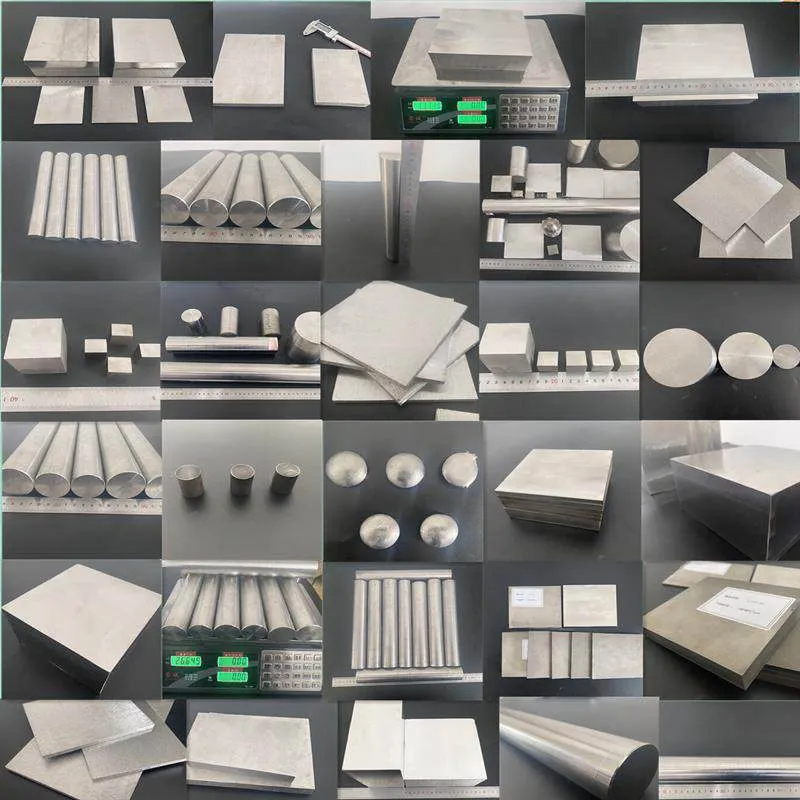
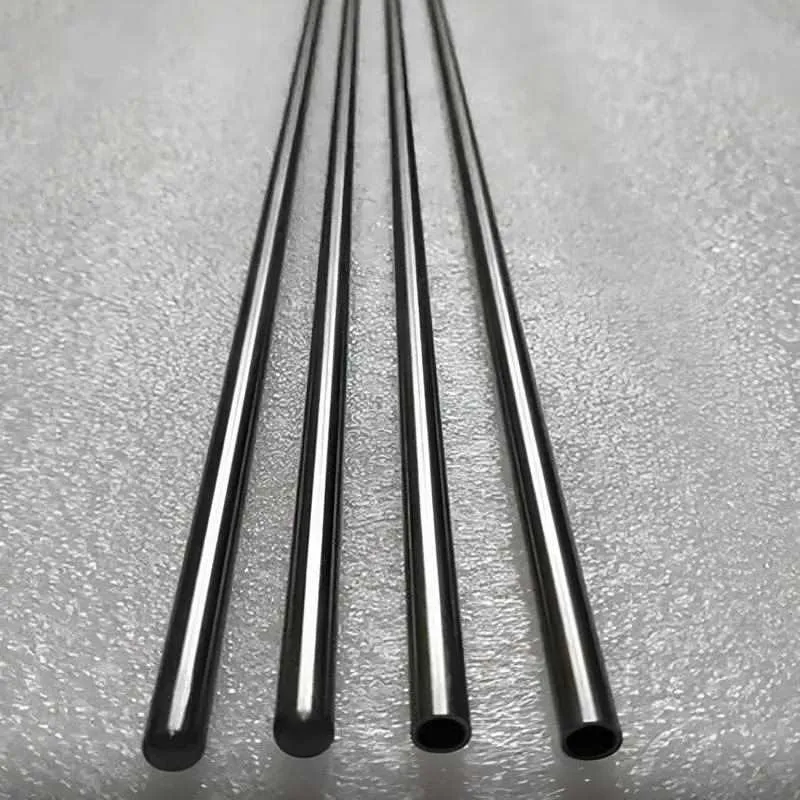
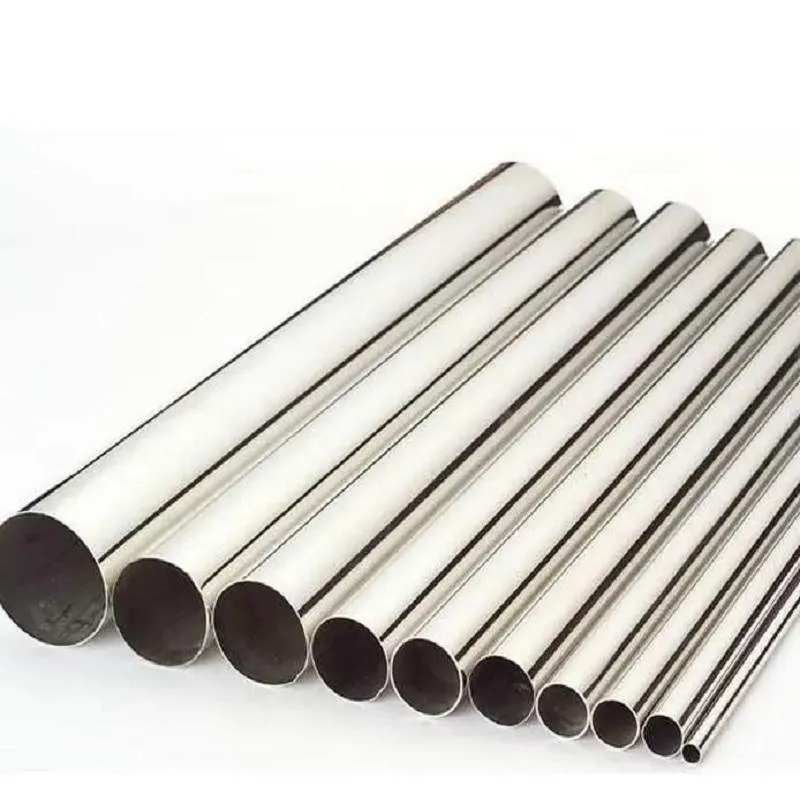
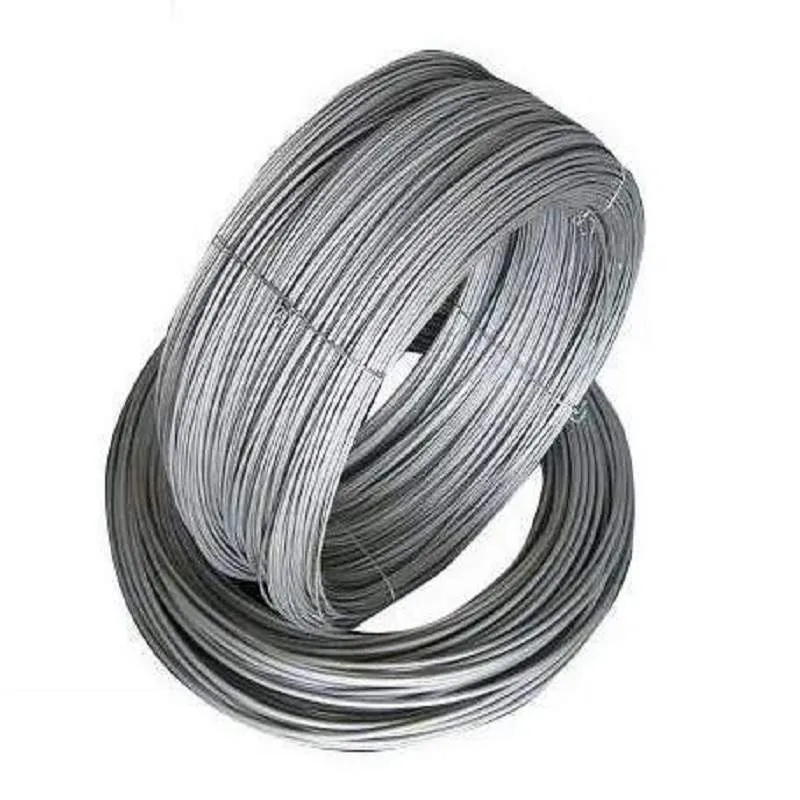
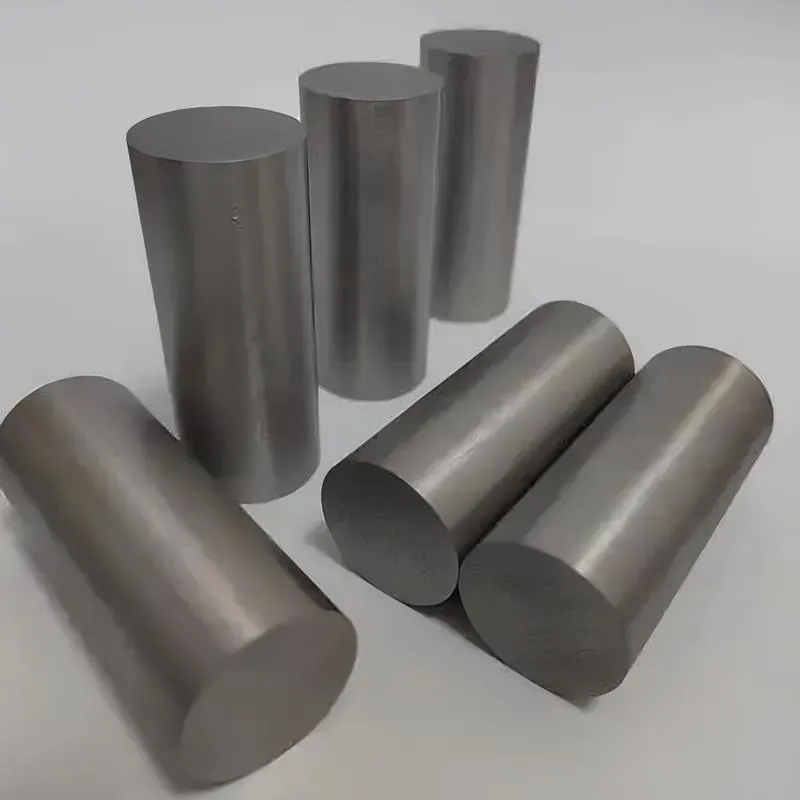
We provide 13Cr-4.5Mo-0.75Ti-6Al-2.3(Nb+Ta)-Zr-B NICKEL BASED SUPERALLOY CASTINGS FOR GAS TURBINE BLADES is available in Bar (Round bar, Flat bar), Ribbon, Wire, Rods, Tube,Seamless Tube,Pipe, Ingots, Plate, Sheet, Strip and Forging Stock.,Purity, chemical composition, size, etc. can all be customized to meet specific requirements.
Please contact us if you need customized services. We will contact you with the price and availability in 24 hours.
13Cr-4.5Mo-0.75Ti-6Al-2.3(Nb+Ta)-Zr-B NICKEL BASED SUPERALLOY CASTINGS FOR GAS TURBINE BLADES Product Information
-:-
For detailed product information, please contact sales.
-:
13Cr-4.5Mo-0.75Ti-6Al-2.3(Nb+Ta)-Zr-B NICKEL BASED SUPERALLOY CASTINGS FOR GAS TURBINE BLADES Synonyms
-:-
For detailed product information, please contact sales.
-:
13Cr-4.5Mo-0.75Ti-6Al-2.3(Nb+Ta)-Zr-B NICKEL BASED SUPERALLOY CASTINGS FOR GAS TURBINE BLADES Product Information
-:-
For detailed product information, please contact sales.
-:
# **Product Introduction: Nickel-Based Superalloy Castings for Advanced Gas Turbine Blades**
## **1. Overview**
**13Cr-4.5Mo-0.75Ti-6Al-2.3(Nb+Ta)-Zr-B Nickel-Based Superalloy Castings** represent a sophisticated **γ' precipitation-strengthened, cast nickel superalloy** specifically engineered for **single-crystal (SC) or directionally solidified (DS) turbine blades** in the most demanding aerospace and industrial gas turbine applications. This alloy composition exhibits an exceptional balance of **high-temperature creep strength, oxidation resistance, microstructural stability, and castability**, optimized for operating temperatures approaching **1100°C (2012°F)** in the hot sections of advanced turbine engines. The strategic combination of high aluminum and titanium content provides powerful γ'-Ni₃(Al,Ti) precipitation hardening, while refractory elements (Mo, Nb, Ta) contribute solid-solution strengthening and carbide formation. This alloy is produced via specialized investment casting techniques to achieve the controlled grain structures essential for modern high-efficiency turbine components.
## **2. International Standards & Specifications**
This advanced cast superalloy is typically governed by specialized aerospace material specifications rather than general commercial standards.
* **Primary Aerospace Standards:**
* **AMS 5391 / AMS 5392:** Aerospace Material Specifications for nickel alloy castings, turbine blades and vanes (though specific grades are often proprietary).
* **GE Aviation / Pratt & Whitney / Rolls-Royce Specifications:** Primarily defined by original equipment manufacturer (OEM) proprietary material specifications (e.g., PWA 1480/1484, Rene N5/N6, CMSX-4/10 series). The described composition is highly characteristic of **3rd or 4th generation single-crystal superalloys**.
* **International Equivalents & Related Alloys:**
* **Russian Equivalent:** **ЖС32 (ZhS32)** or similar high-generation Ni-based casting alloys.
* **European Designation:** May correspond to grades within **EN 10095** or proprietary specifications from Safran (e.g., MCNG type alloys).
* **Japanese Equivalent:** **JIS H4655** (Nickel alloy castings) or National Institute for Materials Science (NIMS) developed alloys like **TMS-138**.
* **Related Commercial Alloys:** Shares design philosophy with **CMSX-4®** (Ni-9.6Co-6.5Cr-6.4W-6.5Ta-5.6Al-3Re-1Ti-0.6Mo) and **Rene N5** (Ni-7.5Co-7Cr-6.5Ta-6.2Al-5W-3Re-1.5Mo-0.2Nb).
## **3. Chemical Composition (Weight %, Typical for this Class)**
| Element | Typical Range (%) | Role & Benefit |
| :--- | :--- | :--- |
| **Nickel (Ni)** | Balance (~62-68%) | Austenitic (γ) matrix former; provides inherent oxidation resistance and serves as solvent for alloying elements. |
| **Chromium (Cr)** | 12.5 – 13.5 | **Primary oxidation/hot-corrosion resistance.** Forms protective Cr₂O₃ scale; critical for sulfur-containing environments. |
| **Aluminum (Al)** | 5.8 – 6.2 | **Primary γ' former (Ni₃Al).** Major contributor to precipitation strengthening and oxidation resistance via Al₂O₃ scale formation. |
| **Molybdenum (Mo)** | 4.3 – 4.7 | **Powerful solid-solution strengthener.** Enhances high-temperature strength, reduces diffusivity, and improves creep resistance. |
| **Niobium (Nb)** | 1.8 – 2.2* | **γ' former and carbide stabilizer.** Partitions to γ' phase, increasing its lattice misfit and strengthening effect. Also forms MC carbides. |
| **Tantalum (Ta)** | 0.3 – 0.5* | **(Part of 2.3% Nb+Ta total)** **Critical refactory element.** Strong γ' former, significantly improves high-temperature strength and microstructural stability. Enhances oxidation resistance. |
| **Titanium (Ti)** | 0.70 – 0.80 | **γ' former (Ni₃Ti).** Synergizes with Al to increase γ' volume fraction and solvus temperature. |
| **Cobalt (Co)** | (May be present, ~5-10%) | Common addition to reduce γ' solvus temperature, improve castability, and enhance fatigue strength. |
| **Tungsten (W)** | (May be present, ~4-6%) | Typical solid-solution strengthener; often present in such alloys. |
| **Rhenium (Re)** | (May be present, ~3-6% in advanced gens.) | **Crucial for 2nd+ generation alloys.** Dramatically reduces creep rate by slowing diffusion and promoting γ/γ' lattice misfit. |
| **Zirconium (Zr)** | 0.03 – 0.08 | **Trace grain boundary strengthener.** Improves creep rupture life and ductility, especially in polycrystalline versions. |
| **Boron (B)** | 0.010 – 0.020 | **Trace grain boundary strengthener.** Segregates to grain boundaries, improving cohesion and creep resistance. |
| **Carbon (C)** | 0.01 – 0.03 | Forms primary MC carbides for grain boundary pinning in DS/SC processes. |
## **4. Typical Physical & Mechanical Properties (As Cast + Heat Treated)**
* **Processing & Heat Treatment:**
* **Casting:** Investment casting with **Directional Solidification (DS)** or **Single Crystal (SC)** solidification for optimal creep and fatigue properties.
* **Solution Treatment:** Complex multi-step high-temperature treatment (~1280-1320°C) to homogenize the casting and dissolve secondary phases.
* **Aging:** Multi-stage aging (e.g., 1100°C + 870°C) to precipitate a bimodal distribution of γ' for optimal strength.
* **Room Temperature Properties (Typical for SC version):**
* **Tensile Strength:** 1200 – 1400 MPa
* **Yield Strength (0.2% Offset):** 1000 – 1200 MPa
* **Elongation:** 8 – 15%
* **Hardness:** 38 – 44 HRC
* **High-Temperature Performance (1100°C / 2012°F):**
* **Stress Rupture Life (137 MPa / 20 ksi):** > 500 hours
* **Creep Strength (0.2% in 1000h):** > 120 MPa
* **Low-Cycle Fatigue Life (Δε=0.8%, 1100°C):** > 10,000 cycles
* **Physical Properties:**
* **Density:** 8.5 – 8.7 g/cm³
* **Melting Range:** 1320 – 1370°C
* **Modulus of Elasticity:** 210 GPa at 20°C; ~150 GPa at 1000°C
* **Thermal Conductivity:** 14 – 17 W/m·K (at 1000°C)
* **Coefficient of Thermal Expansion:** 13.5 – 14.5 × 10⁻⁶/°C (20–1000°C)
## **5. Product Application**
This alloy is exclusively designed for the most severe gas turbine environments:
* **Aerospace Gas Turbines:**
* **High-Pressure Turbine (HPT) Blades (1st & 2nd stage)** in commercial jet engines and military fighter engines.
* **HPT Vanes/Nozzle Guide Vanes** in the hottest sections.
* **Turbine Blisks (Integrally Bladed Disks)** for advanced engine designs.
* **Industrial & Power Generation Gas Turbines:**
* **First Stage Blades** in heavy-duty industrial turbines for power plants.
* **Aero-derivative turbine blades** for mechanical drive and power generation.
* **Marine & Naval Propulsion:**
* **Gas turbine blades** for naval ship propulsion systems.
## **6. Key Features & Advantages**
* **Extremely High γ' Volume Fraction:** ~65-75%, providing exceptional precipitation strengthening.
* **Superior Creep & Rupture Strength:** Capable of sustained operation under high stress at temperatures >1050°C, a key enabler for increased turbine inlet temperatures and efficiency.
* **Excellent Oxidation & Hot Corrosion Resistance:** Balanced Cr and Al content provides protection under harsh combustion environments.
* **Outstanding Microstructural Stability:** Resists topologically close-packed (TCP) phase formation (like σ, μ) during long-term exposure due to careful composition design.
* **Good Castability:** Designed for reliable production of complex, internally cooled blade geometries via investment casting.
* **Tailored for SC/DS Processing:** Chemistry optimized to minimize freckling, stray grain formation, and other defects during directional solidification.
## **7. Manufacturing & Processing Considerations**
* **Melting:** Requires **Vacuum Induction Melting (VIM)** for master alloy, often followed by **Electron Beam Cold Hearth Remelting (EBCHR)** or **Vacuum Arc Remelting (VAR)** for electrode preparation.
* **Casting:** **Directional Solidification (DS)** or **Single Crystal (SC)** investment casting in vacuum furnaces with precise thermal gradient control.
* **Heat Treatment:** Complex solution heat treatment near the solidus temperature, requiring precise control to avoid incipient melting.
* **Machining:** Extremely difficult in aged condition; most machining (including cooling hole drilling via EDM/laser) performed in solution-treated state.
* **Coatings:** Typically coated with **Thermal Barrier Coatings (TBCs)** and/or **MCrAlY bond coats** for maximum temperature capability.
**Summary:** The 13Cr-4.5Mo-0.75Ti-6Al-2.3(Nb+Ta)-Zr-B nickel-based superalloy represents the pinnacle of metallic materials technology for gas turbine hot-section components. Its sophisticated composition and single-crystal structure provide the unparalleled high-temperature capability required for next-generation turbine engines pursuing higher efficiency, greater thrust-to-weight ratios, and reduced emissions. This material exemplifies the synergy between advanced alloy design and precision manufacturing to overcome the limits of conventional materials.
-:-
For detailed product information, please contact sales.
-:
13Cr-4.5Mo-0.75Ti-6Al-2.3(Nb+Ta)-Zr-B NICKEL BASED SUPERALLOY CASTINGS FOR GAS TURBINE BLADES Specification
Dimensions
Size:
Diameter 20-1000 mm Length <7021 mm
Size:We can customized as required
Standard:
Per your request or drawing
We can customized as required
Properties(Theoretical)
Chemical Composition
-:-
For detailed product information, please contact sales.
-:
13Cr-4.5Mo-0.75Ti-6Al-2.3(Nb+Ta)-Zr-B NICKEL BASED SUPERALLOY CASTINGS FOR GAS TURBINE BLADES Properties
-:-
For detailed product information, please contact sales.
-:
Applications of 13Cr-4.5Mo-0.75Ti-6Al-2.3(Nb+Ta)-Zr-B NICKEL BASED SUPERALLOY CASTINGS FOR GAS TURBINE BLADES
-:-
For detailed product information, please contact sales.
-:
Chemical Identifiers 13Cr-4.5Mo-0.75Ti-6Al-2.3(Nb+Ta)-Zr-B NICKEL BASED SUPERALLOY CASTINGS FOR GAS TURBINE BLADES
-:-
For detailed product information, please contact sales.
-:
Packing of 13Cr-4.5Mo-0.75Ti-6Al-2.3(Nb+Ta)-Zr-B NICKEL BASED SUPERALLOY CASTINGS FOR GAS TURBINE BLADES
-:-
For detailed product information, please contact sales.
-:
Standard Packing:
-:-
For detailed product information, please contact sales.
-:
Typical bulk packaging includes palletized plastic 5 gallon/25 kg. pails, fiber and steel drums to 1 ton super sacks in full container (FCL) or truck load (T/L) quantities. Research and sample quantities and hygroscopic, oxidizing or other air sensitive materials may be packaged under argon or vacuum. Solutions are packaged in polypropylene, plastic or glass jars up to palletized 3492 gallon liquid totes Special package is available on request. E FORUs’ is carefully handled to minimize damage during storage and transportation and to preserve the quality of our products in their original condition