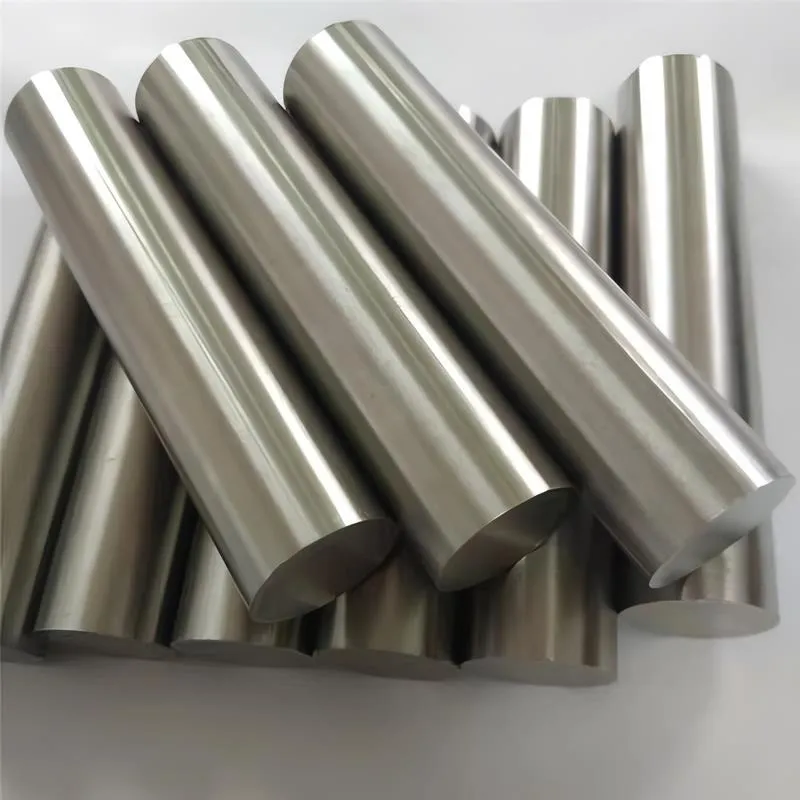
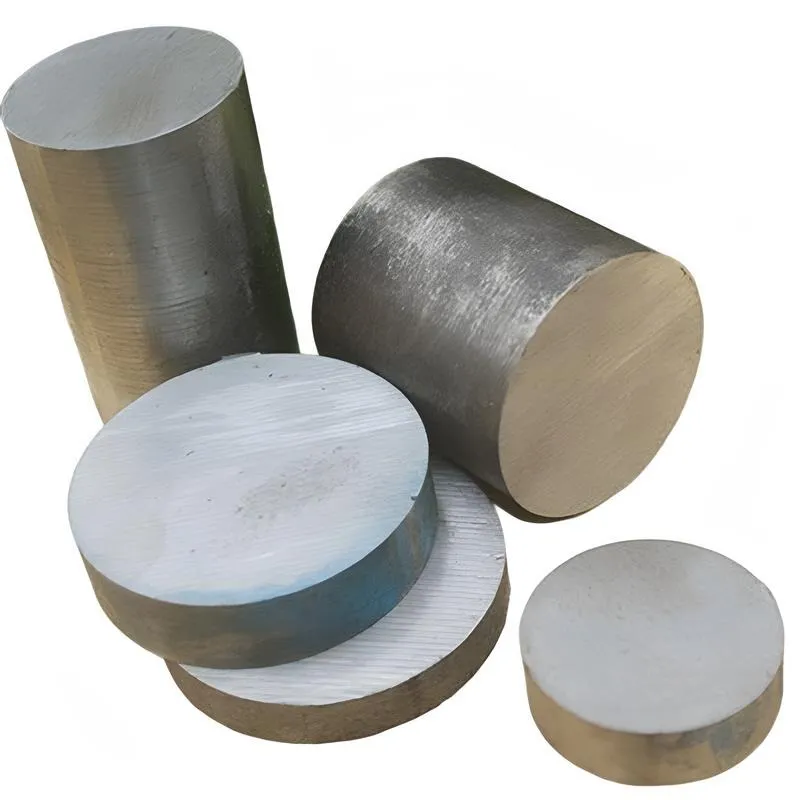
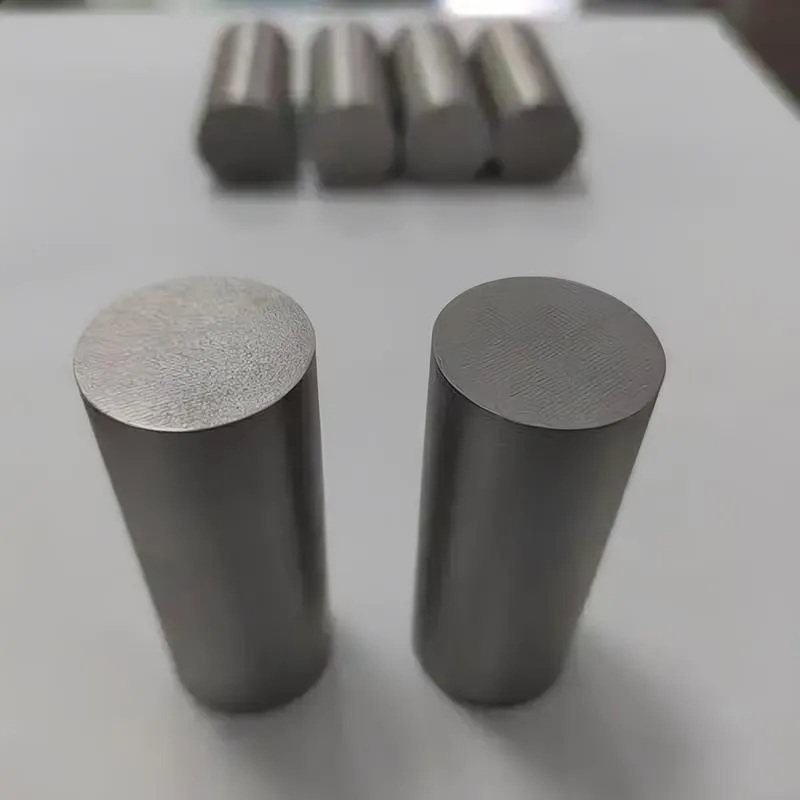
20Cr-20Ni-20Co-4W-4Mo-4(Nb+Ta) Iron Rod/Bar BASED SUPERALLOY BARS FOR GAS TURBINE BLADES
Product Code : STI-GSTI-364-CU
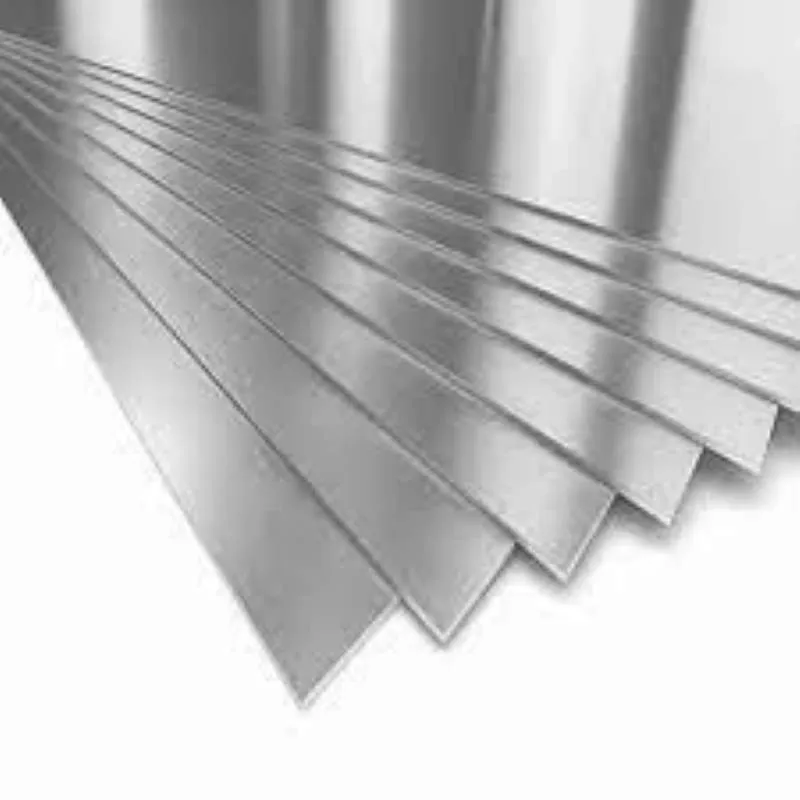
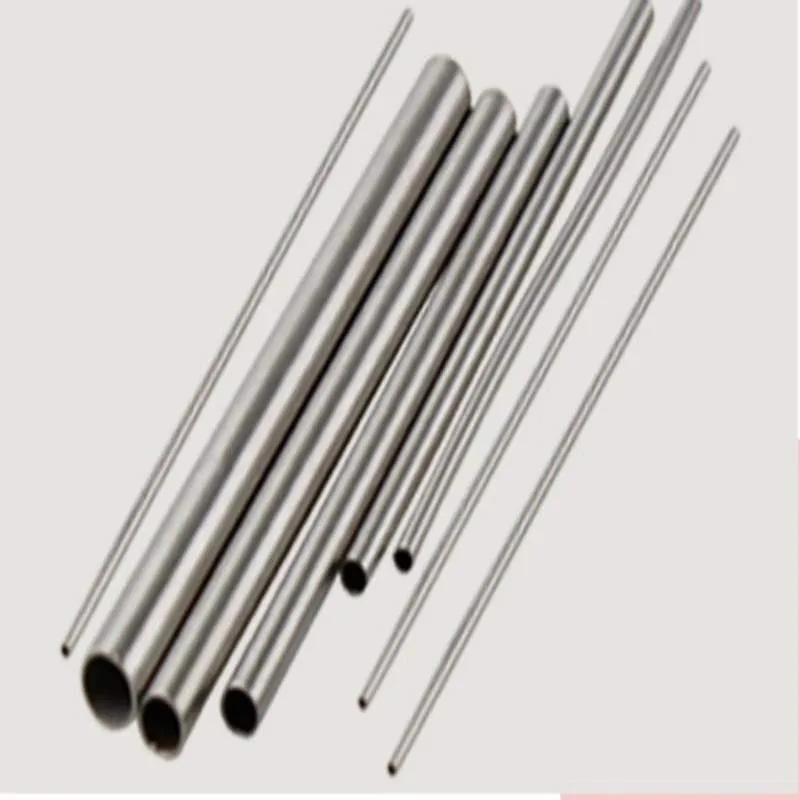
We provide 20Cr-20Ni-20Co-4W-4Mo-4(Nb+Ta) Iron Rod/Bar BASED SUPERALLOY BARS FOR GAS TURBINE BLADES is available in Bar (Round bar, Flat bar), Ribbon, Wire, Rod/Bars, Tube,Seamless Tube,Pipe, Ingots, Plate, Sheet, Strip and Forging Stock.,Purity, chemical composition, size, etc. can all be customized to meet specific requirements.
Please contact us if you need customized services. We will contact you with the price and availability in 24 hours.
20Cr-20Ni-20Co-4W-4Mo-4(Nb+Ta) Iron Rod BASED SUPERALLOY BARS FOR GAS TURBINE BLADES Product Information
-:-
For detailed product information, please contact sales.
-:
20Cr-20Ni-20Co-4W-4Mo-4(Nb+Ta) Iron Rod BASED SUPERALLOY BARS FOR GAS TURBINE BLADES Synonyms
-:-
For detailed product information, please contact sales.
-:
20Cr-20Ni-20Co-4W-4Mo-4(Nb+Ta) IRON BASED SUPERALLOY BARS FOR GAS TURBINE BLADES Product Information
-:-
For detailed product information, please contact sales.
-:
# **Product Introduction: Fe-20Cr-20Ni-20Co Superalloy Bars for High-Performance Gas Turbine Blades**
---
## **1. Overview**
**20Cr-20Ni-20Co-4W-4Mo-4(Nb+Ta) Iron-Based Superalloy** represents an advanced class of **precipitation-hardening, austenitic superalloys** specifically engineered for **high-stress, high-temperature rotating components** in modern gas turbines. This alloy system, characterized by its balanced triple-base composition (Fe-20Cr-20Ni-20Co) and multiple strengthening additions, delivers an exceptional combination of **creep resistance, fatigue strength, oxidation resistance, and microstructural stability** at operating temperatures up to **750-850°C (1382-1562°F)**. The strategic addition of tungsten, molybdenum, and niobium/tantalum creates a complex precipitation-strengthened matrix capable of withstanding the extreme centrifugal stresses and thermal cycling encountered in turbine blade service.
---
## **2. International Standards & Specifications**
This advanced alloy is typically covered under specialized aerospace and power generation material specifications rather than general commercial standards.
* **Primary Aerospace Standards:**
* **AMS 5737 / AMS 5738:** Aerospace Material Specifications for similar Fe-Ni-Co-Cr-W-Mo-Nb precipitation-hardenable superalloy bars and forgings (e.g., alloys like Pyromet 718 or custom derivatives).
* **Pratt & Whitney / GE / Rolls-Royce Material Specifications:** Often governed by original equipment manufacturer (OEM) proprietary specifications (e.g., PWA, Rene series derivatives, or custom grades like GE's GTD-xxx series).
* **International Equivalents & Related Alloys:**
* **Russian Equivalent:** **ЭП742 (EP742)** or similar Fe-Ni-Co-Cr based alloys for turbine blades.
* **European Designation:** May correspond to specialized grades within **EN 10095** (Heat resisting steels and alloys) or proprietary OEM specs.
* **Japanese Equivalent:** Possible correlation to **JIS G4902** (Heat-resisting superalloy bars) custom grades.
* **Related Commercial Alloys:** **A-286 (Fe-26Ni-15Cr)** is a simpler relative; this composition is significantly more advanced with Co, W, Mo, Nb additions.
---
## **3. Chemical Composition (Weight %, Typical for Target Performance)**
| Element | Typical Range (%) | Role & Benefit |
|---------|-------------------|----------------|
| **Iron (Fe)** | Balance (~28-32%) | Matrix base element providing structural foundation. |
| **Chromium (Cr)** | 19.0 – 21.0 | **Essential for oxidation & hot corrosion resistance.** Forms protective Cr₂O₃ scale. |
| **Nickel (Ni)** | 19.0 – 21.0 | **Primary austenite stabilizer.** Provides solid-solution strength, improves toughness, and enhances microstructural stability. |
| **Cobalt (Co)** | 19.0 – 21.0 | **Critical strengthening element.** Reduces stacking fault energy, enhances high-temperature strength, and improves creep resistance. |
| **Tungsten (W)** | 3.8 – 4.2 | **Powerful solid-solution strengthener.** Significantly increases high-temperature strength and creep resistance. |
| **Molybdenum (Mo)** | 3.8 – 4.2 | **Synergistic strengthener with W.** Enhances solid-solution and precipitation strengthening. |
| **Niobium (Nb)** | 3.5 – 4.2* | **Primary precipitation hardener.** Forms fine, coherent **γ''-Ni₃Nb** and stable carbides (NbC), providing exceptional strength up to ~700°C. |
| **Tantalum (Ta)** | 0.1 – 0.5* | **(Part of 4% Nb+Ta total)** Improves carbide stability and strengthens grain boundaries. |
| **Aluminum (Al)** | 0.5 – 1.0 | Forms **γ'-Ni₃Al** precipitates for additional precipitation strengthening at higher temperatures. |
| **Titanium (Ti)** | 2.0 – 3.0 | Works with Al to form **γ'**, and with C to form stable carbides. |
| **Carbon (C)** | 0.03 – 0.08 | Forms primary carbides (MC type) for grain boundary strengthening. |
| **Boron (B)** | 0.005 – 0.015 | **Trace grain boundary strengthener.** Improves creep rupture life and ductility. |
| **Zirconium (Zr)** | 0.03 – 0.08 | Enhances grain boundary cohesion and creep strength. |
---
## **4. Typical Physical & Mechanical Properties (Heat Treated Condition)**
* **Heat Treatment:** Complex multi-step process typically involving:
1. **Solution Treatment:** ~1100-1150°C, then rapid cool.
2. **Aging:** Multi-stage aging (e.g., 750-850°C range) to optimize γ' and γ'' precipitation.
* **Room Temperature Properties:**
* **Tensile Strength:** 1200 – 1400 MPa (174,000 – 203,000 psi)
* **Yield Strength (0.2% Offset):** 950 – 1150 MPa (138,000 – 167,000 psi)
* **Elongation:** 12 – 18%
* **Reduction of Area:** 15 – 25%
* **Hardness:** 36 – 42 HRC
* **Elevated Temperature Performance (760°C / 1400°F):**
* **Stress Rupture Life (310 MPa / 45 ksi):** > 100 hours
* **Creep Strength (0.2% in 1000h):** > 200 MPa (29,000 psi)
* **Fatigue Strength (10⁷ cycles):** 300 – 400 MPa (43,500 – 58,000 psi)
* **Physical Properties:**
* **Density:** 8.05 – 8.15 g/cm³
* **Melting Range:** 1350 – 1400°C
* **Modulus of Elasticity:** 205 GPa (29.7 × 10⁶ psi) at 20°C
* **Thermal Conductivity:** 13 – 15 W/m·K (at 600°C)
* **Coefficient of Thermal Expansion:** 14.5 – 15.5 × 10⁻⁶/°C (20–600°C)
---
## **5. Product Application**
This alloy is specifically designed for the most demanding gas turbine applications:
* **Aerospace Gas Turbines:**
* **High-Pressure Turbine Blades & Vanes** in military and commercial jet engines
* **Turbine Disks & Shafts** for high-performance applications
* **Afterburner Components** and other hot section parts
* **Industrial & Power Generation Gas Turbines:**
* **First and Second Stage Turbine Blades** in heavy-duty industrial turbines
* **Transition Pieces** and **Combustion Liners**
* **Turbine Wheels** for mechanical drive applications
* **Specialized High-Temperature Components:**
* **Rocket Engine Turbopump Components**
* **Nuclear Reactor Core Components** in advanced designs
---
## **6. Key Features & Advantages**
* **Exceptional High-Temperature Strength:** The balanced Fe-Ni-Co matrix with multiple strengthening mechanisms provides outstanding creep and rupture strength.
* **Excellent Microstructural Stability:** Resists phase transformation and overaging during long-term high-temperature exposure.
* **Superior Fatigue Resistance:** Excellent resistance to thermal and mechanical fatigue cracking, crucial for rotating components.
* **Good Oxidation & Corrosion Resistance:** 20% Cr content provides adequate protection in most turbine environments.
* **Controlled Anisotropy:** When processed via directional solidification or powder metallurgy routes, can achieve optimized grain structures for specific applications.
* **Manufacturing Flexibility:** Can be processed via conventional melting, vacuum induction melting (VIM), vacuum arc remelting (VAR), or powder metallurgy for premium quality.
---
## **7. Manufacturing & Processing Considerations**
* **Melting Practice:** Requires **Vacuum Induction Melting (VIM)** followed by **Vacuum Arc Remelting (VAR)** or **Electroslag Remelting (ESR)** for optimal cleanliness and homogeneity.
* **Forging & Hot Working:** Complex due to high alloy content; requires precise temperature control within a narrow "hot working window."
* **Machinability:** Challenging in aged condition; typically machined in solution-treated state followed by final aging.
* **Welding & Joining:** Requires specialized techniques and filler materials; post-weld heat treatment is essential.
---
**Summary:** The 20Cr-20Ni-20Co-4W-4Mo-4(Nb+Ta) iron-based superalloy represents a sophisticated engineering material optimized for extreme gas turbine environments. Its multi-element composition and precipitation-hardening capability deliver the specific combination of strength, temperature resistance, and durability required for next-generation turbine blades operating under conditions that push the boundaries of metallic materials performance.
-:-
For detailed product information, please contact sales.
-:
20Cr-20Ni-20Co-4W-4Mo-4(Nb+Ta) IRON BASED SUPERALLOY BARS FOR GAS TURBINE BLADES Specification
Dimensions
Size:
Diameter 20-1000 mm Length <7020 mm
Size:We can customized as required
Standard:
Per your request or drawing
We can customized as required
Properties(Theoretical)
Chemical Composition
-:-
For detailed product information, please contact sales.
-:
20Cr-20Ni-20Co-4W-4Mo-4(Nb+Ta) IRON BASED SUPERALLOY BARS FOR GAS TURBINE BLADES Properties
-:-
For detailed product information, please contact sales.
-:
Applications of 20Cr-20Ni-20Co-4W-4Mo-4(Nb+Ta) Iron Rod BASED SUPERALLOY BARS FOR GAS TURBINE BLADES
-:-
For detailed product information, please contact sales.
-:
Chemical Identifiers 20Cr-20Ni-20Co-4W-4Mo-4(Nb+Ta) Iron Rod BASED SUPERALLOY BARS FOR GAS TURBINE BLADES
-:-
For detailed product information, please contact sales.
-:
Packing of 20Cr-20Ni-20Co-4W-4Mo-4(Nb+Ta) Iron Rod BASED SUPERALLOY BARS FOR GAS TURBINE BLADES
-:-
For detailed product information, please contact sales.
-:
Standard Packing:
-:-
For detailed product information, please contact sales.
-:
Typical bulk packaging includes palletized plastic 5 gallon/25 kg. pails, fiber and Steel Rod drums to 1 ton super sacks in full container (FCL) or truck load (T/L) quantities. Research and sample quantities and hygroscopic, oxidizing or other air sensitive materials may be packaged under argon or vacuum. Solutions are packaged in polypropylene, plastic or glass jars up to palletized 3491 gallon liquid totes Special package is available on request. E FORUs’ is carefully handled to minimize damage during storage and transportation and to preserve the quality of our products in their original condition