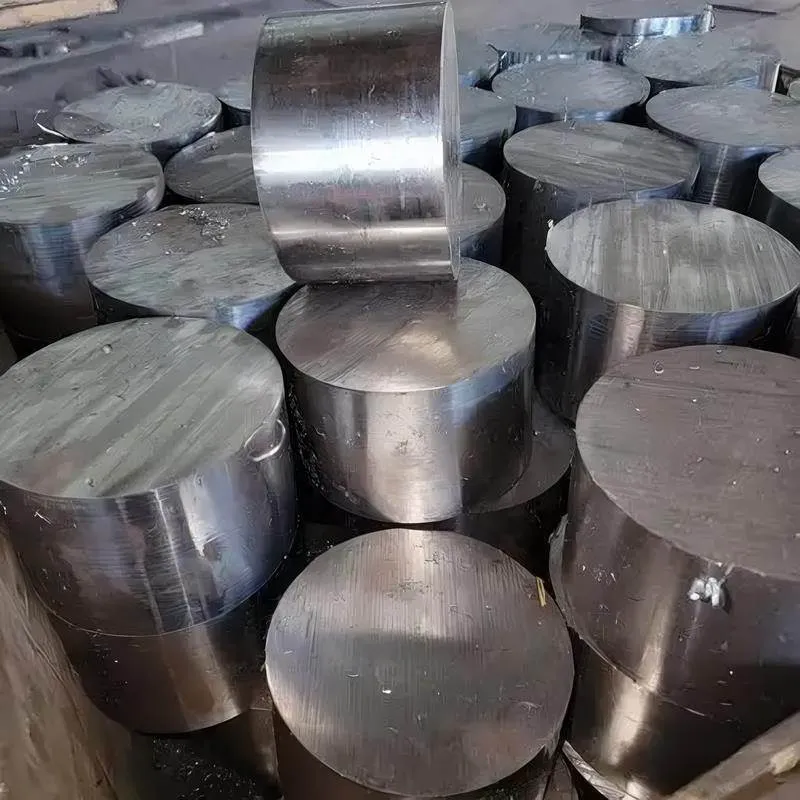
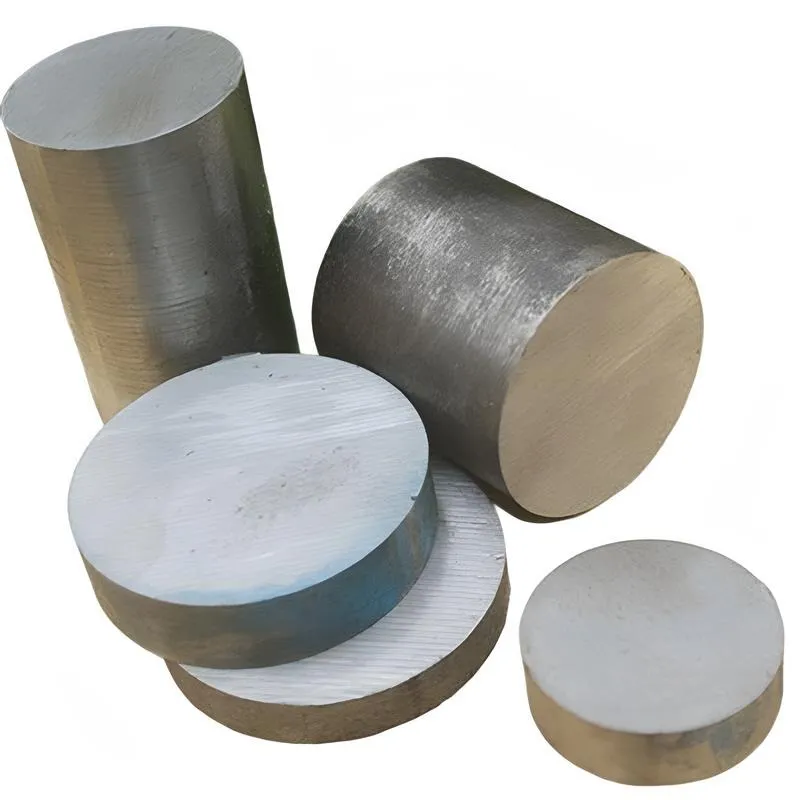
44 LN Duplex Stainless Steel Tube,Pipe (UNS S31200)
Product Code : STI-GSTI-611-CU
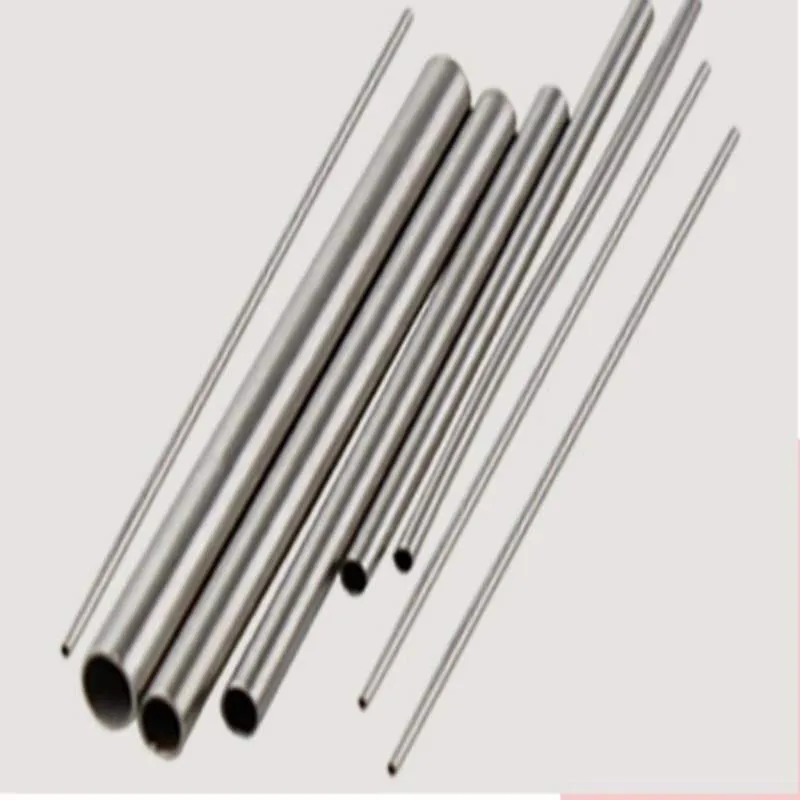
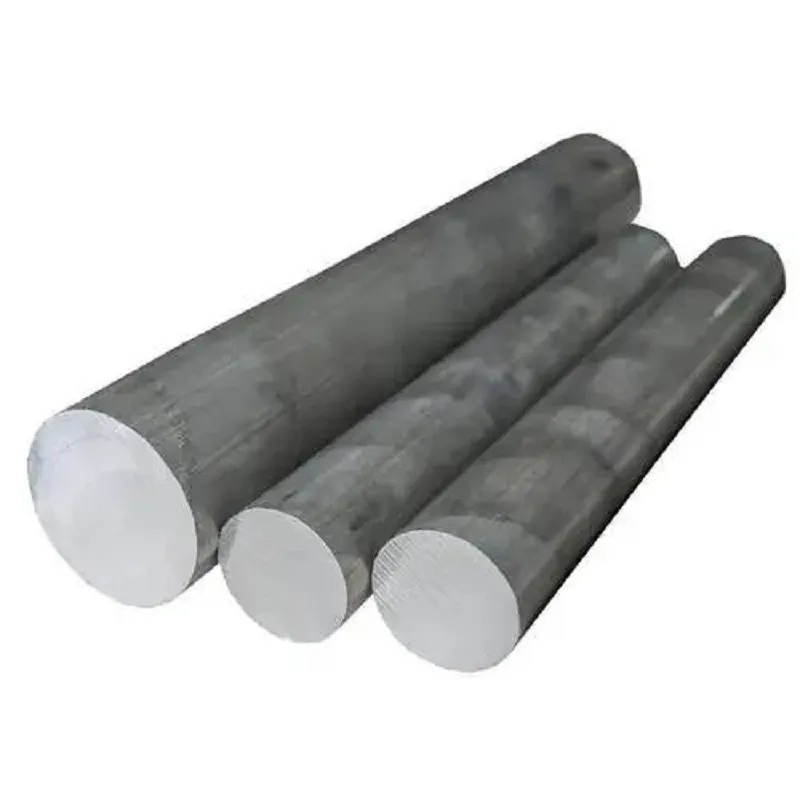
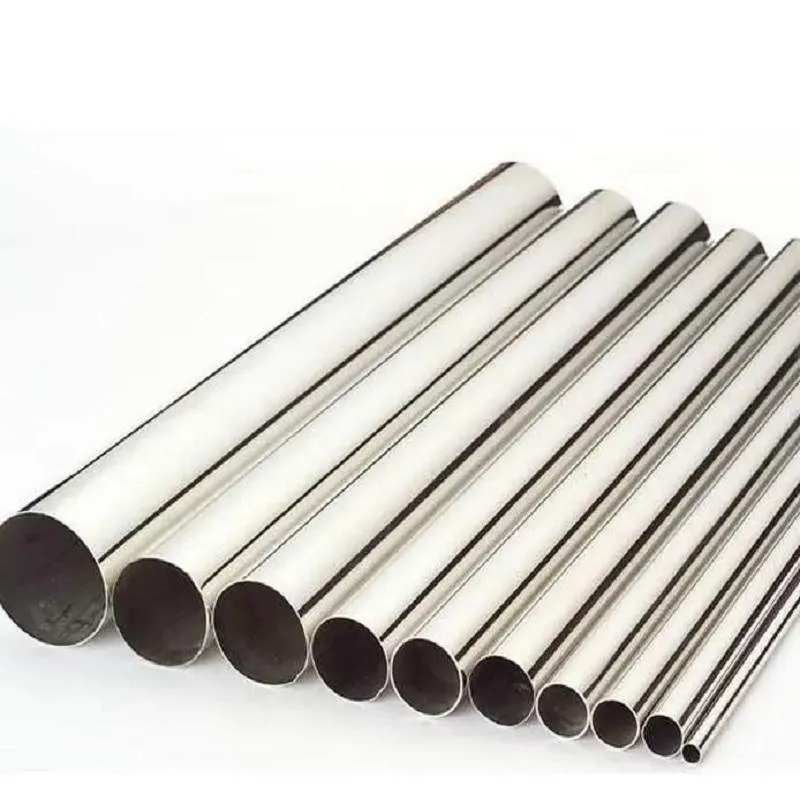
We provide 44 LN Duplex Stainless Steel Tube (UNS S31200) is available in Bar (Round bar, Flat bar), Ribbon, Wire, Rods, Tube,Seamless Tube,Pipe, Ingots, Plate, Sheet, Strip and Forging Stock.,Purity, chemical composition, size, etc. can all be customized to meet specific requirements.44 LN Duplex Stainless Steel Pipe (UNS S31200)
Please contact us if you need customized services. We will contact you with the price and availability in 24 hours.
44 LN Duplex Stainless Steel Tube (UNS S31200) Product Information
-:-
For detailed product information, please contact sales.
-:
44 LN Duplex Stainless Steel Tube (UNS S31200) Synonyms
-:-
For detailed product information, please contact sales.
-:
44 LN Duplex Stainless Steel (UNS S31200) Product Information
-:-
For detailed product information, please contact sales.
-:
# **44LN Duplex Stainless Steel (UNS S31200)**
## **Premium Lean Duplex Stainless Steel with Excellent Corrosion Resistance and High Strength**
---
### **1. Product Overview**
**44LN Duplex Stainless Steel** (UNS S31200) is a **lean duplex stainless steel** that represents an optimized balance between cost-effectiveness and performance. As part of the modern generation of duplex stainless steels, 44LN combines a dual-phase microstructure of approximately 50% ferrite and 50% austenite, delivering an exceptional combination of mechanical strength, corrosion resistance, and cost efficiency. The "LN" designation indicates "Low Nitrogen," though this grade contains controlled nitrogen levels that enhance properties while maintaining favorable manufacturing characteristics. 44LN is specifically engineered to bridge the gap between standard austenitic stainless steels (such as 304/316) and higher-alloyed duplex grades, offering superior strength and chloride stress corrosion cracking resistance at a competitive price point.
---
### **2. Key Value Propositions**
- **High Mechanical Strength**: Approximately double the yield strength of standard austenitic stainless steels (304, 316)
- **Excellent Corrosion Resistance**: Superior to 316L in many environments, particularly chloride-containing media
- **Good Resistance to Stress Corrosion Cracking (SCC)**: Outstanding performance in chloride environments where austenitic steels would fail
- **Cost-Effective Solution**: Lower nickel and molybdenum content than standard duplex grades reduces material cost
- **Good Weldability**: Proper welding procedures yield sound welds with adequate corrosion resistance
- **Favorable Fabrication Properties**: Good formability and machinability with appropriate techniques
- **High Toughness and Ductility**: Good impact resistance down to -50°C (-58°F)
- **Reduced Weight Potential**: Higher strength allows for thinner sections while maintaining performance
---
### **3. International Standard Designations**
| Standard System | Designation | Classification / Notes |
|----------------|-------------|------------------------|
| **UNS** | S31200 | Unified Numbering System |
| **EN/ASTM** | 1.4362 | European/American Standard |
| **ASTM** | - | Referenced in various ASTM specifications |
| **EN** | X2CrNiN23-4 | European Norm Designation |
| **ASME** | SA-240, SA-479, etc. | Code compliant for pressure applications |
| **Common Names** | Lean Duplex, LDX 2101® (similar), 2304 type | Industry Terminology |
| **Similar Grades** | SAF 2304, LDX 2101, Uranus 35N | Comparable lean duplex grades |
---
### **4. Chemical Composition (Typical Weight %)**
| Element | Chromium (Cr) | Nickel (Ni) | Molybdenum (Mo) | Manganese (Mn) | Nitrogen (N) | Silicon (Si) | Carbon (C) max | Copper (Cu) |
|---------|---------------|-------------|-----------------|----------------|--------------|--------------|----------------|-------------|
| **Content** | 21.0-23.0 | 4.5-6.5 | 0.10-0.60 | 1.00-2.00 | 0.10-0.22 | ≤ 1.00 | 0.030 | ≤ 0.30 |
**Key Metallurgical Characteristics:**
- **Optimized Chromium (21-23%)**: Provides excellent corrosion resistance while maintaining cost-effectiveness
- **Reduced Nickel (4.5-6.5%)**: Lowers cost compared to standard duplex grades while maintaining austenite stability
- **Controlled Molybdenum (0.1-0.6%)**: Enhances pitting resistance while minimizing cost
- **Manganese Addition (1-2%)**: Austenite former and nitrogen solubility enhancer
- **Nitrogen Alloying (0.1-0.22%)**: Critical for phase balance, strength, and pitting resistance
- **Low Carbon (≤0.03%)**: Minimizes carbide precipitation and improves weldability
- **Balanced Ferrite/Austenite**: Approximately 40-60% of each phase for optimal properties
---
### **5. Physical Properties**
| Property | Value | Test Conditions | Significance for Applications |
|----------|-------|----------------|------------------------------|
| **Density** | 7.80 g/cm³ | 20°C | Lower than austenitic grades (8.0 g/cm³ for 304) |
| **Thermal Conductivity** | 15.0 W/m·K | 20°C | Lower than carbon steels, important for heat transfer applications |
| **Coefficient of Thermal Expansion** | 13.5 × 10⁻⁶/K | 20-100°C | Intermediate between carbon steel and austenitic stainless |
| **Specific Heat Capacity** | 450 J/kg·K | 20°C | Standard for stainless steels |
| **Elastic Modulus** | 200 GPa | 20°C | Similar to other stainless steels |
| **Electrical Resistivity** | 0.80 μΩ·m | 20°C | Higher than carbon steels, important for electrical applications |
| **Magnetic Response** | Magnetic | All conditions | Due to ferritic phase content |
---
### **6. Mechanical Properties**
#### **Standard Mechanical Properties (Solution Annealed Condition)**
| Property | Minimum Value | Typical Value | Test Standard |
|----------|---------------|---------------|---------------|
| **Yield Strength (Rp0.2)** | 450 MPa | 480-550 MPa | ASTM A370 |
| **Tensile Strength** | 650 MPa | 700-800 MPa | ASTM A370 |
| **Elongation** | 25% | 30-40% | ASTM A370 |
| **Hardness (Brinell)** | ≤ 290 HB | 220-270 HB | ASTM E10 |
| **Impact Toughness (Charpy V, -50°C)** | 45 J | 60-100 J | ASTM A370 |
#### **Comparative Strength Analysis**
| Material | Yield Strength (MPa) | Tensile Strength (MPa) | Strength Ratio vs. 44LN |
|----------|----------------------|------------------------|-------------------------|
| **44LN Duplex** | 480-550 | 700-800 | 100% (Reference) |
| **304/304L** | 205-210 | 515-550 | ~45% of 44LN yield |
| **316/316L** | 205-210 | 515-550 | ~45% of 44LN yield |
| **2205 Duplex** | 450-500 | 655-690 | ~95% of 44LN yield |
| **Carbon Steel A36** | 250 | 400-550 | ~50% of 44LN yield |
#### **Elevated Temperature Properties**
- **Maximum Service Temperature**: 300°C (572°F) for continuous service
- **Short-term Exposure**: Up to 350°C (662°F)
- **Strength Retention**: Maintains ~70% of room temperature yield at 300°C
#### **Low Temperature Properties**
- **Minimum Design Temperature**: -50°C (-58°F) for pressure equipment
- **Ductile-to-Brittle Transition**: Below -50°C
- **Impact Toughness**: Excellent down to -50°C
---
### **7. Corrosion Resistance Properties**
#### **General Corrosion Performance**
| Environment | Temperature Limit | Performance Rating | Comparison to 316L |
|-------------|------------------|-------------------|-------------------|
| **Atmospheric** | All ambient | Excellent | Similar or better |
| **Fresh Water** | Up to 80°C | Excellent | Similar |
| **Sea Water** | Up to 30°C | Very Good | Better SCC resistance |
| **Acidic Media (dilute)** | pH > 2.5 | Good | Similar to better |
| **Alkaline Media** | All concentrations | Excellent | Similar |
#### **Localized Corrosion Resistance**
| Test/Parameter | Value | Significance |
|----------------|-------|-------------|
| **Pitting Resistance Equivalent (PRE)** | 25-28 | PRE = %Cr + 3.3×%Mo + 16×%N |
| **Critical Pitting Temperature (CPT)** | 20-30°C | ASTM G150 test method |
| **Critical Crevice Temperature (CCT)** | 5-15°C | ASTM G150 test method |
| **Stress Corrosion Cracking** | Resistant up to ~80°C in chloride solutions | Superior to austenitic grades |
#### **Comparative Corrosion Performance**
- **vs. 304/304L**: Superior in most corrosive environments
- **vs. 316/316L**: Better chloride SCC resistance, similar general corrosion
- **vs. 2205 Duplex**: Slightly lower pitting resistance but more cost-effective
- **vs. Carbon Steel**: Dramatically superior in corrosive environments
---
### **8. Product Applications**
**44LN Duplex Stainless Steel** is engineered for applications requiring a balance of corrosion resistance, mechanical strength, and cost-effectiveness:
#### **Primary Applications**
**A. Chemical and Process Industry**
- **Chemical Processing Equipment**:
- Tanks and vessels for corrosive chemicals
- Heat exchangers and condensers
- Piping systems for chemical transport
- Reactor components and agitators
- **Pulp and Paper Industry**:
- Bleach plant equipment
- Chemical recovery systems
- Stock handling equipment
- Pulp processing vessels
**B. Oil and Gas Industry**
- **Upstream Applications**:
- Process piping in offshore platforms
- Seawater injection systems
- Oil and gas separation equipment
- Heat exchanger tubing
- **Midstream Applications**:
- Pipeline systems for corrosive fluids
- Storage tanks for produced water
- Gas processing equipment
- Compression station components
**C. Water Treatment and Desalination**
- **Desalination Plants**:
- RO membrane housings and piping
- High-pressure piping systems
- Pump components and valves
- Heat recovery equipment
- **Water Treatment**:
- Chlorinated water systems
- Wastewater treatment equipment
- Municipal water distribution
- Industrial water recycling systems
**D. Construction and Architecture**
- **Structural Applications**:
- Bridges in coastal environments
- Building facades and cladding
- Reinforcement in concrete (alternative to carbon steel)
- Architectural features in aggressive atmospheres
- **Transportation Infrastructure**:
- Tunnel linings and support systems
- Highway safety barriers in corrosive environments
- Railway infrastructure in coastal areas
#### **Secondary Applications**
- **Food and Beverage Industry**: Equipment for aggressive food products
- **Marine and Shipbuilding**: Components for shipboard systems
- **Power Generation**: FGD systems, cooling water circuits
- **Mining Industry**: Equipment for corrosive mining environments
- **Pharmaceutical**: Process equipment requiring corrosion resistance
---
### **9. Fabrication and Processing Guidelines**
#### **Forming and Fabrication**
| Process | Guidelines | Special Considerations |
|---------|------------|------------------------|
| **Cold Forming** | Good formability with proper techniques | Higher springback than austenitic grades; 2-3× greater force required |
| **Hot Forming** | 1000-1150°C (1832-2102°F) | Rapid cooling from 1050°C to avoid detrimental phases |
| **Bending** | Minimum bend radius: 2× thickness | Anneal after severe bending if corrosion critical |
| **Punching/Shearing** | Higher forces than austenitic grades | Clean, deburr edges to maintain corrosion resistance |
| **Machining** | Use positive rake tools, rigid setups | 60-70% of speeds for 304; good chip control |
#### **Welding Procedures**
**General Requirements:**
- **Preheat**: Generally not required for thickness <25mm
- **Interpass Temperature**: <150°C (302°F) recommended
- **Shielding Gas**: Argon-based with 1-2% nitrogen addition preferred
- **Heat Input Control**: 0.5-1.5 kJ/mm optimal range
**Recommended Filler Metals:**
- **GTAW/SMAW**: E2209-type (23Cr-9Ni-3Mo with N)
- **GMAW/FCAW**: ER2209 or similar duplex filler metals
- **SAW**: Matching duplex flux/wire combinations
**Post-Weld Considerations:**
- **Solution Annealing**: 1020-1100°C followed by rapid quenching if required
- **Pickling**: Recommended to restore corrosion resistance in weld zone
- **Passivation**: Optional for optimal surface condition
#### **Heat Treatment**
- **Solution Annealing**: 1020-1100°C (1868-2012°F) followed by rapid quenching
- **Stress Relieving**: Generally not recommended due to risk of detrimental phase formation
- **Quenching**: Water quenching preferred for thick sections
#### **Surface Treatment**
- **Pickling**: HNO₃/HF mixtures to remove scale and restore corrosion resistance
- **Passivation**: Nitric acid treatment for optimal passive film formation
- **Mechanical Finishing**: Grinding, polishing, or blasting as required
- **Coating**: Generally not required except for specific applications
---
### **10. Available Product Forms and Specifications**
#### **Standard Product Forms**
| Form | Standard Sizes | Available Specifications |
|------|---------------|--------------------------|
| **Plate** | 3-100 mm thickness, up to 3000 mm width | ASTM A240, EN 10088-2 |
| **Sheet** | 0.5-6 mm thickness | ASTM A240, EN 10088-2 |
| **Bars/Rods** | 5-300 mm diameter | ASTM A276, EN 10088-3 |
| **Pipe/Tube** | ½"-48" diameter, various schedules | ASTM A790, ASTM A789 |
| **Fittings/Flanges** | Various standards and classes | ASTM A815, MSS SP-43 |
| **Forgings** | Custom sizes and shapes | ASTM A182, ASTM A336 |
#### **Quality and Testing Requirements**
- **Non-Destructive Testing**: UT, RT, PT, MT as required by specification
- **Mechanical Testing**: Tensile, impact, hardness per applicable standards
- **Corrosion Testing**: Optional according to customer requirements
- **Metallurgical Testing**: Phase balance, inclusion rating, microstructure
---
### **11. Comparative Analysis with Competing Materials**
#### **Technical Comparison Matrix**
| Parameter | 44LN Duplex | 316L Austenitic | 2205 Duplex | Carbon Steel |
|-----------|-------------|-----------------|-------------|--------------|
| **Yield Strength** | ★★★★★ (480-550 MPa) | ★★☆ (210 MPa) | ★★★★☆ (450 MPa) | ★★★ (250 MPa) |
| **Corrosion Resistance** | ★★★★☆ | ★★★☆☆ | ★★★★★ | ★☆☆☆☆ |
| **Chloride SCC Resistance** | ★★★★★ | ★★☆☆☆ | ★★★★★ | ★★★☆☆ (not applicable) |
| **Cost** | ★★★☆☆ | ★★★★☆ | ★★☆☆☆ | ★★★★★ |
| **Weldability** | ★★★☆☆ | ★★★★★ | ★★★☆☆ | ★★★★★ |
| **Formability** | ★★★☆☆ | ★★★★★ | ★★★☆☆ | ★★★★★ |
| **Weight Savings Potential** | ★★★★★ | ★★☆☆☆ | ★★★★★ | ★☆☆☆☆ |
#### **Application-Specific Advantages**
- **vs. 316L in Chloride Environments**: Superior SCC resistance allows higher temperature operation
- **vs. 2205 Duplex**: Cost savings of 15-25% with only slight property reduction
- **vs. Carbon Steel with Coatings**: Lower life cycle cost, no maintenance coatings required
- **vs. Higher Alloy Stainless**: Cost-effective alternative for moderately corrosive applications
---
### **12. Design Considerations and Best Practices**
#### **Structural Design**
- **Allowable Stresses**: Utilize higher yield strength for weight reduction
- **Fatigue Considerations**: Good fatigue strength, similar S-N curve to austenitic grades
- **Bolt Connections**: Consider higher preload capabilities
- **Thermal Expansion**: Account for intermediate expansion coefficient
#### **Corrosion Design**
- **Crevice Design**: Minimize crevices in corrosive service
- **Velocity Limitations**: Generally 30 m/s maximum for erosion-corrosion
- **Galvanic Compatibility**: Compatible with most stainless steels and nickel alloys
- **Biofouling Resistance**: Good resistance to marine biofouling
#### **Economic Design Optimization**
- **Thickness Reduction**: Utilize higher strength for 30-50% thickness reduction vs. 316L
- **Life Cycle Costing**: Include maintenance and replacement costs in evaluation
- **Fabrication Optimization**: Consider higher material cost vs. fabrication savings
---
### **13. Quality Assurance and Certification**
#### **Manufacturing Standards Compliance**
- **ASTM Standards**: A240, A276, A789, A790, A182
- **EN Standards**: 10088, 10272, 10273
- **ASME Code**: Section VIII, Division 1 approved
- **NORSOK**: M-650 compliant for offshore applications
- **PED**: European Pressure Equipment Directive compliant
#### **Testing and Documentation**
- **Mill Certificates**: EN 10204 3.1/3.2 with full traceability
- **Additional Testing**: Corrosion testing, phase balance, impact testing available
- **Third Party Inspection**: Accredited inspection services available
- **Certification**: PED, ASME, NORSOK certifications upon request
---
### **14. Economic Analysis and Life Cycle Costing**
#### **Initial Cost Analysis**
| Cost Component | 44LN vs. 316L | 44LN vs. Carbon Steel + Coating |
|----------------|---------------|---------------------------------|
| **Material Cost** | 10-20% higher | 300-400% higher |
| **Fabrication Cost** | 5-10% lower (thinner sections) | Similar to slightly higher |
| **Installation Cost** | Similar | Similar |
| **Total Initial Cost** | Similar to slightly higher | Significantly higher |
#### **Life Cycle Cost Advantages**
- **Maintenance Savings**: No painting/coating maintenance required
- **Extended Service Life**: 2-3× longer than carbon steel in corrosive environments
- **Reduced Downtime**: Less frequent replacements and repairs
- **Total Cost of Ownership**: Typically lower than carbon steel after 3-5 years in corrosive service
#### **Return on Investment Examples**
1. **Chemical Processing Plant**:
- Application: Process piping system
- Payback period: 2-3 years vs. carbon steel with coatings
- Savings: 40% reduction in maintenance costs
2. **Offshore Platform**:
- Application: Seawater injection piping
- Payback: 3-4 years vs. 316L
- Benefit: Extended service life, reduced failures
---
### **15. Technical Support and Resources**
#### **Manufacturer Support**
- **Material Selection Assistance**: Corrosion testing and application analysis
- **Fabrication Guidance**: Welding procedures, forming recommendations
- **Failure Analysis**: Investigation of service failures and recommendations
- **Technical Documentation**: Comprehensive datasheets, fabrication guides
#### **Industry Resources**
- **Duplex Stainless Steel Guidelines**: International Molybdenum Association (IMOA)
- **Welding Standards**: AWS D1.6, ASME Section IX
- **Corrosion Data**: NACE, EFC publications
- **Design Standards**: ASME B31.3, EN 13480
---
### **16. Sustainability and Environmental Benefits**
#### **Environmental Advantages**
- **Long Service Life**: Reduced material consumption over time
- **Recyclability**: 100% recyclable at end of life
- **Reduced Maintenance**: Eliminates coating systems and associated VOCs
- **Energy Efficiency**: Lighter structures reduce transportation energy
#### **Sustainable Manufacturing**
- **Reduced Alloy Content**: Lower nickel and molybdenum than standard duplex grades
- **Energy Efficient Production**: Modern steelmaking practices
- **Waste Minimization**: High yield in fabrication due to strength advantages
---
### **17. Conclusion**
**44LN Duplex Stainless Steel (UNS S31200)** represents an optimal balance in the stainless steel family, offering a compelling combination of mechanical properties, corrosion resistance, and cost-effectiveness. As a lean duplex grade, it delivers approximately double the yield strength of standard austenitic stainless steels with superior resistance to chloride stress corrosion cracking, while maintaining a more favorable cost position than higher-alloyed duplex grades.
The material's excellent performance in chloride-containing environments, combined with its high strength-to-weight ratio, makes it particularly suitable for applications in chemical processing, oil and gas, desalination, and marine environments. While initial material costs may be higher than some alternatives, the total life cycle cost benefits – including reduced maintenance, extended service life, and lower lifetime replacement costs – often justify the investment.
For engineers and designers seeking to optimize both performance and cost in moderately to highly corrosive environments, 44LN provides a technically sound and economically viable solution that bridges the gap between conventional austenitic stainless steels and premium corrosion-resistant alloys.
---
**Material Designation**: 44LN Duplex Stainless Steel
**UNS Number**: S31200
**EN Designation**: 1.4362 / X2CrNiN23-4
**Material Class**: Lean Duplex Stainless Steel
**Key Features**: High strength (2× 316L), excellent chloride SCC resistance, cost-effective
**Typical Applications**: Chemical processing, oil & gas, desalination, structural in corrosive environments
**Availability**: Worldwide through steel service centers and mills
**Technical Support**: Comprehensive engineering support available
**Sustainability**: Fully recyclable, extended service life reduces environmental impact
-:-
For detailed product information, please contact sales.
-:
44 LN Duplex Stainless Steel (UNS S31200) Specification
Dimensions
Size:
Diameter 20-1000 mm Length <7267 mm
Size:We can customized as required
Standard:
Per your request or drawing
We can customized as required
Properties(Theoretical)
Chemical Composition
-:-
For detailed product information, please contact sales.
-:
44 LN Duplex Stainless Steel (UNS S31200) Properties
-:-
For detailed product information, please contact sales.
-:
Applications of 44 LN Duplex Stainless Steel Tube (UNS S31200)
-:-
For detailed product information, please contact sales.
-:
Chemical Identifiers 44 LN Duplex Stainless Steel Tube (UNS S31200)
-:-
For detailed product information, please contact sales.
-:
Packing of 44 LN Duplex Stainless Steel Tube (UNS S31200)
-:-
For detailed product information, please contact sales.
-:
Standard Packing:
-:-
For detailed product information, please contact sales.
-:
Typical bulk packaging includes palletized plastic 5 gallon/25 kg. pails, fiber and Steel Tube drums to 1 ton super sacks in full container (FCL) or truck load (T/L) quantities. Research and sample quantities and hygroscopic, oxidizing or other air sensitive materials may be packaged under argon or vacuum. Solutions are packaged in polypropylene, plastic or glass jars up to palletized 3738 gallon liquid totes Special package is available on request. E FORUs’ is carefully handled to minimize damage during storage and transportation and to preserve the quality of our products in their original condition