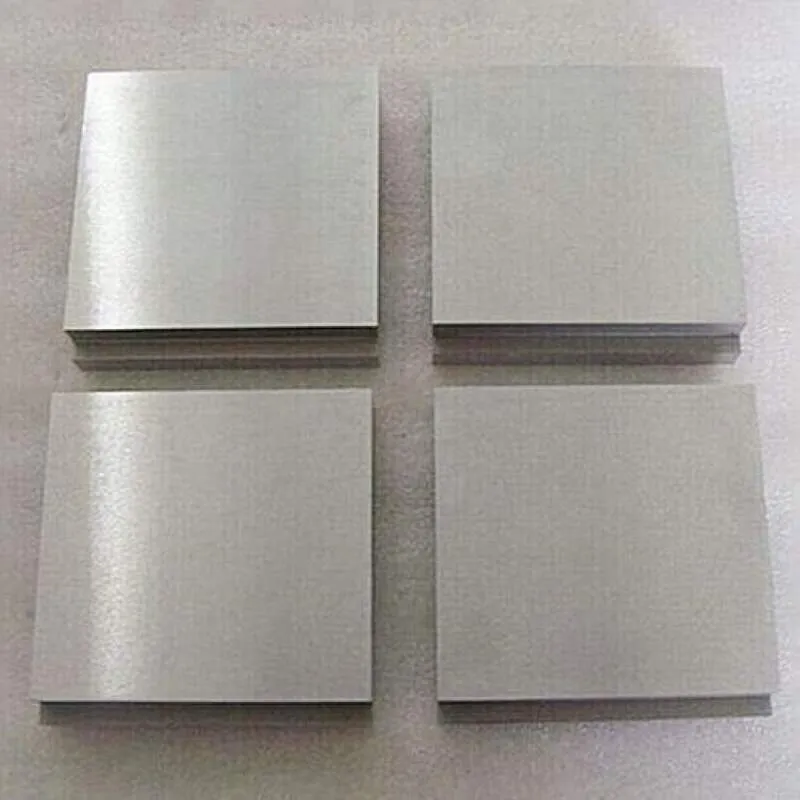
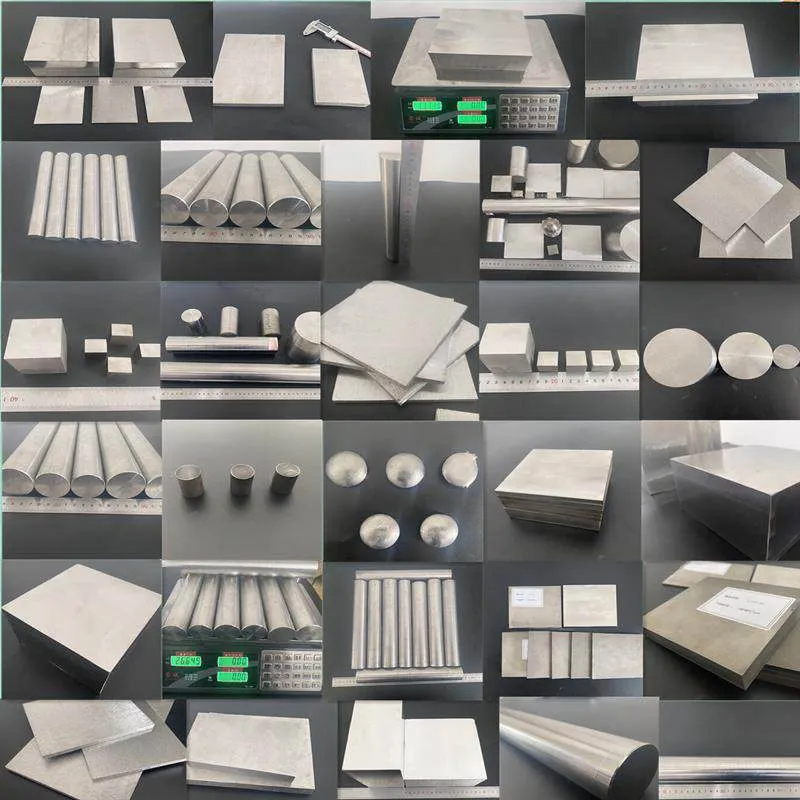
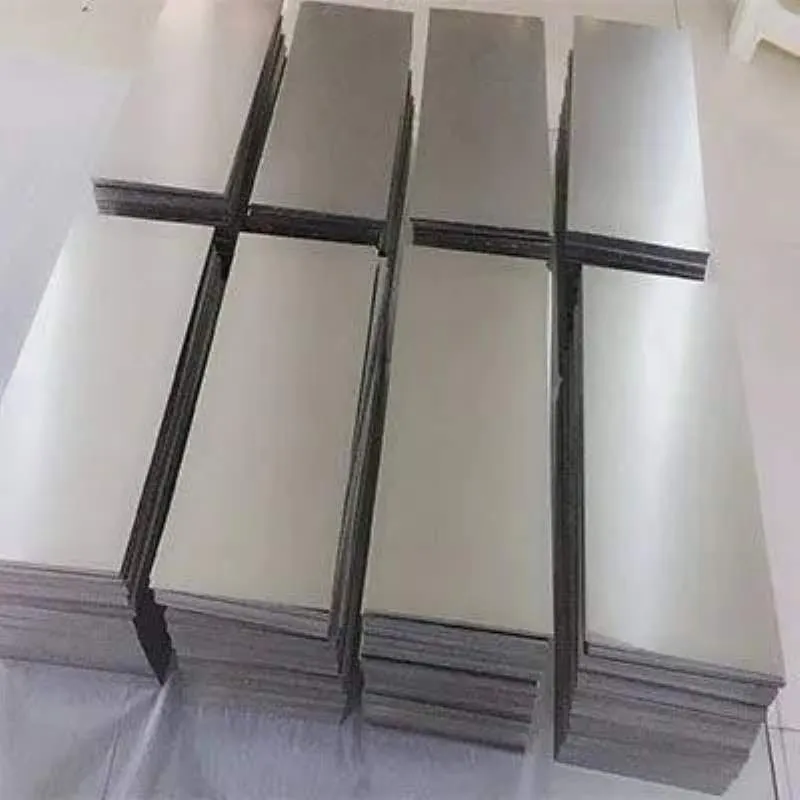
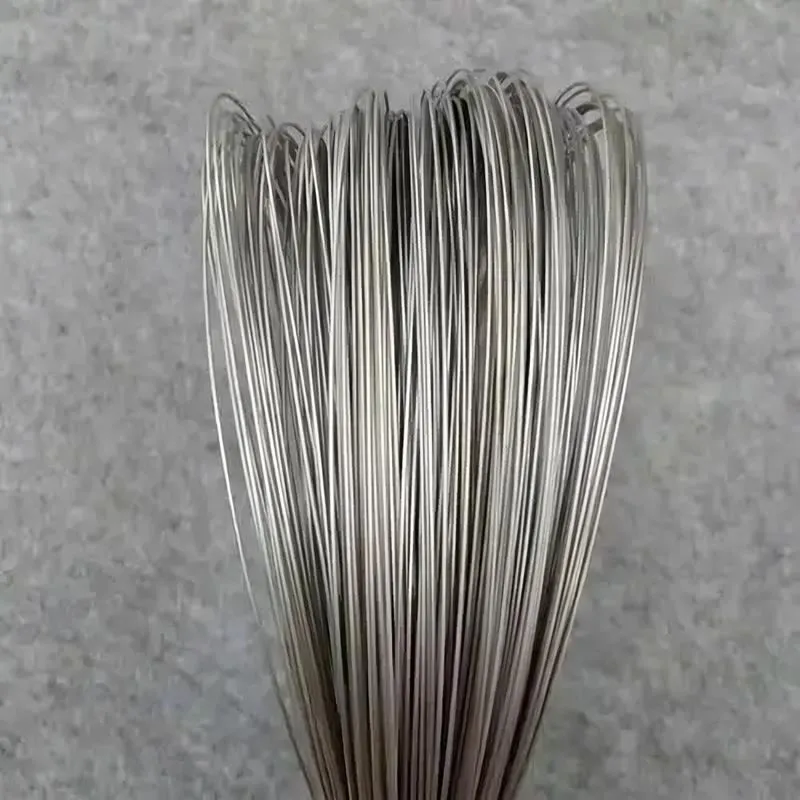
7-Mo Plus Duplex Stainless Steel Sheet,Plate (UNS S32950)
Product Code : STI-GSTI-612-CU
We provide 7-Mo Plus Duplex Stainless Steel Sheet/Plate (UNS S32950) is available in Bar (Round bar, Flat bar), Ribbon, Wire, Rods, Tube,Seamless Tube,Pipe, Ingots, Plate, Sheet/Plate, Strip and Forging Stock.,Purity, chemical composition, size, etc. can all be customized to meet specific requirements.
7-Mo Plus Duplex Stainless Steel Sheet/Plate (UNS S32950) Product Information
-:-
For detailed product information, please contact sales.
-:
7-Mo Plus Duplex Stainless Steel Sheet/Plate (UNS S32950) Synonyms
-:-
For detailed product information, please contact sales.
-:
7-Mo Plus Duplex Stainless Steel (UNS S32950) Product Information
-:-
For detailed product information, please contact sales.
-:
# **7-Mo PLUS Duplex Stainless Steel (UNS S32950)**
## **Premium Super Duplex Stainless Steel with Exceptional Corrosion Resistance and High Strength**
---
### **1. Product Overview**
**7-Mo PLUS Duplex Stainless Steel** (UNS S32950) is a **super duplex stainless steel** that represents the pinnacle of corrosion resistance and mechanical performance within the duplex family. Characterized by its exceptionally balanced ferritic-austenitic microstructure and high alloy content, 7-Mo PLUS delivers outstanding resistance to pitting, crevice corrosion, and stress corrosion cracking in aggressive environments. The "PLUS" designation signifies enhanced properties beyond standard super duplex grades, achieved through precise chemistry control and advanced manufacturing processes. This material is specifically engineered for the most demanding applications in offshore, chemical processing, and marine industries where both extreme corrosion resistance and high mechanical strength are simultaneously required.
---
### **2. Key Value Propositions**
- **Exceptional Corrosion Resistance**: Superior to conventional duplex and 6Mo austenitic stainless steels in chloride environments
- **Ultra-High Mechanical Strength**: Minimum yield strength of 550 MPa (80 ksi), approximately 2.5× that of standard 316L
- **Excellent Resistance to Stress Corrosion Cracking (SCC)**: Outstanding performance in chloride-containing environments up to at least 80°C (176°F)
- **Optimized Microstructure**: Precisely balanced ferrite/austenite phase ratio (typically 50/50) for optimal properties
- **Good Fabricability**: Weldable and formable with proper procedures despite high strength
- **Cost-Effective Alternative**: More economical than nickel-based alloys for many severe service applications
- **Reduced Weight Potential**: High strength allows thinner sections while maintaining pressure integrity
- **Broad Temperature Range**: Suitable for service from cryogenic temperatures to approximately 300°C (572°F)
---
### **3. International Standard Designations**
| Standard System | Designation | Classification / Notes |
|----------------|-------------|------------------------|
| **UNS** | S32950 | Unified Numbering System |
| **ASTM** | A790, A182, A240 | Various product form specifications |
| **EN** | 1.4507 | European Norm Designation |
| **Common Names** | Super Duplex, 7-Mo PLUS, 329/32950 type | Industry Terminology |
| **ASME** | SA-790, SA-182 | Code compliant for pressure applications |
| **NACE** | MR0175/ISO 15156 | Approved for sour service (H₂S environments) |
| **Similar Grades** | Zeron® 100, SAF 2507, Uranus® 52N+ | Comparable super duplex grades |
---
### **4. Chemical Composition (Typical Weight %)**
| Element | Chromium (Cr) | Nickel (Ni) | Molybdenum (Mo) | Nitrogen (N) | Manganese (Mn) | Silicon (Si) | Carbon (C) max | Copper (Cu) | Tungsten (W) |
|---------|---------------|-------------|-----------------|--------------|----------------|--------------|----------------|-------------|--------------|
| **Content** | 26.0-28.0 | 4.5-6.5 | 3.5-4.5 | 0.25-0.35 | ≤ 2.00 | ≤ 1.00 | 0.030 | 0.50-1.50 | 0.50-1.00 |
**Key Metallurgical Characteristics:**
- **High Chromium (26-28%)**: Provides exceptional general and localized corrosion resistance
- **Optimized Nickel (4.5-6.5%)**: Maintains phase balance while controlling cost
- **Elevated Molybdenum (3.5-4.5%)**: Critical for pitting and crevice corrosion resistance
- **High Nitrogen (0.25-0.35%)**: Enhances strength, stabilizes austenite, improves pitting resistance
- **Copper Addition (0.5-1.5%)**: Improves corrosion resistance in sulfuric acid environments
- **Tungsten Addition (0.5-1.0%)**: Enhances pitting resistance and strengthens both phases
- **Low Carbon (≤0.03%)**: Minimizes carbide precipitation and improves weldability
- **Balanced Ferrite/Austenite**: Typically 45-55% of each phase for optimal properties
---
### **5. Physical Properties**
| Property | Value | Test Conditions | Significance for Applications |
|----------|-------|----------------|------------------------------|
| **Density** | 7.80 g/cm³ | 20°C | Similar to other duplex grades, allows weight calculations |
| **Thermal Conductivity** | 15.0 W/m·K | 20°C | Lower than carbon steels, affects heat transfer design |
| **Coefficient of Thermal Expansion** | 13.0 × 10⁻⁶/K | 20-100°C | Intermediate between carbon steel and austenitic stainless |
| **Specific Heat Capacity** | 450 J/kg·K | 20°C | Standard for stainless steels |
| **Elastic Modulus** | 200 GPa | 20°C | Similar to other stainless steels |
| **Electrical Resistivity** | 0.85 μΩ·m | 20°C | Higher than carbon steels |
| **Magnetic Response** | Magnetic | All conditions | Ferritic phase content makes it magnetic |
| **Melting Range** | 1425-1465°C | - | Important for welding and heat treatment |
---
### **6. Mechanical Properties**
#### **Standard Mechanical Properties (Solution Annealed Condition)**
| Property | Minimum Value | Typical Value | Test Standard |
|----------|---------------|---------------|---------------|
| **Yield Strength (Rp0.2)** | 550 MPa | 650-750 MPa | ASTM A370 |
| **Tensile Strength** | 750 MPa | 850-950 MPa | ASTM A370 |
| **Elongation** | 15% | 25-35% | ASTM A370 |
| **Reduction of Area** | - | 50-60% | ASTM A370 |
| **Hardness (Brinell)** | ≤ 310 HB | 250-290 HB | ASTM E10 |
| **Impact Toughness (Charpy V, -46°C)** | 54 J | 80-150 J | ASTM A370 |
#### **Comparative Strength Analysis**
| Material | Yield Strength (MPa) | Tensile Strength (MPa) | Strength Ratio vs. 7-Mo PLUS |
|----------|----------------------|------------------------|------------------------------|
| **7-Mo PLUS** | 650-750 | 850-950 | 100% (Reference) |
| **316/316L** | 205-210 | 515-550 | ~30% of 7-Mo PLUS yield |
| **2205 Duplex** | 450-500 | 655-690 | ~70% of 7-Mo PLUS yield |
| **6Mo Austenitic** | 300-350 | 650-700 | ~50% of 7-Mo PLUS yield |
| **Alloy 625** | 415-550 | 830-900 | ~75% of 7-Mo PLUS yield |
#### **Elevated Temperature Properties**
- **Maximum Continuous Service Temperature**: 300°C (572°F)
- **Short-term Exposure**: Up to 350°C (662°F)
- **Strength Retention**: Maintains ~65% of room temperature yield at 300°C
- **Creep Resistance**: Good up to 300°C, superior to austenitic stainless steels
#### **Cryogenic Temperature Properties**
- **Minimum Design Temperature**: -46°C (-51°F) for pressure equipment
- **Ductile-to-Brittle Transition**: Below -80°C (-112°F)
- **Impact Toughness**: Excellent down to -46°C, meeting ASME requirements
---
### **7. Corrosion Resistance Properties**
#### **General Corrosion Performance**
| Environment | Temperature Limit | Performance Rating | Notes |
|-------------|------------------|-------------------|-------|
| **Seawater (aerated)** | Up to 40°C | Excellent | Superior to 6Mo austenitic grades |
| **Chloride Solutions** | Up to 80°C | Excellent | Outstanding SCC resistance |
| **Sulfuric Acid** | Up to 20%, 60°C | Very Good | Copper addition provides benefit |
| **Phosphoric Acid** | Most concentrations | Excellent | Superior to many stainless steels |
| **Organic Acids** | Most environments | Excellent | Good for chemical processing |
#### **Localized Corrosion Resistance**
| Test/Parameter | Value | Significance |
|----------------|-------|-------------|
| **Pitting Resistance Equivalent (PRE)** | 42-46 | PRE = %Cr + 3.3×%Mo + 16×%N + 1.65×%W |
| **Critical Pitting Temperature (CPT)** | 75-90°C | ASTM G150 test method in 6% FeCl₃ |
| **Critical Crevice Temperature (CCT)** | 40-55°C | ASTM G150 test method |
| **Stress Corrosion Cracking Threshold** | >100°C in 45% MgCl₂ | Superior to all austenitic grades |
#### **Special Corrosion Resistance Features**
- **Microbiologically Influenced Corrosion (MIC)**: Excellent resistance due to high Mo and N content
- **Erosion-Corrosion**: Good resistance at velocities up to 35 m/s in seawater
- **Galvanic Corrosion**: Compatible with most stainless steels and nickel alloys
- **Sour Service**: NACE MR0175/ISO 15156 compliant for H₂S environments
#### **Comparative Corrosion Performance**
- **vs. 316/316L**: Dramatically superior in all chloride environments
- **vs. 2205 Duplex**: Significantly better pitting and crevice corrosion resistance
- **vs. 6Mo Austenitic**: Better chloride SCC resistance, similar pitting resistance
- **vs. Nickel Alloys**: Cost-effective alternative for many applications
---
### **8. Product Applications**
**7-Mo PLUS Duplex Stainless Steel** is engineered for the most severe corrosive applications across critical industries:
#### **Primary Applications**
**A. Offshore Oil and Gas Industry**
- **Subsea Equipment**:
- Christmas trees and wellheads
- Flowlines and risers
- Manifolds and jumpers
- Subsea processing equipment
- **Topside Facilities**:
- Seawater cooling systems
- Firewater systems
- Produced water handling
- Heat exchangers in aggressive service
- **Sour Service Applications**:
- H₂S-containing production systems
- Gas compression equipment
- Acid gas injection systems
**B. Chemical and Petrochemical Processing**
- **Acid Handling Equipment**:
- Sulfuric acid concentrators and coolers
- Phosphoric acid evaporators
- Chlorinated organic chemical reactors
- Acid recovery systems
- **High-Pressure/High-Temperature Systems**:
- Reactors and autoclaves
- High-pressure heat exchangers
- Pressure vessels for corrosive services
- Catalyst bed supports
**C. Desalination and Water Treatment**
- **Seawater Desalination**:
- Reverse osmosis high-pressure piping
- Multistage flash distillation evaporators
- Brine heaters and heat recovery sections
- Seawater intake systems
- **Industrial Water Treatment**:
- Cooling water systems with high chlorides
- Wastewater treatment with aggressive chemicals
- Zero liquid discharge systems
- Chemical dosing systems
**D. Pulp and Paper Industry**
- **Bleach Plant Equipment**:
- Chlorine dioxide reactors and towers
- Washers and filters in bleach plants
- Chemical mixing and storage vessels
- Piping for aggressive bleaching chemicals
#### **Secondary and Specialized Applications**
- **Marine and Shipbuilding**: Propeller shafts, rudders, seawater piping
- **Power Generation**: Flue gas desulfurization systems, condenser tubing
- **Mining Industry**: Acid mine drainage systems, mineral processing
- **Pharmaceutical**: Highly corrosive process equipment
- **Food Processing**: Equipment for extremely corrosive food products
---
### **9. Fabrication and Processing Guidelines**
#### **Forming and Fabrication**
| Process | Guidelines | Special Considerations |
|---------|------------|------------------------|
| **Cold Forming** | Good with proper techniques | High springback; 2.5-3× force vs. 304; intermediate anneal may be needed |
| **Hot Forming** | 1050-1150°C (1922-2102°F) | Rapid cool from 1100°C to avoid detrimental phases |
| **Bending** | Minimum radius: 3× thickness | Anneal after severe deformation if corrosion critical |
| **Machining** | Use premium carbide tools, rigid setups | 50-60% of speeds for 304; high pressure coolant recommended |
| **Shearing/Punching** | Higher forces required | Deburr thoroughly to maintain corrosion resistance |
#### **Welding Procedures**
**Critical Requirements:**
- **Preheat**: Not normally required for thickness <25mm
- **Interpass Temperature**: <100°C (212°F) maximum
- **Heat Input Control**: 0.5-1.0 kJ/mm optimal range
- **Shielding Gas**: Argon + 30% He + 1-2% N₂ recommended for GTAW
- **Back Purging**: Essential for GTAW root passes
**Recommended Filler Metals:**
- **GTAW**: ER2594 or ER2553 super duplex fillers
- **SMAW**: E2595 or E2553 electrodes
- **GMAW/FCAW**: Matching super duplex wires
- **SAW**: Specially formulated duplex fluxes
**Post-Weld Considerations:**
- **Solution Annealing**: 1020-1100°C for critical applications
- **Quenching**: Water quench immediately after annealing
- **Pickling**: HNO₃/HF mixture to restore corrosion resistance
- **Passivation**: Optional but recommended for optimal performance
#### **Heat Treatment**
- **Solution Annealing**: 1020-1100°C (1868-2012°F), then rapid water quench
- **Stress Relieving**: Generally not recommended
- **Quenching Rate**: Minimum 55°C/min (100°F/min) through 950-500°C range
#### **Surface Treatment**
- **Pickling**: HNO₃ 15-25% + HF 1-4% at 50-60°C
- **Passivation**: Nitric acid 20-40% at 20-50°C
- **Mechanical Finishing**: Grinding with aluminum oxide, polishing possible
- **Coating**: Generally not required except for specialized applications
---
### **10. Microstructural Control and Phase Balance**
#### **Optimal Microstructure**
- **Ferrite/Austenite Ratio**: 45-55% each phase (typically 50/50)
- **Grain Size**: ASTM 6 or finer for optimal properties
- **Intermetallic Phase Control**: Sigma, chi, and alpha prime phases must be minimized
- **Nitride Precipitation**: Controlled through proper heat treatment
#### **Detrimental Phase Formation**
- **Sigma Phase**: Forms 600-950°C, embrittles material
- **Chi Phase**: Forms 700-900°C, reduces toughness
- **475°C Embrittlement**: Alpha prime formation at 350-525°C
- **Carbides**: Chromium carbides at grain boundaries if cooling too slow
#### **Quality Control Testing**
- **Ferrite Measurement**: Feritscope or point count per ASTM E562
- **Phase Balance**: Typically 45-55% ferrite in solution annealed condition
- **Intermetallic Detection**: Electrolytic etching or SEM analysis
- **Impact Testing**: Required to verify absence of detrimental phases
---
### **11. Available Product Forms and Specifications**
#### **Standard Product Forms**
| Form | Standard Sizes | Available Specifications |
|------|---------------|--------------------------|
| **Plate** | 5-150 mm thickness, up to 4000 mm width | ASTM A240, EN 10088-2 |
| **Sheet** | 0.5-6 mm thickness | ASTM A240, EN 10088-2 |
| **Bars/Rods** | 10-300 mm diameter | ASTM A276, EN 10088-3 |
| **Pipe/Tube** | ½"-48" diameter, various schedules | ASTM A790, ASTM A789 |
| **Fittings/Flanges** | ASME B16.5, B16.9, B16.11 | ASTM A182, ASTM A336 |
| **Forgings** | Custom sizes and shapes | ASTM A182, ASTM A336 |
| **Wire** | Various diameters | For welding and fastener applications |
#### **Quality and Testing Requirements**
- **Non-Destructive Testing**: UT, RT, PT, MT as per specification requirements
- **Mechanical Testing**: Full suite including tensile, impact, hardness
- **Corrosion Testing**: ASTM G48, G150 often specified
- **Metallurgical Testing**: Phase balance, microstructure, inclusion rating
- **Certification**: Full traceability with EN 10204 3.1/3.2 certificates
---
### **12. Design Considerations and Engineering Guidelines**
#### **Pressure Vessel and Piping Design**
- **Allowable Stresses**: ASME Section VIII, Div. 1 provides design values
- **Fatigue Design**: S-N curves available, similar to austenitic grades
- **Fracture Mechanics**: Good fracture toughness, KIC values available
- **Design Temperatures**: -46°C to +300°C (-51°F to +572°F)
#### **Corrosion Allowance and Design**
- **General Corrosion**: Typically zero corrosion allowance in designed environments
- **Crevice Design**: Avoid stagnant areas and crevices where possible
- **Velocity Limitations**: Maximum 35 m/s for erosion-corrosion control
- **Galvanic Considerations**: Compatible with most corrosion-resistant alloys
#### **Economic Optimization**
- **Thickness Reduction**: 50-60% thickness reduction possible vs. 316L
- **Life Cycle Costing**: Include maintenance, downtime, replacement costs
- **Fabrication Costs**: Higher material cost offset by fabrication savings in many cases
- **Total Cost of Ownership**: Often lower than nickel alloys over project life
---
### **13. Comparative Analysis with Competitive Materials**
#### **Technical Comparison Matrix**
| Parameter | 7-Mo PLUS | 2205 Duplex | 6Mo Austenitic | Alloy 625 |
|-----------|-----------|-------------|----------------|-----------|
| **Yield Strength** | ★★★★★ (650+ MPa) | ★★★★☆ (450 MPa) | ★★★☆☆ (300 MPa) | ★★★★☆ (415 MPa) |
| **Pitting Resistance** | ★★★★★ (PRE 42-46) | ★★★★☆ (PRE 34-38) | ★★★★★ (PRE 40-45) | ★★★★★ (PRE 45+) |
| **SCC Resistance** | ★★★★★ | ★★★★☆ | ★★☆☆☆ | ★★★★★ |
| **Cost Index** | ★★★☆☆ | ★★★★☆ | ★★★☆☆ | ★☆☆☆☆ |
| **Weldability** | ★★★☆☆ | ★★★★☆ | ★★★★★ | ★★★☆☆ |
| **Availability** | ★★★☆☆ | ★★★★★ | ★★★★☆ | ★★★★★ |
| **Total Value** | ★★★★★ | ★★★★☆ | ★★★☆☆ | ★★★★☆ |
#### **Application-Specific Selection Guidelines**
- **Replace 6Mo Austenitic**: When higher strength and better SCC resistance needed
- **Alternative to Nickel Alloys**: For many applications up to 300°C
- **Upgrade from 2205**: When higher corrosion resistance required
- **vs. Titanium**: Consider for chloride environments where titanium is marginal
---
### **14. Quality Assurance and Certification**
#### **Manufacturing Standards Compliance**
- **ASTM Standards**: A240, A276, A789, A790, A182 fully compliant
- **EN Standards**: 10088, 10272, 10273 compliant
- **ASME Code**: Section VIII, Division 1 and 2 approved
- **NORSOK**: M-650 compliant for offshore applications
- **NACE**: MR0175/ISO 15156 compliant for sour service
- **PED**: European Pressure Equipment Directive compliant (Category IV)
#### **Testing and Documentation**
- **Mill Certificates**: EN 10204 3.2 with full chemical and mechanical properties
- **Additional Testing**: CPT, CCT, phase balance, impact testing available
- **Third Party Inspection**: Lloyds, DNV, ABS, etc. available
- **Special Certifications**: Nuclear, aerospace, medical upon request
---
### **15. Economic Analysis and Life Cycle Costing**
#### **Initial Cost Analysis**
| Cost Component | 7-Mo PLUS vs. 316L | 7-Mo PLUS vs. 6Mo Austenitic | 7-Mo PLUS vs. Alloy 625 |
|----------------|-------------------|------------------------------|-------------------------|
| **Material Cost** | 2.0-2.5× higher | 1.2-1.5× higher | 0.5-0.7× lower |
| **Fabrication Cost** | 0.8-0.9× (thinner sections) | 0.9-1.0× similar | 0.7-0.8× lower |
| **Installation Cost** | Similar | Similar | Similar |
| **Total Initial Cost** | 1.5-2.0× higher | 1.1-1.3× higher | 0.6-0.8× lower |
#### **Life Cycle Cost Advantages**
- **Maintenance Savings**: No coating maintenance, reduced inspections
- **Extended Service Life**: 3-5× longer than 316L in severe environments
- **Reduced Downtime**: Less frequent replacements and repairs
- **Total Cost of Ownership**: Often lower than alternatives over 10-20 year lifespan
#### **Return on Investment Examples**
1. **Offshore Seawater System**:
- Application: Seawater injection piping
- Payback vs. 6Mo: 2-3 years
- Benefit: Reduced failures, extended life
2. **Chemical Reactor**:
- Application: Chlorinated organic chemical reactor
- Payback vs. nickel alloy: 1-2 years
- Benefit: Higher strength allows thinner walls, lower cost
3. **Desalination Plant**:
- Application: High-pressure RO piping
- Payback vs. 2205: 3-4 years
- Benefit: Better corrosion resistance, reduced maintenance
---
### **16. Technical Support and Resources**
#### **Manufacturer Support Services**
- **Material Selection Assistance**: Corrosion testing and application analysis
- **Fabrication Guidance**: Welding procedure development, troubleshooting
- **Failure Analysis**: Comprehensive investigation of service failures
- **Technical Documentation**: Datasheets, fabrication guides, application notes
#### **Industry Resources and Standards**
- **International Molybdenum Association (IMOA)**: Duplex stainless steel guidelines
- **NACE International**: Corrosion data and standards
- **ASME and ASTM**: Design and material standards
- **EFC Publications**: European Federation of Corrosion guidelines
---
### **17. Sustainability and Environmental Benefits**
#### **Environmental Advantages**
- **Long Service Life**: Reduced material consumption over equipment lifetime
- **100% Recyclable**: Can be recycled indefinitely without property loss
- **Reduced Maintenance**: Eliminates coating systems and associated environmental impact
- **Energy Efficiency**: Lighter structures reduce transportation energy requirements
- **Reduced Chemical Usage**: Less need for corrosion inhibitors in systems
#### **Sustainable Manufacturing**
- **Optimized Alloy Content**: Balanced composition minimizes use of critical elements
- **Energy Efficient Production**: Modern electric arc furnace and refining practices
- **Waste Minimization**: High material utilization in fabrication
- **Environmental Management**: ISO 14001 compliant manufacturing facilities
---
### **18. Future Developments and Applications**
#### **Emerging Applications**
- **Renewable Energy**: Offshore wind turbine foundations, tidal energy systems
- **Carbon Capture and Storage**: Equipment for CO₂ transport and injection
- **Hydrogen Economy**: Components for hydrogen production and transport
- **Advanced Water Treatment**: Next-generation desalination and water reuse systems
#### **Technology Developments**
- **Additive Manufacturing**: Development of AM parameters for complex components
- **Surface Engineering**: Advanced coatings and treatments for enhanced performance
- **Digital Integration**: IoT-enabled corrosion monitoring and predictive maintenance
- **Alloy Optimization**: Continuous improvement of properties and cost-effectiveness
---
### **19. Conclusion**
**7-Mo PLUS Duplex Stainless Steel (UNS S32950)** represents the ultimate performance tier within the duplex stainless steel family, offering an exceptional combination of corrosion resistance, mechanical strength, and overall value. As a super duplex grade with enhanced properties, it provides superior performance in the most aggressive environments encountered in offshore, chemical processing, desalination, and other demanding industries.
The material's outstanding resistance to localized corrosion and stress corrosion cracking, combined with its high mechanical strength, makes it an ideal choice for applications where both extreme corrosion resistance and structural integrity are critical. While the initial material cost is higher than conventional stainless steels, the extended service life, reduced maintenance requirements, and lower total cost of ownership often provide a compelling economic justification.
For engineers and designers facing challenges with severe corrosion, high pressures, or demanding mechanical requirements, 7-Mo PLUS offers a proven, reliable solution that bridges the gap between standard corrosion-resistant alloys and expensive nickel-based materials. Its balanced combination of properties, comprehensive technical support, and established track record in critical applications make it the material of choice for the world's most demanding corrosive service conditions.
---
**Material Designation**: 7-Mo PLUS Duplex Stainless Steel
**UNS Number**: S32950
**EN Designation**: 1.4507
**Material Class**: Super Duplex Stainless Steel
**Key Features**: Exceptional corrosion resistance (PRE 42-46), high strength (650+ MPa yield), excellent SCC resistance
**Primary Applications**: Offshore oil & gas, chemical processing, desalination, pulp & paper
**Temperature Range**: -46°C to +300°C (-51°F to +572°F)
**Quality Certifications**: ASME, NACE, PED, NORSOK compliant
**Technical Support**: Global engineering support network
**Sustainability**: 100% recyclable, extended service life reduces environmental impact
-:-
For detailed product information, please contact sales.
-:
7-Mo Plus Duplex Stainless Steel (UNS S32950) Specification
Dimensions
Size:
Diameter 20-1000 mm Length <7268 mm
Size:We can customized as required
Standard:
Per your request or drawing
We can customized as required
Properties(Theoretical)
Chemical Composition
-:-
For detailed product information, please contact sales.
-:
7-Mo Plus Duplex Stainless Steel (UNS S32950) Properties
-:-
For detailed product information, please contact sales.
-:
Applications of 7-Mo Plus Duplex Stainless Steel Sheet,Plate (UNS S32950)
-:-
For detailed product information, please contact sales.
-:
Chemical Identifiers 7-Mo Plus Duplex Stainless Steel Sheet,Plate (UNS S32950)
-:-
For detailed product information, please contact sales.
-:
Packing of 7-Mo Plus Duplex Stainless Steel Sheet/Plate (UNS S32950)
-:-
For detailed product information, please contact sales.
-:
Standard Packing:
-:-
For detailed product information, please contact sales.
-:
Typical bulk packaging includes palletized plastic 5 gallon/25 kg. pails, fiber and Steel Sheet/Plate drums to 1 ton super sacks in full container (FCL) or truck load (T/L) quantities. Research and sample quantities and hygroscopic, oxidizing or other air sensitive materials may be packaged under argon or vacuum. Solutions are packaged in polypropylene, plastic or glass jars up to palletized 3739 gallon liquid totes Special package is available on request. E FORUs’ is carefully handled to minimize damage during storage and transportation and to preserve the quality of our products in their original condition