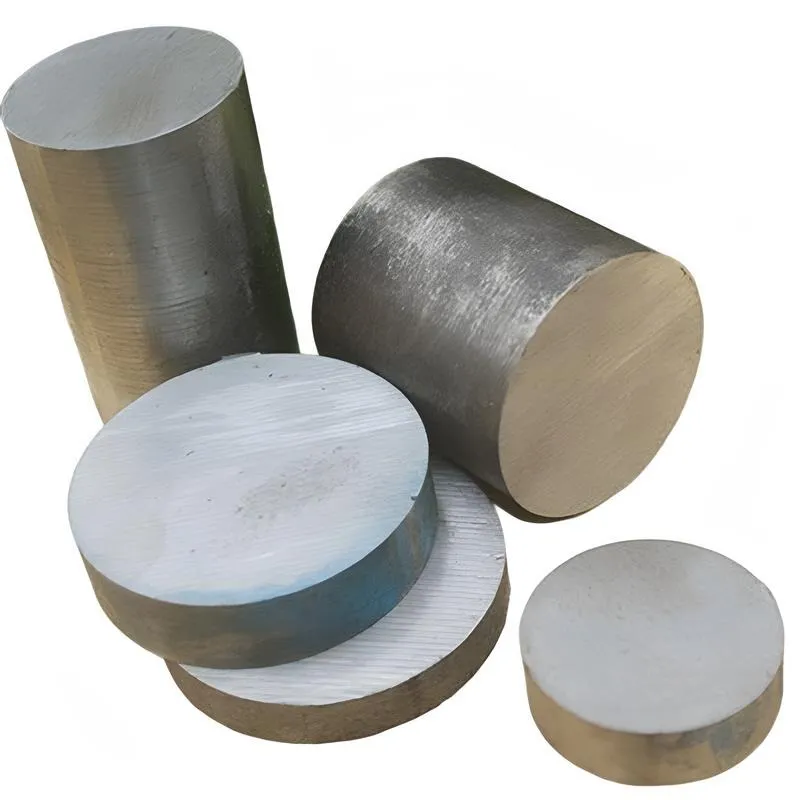
Carpenter Micro-Melt® M-3 Class 2 Alloy (AISI M3)
Product Code : STI-GSTI-275-CU
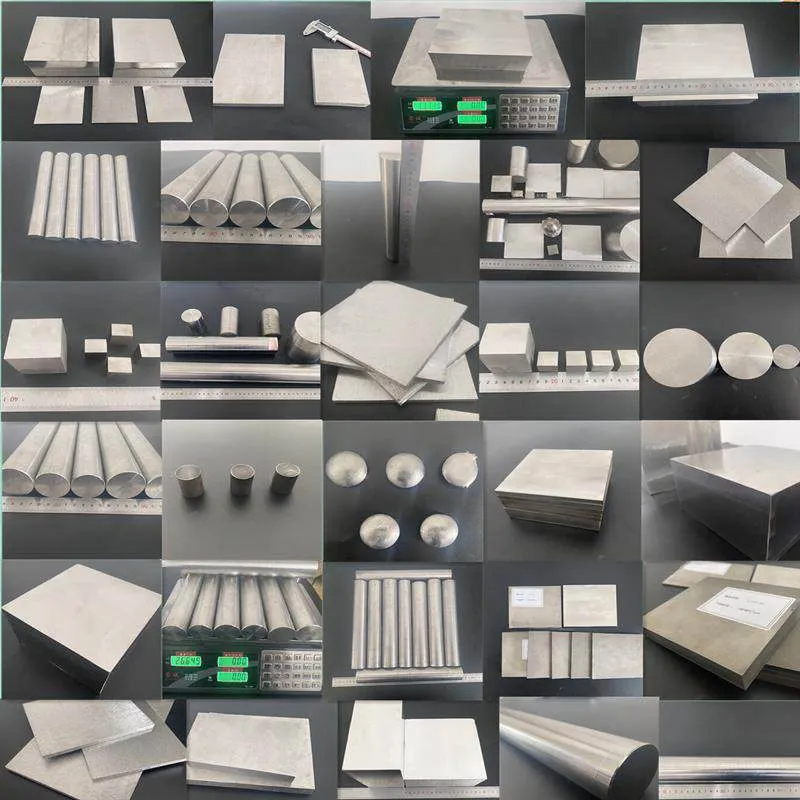
We provide Carpenter Micro-Melt® M-3 Class 2 Alloy (AISI M3) is available in Bar (Round bar, Flat bar), Ribbon, Wire, Rods, Tube,Seamless Tube,Pipe, Ingots, Plate, Sheet, Strip and Forging Stock.,Purity, chemical composition, size, etc. can all be customized to meet specific requirements.
Please contact us if you need customized services. We will contact you with the price and availability in 24 hours.
Carpenter Micro-Melt® M-3 Class 2 Alloy (AISI M3) Product Information
-:-
For detailed product information, please contact sales.
-:
Carpenter Micro-Melt® M-3 Class 2 Alloy (AISI M3) Synonyms
-:-
For detailed product information, please contact sales.
-:
Carpenter Micro-Melt® M-3 Class 2 Alloy (AISI M3) Product Information
-:-
For detailed product information, please contact sales.
-:
## **Carpenter Micro-Melt® M-3 Class 2 Alloy (AISI M3)**
### **Premium High-Vanadium High-Speed Steel for Superior Wear Resistance and Toughness**
---
### **Product Overview**
Carpenter Micro-Melt® M-3 Class 2 (AISI M3:2) is an advanced molybdenum-vanadium high-speed steel (HSS) manufactured through proprietary powder metallurgy (PM) technology. Characterized by its **balanced combination of high wear resistance and good toughness**, this alloy represents the optimal solution for applications requiring extended tool life in abrasive cutting conditions while maintaining resistance to chipping and fracture. As the premium PM version of conventional AISI M3 Class 2, it overcomes the limitations of ingot-cast manufacturing through an ultra-fine, homogeneous carbide distribution, delivering superior grindability, consistent heat treatment response, and reliable performance in demanding machining operations.
---
### **Key Advantages**
- **Optimal Wear-Toughness Balance**: Higher vanadium content than M2 provides enhanced wear resistance while maintaining good toughness
- **Superior Grindability**: Fine, uniform carbide structure enables easier grinding than conventionally produced M3:2
- **Enhanced Toughness**: PM manufacturing improves transverse rupture strength and impact resistance
- **Excellent Wear Resistance**: 3% vanadium content combined with fine carbides provides superior abrasion resistance
- **Isotropic Properties**: Uniform performance characteristics in all material directions
- **Consistent Heat Treatment**: Minimal distortion and predictable dimensional stability
- **Cost-Effective Performance**: Provides M4-like wear resistance at a more economical cost point
---
### **Chemical Composition (%)**
| Element | Carbon (C) | Molybdenum (Mo) | Vanadium (V) | Tungsten (W) | Chromium (Cr) | Cobalt (Co) |
|---------|------------|-----------------|--------------|--------------|---------------|-------------|
| **Content** | 1.15-1.25 | 5.00-6.00 | 2.75-3.25 | 5.50-6.50 | 3.75-4.50 | - |
*Additional Elements*:
- Silicon (Si): 0.15-0.40%
- Manganese (Mn): 0.15-0.40%
- Sulfur (S): ≤0.030%
- Phosphorus (P): ≤0.030%
*Note: Class 2 designation indicates higher vanadium content than Class 1 for improved wear resistance*
---
### **Physical & Mechanical Properties**
#### **Physical Properties**
- **Density**: 8.10 g/cm³ (0.292 lb/in³)
- **Melting Point**: 1260-1310°C (2300-2390°F)
- **Thermal Conductivity**: 23.8 W/m·K at 20°C
- **Coefficient of Thermal Expansion**: 10.6 × 10⁻⁶/°C (20-300°C)
- **Modulus of Elasticity**: 215 GPa (31.2 × 10⁶ psi)
#### **Mechanical Properties (Hardened & Tempered)**
- **Typical Hardness Range**: **64-66 HRC** (65 HRC optimal for most applications)
- **Red Hardness**: Maintains 58 HRC at approximately **550°C (1022°F)**
- **Compressive Strength**: 3,600-4,000 MPa (522-580 ksi) at 65 HRC
- **Transverse Rupture Strength**: 3,600-4,000 MPa (522-580 ksi)
- **Abrasion Resistance**: 30-40% better than M2 HSS
- **Toughness**: Approximately 15-20% higher than conventional M3:2
#### **Heat Treatment Parameters**
1. **Annealing**:
- Temperature: 850-870°C (1562-1600°F)
- Slow cool to 540°C (1000°F) at 10-15°C (20-30°F)/hour
- Air cool to room temperature
- *Annealed Hardness*: 240-280 HB
2. **Stress Relieving**: 650-675°C (1200-1250°F) for 2 hours
3. **Preheating**: Two-stage process recommended:
- Stage 1: 550-650°C (1022-1200°F)
- Stage 2: 800-850°C (1472-1562°F)
4. **Austenitizing**: **1190-1220°C (2175-2230°F)**
- Temperature control critical (±5°C recommended)
- Soaking time: 2-4 minutes per 25mm (1 inch) of thickness
5. **Quenching Options**:
- Oil quenching: For maximum hardness
- Salt bath: For complex shapes and minimal distortion
- Vacuum/pressurized gas: Best for dimensional control
6. **Tempering**:
- **Double or triple temper recommended**
- Temperature: 540-570°C (1000-1060°F)
- Duration: 2 hours minimum per cycle
- Cool to room temperature between tempers
---
### **International Standards & Cross-References**
| Standard System | Designation | Notes |
|----------------|-------------|-------|
| **Carpenter** | Micro-Melt M-3 Class 2, CPM M3:2 | Primary designation |
| **AISI** | M3 Class 2 | Direct equivalent (PM premium version) |
| **UNS** | T11323 | Unified numbering system |
| **ISO** | HS6-5-3 | ISO 4957 designation (similar) |
| **European (EN)** | 1.3346 | Similar HSS grade |
| **DIN** | S6-5-3 | German standard designation |
| **Japanese (JIS)** | SKH52 | Equivalent HSS grade |
| **Common Equivalents** | ASP 2023 (Erasteel), HAP 40 (Hitachi) | Similar PM HSS grades |
---
### **Typical Applications**
#### **1. Cutting Tools for Abrasive Materials**
- **End Mills**: For machining cast iron, stainless steel, and heat-treated steels
- **Drills**: High-penetration drills for abrasive non-ferrous materials
- **Reamers**: Precision hole finishing in hardened materials
- **Gear Cutters**: Hobs and shapers for automotive gears
- **Broaches**: For internal splines and keyways
- **Thread Mills**: For hard and abrasive materials
- **Turning Tools**: Single-point tools for general machining
#### **2. Forming and Punching Tools**
- **Cold Work Punches**: For medium to high production runs
- **Shear Blades**: For cutting abrasive sheet materials
- **Form Rolls**: In metal forming operations
- **Slitter Knives**: For non-ferrous metal processing
#### **3. Mold and Die Applications**
- **Injection Mold Components**: Cores and cavities for abrasive plastics
- **Die Casting**: Cores and pins for aluminum casting
- **Extrusion Dies**: For plastics and non-ferrous metals
- **Stamping Dies**: For medium-volume production
#### **4. Industrial and Special Tools**
- **Woodworking Tools**: For engineered wood and composites
- **Knives**: Industrial cutting blades
- **Wear Parts**: In moderately abrasive environments
- **Machine Components**: Guide pins, bushings, and wear plates
---
### **Performance Characteristics**
#### **Cutting Performance Comparison**
| Material Being Cut | Speed vs. M2 | Feed Rate | Tool Life Improvement |
|--------------------|--------------|-----------|----------------------|
| **Cast Iron** | 110-120% | 105-110% | 150-200% |
| **Stainless Steel** | 115-125% | 110-115% | 180-250% |
| **Alloy Steels** | 110-120% | 105-110% | 160-220% |
| **Aluminum Alloys** | 100-105% | 100-105% | 120-150% |
| **Plastics/Composites** | 105-110% | 100-105% | 200-300% |
#### **Compared to Conventional M3:2**
| Property | Micro-Melt M-3:2 | Conventional M3:2 | Improvement |
|----------|------------------|-------------------|-------------|
| **Toughness** | Very Good | Good | +15-20% |
| **Grindability** | Good | Fair | +40-50% |
| **Wear Resistance** | Excellent | Very Good | +10-15% |
| **Hardness Consistency** | Excellent | Good | Significant improvement |
| **Distortion Control** | Excellent | Fair | +70-90% |
---
### **Machining & Fabrication Guidelines**
#### **In Annealed Condition**
- **Machinability Rating**: Fair to Good (50-55% of 1% carbon steel)
- **Recommended Tools**: Carbide or premium HSS tools
- **Cutting Speeds**: 25-35 SFM for turning operations
- **Feed Rates**: Light to moderate
- **Coolant**: Recommended for all machining operations
#### **In Hardened Condition**
- **Grinding Requirements**:
- Use aluminum oxide or CBN wheels
- Light passes: ≤0.020mm (0.0008") per pass
- Regular wheel dressing
- Adequate coolant flow essential
- **EDM Machining**:
- Suitable with proper parameters
- Post-EDM tempering at 150-200°C (300-400°F) recommended
- **Polishing**: Achieves excellent surface finishes
---
### **Technical Specifications**
#### **Quality Standards**
- **Micro-Cleanliness**: Exceeds ASTM E45 requirements
- **Carbide Size**: 2-5 microns maximum
- **Carbide Distribution**: Uniform, non-directional
- **Decarburization**: Controlled to ≤0.10mm (0.004")
- **Surface Quality**: Various finishes available
#### **Available Forms**
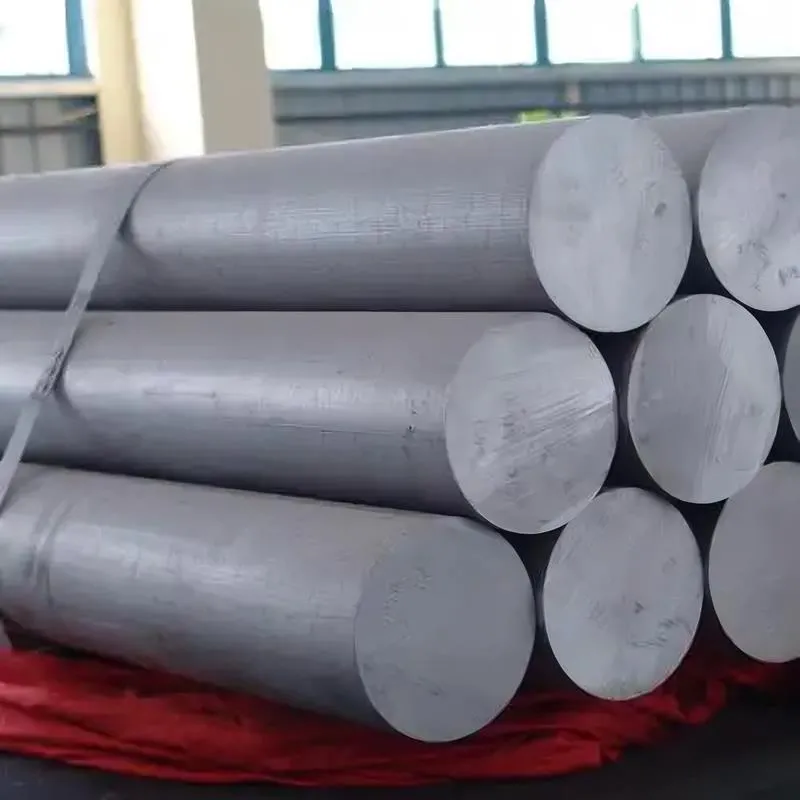
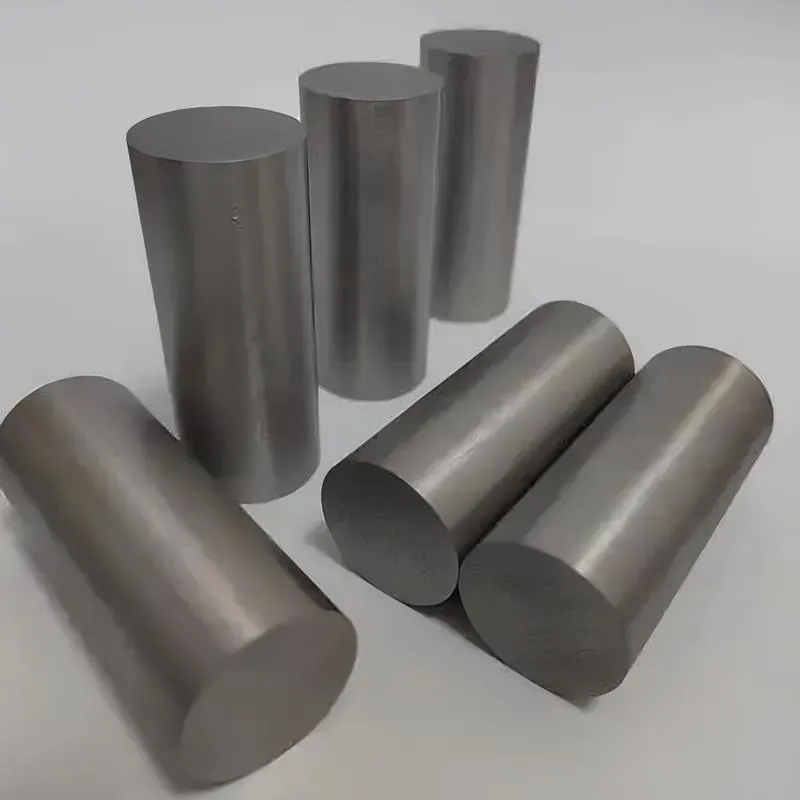
- **Round Bars**: 5mm to 250mm diameter
- **Flat Bars**: Various thicknesses and widths
- **Sheets & Plates**: Up to 75mm thickness
- **Forgings**: Custom shapes and sizes
- **Pre-finished Blanks**: Ground and polished surfaces
---
### **Application-Specific Recommendations**
#### **Optimal For**
- Materials with hardness 25-45 HRC
- Abrasive non-ferrous materials
- Stainless steels and alloy steels
- Composite materials and reinforced plastics
- General-purpose machining with wear concerns
#### **Economic Justification**
- **Tool Life**: 1.5-2.5× conventional M2 tools
- **Productivity**: 10-20% higher cutting speeds possible
- **Quality**: Consistent performance and dimensional accuracy
- **Total Cost**: Lower cost-per-part than premium cobalt grades
**Typical ROI**: 2-6 months in general machining applications
---
### **Limitations & Considerations**
#### **Technical Considerations**
- **Not for Extreme Hardness**: Maximum 66 HRC (vs. 68+ for cobalt grades)
- **Moderate Hot Hardness**: Limited to 550°C operating temperatures
- **Cost**: Higher than standard M2 but lower than cobalt grades
#### **Not Recommended For**
- Materials above 55 HRC
- High-temperature alloys requiring extreme hot hardness
- Applications requiring maximum impact resistance
- Cost-sensitive applications where M2 is sufficient
---
### **Coating Compatibility**
#### **Recommended Coatings**
- **PVD Coatings**: TiN, TiCN, TiAlN
- **CVD Coatings**: TiC, TiCN
- **Performance Improvement**: 50-150% increased tool life
#### **Coating Process**
- Apply after final heat treatment and grinding
- Typical coating thickness: 2-4 microns
- Compatible with most commercial coating systems
---
### **Industry Applications**
#### **General Manufacturing**
- Automotive component machining
- Machinery part production
- Tool and die manufacturing
- Maintenance and repair operations
#### **Specialized Applications**
- Pump component manufacturing
- Valve production
- Agricultural equipment manufacturing
- Construction equipment parts
---
### **Maintenance & Regrinding**
1. **Regular Inspection**: Monitor wear patterns and edge condition
2. **Timely Regrinding**: Before excessive wear occurs
3. **Proper Techniques**: Use appropriate grinding parameters
4. **Stress Relief**: Low-temperature temper after heavy grinding
---
### **Conclusion**
Carpenter Micro-Melt® M-3 Class 2 Alloy represents the optimal balance between wear resistance and toughness in high-speed steel technology. By combining the enhanced vanadium content of M3:2 chemistry with the superior microstructure of powder metallurgy manufacturing, this material delivers:
1. **Superior Wear Resistance**: Enhanced abrasion resistance for extended tool life
2. **Good Toughness**: Resistance to chipping and fracture in demanding applications
3. **Excellent Manufacturing**: Improved grindability and heat treatment response
4. **Cost-Effective Performance**: Premium performance at an economical price point
For general machining applications where abrasive wear limits tool life but impact resistance is still important, Micro-Melt M-3:2 provides the ideal solution. It bridges the gap between standard M2 HSS and premium cobalt grades, offering significantly improved performance without the cost premium of specialized alloys.
When conventional M2 tools wear out too quickly but the application doesn't justify cobalt-grade pricing, Micro-Melt M-3:2 delivers the perfect performance-to-cost ratio for today's competitive manufacturing environment.
---
*For specific application recommendations and technical assistance, consult with Carpenter Technology's technical services team. Always refer to the latest technical data sheets for current specifications.*
-:-
For detailed product information, please contact sales.
-:
Carpenter Micro-Melt® M-3 Class 2 Alloy (AISI M3) Specification
Dimensions
Size:
Diameter 20-1000 mm Length <6931 mm
Size:We can customized as required
Standard:
Per your request or drawing
We can customized as required
Properties(Theoretical)
Chemical Composition
-:-
For detailed product information, please contact sales.
-:
Carpenter Micro-Melt® M-3 Class 2 Alloy (AISI M3) Properties
-:-
For detailed product information, please contact sales.
-:
Applications of Carpenter Micro-Melt® M-3 Class 2 Alloy (AISI M3)
-:-
For detailed product information, please contact sales.
-:
Chemical Identifiers Carpenter Micro-Melt® M-3 Class 2 Alloy (AISI M3)
-:-
For detailed product information, please contact sales.
-:
Packing of Carpenter Micro-Melt® M-3 Class 2 Alloy (AISI M3)
-:-
For detailed product information, please contact sales.
-:
Standard Packing:
-:-
For detailed product information, please contact sales.
-:
Typical bulk packaging includes palletized plastic 5 gallon/25 kg. pails, fiber and steel drums to 1 ton super sacks in full container (FCL) or truck load (T/L) quantities. Research and sample quantities and hygroscopic, oxidizing or other air sensitive materials may be packaged under argon or vacuum. Solutions are packaged in polypropylene, plastic or glass jars up to palletized 3402 gallon liquid totes Special package is available on request. E FORUs’ is carefully handled to minimize damage during storage and transportation and to preserve the quality of our products in their original condition