Carpenter Micro-Melt® HS-76 Alloy (AISI M48)
Product Code : STI-GSTI-277-CU
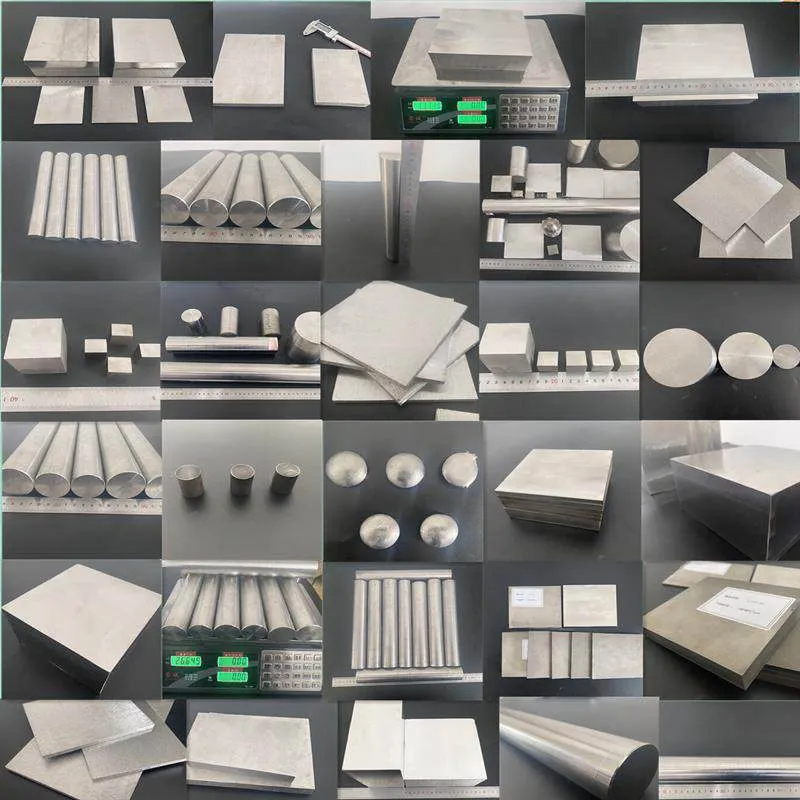
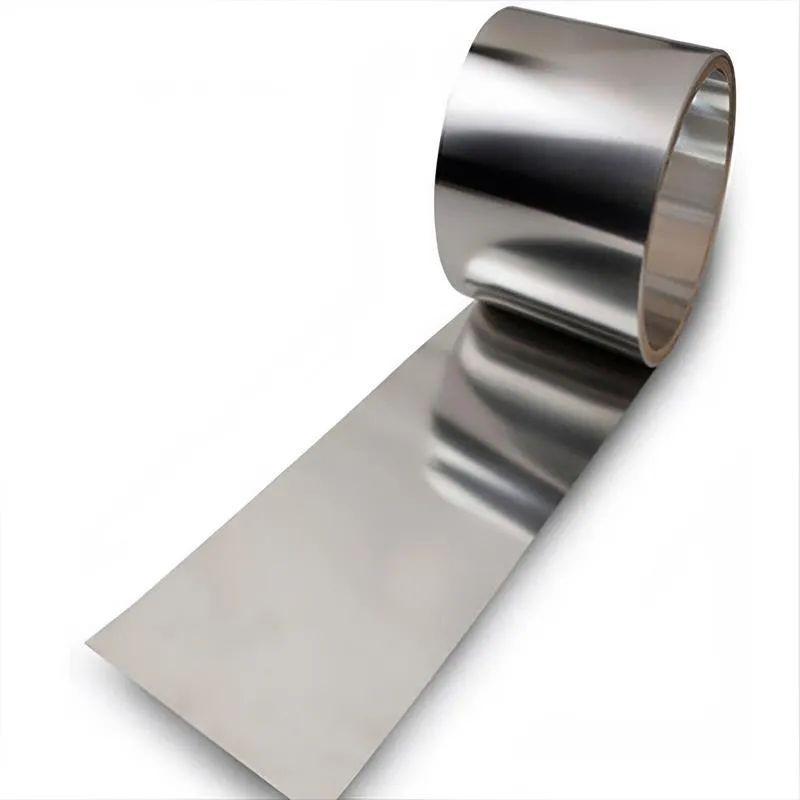
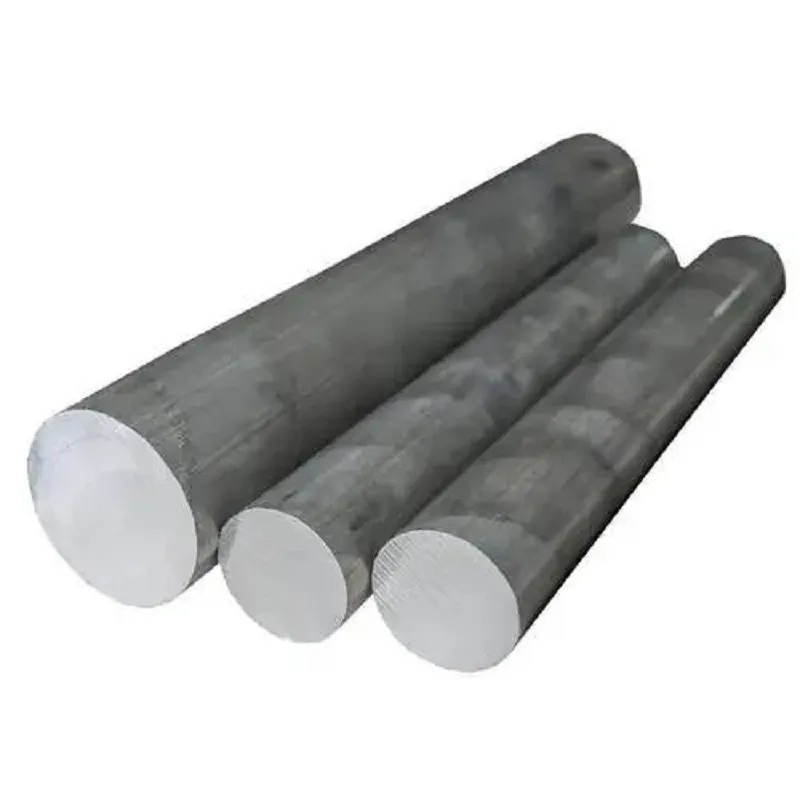
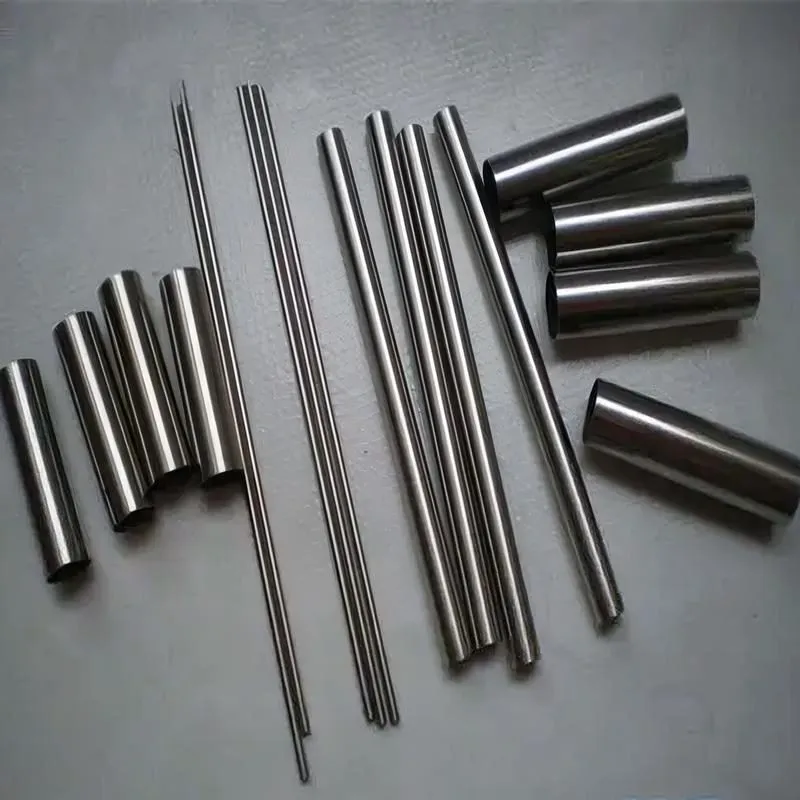
We provide Carpenter Micro-Melt® HS-76 Alloy (AISI M48) is available in Bar (Round bar, Flat bar), Ribbon, Wire, Rods, Tube,Seamless Tube,Pipe, Ingots, Plate, Sheet, Strip and Forging Stock.,Purity, chemical composition, size, etc. can all be customized to meet specific requirements.
Please contact us if you need customized services. We will contact you with the price and availability in 24 hours.
Carpenter Micro-Melt® HS-76 Alloy (AISI M48) Product Information
-:-
For detailed product information, please contact sales.
-:
Carpenter Micro-Melt® HS-76 Alloy (AISI M48) Synonyms
-:-
For detailed product information, please contact sales.
-:
Carpenter Micro-Melt® HS-76 Alloy (AISI M48) Product Information
-:-
For detailed product information, please contact sales.
-:
# Carpenter Micro-Melt® HS-76 Alloy (AISI M48)
## Premium Cobalt High-Speed Steel for Extreme Hot Hardness and Wear Resistance
---
### Product Overview
Carpenter Micro-Melt® HS-76 (AISI M48) is an ultra‑premium, high‑cobalt, high‑carbon high‑speed steel (HSS) manufactured by Carpenter’s proprietary powder metallurgy (PM) “Micro‑Melt” process. This alloy represents the highest tier of conventional high‑speed steel performance, engineered to deliver **exceptional hot hardness, outstanding wear resistance, and excellent red‑hardness retention** at temperatures exceeding 600 °C. The PM process ensures a uniform, ultra‑fine carbide distribution free from the segregation and coarse carbides typical of ingot‑cast M48, providing superior grindability, consistent heat‑treatment response, and reliable performance in the most severe cutting and forming applications.
---
### Key Advantages
- **Extreme Hot Hardness**: Maintains cutting‑edge hardness above 60 HRC at temperatures over 600 °C (1112 °F) owing to its high cobalt (≈8 %) and carbon content.
- **Superior Wear Resistance**: High vanadium (≈3 %) combined with fine, uniformly dispersed carbides provides outstanding abrasion resistance.
- **Enhanced Toughness**: PM microstructure yields higher transverse‑rupture strength and better resistance to chipping than conventional M48.
- **Excellent Grindability**: Fine carbide structure allows easier grinding and better surface finishes than ingot‑cast equivalents.
- **Isotropic Properties**: Uniform mechanical behavior in all directions due to the absence of carbide banding.
- **Consistent Heat‑Treatment Response**: Minimal distortion and predictable dimensional changes during hardening.
---
### Chemical Composition (%)
| Element | Content | Role |
|--------------|----------------|----------------------------------------------------------------------|
| Carbon (C) | 1.45–1.55 | Primary hardenability, forms hard carbides with V, W, Mo. |
| Tungsten (W) | 9.50–10.50 | Promotes hot hardness and secondary hardening. |
| Cobalt (Co) | 7.50–8.50 | Enhances red‑hardness by raising the tempering‑resistance of martensite. |
| Vanadium (V) | 2.75–3.25 | Provides exceptional wear resistance via hard vanadium carbides. |
| Chromium (Cr)| 3.50–4.25 | Improves hardenability and corrosion resistance. |
| Molybdenum (Mo)| 3.25–3.75 | Contributes to secondary hardening and refines grain structure. |
| Silicon (Si) | 0.15–0.40 | Deoxidizer, improves strength. |
| Manganese (Mn)| 0.15–0.40 | Enhances hardenability and deoxidizes. |
| Sulfur (S) | ≤0.030 | Impurity control. |
| Phosphorus (P)| ≤0.030 | Impurity control. |
*Note: The composition is balanced to maximize the volume of hard MC‑type (vanadium) and M₆C‑type (tungsten/molybdenum) carbides while maintaining good toughness.*
---
### Physical & Mechanical Properties
#### Physical Properties
- **Density**: 8.25 g/cm³ (0.298 lb/in³)
- **Melting Range**: 1260–1315 °C (2300–2400 °F)
- **Thermal Conductivity**: ≈24 W/(m·K) at 20 °C
- **Coefficient of Thermal Expansion**: 10.8 × 10⁻⁶/°C (20–300 °C)
- **Modulus of Elasticity**: 215 GPa (31.2 × 10⁶ psi)
- **Magnetic Response**: Slightly magnetic in annealed condition.
#### Mechanical Properties (Hardened & Tempered)
- **Typical Hardness**: **66–69 HRC** (67–68 HRC is the optimum service range).
- **Red Hardness**: Retains ≥60 HRC after exposure to **600–620 °C (1112–1150 °F)**.
- **Hot Hardness at 600 °C**: ≈950 HV.
- **Compressive Strength**: 4000–4400 MPa (580–640 ksi) at 68 HRC.
- **Transverse‑Rupture Strength**: 3400–3800 MPa (490–550 ksi).
- **Abrasion Resistance**: Among the highest of all conventional high‑speed steels; ≈20 % better than M42 at equivalent hardness.
- **Toughness**: PM structure provides ≈15–20 % higher impact resistance than ingot‑cast M48.
#### Heat‑Treatment Parameters
1. **Annealing**
- Temperature: 870–900 °C (1600–1650 °F).
- Cool slowly to 540 °C (1000 °F) at ≤15 °C/h (25 °F/h), then air cool.
- *Annealed hardness*: 240–280 HB.
2. **Stress Relieving** (optional after rough machining): 650–675 °C (1200–1250 °F) for 2 h.
3. **Preheating** (essential):
- Stage 1: 550–650 °C (1022–1200 °F).
- Stage 2: 850–900 °C (1562–1652 °F).
4. **Austenitizing**: **1200–1230 °C (2192–2246 °F)**.
- Soak time: 2–4 min per 25 mm (1 in) of thickness.
- Precise temperature control (±5 °C) is critical to avoid grain growth.
5. **Quenching**:
- Oil quenching for maximum hardness.
- Salt bath or high‑pressure gas quenching for complex shapes to minimize distortion.
6. **Tempering**:
- **Triple temper mandatory** for full transformation of retained austenite.
- Temperature: 540–580 °C (1004–1076 °F).
- Duration: ≥2 h per cycle, cool to room temperature between cycles.
- Hardness after tempering: 67–69 HRC.
---
### International Standards & Cross‑References
| Standard System | Designation | Notes |
|-----------------|---------------------------------|-----------------------------------------------------------------------|
| **Carpenter** | Micro‑Melt HS‑76, CPM M48 | Primary proprietary name. |
| **AISI** | M48 | Direct equivalent (PM premium version). |
| **UNS** | T11348 | Unified Numbering System. |
| **ISO** | HS12‑1‑4‑5 (similar) | ISO 4957 designation for cobalt‑bearing HSS. |
| **European** | 1.3249 (similar) | Cobalt‑rich high‑speed steel. |
| **Japanese** | SKH58 (similar) | High‑cobalt HSS grade. |
| **Common Equivalents** | ASP 2060 (Erasteel), HAP 72 (Hitachi) | Similar PM high‑cobalt HSS grades. |
*Note: Exact equivalents may vary; Carpenter’s PM process provides superior cleanliness and isotropy compared to conventional M48.*
---
### Typical Applications
#### 1. Extreme‑Performance Cutting Tools
- **End mills and face mills** for machining superalloys (Inconel, Waspaloy, Rene‑type alloys), hardened steels (45–62 HRC), and titanium alloys.
- **Drills and reamers** for deep‑hole drilling in high‑temperature aerospace components.
- **Gear hobs and shapers** for hard‑to‑cut gear materials.
- **Broaches** for internal splines and keyways in hardened components.
- **Thread‑milling cutters** and form tools for difficult‑to‑machine materials.
- **Turning tools** for high‑speed, dry‑machining operations.
#### 2. Demanding Forming & Punching Tools
- **Cold‑work punches and dies** for high‑strength sheet materials (spring steel, hardened stainless).
- **Shear blades and slitter knives** for abrasive metals and composites.
- **Form rolls and mandrels** subject to severe wear.
#### 3. High‑Temperature Tooling
- **Hot‑work tooling inserts** for limited‑duration forging or extrusion of non‑ferrous alloys.
- **Die‑casting cores and pins** for aluminum and magnesium (where thermal fatigue is moderate).
- **Injection‑mold components** for highly abrasive filled polymers (glass‑, mineral‑, or carbon‑filled plastics).
#### 4. Specialized Wear Parts
- **Wear plates, guides, and bushings** in high‑load, high‑wear machinery.
- **Knives and cutters** for abrasive non‑metallic materials (fiberglass, carbon‑fiber composites, reinforced rubber).
- **Precision gauges and fixtures** requiring extreme dimensional stability and wear resistance.
---
### Machining & Fabrication Guidelines
#### In Annealed Condition (240–280 HB)
- **Machinability**: Fair (≈35 % of 1 % carbon steel); carbide tools are recommended.
- **Cutting speeds**: 20–30 SFM for turning; light to moderate feeds.
- **Coolant**: Essential to control heat and extend tool life.
- **Forming**: Can be cold‑formed with adequate tooling pressure.
#### In Hardened Condition (67–69 HRC)
- **Grinding**:
- Use CBN or aluminum‑oxide wheels (soft grade).
- Light passes (≤0.010–0.015 mm / 0.0004–0.0006 in) with ample coolant.
- Frequent wheel dressing to maintain sharpness.
- **Electrical‑Discharge Machining (EDM)**:
- Suitable with proper parameters; follow with a low‑temperature stress‑relief temper (150–200 °C / 300–400 °F).
- **Polishing**: Achieves mirror finishes with diamond compounds.
---
### Coating Compatibility
HS‑76 provides an excellent substrate for advanced thin‑film coatings, which further enhance performance:
- **PVD coatings**: TiAlN, AlCrN, TiSiN, DLC (diamond‑like carbon).
- **CVD coatings**: TiCN, Al₂O₃ (applied with care to avoid embrittlement).
- **Coating benefits**: 100–300 % increase in tool life, reduced friction, better thermal barrier.
- **Application**: Coat after final grinding; typical thickness 2–5 μm.
---
### Comparison with Other High‑Speed Steels
| Property | HS‑76 (M48) | M42 | M4 | T15 |
|---------------------|-------------|------------|------------|-------------|
| **Max. Hardness (HRC)** | 69 | 70 | 66 | 67 |
| **Hot Hardness (600 °C)**| Excellent | Excellent | Very Good | Excellent |
| **Wear Resistance** | Excellent | Very Good | Excellent | Outstanding |
| **Toughness** | Good | Fair | Very Good | Fair |
| **Grindability** | Good | Fair | Good | Difficult |
| **Typical Cutting‑Speed Ratio* | 1.4–1.6× M2 | 1.3–1.5× M2 | 1.2–1.4× M2 | 1.5–1.8× M2 |
*Relative to AISI M2 under same conditions.
---
### Economic Justification
- **Extended Tool Life**: 3–8× longer than standard M2/M7 tools in severe applications.
- **Higher Productivity**: Enables 20–40 % faster cutting speeds on difficult materials.
- **Reduced Downtime**: Fewer tool changes and less frequent regrinding.
- **Improved Part Quality**: Better surface finish and dimensional accuracy.
**Return on Investment**: Typically 3–9 months in aerospace, power‑generation, and high‑end die‑&‑mold operations.
---
### Limitations & Considerations
- **High Cost**: Premium pricing due to cobalt content and PM processing.
- **Grinding Skill Required**: Demands careful practice to avoid thermal damage.
- **Brittleness**: Less impact‑resistant than tough grades like M4 or S7.
- **Not Recommended For**:
- High‑shock applications (e.g., heavy hammering).
- Corrosive environments without protective coatings.
- Cost‑sensitive production where lower‑grade HSS suffices.
---
### Quality Assurance
- **Micro‑Cleanliness**: Meets or exceeds ASTM E45 requirements.
- **Carbide Size**: Typically 2–4 μm, uniformly distributed.
- **Ultrasonic Testing**: Available for critical applications.
- **Certification**: Mill test reports with full chemical analysis, hardness, and microstructure data.
---
### Conclusion
Carpenter Micro‑Melt® HS‑76 (AISI M48) is the material of choice when cutting or forming operations push the limits of conventional high‑speed steels. Its extraordinary hot hardness, coupled with the wear resistance imparted by fine vanadium carbides, allows it to perform where other HSS grades fail. The PM “Micro‑Melt” process ensures consistency, improved grindability, and isotropic properties that translate into reliable, predictable tool performance.
**Key Benefits Recap**:
1. **Extreme red‑hardness** for high‑temperature machining.
2. **Superior wear resistance** for long tool life in abrasive conditions.
3. **Enhanced toughness** (vs. conventional M48) for better resistance to chipping.
4. **Excellent grindability** and dimensional stability during heat treatment.
For aerospace superalloys, hardened tool steels, and advanced composites, HS‑76 delivers the productivity and reliability that justify its premium cost. When the application demands the ultimate in conventional high‑speed steel performance, Micro‑Melt HS‑76 stands as the engineered solution.
---
*For specific application recommendations, heat‑treatment guidelines, or technical support, consult Carpenter Technology’s technical‑service team. Always refer to the latest Carpenter data sheets for current specifications.*
-:-
For detailed product information, please contact sales.
-:
Carpenter Micro-Melt® HS-76 Alloy (AISI M48) Specification
Dimensions
Size:
Diameter 20-1000 mm Length <6933 mm
Size:We can customized as required
Standard:
Per your request or drawing
We can customized as required
Properties(Theoretical)
Chemical Composition
-:-
For detailed product information, please contact sales.
-:
Carpenter Micro-Melt® HS-76 Alloy (AISI M48) Properties
-:-
For detailed product information, please contact sales.
-:
Applications of Carpenter Micro-Melt® HS-76 Alloy (AISI M48)
-:-
For detailed product information, please contact sales.
-:
Chemical Identifiers Carpenter Micro-Melt® HS-76 Alloy (AISI M48)
-:-
For detailed product information, please contact sales.
-:
Packing of Carpenter Micro-Melt® HS-76 Alloy (AISI M48)
-:-
For detailed product information, please contact sales.
-:
Standard Packing:
-:-
For detailed product information, please contact sales.
-:
Typical bulk packaging includes palletized plastic 5 gallon/25 kg. pails, fiber and steel drums to 1 ton super sacks in full container (FCL) or truck load (T/L) quantities. Research and sample quantities and hygroscopic, oxidizing or other air sensitive materials may be packaged under argon or vacuum. Solutions are packaged in polypropylene, plastic or glass jars up to palletized 3404 gallon liquid totes Special package is available on request. E FORUs’ is carefully handled to minimize damage during storage and transportation and to preserve the quality of our products in their original condition