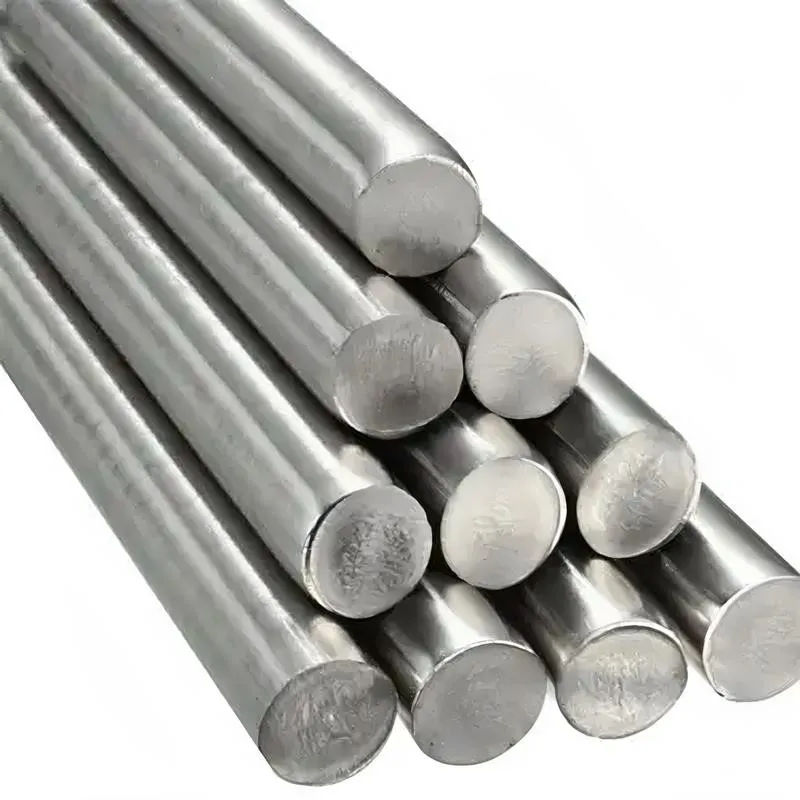
Carpenter R.D.S.® Alloy Tool Steel (Oil-Hard) (AISI L6)
Product Code : STI-GSTI-280-CU
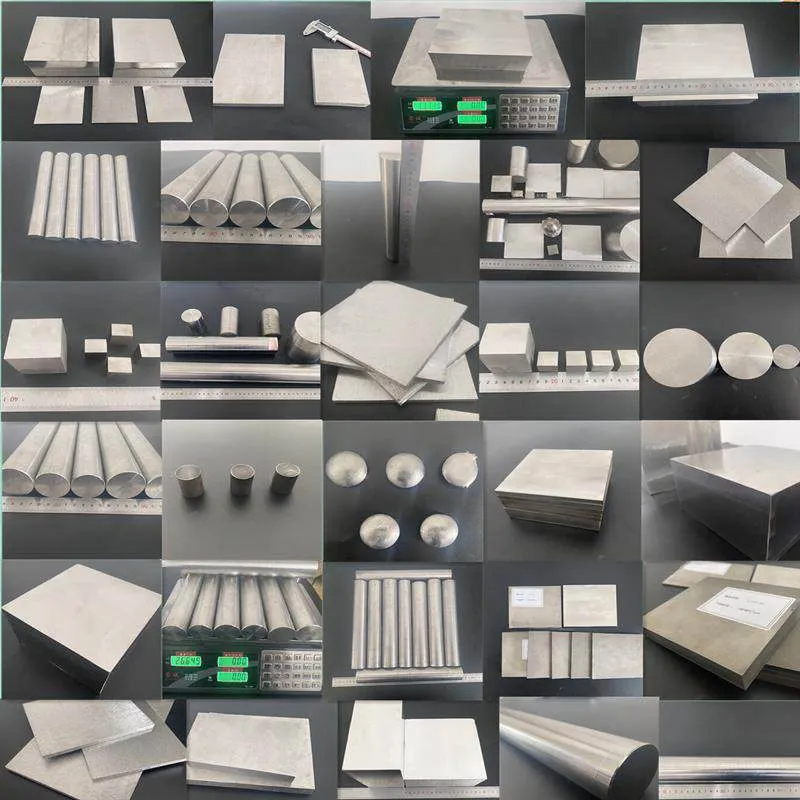
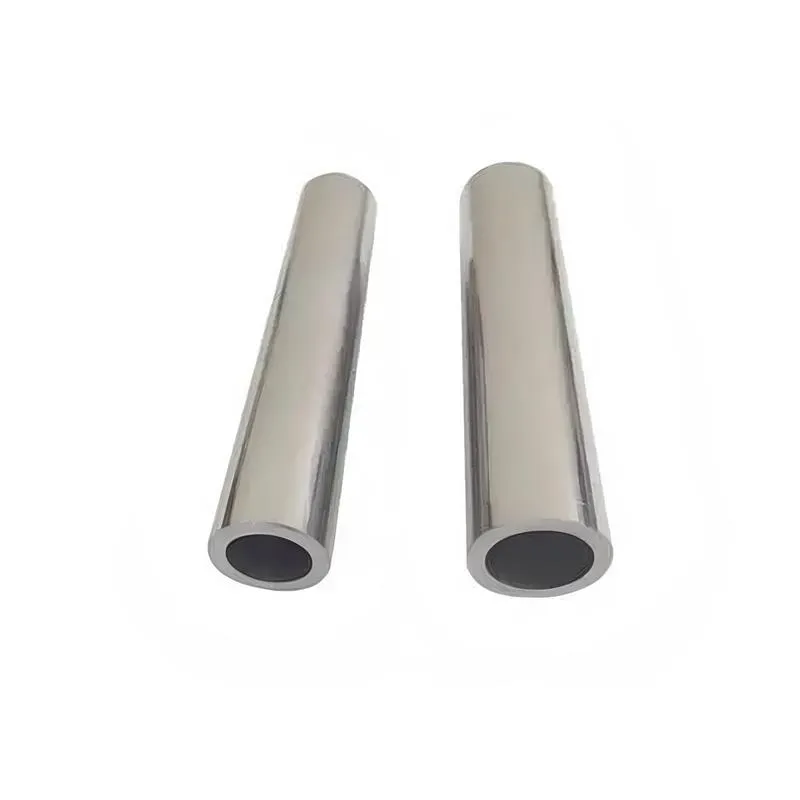
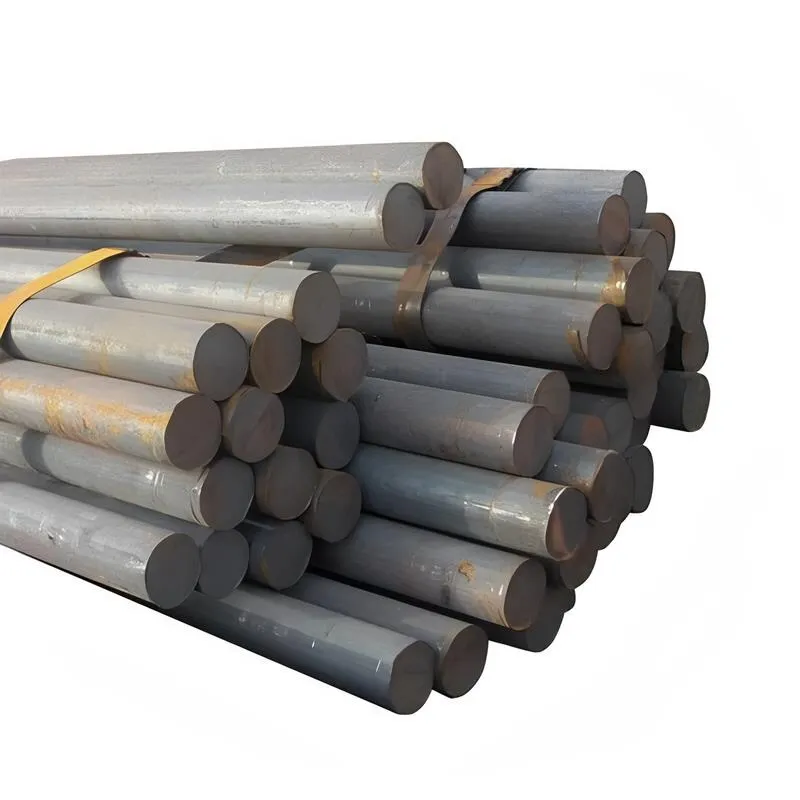
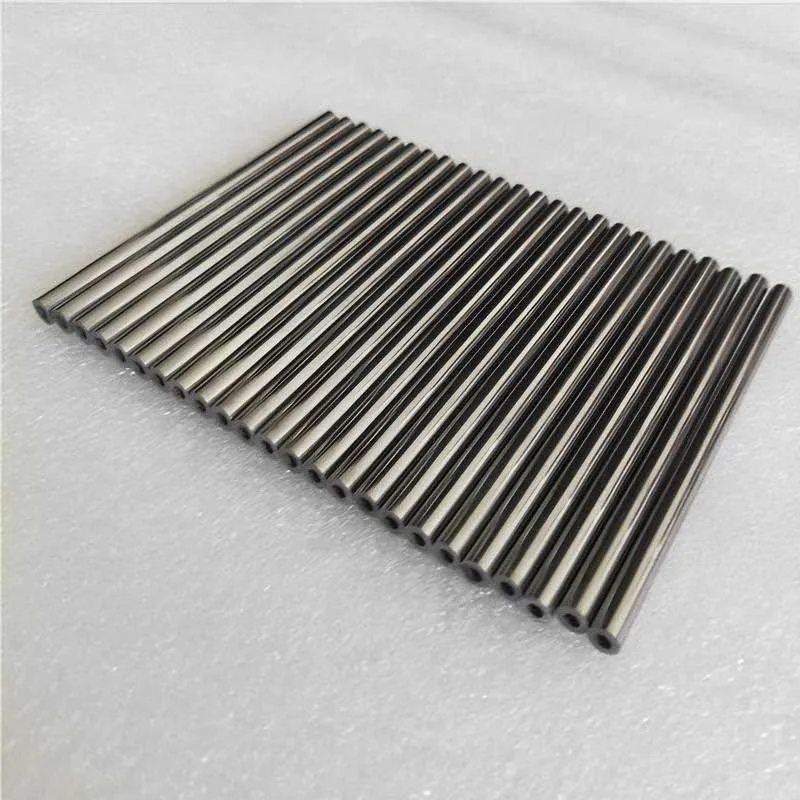
We provide Carpenter R.D.S.® Alloy Tool Steel (Oil-Hard) (AISI L6) is available in Bar (Round bar, Flat bar), Ribbon, Wire, Rods, Tube,Seamless Tube,Pipe, Ingots, Plate, Sheet, Strip and Forging Stock.,Purity, chemical composition, size, etc. can all be customized to meet specific requirements.
Please contact us if you need customized services. We will contact you with the price and availability in 24 hours.
Carpenter R.D.S.® Alloy Tool Steel (Oil-Hard) (AISI L6) Product Information
-:-
For detailed product information, please contact sales.
-:
Carpenter R.D.S.® Alloy Tool Steel (Oil-Hard) (AISI L6) Synonyms
-:-
For detailed product information, please contact sales.
-:
Carpenter R.D.S.® Alloy Tool Steel (Oil-Hard) (AISI L6) Product Information
-:-
For detailed product information, please contact sales.
-:
# **Carpenter R.D.S.® Alloy Tool Steel (Oil-Hardening, AISI L6)**
## **Premium High-Toughness, Oil-Hardening Tool Steel for Demanding Shock and Impact Applications**
---
### **Product Overview**
Carpenter R.D.S.® (Razor Die Steel) Alloy is a premium oil-hardening tool steel corresponding to the AISI L6 classification. Renowned for its **exceptional toughness, high impact strength, and good wear resistance**, this nickel-chromium alloy is specifically engineered for applications subjected to severe shock loading, bending stresses, and impact forces. Characterized by its deep hardening characteristics and excellent fatigue resistance, R.D.S. Alloy offers a unique balance of properties that makes it particularly suitable for cutting tools, forming dies, and structural components where resistance to chipping, cracking, and catastrophic failure is paramount.
---
### **Key Advantages**
- **Exceptional Toughness**: Superior impact strength and fracture toughness compared to most tool steels
- **High Fatigue Resistance**: Excellent resistance to fatigue failure under cyclic loading
- **Good Wear Resistance**: Balanced carbide structure provides adequate abrasion resistance for demanding applications
- **Deep Hardening Characteristics**: Through-hardens in oil up to substantial cross-sections
- **Excellent Strength-to-Toughness Ratio**: Maintains high hardness while providing shock resistance
- **Good Machinability**: Better than many alloy tool steels in the annealed condition
- **Minimal Distortion**: Controlled hardening response with predictable dimensional changes
- **Versatile Performance**: Suitable for a wide range of cold work and some hot work applications
---
### **Chemical Composition (%)**
| Element | Carbon (C) | Nickel (Ni) | Chromium (Cr) | Molybdenum (Mo) | Silicon (Si) | Manganese (Mn) |
|---------|------------|-------------|---------------|-----------------|--------------|----------------|
| **Content** | 0.65-0.75 | 1.25-2.00 | 0.60-1.20 | 0.20-0.60 | 0.10-0.50 | 0.25-0.80 |
*Additional Elements:*
- Vanadium (V): 0.10-0.30%
- Tungsten (W): ≤0.50%
- Phosphorus (P): ≤0.030%
- Sulfur (S): ≤0.030%
- Copper (Cu): ≤0.25%
*Note: The nickel-chromium balance is optimized for maximum toughness while maintaining hardenability and wear resistance.*
---
### **Physical & Mechanical Properties**
#### **Physical Properties**
- **Density**: 7.85 g/cm³ (0.284 lb/in³)
- **Melting Point**: 1420-1460°C (2590-2660°F)
- **Thermal Conductivity**: 38.5 W/m·K at 20°C
- **Coefficient of Thermal Expansion**: 11.8 × 10⁻⁶/°C (20-100°C)
- **Modulus of Elasticity**: 205 GPa (29.7 × 10⁶ psi)
- **Specific Heat**: 460 J/kg·K at 20°C
- **Electrical Resistivity**: 0.25 μΩ·m at 20°C
#### **Mechanical Properties**
**Annealed Condition (typical):**
- Hardness: 201-241 HB
- Ultimate Tensile Strength: 690-830 MPa (100-120 ksi)
- Yield Strength: 415-550 MPa (60-80 ksi)
- Elongation: 22-28%
- Reduction of Area: 45-55%
- Machinability Rating: 70% (relative to 1% carbon steel, 100%)
**Hardened and Tempered Condition:**
- **Typical Hardness Range**: 56-62 HRC (optimal balance at 58-60 HRC)
- Ultimate Tensile Strength: 1850-2100 MPa (268-305 ksi)
- Yield Strength: 1550-1850 MPa (225-268 ksi)
- Elongation: 8-12%
- Reduction of Area: 30-40%
- **Impact Toughness (Charpy V-notch)**: 30-45 J (22-33 ft-lb) at 58 HRC (significantly higher than most tool steels)
- Compressive Strength: 2100-2500 MPa (305-363 ksi)
- Transverse Rupture Strength: 3200-3800 MPa (464-551 ksi)
- Fatigue Strength (10⁷ cycles): 750-850 MPa (109-123 ksi)
**Hardenability Characteristics:**
- Fully hardenable in oil up to 125mm (5 inches) diameter
- Surface hardness of 62-64 HRC achievable on quenching
- Through-hardness typically 2-4 HRC points lower than surface
- Dimensional change: typically +0.05% to +0.12% on hardening
#### **Heat Treatment Parameters**
1. **Annealing:**
- Temperature: 790-815°C (1450-1500°F)
- Cooling: Slow furnace cool to 540°C (1000°F) at 15°C (25°F)/hour, then air cool
- Resulting hardness: 201-241 HB
2. **Stress Relieving (after rough machining):**
- Temperature: 650-675°C (1200-1250°F) for 1-2 hours
- Air cool
3. **Preheating:**
- Temperature: 650-700°C (1200-1290°F)
- Soak time: 30-45 minutes per inch of thickness
4. **Austenitizing:**
- Temperature: 800-845°C (1475-1550°F)
- Soak time: 20-40 minutes per inch of thickness
- Critical range: Optimal results typically at 815-830°C (1500-1525°F)
5. **Quenching:**
- Medium: Warm oil (50-65°C / 120-150°F)
- Agitation: Moderate to vigorous
- Cool to hand-warm (60-80°C / 140-175°F) before tempering
- Alternative: High-pressure gas quenching for minimal distortion
6. **Tempering:**
- **Immediate tempering required** (within 1-2 hours of quenching)
- Temperature range: 150-500°C (300-930°F)
- Typical tempering response:
- 150°C (300°F): 60-62 HRC
- 200°C (390°F): 59-61 HRC
- 250°C (480°F): 58-60 HRC
- 300°C (570°F): 57-59 HRC
- 350°C (660°F): 56-58 HRC
- 400°C (750°F): 54-56 HRC
- 450°C (840°F): 52-54 HRC
- 500°C (930°F): 48-50 HRC
- Duration: 1-2 hours per inch of thickness (minimum 2 hours)
- **Double tempering strongly recommended** for maximum toughness and stability
- Tempering above 200°C (390°F) significantly enhances toughness
---
### **International Standards & Cross-References**
| Standard System | Designation | Notes |
|----------------|-------------|-------|
| **Carpenter** | R.D.S. Alloy | Proprietary name for premium L6 steel |
| **AISI** | L6 | Standard oil-hardening, nickel-chromium tool steel |
| **UNS** | T61206 | Unified Numbering System |
| **ISO** | - | No direct ISO equivalent |
| **European (EN)** | - | Not standardized in EN system |
| **German (DIN)** | 1.2713 | Similar nickel-chromium tool steel |
| **British (BS)** | BH224/5 | British specification |
| **Japanese (JIS)** | SKT4 | Similar shock-resistant steel |
| **Swedish (SS)** | 2714 | Swedish standard equivalent |
| **Common Equivalents** | 6F2, 6F3, SKS 4 | Historical and regional designations |
---
### **Typical Applications**
#### **1. Cutting Tools for Tough Materials**
- **Heavy-Duty Shear Blades**: For cutting high-strength alloys and thick sections
- **Industrial Knives**: For processing tough materials (rubber, composites, reinforced plastics)
- **Slitter Knives**: For difficult-to-cut metals and alloys
- **Band Saw Blades**: For cutting tool steels and hardened materials
- **Woodworking Tools**: Chipper knives, planer blades for hardwoods
- **Cold Saws**: For structural steel and alloy cutting
#### **2. Forming and Stamping Tools**
- **Heavy Forming Dies**: For high-strength materials requiring toughness
- **Punching and Blanking Dies**: For thick materials and high-impact applications
- **Cold Forging Tools**: Punches, dies, and inserts for cold heading
- **Thread Rolling Dies**: For hard or tough materials
- **Coining and Embossing Dies**: Where impact resistance is critical
- **Extrusion Tools**: For non-ferrous metals at room temperature
#### **3. Shock and Impact Tools**
- **Chisels and Punches**: For heavy demolition and construction
- **Pneumatic Tool Components**: Jackhammer bits, rock drill parts
- **Hammer and Anvil Tools**: Blacksmith tools, impact surfaces
- **Mining and Quarrying Tools**: Pick points, crusher parts
- **Agricultural Tools**: Plow shares, cultivator points
#### **4. Structural and Machine Components**
- **Gears and Shafts**: For heavy machinery subject to shock loads
- **Wear Plates and Liners**: In abrasive, high-impact environments
- **Bushings and Bearings**: For high-load, low-speed applications
- **Spring Components**: Where fatigue resistance is critical
- **Fasteners**: High-strength bolts and studs for critical applications
#### **5. Specialized Applications**
- **Firearms Components**: Receivers, bolts, and high-stress parts
- **Aerospace Tooling**: Jigs, fixtures, and forming tools
- **Oil and Gas Tools**: Downhole tools and wear components
- **Plastic Injection Molds**: For abrasive filled materials
- **Die Casting Tools**: Ejector pins, cores for aluminum casting
---
### **Machining & Fabrication Guidelines**
#### **In Annealed Condition (201-241 HB)**
- **Machinability**: Good (70% of 1% carbon steel)
- **Recommended Cutting Tools**: High-speed steel or coated carbide
- **Turning Speeds**: 60-80 SFM with HSS, 180-250 SFM with carbide
- **Milling Speeds**: 50-70 SFM with HSS, 150-200 SFM with carbide
- **Drilling Speeds**: 35-55 SFM with HSS drills
- **Coolant**: Recommended for extended tool life and better finishes
- **Chip Characteristics**: Produces continuous chips; use chipbreakers
#### **Grinding and Finishing**
- **Hardened State Grinding**: Use aluminum oxide or CBN wheels
- **Surface Finish**: Capable of achieving 0.4μm (16μin) Ra or better
- **Polishing**: Responds well to conventional polishing techniques
- **Electrical Discharge Machining (EDM)**: Suitable with standard parameters; stress relieve after
#### **Welding and Joining**
- **Weldability**: Fair to good with proper procedures
- **Recommended Methods**: TIG or MIG with preheating (200-300°C / 400-570°F)
- **Filler Material**: Matching composition or high-nickel alloys
- **Post-Weld Heat Treatment**: Stress relieve at 550-600°C (1020-1110°F)
- **Hardening After Welding**: Possible with full re-austenitizing and quenching
---
### **Surface Treatment Compatibility**
#### **Recommended Treatments**
- **Nitriding**: Gas or plasma nitriding for increased surface hardness (up to 70-72 HRC)
- **Hard Chrome Plating**: For improved wear and corrosion resistance
- **Phosphate Coating**: For improved lubrication in forming applications
- **Tufftriding/Melonite**: For combined wear and corrosion resistance
- **CVD/PVD Coatings**: TiN, TiCN, TiAlN for specific applications
#### **Benefits of Surface Treatments**
- **Extended Tool Life**: 50-300% improvement with appropriate treatments
- **Enhanced Fatigue Strength**: Surface compressive stresses from nitriding
- **Corrosion Protection**: Improved resistance to rust and chemical attack
- **Reduced Friction**: Better performance in forming and cutting applications
---
### **Comparison with Similar Tool Steels**
| Property | R.D.S. (L6) | S7 (Shock Steel) | O1 (Oil-Hard) | A2 (Air-Hard) | D2 (High-Cr) |
|----------|-------------|------------------|---------------|---------------|--------------|
| **Impact Toughness** | Excellent | Excellent | Good | Fair | Fair-Poor |
| **Wear Resistance** | Good | Fair-Good | Good | Very Good | Excellent |
| **Maximum Hardness (HRC)** | 62-64 | 58-60 | 64-66 | 60-62 | 58-62 |
| **Fatigue Resistance** | Excellent | Very Good | Good | Good | Fair |
| **Deep Hardening** | Excellent | Good | Good | Very Good | Good |
| **Machinability** | Good | Fair | Excellent | Good | Fair |
| **Primary Application** | Shock tools, blades | Extreme impact | Precision tools | General tooling | High-wear tools |
| **Cost Factor** | Medium | Medium-High | Low | Medium | Medium |
---
### **Design and Manufacturing Considerations**
#### **Optimal Design Practices**
- **Generous Radii**: Minimum 1.5mm (1/16") on internal corners to prevent stress concentrations
- **Section Transitions**: Gradual changes in cross-section to minimize stress risers
- **Avoid Sharp Corners**: Particularly in high-stress areas
- **Symmetrical Designs**: To ensure uniform hardening response
- **Adequate Section Size**: Minimum 5mm (3/16") for through-hardening
#### **Heat Treatment Best Practices**
1. **Thorough Preheating**: Essential to prevent thermal shock and cracking
2. **Controlled Austenitizing**: Avoid temperatures above 845°C (1550°F)
3. **Proper Quenching Medium**: Warm, clean oil with adequate agitation
4. **Immediate Tempering**: Critical to prevent quench cracking
5. **Double Tempering**: Recommended for maximum toughness and dimensional stability
6. **Temperature Uniformity**: Ensure even heating during all stages
#### **Common Pitfalls to Avoid**
- Overheating during austenitizing (causes excessive grain growth)
- Insufficient preheating (leads to cracking)
- Delayed tempering (increases cracking risk dramatically)
- Inadequate quenching agitation (causes soft spots and uneven hardness)
- Using contaminated or oxidized quenching oil
---
### **Economic Justification**
#### **Cost-Benefit Analysis**
- **Extended Tool Life**: Superior toughness reduces chipping and catastrophic failure
- **Reduced Downtime**: Fewer tool changes and repairs in demanding applications
- **Versatility**: One material suitable for multiple tough applications
- **Manufacturing Efficiency**: Good machinability reduces fabrication time
- **Reliability**: Predictable performance in high-stress environments
**Typical ROI**: 3-12 months in heavy industrial and tooling applications
#### **Total Cost Factors**
1. **Material Cost**: Moderate compared to specialized high-alloy steels
2. **Manufacturing Cost**: Reasonable due to good machinability
3. **Heat Treatment Cost**: Standard oil quenching (moderate cost)
4. **Tool Performance**: Excellent for shock and impact applications
5. **Maintenance and Repair**: Easy to rework and repair compared to air-hardening grades
---
### **Industry-Specific Applications**
#### **Heavy Manufacturing**
- **Forging and Stamping**: Die components for automotive and heavy equipment
- **Metal Processing**: Slitting, shearing, and cutting tools for mills
- **Heavy Machinery**: Gears, shafts, and wear components
#### **Construction and Mining**
- **Demolition Tools**: Jackhammer bits, concrete breakers
- **Excavation Equipment**: Tooth points, cutting edges
- **Drilling Tools**: Rock drill bits and components
#### **Aerospace and Defense**
- **Landing Gear Components**: High-stress pins and bushings
- **Weapon Systems**: Firearm receivers and high-stress components
- **Tooling for Composites**: Cutting and trimming tools for CFRP
#### **Oil and Gas**
- **Downhole Tools**: Wear components for drilling and completion
- **Valve Components**: For high-pressure applications
- **Pipeline Tools**: Cutting and beveling equipment
---
### **Technical Specifications & Quality Assurance**
#### **Quality Standards**
- **Micro-Cleanliness**: Meets ASTM E45 requirements (typically better than Type 3)
- **Grain Size**: ASTM 5-7 (fine to medium)
- **Decarburization**: Controlled to ≤0.30mm (0.012") per side
- **Hardness Uniformity**: Consistent through specified sections
- **Ultrasonic Testing**: Available for critical applications
#### **Available Forms**
- **Round Bars**: 10mm to 400mm diameter
- **Flat Bars and Plates**: Various thicknesses up to 300mm
- **Forgings**: Custom shapes and sizes (hammer, press, or ring rolled)
- **Blocks**: Up to 500mm thickness
- **Pre-finished Blanks**: Ground, stress-relieved, or rough machined
- **Special Sections**: Squares, hexagons, and custom profiles
#### **Certification**
- Mill test certificates with full chemical analysis
- Hardness and mechanical test reports
- Microcleanliness and grain size reports
- Full traceability to heat and melt numbers
- Compliance with international standards and customer specifications
---
### **Safety and Environmental Considerations**
#### **Material Safety**
- Contains nickel and chromium - follow appropriate handling procedures
- Grinding dust requires proper ventilation and collection
- Quenching oil requires proper handling, maintenance, and disposal
#### **Regulatory Compliance**
- ROHS compliant
- REACH registered (nickel and chromium compounds properly registered)
- Conforms to international environmental and safety standards
- Material safety data sheets available for all forms
---
### **Conclusion**
Carpenter R.D.S.® Alloy (AISI L6) represents a specialized solution in the tool steel spectrum, offering unmatched toughness and impact resistance for the most demanding applications. Its unique combination of properties makes it the material of choice where resistance to shock, fatigue, and catastrophic failure is more critical than ultimate wear resistance.
**Key Advantages Summary:**
1. **Exceptional Toughness**: Superior impact strength for shock-loaded applications
2. **Excellent Fatigue Resistance**: Long service life under cyclic loading conditions
3. **Good Wear Resistance**: Adequate abrasion resistance for most tough applications
4. **Deep Hardening Characteristics**: Consistent through-hardening in substantial sections
5. **Versatile Performance**: Suitable for cutting, forming, and structural applications
For toolmakers, engineers, and manufacturers facing challenges with tool failure due to chipping, cracking, or impact damage, R.D.S. Alloy provides a reliable, proven solution. While not intended for applications requiring extreme wear resistance or high-temperature performance, it excels in the demanding world of heavy industry, construction, and manufacturing where tools must withstand brutal service conditions.
When the application demands a tool steel that can absorb punishment without failing, that maintains its edge under impact, and that provides reliable performance in the toughest environments, Carpenter R.D.S. Alloy stands as the engineered solution backed by decades of proven performance and Carpenter's metallurgical expertise.
---
*For specific application recommendations, heat treatment guidelines, or technical assistance, consult with Carpenter Technology's technical services team. Always refer to the latest technical data sheets for current specifications and processing recommendations.*
-:-
For detailed product information, please contact sales.
-:
Carpenter R.D.S.® Alloy Tool Steel (Oil-Hard) (AISI L6) Specification
Dimensions
Size:
Diameter 20-1000 mm Length <6936 mm
Size:We can customized as required
Standard:
Per your request or drawing
We can customized as required
Properties(Theoretical)
Chemical Composition
-:-
For detailed product information, please contact sales.
-:
Carpenter R.D.S.® Alloy Tool Steel (Oil-Hard) (AISI L6) Properties
-:-
For detailed product information, please contact sales.
-:
Applications of Carpenter R.D.S.® Alloy Tool Steel (Oil-Hard) (AISI L6)
-:-
For detailed product information, please contact sales.
-:
Chemical Identifiers Carpenter R.D.S.® Alloy Tool Steel (Oil-Hard) (AISI L6)
-:-
For detailed product information, please contact sales.
-:
Packing of Carpenter R.D.S.® Alloy Tool Steel (Oil-Hard) (AISI L6)
-:-
For detailed product information, please contact sales.
-:
Standard Packing:
-:-
For detailed product information, please contact sales.
-:
Typical bulk packaging includes palletized plastic 5 gallon/25 kg. pails, fiber and steel drums to 1 ton super sacks in full container (FCL) or truck load (T/L) quantities. Research and sample quantities and hygroscopic, oxidizing or other air sensitive materials may be packaged under argon or vacuum. Solutions are packaged in polypropylene, plastic or glass jars up to palletized 3407 gallon liquid totes Special package is available on request. E FORUs’ is carefully handled to minimize damage during storage and transportation and to preserve the quality of our products in their original condition