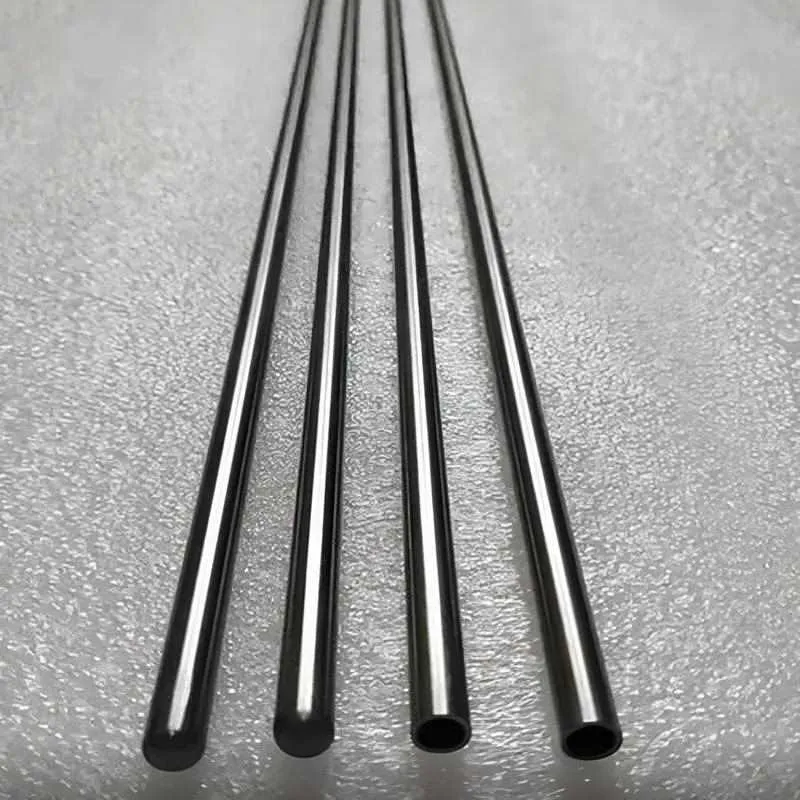
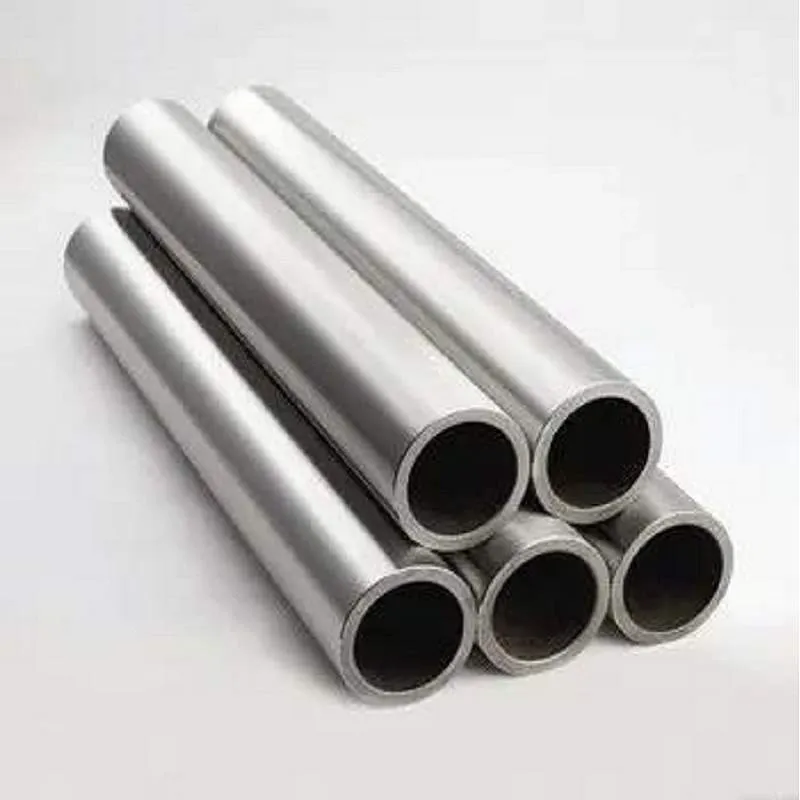
Crucible Steel Nu-Die® V (AISI H13) Hot Work Tool Steel
Product Code : STI-GSTI-306-CU
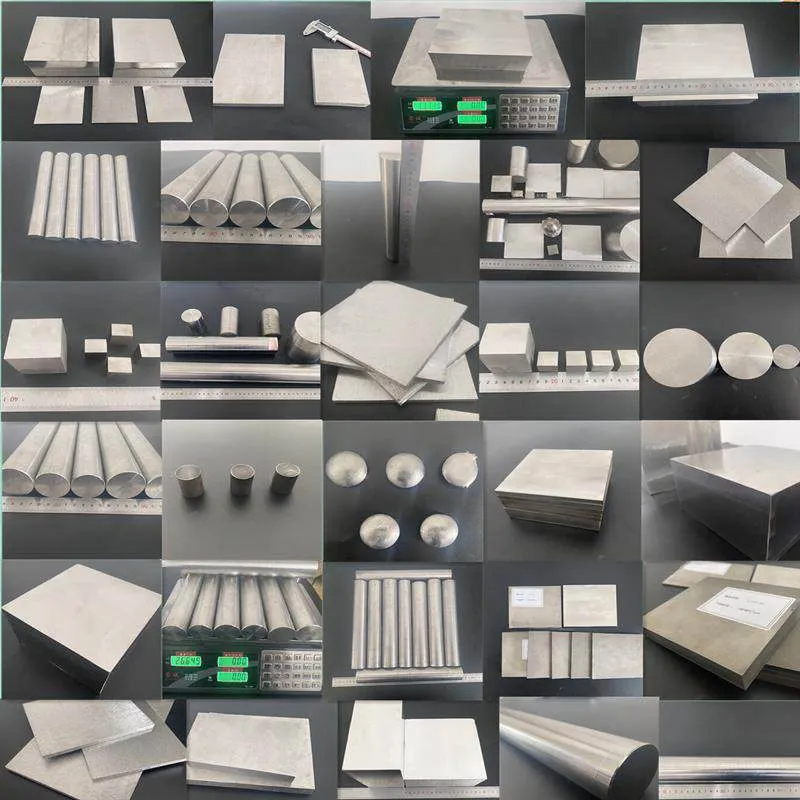
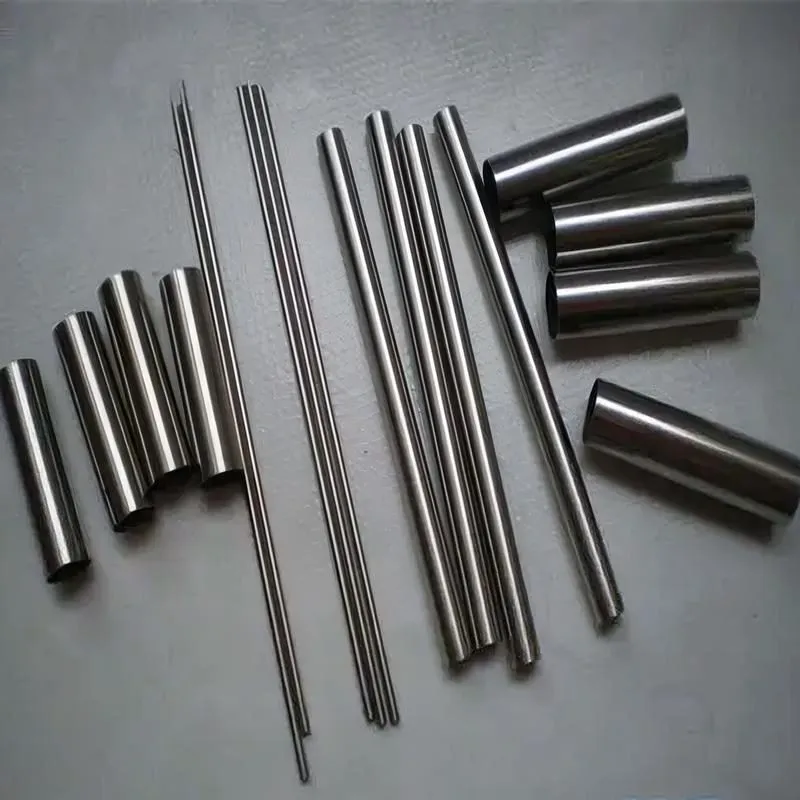
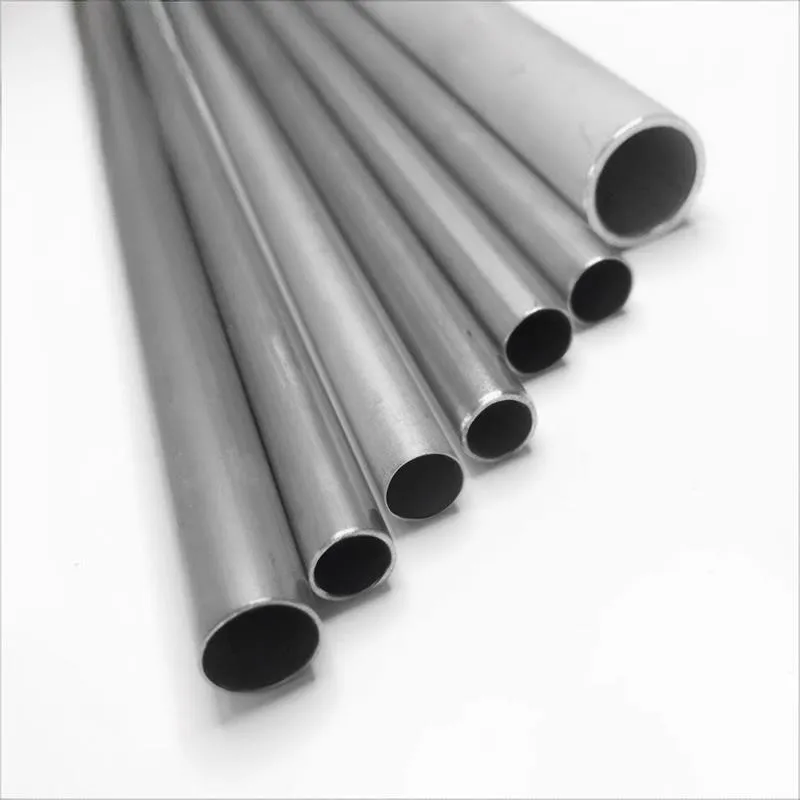
We provide Crucible Steel Nu-Die® V (AISI H13) Hot Work Tool Steel is available in Bar (Round bar, Flat bar), Ribbon, Wire, Rods, Tube,Seamless Tube,Pipe, Ingots, Plate, Sheet, Strip and Forging Stock.,Purity, chemical composition, size, etc. can all be customized to meet specific requirements.
Please contact us if you need customized services. We will contact you with the price and availability in 24 hours.
Crucible Steel Nu-Die® V (AISI H13) Hot Work Tool Steel Product Information
-:-
For detailed product information, please contact sales.
-:
Crucible Steel Nu-Die® V (AISI H13) Hot Work Tool Steel Synonyms
-:-
For detailed product information, please contact sales.
-:
Crucible Steel Nu-Die® V (AISI H13) Hot Work Tool Steel Product Information
-:-
For detailed product information, please contact sales.
-:
# **Product Introduction: Crucible Nu-Die® V (AISI H13) Hot Work Tool Steel**
Crucible Nu-Die® V is a premium chromium-molybdenum-vanadium hot work tool steel that conforms to the globally recognized AISI H13 specification. Engineered specifically for demanding elevated-temperature applications, it combines **exceptional thermal fatigue resistance, high temperature strength, and good toughness** to withstand the cyclic thermal and mechanical stresses encountered in die casting, extrusion, and forging operations. The "Nu-Die" brand reflects its specialized formulation for die applications, with optimized quality controls to ensure performance consistency.
Nu-Die® V is characterized by its balanced alloy composition, which provides **good hardenability, resistance to softening at elevated temperatures (hot hardness), and superior resistance to heat checking** compared to standard tool steels. Its ability to maintain mechanical properties at operating temperatures up to approximately 540°C (1000°F) makes it the industry benchmark for aluminum die casting and many other hot work processes.
---
## **1. Chemical Composition (Weight %)**
The composition adheres to the AISI H13 specification, optimized for thermal stability and shock resistance.
| **Element** | **Carbon (C)** | **Chromium (Cr)** | **Molybdenum (Mo)** | **Vanadium (V)** | **Silicon (Si)** | **Manganese (Mn)** |
| :--- | :--- | :--- | :--- | :--- | :--- | :--- |
| **Content** | 0.37 - 0.42 | 5.00 - 5.50 | 1.25 - 1.75 | 0.90 - 1.20 | 0.90 - 1.20 | 0.30 - 0.60 |
| **Role** | Provides base strength and hardness. Optimized for a balance of toughness and wear resistance at high temperatures. | Primary contributor to hardenability, hot hardness, and resistance to softening; enhances oxidation resistance. | Increases hardenability, hot strength, and resistance to tempering; refines grain structure. | Forms stable, fine vanadium carbides that resist coarsening at high temperatures, enhancing wear resistance and hot strength. | Improves oxidation resistance and provides solid solution strengthening at elevated temperatures. | Aids in deoxidation and contributes to hardenability. |
*Note: Iron (Fe) constitutes the remainder. This balanced, medium-carbon alloy design is key to its thermal fatigue resistance.*
---
## **2. Physical & Mechanical Properties**
*Typical properties after proper heat treatment to 44-48 HRC (common hot work hardness).*
* **Density:** 7.80 g/cm³ (0.282 lb/in³)
* **Modulus of Elasticity:** 210 GPa (30.5 x 10⁶ psi) at room temperature.
* **Thermal Conductivity:** ~25 W/m·K at 20°C; increases with temperature, aiding in heat dissipation from the die surface.
* **Coefficient of Thermal Expansion:** 11.5 x 10⁻⁶/°C (20-200°C)
* **Hot Hardness:** **Excellent.** Maintains significant hardness at elevated temperatures. For example, it can retain ~35 HRC at 540°C (1000°F), far superior to cold work steels.
* **Toughness:** **Very Good.** Its medium carbon content and balanced alloying provide high impact toughness, essential for resisting thermal shock and mechanical stress cracking.
* **Thermal Fatigue Resistance:** **Outstanding.** This is its hallmark property. The balanced composition minimizes the stress caused by cyclic heating and cooling, resisting the initiation and propagation of heat-check cracks.
* **Resistance to Softening (Tempering Resistance):** **Excellent.** Able to withstand prolonged exposure to operating temperatures without significant loss of hardness.
* **Wear Resistance at Temperature:** **Good.** Adequate for most hot work applications, though secondary surface treatments (nitriding, etc.) are often applied for extreme wear conditions.
---
## **3. Heat Treatment**
Proper thermal processing is critical to achieve the optimal microstructure for hot work service.
* **Annealing:** Heat to 845-870°C (1555-1600°F), slow cool at ≤15°C/hr to 600°C, then air cool. Annealed hardness: 192-229 HB.
* **Stress Relieving:** 650-675°C (1200-1250°F), hold, then slow cool.
* **Preheating:** **Critical.** Preheat thoroughly at 790-815°C (1450-1500°F) to minimize thermal shock.
* **Austenitizing:** **995-1040°C (1825-1905°F).** A common range is **1010-1025°C (1850-1875°F)**. Higher temperatures increase hot strength but may reduce toughness.
* **Quenching:** **Air quench** (forced or still air) for most sections. High-pressure gas quenching is excellent for complex dies. For very large sections, interrupted oil quenching followed by immediate tempering may be used with caution.
* **Tempering:** **Mandatory Double or Triple Temper.** Temper immediately after quenching. **Two to three tempers**, each for 2+ hours, are standard. Must be tempered to a minimum of **540°C (1000°F)** or higher to develop secondary hardening and achieve the desired combination of toughness and hot strength. A typical sequence for a hardness of 44-48 HRC is tempering at **565-595°C (1050-1105°F)**.
* **Never use a die in the as-quenched or low-temperature tempered (<540°C) state**, as it will be excessively brittle.
---
## **4. Key Applications**
Nu-Die® V (H13) is the dominant material for a wide range of hot work tooling.
* **Aluminum Die Casting:** Cores, cavities, ejector pins, goosenecks, and shot sleeves for pressure die casting.
* **Zinc Die Casting:** Dies and tooling for hot chamber die casting.
* **Hot Extrusion Dies:** Dies, mandrels, and backers for extruding aluminum, brass, and magnesium alloys.
* **Hot Forging Dies:** Dies, inserts, and punches for hammer and press forging of steel and non-ferrous metals.
* **Plastic Molding:** Molds for high-temperature engineering plastics and for processes generating high friction/heat.
* **Copper Alloy Tooling:** Dies for brass forging and casting.
* **General Hot Work Tooling:** Hot punches, shear blades, and gripper dies.
---
## **5. International Standards & Cross-References**
Crucible Nu-Die® V is the brand name for Crucible's AISI H13 grade.
* **AISI/SAE:** **H13**
* **UNS:** T20813
* **European (EN):** **1.2344** (X40CrMoV5-1)
* **Japanese (JIS):** **SKD61**
* **ISO:** **HS 6-5-2-5** (approx.)
* **DIN:** X40CrMoV5-1
* **Common Trade Names:** H13, Hot Work Steel H13. The "Nu-Die V" designation is specific to Crucible.
---
## **6. Advantages & Limitations**
**Advantages:**
* **Superior Thermal Fatigue Resistance:** Excellent resistance to heat-check cracking, the primary failure mode in many hot work dies.
* **High Toughness at Operating Temperatures:** Can withstand mechanical and thermal shock better than most other hot work grades.
* **Good Combination of Hot Hardness & Strength:** Maintains load-bearing capacity at elevated temperatures.
* **Good Hardenability & Dimensional Stability:** Air hardening simplifies treatment of large, complex dies with minimal distortion.
* **Good Machinability (Annealed State):** Better than many high-carbon tool steels, reducing manufacturing time and cost.
**Limitations:**
* **Moderate Room-Temperature Wear Resistance:** Less wear-resistant than high-carbon, high-chromium steels like D2. Often requires surface hardening (nitriding) for abrasive applications.
* **Limited Maximum Service Temperature:** Performance degrades above ~540°C (1000°F); for higher temperatures, tungsten-based hot work steels (e.g., H19/H21) are preferred.
* **Susceptibility to Decarburization:** Requires controlled atmosphere or vacuum heat treatment to prevent surface softening.
* **Not Corrosion Resistant:** Will oxidize at high temperatures; surface oxidation can be a precursor to heat checking.
---
## **7. Summary**
**Crucible Nu-Die® V (AISI H13) is the industry-standard, versatile hot work tool steel, perfectly balanced to meet the severe demands of die casting, extrusion, and forging.** Its unparalleled combination of thermal fatigue resistance, high-temperature toughness, and good hardenability has made it the first-choice material for extending die life and improving productivity in hot work operations worldwide. Nu-Die® V delivers this proven performance with the quality consistency and technical support expected from a premium manufacturer like Crucible Industries, making it a reliable foundation for critical tooling applications.
-:-
For detailed product information, please contact sales.
-:
Crucible Steel Nu-Die® V (AISI H13) Hot Work Tool Steel Specification
Dimensions
Size:
Diameter 20-1000 mm Length <6962 mm
Size:We can customized as required
Standard:
Per your request or drawing
We can customized as required
Properties(Theoretical)
Chemical Composition
-:-
For detailed product information, please contact sales.
-:
Crucible Steel Nu-Die® V (AISI H13) Hot Work Tool Steel Properties
-:-
For detailed product information, please contact sales.
-:
Applications of Crucible Steel Nu-Die® V (AISI H13) Hot Work Tool Steel
-:-
For detailed product information, please contact sales.
-:
Chemical Identifiers Crucible Steel Nu-Die® V (AISI H13) Hot Work Tool Steel
-:-
For detailed product information, please contact sales.
-:
Packing of Crucible Steel Nu-Die® V (AISI H13) Hot Work Tool Steel
-:-
For detailed product information, please contact sales.
-:
Standard Packing:
-:-
For detailed product information, please contact sales.
-:
Typical bulk packaging includes palletized plastic 5 gallon/25 kg. pails, fiber and steel drums to 1 ton super sacks in full container (FCL) or truck load (T/L) quantities. Research and sample quantities and hygroscopic, oxidizing or other air sensitive materials may be packaged under argon or vacuum. Solutions are packaged in polypropylene, plastic or glass jars up to palletized 3433 gallon liquid totes Special package is available on request. E FORUs’ is carefully handled to minimize damage during storage and transportation and to preserve the quality of our products in their original condition