Crucible Compaction Metals CPM® VIM CRU® 20®
Product Code : STI-GSTI-314-CU
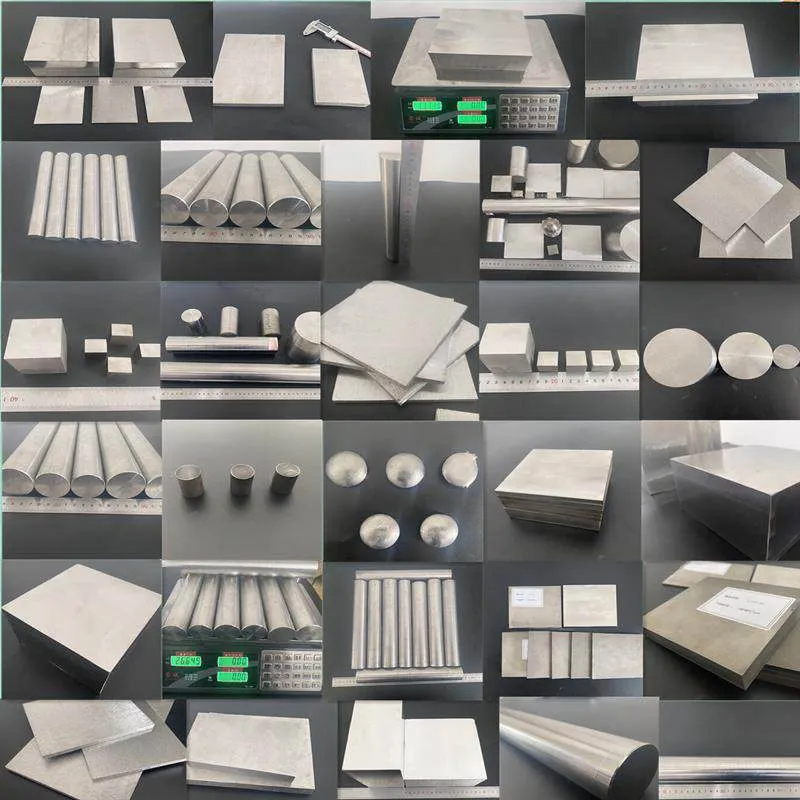
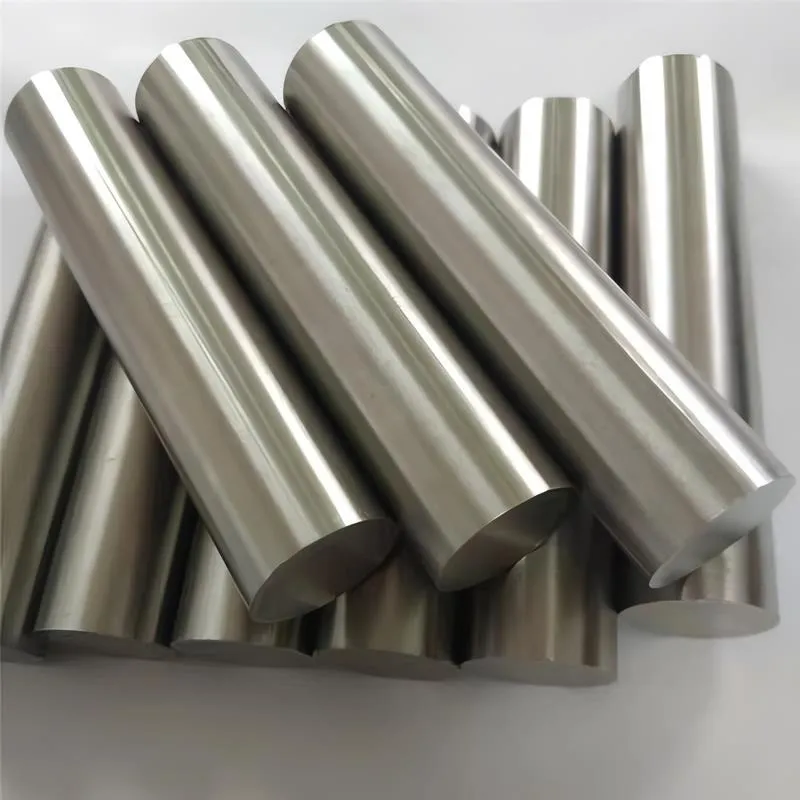
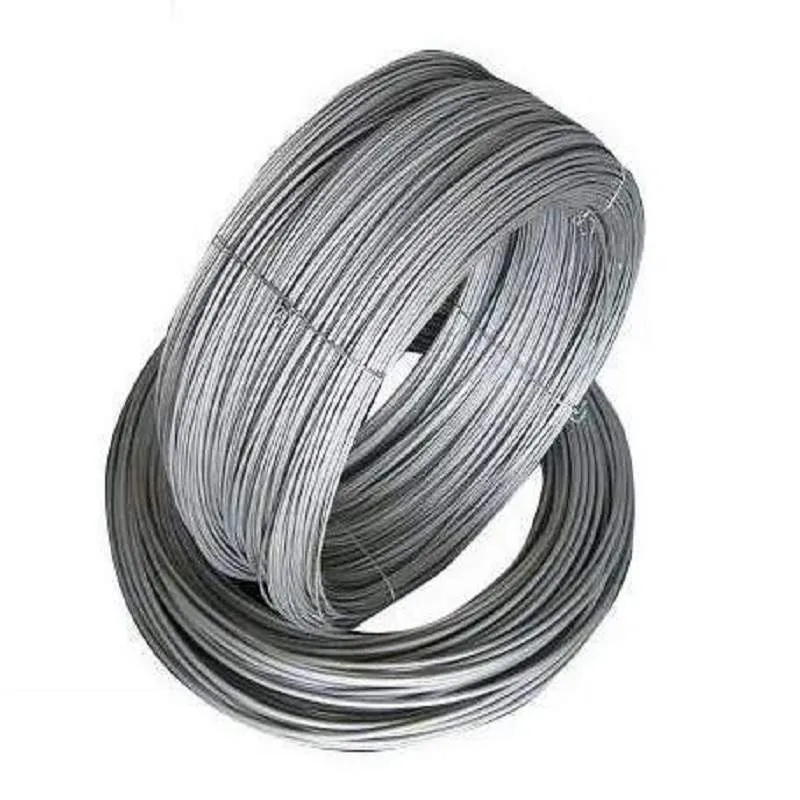
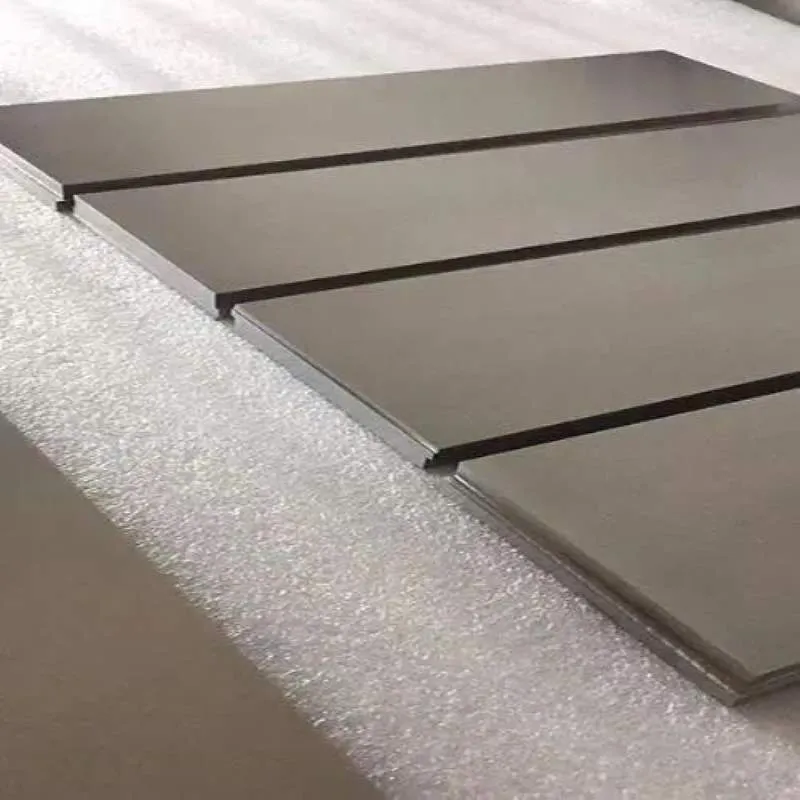
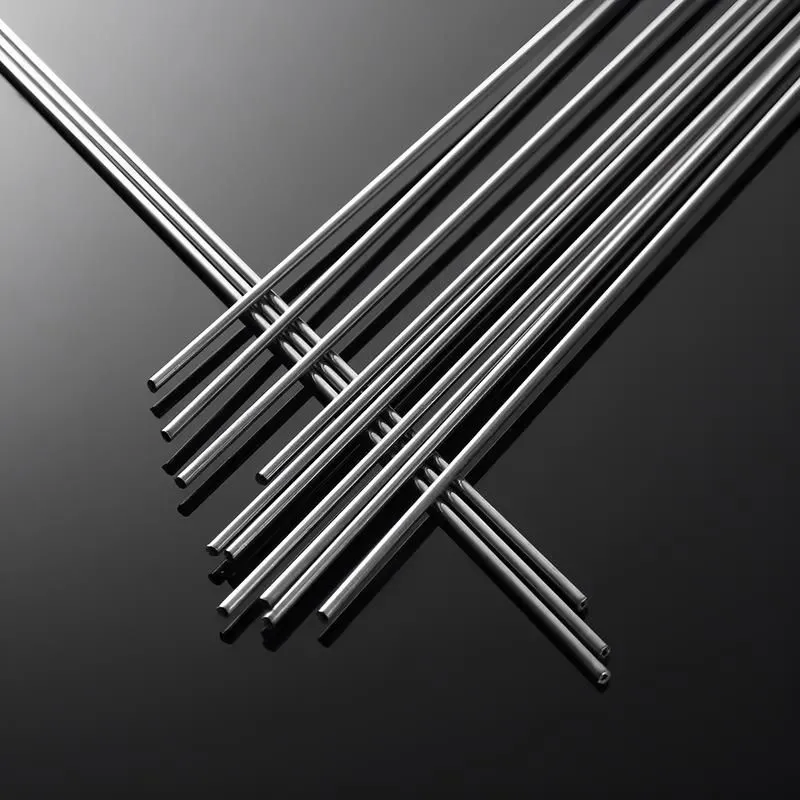
We provide Crucible Compaction Metals CPM® VIM CRU® 20® is available in Bar (Round bar, Flat bar), Ribbon, Wire, Rods, Tube,Seamless Tube,Pipe, Ingots, Plate, Sheet, Strip and Forging Stock.,Purity, chemical composition, size, etc. can all be customized to meet specific requirements.
Please contact us if you need customized services. We will contact you with the price and availability in 24 hours.
Crucible Compaction Metals CPM® VIM CRU® 20® Product Information
-:-
For detailed product information, please contact sales.
-:
Crucible Compaction Metals CPM® VIM CRU® 20® Synonyms
-:-
For detailed product information, please contact sales.
-:
Crucible Compaction Metals CPM® VIM CRU® 20® Product Information
-:-
For detailed product information, please contact sales.
-:
# **Product Introduction: Crucible Compaction Metals CPM® VIM CRU® 20®**
Crucible CPM® VIM CRU® 20® represents the pinnacle of superalloy manufacturing technology, combining advanced **Vacuum Induction Melting (VIM)** with the refined **Crucible Particle Metallurgy (CPM)** process. This dual-process approach results in an ultra-high-performance nickel-based superalloy engineered for the most demanding high-temperature, high-stress applications. It is specifically designed to provide **exceptional thermal stability, outstanding creep resistance, superior high-temperature strength, and excellent corrosion/oxidation resistance** in environments exceeding 1000°C (1832°F).
The VIM process ensures exceptional chemical purity and precise alloy control by melting under high vacuum, eliminating gaseous impurities and volatile elements. Subsequently, the CPM process transforms this high-purity melt into a fine, spherical powder, which is then consolidated via Hot Isostatic Pressing (HIP). This creates a fully dense, isotropic billet with an ultra-fine, uniform microstructure free from segregation or coarse grains. VIM CRU 20® is targeted at mission-critical components in aerospace, power generation, and industrial gas turbines where material failure is not an option.
---
## **1. Chemical Composition (Weight %)**
The composition is a complex nickel-based matrix strengthened by multiple strategic alloying elements.
| **Element** | **Nickel (Ni)** | **Cobalt (Co)** | **Chromium (Cr)** | **Molybdenum (Mo)** | **Tungsten (W)** | **Aluminum (Al)** | **Titanium (Ti)** |
| :--- | :--- | :--- | :--- | :--- | :--- | :--- | :--- |
| **Content** | **Bal.** | 10.0 - 15.0 | 10.0 - 12.0 | 1.0 - 3.0 | 5.0 - 7.0 | 3.0 - 4.0 | 3.5 - 4.5 |
| **Role** | Base element of the superalloy matrix, providing the fundamental FCC structure with good ductility and corrosion resistance. | Solid solution strengthener; enhances high-temperature strength and stabilizes the microstructure. | Provides oxidation and hot corrosion resistance by forming a protective Cr₂O₃ scale. | Powerful solid solution strengthener, particularly effective at intermediate temperatures. | Primary solid solution strengthener for elevated temperature strength and creep resistance. | Forms the primary strengthening phase, Ni₃(Al,Ti) - gamma prime (γ'), which provides precipitation hardening. | Co-forms the gamma prime (γ') phase with Aluminum; increases its volume fraction and stability. |
| **Element** | **Tantalum (Ta)** | **Hafnium (Hf)** | **Carbon (C)** | **Boron (B)** | **Zirconium (Zr)** | | |
| **Content** | 2.0 - 4.0 | 0.05 - 0.20 | 0.05 - 0.15 | 0.005 - 0.020 | 0.01 - 0.10 | | |
| **Role** | Strong γ' former and stabilizer; significantly enhances high-temperature strength and creep rupture life. | Grain boundary strengthener; dramatically improves ductility and rupture life at high temperatures. | Forms beneficial carbides (e.g., MC, M₂₃C₆) for grain boundary strengthening and creep resistance. | Potent grain boundary strengthener, enhancing stress-rupture properties. | Additional grain boundary strengthener and carbide stabilizer. | | |
*Note: Composition is typical; exact specifications may vary. Iron (Fe) and other elements are minimized.*
---
## **2. Physical & Mechanical Properties**
*Properties are optimized for service in the temperature range of 850°C to 1150°C (1562°F to 2102°F).*
* **Density:** ~8.5 g/cm³
* **Melting Range:** ~1330 - 1380°C (2426 - 2516°F)
* **Modulus of Elasticity:** ~215 GPa at 20°C, decreasing with temperature.
* **Thermal Expansion Coefficient:** ~14.5 x 10⁻⁶/°C (20-1000°C)
* **Thermal Conductivity:** Low to moderate (~12-15 W/m·K at 800°C).
* **High-Temperature Strength (UTS/YS):** **Exceptional.** Maintains very high tensile and yield strength well above 1000°C, significantly outperforming conventional wrought superalloys like Inconel 718.
* **Creep & Stress-Rupture Resistance:** **Outstanding.** Designed for long-term operation under high static or cyclic loads at extreme temperatures. The combination of a high volume fraction of stable γ' and grain boundary strengthening provides superior creep life.
* **Thermal Fatigue Resistance:** **Excellent.** The isotropic, fine-grained CPM microstructure and good ductility provide excellent resistance to crack initiation and propagation under thermal cycling.
* **Oxidation & Hot Corrosion Resistance:** **Excellent.** The high Chromium content, combined with Aluminum, provides a stable, protective oxide scale.
* **Microstructural Stability:** **Superior.** Resists deleterious phase formation (e.g., TCP phases like sigma) and γ' coarsening during long-term exposure at high temperatures.
---
## **3. Processing & Heat Treatment**
Processing is complex and tailored to final component requirements.
* **Consolidation:** VIM alloy is atomized into powder, which is then consolidated via **Hot Isostatic Pressing (HIP)** to produce a fully dense, near-net-shape billet.
* **Thermo-Mechanical Processing (Optional):** HIP'd material can be further processed via isothermal forging or extrusion to refine the microstructure and enhance specific properties.
* **Solution Heat Treatment:** Typically performed at 1150-1200°C (2100-2190°F) to dissolve secondary phases and homogenize the alloy.
* **Aging Treatment:** A multi-step aging process (e.g., 850°C/950°C) is used to precipitate a uniform, fine distribution of the strengthening γ' phase throughout the matrix and at grain boundaries.
* **Machinability:** Very difficult in the hardened state. Requires specialized techniques: Electro-Discharge Machining (EDM), grinding with premium abrasives, and low-speed milling with rigid setups and ceramic or carbide tooling.
---
## **4. Key Applications**
VIM CRU 20® is designed for the most critical rotating and static components in extreme environments.
* **Aerospace Jet Engines:** **High-pressure turbine blades and vanes** in the hottest sections of advanced military and commercial engines.
* **Industrial Gas Turbines (IGT):** First and second-stage turbine blades, nozzles, and seal segments for power generation and mechanical drive turbines.
* **Rocket Engine Components:** Turbopump blades, housings, and high-temperature structural parts.
* **Nuclear and Advanced Energy Systems:** Components for next-generation reactors and high-temperature heat exchangers.
* **High-Performance Racing & Automotive:** Turbocharger turbines for extreme conditions.
---
## **5. International Standards & Cross-References**
VIM CRU 20® is a proprietary alloy. It falls into the category of **powder metallurgy (PM) nickel-based superalloys**.
* **AMS:** May be covered under a proprietary specification or a developing AMS specification for PM superalloys.
* **UNS:** No standard UNS designation.
* **Common Industry Comparisons:** It is functionally similar to and competes with other premium **3rd generation PM superalloys** such as:
* **Rolls-Royce RR1000**
* **General Electric Rene 104 (ME3)**
* **Pratt & Whitney MERL 76**
* Its composition and processing route place its performance between alloys like **Inconel 718 (PM)** and **Rene 88DT**.
---
## **6. Advantages & Limitations**
**Advantages:**
* **Unmatched High-Temperature Capability:** One of the highest usable temperature limits among commercially available engineered materials.
* **Exceptional Property Balance:** Superior strength, creep, fatigue, and oxidation resistance in one material.
* **Isotropic Properties:** The CPM+HIP process ensures uniform performance in all directions, critical for rotating parts.
* **Microstructural Control & Purity:** The VIM+CPM route guarantees a clean, homogeneous, and tailorable microstructure.
* **Near-Net-Shape Fabrication:** Reduces material waste and machining cost for complex parts.
**Limitations:**
* **Extremely High Cost:** The most significant barrier, due to expensive raw materials (Co, Ta, Hf) and complex, multi-step processing.
* **Extremely Difficult to Machine:** Requires highly specialized and costly machining operations.
* **Complex Heat Treatment:** Requires precise, controlled atmosphere heat treatment cycles.
* **Limited Suppliers & Availability:** Production is restricted to a few specialized facilities worldwide.
---
## **7. Summary**
**Crucible CPM® VIM CRU® 20® represents the frontier of metallic materials science, engineered not for common applications, but for pushing the thermodynamic and mechanical limits of technology.** By integrating vacuum induction melting with particle metallurgy, it delivers an isotropic, ultra-clean superalloy with unparalleled performance at temperatures where most metals fail. Its use is justified in applications where performance gains translate directly into revolutionary efficiency, safety, or capability—such as enabling higher turbine inlet temperatures for more efficient jet engines and power plants. This material is not merely a product; it is an enabling technology for the next generation of aerospace and energy systems.
-:-
For detailed product information, please contact sales.
-:
Crucible Compaction Metals CPM® VIM CRU® 20® Specification
Dimensions
Size:
Diameter 20-1000 mm Length <6970 mm
Size:We can customized as required
Standard:
Per your request or drawing
We can customized as required
Properties(Theoretical)
Chemical Composition
-:-
For detailed product information, please contact sales.
-:
Crucible Compaction Metals CPM® VIM CRU® 20® Properties
-:-
For detailed product information, please contact sales.
-:
Applications of Crucible Compaction Metals CPM® VIM CRU® 20®
-:-
For detailed product information, please contact sales.
-:
Chemical Identifiers Crucible Compaction Metals CPM® VIM CRU® 20®
-:-
For detailed product information, please contact sales.
-:
Packing of Crucible Compaction Metals CPM® VIM CRU® 20®
-:-
For detailed product information, please contact sales.
-:
Standard Packing:
-:-
For detailed product information, please contact sales.
-:
Typical bulk packaging includes palletized plastic 5 gallon/25 kg. pails, fiber and steel drums to 1 ton super sacks in full container (FCL) or truck load (T/L) quantities. Research and sample quantities and hygroscopic, oxidizing or other air sensitive materials may be packaged under argon or vacuum. Solutions are packaged in polypropylene, plastic or glass jars up to palletized 3441 gallon liquid totes Special package is available on request. E FORUs’ is carefully handled to minimize damage during storage and transportation and to preserve the quality of our products in their original condition