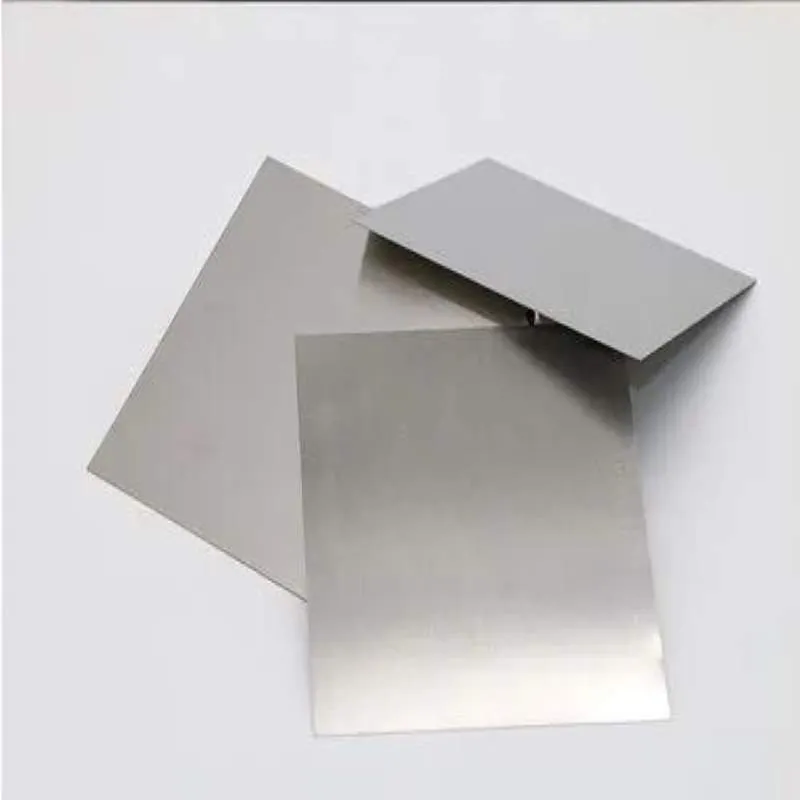
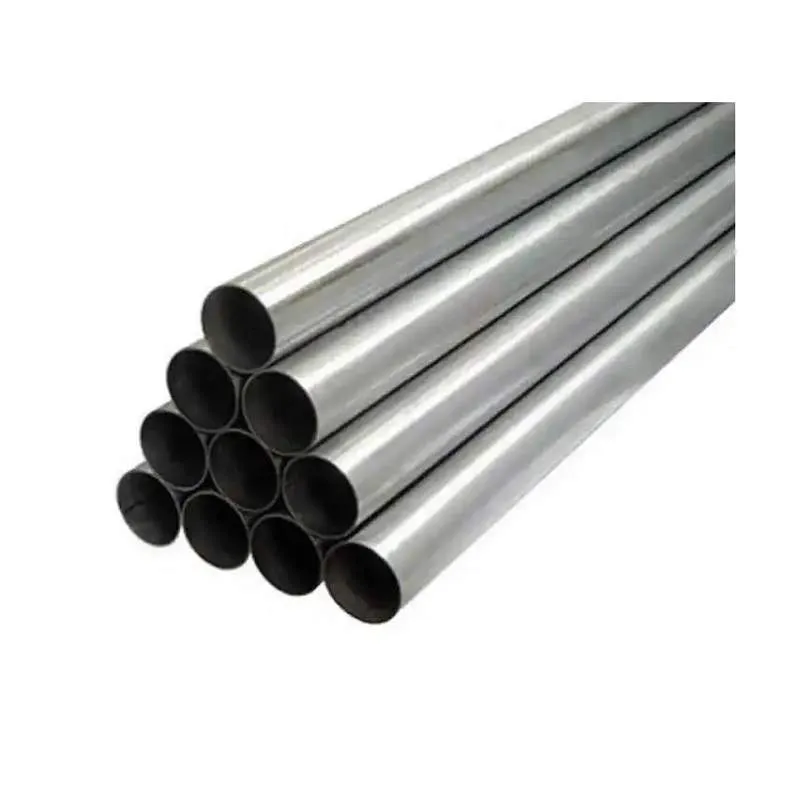
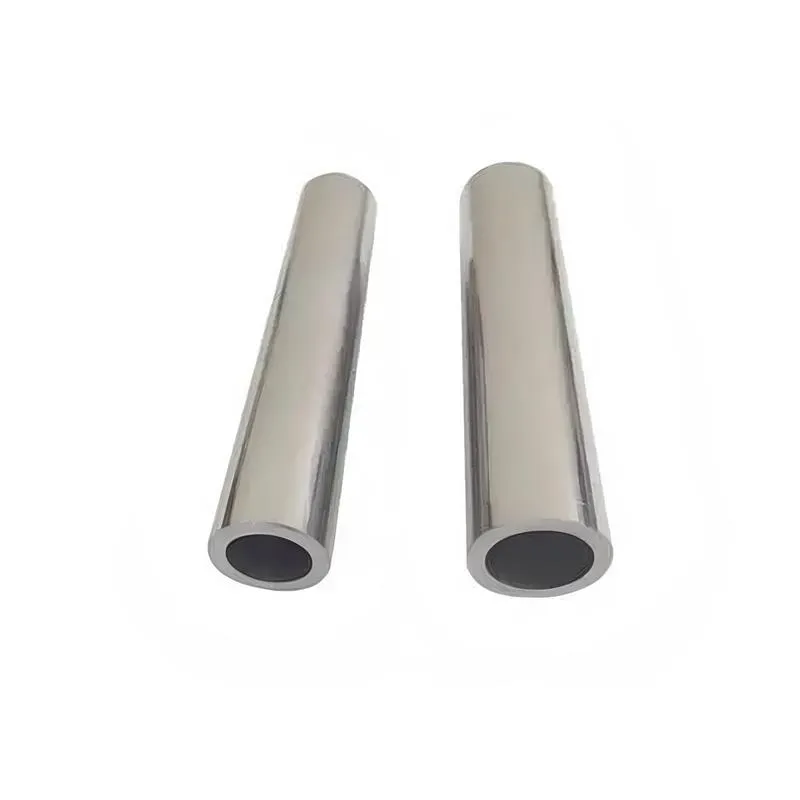
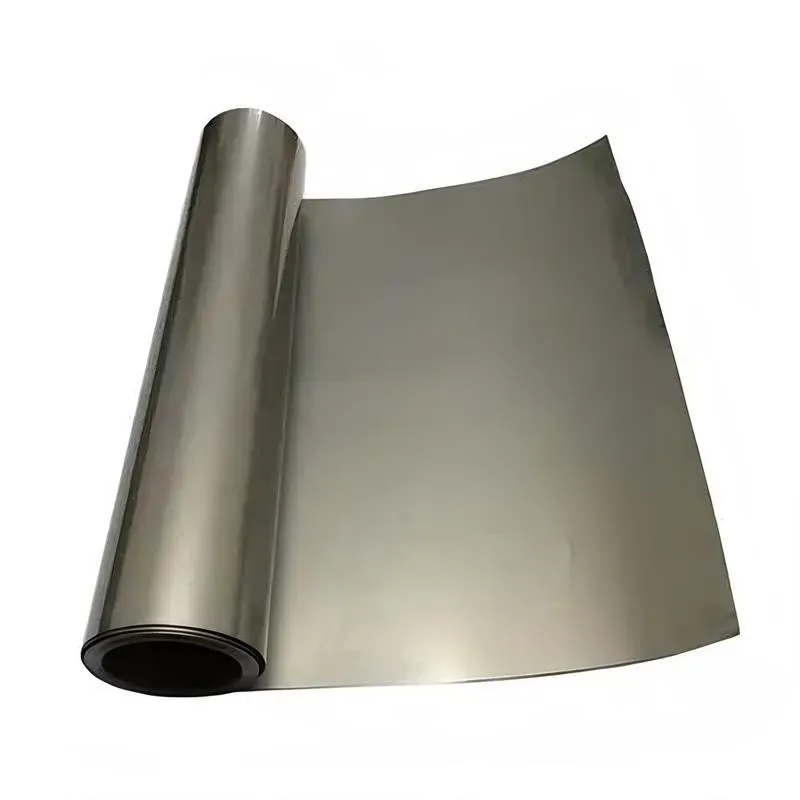
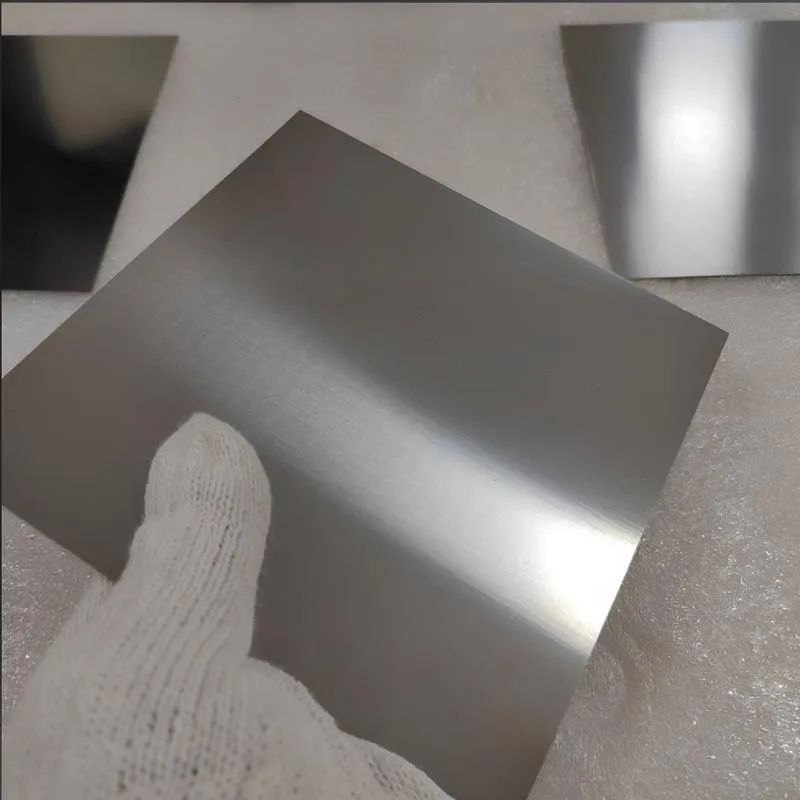
AISI Type D7 Air-Hardening Cold-Work Tool Steel Sheet,Plate (UNS T30407)
Product Code : STI-GSTI-025-CU
We provide AISI Type D7 Air-Hardening Cold-Work Tool Steel Sheet/Plate (UNS T30407) is available in Bar (Round bar, Flat bar), Ribbon, Wire, Rods, Tube,Seamless Tube,Pipe, Ingots, Plate, Sheet/Plate, Strip and Forging Stock.,Purity, chemical composition, size, etc. can all be customized to meet specific requirements.
Please contact us if you need customized services. We will contact you with the price and availability in 24 hours.
AISI Type D7 Air-Hardening Cold-Work Tool Steel Sheet/Plate (UNS T30407) Product Information
-:-
For detailed product information, please contact sales.
-:
AISI Type D7 Air-Hardening Cold-Work Tool Steel Sheet/Plate (UNS T30407) Synonyms
-:-
For detailed product information, please contact sales.
-:
AISI Type D7 Air-Hardening Cold-Work Tool Steel (UNS T30407) Product Information
-:-
For detailed product information, please contact sales.
-:
# **Product Introduction: AISI Type D7 Air-Hardening Cold-Work Tool Steel (UNS T30407)**
## **Overview**
**AISI Type D7 (UNS T30407)** is a **specialized, ultra-high carbon, high-chromium, high-vanadium air-hardening tool steel** representing the **pinnacle of wear resistance** within the standard cold work tool steel classification. Engineered for applications where extreme abrasion is the dominant failure mode, D7 combines exceptionally high carbon content with substantial vanadium alloying to create an unprecedented volume of ultra-hard carbides. This grade delivers **maximum possible abrasion resistance** among conventional tool steels, though this comes with significant trade-offs in toughness and manufacturability. D7 is reserved for the most severe wear applications where no other material provides adequate service life.
---
## **Chemical Composition (Typical Weight %)**
D7 features an extreme alloy composition optimized for carbide formation.
| Element | Content (%) | Role in Microstructure & Properties |
| :--- | :--- | :--- |
| **Carbon (C)** | **2.15 - 2.45** | **Extremely high carbon content.** Primary carbide former; combines with Cr and V to create the highest carbide volume fraction among standard D-series steels (~18-22%). |
| **Chromium (Cr)** | 11.50 - 13.50 | Provides deep air-hardening capability; forms chromium carbides (M₇C₃) and contributes to corrosion resistance. |
| **Vanadium (V)** | **3.80 - 4.40** | **Exceptionally high vanadium content.** Forms an extensive network of ultra-hard vanadium carbides (VC/V₄C₃, ~2800 HV); primary source of D7's extreme abrasion resistance. |
| **Molybdenum (Mo)** | 0.70 - 1.20 | Enhances hardenability, promotes secondary hardening, and improves toughness relative to the high carbide volume. |
| **Cobalt (Co)** | **2.50 - 3.50** | Increases hot hardness, improves tempering resistance, and strengthens the matrix to better support the carbide network. |
| **Silicon (Si)** | 0.10 - 0.60 | Deoxidizer. |
| **Manganese (Mn)** | 0.20 - 0.60 | Aids hardenability. |
| **Sulfur (S)** | ≤ 0.03 | - |
| **Phosphorus (P)** | ≤ 0.03 | - |
| **Iron (Fe)** | **Balance** | - |
**Key Distinction:** D7's **combination of ultra-high carbon (2.15-2.45%) and exceptionally high vanadium (3.80-4.40%)** distinguishes it from all other standard D-series grades. This creates a microstructure dominated by hard vanadium carbides, with cobalt providing matrix strengthening.
---
## **Physical & Mechanical Properties**
*Properties are heat treatment dependent; shown for hardened and tempered condition.*
| Property | Typical Value / Description |
| :--- | :--- |
| **Density** | ~7.72 g/cm³ (Lower due to high alloy content) |
| **Hardness (Annealed)** | 245 - 269 HB |
| **Hardness (Hardened & Tempered)** | **62 - 67 HRC** (Capable of achieving 65-67 HRC, among the highest of any tool steel) |
| **Wear Resistance** | **Exceptional / Maximum.** The highest abrasion resistance among standard AISI cold work tool steels. Superior to D2, D3, D4, and D5 due to massive vanadium carbide volume. |
| **Toughness** | **Very Low.** Extremely brittle due to high carbide volume; susceptible to chipping and catastrophic failure under impact or uneven loading. |
| **Dimensional Stability** | **Good (for its class).** Air-hardening provides reasonable stability, but high alloy content can lead to distortion challenges. Multiple stress relief steps are critical. |
| **Hot Hardness** | **Very Good.** Cobalt addition provides good hardness retention up to ~450°C (840°F). |
| **Machinability (Annealed)** | **Extremely Poor** (~15-20% of 1% carbon steel). Among the most difficult steels to machine; carbide tools essential. |
| **Grindability** | **Exceptionally Poor.** The most challenging standard tool steel to grind. Requires diamond or CBN wheels, light infeeds, and excellent cooling. |
| **Thermal Conductivity** | Low (~21 W/m·K) |
| **Coefficient of Thermal Expansion** | ~10.0 × 10⁻⁶/°C (20-100°C) |
---
## **Heat Treatment Guidelines**
Heat treatment requires extreme precision due to D7's sensitive composition.
| Process | Parameters | Critical Considerations for D7 |
| :--- | :--- | :--- |
| **Annealing** | 870-900°C (1600-1650°F), slow furnace cool. | Full spheroidize annealing is mandatory for any machining. |
| **Stress Relieving** | 650-675°C (1200-1250°F) for 2+ hours. | May require multiple cycles after rough machining. |
| **Preheating** | **Triple preheat recommended:** 400°C, 650°C, 850°C. | Essential to prevent thermal shock and cracking. |
| **Austenitizing** | **1010-1040°C (1850-1905°F).** Soak: 30-45 min/inch. | High temperature required to dissolve vanadium carbides; excessive time leads to grain growth. |
| **Quenching** | **Air quench** in still air or gentle forced air. | High-pressure gas quenching recommended for complex parts. |
| **Tempering** | **TRIPLE TEMPER MANDATORY.** 480-540°C (900-1000°F) for 2+ hours each. Cryogenic treatment (-80°C) between tempers may be beneficial. | Must temper immediately after quenching. Multiple cycles ensure full retained austenite transformation. |
---
## **Product Applications**
D7 is reserved for **extreme abrasion applications** where wear resistance is the sole critical requirement.
### **Primary Applications:**
1. **Severe Abrasion Tooling:** Dies, liners, and wear plates for processing highly abrasive materials (silicon carbide, alumina, zirconia, mineral ores).
2. **Powder Compaction Tools:** Dies and punches for pressing extremely hard powders (tungsten carbide, ceramics, diamond composites).
3. **Wire Drawing Dies:** For drawing hard, abrasive wires at maximum reduction rates.
4. **Pulverizing & Crushing Equipment:** Hammer tips, crusher rolls, and liner plates for size reduction of abrasive minerals.
5. **Industrial Knives & Blades:** For cutting advanced composites, fiberglass, and carbon fiber materials.
6. **Textile Industry Guides:** For processing abrasive synthetic fibers.
7. **Brick & Tile Manufacturing:** Molds for pressing abrasive ceramic materials.
### **Industry Usage:**
- **Mining & Mineral Processing** (Severe Wear Components)
- **Advanced Ceramics Manufacturing**
- **Powder Metallurgy (Hard Materials)**
- **Composite Materials Production**
- **Wire & Cable Manufacturing**
---
## **International Standards & Cross-Reference**
AISI D7 is a highly specialized grade with **no direct international equivalents**.
| Standard | Designation | Equivalent / Similar Grade |
| :--- | :--- | :--- |
| **AISI/SAE (USA)** | **Type D7** | - |
| **UNS (USA)** | **T30407** | - |
| **ASTM (USA)** | A681 | Grade D7 |
| **Europe (EN)** | - | **No equivalent** |
| **Germany (DIN)** | - | **No equivalent** |
| **Japan (JIS)** | - | **No equivalent** |
| **Closest Comparable** | **AISI A11, Modified** | Similar high-V, high-wear steels |
**Critical Note:** D7 is essentially exclusive to the AISI/SAE system. Its extreme vanadium content (3.80-4.40%) places it outside typical European or Japanese tool steel specifications. It is often considered alongside A11 as one of the ultimate wear-resistant tool steels.
---
## **Technical Comparison Within D-Series**
| Property | **D7 (UNS T30407)** | **D2 (T30402)** | **D3 (T30403)** |
| :--- | :--- | :--- | :--- |
| **Carbon Content** | **2.15-2.45%** (Highest) | 1.40-1.60% | 2.00-2.35% |
| **Vanadium Content** | **3.80-4.40%** (Extreme) | 0.50-1.10% | 0.50-1.10% |
| **Cobalt Content** | **2.50-3.50%** | 0% | 0% |
| **Wear Resistance** | **Maximum** | Excellent | Very High |
| **Toughness** | **Lowest** | Good (for class) | Poor |
| **Maximum Hardness** | **65-67 HRC** | 62-64 HRC | 62-64 HRC |
| **Grindability** | **Most Difficult** | Difficult | Very Difficult |
| **Primary Role** | **Extreme Abrasion** | General High Wear | High Wear, Simple Shapes |
---
## **Advantages & Considerations**
### **Advantages:**
1. **Maximum Wear Resistance:** Unmatched abrasion resistance among standard tool steels.
2. **Extreme Hardness Capability:** Can achieve 65-67 HRC, providing exceptional resistance to indentation.
3. **Good Hot Hardness:** Cobalt addition provides reasonable hardness retention at moderate temperatures.
4. **Longest Possible Tool Life:** In purely abrasive applications, can significantly outlast all other tool steels.
5. **Air-Hardening Capability:** Better dimensional control than oil-hardening alternatives for complex shapes.
### **Considerations:**
1. **Extremely Low Toughness:** Highly brittle; cannot withstand any impact or shock loading.
2. **Extremely Poor Machinability & Grindability:** Highest fabrication costs; requires specialized equipment and expertise.
3. **Complex & Critical Heat Treatment:** Demands precise control with high risk of cracking.
4. **Very High Cost:** Due to high vanadium and cobalt content, plus difficult processing.
5. **Highly Specialized:** Only appropriate when wear is the unequivocal failure mode.
---
## **Fabrication & Processing Notes**
### **Machining:**
- **CBN or PCD tools recommended**
- Low speeds, heavy constant feeds
- High-pressure coolant essential
- Avoid interrupted cuts completely
### **Grinding:**
- **Diamond wheels mandatory**
- Light infeeds (<0.0125mm/pass)
- Moderate traverse rates
- Flood coolant with proper filtration
### **EDM:**
- Possible but slow
- Requires thorough post-EDM tempering (200°C for 2+ hours)
### **Welding:**
- **Not recommended**
- If essential: preheat to 450°C+, use matching analysis electrodes, post-weld temper immediately
---
## **Economic Justification**
D7 should only be considered when:
1. Tool failure occurs rapidly due to abrasion with other steels
2. Impact or shock loading is absolutely minimal
3. Tool geometry is simple to minimize stress concentrations
4. Increased tool life justifies significantly higher material and processing costs
5. Downtime for tool replacement is more costly than premium tooling
---
## **Conclusion**
**AISI Type D7 Air-Hardening Cold-Work Tool Steel (UNS T30407)** represents the **ultimate expression of wear-resistant alloy design** within the standard tool steel classification. Its extreme composition—featuring ultra-high carbon, exceptional vanadium, and cobalt strengthening—creates a material singularly focused on resisting abrasion. While its **severe limitations in toughness, machinability, and cost** restrict it to niche applications, D7 delivers **unparalleled service life** in environments where gradual abrasive wear destroys other materials. For engineers facing wear problems so severe that conventional solutions fail rapidly, D7 offers a definitive, last-resort material solution. It embodies the principle of optimizing for a single dominant failure mode, providing the maximum possible wear resistance regardless of other considerations. When selected judiciously for appropriate applications, D7 can provide extraordinary value through dramatically extended tool life and reduced production downtime.
-:-
For detailed product information, please contact sales.
-:
AISI Type D7 Air-Hardening Cold-Work Tool Steel (UNS T30407) Specification
Dimensions
Size:
Diameter 20-1000 mm Length <6681 mm
Size:We can customized as required
Standard:
Per your request or drawing
We can customized as required
Properties(Theoretical)
Chemical Composition
-:-
For detailed product information, please contact sales.
-:
AISI Type D7 Air-Hardening Cold-Work Tool Steel (UNS T30407) Properties
-:-
For detailed product information, please contact sales.
-:
Applications of AISI Type D7 Air-Hardening Cold-Work Tool Steel Sheet,Plate (UNS T30407)
-:-
For detailed product information, please contact sales.
-:
Chemical Identifiers AISI Type D7 Air-Hardening Cold-Work Tool Steel Sheet,Plate (UNS T30407)
-:-
For detailed product information, please contact sales.
-:
Packing of AISI Type D7 Air-Hardening Cold-Work Tool Steel Sheet/Plate (UNS T30407)
-:-
For detailed product information, please contact sales.
-:
Standard Packing:
-:-
For detailed product information, please contact sales.
-:
Typical bulk packaging includes palletized plastic 5 gallon/25 kg. pails, fiber and Steel Sheet/Plate drums to 1 ton super sacks in full container (FCL) or truck load (T/L) quantities. Research and sample quantities and hygroscopic, oxidizing or other air sensitive materials may be packaged under argon or vacuum. Solutions are packaged in polypropylene, plastic or glass jars up to palletized 3152 gallon liquid totes Special package is available on request. E FORUs’ is carefully handled to minimize damage during storage and transportation and to preserve the quality of our products in their original condition