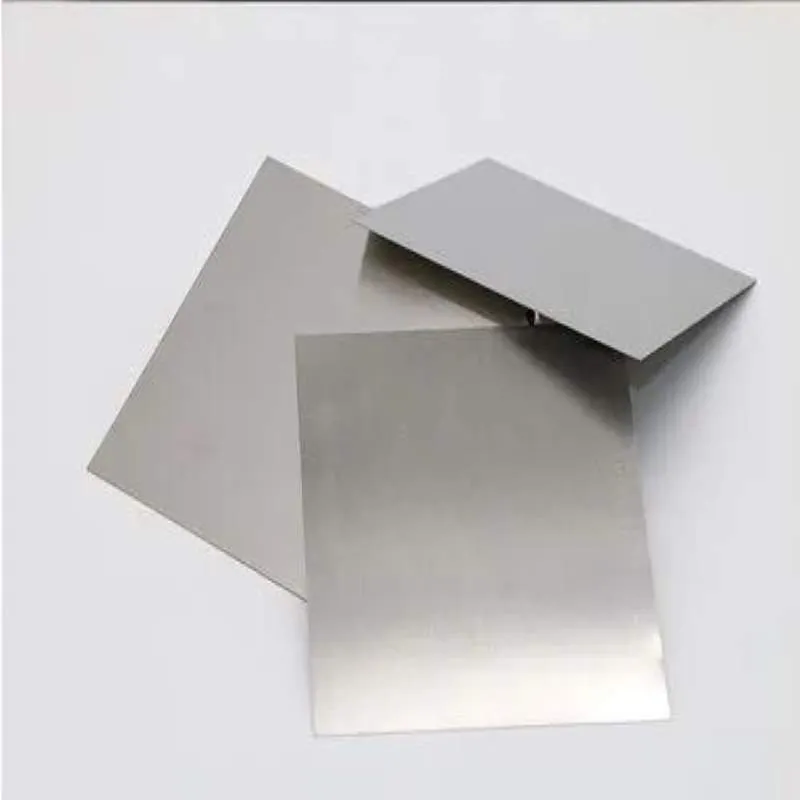
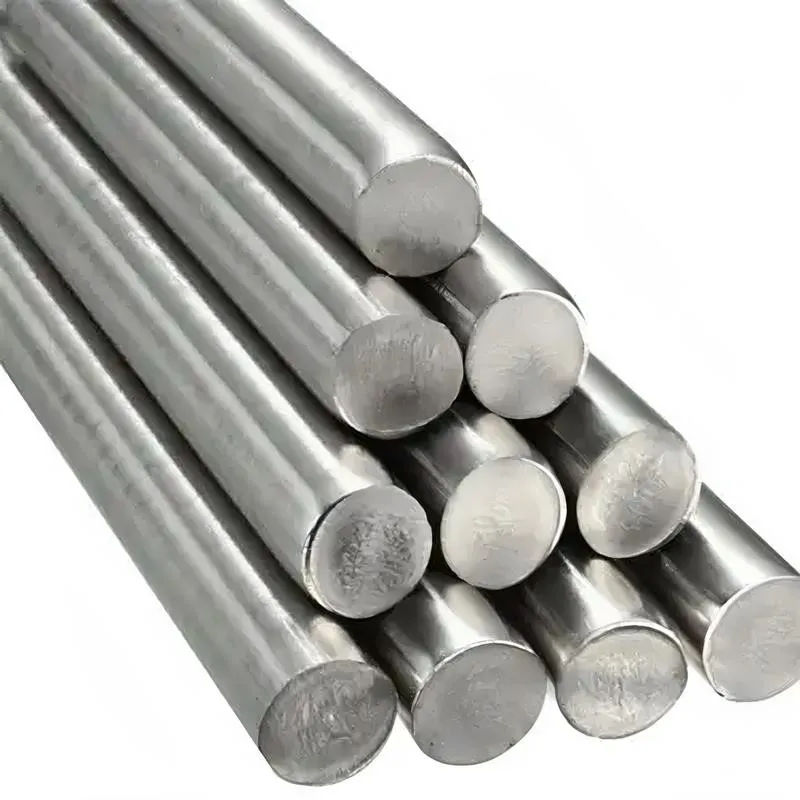
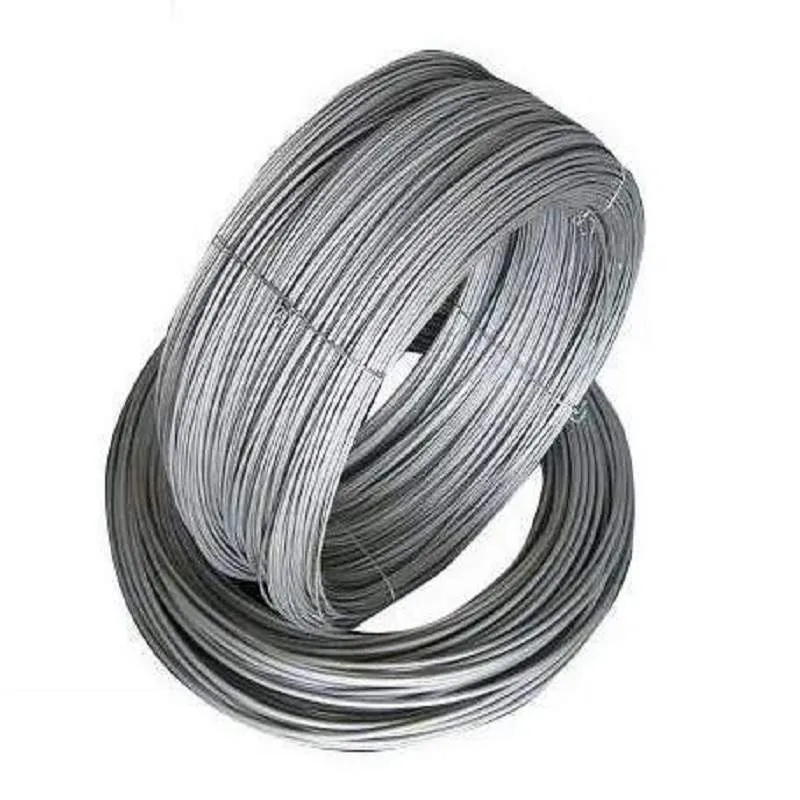
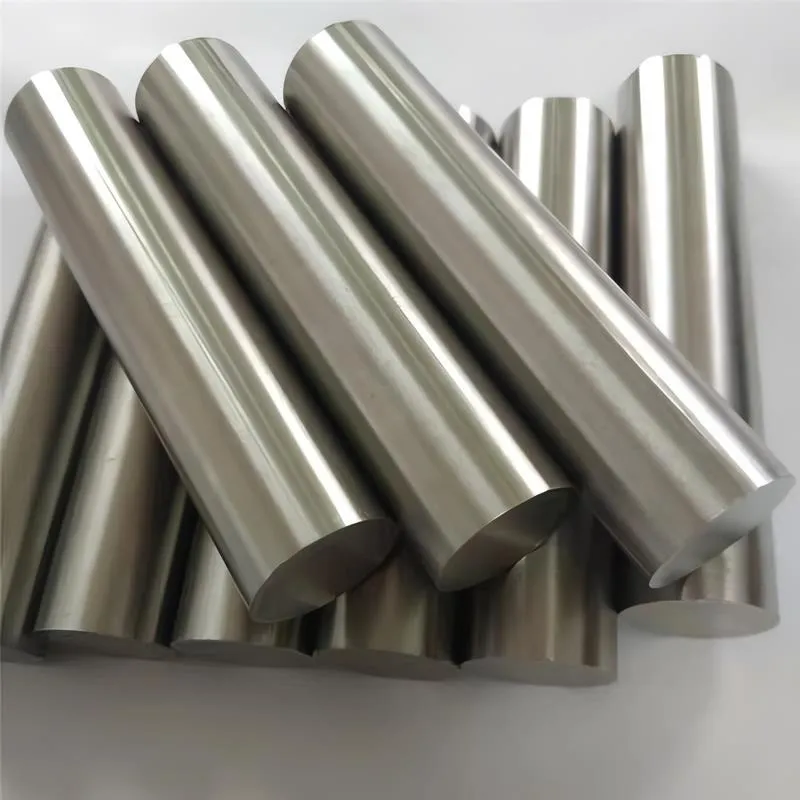
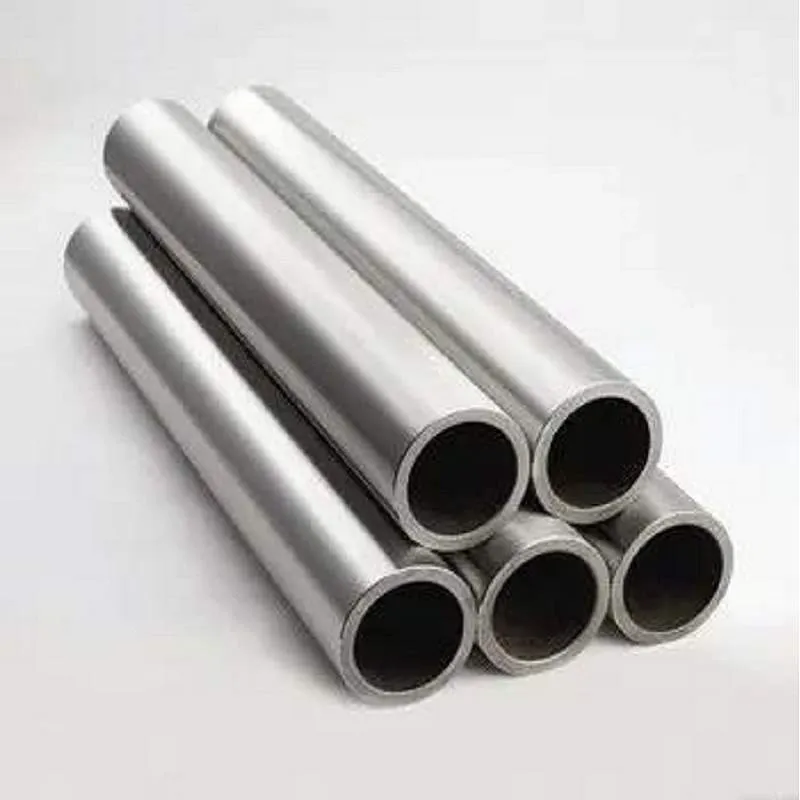
AISI Type F2 Tungsten High Speed Tool Steel Sheet,Plate (UNS T60602)
Product Code : STI-GSTI-027-CU
We provide AISI Type F2 Tungsten High Speed Tool Steel Sheet/Plate (UNS T60602) is available in Bar (Round bar, Flat bar), Ribbon, Wire, Rods, Tube,Seamless Tube,Pipe, Ingots, Plate, Sheet/Plate, Strip and Forging Stock.,Purity, chemical composition, size, etc. can all be customized to meet specific requirements.
Please contact us if you need customized services. We will contact you with the price and availability in 24 hours.
AISI Type F2 Tungsten High Speed Tool Steel Sheet/Plate (UNS T60602) Product Information
-:-
For detailed product information, please contact sales.
-:
AISI Type F2 Tungsten High Speed Tool Steel Sheet/Plate (UNS T60602) Synonyms
-:-
For detailed product information, please contact sales.
-:
AISI Type F2 Tungsten High Speed Tool Steel (UNS T60602) Product Information
-:-
For detailed product information, please contact sales.
-:
# **Product Introduction: AISI Type F2 Tungsten High-Speed Tool Steel (UNS T60602)**
## **Overview**
**AISI Type F2 (UNS T60602)** is a **high-tungsten, high-vanadium, water-hardening high-speed tool steel** representing an enhanced version of traditional tungsten-based HSS grades. Characterized by its **elevated vanadium content and significant tungsten concentration**, F2 delivers **superior abrasion resistance and excellent hot hardness** compared to basic tungsten HSS formulations. As a water-hardening grade with a simplified alloy system (no molybdenum), it offers a specialized balance of properties for demanding cutting applications where exceptional wear resistance at elevated temperatures is paramount, despite requiring more critical heat treatment control than oil-hardening grades.
---
## **Chemical Composition (Typical Weight %)**
F2 features a distinctive high-tungsten, high-vanadium composition optimized for wear resistance.
| Element | Content (%) | Role in High-Speed Steel Performance |
| :--- | :--- | :--- |
| **Tungsten (W)** | **14.00 - 15.50** | **Primary alloying element.** Forms thermally stable tungsten carbides (WC, W₂C) that provide fundamental red hardness (hot hardness) and high-temperature strength. |
| **Vanadium (V)** | **3.75 - 4.25** | **Exceptionally high vanadium content for a tungsten HSS.** Forms ultra-hard vanadium carbides (VC, ~2800 HV) that provide exceptional abrasion resistance and refine grain structure. |
| **Chromium (Cr)** | 3.75 - 4.25 | Enhances hardenability, provides moderate corrosion resistance, and contributes to secondary hardening during tempering. |
| **Carbon (C)** | 0.75 - 0.85 | Higher carbon content balanced with high vanadium to ensure adequate carbide formation without excessive matrix brittleness. |
| **Manganese (Mn)** | 0.20 - 0.40 | Aids hardenability. |
| **Silicon (Si)** | 0.20 - 0.40 | Deoxidizer. |
| **Sulfur (S)** | ≤ 0.03 | - |
| **Phosphorus (P)** | ≤ 0.03 | - |
| **Iron (Fe)** | **Balance** | - |
| **Notable Absence** | **Molybdenum (Mo), Cobalt (Co)** | **0%** - Pure tungsten-vanadium system. |
**Key Distinction:** F2's **combination of high tungsten (14-15.5%) and very high vanadium (3.75-4.25%)** distinguishes it from other tungsten HSS grades like T1/F1. This creates a microstructure rich in both tungsten and vanadium carbides, optimized for severe abrasion resistance at high temperatures.
---
## **Physical & Mechanical Properties**
*Properties are for material in the fully heat treated condition.*
| Property | Typical Value / Description |
| :--- | :--- |
| **Density** | ~8.40 g/cm³ (High due to tungsten content) |
| **Hardness (Annealed)** | 240 - 260 HB |
| **Hardness (Hardened & Tempered)** | **65 - 67 HRC** (Capable of reaching 66-67 HRC with optimal treatment) |
| **Red Hardness (Hot Hardness)** | **Excellent.** Maintains hardness (~59-61 HRC) at temperatures up to 600°C (1110°F) due to stable tungsten carbides. |
| **Wear Resistance** | **Exceptional (for HSS).** The high vanadium content provides abrasion resistance approaching that of some premium tool steels, particularly at elevated temperatures. |
| **Toughness** | **Fair (for HSS).** Lower than simpler tungsten HSS grades (e.g., T1) due to higher carbide volume and carbon content. Sensitive to impact and shock loading. |
| **Heat Treatment Response** | Requires precise water quenching and multiple high-temperature tempers. High risk of distortion and cracking if not properly controlled. |
| **Machinability (Annealed)** | **Poor** (~35-40% of 1% carbon steel). Difficult due to high alloy content and hard carbides. |
| **Grindability** | **Very Poor.** Extremely challenging due to high volume of hard vanadium carbides; requires specialized abrasive wheels and techniques. |
| **Thermal Conductivity** | Moderate (~24 W/m·K) |
| **Maximum Service Temperature** | ~540-600°C (1000-1110°F) for intermittent cutting |
---
## **Heat Treatment Guidelines**
F2 requires highly controlled heat treatment to develop its full potential while minimizing risks.
| Process | Parameters | Critical Considerations for F2 |
| :--- | :--- | :--- |
| **Annealing** | Heat to 850-870°C (1560-1600°F), slow furnace cool at ≤15°C/hour to 600°C, then air cool. | Full spheroidize annealing is essential for any machining operations. |
| **Preheating** | **Double or triple preheat:** 650°C (1200°F) and 850°C (1560°F). | Critical to minimize thermal shock during high-temperature austenitizing. |
| **Austenitizing** | **1260-1290°C (2300-2355°F).** Soak: 2-5 minutes for small sections, adjust for size. | **Must use salt bath or controlled atmosphere** to prevent severe decarburization and oxidation. Temperature control is critical. |
| **Quenching** | **Quench in water or brine.** For complex shapes, oil quenching may be used but reduces maximum hardness. | Water quenching provides maximum hardness but carries high cracking risk. Rapid, uniform agitation is essential. Quench to ~65°C (150°F) before tempering. |
| **Tempering** | **TRIPLE TEMPER MANDATORY.** 540-570°C (1000-1060°F) for 1-2 hours each cycle. Begin tempering immediately after quenching. | Develops secondary hardness through precipitation of alloy carbides. The high vanadium content enhances secondary hardening response. |
---
## **Product Applications**
F2 is specialized for cutting tools requiring maximum wear resistance in high-temperature, high-abrasion environments.
### **Primary Applications:**
1. **High-Wear Cutting Tools:** Tools for machining abrasive materials such as high-silicon aluminum, fiber-reinforced plastics, heat-treated steels, and hardened cast irons.
2. **Broaches and Gear Cutters:** Where precise form maintenance and wear resistance are critical during high-speed cutting.
3. **Forming Tools for Hot Work:** Punches, dies, and shears for hot forming of abrasive materials.
4. **Specialty Milling Cutters and End Mills:** For high-speed machining of challenging workpiece materials.
5. **Lathe Tools for Hard Turning:** Single-point tools for turning hardened steels and cast irons.
6. **Thread Rolling Dies and Forming Tools:** For production of threads on abrasive materials.
7. **Woodworking Tools for Abrasive Composites:** Cutting tools for engineered woods and composites.
### **Industry Usage:**
- **Aerospace Component Machining** (composite materials)
- **Automotive Parts Manufacturing** (hardened components)
- **Die & Mold Making for Abrasive Materials**
- **High-Volume Production Machining**
- **Specialty Cutting Tool Fabrication**
---
## **International Standards & Cross-Reference**
F2 is a specialized grade with specific international equivalents.
| Standard | Designation | Equivalent / Similar Grade |
| :--- | :--- | :--- |
| **AISI (USA)** | **Type F2** | - |
| **UNS (USA)** | **T60602** | - |
| **Alternative Designation** | **T4** (in some systems) | Tungsten 18-4-2 type |
| **ISO** | **HS18-0-2** | - |
| **Europe (EN)** | **~1.3357** | Similar to HS18-0-2 variants |
| **Germany (DIN)** | **~1.3357** | S18-1-2-5 (different composition) |
| **Japan (JIS)** | **SKH3** | - |
| **UK (BS)** | **BT4** | - |
**Important Note:** AISI Type F2 is chemically similar to what is often classified as **AISI T4** (18% W, 4% Cr, 2% V, 5% Co), but the standard F2 composition typically does not include cobalt. There is some variation in how this grade is specified across different standards and suppliers. The UNS T60602 designation provides the definitive identification.
---
## **Advantages & Considerations**
### **Advantages:**
1. **Exceptional Abrasion Resistance:** The high vanadium content provides wear resistance superior to most other tungsten HSS grades.
2. **Excellent Hot Hardness:** Stable tungsten carbides maintain cutting edge at high temperatures.
3. **Good Secondary Hardening Response:** Proper tempering develops high hardness with good thermal stability.
4. **No Molybdenum Dependency:** Advantageous in supply-constrained situations.
5. **Proven Performance in Severe Conditions:** Reliable in demanding high-wear applications.
### **Considerations:**
1. **Critical, High-Risk Heat Treatment:** Water quenching of complex shapes carries significant cracking risk; requires expert control.
2. **Very Poor Grindability:** Among the most difficult HSS grades to grind; increases manufacturing and resharpening costs.
3. **Lower Toughness:** More brittle than simpler tungsten HSS grades; not suitable for interrupted cuts or impact loading.
4. **High Decarburization Risk:** Extreme austenitizing temperatures necessitate protective processing environments.
5. **Higher Cost:** Tungsten and vanadium are expensive alloying elements.
6. **Limited Modern Usage:** Largely superseded by molybdenum-cobalt super HSS grades for most high-performance applications.
---
## **Technical Comparison: F2 vs. Other HSS Grades**
| Property | **F2 (T60602)** | **T1/F1** | **M2** | **M42** |
| :--- | :--- | :--- | :--- | :--- |
| **Tungsten Content** | **14.00-15.50%** | 12.00-13.50% | 5.50-6.75% | 1.15-1.85% |
| **Vanadium Content** | **3.75-4.25%** | 2.75-3.25% | 1.75-2.20% | 0.95-1.35% |
| **Typical Hardness** | 65-67 HRC | 64-66 HRC | 64-66 HRC | 67-69 HRC |
| **Wear Resistance** | **Best (among these)** | Very Good | Good | Excellent |
| **Toughness** | Fair | **Good (for HSS)** | Fair | Poor |
| **Grindability** | Very Poor | Poor | Poor | **Exceptionally Poor** |
| **Primary Strength** | **Wear at Temperature** | General HSS | Balanced Performance | **Maximum Hardness** |
---
## **Historical Context & Modern Relevance**
- **Historical Development:** F2 represents an evolutionary improvement over early tungsten HSS grades, addressing wear limitations through increased vanadium.
- **Niche Application:** While largely replaced by more advanced molybdenum-cobalt super HSS grades in mainstream applications, F2 remains relevant for specific high-wear applications where its particular carbide structure is advantageous.
- **Specialist Grade:** Today, F2 is primarily used by specialists who understand its specific heat treatment requirements and application strengths.
---
## **Fabrication & Processing Recommendations**
### **Machining (Annealed State):**
- Use **premium carbide or CBN tools**
- Moderate speeds, heavy feeds to fracture chips
- High-pressure coolant to manage heat and extend tool life
- Avoid interrupted cuts when possible
### **Grinding (Hardened State):**
- **CBN or diamond wheels strongly recommended**
- Light infeeds, consistent traverse rates
- Copious coolant to prevent thermal damage
- Frequent dressing to maintain wheel sharpness
---
## **Conclusion**
**AISI Type F2 Tungsten High-Speed Tool Steel (UNS T60602)** represents a **specialized, high-performance evolution of traditional tungsten-based high-speed steels**, optimized for maximum wear resistance through elevated vanadium content. While its **demanding heat treatment requirements, grinding challenges, and relatively low toughness** limit its application in modern production environments, F2 offers **exceptional abrasion resistance and hot hardness** for specific severe-service cutting applications. For tool engineers facing extreme wear problems in high-temperature cutting operations—particularly where modern super HSS grades may not provide adequate wear life—F2 provides a time-tested, high-performance alternative. It serves as a reminder of the capabilities of tungsten-based HSS technology and continues to fill important niches in demanding metal-cutting and forming applications where its unique balance of properties justifies its specialized handling requirements.
-:-
For detailed product information, please contact sales.
-:
AISI Type F2 Tungsten High Speed Tool Steel (UNS T60602) Specification
Dimensions
Size:
Diameter 20-1000 mm Length <6683 mm
Size:We can customized as required
Standard:
Per your request or drawing
We can customized as required
Properties(Theoretical)
Chemical Composition
-:-
For detailed product information, please contact sales.
-:
AISI Type F2 Tungsten High Speed Tool Steel (UNS T60602) Properties
-:-
For detailed product information, please contact sales.
-:
Applications of AISI Type F2 Tungsten High Speed Tool Steel Sheet,Plate (UNS T60602)
-:-
For detailed product information, please contact sales.
-:
Chemical Identifiers AISI Type F2 Tungsten High Speed Tool Steel Sheet,Plate (UNS T60602)
-:-
For detailed product information, please contact sales.
-:
Packing of AISI Type F2 Tungsten High Speed Tool Steel Sheet/Plate (UNS T60602)
-:-
For detailed product information, please contact sales.
-:
Standard Packing:
-:-
For detailed product information, please contact sales.
-:
Typical bulk packaging includes palletized plastic 5 gallon/25 kg. pails, fiber and Steel Sheet/Plate drums to 1 ton super sacks in full container (FCL) or truck load (T/L) quantities. Research and sample quantities and hygroscopic, oxidizing or other air sensitive materials may be packaged under argon or vacuum. Solutions are packaged in polypropylene, plastic or glass jars up to palletized 3154 gallon liquid totes Special package is available on request. E FORUs’ is carefully handled to minimize damage during storage and transportation and to preserve the quality of our products in their original condition