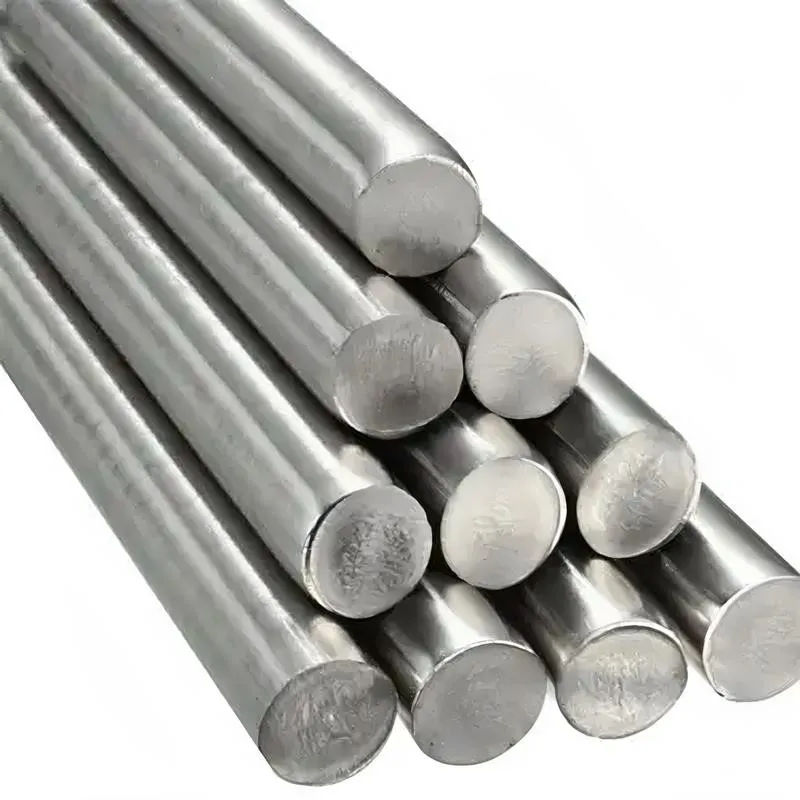
AISI Type H10 Chromium Hot Work Tool Steel (UNS T20810)
Product Code : STI-GSTI-029-CU
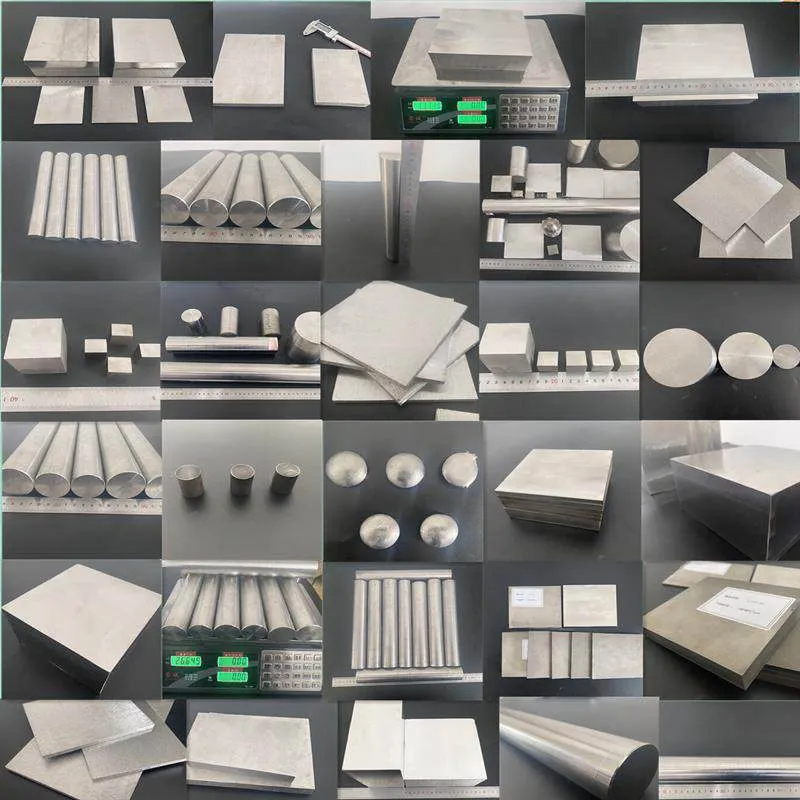
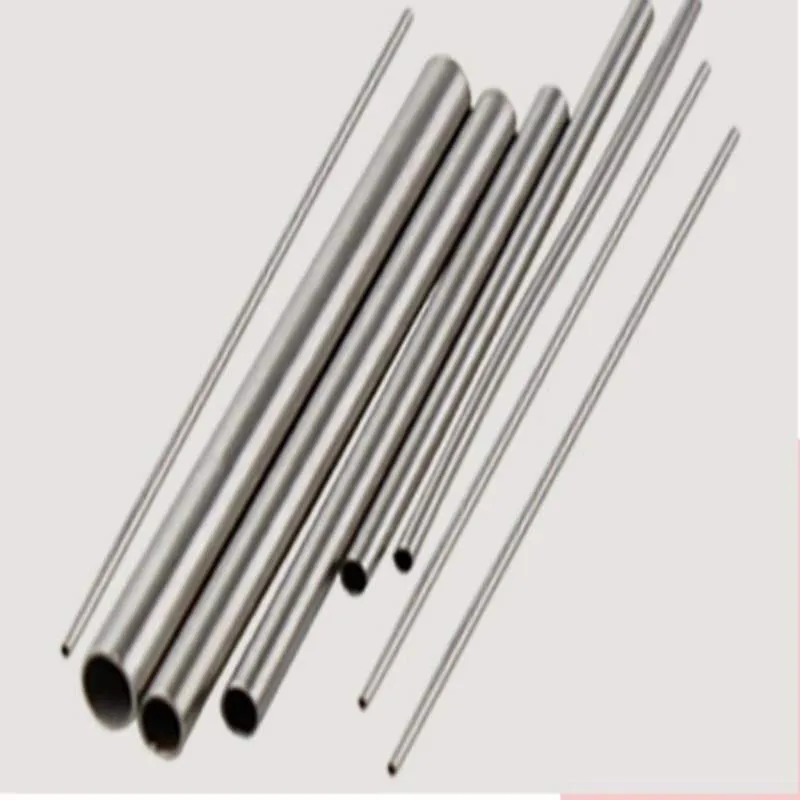
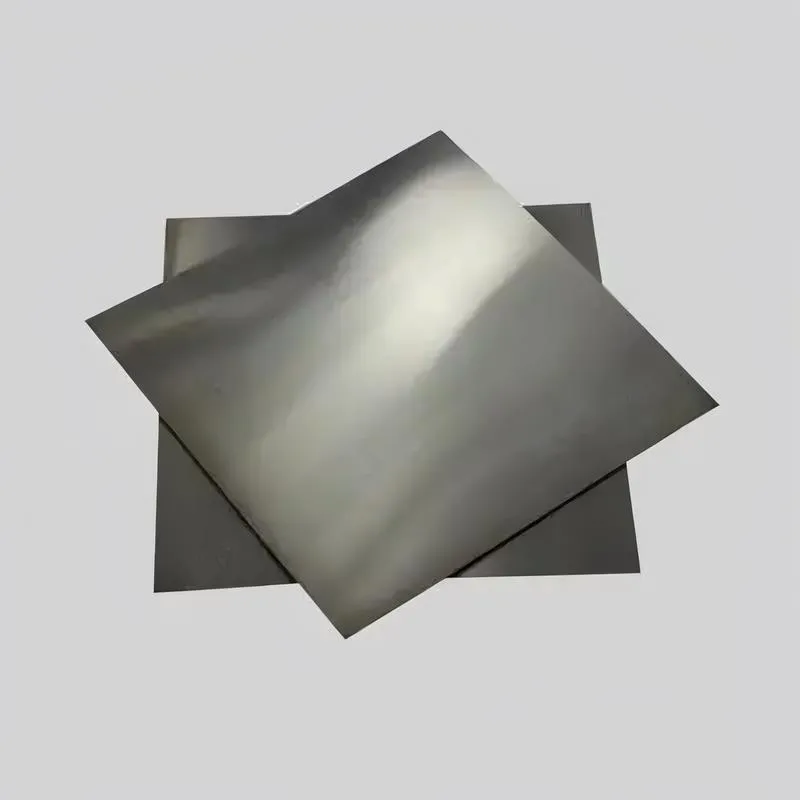
We provide AISI Type H10 Chromium Hot Work Tool Steel (UNS T20810) is available in Bar (Round bar, Flat bar), Ribbon, Wire, Rods, Tube,Seamless Tube,Pipe, Ingots, Plate, Sheet, Strip and Forging Stock.,Purity, chemical composition, size, etc. can all be customized to meet specific requirements.
Please contact us if you need customized services. We will contact you with the price and availability in 24 hours.
AISI Type H10 Chromium Hot Work Tool Steel (UNS T20810) Product Information
-:-
For detailed product information, please contact sales.
-:
AISI Type H10 Chromium Hot Work Tool Steel (UNS T20810) Synonyms
-:-
For detailed product information, please contact sales.
-:
AISI Type H10 Chromium Hot Work Tool Steel (UNS T20810) Product Information
-:-
For detailed product information, please contact sales.
-:
# **Product Introduction: AISI Type H10 Chromium Hot Work Tool Steel (UNS T20810)**
## **Overview**
**AISI Type H10 (UNS T20810)** is a **medium-carbon, medium-chromium hot work tool steel** engineered to deliver **excellent toughness, good thermal fatigue resistance, and balanced high-temperature properties**. As part of the chromium-based H-series hot work steels, H10 offers a versatile combination of characteristics suitable for a wide range of hot forming applications, particularly where resistance to heat checking and thermal shock are critical. Its alloy balance provides reliable performance at moderate operating temperatures with superior machinability compared to higher-alloy hot work grades, making it a cost-effective choice for many aluminum and zinc die casting, extrusion, and forging applications.
---
## **Chemical Composition (Typical Weight %)**
H10 features a balanced chromium-based composition optimized for toughness and thermal fatigue resistance.
| Element | Content (%) | Role in Hot Work Performance |
| :--- | :--- | :--- |
| **Carbon (C)** | 0.35 - 0.45 | Provides base hardness and strength; balanced to maintain toughness at elevated temperatures. |
| **Chromium (Cr)** | **3.00 - 3.75** | Primary alloying element; provides oxidation resistance, moderate hardenability, and contributes to hot strength through carbide formation. |
| **Molybdenum (Mo)** | **2.50 - 3.00** | **Key element in H10.** Enhances high-temperature strength, creep resistance, hardenability, and promotes fine grain structure. Higher molybdenum content than H11/H13. |
| **Vanadium (V)** | 0.25 - 0.50 | Forms stable vanadium carbides that refine grain size and improve wear resistance at elevated temperatures. |
| **Silicon (Si)** | 0.80 - 1.20 | Increases resistance to thermal fatigue (heat checking) and oxidation; strengthens ferrite matrix. |
| **Manganese (Mn)** | 0.25 - 0.70 | Aids hardenability and deoxidization. |
| **Sulfur (S)** | ≤ 0.03 | - |
| **Phosphorus (P)** | ≤ 0.03 | - |
| **Iron (Fe)** | **Balance** | Base metal. |
**Key Distinction:** H10's **elevated molybdenum content (2.50-3.00%)** relative to its chromium level distinguishes it from other chromium hot work steels. This provides enhanced high-temperature strength and hardenability while maintaining good toughness.
---
## **Physical & Mechanical Properties**
*Properties are for material in the hardened and tempered condition (typical operating hardness).*
| Property | Typical Value / Description |
| :--- | :--- |
| **Density** | 7.80 g/cm³ (0.282 lb/in³) |
| **Hardness (Annealed)** | 200 - 230 HB |
| **Hardness (Hardened & Tempered)** | **40 - 52 HRC** (Typically operated at 44-48 HRC for optimal toughness/strength balance) |
| **Hot Hardness (at 540°C / 1000°F)** | **~35-38 HRC** (Good retention of hardness at elevated temperature) |
| **Thermal Fatigue Resistance** | **Excellent.** High resistance to initiation and propagation of heat-check cracks due to good toughness and moderate thermal conductivity. |
| **Toughness** | **Very Good to Excellent.** Among the toughest hot work steels, superior to higher-carbon and higher-alloy grades like H13 at equivalent hardness. |
| **Thermal Conductivity** | **~28.5 W/m·K at 20°C** (Improves at higher temperatures) |
| **Coefficient of Thermal Expansion** | ~12.3 × 10⁻⁶/°C (20-500°C) |
| **Machinability (Annealed)** | **Good** (~65% of 1% carbon steel). Better than most hot work steels due to moderate alloy content. |
| **Grindability** | **Good.** Grinds relatively easily compared to high-vanadium steels. |
| **Maximum Continuous Service Temperature** | **~540°C (1000°F)** |
---
## **Heat Treatment Guidelines**
Proper heat treatment is essential to develop H10's optimal hot work properties.
| Process | Parameters | Purpose/Notes |
| :--- | :--- | :--- |
| **Annealing** | Heat to 845-870°C (1550-1600°F), slow furnace cool to 480°C (900°F) at ≤15°C/hr, then air cool. | Achieves ~215 HB for safe machining. |
| **Stress Relieving** | 650-675°C (1200-1250°F) for 2 hrs, air cool. (After rough machining) | Reduces machining stresses. |
| **Preheating** | **Preheat at 650-760°C (1200-1400°F).** | Minimizes thermal shock. |
| **Austenitizing** | **995-1025°C (1825-1875°F).** Soak: 20-30 min/inch. (Use protective atmosphere) | Dissolves carbides for optimal alloying effect. |
| **Quenching** | **Air quench** (preferred) or oil quench for maximum hardness in thick sections. | Air quenching minimizes distortion and stress. |
| **Tempering** | **Double temper immediately.** **540-600°C (1000-1110°F)** for 2+ hrs each. | **Mandatory** to achieve secondary hardening and transform retained austenite. Temper above intended service temperature. |
---
## **Product Applications**
H10 is versatile for various hot work applications requiring good toughness and thermal fatigue resistance.
### **Primary Hot Work Applications:**
1. **Aluminum & Zinc Die Casting:** Core pins, ejector pins, cavity inserts, and goosenecks where thermal fatigue resistance is critical.
2. **Hot Extrusion Dies & Tooling:** For aluminum, copper, and brass extrusion—particularly mandrels, liners, and die holders.
3. **Hot Forging Dies & Inserts:** For forging of non-ferrous metals and lower-temperature steel forging.
4. **Hot Stamping & Trimming Tools.**
5. **Plastic Injection Molds:** For high-temperature engineering plastics and abrasive filled materials.
6. **Glass Forming Tools:** Molds and plungers for glass manufacturing.
7. **Hot Work Punches & Shear Blades.**
### **Industry Usage:**
- **Non-Ferrous Die Casting**
- **Metal Extrusion**
- **Hot Forging**
- **Plastics Processing**
- **Glass Manufacturing**
---
## **International Standards & Cross-Reference**
UNS T20810 (H10) has specific equivalents in major international standards.
| Standard | Designation | Equivalent / Similar Grade |
| :--- | :--- | :--- |
| **UNS (USA)** | **T20810** | - |
| **AISI (USA)** | **H10** | - |
| **ASTM (USA)** | A681 | Grade H10 |
| **Europe (EN)** | **~1.2365** | 55NiCrMoV7 (Note: Contains Ni, different composition) |
| **Germany (DIN)** | **1.2365** | 55NiCrMoV7 |
| **Japan (JIS)** | **SKD7** | - |
| **ISO** | **35CrMoV5** | - |
**Note:** The European DIN 1.2365 (55NiCrMoV7) is chemically different from H10 as it contains nickel (~1.5%) and has lower molybdenum. True chemical equivalents are rare; H10 is primarily an AISI standard grade.
---
## **Advantages & Considerations**
### **Advantages:**
1. **Excellent Toughness:** Superior impact resistance compared to higher-alloy hot work steels, reducing risk of catastrophic failure.
2. **Good Thermal Fatigue Resistance:** Resists heat checking in cyclic thermal applications.
3. **Good Machinability & Grindability:** Easier to fabricate than most hot work steels, reducing tooling costs.
4. **Good Combination of Properties:** Balanced high-temperature strength, toughness, and thermal fatigue resistance.
5. **Cost-Effective:** Typically less expensive than higher-alloy grades like H13 or H21.
### **Considerations:**
1. **Lower Hot Hardness than Premium Grades:** Not suitable for applications above ~540°C (1000°F) continuous service.
2. **Lower Wear Resistance:** Less suitable for abrasive applications compared to higher-carbon or higher-vanadium grades.
3. **Limited Maximum Hardness:** Cannot achieve the high hardness levels of some other hot work steels.
4. **Less Common than H11/H13:** May have lower availability in some markets.
---
## **Comparison with Common Hot Work Grades**
| Property | **H10 (UNS T20810)** | **H13 (UNS T20813)** | **H11 (UNS T20811)** |
| :--- | :--- | :--- | :--- |
| **Molybdenum Content** | **2.50-3.00%** | 1.25-1.75% | 1.25-1.75% |
| **Chromium Content** | 3.00-3.75% | **4.75-5.50%** | **4.75-5.50%** |
| **Vanadium Content** | 0.25-0.50% | **0.80-1.20%** | 0.30-0.60% |
| **Primary Strength** | **Toughness & Thermal Fatigue** | **Balanced Performance** | **Maximum Toughness** |
| **Typical Hardness Range** | 40-52 HRC | 42-52 HRC | 40-52 HRC |
| **Best For** | **Thermal fatigue applications** | **General-purpose hot work** | **High-impact applications** |
---
## **Special Applications & Notes**
### **Die Casting Applications:**
H10 is particularly valued in aluminum die casting for:
- **Ejector pins** where toughness prevents breakage
- **Core pins** in complex, thin sections
- **Components subject to thermal shock** from water cooling
### **Extrusion Applications:**
- **Mandrels and liners** for aluminum extrusion
- **Die holders** and support tools
- Particularly suitable for **hollow profiles** where toughness is critical
### **Heat Treatment Specifics:**
For optimal thermal fatigue resistance in die casting:
1. Harden to 44-46 HRC
2. Double temper at 580-600°C (1075-1110°F)
3. Stress relieve after EDM or welding at 550°C (1020°F)
---
## **Conclusion**
**AISI Type H10 Chromium Hot Work Tool Steel (UNS T20810)** is a **versatile, well-balanced material** that excels in applications where **thermal fatigue resistance and toughness are more critical than extreme hot hardness**. Its elevated molybdenum content provides enhanced high-temperature strength while maintaining the excellent toughness characteristic of medium-chromium hot work steels. While not as widely used as H13 for general hot work applications, H10 offers **superior performance in specific applications** involving severe thermal cycling, such as certain die casting components and extrusion tooling. For tooling engineers seeking a **cost-effective, reliable material** with excellent resistance to heat checking and good machinability for moderate-temperature hot work applications, H10 represents a proven and capable choice that continues to fill important niches in metal forming and casting industries.
-:-
For detailed product information, please contact sales.
-:
AISI Type H10 Chromium Hot Work Tool Steel (UNS T20810) Specification
Dimensions
Size:
Diameter 20-1000 mm Length <6685 mm
Size:We can customized as required
Standard:
Per your request or drawing
We can customized as required
Properties(Theoretical)
Chemical Composition
-:-
For detailed product information, please contact sales.
-:
AISI Type H10 Chromium Hot Work Tool Steel (UNS T20810) Properties
-:-
For detailed product information, please contact sales.
-:
Applications of AISI Type H10 Chromium Hot Work Tool Steel (UNS T20810)
-:-
For detailed product information, please contact sales.
-:
Chemical Identifiers AISI Type H10 Chromium Hot Work Tool Steel (UNS T20810)
-:-
For detailed product information, please contact sales.
-:
Packing of AISI Type H10 Chromium Hot Work Tool Steel (UNS T20810)
-:-
For detailed product information, please contact sales.
-:
Standard Packing:
-:-
For detailed product information, please contact sales.
-:
Typical bulk packaging includes palletized plastic 5 gallon/25 kg. pails, fiber and steel drums to 1 ton super sacks in full container (FCL) or truck load (T/L) quantities. Research and sample quantities and hygroscopic, oxidizing or other air sensitive materials may be packaged under argon or vacuum. Solutions are packaged in polypropylene, plastic or glass jars up to palletized 3156 gallon liquid totes Special package is available on request. E FORUs’ is carefully handled to minimize damage during storage and transportation and to preserve the quality of our products in their original condition