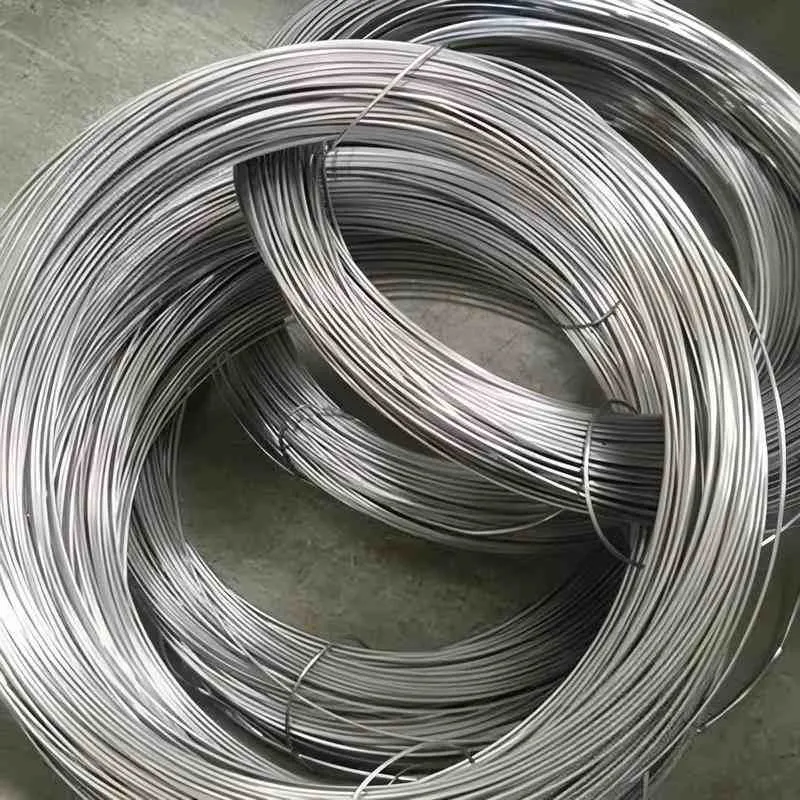
AISI Type H22 Tungsten Hot Work Tool Steel Wire (UNS T20822)
Product Code : STI-GSTI-039-CU
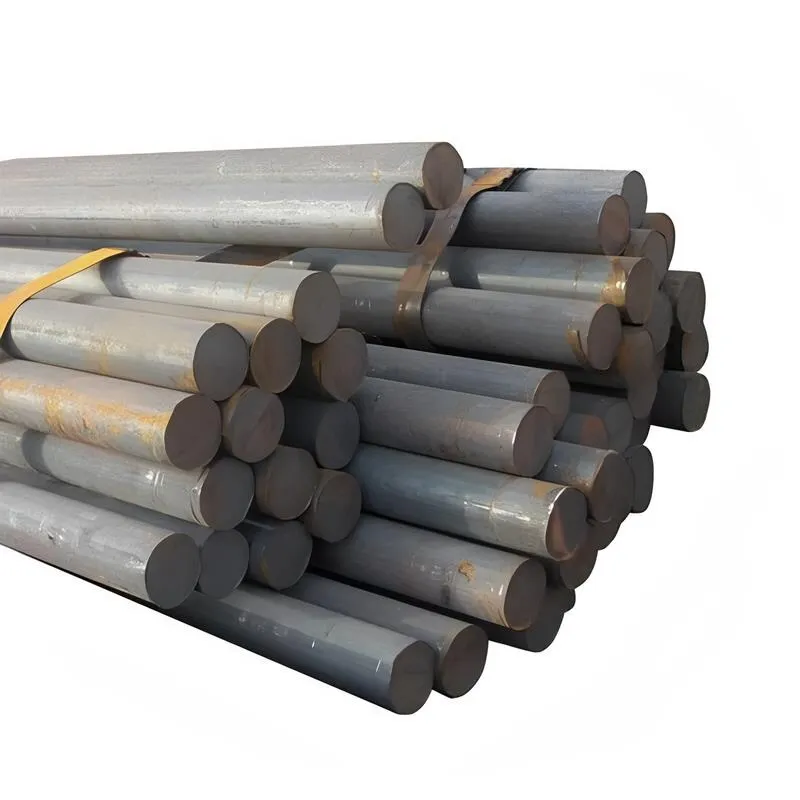
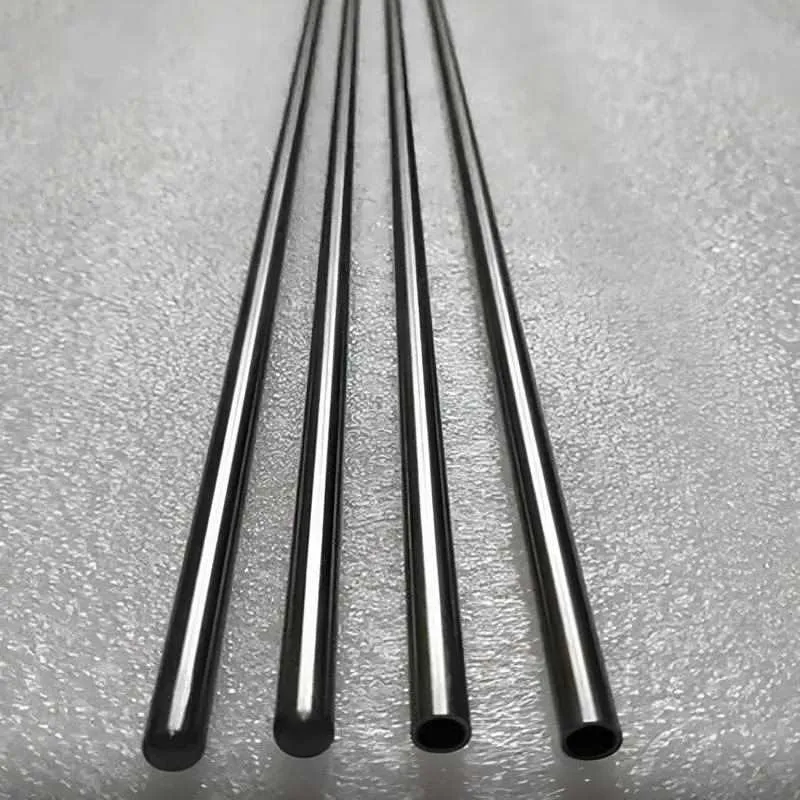
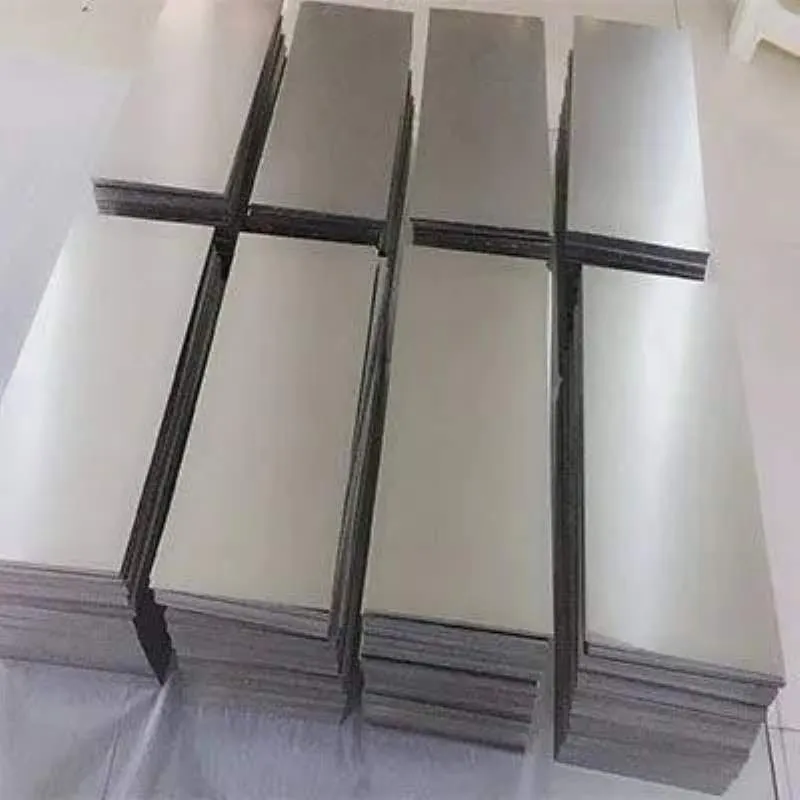
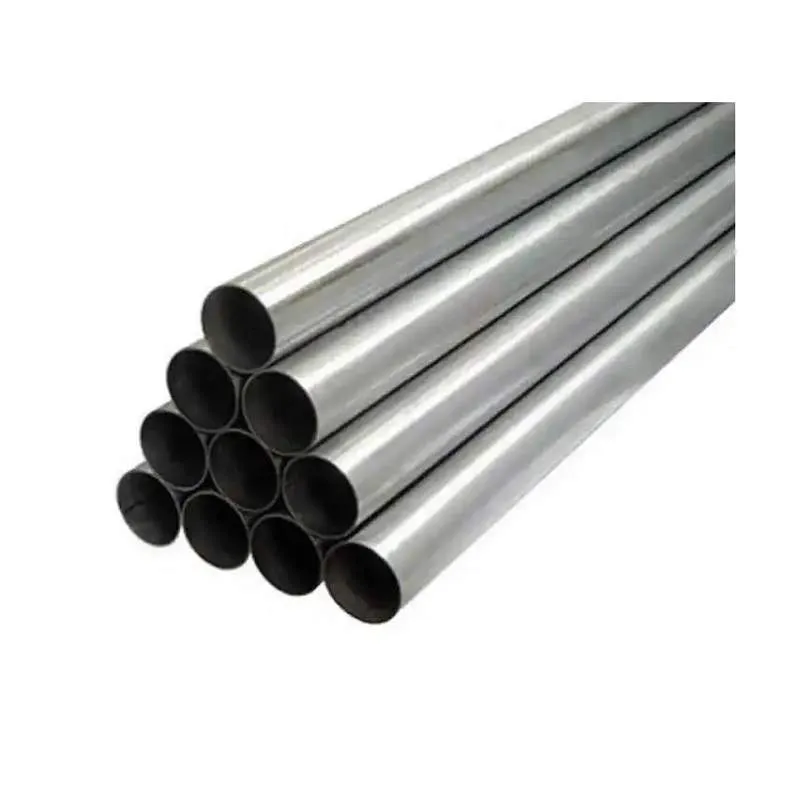
We provide AISI Type H22 Tungsten Hot Work Tool Steel Wire (UNS T20822) is available in Bar (Round bar, Flat bar), Ribbon, Wire, Rods, Tube,Seamless Tube,Pipe, Ingots, Plate, Sheet, Strip and Forging Stock.,Purity, chemical composition, size, etc. can all be customized to meet specific requirements.
Please contact us if you need customized services. We will contact you with the price and availability in 24 hours.
AISI Type H22 Tungsten Hot Work Tool Steel Wire (UNS T20822) Product Information
-:-
For detailed product information, please contact sales.
-:
AISI Type H22 Tungsten Hot Work Tool Steel Wire (UNS T20822) Synonyms
-:-
For detailed product information, please contact sales.
-:
AISI Type H22 Tungsten Hot Work Tool Steel (UNS T20822) Product Information
-:-
For detailed product information, please contact sales.
-:
# **Product Introduction: AISI Type H22 Tungsten Hot Work Tool Steel (UNS T20822)**
## **Overview**
**AISI Type H22 (UNS T20822)** is a **high-tungsten, chromium-based hot work tool steel** representing an enhanced member of the tungsten series hot work steels. Characterized by its **elevated tungsten content combined with balanced chromium alloying**, H22 is engineered to deliver **superior hot hardness and exceptional resistance to thermal softening** at extreme operating temperatures. As a refined tungsten hot work steel, H22 offers improved performance over basic tungsten grades, making it particularly suitable for demanding high-temperature applications where maximum resistance to heat checking and thermal fatigue are critical requirements.
---
## **Chemical Composition (Typical Weight %)**
H22 features an optimized tungsten-chromium composition with carefully balanced carbon content.
| Element | Content (%) | Role in Hot Work Performance |
| :--- | :--- | :--- |
| **Tungsten (W)** | **10.00 - 12.00** | **Primary high-temperature strengthening element.** Forms abundant, stable tungsten carbides (WC, W₂C) that provide exceptional red hardness and resist softening at extreme temperatures. |
| **Chromium (Cr)** | **1.75 - 2.20** | Provides oxidation resistance and contributes to hot strength through chromium carbide formation; lower than in chromium-molybdenum hot work steels to optimize tungsten's effects. |
| **Vanadium (V)** | **0.25 - 0.50** | Forms vanadium carbides that refine grain size and improve elevated-temperature properties. |
| **Carbon (C)** | **0.30 - 0.40** | Balanced to provide adequate hardness while maintaining toughness at extreme temperatures; slightly higher than H21 for improved wear resistance. |
| **Silicon (Si)** | 0.15 - 0.40 | Increases resistance to oxidation and thermal fatigue. |
| **Manganese (Mn)** | 0.20 - 0.50 | Aids hardenability and deoxidization. |
| **Molybdenum (Mo)** | **≤ 0.25** | Minimal content; H22 relies exclusively on tungsten for high-temperature properties. |
| **Sulfur (S)** | ≤ 0.03 | - |
| **Phosphorus (P)** | ≤ 0.03 | - |
| **Iron (Fe)** | **Balance** | Base metal. |
**Key Distinction:** H22's **significantly higher tungsten content (10-12%) compared to H21 (8-10%)**, combined with **reduced chromium levels**, creates a composition optimized for maximum hot hardness and high-temperature stability. This represents an evolution toward purer tungsten-based hot work steel performance.
---
## **Physical & Mechanical Properties**
*Properties are for material in the hardened and tempered condition (typical operating hardness 46-50 HRC).*
| Property | Typical Value / Description |
| :--- | :--- |
| **Density** | ~8.35 g/cm³ (Higher than H21 due to increased tungsten content) |
| **Hardness (Annealed)** | 210 - 235 HB |
| **Hardness (Hardened & Tempered)** | **44 - 54 HRC** (Typically operated at 48-52 HRC for extreme hot work) |
| **Hot Hardness (at 650°C / 1200°F)** | **~42-46 HRC** (Superior to H21 at extreme temperatures) |
| **Tensile Strength** | 1550 - 1850 MPa (at 50 HRC) |
| **Yield Strength (0.2%)** | 1350 - 1650 MPa (at 50 HRC) |
| **Elongation** | 5 - 10% (at 50 HRC) |
| **Impact Toughness (Charpy)** | **10 - 18 J** (at 50 HRC; lower than H21 due to higher carbide volume) |
| **Thermal Fatigue Resistance** | **Fair to Good.** Improved over H21 due to optimized composition but still inferior to H13 in severe thermal cycling. |
| **Thermal Conductivity** | **~23.5 W/m·K** at 20°C (Lower than H21 and molybdenum-based grades) |
| **Coefficient of Thermal Expansion** | ~11.6 × 10⁻⁶/°C (20-500°C) |
| **Maximum Continuous Service Temperature** | **~670°C (1240°F)** (Slightly higher than H21) |
| **Specific Heat Capacity** | 460 J/kg·K |
| **Machinability (Annealed)** | **Fair to Poor** (~45% of 1% carbon steel). More difficult than H21. |
| **Grindability** | **Poor.** Increased tungsten carbide content makes grinding challenging. |
---
## **Heat Treatment Guidelines**
Precise heat treatment is essential to develop H22's optimal high-temperature properties.
| Process | Parameters | Special Considerations for H22 |
| :--- | :--- | :--- |
| **Annealing** | Heat to 870-900°C (1600-1650°F), slow furnace cool to 480°C (900°F) at ≤15°C/hr, then air cool. | Results in ~225 HB for machining. |
| **Stress Relieving** | 650-700°C (1200-1290°F) for 2 hrs, air cool. | Recommended after rough machining due to high alloy content. |
| **Preheating** | **Double preheat:** 650°C (1200°F) and 850°C (1560°F). | Critical to prevent thermal shock during extreme austenitizing temperatures. |
| **Austenitizing** | **1120-1170°C (2050-2140°F).** Soak: 20-30 min/inch. | **Higher temperature than H21** required to dissolve increased tungsten carbides; must use protective atmosphere. |
| **Quenching** | **Oil quench** (standard) in 40-60°C oil, or air quench for complex shapes. | Vigorous agitation recommended for oil quenching; air quenching minimizes distortion risk. |
| **Tempering** | **Double or triple temper at 610-660°C (1130-1220°F)** for 2+ hours each. | **Higher tempering range than H21**; must temper immediately after quenching to room temperature. |
---
## **Product Applications**
H22 is specialized for extreme high-temperature applications requiring maximum hot hardness.
### **Primary Hot Work Applications:**
#### **1. High-Temperature Forging (Primary Application):**
- **Forging dies for superalloys** (Inconel, Waspaloy, Hastelloy)
- **Dies for titanium alloy forging**
- **Hot die forging tools** for high-strength steels at 600-750°C
- **Isothermal forging dies** maintained at constant high temperatures
#### **2. Hot Extrusion Tooling:**
- **Extrusion dies for high-temperature alloys**
- **Mandrels and liners** for nickel-based alloy extrusion
- **Containers and dummy blocks** for high-pressure, high-temperature extrusion
#### **3. Specialty High-Temperature Applications:**
- **Hot piercing tools** for high-temperature metals
- **Tools for powder metallurgy hot isostatic pressing (HIP)**
- **Die casting dies for copper-based alloys**
- **Glass molding tools** requiring extreme temperature resistance
### **Specific Industry Usage:**
- **Aerospace Component Manufacturing** (turbine blades, engine parts)
- **Power Generation Equipment** (turbine components, high-temperature valves)
- **Specialty Metal Processing** (superalloy, titanium processing)
- **High-Temperature Research & Development**
- **Advanced Materials Manufacturing**
---
## **International Standards & Cross-Reference**
H22 is recognized in several international systems with specific equivalents.
| Standard | Designation | Equivalent / Similar Grade |
| :--- | :--- | :--- |
| **AISI/SAE (USA)** | **H22** | - |
| **UNS (USA)** | **T20822** | - |
| **ASTM (USA)** | A681 | Grade H22 |
| **Europe (EN)** | **~1.2581** | X30WCrV9-3 (Similar but different composition) |
| **Germany (DIN)** | **~1.2581** | X30WCrV9-3 |
| **Japan (JIS)** | **SKD5** (Modified) | - |
| **ISO** | **~35WCrV10** | - |
| **UK (BS)** | **BH22** | - |
| **China (GB)** | **3Cr2W8V** (Modified) | - |
**Important Note:** True chemical equivalents to AISI H22 are less common than for H21. The European DIN 1.2581 (X30WCrV9-3) is often referenced but has different tungsten (8.5-9.5%) and chromium (2.5-3.2%) levels. H22 remains primarily an AISI standard grade with specific composition requirements.
---
## **Technical Comparison: H22 vs. Other Tungsten Hot Work Steels**
| Property | **H22 (UNS T20822)** | **H21 (UNS T20821)** | **H23 (UNS T20823)** |
| :--- | :--- | :--- | :--- |
| **Tungsten Content** | **10.00-12.00%** | 8.00-10.00% | 11.00-12.75% |
| **Chromium Content** | 1.75-2.20% | **3.00-3.75%** | 11.00-12.75% |
| **Carbon Content** | 0.30-0.40% | 0.25-0.35% | 0.25-0.35% |
| **Hot Hardness (at 650°C)** | **~42-46 HRC** | ~40-44 HRC | **~44-48 HRC** |
| **Maximum Service Temp** | **~670°C (1240°F)** | ~650°C (1200°F) | **~680°C (1255°F)** |
| **Toughness (at 48 HRC)** | 10-18 J | **15-25 J** | 8-15 J |
| **Oxidation Resistance** | Fair | Good | **Excellent** |
| **Relative Cost** | High | Moderate | **Highest** |
| **Primary Strength** | **Max Hot Hardness** | Balanced Performance | **High Temp + Oxidation** |
---
## **Advantages & Considerations**
### **Advantages:**
1. **Exceptional Hot Hardness:** Superior resistance to softening at extreme temperatures (up to 670°C), outperforming H21.
2. **Excellent High-Temperature Stability:** Maintains mechanical properties better than lower-tungsten grades during prolonged high-temperature exposure.
3. **Good Wear Resistance at Extreme Temperatures:** Suitable for high-temperature abrasive applications.
4. **Resistance to Thermal Fatigue:** Improved over H21 due to optimized composition.
5. **Good Creep Resistance:** Resists deformation under sustained high-temperature stress.
### **Considerations:**
1. **Reduced Toughness:** Lower impact resistance than H21 due to higher carbide volume.
2. **Low Thermal Conductivity:** Poor heat dissipation compared to molybdenum-based grades.
3. **Complex Heat Treatment:** Requires precise control of even higher processing temperatures than H21.
4. **High Cost:** Increased tungsten content makes it more expensive than H21.
5. **Limited Oxidation Resistance:** Low chromium content reduces oxidation resistance at high temperatures.
6. **Poor Machinability:** Difficult to machine and grind, increasing fabrication costs.
---
## **Metallurgical Characteristics**
### **Enhanced Tungsten Strengthening:**
1. **Increased Carbide Volume:** Higher tungsten content creates greater volume fraction of tungsten carbides.
2. **Carbide Distribution:** Optimized carbide size and distribution for improved thermal fatigue resistance.
3. **Matrix Strengthening:** Tungsten in solid solution provides enhanced high-temperature matrix strength.
### **Microstructural Evolution:**
H22 represents an evolution from H21 with:
- **Finer carbide structure** due to optimized processing
- **Improved carbide-matrix interface** for better stress distribution
- **Enhanced stability** during thermal cycling
---
## **Special Processing & Fabrication**
### **Forging Recommendations:**
- **Start Forging:** 1150-1200°C (2100-2190°F)
- **Finish Forging:** ≥1000°C (1830°F)
- **Cooling:** Very slow furnace cool (≤25°C/hour) to 500°C, then air cool
### **Machining Guidelines:**
- **Carbide tools mandatory** with positive rake angles
- **Conservative cutting parameters:** Low to moderate speeds with adequate feed
- **High-pressure coolant** essential for heat management
- **Frequent tool inspection** due to abrasive tungsten carbides
### **Heat Treatment Optimization:**
For **maximum hot hardness:**
- Austenitize at 1150°C, oil quench with agitation
- Triple temper at 630-650°C
- Final hardness: 50-52 HRC
For **improved toughness:**
- Austenitize at 1130°C, air quench
- Double temper at 610-630°C
- Final hardness: 46-48 HRC
---
## **Surface Treatments & Performance Enhancement**
### **Recommended Treatments:**
1. **Gas Nitriding:** Surface hardness 1000-1200 HV, improves wear and galling resistance.
2. **Plasma Nitriding:** For complex geometries, provides uniform case depth.
3. **PVD Coatings (TiAlN, AlCrN):** For extreme temperature applications (up to 800°C).
4. **Laser Surface Hardening:** For localized wear resistance improvement.
### **Application-Specific Treatments:**
- **Forging dies:** Nitriding for wear resistance
- **Extrusion tools:** PVD coatings for anti-galling properties
- **High-temperature tools:** Oxidation-resistant coatings
---
## **Economic & Selection Considerations**
### **When to Select H22 Over H21:**
1. Operating temperatures consistently exceed 600°C
2. Thermal softening is the primary failure mode with H21
3. Application requires maximum possible hot hardness
4. Slight reduction in toughness is acceptable
5. Budget allows for premium material costs
### **Cost Analysis:**
- **Material Cost:** 20-30% higher than H21
- **Processing Cost:** Similar to H21 but with higher energy costs for heat treatment
- **Tool Life:** Potentially 25-50% longer than H21 in appropriate applications
- **ROI:** Positive when tool life extension offsets increased costs
---
## **Modern Alternatives & Evolution**
While H22 remains relevant, modern developments include:
1. **Premium ESR H22:** Improved cleanliness and toughness
2. **H22 with Micro-alloying:** Enhanced properties through trace element additions
3. **Powder Metallurgy Alternatives:** For superior toughness and thermal fatigue resistance
4. **Nickel-based Superalloys:** For applications above 700°C
5. **Ceramic and Cermet Tooling:** For specific extreme temperature applications
---
## **Maintenance & Service Life Extension**
### **Best Practices:**
1. **Proper Preheating:** Heat tools to 300-400°C before use
2. **Temperature Monitoring:** Maintain consistent operating temperatures
3. **Regular Inspection:** Check for heat checking, cracking, and wear
4. **Preventive Maintenance:** Polish, repair minor damage, stress relieve periodically
5. **Correct Storage:** Protect from corrosion and mechanical damage
### **Reconditioning:**
- **Welding:** Difficult but possible with specialized procedures
- **Surface Renovation:** Grinding and polishing to remove damage
- **Re-heat Treatment:** Possible but requires careful control
---
## **Conclusion**
**AISI Type H22 Tungsten Hot Work Tool Steel (UNS T20822)** represents an **advanced, high-performance evolution** of traditional tungsten-based hot work steels, offering **enhanced hot hardness and high-temperature stability** compared to its predecessor H21. With its **increased tungsten content (10-12%) and optimized composition**, H22 delivers **superior performance in extreme thermal environments** where maximum resistance to softening is paramount.
While its **reduced toughness, complex processing requirements, and higher costs** limit its application to specialized high-temperature scenarios, H22 provides **unmatched value for specific extreme applications** involving superalloy forging, high-temperature extrusion, and other demanding thermal processes. For tooling engineers facing the limitations of conventional hot work steels at temperatures above 600°C, H22 offers a **proven, high-performance solution** that bridges the gap between standard tungsten grades and exotic high-temperature materials.
As manufacturing technologies advance and thermal demands increase, H22 continues to serve critical roles in **aerospace, power generation, and advanced materials processing**, demonstrating the enduring relevance of carefully optimized tungsten-based alloy systems for the most challenging hot work applications. It stands as a testament to the principle that targeted alloy refinement can yield significant performance improvements for specialized industrial needs.
-:-
For detailed product information, please contact sales.
-:
AISI Type H22 Tungsten Hot Work Tool Steel (UNS T20822) Specification
Dimensions
Size:
Diameter 20-1000 mm Length <6695 mm
Size:We can customized as required
Standard:
Per your request or drawing
We can customized as required
Properties(Theoretical)
Chemical Composition
-:-
For detailed product information, please contact sales.
-:
AISI Type H22 Tungsten Hot Work Tool Steel (UNS T20822) Properties
-:-
For detailed product information, please contact sales.
-:
Applications of AISI Type H22 Tungsten Hot Work Tool Steel Wire (UNS T20822)
-:-
For detailed product information, please contact sales.
-:
Chemical Identifiers AISI Type H22 Tungsten Hot Work Tool Steel Wire (UNS T20822)
-:-
For detailed product information, please contact sales.
-:
Packing of AISI Type H22 Tungsten Hot Work Tool Steel Wire (UNS T20822)
-:-
For detailed product information, please contact sales.
-:
Standard Packing:
-:-
For detailed product information, please contact sales.
-:
Typical bulk packaging includes palletized plastic 5 gallon/25 kg. pails, fiber and Steel Wire drums to 1 ton super sacks in full container (FCL) or truck load (T/L) quantities. Research and sample quantities and hygroscopic, oxidizing or other air sensitive materials may be packaged under argon or vacuum. Solutions are packaged in polypropylene, plastic or glass jars up to palletized 3166 gallon liquid totes Special package is available on request. E FORUs’ is carefully handled to minimize damage during storage and transportation and to preserve the quality of our products in their original condition