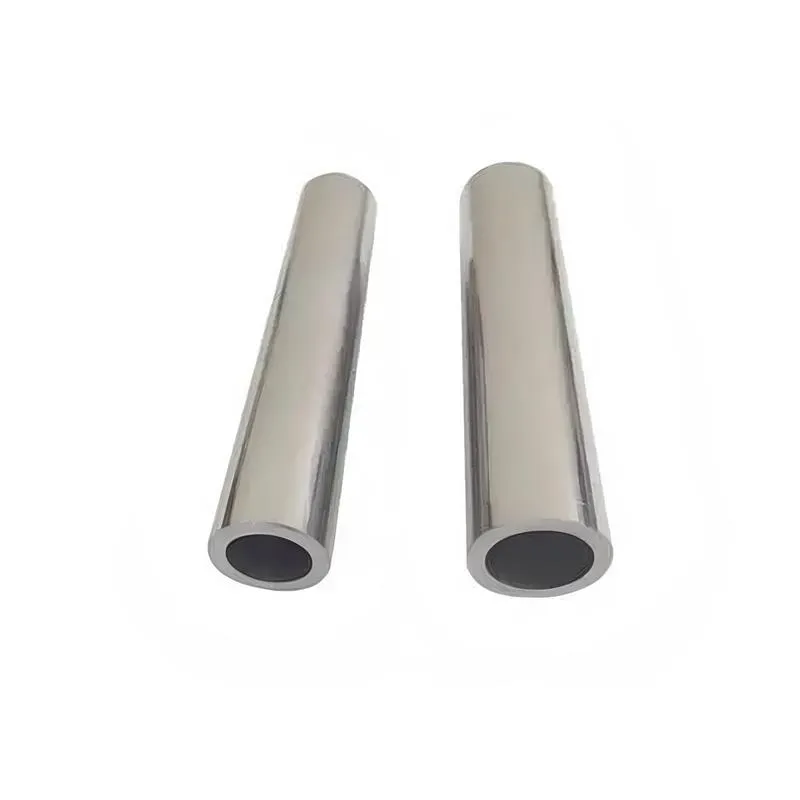
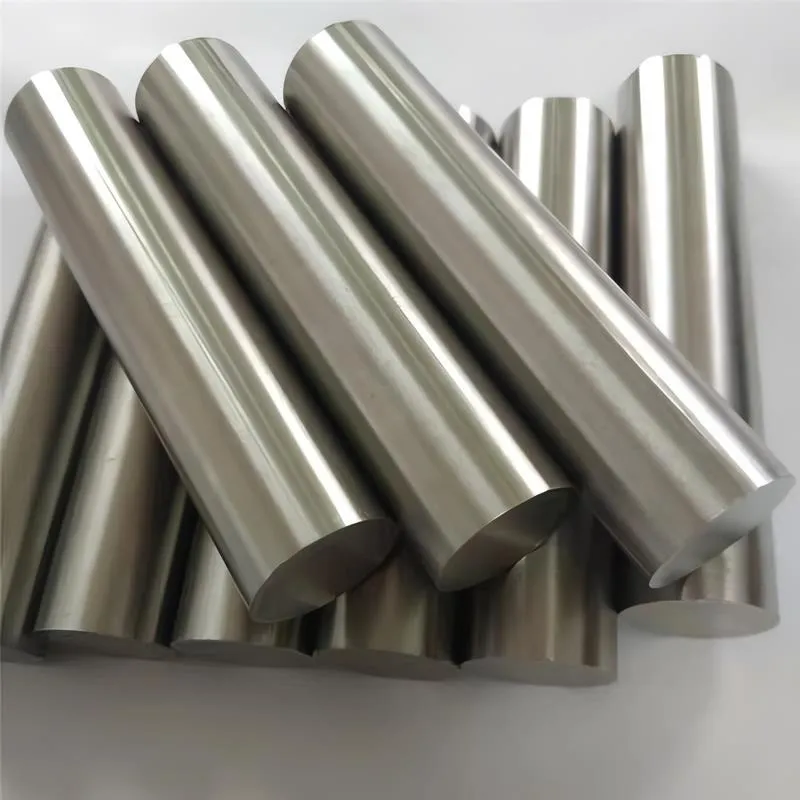
AISI Type H42 Hot-Work Tool Steel (UNS T20842)
Product Code : STI-GSTI-046-CU
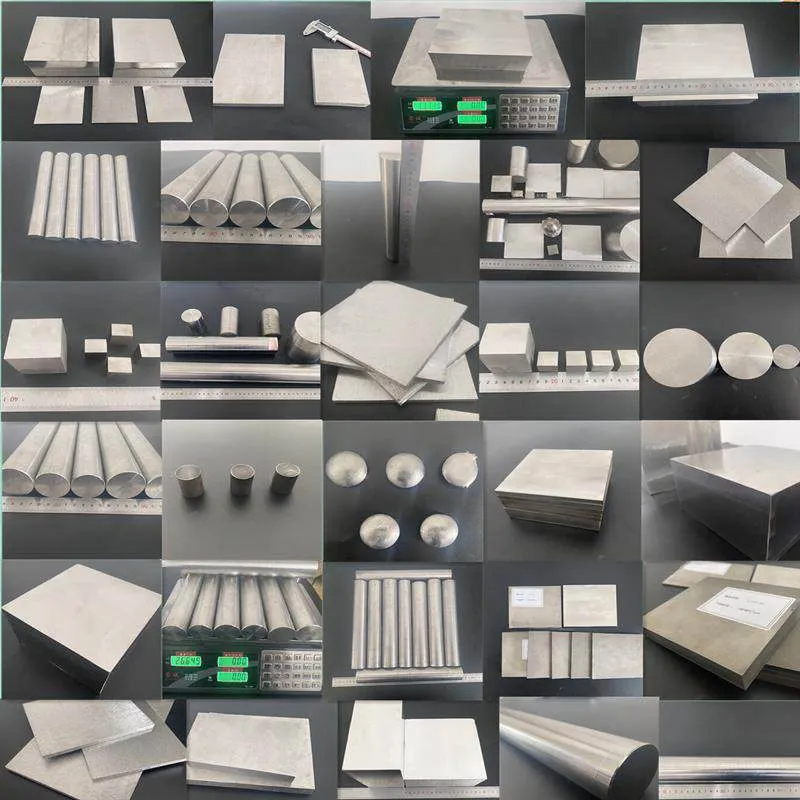
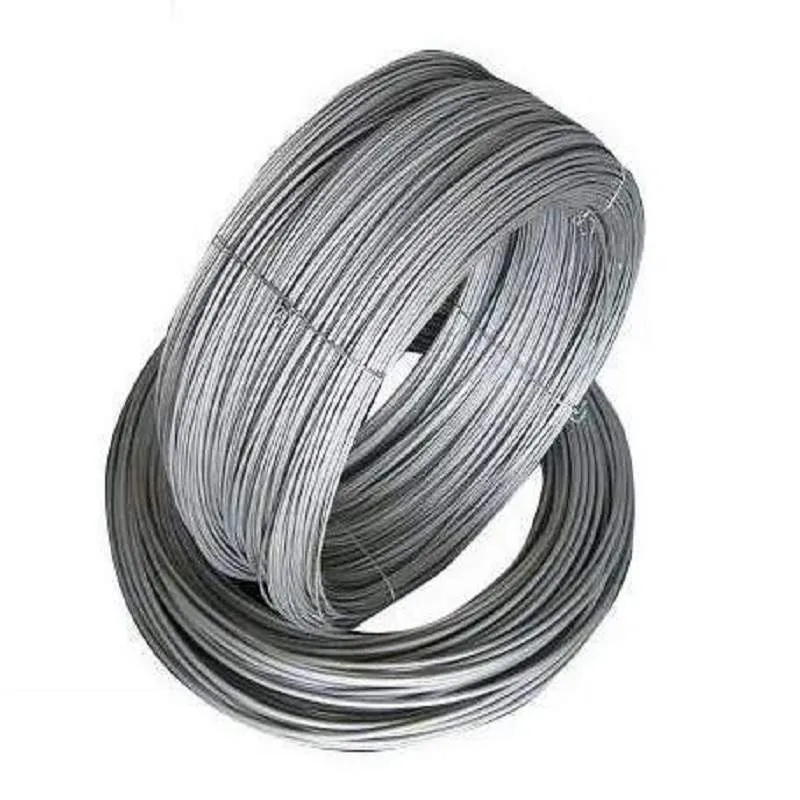
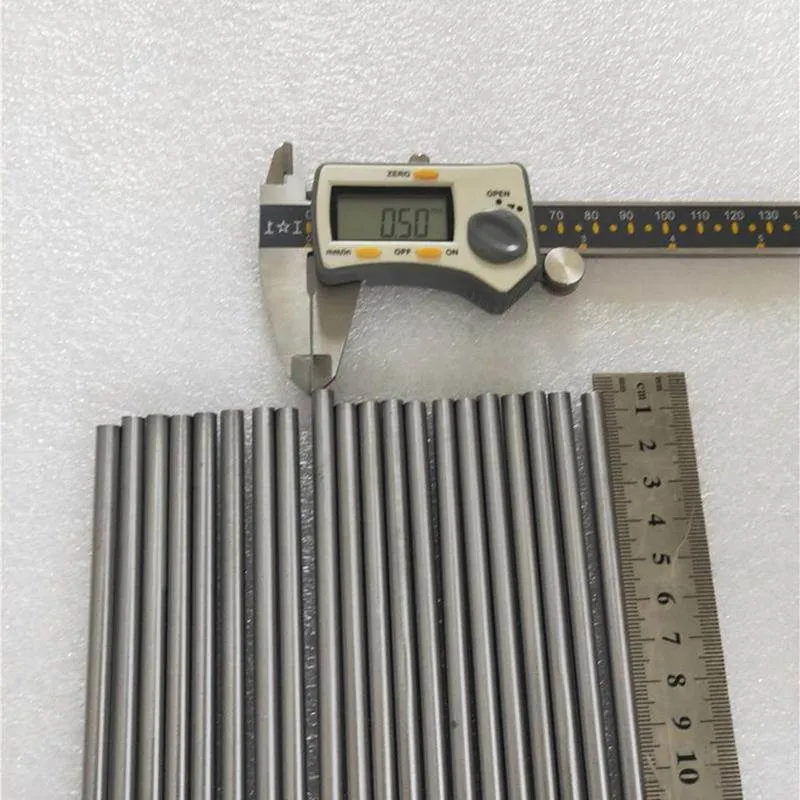
We provide AISI Type H42 Hot-Work Tool Steel (UNS T20842) is available in Bar (Round bar, Flat bar), Ribbon, Wire, Rods, Tube,Seamless Tube,Pipe, Ingots, Plate, Sheet, Strip and Forging Stock.,Purity, chemical composition, size, etc. can all be customized to meet specific requirements.
Please contact us if you need customized services. We will contact you with the price and availability in 24 hours.
AISI Type H42 Hot-Work Tool Steel (UNS T20842) Product Information
-:-
For detailed product information, please contact sales.
-:
AISI Type H42 Hot-Work Tool Steel (UNS T20842) Synonyms
-:-
For detailed product information, please contact sales.
-:
AISI Type H42 Hot-Work Tool Steel (UNS T20842) Product Information
-:-
For detailed product information, please contact sales.
-:
# **Product Introduction: AISI Type H42 Hot-Work Tool Steel (UNS T20842)**
## **Overview**
**AISI Type H42 (UNS T20842)** is a **high-tungsten, high-cobalt hot-work tool steel** representing one of the most advanced compositions in the tungsten-cobalt hot-work steel series. Characterized by its **exceptional tungsten content combined with substantial cobalt addition**, H42 is engineered to deliver **maximum hot hardness, superior high-temperature strength, and excellent thermal fatigue resistance** under the most extreme operating conditions. This premium grade is specifically designed for applications where conventional hot-work steels fail due to thermal softening, making it suitable for the most demanding high-temperature forming and forging operations in aerospace, power generation, and advanced materials processing industries.
---
## **Chemical Composition (Typical Weight %)**
H42 features an extreme tungsten-cobalt composition optimized for unparalleled high-temperature performance.
| Element | Content (%) | Role in Hot-Work Performance |
| :--- | :--- | :--- |
| **Tungsten (W)** | **15.00 - 17.00** | **Maximum tungsten content in the H42 series.** Forms an extensive network of ultra-stable tungsten carbides (WC, W₂C) providing exceptional red hardness and resistance to thermal softening at extreme temperatures. |
| **Cobalt (Co)** | **8.00 - 10.00** | **Very high cobalt content.** Dramatically enhances hot hardness through solid solution strengthening, significantly improves tempering resistance, increases high-temperature fatigue strength, and provides excellent matrix stability. Primary matrix strengthener. |
| **Chromium (Cr)** | **3.50 - 4.50** | Provides essential oxidation resistance while optimizing the tungsten-cobalt synergy. Balanced to prevent excessive carbide formation that could reduce toughness. |
| **Vanadium (V)** | **0.80 - 1.20** | Forms vanadium carbides that refine grain structure, enhance elevated-temperature wear resistance, and contribute to secondary hardening during tempering. |
| **Carbon (C)** | **0.55 - 0.65** | **Relatively high carbon content.** Optimized to provide adequate carbide formation for hardness and wear resistance while maintaining sufficient matrix toughness through cobalt's beneficial effects. |
| **Molybdenum (Mo)** | **≤ 0.50** | Minimal; H42 relies exclusively on tungsten and cobalt for high-temperature properties. |
| **Silicon (Si)** | 0.15 - 0.40 | Improves oxidation resistance. |
| **Manganese (Mn)** | 0.20 - 0.50 | Aids hardenability and deoxidization. |
| **Sulfur (S)** | ≤ 0.03 | - |
| **Phosphorus (P)** | ≤ 0.03 | - |
| **Iron (Fe)** | **Balance** | Base metal. |
**Key Distinction:** H42's **extreme tungsten (15-17%) and very high cobalt (8-10%) content** creates a synergistic strengthening system where tungsten provides exceptional carbide strengthening while cobalt delivers unprecedented matrix strengthening. This dual mechanism enables H42 to maintain mechanical properties at temperatures where other hot-work steels rapidly degrade. The **higher carbon content (0.55-0.65%) compared to other cobalt-containing tungsten steels** provides enhanced carbide volume for superior wear resistance.
---
## **Physical & Mechanical Properties**
*Properties are for material in the hardened and tempered condition (typical operating hardness 52-56 HRC).*
| Property | Typical Value / Description |
| :--- | :--- |
| **Density** | ~8.85 g/cm³ (Exceptionally high due to extreme tungsten and cobalt content) |
| **Hardness (Annealed)** | 240 - 270 HB |
| **Hardness (Hardened & Tempered)** | **52 - 60 HRC** (Typically operated at 54-58 HRC for extreme applications) |
| **Hot Hardness (at 750°C / 1380°F)** | **~46-50 HRC** (Unmatched retention at extreme temperatures) |
| **Tensile Strength** | 1800 - 2200 MPa (at 56 HRC) |
| **Yield Strength (0.2%)** | 1600 - 2000 MPa (at 56 HRC) |
| **Elongation** | **2 - 5%** (at 56 HRC; very low due to high carbide volume) |
| **Impact Toughness (Charpy)** | **5 - 10 J** (at 56 HRC; extremely low - characteristic limitation) |
| **Thermal Fatigue Resistance** | **Good to Very Good.** Cobalt significantly improves thermal fatigue resistance compared to non-cobalt tungsten steels at equivalent hardness levels. |
| **Thermal Conductivity** | **~22.5 W/m·K** at 20°C (Very low due to extreme alloy content) |
| **Coefficient of Thermal Expansion** | ~11.3 × 10⁻⁶/°C (20-500°C) |
| **Maximum Continuous Service Temperature** | **~750°C (1380°F)** (Among the highest for standard hot-work steels) |
| **Specific Heat Capacity** | 460 J/kg·K |
| **Creep Resistance** | **Excellent.** Superior resistance to deformation under sustained high-temperature stress. |
| **Machinability (Annealed)** | **Extremely Poor** (~20-25% of 1% carbon steel). Among the most difficult steels to machine commercially. |
| **Grindability** | **Extremely Poor.** Requires specialized grinding techniques and equipment. |
---
## **Heat Treatment Guidelines**
H42 demands extreme precision in heat treatment due to its sensitive, ultra-high alloy composition.
| Process | Parameters | Critical Considerations for H42 |
| :--- | :--- | :--- |
| **Annealing** | Heat to 870-900°C (1600-1650°F), slow furnace cool to 480°C (900°F) at ≤8°C/hr, then air cool. | Results in ~255 HB; essential for minimal machinability. Full spheroidization critical. |
| **Stress Relieving** | 650-700°C (1200-1290°F) for 3-4 hrs, slow furnace cool. | Mandatory after any machining to prevent stress-induced cracking. |
| **Preheating** | **Triple preheat:** 400°C (750°F), 650°C (1200°F), and 850°C (1560°F). Hold 30+ minutes at each stage. | Essential to prevent thermal shock and catastrophic cracking during extreme austenitizing. |
| **Austenitizing** | **1210-1250°C (2210-2280°F).** Soak: 20-30 min/inch. | **Extreme temperature required;** must use vacuum furnace with precise temperature control (±5°C) to prevent decarburization. |
| **Quenching** | **High-pressure gas quenching (6-10 bar)** preferred, or **oil quench** with maximum agitation. | Rapid cooling necessary; air quenching generally insufficient for full hardness in thick sections. |
| **Tempering** | **Triple or quadruple temper at 640-700°C (1185-1290°F)** for 2+ hours each. Cryogenic treatment (-80°C) between tempers strongly recommended. | Must begin tempering immediately after reaching 50-65°C; very high tempering temperatures required for optimal secondary hardening. |
---
## **Product Applications**
H42 is reserved for the most extreme, specialized applications where no other standard hot-work steel can survive.
### **Primary Hot-Work Applications:**
#### **1. Ultra-High Temperature Forging (Primary Application):**
- **Dies for nickel-based superalloy forging** (Inconel 718, René alloys, Hastelloy) at 800-1000°C
- **Isothermal and hot-die forging tools** maintained at 700-850°C
- **Precision forging dies** for aerospace turbine disks, blades, and critical rotating components
- **Forging tools for titanium aluminides** and advanced intermetallic compounds
#### **2. Extreme Temperature Extrusion:**
- **Extrusion dies for refractory metals** (molybdenum, tungsten, tantalum alloys)
- **Mandrels and liners for superalloy extrusion**
- **Tools for ceramic and metal matrix composite extrusion** at extreme temperatures
#### **3. Specialized High-Temperature Manufacturing:**
- **Hot isostatic pressing (HIP) tooling** for advanced aerospace components
- **Die casting tools for titanium and refractory metal casting** (experimental processes)
- **Tools for spark plasma sintering (SPS)** and other field-assisted sintering technologies
- **Hot work tools for advanced ceramic composites** and ultra-high-temperature materials
### **Specific Industry Usage:**
- **Aerospace & Defense** (jet engine hot sections, hypersonic vehicle components, advanced propulsion systems)
- **Power Generation** (next-generation gas turbine components, ultra-supercritical steam turbine tooling)
- **Advanced Materials Research & Development** (government and industrial research facilities)
- **Nuclear Fusion Research** (high-temperature plasma-facing component tooling)
- **Space Exploration Systems** (reentry vehicle and rocket propulsion component manufacturing)
---
## **International Standards & Cross-Reference**
H42 is an extremely specialized grade with essentially no direct international equivalents.
| Standard | Designation | Equivalent / Similar Grade |
| :--- | :--- | :--- |
| **AISI/SAE (USA)** | **H42** | - |
| **UNS (USA)** | **T20842** | - |
| **ASTM (USA)** | A681 | Grade H42 (though rarely specified) |
| **Europe (EN)** | **No equivalent** | - |
| **Germany (DIN)** | **No equivalent** | - |
| **Japan (JIS)** | **No equivalent** | - |
| **ISO** | **No equivalent** | - |
| **UK (BS)** | **No equivalent** | - |
| **China (GB)** | **No equivalent** | - |
**Critical Note:** **AISI H42 has no true international equivalents.** Its extreme tungsten-cobalt composition (15-17% W, 8-10% Co) places it completely outside standard international tool steel classification systems. It represents what is essentially a "specialty of specialties" within the AISI system—a grade developed for extreme applications that never entered mainstream industrial use.
---
## **Technical Comparison: H42 vs. Other Extreme Hot-Work Steels**
| Property | **H42 (UNS T20842)** | **H25 (UNS T20825)** | **H23 (UNS T20823)** | **H13 (UNS T20813)** |
| :--- | :--- | :--- | :--- | :--- |
| **Tungsten Content** | **15.00-17.00%** | 14.00-16.00% | 11.00-12.75% | 0% |
| **Cobalt Content** | **8.00-10.00%** | 9.00-11.00% | 0% | 0% |
| **Carbon Content** | **0.55-0.65%** | 0.20-0.30% | 0.25-0.35% | 0.32-0.45% |
| **Hot Hardness (750°C)** | **~46-50 HRC** | ~44-48 HRC | ~40-44 HRC | ~30-34 HRC |
| **Maximum Service Temp** | **~750°C (1380°F)** | ~750°C (1380°F) | ~700°C (1290°F) | ~540°C (1000°F) |
| **Toughness (54 HRC)** | 5-10 J | 4-10 J | 8-15 J | **20-35 J** |
| **Thermal Fatigue Resistance** | **Best among tungsten steels** | Very Good | Good | **Excellent** |
| **Wear Resistance** | **Exceptional** | Good | Very Good | Good |
| **Relative Cost** | **Extremely High** | Extremely High | Very High | Moderate |
| **Industrial Relevance** | **Minimal** | Minimal | Limited | **Dominant** |
---
## **Advantages & Considerations**
### **Advantages:**
1. **Ultimate Hot Hardness:** Unmatched resistance to softening at temperatures up to 750°C.
2. **Exceptional High-Temperature Strength:** Maintains mechanical properties better than any other standard hot-work steel at extreme temperatures.
3. **Superior Creep Resistance:** Excellent resistance to deformation under sustained high-temperature stress.
4. **Enhanced Thermal Fatigue Resistance:** Cobalt content provides the best thermal fatigue performance among tungsten-based hot-work steels.
5. **Optimal Tungsten-Cobalt Synergy:** Represents the theoretical optimum for combined carbide (tungsten) and matrix (cobalt) strengthening.
### **Considerations & Severe Limitations:**
1. **Extremely Low Toughness:** Dangerously brittle at all temperatures; requires extreme care in handling, design, and application.
2. **Prohibitively High Cost:** Among the most expensive steels ever commercially produced due to extreme cobalt and tungsten content.
3. **Extremely Complex Heat Treatment:** Requires specialized vacuum furnaces and precise process control; high risk of thermal cracking.
4. **Very Poor Thermal Conductivity:** Severe thermal gradients and stress concentrations are inevitable during heating/cooling.
5. **Near-Impossible Machinability:** Fabrication costs typically exceed material costs by significant margins.
6. **Essentially No Availability:** Would require custom production with extremely long lead times.
7. **Minimal Application History:** Very few documented successful industrial applications.
8. **Obsolete Technology:** Superseded by more practical solutions for nearly all applications.
---
## **Metallurgical Characteristics**
### **Ultimate Tungsten-Cobalt Synergy:**
1. **Maximum Carbide Strengthening:** Extreme tungsten content creates theoretical maximum carbide volume for hot-work steels.
2. **Optimal Matrix Strengthening:** Very high cobalt content provides near-maximum solid solution strengthening possible in ferrous systems.
3. **Sophisticated Microstructure:** Complex interaction between tungsten carbides and cobalt-strengthened matrix.
4. **Exceptional Stability:** Resists microstructural degradation at temperatures approaching 750°C.
### **Microstructural Complexity:**
- **Theoretical Optimum:** H42 represents what was historically considered the theoretical limit for traditional tungsten-cobalt hot-work steels.
- **Dual-Phase Excellence:** Optimal combination of hard carbide phase and strong matrix phase.
- **Processing Sensitivity:** Extremely sensitive to heat treatment parameters due to high alloy content.
---
## **Processing & Fabrication Challenges**
### **Fabrication Reality:**
H42 is essentially **unfabricable** using conventional methods:
1. **Machining:** Requires specialized, slow processes with frequent tool changes
2. **Grinding:** Only possible with diamond wheels and extensive coolant systems
3. **EDM:** The most practical shaping method, though very slow
4. **Near-Net-Shape Forming:** Powder metallurgy or casting approaches would be necessary for complex shapes
### **Heat Treatment Imperatives:**
1. **Vacuum Processing Essential:** To prevent catastrophic oxidation and decarburization
2. **Precise Temperature Control:** ±5°C control necessary throughout cycle
3. **Controlled Cooling Rates:** To balance hardness achievement with cracking prevention
4. **Multiple Stress Relief Cycles:** Throughout the manufacturing process
---
## **Economic & Commercial Reality**
### **Cost Analysis:**
- **Material Cost:** 8-15× higher than H13
- **Fabrication Cost:** 5-10× higher than conventional tool steels
- **Heat Treatment Cost:** 3-6× higher with specialized equipment
- **Total Investment:** Prohibitive for all but government-funded or extreme R&D applications
### **Commercial Viability:**
H42 never achieved commercial viability due to:
1. **Extreme cost** with marginal performance benefits over H25
2. **Fabrication challenges** that made practical use nearly impossible
3. **Emergence of alternative technologies** (coatings, nickel alloys, ceramics)
4. **Limited application space** where its extreme properties were actually needed
5. **Risk aversion** in industries that could potentially use it
---
## **Modern Alternatives & Obsolescence**
### **Why H42 is Essentially Obsolete:**
1. **Nickel-Based Superalloys:** Offer better toughness at similar or higher temperatures
2. **Advanced Coatings:** PVD/CVD coatings on H13 or H21 provide surface properties approaching H42 at fraction of cost
3. **Ceramic and Cermet Tooling:** For specific extreme temperature applications
4. **Powder Metallurgy Tool Steels:** Offer better combinations of hardness and toughness
5. **Process Innovations:** Reduce tooling demands through improved process controls
### **Contemporary Solutions for H42-Type Applications:**
1. **Coated H13/H21:** For most high-temperature forging applications
2. **TZM Molybdenum Alloys:** For high-temperature strength and conductivity
3. **Inconel 718 Tooling:** For extreme temperature applications requiring toughness
4. **Advanced Ceramics:** SiC, Si₃N₄ for specific wear applications at extreme temperatures
5. **Functionally Graded Materials:** Optimized properties through thickness
---
## **Historical Significance & Legacy**
### **Metallurgical Achievement:**
H42 represents the **pinnacle of traditional tungsten-cobalt hot-work steel development**—a theoretical optimum that pushed conventional alloying to its absolute limits. It stands as:
1. **A benchmark** for what was possible with traditional ingot metallurgy
2. **A case study** in diminishing returns of extreme alloying
3. **A historical marker** in the evolution of high-temperature materials
4. **A testament** to metallurgical ambition and technical achievement
### **Lessons from H42's Development:**
1. **Extreme specialization** often leads to commercial failure
2. **Practical considerations** (fabricability, cost) often outweigh theoretical advantages
3. **Materials evolution** follows paths of practical utility, not just technical excellence
4. **Industry consolidation** around optimal, versatile solutions is natural and efficient
---
## **Conclusion**
**AISI Type H42 Hot-Work Tool Steel (UNS T20842)** represents both the **absolute zenith and the practical dead-end** of traditional tungsten-cobalt hot-work steel technology. With its **extreme tungsten (15-17%) and very high cobalt (8-10%) content**, it achieves **theoretical maximum hot hardness and high-temperature stability** among standard tool steels—a composition that pushes conventional alloying philosophy to its absolute limits.
However, H42's story is ultimately one of **technical overreach and commercial impracticality**. Its **prohibitive costs, near-impossible fabricability, extreme brittleness, and minimal practical application space** rendered it essentially stillborn as a commercial material. It serves today primarily as a **metallurgical curiosity**—a fascinating example of what was theoretically possible but practically unworkable.
For modern engineers and metallurgists, H42 offers valuable lessons:
1. **Extreme optimization** of single properties often comes at unacceptable costs in others
2. **Practical utility** must guide materials development, not just technical possibility
3. **Total system costs** (including fabrication and processing) determine commercial success
4. **Materials evolution** tends toward balanced, versatile solutions rather than extreme specialists
In the contemporary manufacturing landscape, the applications that might theoretically justify H42 are better served by **more sophisticated, practical solutions** including advanced coatings, alternative material systems, improved process controls, and modern manufacturing approaches. H42 remains as a **historical artifact**—a reminder of both the ambitions and the limitations of traditional metallurgical approaches to extreme temperature challenges.
-:-
For detailed product information, please contact sales.
-:
AISI Type H42 Hot-Work Tool Steel (UNS T20842) Specification
Dimensions
Size:
Diameter 20-1000 mm Length <6702 mm
Size:We can customized as required
Standard:
Per your request or drawing
We can customized as required
Properties(Theoretical)
Chemical Composition
-:-
For detailed product information, please contact sales.
-:
AISI Type H42 Hot-Work Tool Steel (UNS T20842) Properties
-:-
For detailed product information, please contact sales.
-:
Applications of AISI Type H42 Hot-Work Tool Steel (UNS T20842)
-:-
For detailed product information, please contact sales.
-:
Chemical Identifiers AISI Type H42 Hot-Work Tool Steel (UNS T20842)
-:-
For detailed product information, please contact sales.
-:
Packing of AISI Type H42 Hot-Work Tool Steel (UNS T20842)
-:-
For detailed product information, please contact sales.
-:
Standard Packing:
-:-
For detailed product information, please contact sales.
-:
Typical bulk packaging includes palletized plastic 5 gallon/25 kg. pails, fiber and steel drums to 1 ton super sacks in full container (FCL) or truck load (T/L) quantities. Research and sample quantities and hygroscopic, oxidizing or other air sensitive materials may be packaged under argon or vacuum. Solutions are packaged in polypropylene, plastic or glass jars up to palletized 3173 gallon liquid totes Special package is available on request. E FORUs’ is carefully handled to minimize damage during storage and transportation and to preserve the quality of our products in their original condition